
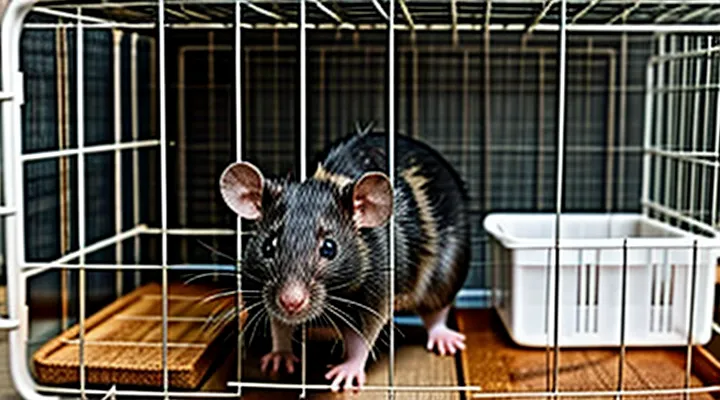
Why a Good Cage Matters for Your Rats
Understanding Rat Needs
Social Behavior
Rats thrive on interaction; a cage must support stable group structures and allow natural social exchanges.
A suitable enclosure includes:
- Minimum floor area of 0.5 square feet per adult, plus extra space for juveniles.
- Multiple levels connected by wide ramps, enabling hierarchical movement without crowding.
- Separate zones for nesting, feeding, and play, reducing competition over resources.
- Durable, chew‑resistant bars spaced no more than 0.5 inches to prevent escapes while permitting visual contact.
Social hierarchy influences cage layout. Dominant individuals often claim higher platforms; providing several elevated spots prevents constant displacement of subordinates. Introducing new rats requires a neutral zone equipped with hiding places, allowing gradual acclimation without immediate confrontation.
When purchasing, verify:
- Solid construction without sharp edges that could cause injury.
- Easy‑to‑disassemble panels for thorough cleaning, limiting odor buildup that can stress the colony.
- Secure latch mechanisms that prevent escape while allowing quick access for handling.
Choosing an enclosure that respects rats’ communal nature promotes health, reduces aggression, and enhances overall welfare.
Activity Levels
Rats are highly active rodents; cage dimensions must accommodate frequent movement. Minimum floor space of 0.5 sq ft per animal prevents crowding, while additional height of at least 12 inches allows climbing. Vertical space supports natural exploratory behavior and reduces stress.
Key considerations for activity‑related cage selection:
- Multi‑level platforms or shelves provide climbing opportunities.
- Solid flooring with a textured surface encourages running and prevents foot injuries.
- Wide openings facilitate easy entry and exit, enabling rapid exploration of the interior.
- Secure wire mesh on the top prevents escape while allowing ventilation.
Enrichment items such as tunnels, wheels, and chew toys should be attachable without obstructing movement. Materials must be chew‑safe and easy to clean to maintain hygiene during high activity periods. Choosing a cage that balances spaciousness, vertical complexity, and secure ventilation supports the vigorous nature of pet rats.
Health and Well-being
Choosing a cage that supports rat health requires attention to space, ventilation, material quality, and ease of cleaning. Adequate floor area prevents overcrowding, while sufficient height accommodates natural climbing behavior. Proper airflow reduces humidity and odor buildup, limiting respiratory issues. Easy‑to‑remove trays simplify regular sanitation, decreasing the risk of bacterial growth.
Key health criteria include:
- Minimum floor space of 0.05 m² per adult rat.
- Bar spacing no larger than 1 cm to prevent paw injuries and escapes.
- Cage height at least 30 cm to allow vertical movement.
- Non‑porous, chew‑resistant materials such as stainless steel or high‑grade acrylic.
- Secure, leak‑proof water bottles and food dishes to avoid contamination.
Materials should be free of toxic coatings and resistant to gnawing. Stainless steel offers durability and hygiene; high‑quality acrylic provides visibility without compromising safety. Avoid cages with painted or treated surfaces that may leach chemicals.
Ventilation must combine open mesh panels with solid walls to balance airflow and temperature control. Removable bottom liners or wire mesh floors facilitate waste removal, reducing ammonia accumulation. Regular cleaning schedules, supported by a design that allows disassembly, protect respiratory health.
Well‑being is enhanced by providing enrichment items that fit within the cage dimensions. Hideouts constructed from safe, untreated wood give refuge, while chew toys made of untreated natural fibers satisfy dental needs. Position accessories to prevent obstruction of airflow and to keep food and water sources free from droppings.
By evaluating these factors, buyers ensure that the selected enclosure promotes optimal physical health and a stress‑free environment for their rats.
Key Considerations for Choosing a Rat Cage
Size and Space Requirements
Minimum Dimensions
When selecting a cage for rats, the smallest acceptable internal measurements are critical for health and behavior. A floor area of at least 0.5 square feet per animal provides sufficient space for movement, foraging and nesting. For a pair of rats, the minimum floor dimensions should be no less than 12 inches by 24 inches (30 cm by 60 cm). Larger groups require proportional increases, maintaining the 0.5 sq ft per rat rule.
Vertical space must accommodate climbing and standing. A cage height of at least 12 inches (30 cm) prevents restricted posture and allows the placement of multiple levels or accessories. When using multi‑level designs, each level should meet the same floor‑area requirement as a single‑level cage.
Key dimensions summarized:
- Floor area: ≥ 0.5 sq ft (≈ 46 cm × 46 cm) per rat
- Minimum floor size for two rats: 12 in × 24 in (30 cm × 60 cm)
- Height: ≥ 12 in (30 cm)
- Multi‑level levels: each level must satisfy the floor‑area rule
Compliance with these measurements ensures adequate ventilation, reduces stress and supports natural activity patterns. Adjustments upward are advisable for active strains or when additional enrichment items occupy floor space.
Multi-Level Design
A multi‑level cage maximizes the limited floor area of a typical rodent enclosure while providing essential environmental enrichment. Vertical platforms, ramps, and tunnels create distinct zones for climbing, nesting, and foraging, encouraging natural behaviors and reducing stress.
Key factors to evaluate when selecting a multi‑level design:
- Platform height and spacing that accommodate adult rats without risking injury; a minimum clearance of 4 inches between levels is advisable.
- Ramp gradient not exceeding 30 degrees to ensure safe ascent and descent.
- Secure attachment of each level to prevent wobbling; stainless‑steel brackets or reinforced plastic hinges offer durability.
- Easy‑access panels on every tier for routine cleaning and health checks; removable trays simplify waste removal.
- Materials that resist chewing and are non‑toxic; solid‑core polycarbonate and powder‑coated metal are preferred.
Safety considerations include covering all gaps larger than ½ inch to prevent escape, and ensuring that any climbing structures are free of sharp edges. Proper ventilation must be maintained across all levels; mesh side panels on each tier promote airflow while preserving visual contact with the animals.
When budgeting, assess the long‑term value of a modular system that can expand as the colony grows. Additional tiers are often sold separately and can be integrated without replacing the entire cage, reducing overall cost.
In summary, a well‑designed multi‑level enclosure combines vertical space efficiency, robust construction, and straightforward maintenance, making it a practical choice for anyone purchasing a habitat for rats.
Bar Spacing
Preventing Escapes
A secure cage eliminates the risk of rats slipping through openings, protecting both the animals and the household. Escape incidents often stem from inadequate construction, faulty latches, or worn components. Selecting a cage with robust design elements reduces these hazards.
- Solid panels or wire mesh with gaps no larger than ¼ inch prevent passage.
- Latches equipped with a locking mechanism resist accidental opening.
- Wire gauge of at least 1 mm withstands chewing and pressure.
- Reinforced corners and seams eliminate weak points where damage can develop.
- Removable doors that seal tightly allow safe cleaning without compromising security.
Regular inspection of the cage identifies wear before it becomes a breach. Replace corroded wires, tighten loose screws, and verify latch functionality each month. Cleaning schedules should include a visual check of mesh integrity and hinge operation.
Placement of the cage influences escape likelihood. Position the enclosure on a stable, level surface away from high‑traffic areas. Avoid stacking accessories that could serve as stepping stones to the cage door. Ensure the cage remains out of reach of other pets that might attempt to open it.
By adhering to these specifications, the probability of a rat escaping diminishes dramatically, resulting in a safer environment for both the rodents and their caretakers.
Preventing Injuries
When evaluating a rat enclosure, injury prevention must drive every decision. Secure bar spacing of no more than ½ inch (≈1.3 cm) eliminates the risk of head entrapment and limb compression. Choose a frame constructed from stainless steel or powder‑coated metal; these materials resist rust, avoid sharp edges, and withstand persistent chewing without splintering.
A solid, non‑slip floor protects paws and joints. Solid plastic or coated wire mesh with a smooth finish prevents abrasions while allowing easy cleaning. Provide a thick, chew‑resistant base—such as a hard‑baked wood block or a thick acrylic sheet—to absorb impacts from jumping and to reduce stress on vertebrae.
Ventilation openings should be protected by fine mesh to keep airflow adequate without exposing rats to sharp protrusions. Ensure that any door or latch mechanism operates smoothly, with rounded handles that do not pinch skin or nails.
Include the following safety features in the purchase checklist:
- Bar spacing ≤ ½ inch
- Frame material: stainless steel or powder‑coated metal
- Floor type: solid, non‑slip surface (plastic, coated mesh, or thick acrylic)
- Base: chew‑resistant, impact‑absorbing material
- Latch design: rounded, smooth operation
- Ventilation mesh: fine, edge‑protected
Regular inspection of the cage eliminates emerging hazards. Replace worn wire, repair loose hinges, and monitor for splinters or sharp edges after cleaning. Maintaining a hazard‑free environment preserves the health and mobility of pet rats throughout their lifespan.
Cage Material and Construction
Wire Cages
Wire cages are a common choice for housing rats because they combine durability with ample ventilation. The open grid design prevents the buildup of humidity and odors, which reduces the risk of respiratory problems. The metal framework resists chewing, a typical behavior of rodents, and maintains structural integrity over long periods.
Key specifications to evaluate when assessing a wire enclosure include:
- Bar spacing: ½ inch (≈ 1.3 cm) or less prevents escape and limits the ability of rats to squeeze through gaps.
- Floor type: solid plastic or metal platforms simplify cleaning; wire mesh floors should be avoided due to potential foot injuries.
- Height: at least 12 inches (≈ 30 cm) allows vertical climbing, an activity that promotes muscle development.
- Material coating: powder‑coated steel or rust‑free aluminum prevents corrosion and eliminates toxic residues.
- Door mechanism: lockable latches with smooth operation minimize stress during handling.
Maintenance considerations are straightforward. Solid floors can be wiped with a mild disinfectant and rinsed with water; removable trays collect waste for easy disposal. The cage’s modular construction often permits the addition of accessories such as nesting boxes, chew toys, and ramps, which should be secured with compatible clips to avoid detachment.
Cost analysis shows that a basic wire cage typically ranges from $30 to $80, while models with multiple levels or integrated accessories may exceed $100. Investment in a higher‑priced unit often yields longer service life and reduced need for replacement components.
When purchasing, verify that the manufacturer provides clear dimensions, material specifications, and warranty details. Confirm that the product complies with relevant animal welfare standards, which commonly require appropriate ventilation, safe bar spacing, and non‑toxic finishes. Selecting a wire cage that meets these criteria ensures a healthy, secure environment for rats.
Solid Bases
A solid base is the foundation of a reliable rat enclosure. It prevents tipping, distributes the animal’s weight evenly, and resists damage from gnawing. A sturdy platform also simplifies cleaning by providing a smooth surface that does not retain debris.
Key criteria for evaluating a base include:
- Material durability – thick plastic, stainless steel, or reinforced acrylic withstands chewing and humidity.
- Load capacity – the base must support the combined weight of the cage, bedding, accessories, and the rats.
- Size compatibility – dimensions should extend beyond the cage footprint by at least a few centimeters on each side to ensure stability.
- Surface smoothness – a non‑porous finish facilitates hygiene and prevents bacterial growth.
When selecting a base, prioritize thick‑walled plastic or metal constructions with reinforced corners. Avoid bases made from thin cardboard or low‑grade polymer that deform under pressure. Ensure the base’s edges are rounded or protected to reduce injury risk.
A well‑designed solid platform contributes to long‑term cage integrity, reduces the likelihood of accidental collapse, and supports efficient maintenance routines.
Rust Resistance
Rust resistance directly influences the longevity and safety of a rat enclosure. Corrosion weakens structural integrity, creates sharp edges, and contaminates the environment with metal particles. Selecting a cage that withstands moisture and urine exposure prevents these hazards.
Materials offering inherent rust resistance include:
- Stainless steel, typically grade 304 or 316, provides a non‑corrosive surface without additional treatment.
- Powder‑coated metal frames combine a protective polymer layer with a metal core, resisting rust while reducing weight.
- Acrylic or polycarbonate panels eliminate metal exposure altogether, though framing must still meet corrosion standards.
When metal is used, coating quality determines durability. Galvanized steel offers a zinc barrier, but prolonged contact with acidic urine can erode the layer. Epoxy or polyurethane finishes extend protection, provided the coating remains intact and is inspected regularly.
Maintenance practices reinforce rust resistance. After each cleaning cycle, dry all surfaces thoroughly to remove residual moisture. Inspect joints and seams for signs of wear; replace compromised components promptly. Store the cage in a dry area when not in use to minimize exposure to humidity.
By prioritizing rust‑resistant construction and adhering to consistent upkeep, a rat cage maintains structural soundness and promotes a healthy habitat.
Ventilation
Air Circulation
Effective ventilation is a critical factor when selecting a habitat for pet rodents. Poor airflow can lead to humidity buildup, ammonia accumulation, and respiratory problems. A well‑ventilated enclosure maintains a stable microclimate, reduces odor, and supports the health of the animals.
Key considerations for airflow include:
- Mesh size and placement – Bars or panels should have openings no larger than ½ inch to prevent escape while allowing free movement of air.
- Horizontal versus vertical ventilation – Designs that promote a gentle cross‑draft, with intake at the lower level and exhaust near the top, encourage continuous air exchange.
- Material permeability – Plastic or acrylic components must be combined with ventilated sections; solid walls should be limited to the front or back for structural support.
- Adjustable vents – Removable or sliding panels enable fine‑tuning of airflow to match seasonal temperature changes.
- Cage positioning – Locate the enclosure away from direct drafts, heating vents, or humidifiers to avoid temperature fluctuations while ensuring ambient room air can circulate.
Maintenance practices reinforce proper ventilation:
- Clean substrate regularly to prevent mold and ammonia formation.
- Inspect mesh and vent openings for blockages caused by bedding or debris.
- Rotate the cage periodically to expose all sides to fresh air.
By prioritizing these ventilation attributes, purchasers can secure a cage that promotes a healthy, odor‑controlled environment for their rodents.
Odor Control
Odor control is a decisive factor when selecting a rat enclosure. Effective management of smell reduces stress for the animals and maintains a pleasant environment for the owner.
Materials that absorb moisture, such as high‑density polyethylene, limit the buildup of bacterial odors. Ventilation slots positioned on opposite walls create a continuous airflow, preventing stagnant air pockets. A removable tray beneath the cage collects waste, allowing frequent emptying without disturbing the inhabitants.
Key components for odor mitigation:
- Bedding: Use absorbent, low‑dust substrates like paper‑based pellets; replace weekly to avoid saturation.
- Filter system: Install activated‑carbon filters in ventilated panels; replace according to manufacturer guidelines.
- Cleaning routine: Disassemble removable parts, wash with mild, unscented detergent, and rinse thoroughly before reassembly.
- Seal integrity: Ensure all joints and doors close tightly to prevent escape of odors while permitting adequate ventilation.
Choosing a cage that integrates these features ensures consistent odor control, supports rat health, and preserves household comfort.
Ease of Cleaning
Removable Trays
Removable trays provide a practical solution for waste management in rat enclosures, allowing quick extraction of soiled substrate without disturbing the animals.
Key criteria for selecting an appropriate tray include:
- Material resistant to corrosion and odor, such as high‑density polyethylene or stainless steel.
- Dimensions that match the cage floor, ensuring full coverage and preventing substrate spillage.
- Sufficient depth, typically 1–2 cm, to contain droppings while maintaining a comfortable walking surface.
- Secure lip or raised edge to keep the tray in place during handling.
- Compatibility with common cage models, confirmed by checking manufacturer specifications.
Effective maintenance relies on the tray’s ease of removal and cleaning. Dishwasher‑safe plastics and rust‑free metals accelerate turnover, while smooth interiors reduce substrate adhesion. Regular sanitation, at least weekly, prevents bacterial growth and odor accumulation.
Cost considerations balance initial investment against longevity. Reinforced trays withstand repeated cleaning cycles and resist cracking, extending service life. Replacement parts are often sold separately, allowing cost‑effective repairs without replacing the entire cage.
«Removable trays simplify hygiene protocols, enhance animal welfare, and support responsible pet ownership».
Accessible Doors
Accessible doors are essential components of any rat enclosure, allowing straightforward entry and exit for routine care, cleaning, and health inspections. Properly designed openings reduce stress on the animals and minimize handling time, which contributes to overall well‑being.
Key design attributes include:
- Opening dimensions that accommodate the full size of an adult rat without forcing the animal through a tight space.
- Latch mechanisms that operate smoothly with one hand, avoiding the need for excessive force that could damage the cage or injure the rat.
- Materials resistant to gnawing, rust, and corrosion, such as stainless steel or reinforced plastic, ensuring long‑term functionality.
- Placement that aligns with the cage’s interior layout, providing unobstructed access to food dishes, water bottles, and nesting areas.
When evaluating products, consider the following criteria:
- Measure the internal width and height of the cage, then compare with the door’s clearance specifications.
- Verify that the latch locks securely yet releases easily, preventing accidental openings while allowing quick access.
- Inspect the edge finish; smooth, rounded edges reduce the risk of injury to delicate paws.
- Assess the compatibility of the door with common cage models; universal fittings simplify installation.
- Review warranty terms and customer feedback regarding durability under continuous use.
Purchasing decisions should prioritize doors that meet the size and safety requirements, employ robust hardware, and fit seamlessly into the chosen cage system. Selecting a reliable «Accessible Door» enhances maintenance efficiency and supports a healthy environment for pet rats.
Accessibility
Large Doors for Interaction
Large doors provide direct access for handling, cleaning, and enrichment activities, reducing stress for both rodents and caretakers. A door that opens fully without obstruction enables quick removal of rats for health checks, veterinary visits, or social interaction, while allowing the placement of toys, food, and bedding without disturbing the enclosure’s interior.
Key specifications for selecting an appropriate door include:
- Minimum opening width of 12 inches (30 cm) to accommodate adult rats and accessories;
- Height of at least 8 inches (20 cm) to prevent the animal from blocking the frame;
- Secure latch mechanism that can be operated with one hand while keeping the door sealed against escape;
- Materials such as stainless steel or coated aluminum to resist gnawing and corrosion;
- Smooth interior surface to avoid injury during repeated opening and closing;
- Compatibility with the cage’s overall design, ensuring the door aligns with ventilation openings and does not interfere with structural stability.
Regular inspection of hinges and seals detects wear before it compromises containment. Cleaning protocols benefit from removable doors that can be detached for thorough washing, extending the lifespan of the habitat and maintaining hygiene standards.
Easy Access for Food and Water
Easy access to food and water is a critical factor when evaluating a rat enclosure. The design must allow the animal to reach nourishment without obstruction, supporting natural foraging behavior and reducing stress.
A practical cage incorporates the following features:
- Separate feeding stations positioned at floor level, preventing the need for climbing.
- Water dispensers mounted on the side wall, with a low spout that rats can reach while standing on their hind legs.
- Removable or hinged food bowls, enabling quick cleaning and refilling without dismantling the entire cage.
- Transparent or mesh panels near the feeding area, allowing observation of consumption patterns and early detection of health issues.
Materials should be sturdy enough to withstand repeated handling of bowls and bottles. Stainless‑steel or heavy‑gauge plastic containers resist rust and breakage, ensuring longevity and hygiene.
Placement of feeding accessories should not interfere with other cage elements such as nesting boxes or exercise wheels. Aligning food and water sources along a straight wall creates a clear pathway, facilitating movement and preventing accidental spills onto bedding.
Regular maintenance is simplified when food and water containers detach easily. Quick removal reduces the time the cage is opened, limiting exposure to drafts and potential escape routes.
In summary, a rat enclosure that prioritizes unobstructed, low‑positioned feeding stations, durable containers, and ergonomic placement enhances welfare and streamlines daily care tasks.
Types of Cages to Consider
Wire Cages
Wire cages remain a popular option for housing rats due to their durability, ventilation, and ease of cleaning. The metal framework provides a sturdy enclosure that resists gnawing, while the open bars promote airflow, reducing humidity and odor buildup.
Key considerations when evaluating wire cages include bar spacing, cage dimensions, material coating, and interior accessories.
- Bar spacing: ½‑inch (≈1.27 cm) gaps prevent escape yet allow sufficient ventilation; larger gaps increase the risk of tail entrapment.
- Dimensions: Minimum floor area of 2 sq ft (≈0.19 m²) per pair of rats ensures adequate movement; taller cages accommodate climbing and vertical enrichment.
- Material coating: Powder‑coated or stainless‑steel bars resist rust and corrosion, extending the cage’s lifespan.
- Cleaning features: Removable trays, slide‑out floors, and smooth welds simplify waste removal and disinfectant application.
Safety aspects focus on eliminating sharp edges and ensuring secure locks. Welded corners should be rounded, and latch mechanisms must engage firmly to prevent accidental openings.
Cost considerations balance durability against budget constraints. Basic wire cages may start at modest prices, but models with reinforced frames, modular accessories, and premium coatings command higher investment, often justified by longer service life and reduced maintenance.
When finalizing a purchase, verify that the cage complies with local animal welfare regulations, offers appropriate enrichment options such as chew toys and climbing platforms, and includes manufacturer warranties covering structural defects.
Modified Aquariums (and why they are generally not recommended)
Choosing a rat enclosure requires attention to ventilation, space, durability, and ease of cleaning. Modified aquariums often fail to meet these criteria.
- Aquariums lack adequate airflow; sealed glass surfaces restrict natural ventilation, leading to humidity buildup and respiratory problems for rodents.
- Dimensions of standard aquariums provide limited floor area. Rats thrive on horizontal movement and require multiple levels; a shallow tank restricts activity and can cause stress.
- Glass walls are fragile. Accidental impacts can crack the enclosure, creating escape routes and safety hazards.
- Water-tight seals are designed for aquatic environments, not for dry habitats. Leaks may develop, damaging bedding and creating damp conditions unsuitable for rats.
- Cleaning a glass tank demands removal of all components, often involving disassembly of the lid and heavy lifting. This process is more labor‑intensive than cleaning a purpose‑built cage with removable trays.
- Enrichment options are constrained. Aquariums do not accommodate typical rat accessories such as climbing ladders, tunnels, or chewable toys without extensive modification, which compromises structural integrity.
Because of these shortcomings, purpose‑designed rat cages remain the recommended choice for healthy, active rodents.
DIY Cages (with caveats)
DIY cages offer flexibility in design, cost control, and the ability to tailor features to specific rat needs. However, several critical factors must be addressed to ensure safety and functionality.
Material selection directly influences durability and hygiene. Non‑toxic, sturdy plastics such as high‑density polyethylene resist chewing and are easy to sanitize. Untreated wood can harbor splinters and absorb urine, creating health hazards. Metal frames should be coated to prevent rust and avoid sharp edges.
Ventilation prevents respiratory problems. Incorporate multiple openings covered with fine mesh to allow airflow while containing bedding. Mesh size must be small enough to stop escape but large enough to avoid restricting air movement.
Structural stability prevents collapse under the weight of multiple rats and accessories. Reinforce corners with brackets, and verify that all joints are securely fastened. Regularly inspect for signs of wear, especially at points where rats gnaw.
Cleaning efficiency depends on interior layout. Design removable trays or platforms that can be detached without dismantling the entire cage. Avoid complex corners where debris accumulates.
Safety considerations include:
- Absence of small gaps that enable escape.
- No sharp protrusions or loose wires.
- Materials free from toxic chemicals such as BPA or phthalates.
- Securely attached feeding and watering stations to prevent tipping.
Cost benefits are offset by the time required for construction and the risk of overlooking critical safety aspects. For those lacking woodworking or metalworking experience, purchasing a pre‑manufactured cage remains a reliable alternative.
Essential Cage Accessories and Setup
Substrate Options
Choosing a suitable bedding material is essential for rat health and cage hygiene. The substrate must absorb waste, limit dust, and be safe for gnawing. Below are common options, their characteristics, and practical considerations.
- Paper‑based bedding – Highly absorbent, low dust, biodegradable. Suitable for young or respiratory‑sensitive rats. Requires weekly replacement to prevent odor buildup.
- Aspen shavings – Aromatic, low in aromatic oils that can irritate respiratory tracts. Provides moderate absorbency. Needs regular stirring to maintain surface dryness.
- Corncob pellets – Compact, long‑lasting, and relatively inexpensive. Low dust level but can become hard when dry, potentially causing dental wear.
- Hemp fiber – Soft texture, excellent absorbency, minimal dust. Slightly higher cost; occasional thorough cleaning recommended to avoid mold.
- Coconut fibre (coir) – Natural, high moisture retention, minimal dust. Can become moldy if not fully dried between changes; monitor humidity.
- Wood shavings (pine, cedar) – Attractive scent, inexpensive. High volatile organic compounds may irritate rat lungs; generally discouraged for long‑term use.
When selecting a substrate, evaluate the following criteria:
- Dust production – Low‑dust materials reduce the risk of respiratory infections.
- Absorbency – Efficient moisture control limits ammonia buildup and odor.
- Safety – Materials must be non‑toxic and resistant to excessive gnawing that could create sharp fragments.
- Cost and availability – Choose a product that fits the budget while ensuring consistent supply.
- Ease of cleaning – Substrates that can be removed in bulk simplify weekly cage maintenance.
Regular monitoring of the bedding surface for wet spots, clumping, or unpleasant smell indicates the need for replacement. A well‑chosen substrate supports comfortable living conditions and simplifies the overall care routine. «Proper bedding selection contributes directly to the well‑being of pet rats».
Food and Water Dishes
Choosing appropriate food and water dishes is essential for maintaining rat health and cage hygiene. The dishes must fit the cage dimensions, provide easy access, and allow efficient cleaning.
Key criteria for selecting dishes:
- Size: bowls should hold at least 30 ml of water and a comparable amount of dry food; larger dishes reduce spill frequency.
- Material: stainless steel or high‑grade plastic resist gnawing and corrosion; avoid porous ceramics that retain bacteria.
- Shape: shallow, wide dishes prevent splashing and enable rats to eat without strain; deep dishes increase the risk of contamination.
- Stability: low‑profile bases prevent tipping; dishes with non‑slip bottoms stay secure on wire or plastic flooring.
- Compatibility: dishes should nest within the cage’s grid spacing, leaving sufficient room for nesting material and exercise wheels.
Installation guidelines:
- Position water dishes on the cage’s opposite side from food to limit cross‑contamination.
- Secure dishes to the cage frame or attach with zip ties if the design permits, ensuring they cannot be dislodged by vigorous activity.
- Clean dishes daily with hot, soapy water; sterilize weekly using a dilute bleach solution (1 % concentration) followed by thorough rinsing.
Monitoring practices:
- Inspect dishes for chew marks or cracks each week; replace damaged items immediately.
- Verify water levels at least twice daily; refill with fresh, filtered water to prevent bacterial growth.
Adhering to these specifications supports optimal nutrition, reduces waste, and simplifies cage maintenance.
Hiding Spots and Hammocks
Hiding spots and hammocks are essential components of a rat enclosure, providing shelter, enrichment, and opportunities for natural behavior. Proper selection and placement enhance welfare and reduce stress.
A well‑designed hiding area should:
- Offer a dark, enclosed space that mimics a burrow.
- Be constructed from chew‑safe materials such as untreated wood, solid plastic, or metal mesh with smooth edges.
- Allow easy cleaning; removable lids or hinged doors simplify maintenance.
- Fit comfortably within the cage dimensions, leaving sufficient room for movement and other accessories.
Hammocks contribute to climbing activity and rest. Effective hammock choices include:
- Fabric or rope models that support the animal’s weight without sagging.
- Rounded edges to prevent injuries.
- Adjustable hooks or attachment points, enabling placement at varying heights.
- Materials that resist gnawing and are washable.
Placement guidelines:
- Position hiding spots near the cage’s back corner or opposite the feeding area, creating a sense of security.
- Suspend hammocks above the cage floor, ensuring they do not interfere with the wheel or other climbing structures.
- Maintain a minimum clearance of 2–3 cm between the hammock and cage walls to avoid entanglement.
Safety considerations:
- Inspect all components regularly for wear, cracks, or loose fittings.
- Avoid toxic finishes, paints, or adhesives.
- Ensure that ventilation is not obstructed by large shelters.
By integrating secure hideouts and sturdy hammocks, the enclosure supports natural behaviors, promotes physical activity, and contributes to a healthier, more content rat population.
Enrichment Toys
Enrichment toys are essential for promoting natural behaviors in rats and should be a primary factor when evaluating a cage purchase. Toys that encourage chewing, climbing, foraging, and social interaction reduce stress, prevent boredom, and support physical health.
- «Chew toys» – wooden blocks, untreated wicker, or mineral chews provide safe outlets for dental wear.
- «Climbing structures» – rope ladders, angled ramps, and multi‑level platforms stimulate vertical movement.
- «Foraging puzzles» – treat‑dispensing tubes, hide‑away compartments, and shredded paper encourage problem‑solving.
- «Interactive toys» – mirrors, small balls, and lightweight bells offer auditory and visual stimulation.
Material selection influences durability and hygiene. Preferred materials include untreated hardwood, natural fibers, and food‑grade plastics. Items must be free of toxic coatings, splinter‑free, and capable of withstanding frequent chewing. Easy‑to‑clean designs simplify regular sanitation and reduce pathogen risk.
Compatibility with cage dimensions dictates placement. Toys should fit comfortably without restricting the animal’s movement or obstructing ventilation. Distribute items across the enclosure to create distinct activity zones and avoid overcrowding.
Routine inspection ensures safety. Check for wear, broken parts, or mold weekly; replace damaged pieces promptly. Clean reusable toys with mild detergent and rinse thoroughly before returning them to the cage. This maintenance schedule preserves both the toys’ functionality and the overall health of the rats.
Ladders and Ramps
When evaluating a rat enclosure, the inclusion of ladders and ramps directly affects mobility and habitat enrichment. Properly designed vertical and inclined pathways enable rats to explore multiple levels, reduce stress, and promote natural climbing behavior.
Key considerations for ladders and ramps:
- Material: stainless steel, powder‑coated metal, or sturdy hardwood resist chewing and corrosion.
- Width: minimum 2 inches (≈5 cm) to accommodate adult rats without constriction.
- Angle: ramps should not exceed 30° to prevent slipping; steeper angles are suitable for ladders with secure rungs.
- Surface texture: fine grooves or textured coating improve traction while minimizing injury risk.
- Attachment method: bolts or brackets must lock firmly to the cage frame, avoiding loose fittings that could detach.
Installation guidelines:
- Position ladders to connect the main floor with any upper platforms, ensuring clear clearance from cage walls.
- Place ramps near feeding stations or nesting areas to encourage regular use.
- Verify that each pathway is stable under the weight of an active rat, testing for wobble before introducing animals.
Purchasing advice:
- Compare product specifications against the enclosure dimensions; oversized ladders waste space, while undersized ones limit access.
- Prioritize items with warranty coverage for chew damage, indicating manufacturer confidence in durability.
- Review customer feedback for signs of rust, breakage, or sharp edges that could harm rats.
Integrating appropriately sized and securely mounted ladders and ramps enhances the functional range of a rat habitat, supporting natural behaviors and overall well‑being.
Where to Buy a Rat Cage
Pet Stores
Pet stores provide a centralized location where a wide range of rat cages can be examined before purchase. Physical inspection allows verification of material durability, bar spacing, and ventilation openings, ensuring the enclosure meets the specific needs of small rodents. Staff members often possess knowledge of local regulations and breed‑specific requirements, offering guidance that reduces the risk of selecting an inappropriate model.
Pricing structures in retail outlets typically include options for bulk discounts, seasonal promotions, and bundled accessories such as feeding dishes, water bottles, and bedding trays. Comparing these offers with online listings clarifies the true cost of ownership and highlights value‑added services like warranty coverage or free replacement parts.
Key factors to assess while at a pet store:
- Bar spacing of ½‑inch or less to prevent escapes.
- Secure latch mechanisms that can be opened without excessive force.
- Removable trays for easy cleaning and waste management.
- Construction material resistant to gnawing, such as powder‑coated metal or reinforced plastic.
Return policies differ among retailers; confirming the timeframe for exchanges or refunds protects the buyer against defects discovered after the cage is assembled at home. By leveraging the tangible advantages of pet store shopping, rat owners can make an informed, cost‑effective decision without relying on uncertain online descriptions.
Online Retailers
Online retailers dominate the market for rat cages, offering extensive product ranges and convenient purchasing processes. Their platforms aggregate items from specialty manufacturers, mainstream pet suppliers, and independent artisans, allowing direct comparison of dimensions, materials, and price points.
Key factors for evaluating e‑commerce sources include:
- Reputation: verify the seller’s track record through independent rating systems and verified customer feedback.
- Product variety: prioritize sites that list cages in multiple sizes, ventilation options, and accessory bundles.
- Pricing transparency: confirm that listed costs encompass taxes, shipping fees, and any applicable import duties.
- Shipping terms: assess delivery speed, packaging durability, and policies for damaged or missing items.
- Return and warranty conditions: ensure clear procedures for refunds, exchanges, and manufacturer guarantees.
- Customer support: prefer retailers offering responsive contact channels, detailed FAQs, and accessible documentation.
When selecting a specific cage, compare specifications side by side, noting cage height, bar spacing, and material safety certifications. Examine high‑resolution images and read the full product description to confirm that the enclosure meets the spatial and enrichment needs of laboratory‑grade or pet rats. Cross‑reference user reviews for recurring issues such as rust, cage collapse, or inadequate ventilation.
Purchasing through reputable online platforms reduces the risk of receiving substandard equipment, streamlines the acquisition timeline, and often provides cost savings via bulk discounts or seasonal promotions. The combination of thorough research, detailed comparison, and adherence to the criteria above results in a reliable cage purchase that supports the health and welfare of the animals.
Used Cages (with precautions)
Choosing a pre‑owned enclosure can reduce expenses, yet the decision demands systematic evaluation to avoid health hazards and structural failures.
When inspecting a second‑hand cage, verify each element:
- Frame stability: no cracks, bends, or loose joints.
- Bar spacing: consistent, narrow enough to prevent rodent escape.
- Material condition: plastic panels free of scratches that could harbor bacteria; metal components without rust or sharp edges.
- Locking mechanisms: functional, resistant to tampering.
- Accessories: wheels, ramps, and feeding stations intact and clean.
After acquisition, implement a rigorous sanitation protocol. Disassemble all removable parts, soak in a solution of diluted bleach (1 % sodium hypochlorite) for ten minutes, then rinse thoroughly with hot water. Apply a pet‑safe disinfectant to surfaces that cannot be submerged, allowing the recommended contact time before drying. Replace any damaged components rather than attempting repairs that could compromise safety.
Consider the cage’s history. If the previous owner kept other species, conduct a quarantine period of at least two weeks for the new rodents, monitoring for signs of illness. Document the source, date of purchase, and any treatments applied, facilitating traceability in case of health issues.
Finally, confirm compliance with local regulations regarding animal housing. Some jurisdictions require certification that cages meet specific dimensions and ventilation standards. Retain any certification documents supplied by the seller.
By following these precautions, a used enclosure can provide a secure, hygienic habitat while preserving the budget.
Setting Up Your New Rat Cage
Initial Cleaning
After purchasing a suitable enclosure, the first task is a complete cleaning before any rat is placed inside. The process eliminates manufacturing residues, dust, and potential contaminants that could compromise animal health.
- Remove all packaging materials and detachable components such as ramps, shelters, and water bottles.
- Wash each part with hot water (≥ 60 °C) and a mild, fragrance‑free detergent.
- Rinse thoroughly until no suds remain.
- Apply a pet‑safe disinfectant or a diluted bleach solution (1 % sodium hypochlorite), allowing contact for the manufacturer‑specified time.
- Rinse again with clean water to remove any disinfectant residue.
- Air‑dry all items completely; use a clean, lint‑free cloth only if needed to speed drying.
- Reassemble the cage only after every component is fully dry.
A clean cage reduces the risk of respiratory infections, digestive upset, and unpleasant odors. It also provides a neutral environment that helps newly introduced rats adapt more quickly.
Complete the cleaning at least 24 hours before introducing the animals, and store the empty cage in a dust‑free, well‑ventilated space. «Clean cage, healthy rats» encapsulates the essential outcome of this initial preparation.
Arranging Accessories
Arranging accessories inside a rat enclosure requires deliberate positioning to promote health, safety, and natural behavior.
Essential items include a water bottle, a food dish, a solid floor substrate, and a shelter. Place the water bottle on the opposite side of the food dish to prevent spillage onto the bedding. Secure the bottle with a metal holder to avoid tipping. Position the shelter near a corner, allowing rats to retreat while maintaining clear sight lines for monitoring. Use a chew‑proof material for the shelter to withstand gnawing.
Safety and hygiene considerations dictate the following actions:
- Attach all accessories with rust‑free hardware.
- Choose stainless‑steel or heavy‑gauge plastic to resist corrosion.
- Clean removable components daily; sanitize with a diluted vinegar solution or an approved pet‑safe disinfectant.
- Ensure the floor substrate remains dry; replace damp sections promptly to deter mold growth.
Enrichment items enhance mental stimulation. Include climbing ladders, tunnels, and chew blocks, arranging them at varying heights to create a three‑dimensional environment. Rotate accessories weekly to maintain novelty without overcrowding the cage.
Final check: verify that each accessory is firmly attached, free of sharp edges, and positioned to allow unobstructed movement throughout the enclosure. This systematic layout supports optimal well‑being and reduces stress for the occupants.
Introducing Your Rats
When a new cage arrives, the transition period for the rodents determines long‑term well‑being. Begin by placing the enclosure in a quiet, temperature‑stable area away from drafts and direct sunlight. Allow the rats to explore the interior while the door remains open; this reduces stress associated with confinement.
Key steps for a successful introduction:
- Gradual acclimation – keep the cage door ajar for several hours, providing familiar bedding and hiding places. Observe the animals’ behavior; calm exploration indicates acceptance.
- Scent transfer – briefly rub a soft cloth over the cage interior, then allow the rats to sniff the cloth. This familiarizes them with the new environment through olfactory cues.
- Limited initial confinement – after a few hours of free roaming, gently guide the rats into the cage for short periods (15–30 minutes). Extend the duration incrementally over the first 24 hours.
- Environmental enrichment – insert chew toys, tunnels, and nesting material before the first full confinement. Enrichment encourages natural foraging and reduces anxiety.
- Monitoring – check for signs of distress such as excessive grooming, vocalization, or refusal to enter. Adjust exposure time accordingly.
Complete the transition by sealing the cage after the rats demonstrate consistent use of the space for feeding, drinking, and resting. Consistency in routine, combined with a calm environment, promotes rapid adaptation and supports overall health.