
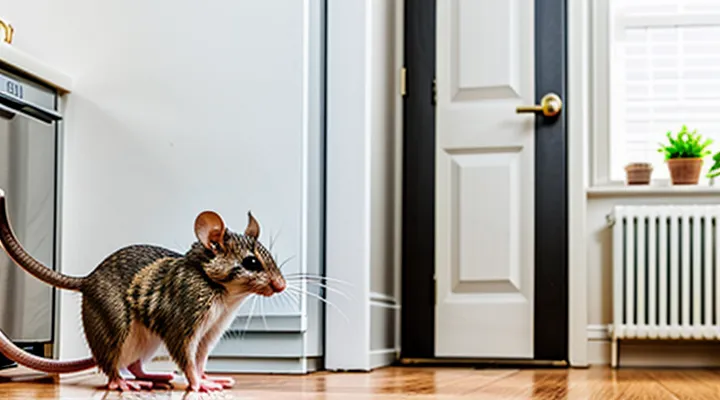
Understanding the Mouse Problem in Your Apartment
Signs of a Mouse Infestation
Identifying a mouse problem early prevents the need for aggressive eradication tactics. Recognizing specific indicators allows selection of a humane and effective control plan suitable for a residential setting.
Key signs of an infestation include:
- Small droppings, typically 1‑2 mm long, found near food sources, cabinets, or along baseboards.
- Gnaw marks on wood, plastic, or wiring, often appearing as clean, crescent‑shaped cuts.
- Nests constructed from shredded paper, fabric, or insulation, usually hidden in concealed corners.
- Scratching noises in walls, ceilings, or attic spaces, especially at night.
- Unexplained food spoilage or missing pantry items.
Presence of multiple signs confirms an active population and warrants immediate intervention. Choosing a safe method involves opting for traps that avoid toxic chemicals, sealing entry points, and maintaining strict sanitation to reduce attractants. Implementing these measures based on confirmed signs ensures effective rodent management while protecting occupants and property.
Risks Associated with Mice
Health Risks
Mice infestations introduce pathogens that can survive on surfaces, in droppings, and in urine. Direct contact or inhalation of aerosolized particles may lead to diseases such as hantavirus, leptospirosis, salmonellosis, and Lymphocytic Choriomeningitis. Control methods that increase exposure to these agents amplify health hazards.
Chemical rodenticides release anticoagulants, neurotoxins, or metal phosphides. Improper handling generates skin absorption, ocular irritation, and accidental ingestion. Residues persist on countertops, upholstery, and food containers, creating chronic exposure risks for occupants, especially children and pets.
Snap traps and adhesive boards expose users to sharp edges or sticky substances. Injuries from accidental activation produce puncture wounds, while adhesive residues may cause skin irritation or allergic reactions. Retrieval of dead rodents without protective gloves spreads contaminated fluids, increasing infection probability.
Poison baits attract non‑target species. Secondary poisoning occurs when predators or scavengers consume poisoned mice, potentially affecting household pets. Bait placement near food preparation areas raises the chance of inadvertent consumption by humans, leading to acute toxicity.
Biological deterrents, such as ultrasonic devices, emit high‑frequency sound. Prolonged exposure may cause headaches, tinnitus, or sleep disturbances in sensitive individuals, though scientific consensus on efficacy remains limited.
Key health risks associated with mouse control options
- Disease transmission from rodent excreta
- Toxic exposure to anticoagulants, neurotoxins, or phosphides
- Physical injury from mechanical traps
- Skin irritation or allergic response to adhesive surfaces
- Secondary poisoning of pets and wildlife
- Auditory or neurological effects from ultrasonic emitters
Mitigation requires proper protective equipment, strict adherence to label instructions, secure bait placement away from human activity zones, and thorough sanitation after trap deployment. Selecting methods that minimize chemical contact and limit direct handling of rodents reduces overall health risk in a residential setting.
Property Damage Risks
Mice infestations can compromise the integrity of an apartment’s structure and utilities. Their incisors enable them to chew through insulation, drywall, and wiring, leading to exposed wires, short circuits, and increased fire risk. Damage to plumbing occurs when rodents gnaw plastic or copper pipes, causing leaks that foster mold growth and costly repairs.
Selecting a control method that limits collateral damage requires awareness of each technique’s potential impact on the property:
- Snap traps: metal mechanisms may damage flooring or furniture if placed incorrectly; improper disposal can leave sharp fragments embedded in walls.
- Glue boards: adhesive residue adheres to surfaces, leaving stains on carpets, countertops, and upholstery that are difficult to remove.
- Rodenticides: liquid baits can spill, staining tiles and cabinets; dead rodents may decompose within walls, producing foul odors and attracting secondary pests.
- Ultrasonic emitters: devices emit high‑frequency sound without physical contact, eliminating direct damage but may interfere with electronics if positioned near sensitive equipment.
- Live‑catch traps: cages typically require placement on stable surfaces; improper anchoring can cause tipping, potentially cracking tiles or damaging nearby fixtures.
Mitigating property damage involves several precautionary steps:
- Position traps or bait stations away from high‑traffic areas and delicate finishes.
- Use bait containers with sealed lids to prevent accidental spills.
- Employ tamper‑resistant mounting brackets for electronic deterrents, ensuring clearance from wiring and appliances.
- Inspect entry points and seal gaps with steel‑wool or caulk to reduce the need for repeated interventions.
- Document placement locations and monitor for signs of structural compromise, such as gnaw marks on insulation or discoloration of walls.
By evaluating the inherent risks associated with each control option and implementing protective measures, occupants can address rodent problems while preserving the condition of their living space. «Mice can gnaw through electrical wiring, creating fire hazards», underscoring the necessity of damage‑aware selection.
Assessing Safety Factors for Mouse Control
Safety for Humans
Children and Infants
When children and infants share a living space, any mouse‑control strategy must eliminate health risks associated with accidental ingestion, contact, or inhalation of hazardous substances. Selecting methods that prevent exposure protects vulnerable residents while maintaining effective pest suppression.
Safe approaches include:
- Snap traps placed behind furniture or inside wall voids, out of reach of toddlers; ensure trigger mechanisms are concealed.
- Electronic traps that deliver a quick, humane kill without chemicals; locate devices on high shelves or in locked cabinets.
- Sealing entry points with steel wool, caulk, or metal mesh; this preventive measure removes access without introducing toxins.
- Bait stations that are child‑proof, featuring locked compartments and tamper‑resistant designs; use only when the unit is installed above a minimum height of 1.8 meters.
- Integrated pest‑management plans that combine sanitation, exclusion, and monitoring; regular inspections identify activity before infestations demand aggressive interventions.
Implementation steps:
- Conduct a thorough inspection to locate gnaw marks, droppings, and potential entry routes.
- Install exclusion materials, prioritizing gaps around pipes, windows, and baseboards.
- Deploy traps in concealed locations, verifying that cords and trigger arms are inaccessible to curious hands.
- If bait stations are necessary, choose products labeled “child‑resistant” and position them on elevated surfaces.
- Maintain a schedule for checking traps, replacing dead specimens, and resetting devices; dispose of captured rodents in sealed bags before discarding in outdoor waste containers.
- Educate caregivers about the location of all devices and reinforce the importance of keeping children away from treatment areas.
By adhering to these practices, an apartment can achieve effective mouse control while safeguarding the health and safety of its youngest occupants.
Pregnant Women
Pregnant residents face heightened sensitivity to toxic substances used in rodent control. Inhalation or dermal exposure to rodenticides, aerosol sprays, and certain scented traps can pose risks to fetal development. Physical traps that involve direct contact with poison should be avoided.
Safe alternatives include:
- Snap traps made of stainless steel, placed in concealed locations to prevent accidental contact.
- Live‑catch cages with secure lids, allowing relocation of captured mice away from the dwelling.
- Integrated pest‑management practices that emphasize sanitation, sealing entry points, and reducing food sources.
- Professional exterminators offering low‑toxicity, bait‑free treatments such as ultrasonic devices or targeted sealing of wall voids.
Additional precautions:
- Store all pest‑control products out of reach, preferably in locked cabinets.
- Maintain a clutter‑free environment; eliminate crumbs, open containers, and standing water.
- Install door sweeps and window screens to block ingress.
- Use natural deterrents, such as a few drops of peppermint oil on cotton balls placed near potential entry points, while monitoring for any allergic response.
- Consult a healthcare provider before implementing any new control measure to confirm compatibility with prenatal health guidelines.
Individuals with Allergies or Respiratory Issues
When allergies or respiratory conditions are present, the choice of rodent control must eliminate exposure to irritants and allergens. Chemical baits release volatile compounds that can trigger asthma attacks or allergic reactions; therefore, they should be avoided. Mechanical traps, such as snap or live‑capture devices, contain the pest without dispersing chemicals, but they may generate dust and debris when handled. To reduce airborne particles, place traps in sealed containers and dispose of captured rodents in double‑bagged waste.
Professional pest‑management services that employ integrated pest‑management (IPM) strategies offer the safest alternative. IPM emphasizes exclusion, sanitation, and monitoring, limiting the need for toxic substances. Sealing entry points with steel wool or caulk prevents future infestations, decreasing reliance on ongoing treatments.
For individuals who cannot tolerate any physical contact with rodents, ultrasonic repellents present a non‑contact option. Devices emit high‑frequency sound waves beyond the range of human hearing; however, efficacy varies and should be verified through independent testing before reliance.
Key considerations for allergy‑prone occupants:
- Avoid rodenticides and aerosol sprays.
- Prefer sealed mechanical traps or professional IPM programs.
- Implement structural exclusion measures (door sweeps, window screens).
- Maintain rigorous cleaning routines to remove droppings, urine, and shed fur.
- Ensure adequate ventilation during any necessary pest‑control activity.
- Evaluate ultrasonic devices for proven performance.
By adhering to these guidelines, residents with sensitive respiratory systems can manage mouse problems without compromising health.
Safety for Pets
Cats
Cats are instinctive hunters of rodents, making them a viable option for reducing mouse populations in a residential setting. Their presence deters mice from entering concealed areas, and an established cat can capture individual pests, providing immediate reduction in activity.
Key factors for evaluating cats as a control method:
- Effectiveness: Predatory behavior leads to direct predation and creates an environment perceived as hostile by mice.
- Safety: Cats pose no chemical risk to occupants; however, allergic reactions and potential bites must be considered.
- Maintenance: Regular veterinary care, vaccination, and parasite control are essential to prevent health issues that could affect both the cat and residents.
- Behavioural impact: A cat requires adequate space, stimulation, and feeding routines; neglect can result in stress‑related behaviours that diminish hunting efficiency.
- Legal and building policies: Lease agreements and local regulations may restrict pet ownership; compliance is mandatory before acquiring a cat for pest control.
When integrating a cat into a mouse‑management plan, ensure the animal is healthy, acclimated to indoor environments, and provided with a litter area to maintain hygiene. Complementary measures such as sealing entry points and eliminating food sources enhance overall effectiveness, reducing reliance on chemical repellents and traps.
Dogs
Dogs can deter mice in an apartment without chemicals or traps. Their natural predatory instincts create an environment that mice avoid, reducing the need for hazardous devices.
Key factors when evaluating dogs for rodent control:
- Breed size compatible with the living space; small to medium breeds fit comfortably in typical apartments.
- Temperament that includes a strong chase drive; breeds such as terriers exhibit heightened interest in small pests.
- Health status free of parasites and vaccinations up to date to protect both pet and occupants.
- Training level sufficient to prevent accidental harm to non‑target wildlife and to ensure the animal remains under control.
Safety considerations:
- Ensure the dog does not become a source of allergens for other residents.
- Provide secure confinement when unsupervised to avoid damage to property.
- Maintain regular veterinary checks to monitor for diseases that could spread through rodent contact.
Complementary measures enhance effectiveness:
- Seal entry points around walls, pipes, and windows to limit access.
- Store food in airtight containers to remove attractants.
- Keep clutter minimal, reducing hiding spots for pests.
When a dog is unsuitable, alternative non‑lethal options include ultrasonic emitters, humane live traps, and natural repellents such as peppermint oil. Selecting the most appropriate method requires balancing efficacy, resident health, and animal welfare.
Other Household Pets
When other pets share the living space, their presence shapes the selection of rodent‑control tactics.
Cats provide a natural deterrent; however, reliance on feline hunting alone may not eliminate an established infestation. If traps are employed, ensure they are placed out of reach of the cat to prevent accidental injury.
Dogs can encounter bait stations or snap traps. Toxic baits pose a poisoning risk if a dog ingests them, and snap traps can cause severe wounds. Secure bait containers and use trap designs that require manual activation, limiting unauthorized access.
Small mammals such as hamsters, guinea pigs, and rabbits are vulnerable to both poison and mechanical traps. Store food supplies in sealed containers and position traps beyond the reach of cage openings.
Birds, reptiles, and amphibians generally avoid ground‑level hazards, yet dust from powdered rodenticides may settle on perches or terrarium substrates. Opt for bait stations with covered lids to contain residues.
Practical guidelines:
- Choose bait stations with tamper‑proof locks; place them on elevated surfaces unreachable by dogs and cats.
- Prefer snap traps with protective shields that prevent accidental triggering by non‑target animals.
- Implement exclusion methods—seal entry points, install door sweeps, and maintain a clutter‑free environment—to reduce reliance on chemical controls.
- Monitor pet behavior after deployment; adjust placement promptly if any animal shows curiosity or distress.
By aligning pest‑management tools with the specific sensitivities of cohabiting pets, an apartment can achieve effective rodent suppression while preserving the health and safety of all animal residents.
Environmental Safety Considerations
Indoor Air Quality
Indoor air quality directly influences health outcomes when rodent control measures are applied in residential units. Chemical baits, aerosol sprays, and ultrasonic devices release substances or emissions that can infiltrate the breathing environment, potentially aggravating respiratory conditions or introducing volatile organic compounds.
Common control options include:
- Snap traps – mechanical, no chemical release, minimal impact on air composition.
- Live‑catch traps – reusable, no emissions, require proper sanitation after release.
- Rodenticides – solid or liquid poisons, may off‑gas or leach into dust, elevate indoor contaminant levels.
- Ultrasonic repellents – emit high‑frequency sound waves, generally low chemical risk but may affect electronic equipment and create acoustic stress.
Evaluation criteria for air‑quality‑friendly methods:
- Absence of volatile chemicals or particulate by‑products.
- Containment of any residue to prevent aerosolization during handling.
- Compatibility with ventilation systems to avoid recirculation of contaminants.
- Proven efficacy without reliance on continuous emission devices.
Prioritizing mechanical traps or live‑catch solutions minimizes airborne pollutants while maintaining effective rodent management. When chemical agents are unavoidable, select products with low‑toxicity formulations, apply them in sealed containers, and ensure thorough ventilation before and after placement.
Disposal of Pest Control Products
Disposal of pest‑control products is a critical component of any strategy aimed at eliminating rodents from a dwelling. Improper handling creates health hazards, contaminates water sources, and may violate local regulations.
Products used against mice fall into two categories: chemical agents (rodenticides, repellents) and mechanical devices (traps, bait stations). Chemical agents require special attention because residues remain toxic after the active ingredient has been applied.
- Transfer unused product to the original, sealed container.
- Label the container with the product name, active ingredient, and hazard warnings.
- Place the sealed container in a sturdy, puncture‑resistant bag.
- Deliver the bag to a licensed hazardous‑waste collection point or request a municipal pick‑up service.
- Clean the application area with soap and water, then wash hands thoroughly.
Local ordinances often mandate that rodent‑control chemicals be treated as hazardous waste. Compliance involves registering the waste with the appropriate agency, obtaining a disposal receipt, and retaining documentation for a minimum of three years. Failure to follow these requirements can result in fines and legal action.
Environmental protection is enhanced by minimizing the volume of discarded product. When possible, select formulations that allow for precise dosing, reducing excess. After the final application, verify that all bait stations are empty before disposal, preventing accidental exposure to non‑target species.
Adhering to the outlined procedures ensures that the removal of rodent‑control agents does not compromise occupant safety, public health, or ecological integrity.
Non-Lethal and Humane Mouse Control Methods
Exclusion and Prevention Strategies
Sealing Entry Points
Sealing entry points eliminates the primary access routes that mice use to infiltrate an apartment, thereby reducing the need for chemical or trap‑based interventions. By blocking these pathways, the risk of contaminating living spaces with rodent‑borne pathogens and pesticide residues is minimized.
Effective sealing follows a systematic approach:
- Inspect walls, floors, and ceilings for gaps larger than a quarter of an inch; common locations include around pipes, vents, and electrical outlets.
- Apply steel‑wool or copper mesh to holes before using a flexible sealant; this prevents mice from gnawing through silicone or caulk.
- Use low‑odor, water‑based sealants that cure quickly and adhere to diverse substrates such as plaster, tile, and wood.
- Reinforce door thresholds with weather‑stripping and install tight‑fit door sweeps to block the gap beneath entry doors.
- Cover exterior vents with hardware cloth of ¼‑inch mesh, securing the material with rust‑resistant screws.
Regular inspection maintains the integrity of sealed areas. Re‑evaluate after renovations, moving furniture, or seasonal temperature changes, and repair any new fissures promptly. Continuous attention to entry‑point integrity sustains a safe, mouse‑free environment without reliance on hazardous control methods.
Food Storage and Sanitation
Effective control of rodent activity in a residential unit begins with rigorous food management and hygiene practices. Secure containers prevent access, while regular cleaning eliminates attractants.
- Store dry goods in airtight, pest‑proof containers; metal or heavy‑wall plastic bins provide optimal protection.
- Refrigerate perishable items promptly; maintain temperatures below 4 °C to inhibit spoilage.
- Dispose of waste daily in sealed bags; empty indoor bins before they become sources of odor.
- Clean countertops, floors, and appliances after each use; remove crumbs and spills without delay.
- Maintain a schedule for deep cleaning of pantry shelves; inspect for damage and replace compromised packaging.
Sanitation measures extend beyond the kitchen. Keep pet feeding areas tidy, wash dishes immediately, and avoid leaving water bowls unattended. Seal cracks and gaps around doors, windows, and utility penetrations to eliminate entry points. Regularly inspect storage areas for signs of gnawing or droppings, and address infestations with non‑chemical, humane traps that do not compromise indoor air quality.
By integrating disciplined food storage with comprehensive cleanliness, an apartment environment becomes inhospitable to mice, supporting a safe and sustainable pest‑management strategy.
Maintaining Cleanliness
Maintaining cleanliness directly reduces the likelihood of mouse activity in a dwelling. Food particles, spills, and clutter provide essential resources for rodents; eliminating these elements deprives them of sustenance and shelter.
Practical measures include:
- Storing all food in airtight containers made of glass, metal, or heavy‑plastic.
- Promptly cleaning crumbs and residue from countertops, floors, and appliances after each meal.
- Disposing of garbage in sealed bags and removing it from the apartment at least once daily.
- Sweeping or vacuuming under furniture, behind appliances, and in storage areas on a regular schedule.
- Washing dishes immediately rather than leaving them to soak.
- Keeping pet feeding stations clean and removing uneaten food after each use.
A systematic cleaning routine further supports safe rodent control. Schedule weekly deep cleaning of cabinets, pantry shelves, and baseboards to detect and remove hidden debris. Inspect and seal any cracks or gaps where food or waste might accumulate. Consistent application of these practices creates an environment that discourages mouse presence without resorting to hazardous chemicals.
Live Trapping and Release
Types of Live Traps
Live traps provide a humane alternative to lethal methods, allowing capture and release of rodents without injury. Effective selection depends on trap design, capacity, and ease of monitoring.
Common varieties include:
- Cage traps with a spring‑loaded door, suitable for single captures and simple bait placement.
- Multi‑catch cages that hold several mice, reducing the frequency of checking and releasing.
- Tube traps featuring a narrow passage that guides the mouse onto a trigger platform, minimizing stress during capture.
- Portable catch‑and‑release models equipped with transparent walls for visual confirmation and quick relocation.
Key considerations when choosing a live trap are material durability, size relative to the target species, and the mechanism for safe release. Proper placement near known activity zones and the use of attractive bait enhance capture rates. After capture, release the animal at least 100 meters from the apartment to prevent immediate return.
Proper Release Procedures
Proper release procedures are essential when employing live‑capture methods for rodent control in an apartment. The process safeguards human occupants, prevents re‑infestation, and ensures humane treatment of the captured animal.
Key actions include:
- Select a release location at least 500 meters from the residence, preferably in a wooded or agricultural area where natural predators exist.
- Verify that the site does not violate local wildlife regulations; obtain any required permits before transport.
- Use a sturdy, ventilated container to minimise stress during movement. Keep the container upright and avoid sudden temperature changes.
- Upon arrival, open the container slowly, allowing the mouse to exit voluntarily. Do not handle the animal directly.
- Observe the animal for a brief period to confirm successful release, then remove any equipment and disinfect it before returning to the apartment.
After release, seal all entry points used during capture, and monitor for signs of additional activity. Promptly address any new sightings with the same humane protocol to maintain a pest‑free environment.
Lethal, Yet Safe, Mouse Control Methods
Snap Traps: Safe Placement and Use
Traditional Snap Traps
Traditional snap traps represent a long‑standing mechanical approach for rodent control in residential units. The device relies on a spring‑loaded bar that snaps shut when the mouse contacts a trigger, delivering an immediate lethal action without the use of poisons.
Key components of a snap trap include:
- Spring‑loaded killing bar
- Sensitive trigger plate
- Bait platform
- Protective housing (optional)
Safety measures are mandatory. Position traps away from children and household pets, preferably in concealed locations such as behind appliances or along wall edges. Select models with tamper‑resistant covers to reduce accidental activation. Wear disposable gloves when loading bait and when removing captured rodents.
Effectiveness is high; the rapid closure provides a near‑instant kill, minimizing suffering and eliminating the risk of secondary poisoning. Production costs are low, and the absence of chemical residues makes snap traps compatible with strict indoor hygiene standards.
Disposal procedures require sealing the deceased mouse in a plastic bag, securing the bag, and discarding it according to local waste‑management regulations. Cleaning the trap with disinfectant after each use prevents disease transmission.
Limitations arise from the need for regular baiting and monitoring. Non‑target captures can occur if traps are placed in accessible areas. Frequent inspection—at least once daily—is essential to maintain efficacy and to prevent odor buildup.
When evaluating safe rodent‑control options for an apartment, snap traps provide a reliable, chemical‑free solution, provided that placement, handling, and disposal follow established safety protocols.
Enclosed Snap Traps
Enclosed snap traps provide a mechanical solution that isolates the killing mechanism within a rigid housing. The design prevents accidental contact with the spring‑loaded bar, making the device suitable for apartments where children and pets may be present.
Key characteristics include:
- Solid plastic or metal enclosure that shields the trigger and snap bar.
- Transparent front panel for visual monitoring of captures.
- One‑time use construction that eliminates the need for re‑setting after each catch.
- Compatibility with standard bait types such as peanut butter, cheese, or grain.
Effective placement follows a pattern of mouse activity. Install traps along walls, behind appliances, and near suspected entry points. Position the baited end approximately 1–2 cm from the wall to align with the natural running route of rodents. Space multiple units 30–45 cm apart in high‑traffic zones to increase capture probability.
Maintenance procedures are straightforward. Upon capture, wear disposable gloves, close the enclosure, and dispose of the trap in a sealed bag according to local waste regulations. Replace the trap promptly to avoid secondary infestations.
Advantages:
- Immediate kill reduces disease transmission risk.
- Enclosed design minimizes exposure to the snapping mechanism.
- No chemicals, eliminating concerns about residue or inhalation hazards.
Limitations:
- Single‑use nature generates disposable waste.
- Requires periodic monitoring to ensure traps remain baited and functional.
When selecting a model, prioritize a sturdy enclosure, a clear observation window, and a reliable trigger sensitivity. Opt for products that meet safety certifications for household pest control.
Overall, enclosed snap traps combine mechanical efficiency with a safety profile that aligns with the requirements of residential environments.
Electronic Traps
Operating Principles
Operating principles determine the reliability and safety of any rodent‑control solution used in a residential unit. Mechanical traps rely on a spring‑loaded or snap mechanism that converts kinetic energy into a rapid closure, immobilizing the mouse instantly. Proper placement near walls, along known runways, and the use of a trigger‑sensitive platform ensure activation only when the animal contacts the bait, minimizing accidental closures on non‑target objects.
Bait stations employ sealed containers that house anticoagulant or non‑anticoagulant poison. The station’s design permits entry through a small opening sized for mice while preventing access by children, pets, or other wildlife. Inside, a calibrated amount of attractant releases a scent that draws the rodent, and the poison is ingested in a dose that disrupts the coagulation cascade or metabolic pathways, leading to death within a predictable timeframe. The sealed environment eliminates direct handling of the toxic substance, reducing exposure risk.
Ultrasonic devices generate sound waves beyond human hearing, typically in the 20–30 kHz range. These waves create a hostile acoustic field that interferes with the mouse’s auditory system, prompting avoidance behavior. Effective models incorporate frequency modulation to prevent habituation, and they include automatic shut‑off when humans or pets are detected, ensuring continuous safety.
Key operating principles for safe mouse control:
- Target specificity: design restricts activation to rodents, excluding humans and domestic animals.
- Containment: mechanisms prevent direct contact with hazardous agents.
- Predictable action: activation triggers a known physiological response within an established period.
- Maintenance simplicity: components can be inspected, cleaned, or replaced without specialized tools.
Understanding these mechanisms allows informed selection of a method that aligns with health regulations, tenancy policies, and personal safety requirements.
Safety Features
When selecting a rodent‑control approach for an apartment, safety features determine the suitability of any product. Chemical agents must carry a clear toxicity rating, child‑proof packaging, and a documented low‑risk profile for pets. Electronic traps should include insulated housings, automatic shut‑off mechanisms, and compliance with electrical safety standards such as UL or CE certification. Physical barriers, such as steel mesh or sealed entry points, require corrosion‑resistant materials, secure fastening systems, and verification of airtight closure.
Key safety attributes include:
- Non‑toxic or low‑toxicity formulations, confirmed by an independent safety data sheet.
- Child‑ and pet‑ resistant designs, featuring lockable compartments or concealed bait stations.
- Electrical safety certifications, ensuring voltage limits and built‑in overload protection.
- Durable construction, preventing breakage that could expose hazardous components.
- Clear labeling of hazards, expiry dates, and usage instructions in multiple languages.
- Environmentally safe disposal methods, with instructions for proper waste handling.
Adhering to these criteria minimizes health risks, reduces accidental exposure, and ensures compliance with local housing regulations. The presence of «Safety first» labeling on packaging serves as a reliable indicator of a product’s commitment to user protection.
Baits and Poisons: When to Consider and How to Use Safely
Low-Toxicity Bait Options
Low‑toxicity bait options provide effective mouse control while minimizing health risks for residents and pets. These products rely on reduced concentrations of active ingredients or non‑chemical attractants, limiting accidental exposure and secondary poisoning.
• Anticoagulant baits formulated with minimal dose of diphacinone or bromadiolone («low‑dose anticoagulants»). Efficacy remains high against rodents, but the lower concentration lessens toxicity to non‑target species.
• Vitamin D₃‑based baits («cholecalciferol») at regulated levels. The mode of action targets calcium metabolism in mice; the dosage required for lethal effect is below the threshold that poses significant risk to humans and domestic animals.
• Protein‑rich, grain‑free baits («peanut‑butter‑based pellets») combined with biodegradable bait stations. The station design prevents access by children and pets while delivering a palatable, low‑toxicity attractant directly to rodents.
• Herbal or essential‑oil‑infused baits («rosemary‑ or mint‑flavored formulations») that deter feeding without lethal chemicals. These options are suitable for environments where chemical use is restricted.
When selecting a low‑toxicity bait, assess placement accessibility, compliance with local pest‑control regulations, and the presence of vulnerable occupants. Position bait stations along known rodent pathways, away from food preparation surfaces, and secure them to prevent accidental contact. Regular monitoring confirms bait consumption and allows timely replacement, ensuring continuous control without escalating toxicity levels.
Placement Strategies to Minimize Risk
Effective placement of rodent control measures reduces exposure to hazards and limits unintended contact with non‑target species. Position devices away from food preparation surfaces, storage areas, and children's play zones. Secure traps or bait stations on walls or under cabinets where mice travel, but out of reach of pets and occupants.
Key considerations for safe positioning:
- Install bait stations at least 12 inches (30 cm) from countertops, sinks, and cooking appliances.
- Anchor snap traps or electronic devices on the back side of furniture, using brackets or adhesive strips to prevent accidental displacement.
- Avoid placement near ventilation ducts, as rodents can travel through airflow pathways.
- Use sealed bait containers that lock when not in use, reducing the chance of accidental ingestion.
- Mark each device with a visible indicator, such as a colored flag, to facilitate regular inspection and maintenance.
Regularly inspect installed devices to verify integrity and replace depleted or damaged units promptly. Maintain a log of locations, inspection dates, and actions taken to ensure consistent monitoring and compliance with safety standards.
Professional Pest Control Services
Professional pest‑control companies deliver specialized, regulated treatments for mouse infestations in apartments. Certified technicians apply licensed products and equipment designed for indoor environments, minimizing health risks for occupants.
Key criteria for selecting a reputable service:
- Valid license and insurance covering residential pest management.
- Proven experience with rodent control in multi‑unit dwellings.
- Transparent use of low‑toxicity chemicals or non‑chemical traps.
- Clear communication of treatment plan, timeline, and follow‑up visits.
- Positive customer reviews and documented success rates.
Safety measures implemented by qualified providers include:
- Pre‑treatment inspection to identify entry points and nesting sites.
- Application of bait stations placed out of reach of children and pets, adhering to label instructions.
- Use of «integrated pest management» principles, combining sanitation, exclusion, and monitoring to reduce reliance on chemicals.
- Post‑treatment verification to ensure mouse activity has ceased.
Cost considerations involve a fixed initial inspection fee, a treatment package price, and optional guarantees covering re‑infestation within a specified period. Transparent pricing prevents unexpected charges and allows budgeting for long‑term prevention.
Choosing a professional service ensures compliance with health regulations, effective eradication of rodents, and protection of residents’ well‑being.
Post-Extermination Procedures
Cleaning and Disinfection
Removing Deceased Mice
Removing a dead mouse from an apartment requires a method that eliminates health risks while preserving the integrity of the living space.
- Wear disposable nitrile gloves before handling the carcass.
- Open windows or run an exhaust fan to increase ventilation.
- Place the mouse in a sealable plastic bag, squeeze out excess air, and seal tightly.
- Transfer the sealed bag into a second, larger bag for double containment.
- Dispose of the double‑bagged material according to local regulations for animal waste or hand it over to a licensed pest‑control service.
After removal, clean the area with a disinfectant containing at least 70 % isopropyl alcohol or a bleach solution (1 part bleach to 9 parts water). Allow the surface to remain wet for the recommended contact time, then wipe dry with a disposable cloth.
If the dead mouse was found in a concealed location such as behind appliances or within wall cavities, inspect the surrounding area for signs of contamination. Seal any openings that could allow odor or pest ingress, and consider a professional inspection to confirm that no additional rodents remain hidden.
Proper disposal and thorough sanitation eliminate the risk of disease transmission, prevent attraction of other pests, and maintain a safe environment for residents.
Sanitizing Contaminated Areas
Sanitizing contaminated areas is a critical step after any rodent intrusion. Residues left by mice can harbor pathogens, attract insects, and compromise indoor air quality. Proper decontamination eliminates health risks and supports long‑term pest‑free conditions.
The process consists of three essential phases:
- Removal of debris – Gather droppings, nesting material, and food remnants. Place all waste in sealed bags before disposal to prevent aerosolization of particles.
- Disinfection – Apply an EPA‑registered disinfectant to surfaces that have been in contact with rodents. Follow manufacturer instructions regarding contact time and dilution ratios. Pay special attention to kitchen countertops, cabinets, and pantry shelves.
- Ventilation and drying – Increase airflow by opening windows or using exhaust fans. Allow treated surfaces to dry completely, reducing the likelihood of mold growth.
Additional precautions enhance effectiveness:
- Wear disposable gloves and a mask rated for particulate protection throughout the cleaning operation.
- Use a HEPA‑equipped vacuum to capture fine droppings and urine stains before wet cleaning.
- After disinfection, conduct a visual inspection to confirm that no residue remains on walls, floors, or appliances.
«Thorough sanitation curtails disease transmission and deters future rodent activity». Implementing these measures ensures that the living space remains safe, hygienic, and ready for any subsequent pest‑management strategy.
Preventing Future Infestations
Ongoing Maintenance
Effective rodent control in an apartment requires continuous attention after the initial method is selected. Regular inspection of potential entry points prevents re‑infestation. Seal cracks around windows, doors, and utility penetrations with steel‑wool or silicone caulk. Replace damaged weather‑stripping promptly.
Maintain a clean environment to eliminate food sources. Store pantry items in airtight containers. Remove crumbs and spills from countertops and floors daily. Dispose of garbage in sealed bags and empty bins regularly.
Monitor traps and bait stations without delay. Check snap traps, live‑catch cages, and electronic devices at least once every 24 hours. Dispose of captured rodents according to local health regulations. Replace bait or reposition traps if activity diminishes.
Schedule periodic professional assessments. Certified pest‑control specialists can identify hidden nests, evaluate seal integrity, and recommend adjustments to the prevention plan.
Key maintenance actions:
- Inspect and repair structural gaps weekly.
- Conduct thorough cleaning of kitchen and dining areas daily.
- Check and service traps or monitoring devices every 24 hours.
- Perform quarterly professional inspections.
Regular Inspections
Regular inspections form a cornerstone of any effective and humane rodent control strategy in a dwelling. By systematically examining potential entry points, food storage areas, and signs of activity, the presence of mice can be detected before populations expand. Early detection reduces reliance on lethal traps and chemical baits, aligning with safety priorities for occupants and pets.
Inspection frequency should correspond to seasonal activity patterns and building characteristics. In colder months, mice seek indoor shelter, warranting weekly checks of gaps around pipes, vents, and window frames. During warmer periods, bi‑weekly assessments of kitchen surfaces, pantry shelves, and garbage receptacles are sufficient. Documentation of findings—such as droppings, gnaw marks, or nesting material—supports timely intervention and informs the choice of non‑toxic deterrents.
Key steps for conducting thorough inspections:
- Survey exterior walls for cracks, holes, and unscreened openings; seal identified gaps with steel wool and caulk.
- Inspect interior baseboards, cabinets, and behind appliances for gnaw marks or urine stains; clean affected areas with enzymatic cleaners.
- Examine food storage containers for integrity; transfer bulk items to airtight containers.
- Verify that trash cans have tight‑fitting lids; empty them regularly to eliminate attractants.
- Record observations in a log, noting location, evidence type, and date; review entries to identify trends and adjust preventive measures.