
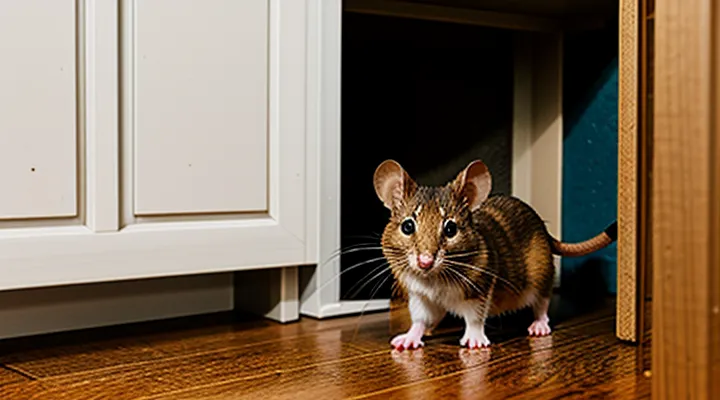
«Understanding the Enemy: Why Mice Are in Your House»
«Common Entry Points»
«Cracks and Gaps in Foundations»
Cracks and gaps in a building’s foundation provide direct pathways for mice to infiltrate interior spaces. Even hairline fissures can accommodate the small bodies of rodents, allowing them to move from soil to walls, floors, and ceilings without detection.
Inspecting the perimeter of the foundation reveals the most common entry points. Look for:
- Horizontal cracks near the base of walls.
- Vertical seams where concrete meets brick or stone.
- Openings around utility penetrations, such as pipes and cables.
- Gaps between the foundation and adjacent structures, like decks or garages.
Repair measures must eliminate these openings and create a barrier that mice cannot bypass. Effective actions include:
- Cleaning each crack of debris and loose material to ensure adhesion of sealants.
- Applying a two-part epoxy or polyurethane caulk that expands slightly as it cures, filling the space completely.
- Installing metal flashing or steel mesh over larger fissures before sealing, providing a structural reinforcement.
- Sealing utility penetrations with stainless‑steel collars and silicone sealant designed for exterior use.
- Adding a continuous layer of concrete or mortar around the foundation’s exterior base, extending at least six inches outward and two inches upward.
After repairs, maintain a dry environment around the foundation. Direct water runoff away with proper grading and drainage, and keep vegetation trimmed to prevent root intrusion that can create new gaps. Periodically re‑examine the sealant lines for signs of shrinkage or new cracking, addressing issues promptly to sustain an effective rodent exclusion system.
«Gaps Around Pipes and Vents»
Mice enter homes through small openings that surround plumbing and ventilation systems. These gaps often appear where pipes penetrate walls, floors, or ceilings, and where vent ducts connect to the exterior. Because rodents can squeeze through spaces as narrow as a quarter‑inch, any unsealed opening provides a direct pathway to interior rooms.
Identify all pipe and vent penetrations. Inspect the interior side of walls, under sinks, around water heaters, and near HVAC registers. Look for visible cracks, gaps around pipe sleeves, and loose vent collars. Use a flashlight to examine dark corners and a mirror to view hidden areas.
Seal identified openings with appropriate materials:
- Expandable foam sealant for irregular gaps up to ½ in.; trim excess after curing.
- Steel wool packed tightly into larger voids, then covered with caulk to prevent chewing.
- Silicone or acrylic caulk for seams around pipe collars and vent flanges.
- Metal flashing or pipe sleeves for gaps larger than 1 in.; secure with screws and sealant.
Maintain the sealed areas. Check seals quarterly for signs of wear, chew marks, or moisture damage. Replace compromised material promptly to prevent re‑entry.
By systematically locating and fortifying gaps around plumbing and ventilation components, homeowners remove a primary route that mice use to infiltrate living spaces. This proactive measure reduces the likelihood of infestation and supports broader rodent‑control efforts.
«Open Doors and Windows»
Opening doors and windows creates a direct escape route for rodents, forcing them to leave the interior in search of shelter. Fresh air and sunlight disturb their nocturnal habits, prompting movement toward the open exit. This method works best when the house is cleared of food sources and clutter that could provide alternative hiding places.
To maximize effectiveness, follow these steps:
- Identify all entry points used by mice, typically near walls, under cabinets, or along baseboards.
- Remove obstacles that block a clear path to the outdoors, such as furniture, rugs, or stored boxes.
- Open exterior doors and windows on opposite sides of the room to establish a cross‑ventilation flow.
- Keep interior lights on low to encourage movement toward brighter, open areas.
- Monitor the area for a short period; mice will usually exit within minutes.
- Close doors and windows after confirming the rodents have left, then seal any gaps to prevent re‑entry.
Using this approach eliminates the need for traps or chemicals, relying on the natural tendency of mice to avoid exposed, well‑lit environments.
«Signs of a Mouse Infestation»
«Droppings»
Droppings are a reliable indicator that mice are present inside a residence. Fresh specimens appear as small, dark pellets about the size of a grain of rice, often found along walls, in cabinets, and near food storage areas. Accumulated deposits may darken and become crumbly, especially in low‑traffic corners.
Health concerns stem from pathogens carried on mouse feces, including hantavirus, salmonella, and leptospira. Direct contact or inhalation of aerosolized particles during cleaning can lead to infection. Protective measures include wearing disposable gloves, a mask rated N95 or higher, and disposable clothing that can be discarded after use.
Effective removal of droppings follows a three‑step protocol:
- Containment – Seal off the affected room, turn off ventilation, and prevent pets or children from entering.
- Disinfection – Apply a solution of 1 part bleach to 9 parts water, saturate the droppings, and let it stand for at least 10 minutes. Alternative EPA‑approved disinfectants may be used if bleach is unsuitable.
- Cleanup – Use a damp paper towel or disposable cloth to lift the material; avoid dry sweeping or vacuuming, which can disperse particles. Place all waste in a sealed plastic bag, remove the bag from the home, and discard it according to local hazardous‑waste guidelines.
After removal, inspect potential entry points such as gaps around pipes, vents, and foundation cracks. Sealing these openings reduces the likelihood of further contamination and supports broader efforts to evict rodents from the dwelling.
«Gnaw Marks»
Gnaw marks are the primary visual evidence of rodent presence. They appear as shallow, V‑shaped bite impressions on wood, plastic, insulation, and wiring. The depth and spacing of the cuts indicate the size of the animal and the duration of activity.
To locate gnaw marks, examine baseboards, cabinets, and behind appliances. Look for parallel lines that intersect at a sharp angle, often accompanied by splintered material. Follow the trail toward the nearest wall or opening; the direction of the marks points to the entry route.
The pattern of gnaw marks reveals the most vulnerable entry points. Small gaps around pipes, vent openings, and foundation cracks allow mice to reach interior spaces. Identifying these gaps enables targeted sealing, which prevents further intrusion.
Action steps
- Inspect all rooms for fresh gnaw marks; prioritize areas with food storage.
- Record the location and orientation of each trail.
- Seal identified gaps with steel wool, copper mesh, or silicone caulk.
- Replace damaged insulation or wiring to eliminate hazards.
- Set snap traps or electronic devices along the identified pathway.
- Clean affected surfaces with disinfectant to remove scent trails.
Continuous monitoring of gnaw marks confirms the effectiveness of the interventions. Absence of new impressions after two weeks indicates successful exclusion; recurring marks require re‑evaluation of sealing integrity.
«Scratching Noises»
Scratching noises often emerge from walls, ceilings, or floorboards, especially at night when rodents are most active. The sounds are typically sharp, intermittent, and louder in concealed areas such as insulation or behind cabinetry.
Mice generate these noises while gnawing on structural materials, building nests, or moving through tight passages. The frequency and intensity increase when they encounter fresh food sources or when the population expands.
Detecting the origin of scratching helps pinpoint infestation hotspots. Follow a systematic approach:
- Walk slowly along suspected walls, pausing to listen for variations in pitch.
- Tap lightly on surfaces; resonant vibrations can reveal hollow spaces where activity concentrates.
- Use a flashlight to inspect any openings or gaps near the audible source.
Once locations are identified, implement control measures:
- Seal cracks, gaps, and utility entry points with steel wool, caulk, or metal mesh.
- Place snap traps or humane catch‑and‑release devices directly in the identified pathways.
- Apply rodent‑repellent powders or ultrasonic emitters near concealed areas to discourage further movement.
- Remove food debris, secure waste containers, and store pantry items in airtight containers to eliminate attractants.
Regular monitoring of scratching sounds confirms the effectiveness of interventions. A noticeable decline in noise indicates reduced activity; persistent or increasing sounds suggest the need for additional sealing or trap placement.
«Mouse Nests»
Mouse nests indicate active infestation and provide a focal point for control measures. Locate nests by inspecting concealed areas such as wall voids, attics, under appliances, and stored boxes. Signs include shredded material, droppings, and gnaw marks.
Inspect each suspect area, then follow a systematic approach:
- Wear disposable gloves and a mask to avoid exposure to pathogens.
- Remove debris with a vacuum equipped with a HEPA filter; discard the bag in a sealed container.
- Disassemble any accessible structures (e.g., insulation panels) to expose the nest core.
- Apply a rodent‑specific insecticide or a humane trap bait directly onto the nest material.
- Seal entry points discovered during inspection with steel wool, caulk, or metal flashing.
After treatment, clean the site thoroughly. Use a disinfectant solution (e.g., 1 % bleach) on all surfaces that contacted the nest. Replace insulation or padding with rodent‑resistant alternatives if necessary.
Prevent future nest formation by maintaining a clutter‑free environment, storing food in airtight containers, and conducting regular visual inspections of vulnerable zones. Early detection of nest activity reduces the need for extensive eradication efforts.
«Preparation: Setting the Stage for Mouse Removal»
«Thorough Cleaning and Sanitation»
«Eliminating Food Sources»
Eliminating food sources deprives rodents of the primary incentive to remain inside a dwelling. Without accessible nutrition, mice are forced to seek alternative habitats, reducing their presence and the likelihood of infestation.
- Store dry goods in airtight containers made of glass, metal, or heavy‑wall plastic.
- Transfer pet food to sealed bins and remove leftovers after each meal.
- Keep countertops, tables, and floors free of crumbs; wipe surfaces with a damp cloth after eating.
- Secure garbage bins with tight‑fitting lids; empty indoor trash daily.
- Repair leaks and eliminate standing water, as moisture supports food‑borne insects that attract mice.
Regularly inspect pantry shelves for spills or damaged packaging. Dispose of compromised items promptly. Maintaining a consistently clean environment removes the nutritional support mice depend on, making the home inhospitable to their survival.
«Removing Clutter and Hiding Spots»
Eliminating mouse activity begins with depriving the animals of concealment. Every stack of paper, pile of clothing, or unused appliance creates a potential nest; removing these elements forces rodents into open areas where they become vulnerable to traps and predators.
- Sort items by frequency of use; store seldom‑used objects in sealed containers made of plastic or metal.
- Discard broken furniture, cardboard boxes, and shredded paper that cannot be repurposed.
- Elevate stored goods off the floor, using shelving that leaves a clear gap beneath.
- Seal gaps behind appliances, under sinks, and in wall voids with steel wool or caulking.
A tidy environment reduces the incentive for mice to enter, limits breeding sites, and simplifies monitoring of any remaining activity. Maintaining this standard requires periodic inspection and prompt removal of newly accumulated debris.
«Sealing Entry Points»
«Identifying and Patching Holes»
Mice gain access through gaps in the building envelope; sealing these openings eliminates the primary invitation.
To locate potential entry points, conduct a systematic inspection:
- Examine the foundation for cracks larger than ¼ inch.
- Inspect exterior walls, especially around utility penetrations, for gaps around pipes, cables, and vents.
- Check the roofline for damaged flashing, missing tiles, or openings around chimneys.
- Review doors and windows; ensure weatherstripping is intact and that the frames sit flush.
- Look under cabinets and appliances for holes where wiring or plumbing enters the home.
After identification, apply appropriate sealing methods:
- Clean each opening to remove debris and moisture.
- Use steel wool or copper mesh for gaps larger than ¼ inch to deter chewing.
- Fill remaining space with expanding polyurethane foam or caulk, selecting a product rated for pest resistance.
- Secure larger cracks with concrete patch or mortar, smoothing the surface to match surrounding material.
- Install or replace door sweeps and window seals to block low‑level entry.
Regularly repeat the inspection, especially after seasonal weather changes, to maintain a barrier that prevents further rodent intrusion.
«Using Steel Wool and Caulk»
Steel wool and caulk form a reliable barrier against rodent intrusion. Mice cannot gnaw through tightly packed steel fibers, and caulk seals the surrounding gaps, preventing access points from re‑forming.
- Select steel wool with a fine gauge (e.g., #0000).
- Pack the wool tightly into holes, cracks, or gaps around pipes, vents, and foundation seams.
- Apply a bead of silicone‑based caulk over the packed wool, ensuring complete coverage and a smooth finish.
- Allow the caulk to cure according to the manufacturer’s instructions before exposing the area to moisture or temperature changes.
Regular inspection of sealed locations identifies any degradation. Reapply steel wool and caulk as needed to maintain an impenetrable seal and keep mice out of the residence.
«Effective Mouse Removal Strategies»
«Humane Trapping Methods»
«Live-Catch Traps»
Live‑catch traps provide a humane method for removing rodents from indoor environments. The devices consist of a compartment that closes automatically when a mouse enters, preventing injury while allowing the animal to remain alive.
To use these traps effectively, follow these steps:
- Choose a trap with a sensitive trigger mechanism and a secure latch; models with transparent walls facilitate observation.
- Bait the trap with high‑fat foods such as peanut butter, sunflower seeds, or small pieces of cheese; place the bait at the far end to ensure the mouse must fully enter.
- Position traps along established mouse pathways: behind appliances, near wall junctions, under cabinets, and in dark corners where droppings are visible.
- Set traps in the evening when mice are most active; avoid disturbing the area for at least 12 hours to allow capture.
- Inspect traps daily; remove captured mice promptly, wearing gloves and using a sealed container for transport.
- Release captured rodents at least 1 mile from the residence, preferably in a wooded or field area, and open the trap gently to minimize stress.
Maintenance considerations include cleaning traps with mild detergent after each use, checking latch integrity, and rotating trap locations if capture rates decline. Proper deployment of live‑catch traps reduces mouse populations while adhering to humane standards.
«Proper Placement of Live Traps»
Proper placement of live traps maximizes capture rates while minimizing disruption to household activities. Identify primary rodent pathways—walls, baseboards, and gaps near food sources—and position traps directly in those routes. Ensure traps are level, stable, and concealed enough to prevent accidental disturbance.
Key locations for trap deployment:
- Near known entry points such as cracks in foundations, vent openings, and door thresholds.
- Along walls where mice travel, typically within 12–18 inches of the floor.
- Adjacent to stored food, pantry shelves, and garbage containers, but away from human traffic to avoid interference.
- Inside cabinets and closets that show signs of gnawing or droppings.
- Under appliances, especially refrigerators and stoves, where warmth attracts rodents.
Additional guidelines:
- Use bait that appeals to local mouse populations—peanut butter, oats, or small pieces of cheese—secured in the trap’s trigger mechanism.
- Check traps at least twice daily; prompt removal of captured mice prevents stress and reduces the chance of escape.
- Reset or relocate traps if no activity occurs after 48 hours, focusing on alternative pathways identified during inspection.
- Maintain a clear area around each trap, removing clutter that could block entry or conceal the device.
By concentrating live traps on established travel routes and feeding zones, homeowners create an effective barrier that captures rodents quickly and supports a comprehensive eradication effort.
«Safe Release Guidelines»
When mice are captured inside a residence, releasing them responsibly protects both the animal and the surrounding environment. Follow these steps to ensure a humane and safe release.
- Choose a release site at least 200 meters from the home, preferably in a wooded area or field with natural cover and access to food sources.
- Verify that the location is free from predators that could immediately endanger the mouse, such as hawks or domestic cats.
- Release the mouse during daylight hours when it can quickly locate shelter and orient itself.
- Wear disposable gloves to prevent contamination and reduce stress on the animal.
- Gently open the capture container on the ground, allowing the mouse to exit without being forced.
After release, seal all entry points used by the rodent to prevent re‑entry. Inspect doors, windows, vents, and utility openings; install weather‑stripping or mesh as needed. Maintain a clean interior by storing food in sealed containers and promptly cleaning crumbs or spills. Regular monitoring of traps and inspection of potential access routes will sustain a mouse‑free environment while respecting wildlife welfare.
«Lethal Trapping Methods»
«Snap Traps»
Snap traps are a rapid‑acting solution for eliminating house‑bound rodents. The mechanism consists of a spring‑loaded bar that delivers a lethal force when a mouse triggers the trigger plate. Proper use maximizes effectiveness while minimizing risk to non‑target animals and humans.
Select a trap made of sturdy metal with a sensitive trigger. Choose a size appropriate for the target species; standard mouse traps are designed for rodents weighing 15–30 g. Ensure the bait is attractive—peanut butter, dried fruit, or small pieces of cheese work well. Apply a thin layer to the trigger area to encourage contact.
Placement determines success. Follow these steps:
- Identify high‑traffic zones: along walls, behind appliances, near entry points, and in dark corners.
- Position the trap with the trigger end facing the wall; mice travel parallel to surfaces.
- Set the trap just before nightfall; activity peaks after dark.
- Space traps 1–2 ft apart in areas with heavy evidence of activity.
Safety precautions are mandatory. Wear gloves when handling traps to avoid accidental discharge. Keep traps out of reach of children and pets, or use bait stations that enclose the mechanism. After a capture, wear gloves, place the dead mouse in a sealed bag, and dispose of it according to local regulations. Reset the trap promptly to maintain pressure on the rodent population.
Maintenance includes checking traps daily, discarding used bait, and cleaning the spring mechanism to prevent corrosion. Replace worn springs or damaged frames to preserve consistent force.
When deployed correctly, snap traps provide immediate removal of mice, reduce breeding potential, and complement preventive measures such as sealing entry points and maintaining cleanliness. Their simplicity, low cost, and proven lethality make them a cornerstone of indoor rodent eradication strategies.
«Electronic Traps»
Electronic traps provide a rapid, humane method for removing mice from residential environments. The device emits a high‑voltage shock when a rodent contacts a sensor plate, delivering an instantaneous kill without chemicals or poisons. Power sources include mains electricity, rechargeable batteries, or plug‑in adapters, allowing flexible deployment in kitchens, basements, and attics.
Key factors when selecting a model:
- Voltage rating (typically 2,000–5,000 V) sufficient to ensure quick mortality.
- Sensor type: pressure‑sensitive plates versus infrared beams.
- Capacity: number of mice the trap can hold before emptying is required.
- Safety features: insulated housing, automatic shut‑off when the trap is opened.
- Noise level: silent operation reduces disturbance for occupants.
Effective placement follows a pattern of targeting known travel routes. Position traps perpendicular to walls, near nesting sites, and along concealed pathways such as behind appliances or under cabinets. Maintain a clear line of sight to the sensor; clutter can trigger false activations or prevent contact.
Maintenance procedures are straightforward. After each capture, disconnect power, wear disposable gloves, and dispose of the dead mouse in a sealed bag. Clean the sensor plate with mild detergent to remove residue that could impair conductivity. Recharge or replace the power source according to the manufacturer’s schedule; most units indicate low‑battery status via a built‑in LED.
Cost considerations include initial purchase price, typically ranging from $30 to $150, and ongoing expenses for batteries or replacement parts. Compared with snap traps or glue boards, electronic traps reduce labor time and eliminate the need for hazardous chemicals, offering a long‑term solution for homeowners seeking efficient rodent control.
«Baiting Strategies for Lethal Traps»
Effective bait selection determines the success of lethal mouse traps. Choose attractants that appeal to the species’ natural diet and sensory preferences.
- Peanut butter – strong odor, high fat content, adheres to trigger mechanisms.
- Chocolate – sweet scent, potent for nocturnal foragers.
- Sunflower seeds – natural grain, easy to attach to snap traps.
- Soft cheese – volatile aroma, suitable for small indoor traps.
- Fresh fruit pieces – sweet fragrance, works well with long‑bait stations.
Placement influences capture rates. Position baited traps along established runways, near walls, behind appliances, and close to entry points. Secure the bait to prevent premature removal; a dab of adhesive or a small piece of cloth can anchor the lure. Set traps at night, when mouse activity peaks, and check them each morning to maintain freshness and reduce non‑target exposure.
Safety considerations include wearing gloves when handling bait, disposing of dead rodents promptly, and keeping traps out of reach of children and pets. Rotate bait types weekly to avoid habituation, and replace traps that lose trigger sensitivity. These practices maximize lethal trap efficiency while minimizing collateral risks.
«Natural Deterrents»
«Peppermint Oil and Cotton Balls»
Peppermint oil has a strong scent that rodents find unpleasant. When applied to cotton, the fragrance is released slowly, creating a barrier that discourages mice from entering or staying in a room.
To use this method effectively, follow these steps:
- Soak a small cotton ball with 5–10 drops of pure peppermint oil.
- Allow the cotton to absorb the oil for a minute, then place it in areas where mouse activity has been observed, such as behind appliances, under sinks, and along baseboards.
- Replace the cotton balls every 3–4 days, or when the scent fades, to maintain deterrence.
Safety considerations include keeping cotton balls out of reach of pets and children, and avoiding direct contact with skin to prevent irritation. Use only food‑grade peppermint oil to eliminate the risk of toxic residues.
Results vary; the technique works best when combined with sealing entry points and eliminating food sources. Persistent infestations may require additional control measures, such as traps or professional pest management.
«Other Essential Oils»
Essential oils create an environment that mice find hostile, complementing physical barriers and sanitation measures.
Key oils beyond the commonly cited peppermint include:
- Eucalyptus – strong, mentholated scent disrupts rodent olfactory cues.
- Citronella – citrus aroma repels mice and masks food odors.
- Tea tree – antimicrobial properties deter nesting and deter entry.
- Clove – high eugenol concentration irritates rodent respiratory pathways.
- Rosemary – piney fragrance interferes with scent marking.
- Lemon – sharp citrus notes discourage foraging.
- Lavender – potent volatile compounds create an unpleasant atmosphere for rodents.
Application guidelines:
- Dilute each oil at 5–10 % in water or a carrier oil (e.g., almond or coconut).
- Soak cotton balls or cloth strips, place them in entry points, cupboards, wall voids, and near suspected nesting sites.
- Refresh the material every 3–4 days to maintain potency.
- Combine two or three oils in a single solution to broaden the repellent spectrum, ensuring no adverse reactions with household surfaces.
Safety considerations:
- Verify pet tolerance; some species react adversely to concentrated oils.
- Avoid direct skin contact; wear gloves when handling undiluted oil.
- Store bottles in a cool, dark place to preserve efficacy.
Integrating these oils into a comprehensive mouse‑exclusion program enhances the likelihood of sustained rodent deterrence.
«Cayenne Pepper and Spices»
Cayenne pepper, ground black pepper, cloves, and dried mint create an environment that mice find hostile. The strong volatile oils irritate the rodents’ sensitive nasal passages, prompting them to avoid treated areas.
Application methods:
- Sprinkle a thin layer of cayenne or black pepper along baseboards, behind appliances, and in known entry points.
- Mix equal parts of cayenne, cloves, and dried mint, then spread the blend in corners and under furniture.
- Reapply after cleaning or when the scent diminishes, typically every two weeks.
Safety considerations:
- Keep spices away from pets and children; ingestion of large quantities may cause discomfort.
- Avoid direct contact with food preparation surfaces; use only in non‑food zones.
- Combine with sealing cracks and removing attractants for comprehensive rodent deterrence.
«When to Call a Professional»
«Persistent Infestations»
Persistent mouse infestations pose a significant obstacle to successful removal efforts. Repeated sightings indicate that initial measures failed to address the underlying causes. Common contributors include:
- Access points: Gaps around pipes, vents, and foundation walls allow entry. Even openings as small as ¼ inch can admit rodents.
- Food availability: Unsecured pantry items, pet food, and spillage provide a steady supply.
- Shelter: Cluttered storage areas, insulation, and debris create nesting sites.
- Water sources: Leaking faucets or condensation build‑up sustain the population.
Identifying these factors early prevents the infestation from becoming entrenched. Conduct a systematic inspection:
- Seal all exterior cracks with steel wool and caulk.
- Install door sweeps and weather stripping on entry doors.
- Store dry goods in airtight containers; clean crumbs immediately.
- Remove clutter, relocate boxes off the floor, and maintain regular vacuuming.
- Repair leaks, dry wet areas, and eliminate standing water.
When infestations persist despite environmental controls, employ targeted trapping. Choose snap traps or electronic devices positioned along known runways, near walls, and behind appliances. Place bait—peanut butter, chocolate, or dried fruit—inside the trap to increase capture rates. Replace traps daily to maintain effectiveness and monitor placement adjustments.
Chemical deterrents should complement, not replace, physical barriers. Apply rodent‑grade rodenticides in tamper‑proof stations, following label instructions and local regulations. Limit exposure to non‑target species by securing stations away from child‑accessible zones.
Continuous monitoring is essential. Record trap catches, note new activity signs, and re‑evaluate the environment weekly. Persistent infestations rarely resolve without diligent, multi‑layered intervention; consistent application of exclusion, sanitation, trapping, and, when necessary, controlled poisoning yields lasting results.
«Large-Scale Problems»
Effective removal of rodents from a dwelling often encounters challenges that extend beyond a single room or isolated entry point. When an infestation reaches a scale that involves multiple structural zones, the problem shifts from simple trapping to comprehensive environmental control.
Large‑scale issues include:
- Widespread access routes such as gaps in foundation walls, roof vents, and utility penetrations that allow continuous ingress.
- Structural damage caused by gnawing on insulation, wiring, and support beams, which can compromise safety and increase repair costs.
- Persistent food sources generated by inadequate waste management, pantry leakage, or unsecured compost, sustaining population growth.
- Community‑level factors, for example, neighboring properties with untreated infestations that serve as reservoirs, facilitating re‑colonization despite local interventions.
Addressing these problems requires coordinated actions: sealing all potential openings, reinforcing vulnerable structures, implementing rigorous sanitation protocols, and, when necessary, engaging professional pest‑management services to execute area‑wide treatments. Continuous monitoring and periodic reassessment ensure that the rodent population remains suppressed and that structural integrity is preserved.
«Preventing Future Mouse Invasions»
«Ongoing Home Maintenance»
«Regular Inspections for New Gaps»
Regular inspections for new gaps are a core element of an effective rodent‑exclusion strategy. Mice can exploit even the smallest openings, so systematic checks prevent re‑entry after initial removal.
During each inspection, follow these steps:
- Walk the perimeter of every room, focusing on walls, baseboards, and ceiling edges.
- Examine utility penetrations such as pipe sleeves, wiring holes, and vent ducts.
- Test door and window frames for misalignment; ensure weather‑stripping remains intact.
- Inspect attic and crawl‑space access points, looking for cracks in insulation or flooring.
- Use a flashlight to reveal hidden gaps behind appliances, cabinets, and furniture.
Document each finding and seal identified openings immediately. Common sealing materials include steel wool, copper mesh, and silicone‑based caulk; for larger gaps, install hardware cloth or metal flashing. After sealing, verify that the repair material adheres securely and does not create new entry routes.
Schedule inspections at least once every month during peak mouse activity periods and after any renovation work. Consistent monitoring reduces the likelihood of a renewed infestation and supports long‑term mouse‑free conditions.
«Maintaining a Tidy Environment»
A clean living space deprives mice of shelter, food, and pathways, making it a primary barrier against infestation. Regular removal of debris, sealed storage of food, and prompt cleanup of spills eliminate the resources mice need to survive.
- Store all pantry items in airtight containers; metal or heavy‑plastic lids prevent gnawing.
- Sweep floors and vacuum carpets daily; crumbs and dust attract foraging rodents.
- Dispose of garbage in bins with tight-fitting lids; empty receptacles at least twice weekly.
- Keep countertops clear of dishes; wash dishes immediately after use.
- Repair cracks in walls, floors, and foundations; use steel wool and caulk to seal entry points.
Cluttered basements, attics, and storage closets provide nesting sites. Decluttering these areas, removing cardboard boxes, and organizing items on shelves reduces hiding places. Periodic inspection of hidden corners with a flashlight reveals droppings or gnaw marks that signal early activity.
Maintaining order also simplifies the placement of traps or deterrents. When surfaces are visible and accessible, bait stations can be positioned precisely, increasing capture efficiency. A tidy environment therefore supports both preventive measures and active control strategies, ensuring that rodent removal efforts achieve lasting results.
«Outdoor Property Management»
«Trimming Vegetation Away from the House»
Trimming vegetation that touches or overhangs the house creates a physical barrier that discourages mice from gaining entry. Overgrown shrubs, vines, and trees provide cover and a direct route to roof vents, eaves, and gaps around the foundation. Removing these pathways forces rodents to expose themselves, making detection and exclusion more effective.
Key actions:
- Cut back any branches within two feet of the exterior walls.
- Prune vines and climbing plants away from siding, gutters, and shutters.
- Keep lawn grass at a maximum height of three inches and clear debris that could serve as shelter.
- Eliminate dense ground cover, such as mulches or leaf piles, within a three‑foot perimeter of the foundation.
Maintaining a clear perimeter reduces the likelihood that mice will use vegetation as a bridge to the structure. Regular inspections after trimming ensure that new growth does not reestablish contact with the house. By consistently enforcing a vegetation-free buffer, homeowners limit rodent access points and simplify subsequent control measures.
«Storing Firewood Away from the Foundation»
Storing firewood at a safe distance from the house reduces the likelihood that mice will use it as a shelter and travel to the building. Wood piles placed against the foundation create a bridge for rodents, allowing them to climb and enter through cracks.
Guidelines for proper firewood storage:
- Keep the stack at least three feet (≈ 0.9 m) away from any exterior wall.
- Elevate the wood on a pallet or concrete blocks to prevent direct contact with soil.
- Cover the top with a breathable tarp; avoid sealing the sides, which can trap moisture and attract pests.
- Position the pile on a sunny, well‑ventilated spot to discourage nesting.
- Inspect the wood regularly for signs of rodent activity and remove debris promptly.
By maintaining these practices, the firewood remains a resource rather than a conduit for mice seeking entry into the home.
«Securing Outdoor Trash Cans»
Securing outdoor trash containers eliminates a primary food source that draws mice toward residential structures. When waste is inaccessible, rodents lose incentive to explore entry points, reducing the likelihood of indoor incursions.
Effective containment requires sturdy lids that lock firmly, gasketed seals that prevent gaps, and sturdy construction that resists gnawing. Placement should avoid direct contact with building foundations and keep cans at least three feet from doors, windows, and vents.
- Choose cans with snap‑tight or latch‑type covers.
- Inspect lids weekly for cracks or wear; replace damaged units promptly.
- Position cans on a level surface away from walls; use a platform or stand if needed.
- Clean cans after each collection to remove residue that could attract pests.
- Store cans in a shaded area to deter heat‑induced softening of plastic.
Regular maintenance reinforces the barrier. Remove debris from the surrounding area, sweep the ground beneath cans, and ensure the sealing mechanisms remain functional. Consistent application of these measures curtails the attraction of mice to the property, supporting broader efforts to keep rodents out of the home.
«Pet Management»
«Keeping Pet Food in Sealed Containers»
Storing pet food in airtight containers reduces the attraction of rodents and limits their access to a reliable food source. Secure containers prevent crumbs and odors from escaping, which otherwise draw mice into living areas.
- Choose containers with locking lids or silicone gaskets that create a vacuum seal.
- Opt for materials resistant to chewing, such as heavy‑duty plastic or stainless steel.
- Keep containers on a shelf away from walls, floors, and pet feeding stations.
- Clean the interior after each refill to remove residual particles.
- Inspect seals regularly for wear or damage; replace compromised containers immediately.
Placing food in sealed containers also simplifies household hygiene. It eliminates the need for frequent sweeping of spilled kibble, thereby decreasing the likelihood of hidden food caches that rodents exploit. Consistent use of these containers complements other rodent‑deterrent measures, creating a comprehensive strategy for keeping mice out of the home.
«Cleaning Up Pet Food Spills Promptly»
Prompt removal of pet food residues eliminates an attractive food source for rodents, reducing their incentive to explore indoor spaces. When crumbs or spilled kibble remain on floors, countertops, or in corners, they provide scent cues that guide mice toward the area, facilitating entry and nesting.
- Sweep or vacuum all surfaces within minutes of a spill.
- Wipe countertops with a disinfectant solution to remove odor traces.
- Empty and clean pet feeding bowls after each use; store dry food in sealed containers.
- Inspect under appliances and in pantry shelves for hidden particles; use a damp cloth to clear them.
Consistent hygiene deprives mice of easy nourishment, making bait placement unnecessary and discouraging repeated incursions. By integrating immediate cleanup into daily pet‑care routines, homeowners create an environment where rodents find little incentive to remain, supporting broader efforts to keep them out of the house.