
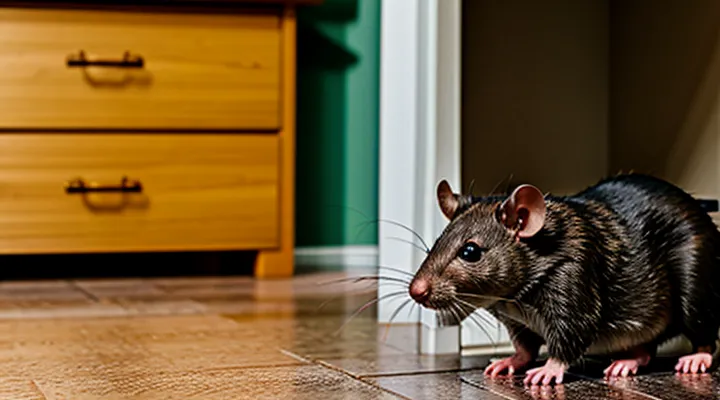
Identifying a Rat Infestation
Signs of Rats in Your Home
Droppings and Urine Stains
Droppings and urine stains are primary indicators of a rat infestation and must be addressed promptly to prevent health hazards and to confirm the effectiveness of any control measures. Fresh droppings appear as small, dark pellets about the size of a grain of rice; older deposits darken and become crumbly. Urine stains often manifest as amber or brown discolorations on surfaces, fabrics, or wood, and may emit a pungent, ammonia‑like odor.
Identifying these signs allows for accurate placement of traps and baits, ensures that removal efforts target active areas, and provides a baseline for post‑treatment verification. Failure to recognize or clean contaminated material can lead to disease transmission, including leptospirosis, hantavirus, and salmonellosis, as pathogens survive in rodent excreta for weeks.
Effective handling involves three steps:
- Containment: Seal entry points and isolate affected rooms to prevent the spread of contaminants.
- Removal: Wear disposable gloves and a mask, collect droppings with a damp paper towel, and place waste in a sealed plastic bag. For urine stains, blot excess moisture, then apply an enzymatic cleaner that breaks down organic residues; avoid bleach, which can aerosolize toxins.
- Disinfection: After removal, spray a EPA‑registered disinfectant on all surfaces, allowing the recommended contact time before wiping dry. Launder fabrics at the highest safe temperature, or discard items that cannot be adequately sanitized.
Monitoring after treatment should include periodic visual checks for new droppings or stains. The absence of fresh excreta confirms that the rat population has been suppressed, while any recurrence indicates the need for additional control actions.
Gnaw Marks and Damage
Rats leave unmistakable evidence through gnaw marks and structural damage. Their incisors continuously grow, compelling them to chew on wood, plastic, wiring, and insulation. The resulting bite holes are typically ¼‑inch in diameter, with clean, smooth edges and parallel scratches radiating from the opening. When gnaw marks appear on baseboards, cabinets, or furniture, they signal active foraging and indicate that the animal has established a pathway through the interior.
Damage extends beyond visible holes. Chewed electrical cords expose live wires, creating fire hazards and potential system failures. Insulation stripped by repeated gnawing reduces thermal efficiency, raising heating costs and inviting moisture accumulation. Food containers breached by rodents invite contamination, leading to spoilage and health risks. Structural components such as joists and studs may be weakened, compromising load‑bearing capacity over time.
Key indicators of gnaw‑related damage:
- Smooth, round holes in wood or plastic, often near walls or corners
- Frayed or exposed wires, especially in concealed crawl spaces
- Stripped insulation or shredded fabric near entry points
- Crushed or punctured food packaging, with droppings nearby
- Fresh gnaw marks on furniture legs, baseboards, or appliance casings
Identifying these signs promptly allows targeted intervention, preventing escalation of repair costs and safeguarding the home’s integrity.
Sounds and Sights
Detecting rodent activity relies heavily on auditory and visual cues. Rats generate distinct noises that signal their presence:
- Scratching on walls, ceilings, or stored items, especially during nighttime.
- Scurrying sounds within insulation, ductwork, or behind appliances.
- High‑pitched squeaks when trapped or distressed.
Visual indicators complement these sounds:
- Small droppings, typically ¼‑inch black pellets, found near food sources, along baseboards, or in hidden corners.
- Gnaw marks on wood, plastic, or wiring, identifiable by the fresh, clean edges of the cut.
- Grease or urine stains that darken surfaces and emit a musky odor.
- Nests constructed from shredded paper, fabric, or insulation, often located in concealed spaces such as wall voids or attic corners.
Monitoring these cues allows precise placement of traps and bait. Position snap or live traps along established runways—near walls, behind appliances, or adjacent to droppings. Use a flashlight to inspect low‑light areas where rats travel, and a handheld recorder or smartphone app to capture intermittent noises for later analysis. Consistent observation of sounds and sights reduces guesswork, increases capture rates, and minimizes unnecessary exposure to hazardous chemicals.
Unpleasant Odors
Unpleasant odors often signal the presence of rodents, making them a critical indicator for effective indoor pest management. Rats emit a musky, ammonia‑like scent from urine and feces; the smell intensifies as colonies grow and waste accumulates in hidden areas such as wall voids, crawl spaces, and storage closets.
Identifying odor sources helps locate activity zones and prioritize intervention. Typical signs include:
- Strong, sour smell near food storage or garbage containers.
- Persistent, foul odor in basements, attics, or behind appliances.
- Mildew‑like scent around droppings or nesting material.
Once an odorous hotspot is confirmed, follow these steps to reduce the problem and trap the animals:
- Remove the source: clean surfaces with a disinfectant solution, discard contaminated food, and seal waste containers.
- Seal entry points: use steel wool or metal flashing to block gaps larger than a quarter inch.
- Deploy bait stations or snap traps near the odor source, positioning them perpendicular to walls where rats travel.
- Apply a neutralizing odorant, such as enzymatic cleaners, to disrupt scent trails and deter further foraging.
Monitoring odor levels after treatment provides immediate feedback on success; a rapid decline indicates reduced activity, while lingering smells suggest hidden populations that require additional trapping or professional inspection.
Locating Rat Entry Points
Inspecting the Exterior
Inspecting the exterior of a residence is the first step in an effective rat‑control program. Identify all potential entry points by walking around the building and noting gaps larger than a quarter of an inch in walls, foundations, and utility penetrations. Pay special attention to areas where pipes, cables, and vent ducts pass through the structure.
Check the condition of siding, brickwork, and any exterior cladding. Cracked or missing sections create easy access for rodents. Seal cracks with cement, metal flashing, or expandable foam. Replace damaged weather‑stripping around doors and windows, and install tight‑fitting door sweeps.
Examine the roof and eaves for openings. Ensure that soffit vents are covered with mesh no larger than 1/4 inch. Verify that attic access points, such as hatch doors, close securely and that any gaps around chimney flues are filled with steel wool or copper mesh.
Inspect the perimeter for features that attract rats:
- Vegetation growing directly against the house, providing cover and a bridge to the roof.
- Stacked firewood, compost piles, or debris placed within 18 inches of the foundation.
- Open gutters or downspouts that allow water to pool near the base of the building.
Trim back shrubs, remove debris, and keep the ground level at least six inches away from the foundation. Direct downspouts away from the house using extensions or splash blocks to prevent moisture accumulation that softens soil and eases burrowing.
Finally, verify that all exterior doors close fully without gaps. Install door sweeps and check that garage doors seal tightly when closed. A thorough exterior inspection eliminates the most common pathways, reducing the likelihood that rats will penetrate the interior and making subsequent trapping efforts more successful.
Checking the Interior
Inspect every room for signs of rodent activity. Look for droppings, gnaw marks, shredded insulation, and oily streaks along walls or baseboards. Examine hidden areas such as under appliances, behind cabinets, and inside closets. Verify that all food containers are sealed and that crumbs or spills are promptly cleaned.
Identify entry points by tracing the paths of damage. Check gaps around pipes, vents, and electrical conduits. Measure openings; any gap larger than ¼ inch can admit a rat. Seal cracks with steel wool, caulk, or metal mesh before they become permanent routes.
Assess structural conditions that may encourage infestation. Loose floorboards, damaged roofing, and deteriorating drywall provide shelter. Repair or replace compromised materials to eliminate nesting sites.
Create a systematic record of findings. Use a checklist to document:
- Locations of droppings or urine stains.
- Presence of gnaw marks on wiring or wood.
- Size and location of all potential entry holes.
- Condition of food storage and waste disposal areas.
- Areas requiring repair or sealing.
A thorough interior examination establishes the foundation for effective rodent control. By eliminating evidence, blocking access, and repairing structural weaknesses, you reduce the likelihood of rats re‑entering the dwelling.
Preparing for Rat Trapping
Choosing the Right Traps
Snap Traps
Snap traps provide rapid, lethal action against rats that have entered a dwelling. Their mechanical design delivers a single, powerful strike that kills the animal instantly, minimizing suffering and preventing escape.
Select a trap that matches the size of the target rodent. Models rated for 200‑300 g are suitable for typical house rats; larger gauges handle heavier individuals. Choose traps constructed from stainless steel or hardened plastic to resist rust and retain spring tension over repeated uses.
Bait the device with strong, aromatic attractants. Peanut butter, dried fruit, or small pieces of meat create a potent scent that overcomes rats’ cautious behavior. Apply a pea‑sized amount to the trigger platform, avoiding excess that could cause premature release.
Place traps along established pathways. Rats travel close to walls, beneath appliances, and within concealed passages. Position each trap perpendicular to the wall, with the trigger end facing the expected direction of travel. Secure traps on flat surfaces; use adhesive pads or a small amount of tape if the floor is uneven.
Implement safety precautions. Wear disposable gloves when handling traps to prevent scent transfer. Keep traps out of reach of children and non‑target pets; consider mounting devices on elevated surfaces or using protective barriers. Inspect the area daily to remove captured rodents promptly.
Check traps at least once every 24 hours. Dispose of dead rats in sealed bags, then place them in an outdoor waste container. Clean the trap with a mild disinfectant before resetting to maintain effectiveness and reduce disease risk.
Maintain trap performance by regularly testing spring tension and replacing worn mechanisms. Rotate trap locations periodically to prevent rats from learning avoidance patterns. Record capture dates and locations to identify high‑activity zones and adjust placement accordingly.
Live Traps
Live traps provide a humane method for removing rodents from residential spaces. They consist of a cage or enclosure that closes automatically when the animal triggers a sensitive mechanism. The device keeps the rat alive, allowing relocation far from the home.
Effective use requires proper selection, placement, and maintenance. Choose a trap sized for rats, typically 12‑15 inches long, with a sturdy latch and ventilation holes. Bait the trap with high‑fat foods—peanut butter, bacon, or dried fruit—applied to the trigger plate. Position traps along walls, behind appliances, and in dark corners, because rats travel close to surfaces. Place traps perpendicular to the wall, with the entry side facing it, to align with natural movement patterns.
Check traps at least twice daily. Once a rat is captured, wear gloves, cover the trap, and transport it at least one mile away from the property before releasing it near a wooded area or field. Release should occur during daylight to reduce predation risk. After release, disinfect the trap with a mild bleach solution, rinse thoroughly, and reset with fresh bait.
Common pitfalls include:
- Using weak bait that fails to entice a wary rat.
- Placing traps in open areas where rats have no cover.
- Leaving traps unattended for extended periods, leading to stress or death of the captive animal.
By following these practices, live traps become a reliable component of a comprehensive rodent‑control strategy, minimizing damage while preserving animal welfare.
Electronic Traps
Electronic traps provide a rapid, humane solution for indoor rat infestations. The device delivers a high‑voltage shock that kills the rodent instantly, eliminating the need for poison or snap mechanisms. Batteries or mains power supply the circuit; most models include a safety switch to prevent accidental activation.
Effective deployment requires strategic placement. Position traps along walls, behind appliances, and near known runways. Ensure the sensor plate is unobstructed and the trap rests on a stable surface. Avoid locations where children or pets could tamper with the unit.
Maintenance tasks are straightforward. After each capture, open the compartment, dispose of the dead rat, and clean the interior with a disinfectant. Replace batteries according to the manufacturer’s schedule or when the indicator light blinks. Periodically inspect the wiring and sensor for damage.
Key advantages:
- Immediate kill reduces suffering and prevents disease spread.
- No bait required, lowering risk of accidental poisoning.
- Reusable; one unit can handle multiple captures.
- Quiet operation minimizes disturbance.
Limitations:
- Initial cost higher than traditional snap traps.
- Requires access to electricity or regular battery replacement.
- May be less effective in cluttered spaces where rodents avoid open pathways.
When integrated into a comprehensive rodent‑management plan, electronic traps serve as a reliable component for eliminating rats from residential environments.
Glue Traps (with caveats)
Glue traps are a common component of residential rat control, but their effectiveness depends on proper selection and cautious use.
When deploying glue traps, consider the following factors:
- Placement: Position traps along walls, behind appliances, and in dark corners where rodent activity is evident. Rats tend to travel close to surfaces, increasing trap contact.
- Size: Choose traps large enough to accommodate a rat’s body length; undersized traps may fail to hold the animal securely.
- Baiting: Apply a small amount of attractive food (peanut butter, dried fruit) to the adhesive surface. Excessive bait can smear the glue and reduce stickiness.
- Monitoring: Inspect traps at least once daily. Prompt removal of captured rodents prevents suffering and reduces the risk of escape.
Caveats that diminish the suitability of glue traps:
- Non‑target capture: Pets, wildlife, and children may accidentally encounter traps, leading to injury or legal liability.
- Ethical concerns: Glue traps cause prolonged distress; many pest‑management guidelines recommend humane alternatives.
- Limited reusability: Once a trap has captured a rat, the adhesive loses effectiveness, requiring replacement.
- Environmental conditions: High humidity or dust can impair adhesive strength, reducing trap performance.
Safety measures:
- Wear disposable gloves when handling traps to avoid skin contact with adhesive.
- Seal captured rodents in a plastic bag before disposal, following local regulations.
- Store unused traps out of reach of children and animals, preferably in a locked container.
In integrated rat management, glue traps serve best as a supplemental tool for confirming activity and pinpointing hotspots, rather than as a standalone solution. Combine them with exclusion techniques, sanitation improvements, and, where appropriate, live‑catch or lethal traps that meet humane standards.
Selecting Effective Bait
Common Bait Options
Effective rat control in residential settings relies on selecting baits that attract the species while minimizing risk to occupants and pets. Preferred attractants include:
- Peanut butter: strong odor, high fat content, adheres well to traps.
- Cheese: traditional scent, works best with soft varieties such as cheddar or mozzarella.
- Dried fruit: raisins, apricots, or figs provide sweetness and moisture.
- Bacon or cooked meat: intense aroma draws rats during nighttime activity.
- Fish fragments: oily fish such as sardines produce a potent scent.
- Commercial rodent blocks: formulated with anticoagulant or non‑anticoagulant compounds, pre‑measured for safety.
When deploying baits, place them in sealed stations or on trap surfaces, away from children and non‑target animals. Rotate bait types every few days to prevent habituation. Ensure proper disposal of used bait to avoid secondary poisoning.
Baiting Strategies
Effective rat control in a residence relies on selecting bait that matches the species’ feeding habits and the environment where activity occurs. Choose a bait that is attractive, durable, and safe for non‑target occupants. Peanut butter, dried fruit, and high‑protein pet food work well for nocturnal foragers, while grain‑based mixtures appeal to rats that scavenge near pantry edges.
- Single‑component baits – pure peanut butter or canned tuna placed on a secure platform; ideal for quick attraction and easy monitoring.
- Composite baits – a blend of dry cereal, powdered cheese, and a small amount of sugar; provides sustained interest for wary individuals.
- Pre‑packaged commercial blocks – contain anticoagulant or non‑anticoagulant rodenticides; ensure consistent dosage and reduced spillage.
Placement determines success. Position bait stations along walls, behind appliances, and near suspected entry points. Maintain a minimum distance of 12 inches between stations to prevent competition and to cover a broader foraging area. Secure stations with tamper‑resistant containers to protect children and pets while preserving bait integrity.
Rotate bait types every two weeks to prevent habituation. Record the date of placement, bait type, and observed activity; this data guides adjustments in formulation and location. Regularly inspect stations, replace depleted bait, and remove stations after capture to avoid secondary poisoning.
Safety Precautions Before Trapping
Protecting Pets and Children
Effective rat control in residential settings must prioritize the safety of pets and children. Choose traps that cannot be accessed by non‑target occupants. Snap traps with enclosed chambers or electronic devices eliminate the risk of accidental contact. Live‑capture cages equipped with secure lids prevent animals from escaping and reduce exposure to harmful chemicals.
Select bait that is unattractive to dogs, cats, and young children. Peanut butter, dried fruit, or cheese may entice rodents but also appeal to pets; instead, use small amounts of dry cat food placed inside the trap’s interior, where only a rodent can reach it. Avoid toxic rodenticides entirely; they pose ingestion hazards and secondary poisoning.
Implement physical barriers to restrict access:
- Install child‑proof latches on cabinets storing traps or bait.
- Place traps behind appliances, under furniture, or in concealed corners.
- Use wire mesh or hardware cloth to cover openings where rodents travel, keeping pets and children away from the hazard zone.
Seal entry points promptly. Caulk gaps around pipes, vents, and baseboards, and repair damaged screens. Reducing the rodent population through exclusion eliminates the need for repeated trapping, thereby lowering the chance of accidental encounters.
Maintain a clean environment. Store food in sealed containers, promptly clean spills, and dispose of garbage in tightly closed bins. A tidy home deprives rats of sustenance, decreasing their presence and the necessity for traps.
Supervise children in areas where traps are deployed. Teach them to avoid unknown objects on the floor and to report any sightings to an adult. Regularly inspect traps, remove captured rodents, and reset devices according to manufacturer instructions.
By integrating pet‑safe equipment, child‑proofing measures, thorough exclusion, and diligent housekeeping, rat removal can be accomplished without compromising the wellbeing of vulnerable household members.
Handling Traps Safely
When setting up rodent control devices inside a residence, safety must precede effectiveness. Improper handling of traps can cause injury to occupants, pets, and even the user. Follow strict protocols to minimize risk.
- Wear disposable gloves before touching any trap or bait. Gloves prevent direct skin contact with toxic substances and reduce the chance of transferring scent cues that may deter rodents.
- Inspect each trap for cracks, rust, or broken springs. Replace damaged units promptly; compromised mechanisms can trigger unexpectedly.
- Position traps away from high‑traffic areas, children’s play zones, and animal feeding stations. Secure traps on stable surfaces to prevent tipping.
- Use approved bait only, avoiding hazardous chemicals such as anticoagulants unless specifically labeled for rodent use. Store bait in sealed containers out of reach.
- After a capture, handle the trap with gloves, immobilize the spring mechanism, and place the rodent in a sealed bag before disposal. Clean the trap with a mild disinfectant and allow it to dry completely before reuse.
Maintain a log of trap locations, dates of placement, and outcomes. Regularly review the record to identify patterns and adjust placement accordingly. Consistent documentation supports safe, effective rodent management without compromising household health.
Trapping and Eliminating Rats
Setting Up Traps Strategically
Placement in High-Traffic Areas
Effective rat control in a home depends on positioning traps where rodents travel most frequently. Identify routes such as along walls, behind appliances, beneath cabinets, and near entry points. Place baited devices directly on these pathways to intercept movement and increase capture rates.
Key placement guidelines:
- Align traps with visible droppings, gnaw marks, or grease trails.
- Position devices low to the ground, typically 2–4 inches above the floor, where rats prefer to run.
- Space traps 10–15 feet apart in long corridors or open rooms to cover the entire route.
- Ensure traps are stable and not obstructed by furniture or clutter.
- Rotate or relocate traps every 3–4 days to prevent rats from learning trap locations.
Consistent monitoring and timely replacement of bait maintain effectiveness and reduce the likelihood of rat populations establishing new routes.
Avoiding Common Mistakes
Effective rat control inside a dwelling requires precise actions and the elimination of typical errors. Missteps can prolong infestation, increase health risks, and waste resources.
Common mistakes include:
- Selecting traps that are inappropriate for the species or size of the rodent.
- Placing bait in areas exposed to children or pets, leading to accidental poisoning.
- Ignoring signs of entry points; sealing gaps only after rodents have been captured.
- Using low‑quality or expired poison, which reduces efficacy and may cause resistance.
- Relying solely on visual inspection without employing motion‑activated cameras or tracking powder to confirm activity.
- Overlooking sanitation; food debris and clutter provide shelter and attract rodents.
- Setting traps in isolated locations, preventing rats from encountering them during regular movement paths.
Each error undermines the overall strategy. Choose snap or electronic traps sized for adult rats, and position them along walls, behind appliances, and near known runways. Secure bait in tamper‑proof containers when pets or children are present. Conduct a thorough survey of the building envelope; install steel wool or cement‑based sealants in cracks before deploying traps. Purchase fresh, reputable rodenticides and follow label instructions precisely. Supplement visual checks with indirect detection methods to map activity patterns. Maintain a clean environment by storing food in sealed containers, removing waste promptly, and decluttering storage areas. Distribute traps at intervals of 2–3 feet along established pathways to increase encounter rates.
By adhering to these guidelines, homeowners reduce the likelihood of repeat infestations and achieve faster, more reliable results.
Monitoring and Resetting Traps
Regular Inspection Schedule
A systematic inspection routine is essential for identifying rat activity before infestations become severe. Conduct a thorough sweep of the interior and exterior at consistent intervals, documenting findings each time.
- Weekly interior check: Examine kitchens, pantries, and storage closets for gnaw marks, droppings, and nest material. Inspect behind appliances, under sinks, and within wall cavities using a flashlight and a flexible inspection mirror.
- Bi‑weekly exterior survey: Look for burrows, chew damage on utility lines, and entry points such as gaps around pipes, vents, and foundation cracks. Seal openings larger than ¼ inch with steel wool and caulk.
- Monthly comprehensive review: Combine interior and exterior tasks, add trap placement verification, and assess the condition of bait stations. Replace or relocate traps based on recent activity patterns.
- Quarter‑yearly professional audit: Invite a licensed pest‑control specialist to perform a detailed assessment, calibrate monitoring devices, and recommend corrective actions if necessary.
Maintain a log that records date, inspected zones, observed evidence, and corrective measures taken. Analyze entries to detect trends; increasing sightings in a particular area signal the need for intensified control measures. Consistent adherence to this schedule reduces the likelihood of a hidden population establishing itself, thereby simplifying eradication efforts.
Dealing with Caught Rats
When a rodent is secured, the first priority is to protect yourself. Wear disposable gloves, a mask, and eye protection before touching the trap or cage. Transfer the animal to a sealed container without opening the trap, then place the container in a freezer for at least four hours to ensure rapid loss of consciousness.
After immobilization, choose a disposal method that complies with local regulations. Common options include:
- Euthanasia in a freezer – keeps the animal contained and eliminates it without external contamination.
- Professional pest‑control service – provides licensed removal and disposal, reducing personal risk.
- Legal release – permitted only in regions where releasing captured rodents is allowed and where the species is not protected; release must occur far from residential areas.
Regardless of the method, clean the trap thoroughly with a disinfectant solution. Remove all organic residue, rinse with hot water, and allow the equipment to dry before reuse.
Finally, sanitize the surrounding area. Dispose of gloves and any contaminated materials in sealed bags. Vacuum floors, wipe surfaces with a bleach‑based cleaner, and inspect entry points to prevent re‑infestation. Regular maintenance of seals, screens, and waste storage further reduces the likelihood of future captures.
Disposal of Trapped Rats
Sanitary Disposal Methods
Effective rat control in residential settings requires a strict approach to the disposal of captured or deceased rodents. Improper handling can spread disease, attract additional pests, and create sanitation hazards. Follow these procedures to ensure safe and hygienic removal.
- Place dead rats in sealed, puncture‑resistant bags (heavy‑duty plastic or biodegradable alternatives).
- Double‑bag the specimens, removing excess air before sealing.
- Store the sealed bags in a secure, temperature‑controlled area away from food preparation zones.
- Dispose of the bags within 24‑48 hours by using a municipal waste service that accepts animal carcasses, or by delivering them to an authorized animal disposal facility.
- If local regulations permit, incinerate the sealed bags in a high‑temperature furnace designed for biological waste.
After disposal, disinfect all surfaces that contacted the rodent or trap. Use a solution of 1 part bleach to 9 parts water, apply for at least five minutes, then rinse with clean water. Wear disposable gloves and a mask during the entire process, and wash hands thoroughly afterward. These steps minimize health risks and maintain a sanitary environment throughout the pest‑management effort.
Preventing Re-infestation from Carcasses
After a rat carcass is removed, the area remains vulnerable to new infestations. Decomposing tissue releases scent markers that attract surviving rodents, prompting them to return and establish new colonies. Immediate and thorough sanitation eliminates these cues and reduces the risk of recurrence.
Key actions to secure the site:
- Dispose of the carcass in a sealed, double‑layered bag and place it in an outdoor trash container with a tight‑fitting lid.
- Clean the surrounding surface with a detergent solution, then apply a disinfectant approved for household use.
- Rinse the area with water, dry completely, and spray a rodent‑repellent formulation that contains natural deterrents such as peppermint oil or capsicum extract.
- Seal any openings larger than ¼ inch with steel wool, metal mesh, or cement to block entry points.
- Inspect adjacent rooms and crawl spaces for hidden remains or droppings; repeat the cleaning protocol wherever evidence is found.
Regular monitoring reinforces the preventive measures. Set snap traps or electronic monitors in high‑traffic zones for at least two weeks after treatment. Replace bait stations with fresh attractant weekly to maintain effectiveness. Document observations and adjust sealing efforts as needed to sustain a rat‑free environment.
Post-Extermination Measures
Sealing Entry Points
Repairing Holes and Cracks
Repairing holes and cracks eliminates entry points that rats exploit to infiltrate residential structures. Unsealed gaps around pipes, vents, and foundation walls provide direct access to food and shelter; sealing them reduces the likelihood of infestation.
Identify all potential openings by inspecting interior walls, baseboards, and exterior siding. Use a flashlight to reveal fissures behind appliances and under cabinets. Mark each location with a temporary label to ensure comprehensive treatment.
Select appropriate sealing materials based on opening size and location. For gaps larger than one‑quarter inch, apply steel wool followed by a high‑grade silicone or polyurethane caulk. Small cracks can be filled directly with expanding foam or cement mortar. Use corrosion‑resistant mesh for areas near moisture to prevent degradation.
Apply sealants according to manufacturer instructions. Clean the surface, remove loose debris, and dry the area before application. Press the material firmly into the gap, smooth the surface, and allow the recommended curing time before exposing the area to humidity or traffic.
Regularly monitor repaired sections for signs of new damage. Reapply sealant promptly if cracks reappear, especially after seasonal temperature fluctuations or structural settling. Consistent maintenance sustains a barrier that deters rodent entry and supports broader pest‑management efforts.
Securing Vents and Drains
Rats exploit gaps in ventilation openings and drainage systems to enter homes, making these points critical control zones. Properly sealing these pathways eliminates a primary route for infestation and reduces the likelihood of future intrusion.
- Inspect all external vents, including dryer, bathroom, and attic fans, for cracks, gaps, or missing mesh. Install stainless‑steel or copper mesh with a ¼‑inch opening to prevent rodent passage while preserving airflow.
- Apply a continuous bead of high‑quality, rodent‑resistant caulk around vent frames, ductwork seams, and vent hood edges. Choose a product that remains flexible in temperature fluctuations.
- Replace damaged or rusted vent covers with reinforced models that feature locking clamps or screw‑on fasteners. Ensure the fasteners are tamper‑resistant.
- Examine floor and wall drains for uncovered openings. Fit drain covers made of heavy‑gauge metal or hard plastic that snap securely into place. Verify that the covers sit flush with the surrounding surface.
- Seal all pipe penetrations near vents and drains with expanding foam or pipe‑wrap tape. The material must adhere to both metal and concrete substrates.
- Conduct a quarterly visual audit of all sealed points. Reapply mesh or caulk where wear, corrosion, or displacement is evident.
By systematically fortifying vents and drains, homeowners create a barrier that blocks rodent access without compromising building ventilation or plumbing function. This approach forms a foundational element of any effective rat‑control program.
Sanitizing Affected Areas
Cleaning Up Droppings and Urine
Cleaning up rodent droppings and urine eliminates health hazards and removes attractants that encourage further infestation. Direct contact with contaminated material can transmit diseases such as leptospirosis, hantavirus, and salmonellosis; therefore, protective measures are mandatory before any removal begins.
Wear disposable gloves, a N‑95 respirator, and eye protection. Ventilate the area by opening windows and using fans to push air outward. Avoid sweeping or vacuuming dry droppings, as this releases particles into the air. Instead, dampen the affected surfaces with a solution of one part bleach to nine parts water, allowing the liquid to soak for at least five minutes. The bleach mixture kills pathogens and prevents aerosolization during cleaning.
After the soaking period, use a disposable paper towel or a mop with a washable head to collect the material. Place all waste, including gloves and paper towels, into a sealed plastic bag, then seal the bag and discard it in an outdoor trash container away from the home.
Disinfect the cleaned area with a fresh bleach solution or an EPA‑registered rodent‑specific disinfectant. Apply the disinfectant, let it remain wet for the manufacturer‑specified contact time, then wipe the surface with a clean, damp cloth. Allow the area to dry completely before restoring furniture or storage items.
Repeat the process in every room where droppings or urine stains are visible. Conduct a final visual inspection to confirm that all residues have been removed and that the environment is free of lingering odors that could lure additional rodents.
Disinfecting Surfaces
Effective rat control in a home requires thorough sanitation after eliminating the pests. Disinfecting surfaces removes scent trails, urine residues, and pathogens that attract rodents and spread disease.
- Remove debris, droppings, and gnaw marks with a disposable cloth or paper towel. Dispose of waste in a sealed bag.
- Apply a disinfectant approved for household use (e.g., diluted bleach solution 1 part bleach to 9 parts water, hydrogen peroxide, or an EPA‑registered sanitizer). Ensure the product is effective against bacteria, viruses, and parasites commonly carried by rats.
- Saturate the contaminated area, let the solution stand for the contact time specified on the label (typically 5–10 minutes), then wipe clean with a fresh disposable cloth.
- Allow the surface to air‑dry completely before replacing food containers, utensils, or bedding.
Disinfection also eliminates pheromones left by rats, reducing the likelihood of re‑infestation. Focus on kitchens, pantries, garbage areas, and any place where rodents have been observed. Use gloves and eye protection to prevent skin irritation and inhalation of fumes.
After cleaning, maintain a dry environment, store food in sealed containers, and inspect for new droppings regularly. Prompt sanitation following each control action sustains a rat‑free household.
Long-Term Prevention Strategies
Maintaining a Clean Environment
A clean environment deprives rats of food, shelter, and nesting material, making the home inhospitable to infestation. Regular removal of waste, proper storage of food, and elimination of clutter reduce attractants and block entry points.
- Dispose of garbage daily; use sealed containers with tight-fitting lids.
- Store pantry items in airtight bins; sweep crumbs and spills immediately.
- Keep countertops, floors, and appliances free of food residues.
- Eliminate standing water; fix leaks and dry damp areas promptly.
- Clear debris, piles of cardboard, and unused items from corners, closets, and basements.
- Seal gaps around pipes, vents, and doors with steel wool or caulk to prevent access.
Consistent housekeeping creates an environment where rats cannot locate sustenance or safe harborage, thereby supporting effective rodent control within the residence.
Proper Food Storage
Proper food storage is a critical element of any strategy aimed at reducing rodent activity inside a residence. Food left unsecured provides a reliable energy source that attracts rats, encourages breeding, and sustains infestations. By eliminating accessible nourishment, the likelihood of rats entering or remaining in the home declines sharply.
Seal all pantry items in containers made of metal, heavy‑gauge plastic, or thick glass. Containers must feature tight‑fitting lids that prevent gnawing. Store dry goods—cereals, grains, nuts, and pet food—on shelves away from floor level; rodents can reach low positions but cannot climb smooth vertical surfaces.
Maintain a routine of cleaning and inspection:
- Wipe down countertops and tables after each meal; remove crumbs and spills immediately.
- Sweep floors daily; vacuum corners and under appliances where debris accumulates.
- Dispose of garbage in bins with secure lids; transfer waste to outdoor containers regularly.
Avoid keeping open food sources in cabinets or drawers. If temporary storage is necessary, wrap items in foil or place them in sealed bags before putting them in a container. Regularly check for signs of damage—chewed edges, torn packaging, or droppings—and discard compromised products without hesitation.
Implementing these storage practices removes the primary attractant for rats, making other control measures—traps, baits, or professional intervention—more effective and reducing the chance of re‑infestation.
Landscaping and Yard Maintenance
Effective rodent control begins with the exterior environment. Overgrown vegetation, accumulated debris, and improperly managed compost create shelter and food sources that invite rats to approach a residence. Maintaining a tidy yard eliminates these attractants and reduces the likelihood that rodents will seek entry points.
Key yard practices include:
- Trimming grass to a maximum height of 2‑3 inches, preventing dense cover.
- Removing leaf piles, mulch, and wood chips that lie against the foundation.
- Pruning tree limbs and shrubs at least 6 feet from the house to deny climbing routes.
- Storing firewood on raised platforms, away from the building envelope.
- Securing compost bins with tight-fitting lids and placing them at a distance of no less than 15 feet from the structure.
- Disposing of garden waste in sealed containers rather than leaving it on the property.
Regular inspection reinforces preventive measures. Conduct a biweekly walkaround to identify new growth, fallen fruit, or water accumulation. Repair cracks in sidewalks, driveways, and the foundation promptly, using durable sealants that withstand weather exposure. Install low‑profile metal flashing where utility lines penetrate the exterior walls to block potential entry gaps.
Integrating disciplined yard upkeep with indoor rodent‑proofing creates a comprehensive barrier. By eliminating outdoor habitats and fortifying structural defenses, the home environment becomes inhospitable to rats, decreasing the need for reactive trapping or chemical interventions.
When to Call a Professional
Signs of a Severe Infestation
A severe rat problem reveals itself through multiple, unmistakable indicators. Large quantities of dark, pellet‑shaped droppings appear in hidden corners, along baseboards, and inside food containers. Droppings may be as large as a grain of rice and are often found in clusters near active pathways.
Fresh gnaw marks on wood, plastic, or wiring suggest ongoing activity; rats leave teeth‑sized incisions that expose the interior of structures. Chewed electrical cords pose fire hazards and indicate a population large enough to search for food sources continuously.
Audible signs become persistent after dark hours. Scratching, scurrying, or squeaking from ceilings, walls, or attics occurs regularly, not sporadically. A strong, musky odor, especially near nesting sites, intensifies as the colony grows.
Visible nests composed of shredded paper, insulation, or fabric appear in concealed spaces such as behind appliances, in wall cavities, or within storage boxes. The presence of multiple nests confirms a breeding group rather than a solitary intruder.
Key indicators of a severe infestation
- Numerous droppings spread over a wide area
- Repeated gnaw damage to structural or electrical components
- Continuous nighttime noises from concealed locations
- Strong, lingering urine or fecal odor
- Multiple, well‑constructed nests in hidden zones
Each of these signs warrants immediate professional intervention to prevent further damage and health risks.
Health Risks Associated with Rats
Rats carry pathogens that can cause severe illness in humans. Direct contact with rodent urine, feces, saliva, or bite wounds introduces bacteria, viruses, and parasites into the body.
- Leptospirosis – bacterial infection transmitted through contaminated water or soil; symptoms include fever, headache, and kidney damage.
- Hantavirus pulmonary syndrome – inhalation of aerosolized rodent droppings; leads to respiratory failure and high mortality.
- Salmonellosis – ingestion of food tainted with rat feces; results in gastrointestinal distress and dehydration.
- Rat‑bite fever (Streptobacillosis) – bacterial infection from bite wounds; causes fever, rash, and joint pain.
- Lymphocytic choriomeningitis virus – exposure to rodent excreta; may produce meningitis, encephalitis, or flu‑like illness.
Rats contaminate food preparation surfaces, stored goods, and structural components with urine and droppings. Their gnawing behavior damages wiring, insulation, and plumbing, creating additional hazards such as fire risk and water leakage. Inhalation of dried droppings or dust disturbed during cleaning releases infectious particles, increasing the likelihood of respiratory exposure.
Effective rodent control reduces the probability of disease transmission. Eliminate food sources, seal entry points, and maintain cleanliness to limit contact with rodent waste. Prompt identification of infestations and professional eradication measures protect occupants from the outlined health threats.
Professional Extermination Services
Professional extermination services provide a structured approach to eliminating rats from residential environments. Technicians begin with a thorough inspection, identifying entry points, nesting sites, and activity signs such as droppings or gnaw marks. This assessment informs a customized control plan that targets current infestations and prevents future incursions.
The control plan typically includes:
- Placement of bait stations or traps calibrated for indoor use.
- Sealing of structural gaps using steel wool, caulk, or metal flashing.
- Application of rodenticide formulations in concealed locations, adhering to safety regulations.
- Ongoing monitoring to verify efficacy and adjust tactics as needed.
Safety considerations dominate the process. Certified operators follow integrated pest management (IPM) principles, limiting chemical exposure to occupants and pets. Documentation of product types, concentrations, and placement locations accompanies each service visit.
Cost structures vary by infestation severity, property size, and required follow‑up visits. Transparent pricing outlines initial inspection fees, material costs, and scheduled re‑inspections, enabling homeowners to budget accurately.
Selecting a reputable provider involves verifying licensing, insurance coverage, and client references. Professional associations, such as the National Pest Management Association, offer directories of vetted contractors.
When executed correctly, professional services eradicate active rat populations, reduce health risks associated with rodent‑borne pathogens, and safeguard structural integrity by eliminating gnaw damage. Continuous collaboration between homeowner and exterminator ensures long‑term rodent control.