
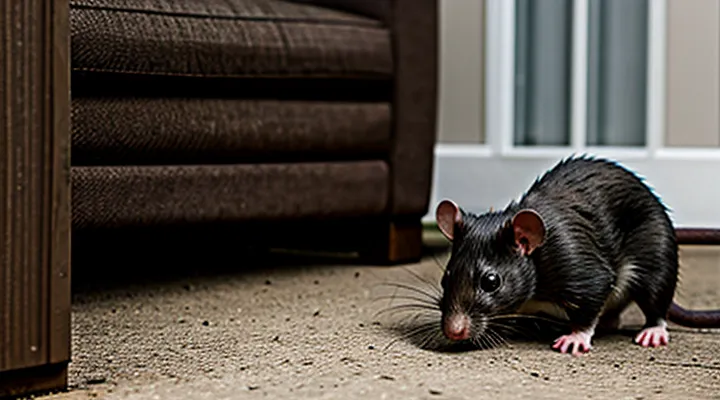
Why Rats Become Clever
Behavioral Adaptation
Rats modify their habits to survive in environments where traps are present. Their adjustments affect the success of any capture effort.
- Rapid acclimation to new objects reduces hesitation around unfamiliar devices.
- Preference for darkness drives activity to night hours, limiting encounters with daytime bait.
- Social transmission spreads knowledge of safe routes and hazardous zones within colonies.
- Acute olfactory discrimination enables avoidance of scented traps after brief exposure.
- Problem‑solving capacity allows manipulation of simple mechanisms, such as pushing lids or navigating mazes.
Effective capture strategies must align with these behaviors. Deploy traps in low‑light areas, use unscented bait that mimics natural food sources, and rotate device designs to disrupt learned avoidance. Position devices along established runways identified by tracking droppings or gnaw marks. Apply repeated placement over several days to overcome neophobia and exploit the rats’ tendency to habituate to consistent stimuli.
Learned Avoidance
Rats quickly associate specific cues with danger, forming a behavioral pattern known as learned avoidance. Once a trap repeatedly fails to capture a rat, the animal records the visual, olfactory, and tactile signals surrounding the device and steers clear of similar setups. This adaptive response reduces trap efficacy and demands strategic adjustments.
To disrupt learned avoidance, implement variability in trap presentation:
- Rotate bait types and locations every 2–3 days.
- Change trap color, shape, or material to break visual familiarity.
- Introduce a mild, non‑harmful scent that masks previous olfactory cues.
- Alternate between snap, live‑capture, and glue mechanisms to prevent procedural habituation.
Timing also influences success. Deploy traps during periods of heightened activity, such as dusk or early morning, when rats are less cautious and more motivated by food scarcity. Reduce exposure time by setting traps for short intervals, then removing them before rats can form a lasting association.
Monitoring is essential. Record capture rates, bait consumption, and any evidence of trap inspection. Adjust the variables based on observed trends; a decline in captures signals that rats are re‑learning avoidance, prompting immediate modification of the trap environment. Continuous adaptation prevents the development of entrenched avoidance behaviors and restores trapping efficiency.
Preparation and Planning
Rat Observation and Identification
Accurate observation of rodent behavior and physical traits forms the foundation of any successful capture operation. Careful monitoring reveals patterns that simple traps cannot detect.
Rats differ in size, fur coloration, tail length, ear shape, and activity rhythm. Juvenile specimens display smoother fur and proportionally larger ears, while adults present coarser coats and shorter tails relative to body length. Nocturnal activity peaks between dusk and midnight; diurnal sightings suggest habituation to human presence.
Identify presence through indirect signs. Footprints in dust or soft soil indicate travel routes. Fresh droppings, typically 1‑2 cm long, appear in clusters near food sources. Gnaw marks on wires, wood, or plastic reveal preferred pathways. Heat signatures captured by infrared devices confirm active zones.
Identification checklist
- Measure body length and tail proportion.
- Record fur color and texture.
- Note ear size and shape.
- Document footprint patterns and spacing.
- Collect and count droppings per square meter.
- Inspect gnaw marks for orientation.
- Use infrared or motion sensors to locate peak activity periods.
Apply collected data to position traps along confirmed routes, align bait with observed feeding preferences, and adjust trap timing to coincide with identified activity peaks. Continuous re‑evaluation of observations ensures adaptation to evolving rodent behavior.
Safety Precautions
When attempting to trap highly intelligent rodents, personal safety and environmental protection are paramount. Failure to observe proper precautions can result in injury, disease transmission, or unintended damage to property.
- Wear disposable gloves made of nitrile or latex before handling traps, bait, or captured animals. Replace gloves after each use to prevent cross‑contamination.
- Use eye protection such as safety glasses or goggles to shield against sudden movements or splashes of bodily fluids.
- Secure the work area by removing loose items, sealing off adjacent rooms, and clearly marking the zone with warning signs.
- Ensure adequate ventilation if using chemical attractants or rodenticides; operate only in well‑aired spaces or employ local exhaust fans.
- Keep children, pets, and non‑essential personnel away from the trapping site at all times.
- Dispose of dead or injured rodents in sealed, puncture‑proof containers; follow local regulations for biohazard waste.
- Clean and disinfect all equipment after each session with an approved sanitizer; store cleaned tools in a dry, isolated location.
- Inspect traps for sharp edges, broken parts, or malfunctioning mechanisms before deployment; repair or replace defective units immediately.
Maintain a log of each trapping event, noting dates, locations, bait types, and any incidents. Review the record regularly to identify patterns that may require adjustments to safety protocols. By adhering strictly to these measures, operators reduce health risks and increase the likelihood of successful capture without compromising safety.
Advanced Trapping Strategies
Overcoming Trap Shyness
Effective capture of savvy rodents requires addressing their natural aversion to conventional devices. When a rat associates a trap with danger, it learns to avoid similar setups, rendering standard baiting ineffective. The key lies in breaking this learned avoidance and rebuilding confidence in the trap’s safety.
- Introduce the trap gradually: place the device without activation for several days to allow the rat to explore without fear of injury.
- Use low‑risk bait: select items that emit strong scent but are difficult to steal without contact, such as peanut butter mixed with a small amount of fresh fruit juice.
- Vary trap locations: shift positions daily to prevent the rat from mapping safe zones.
- Employ scent masking: apply a neutral odor (e.g., unscented mineral oil) to the trap’s exterior to conceal any residual fear‑inducing scent.
Monitor the rat’s behavior closely. Signs of hesitation indicate persistent shyness; adjust the exposure period accordingly. Once the animal routinely investigates the device without alarm, activate the mechanism and maintain consistent baiting to ensure successful capture.
Disguising Traps
Disguising traps is a critical component of successful rodent capture when dealing with highly cautious individuals. Effective concealment reduces the animal’s wariness and increases the likelihood of engagement.
Camouflage techniques focus on visual and olfactory integration with the surrounding environment. Use natural materials—twigs, leaves, shredded paper—to cover the trap’s exterior, matching the texture and color of the area. Apply scent-masking agents such as unscented soap or a thin layer of soil to neutralize the metallic or synthetic odor that often triggers avoidance.
Bait selection must complement the disguise. Choose food items that are common in the rat’s diet and embed them within the camouflage so the trap appears as a harmless food source. Secure the bait to the trigger mechanism with thin strands of thread or waxed cotton to prevent premature detection.
Placement strategies enhance the illusion. Position traps along established runways, near wall junctions, or under objects the rat routinely navigates. Ensure the trap’s silhouette does not protrude above the surface; low-profile models or flattened containers work best.
Key steps for implementing disguise:
- Identify the predominant substrate (concrete, wood, insulation) in the target area.
- Gather matching camouflage material; avoid glossy or reflective surfaces.
- Apply scent-masking layer to the trap’s exterior.
- Secure bait within the camouflage, ensuring it remains concealed until triggered.
- Align the trap with natural pathways, positioning it flush with surrounding surfaces.
- Monitor for activity and adjust camouflage if the rat shows signs of suspicion.
By integrating visual, tactile, and olfactory concealment, traps become indistinguishable from the environment, compelling even the most observant rats to interact and ultimately be captured.
Bait Rotation
Effective rodent capture relies on preventing bait habituation. Rotating bait eliminates the rats’ ability to recognize a single food source, forcing them to investigate each new offering.
Implement a rotation schedule that changes the bait type every 2–3 days. Consistency in timing prevents patterns that clever rats could exploit. Track the performance of each bait to identify the most attractive options for the target population.
- Select three to five bait varieties (e.g., peanut butter, dried fruit, fish oil, grain mix, meat scraps).
- Assign each variety to a specific day in the rotation cycle.
- Record capture rates after each bait exposure.
- Replace any underperforming bait with a new formulation after one full cycle.
- Maintain a minimum of 24 hours between changes to avoid overlap.
Adjust the rotation based on seasonal food availability and observed rat preferences. By systematically varying the attractant, the trap remains unpredictable, increasing the likelihood of successful capture.
Trap Placement Optimization
Intelligent rodents quickly learn to avoid poorly positioned devices, making precise trap placement essential for successful capture.
Identify the most frequented pathways by monitoring droppings, gnaw marks, and food remnants. Place traps directly in the center of these routes, where rats must cross to reach shelter or nourishment. Align each trap perpendicular to the wall, allowing the animal to approach from the side rather than head‑on, which reduces hesitation.
- Position traps near baseboards, behind appliances, and within concealed gaps.
- Use a minimum of three traps per hotspot to increase encounter probability.
- Space traps 12–18 inches apart to cover the full width of a runway while preventing overlap that could deter activity.
Maintain a stable environment by eliminating vibrations, strong odors, and bright lights that could alert the rodent. Replace bait daily to preserve freshness, and rotate trap locations every 48 hours to disrupt any emerging avoidance patterns.
Record capture data, noting the exact spot, time, and bait type. Analyze trends weekly; relocate or adjust devices where catches are absent. Continuous refinement of placement based on empirical evidence maximizes effectiveness against even the most cautious rats.
Multi-Trap Systems
Multi‑trap systems combine several capture devices to increase the probability of intercepting highly inquisitive rodents. By distributing baited mechanisms across a defined perimeter, the strategy reduces reliance on a single trap and forces the animal to encounter at least one functional unit.
Redundancy creates overlapping zones of influence. When a rat avoids one device, another positioned a few meters away presents a comparable stimulus. This layout also compensates for individual trap failure, environmental disruption, or learned avoidance.
Key elements of an effective multi‑trap arrangement include:
- Diverse trap types (snap, live‑catch, electronic) to address varying behavioral responses.
- Uniform bait placement that mimics natural food sources while minimizing scent dispersion.
- Adjustable spacing based on observed traffic patterns, typically 1–2 m in high‑activity corridors.
- Secure anchoring to prevent displacement by gnawing or accidental contact.
Implementation steps:
- Conduct a brief survey to identify primary pathways and nesting sites.
- Position traps along these routes, ensuring each segment overlaps with adjacent units.
- Inspect devices daily, recording capture data and resetting any cleared mechanisms.
- Rotate bait locations weekly to disrupt habituation and maintain attraction.
The multi‑trap approach yields higher capture rates, shorter response times, and reduced need for chemical control. Consistent monitoring and periodic adjustments sustain effectiveness against adaptable rodent populations.
Non-Lethal Approaches
Live Trapping Techniques
Live trapping remains the most humane method for securing intelligent rodents while preserving the opportunity for relocation. Selecting the appropriate trap is the first decisive step. Commercially available models include:
- Multi‑capture cage traps with hinged doors that close automatically when an animal enters.
- Single‑capture wire mesh traps equipped with a spring‑loaded door.
- Box traps constructed from durable plastic or wood, offering clear visibility of the occupant.
Bait choice directly influences capture success. Foods with high protein and fat content—such as peanut butter, cooked egg, or small pieces of meat—generate strong attraction. Present bait on a small platform to prevent premature contact with the trigger mechanism.
Placement guidelines:
- Identify active pathways by observing droppings, gnaw marks, and fresh footprints.
- Position traps perpendicular to the flow of traffic, with the entrance facing the direction of travel.
- Secure traps at ground level or slightly elevated, matching the typical foraging height of the target species.
- Deploy multiple traps within a 10‑meter radius to increase encounter probability.
Monitoring and handling protocols:
- Check traps at least once every two hours to reduce stress and prevent injury.
- Wear thick gloves when removing a captured rodent to avoid bites.
- Transfer the animal to a transport container with ventilation, maintaining a calm environment.
- Release the rodent at least 500 meters from the capture site, preferably in a habitat offering shelter and food sources.
Sanitation practices:
- Clean traps after each use with a mild detergent and rinse thoroughly.
- Disinfect with a diluted bleach solution (1:10) to eliminate scent markers that may deter future captures.
- Dry all components before redeployment to prevent rust and corrosion.
By adhering to these precise procedures, practitioners can efficiently capture clever rats, minimize harm, and facilitate responsible relocation.
Exclusion Methods
Exclusion methods prevent intelligent rats from entering buildings by eliminating access points and creating physical barriers. The approach begins with a thorough inspection of the structure to locate gaps, cracks, vent openings, and utility penetrations that rodents can exploit.
Identify all potential entry routes. Examine foundation walls, doors, windows, roof eaves, and pipe sleeves. Use a flashlight and a mirror to view concealed spaces. Mark each opening for subsequent sealing.
Seal openings with durable, non‑chewable materials. Apply steel wool or copper mesh to small cracks, then cover with cement, silicone caulk, or expanding foam. Install metal flashing around vents and chimney bases. Replace worn weatherstripping on doors and windows with heavy‑duty rubber or silicone seals. Fit rodent‑proof metal or hardware cloth (¼‑inch mesh) over utility openings and drainage pipes.
Common exclusion measures:
- Steel‑wool and caulk combo for gaps ≤¼ in.
- Copper mesh + concrete for structural cracks.
- Hardware cloth screens on vent openings.
- Heavy‑duty door sweeps and threshold seals.
- Metal flashing around chimney and roof penetrations.
After sealing, conduct a follow‑up inspection to verify integrity. Test each repaired opening for firmness and absence of gaps. Maintain a schedule for periodic checks, especially after seasonal temperature changes or building renovations, to ensure barriers remain intact. Continuous monitoring and prompt repair of new openings sustain effective exclusion of savvy rodents.
Sealing Entry Points
Sealing entry points eliminates the pathways rats use to infiltrate buildings, making traps more effective and reducing the need for repeated baiting. Identify all potential openings, including gaps around pipes, vents, doors, and foundation cracks, then apply durable materials to close them permanently.
- Inspect exterior walls, foundation, and roof for openings larger than ¼ inch.
- Use steel wool or copper mesh to fill small gaps before applying sealant.
- Apply high‑quality silicone or polyurethane caulk to cracks and joints.
- Install metal flashing around vents and utility penetrations.
- Replace damaged weatherstripping on doors and windows.
After sealing, monitor for signs of activity such as droppings or gnaw marks. Re‑inspect quarterly, especially after seasonal temperature changes, to address new gaps that may appear. Maintaining a sealed environment sustains the advantage gained by traps and prevents reinfestation.
Habitat Modification
Habitat modification reduces the opportunities that resourceful rats exploit, making capture efforts more reliable.
Eliminate food sources. Store grain, pet food, and kitchen waste in sealed containers. Clean spills promptly and keep compost bins tightly closed.
Secure structural entry points. Inspect walls, foundations, and utility penetrations; install steel wool, metal flashing, or concrete sealant to block gaps as small as ¼ inch.
Manage outdoor environment. Trim vegetation away from building foundations, remove debris piles, and keep garden beds free of fallen fruit. Maintain a clear perimeter to deter nesting.
Integrate modifications with trapping. Position snap or live traps along established runways, near newly sealed openings, and in areas where food removal has created concentrated activity. Check traps daily and relocate if capture rates decline.
- Seal cracks and holes
- Store food in airtight containers
- Remove clutter and debris
- Trim vegetation from building edges
- Place traps along altered pathways
Consistent application of these measures limits shelter and sustenance, forcing rats into monitored zones where capture devices are most effective.
Chemical Control Considerations
Advanced Rodenticide Application
Advanced rodenticide tactics are essential when dealing with rats that quickly learn to avoid simple traps. Effective chemical control requires precise selection, strategic placement, and ongoing resistance management.
Choose rodenticides with proven efficacy against resistant populations. First‑generation anticoagulants work quickly but may be bypassed by tolerant rats; second‑generation compounds provide longer action and lower bait consumption. Rotate active ingredients every few weeks to prevent genetic adaptation.
Formulate baits to match rat foraging behavior. Gel matrices attract cautious individuals, while hardened blocks resist removal by non‑target species. Dusts penetrate nesting material, delivering poison directly to hidden colonies. Deploy bait stations that conceal the product, limit exposure, and allow controlled replenishment.
Implement monitoring protocols to verify ingestion and assess mortality rates. Use tracking powders or dye markers to confirm bait contact. Record removal counts, adjust placement density, and replace depleted stations promptly. Follow safety regulations: wear protective gloves, store products in locked containers, and label all locations clearly to protect humans and pets.
Key actions for advanced rodenticide application:
- Identify resistant traits in the target population.
- Select an appropriate anticoagulant class and rotate active ingredients.
- Choose bait formulation that matches local foraging patterns.
- Install concealed bait stations at least 2 m apart along travel corridors.
- Monitor bait uptake with tracer substances and adjust deployment accordingly.
- Document results, maintain records, and comply with environmental guidelines.
Safety and Environmental Impact
When implementing rat‑capture methods, prioritize the well‑being of personnel and the surrounding ecosystem. Protective gloves, eye shields, and respiratory masks prevent exposure to diseases, allergens, and chemicals commonly used in traps. Securely seal bait containers to avoid accidental ingestion by non‑target species. Verify that trapping devices comply with local occupational‑health regulations and are inspected before each deployment.
Environmental stewardship requires selecting low‑toxicity solutions and minimizing habitat disruption. Consider the following practices:
- Use mechanical traps (snap, live‑capture) instead of poison to eliminate secondary poisoning risks.
- Deploy bait stations made from biodegradable materials to reduce waste accumulation.
- Position traps away from water sources and drainage systems to prevent contaminant leaching.
- Conduct regular monitoring to assess non‑target captures and release unintended catches promptly.
Adhering to these guidelines ensures effective rat control while safeguarding human health and preserving ecological balance.
Post-Extermination Measures
Sanitation and Prevention
Effective sanitation eliminates food sources and shelter, reducing the likelihood that resourceful rodents will exploit an environment. Store all consumables in sealed containers, discard waste promptly, and keep surfaces free of crumbs. Regularly clean behind appliances, under shelving, and in storage areas where debris can accumulate unnoticed.
Implement structural barriers to prevent entry. Seal gaps larger than ¼ inch with steel wool, caulk, or metal flashing. Install door sweeps and repair damaged screens. Maintain a tight building envelope to deny access points that clever rats can navigate.
Establish a routine inspection schedule. Identify signs of activity—droppings, gnaw marks, urine stains—and document findings. Conduct inspections weekly in high‑risk zones such as kitchens, pantries, and waste disposal areas.
Adopt a waste‑management protocol:
- Use trash cans with tight‑fitting lids.
- Empty receptacles daily.
- Place recycling in sealed bins.
- Remove compost material from indoor spaces.
Maintain a dry environment. Fix leaks, control humidity, and ensure proper drainage to deter nesting in damp locations.
Educate occupants on hygiene standards. Require immediate cleanup of spills, enforce no‑food‑left‑out policies, and provide guidelines for proper food storage. Consistent adherence to these measures creates conditions inhospitable to intelligent rats, limiting their ability to survive and reproduce.
Monitoring for Reinfestation
Effective monitoring after a rat control operation prevents a resurgence of the problem. Begin by installing detection devices in locations where activity was previously recorded. Choose devices that provide continuous data, such as infrared motion sensors, chew‑resistant tape, or smart bait stations that log visits.
Maintain a schedule for visual inspections. Check each detector at least once every 24 hours for the first two weeks, then reduce frequency to every 48 hours for the following month. Record findings in a dedicated log, noting date, time, and type of evidence (droppings, gnaw marks, fresh tracks).
Implement a threshold system. Define a specific number of positive detections that triggers an immediate response, for example, three separate sensor activations within a 12‑hour period. When the threshold is reached, deploy targeted traps or repeat baiting in the affected zone.
Integrate data analysis. Use simple spreadsheet formulas to calculate trends, such as weekly detection rates and changes in activity patterns. Identify any upward spikes early, and adjust control measures accordingly.
Ensure device maintenance. Replace batteries, clean sensors, and calibrate equipment weekly to avoid false negatives. Store all records for at least six months to support long‑term assessment and to demonstrate compliance with pest‑management protocols.