
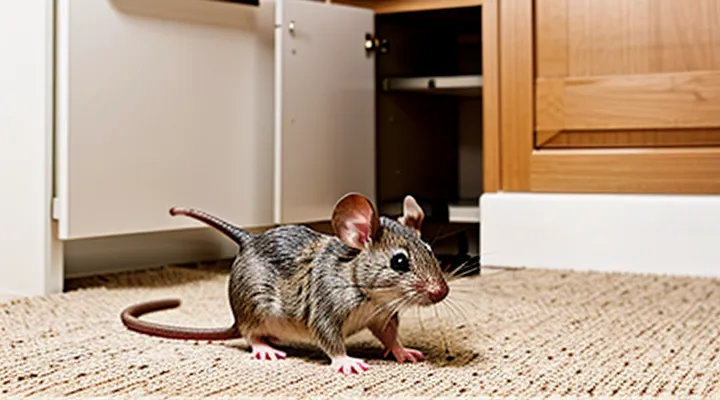
Understanding Mouse Behavior and Why They Invade
Common Entry Points and Hiding Spots
Identifying how rodents gain access to a dwelling and where they conceal themselves is essential for any effective mouse‑control strategy in an apartment.
Common entry points include:
- Cracks in foundation walls or concrete slabs.
- Gaps surrounding plumbing, electrical, and gas pipes.
- Unsealed openings around ventilation ducts and exhaust fans.
- Door sweeps that are worn or missing.
- Utility conduits that penetrate exterior walls.
- Window frames lacking weatherstripping or with broken screens.
Typical hiding spots comprise:
- Spaces behind refrigerators, stoves, and dishwashers.
- Interior of kitchen and bathroom cabinets, especially those with loose shelves.
- Wall cavities and floor joist voids where insulation is present.
- Attic insulation piles and roof trusses.
- Areas beneath sofas, beds, and other furniture that rest close to the floor.
- Gaps between baseboards and floorboards, often concealed by carpet or rug edges.
Addressing each identified opening with steel wool, caulk, or hardware cloth reduces ingress. Simultaneously, clearing clutter, sealing crevices, and maintaining a tidy environment limit available refuges, thereby improving the likelihood of successful trapping.
Signs of a Mouse Infestation
A mouse presence in a dwelling rarely remains hidden. Early detection prevents population growth and simplifies removal.
Typical indicators include:
- Small droppings, dark and rod‑shaped, found near food sources, along baseboards, or behind appliances.
- Gnaw marks on wood, plastic, or wiring, often appearing as clean, parallel cuts.
- Grease or oily trails left by the animal’s fur, visible on walls, cabinets, or furniture.
- Nests constructed from shredded paper, fabric, or insulation, usually placed in concealed corners, behind walls, or under appliances.
- Unexplained squeaking or scurrying noises, especially at night, emanating from concealed spaces.
- Fresh footprints in dust or flour, displaying a distinctive tail drag pattern.
Each sign warrants immediate inspection and, if confirmed, the implementation of targeted trapping methods. Prompt action reduces damage risk and limits health hazards associated with rodent activity.
Preparing for Trapping
Identifying the Best Trap Locations
Effective trap placement hinges on understanding rodent behavior and habitat patterns. Mice travel along concealed routes that connect food, water, and shelter. Identifying these pathways directs the placement of capture devices to areas of highest activity.
Key indicators of mouse movement include:
- Fresh droppings or gnaw marks near baseboards, cabinets, and behind appliances.
- Small piles of shredded material or nesting debris in hidden corners.
- Warm, humid zones such as under sinks or near leaky pipes.
- Proximity to stored food, especially in pantry shelves or garbage containers.
Optimal locations for traps consist of:
- Directly adjacent to identified droppings or gnaw sites.
- Along walls where mice are known to run, with the trigger side facing the wall.
- Inside cabinets or drawers that show signs of intrusion.
- Near entry points such as gaps around pipes, vents, or cracked foundation walls.
- Beneath appliances like refrigerators or stoves, where heat and food residues attract rodents.
After deployment, monitor trap activity daily. If catches are absent, relocate devices a few inches along the same wall or shift to an adjacent pathway. Consistent adjustment based on observed signs maintains high capture rates and reduces the likelihood of mouse resurgence.
Choosing the Right Bait
Food-Based Baits
Effective mouse capture in apartments relies heavily on selecting appropriate food-based attractants. Proper bait choice maximizes trap activation while minimizing non-target encounters.
Commonly successful food baits include:
- Peanut butter: strong odor, adheres to trap surfaces, difficult for rodents to remove without triggering mechanism.
- Cheese: traditional scent, works best when paired with a high‑fat variety such as cheddar.
- Sunflower seeds: natural rodent favorite, can be placed whole or crushed to increase surface contact.
- Chocolate: sweet aroma attracts both mice and rats; use sparingly to prevent mess.
- Oats mixed with honey: sweet‑savory combination, useful for mice that prefer grain.
Application guidelines:
- Apply a pea‑sized amount directly on the trigger mechanism; excess bait may allow escape.
- Secure bait with a thin layer of petroleum jelly to prevent shredding.
- Position traps along walls, behind appliances, and near known droppings; rodents habitually travel close to baseboards.
- Replace bait daily to maintain freshness and scent potency.
- Store unused bait in airtight containers to preserve aroma and avoid attracting pests elsewhere.
Safety considerations:
- Keep bait out of reach of children and pets; use tamper‑proof traps when necessary.
- Avoid baits containing allergens if household members have sensitivities.
- Dispose of captured rodents and used bait in sealed bags before discarding.
Combining these food-based attractants with strategic trap placement yields reliable results in residential settings.
Non-Food Baits
Effective mouse control in a residential setting often relies on bait that does not involve edible material. «Non-food bait» provides a solution when rodents display aversion to typical food attractants or when occupants wish to avoid contaminating food supplies.
Commonly used non-food attractants include:
- Cotton balls saturated with peppermint oil; strong scent deters alternative routes while guiding the mouse toward the trap.
- Small pieces of cloth infused with vanilla extract; aromatic profile stimulates curiosity without offering nutrition.
- Light‑weight wooden blocks treated with a few drops of almond oil; smooth texture encourages gnawing, leading the rodent to the capture mechanism.
- Thin strips of felt soaked in a diluted solution of eucalyptus; volatile compounds disperse quickly, maintaining effectiveness over several days.
Placement recommendations:
- Position baited traps along walls, behind appliances, and near known runways; mice rarely cross open space.
- Secure bait to prevent accidental contact with children or pets; use double‑sided tape or a small mesh enclosure.
- Replace or refresh bait every 48 hours to sustain olfactory potency; degradation reduces attraction.
- Avoid exposure to direct sunlight or excessive humidity; both conditions diminish scent strength.
Safety considerations:
- Select essential oils labeled for indoor use; some concentrations can irritate respiratory passages.
- Keep traps out of reach of non‑target animals; mechanical devices should be checked regularly for humane release.
Employing these non-food options expands the range of strategies available for successful rodent capture in an apartment environment.
Types of Mouse Traps
Snap Traps
Advantages of Snap Traps
Snap traps provide a direct, mechanical solution for indoor rodent control. Their design delivers an instantaneous kill, eliminating the need for prolonged exposure to poison or waiting periods.
- Immediate result eliminates ongoing damage to food storage and property.
- Low purchase price and reusable components reduce overall expense.
- Absence of chemical agents removes health concerns for occupants and prevents contamination of surfaces.
- Simple setup requires only placement on a flat surface and occasional checking for captured rodents.
- Compact form factor allows discreet positioning behind appliances, under furniture, or in wall voids.
- Minimal risk to non‑target animals when traps are positioned out of reach of pets and children.
Reliability stems from a proven mechanical action that functions regardless of a mouse’s wariness of bait. The combination of speed, affordability, and safety makes snap traps a practical choice for apartment dwellers seeking swift, effective rodent removal.
Disadvantages of Snap Traps
Snap traps present several drawbacks that can compromise effective rodent management in a residential setting. Their lethal mechanism often results in a painful death for the captured mouse, raising ethical concerns among occupants who prefer humane solutions. The sudden release of a dead animal can also create unpleasant odors and attract secondary pests, such as flies, which may spread bacteria. Additionally, snap traps require precise placement to ensure contact with the mouse; improper positioning reduces capture rates and may lead to repeated failures. The devices are typically made of metal, making them difficult to handle safely during disposal and increasing the risk of accidental injury to non‑target individuals, especially children and pets.
Key limitations include:
- Lack of reusability: each trap functions only once, generating ongoing costs for replacement units.
- Visibility: the conspicuous design can deter use in aesthetically sensitive areas, as traps are difficult to conceal.
- Maintenance: cleaning residual debris after each capture demands regular attention, consuming time and effort.
Considering these factors, alternative methods—such as live‑catch traps or sealed bait stations—often provide more controlled, humane, and cost‑effective outcomes for managing mouse infestations in apartments.
Live Traps
Advantages of Live Traps
Live traps offer a humane solution for managing rodent intrusion in residential settings. They capture mice without causing injury, allowing relocation away from the living space.
- Prevents unnecessary suffering; animals remain unharmed inside the device.
- Eliminates the need for chemical poisons, reducing health risks for occupants and pets.
- Facilitates precise monitoring; captured specimens can be counted to assess infestation severity.
- Supports compliance with building‑management policies that prohibit lethal methods.
- Enables reuse; traps can be emptied and set again, lowering long‑term costs.
Effective use requires strategic placement near walls, behind appliances, and along known travel routes. Regular inspection ensures prompt release and prevents stress to the captured mouse. Proper sanitation after each capture maintains hygiene and deters repeat activity. «Live traps provide a humane solution» and align with responsible pest‑control practices.
Disadvantages of Live Traps
Live traps provide a humane alternative for mouse control in apartments, yet several practical drawbacks limit their effectiveness.
- Capture requires constant monitoring; released rodents may escape before the trap is checked, allowing continued infestation.
- Relocation often places the animal back into environments where it can re-enter the building, negating the effort of removal.
- Traps demand precise bait selection; inappropriate bait reduces capture rates and increases wasted time.
- Small living spaces restrict placement options, making it difficult to position traps along established rodent pathways.
- Ethical concerns arise when captured mice experience stress or injury during handling and transport.
These factors compel careful evaluation before opting for live traps as the primary solution for indoor rodent problems.
Electronic Traps
How Electronic Traps Work
Electronic mouse traps rely on rapid electrical discharge to incapacitate rodents. When a mouse steps onto a conductive platform, a sensor detects the presence and completes an electrical circuit. The circuit delivers a high‑voltage, low‑current pulse that causes immediate fatality within milliseconds.
Key components include:
- Sensor plate that registers weight or contact.
- Control module that stores energy in a capacitor.
- Power source, typically a rechargeable battery or mains adapter.
- Safety interlock preventing accidental activation.
The process unfolds in three stages. First, the sensor triggers the control module. Second, the stored charge discharges through the rodent’s body. Third, the trap resets automatically, ready for the next capture. Maintenance involves periodic cleaning of the sensor surface and verification of battery charge. Proper placement—along walls and near known pathways—maximizes detection efficiency while minimizing exposure to non‑target species.
Benefits of Electronic Traps
Electronic traps provide a reliable, humane alternative for indoor rodent control. They eliminate the need for poisons, reduce secondary hazards, and allow precise monitoring of capture events.
- Immediate incapacitation through a high‑voltage pulse eliminates prolonged suffering.
- Reusable design lowers long‑term costs compared with disposable snap or glue traps.
- Built‑in sensors record each strike, offering data on activity patterns and trap effectiveness.
- Sealed chambers prevent exposure to pets, children, and non‑target wildlife.
- Quiet operation avoids disturbance in shared living spaces.
Maintenance requires periodic cleaning of the capture chamber and verification of battery or mains power. Placement near typical mouse pathways—such as behind appliances, along baseboards, and near entry points—maximizes encounter rates. Integration with a systematic inspection schedule ensures prompt removal of captured rodents and sustained control performance.
Glue Traps «Not Recommended»
Glue traps «Not Recommended» for mouse control in apartments. They rely on adhesive surfaces that immobilize rodents, but several drawbacks outweigh any perceived convenience.
- High risk of prolonged suffering; rodents remain trapped without quick death.
- Potential exposure to children and pets; adhesive surfaces can capture non‑target animals.
- Difficult removal; dead or injured mice adhered to the trap create sanitation hazards.
- Limited effectiveness; mice may avoid traps after detecting the sticky residue.
- Legal restrictions in many jurisdictions classify glue traps as inhumane pest‑control devices.
For humane and efficient rodent management, consider snap traps, electronic traps, or exclusion techniques that seal entry points and reduce attractants. These alternatives provide rapid results, lower health risks, and align with recommended pest‑control standards.
Setting and Monitoring Traps
Proper Trap Placement Techniques
Effective trap placement determines the likelihood of capture. Position devices where mice travel routinely, avoiding open spaces that discourage movement.
- Place traps along walls, directly against the baseboard; rodents prefer concealed routes.
- Install near known food sources, such as pantry shelves, garbage cans, or behind appliances.
- Locate in corners where two surfaces meet; this creates a natural funnel.
- Set traps close to entry points, including gaps around pipes, vents, and doorframes.
Align each trap so the trigger side faces the anticipated direction of approach. Keep the bait exposed, but shield the mechanism from dust and debris that could impede activation. Maintain a minimum clearance of 2–3 inches from furniture legs or clutter that might block access.
Check traps daily; replace any that have been triggered or that show signs of tampering. If capture rates decline, reposition devices to alternative high‑traffic zones identified by fresh droppings or gnaw marks. Continuous adjustment maximizes effectiveness and reduces the time required to eliminate the infestation.
How to Set Each Trap Type
Setting a snap trap requires placing the bait at the trigger end, ensuring the spring is fully tensioned, and positioning the device along walls where mouse activity is evident. The trap should face the wall, with the trigger bar pointing outward, allowing the rodent to enter from the side and activate the mechanism.
Deploying a live‑catch trap involves securing a baited compartment, typically with peanut butter or cheese, and positioning the trap in a high‑traffic corridor. Once the mouse steps onto the pressure plate, the door closes, confining the animal without injury. Immediate relocation to an outdoor release site is essential.
Using a glue board calls for laying the adhesive surface on a flat surface near suspected pathways. Apply a small amount of attractive food scent to the board’s edge to increase capture efficiency. After capture, dispose of the board according to local regulations to prevent secondary harm.
Installing an electronic trap entails inserting batteries, setting the sensitivity level, and positioning the device where mouse movement is observed. The trap delivers a rapid, lethal shock when the rodent contacts the interior sensor. Reset the unit after each capture to maintain readiness.
Employing a humane cage trap follows the same bait placement principles as a live‑catch trap but includes a lockable door that prevents escape. Position the cage against a wall, check it frequently, and release captured mice at a safe distance from the residence.
Regularly inspect all devices, replace bait as needed, and maintain a clean environment to reduce attractants and encourage effective trapping.
Daily Checks and Maintenance
Regular inspection of the living area prevents mouse activity from escalating. Each morning and evening, examine floors, countertops, and behind appliances for fresh droppings, gnaw marks, or shredded material. Detecting these signs early allows immediate intervention before infestation spreads.
- Scan entry points such as gaps around pipes, vents, and door frames; seal openings with steel wool or caulk.
- Verify that bait stations remain securely closed and that the attractant is fresh; replace any stale bait.
- Inspect snap traps and live‑catch devices for successful captures; remove captured rodents promptly and reset the mechanism.
- Check for signs of nesting material in hidden corners; clear debris and store food in airtight containers.
Maintenance of trapping equipment extends effectiveness. Clean trap surfaces with mild detergent after each use to remove residue that may deter future captures. Lubricate moving parts of snap traps with a light oil to ensure swift closure. Replace damaged springs or trigger plates without delay.
Hygiene practices reinforce control measures. Dispose of garbage daily in sealed bags, and sweep crumbs from floors multiple times per day. Keep pantry shelves organized, eliminating food spillage that could attract rodents. Periodic deep cleaning of storage areas reduces the likelihood of concealed food sources.
Consistent daily checks combined with diligent upkeep create an environment where mice cannot establish a foothold, supporting long‑term pest‑free living.
Post-Trapping Actions
Safe Disposal of Captured Mice
After a mouse is trapped, immediate attention to disposal prevents disease transmission and eliminates odor. The handler must follow a sequence that safeguards health, complies with local regulations, and preserves the apartment’s cleanliness.
- Wear disposable gloves; discard them after use.
- Transfer the live or dead «captured mouse» into a sealed, puncture‑resistant bag.
- Place the bag in a secondary container, such as a sturdy plastic box with a lid.
- Transport the sealed container to an outdoor trash bin that is collected weekly, or to a licensed pest‑control disposal service.
- Clean the trap with a disinfectant solution (e.g., 70 % isopropyl alcohol) before storing or reusing it.
Additional considerations include washing hands thoroughly with soap after glove removal, documenting disposal in a log if required by building policy, and verifying that the chosen waste facility accepts rodent carcasses. Following these steps ensures the safe removal of the animal while maintaining a hygienic living environment.
Cleaning and Sanitizing Affected Areas
When a mouse has been trapped, the area where the rodent was active must be cleaned and sanitized promptly to prevent disease transmission and eliminate lingering odors that could attract additional pests.
All visible debris—including droppings, urine stains, and shredded material—should be removed with disposable gloves. Dispose of waste in a sealed bag and discard it in an outdoor trash container. After removal, wash surfaces with hot, soapy water to break down organic residues.
Sanitization requires a disinfectant approved for household use. Apply the product according to label instructions, ensuring thorough coverage of countertops, shelves, cabinets, and any other surfaces the mouse may have contacted. Allow the disinfectant to remain on the surface for the recommended dwell time before wiping or rinsing.
For porous materials such as upholstery, carpets, or insulation, consider the following steps:
- Vacuum the area with a HEPA‑rated filter to capture microscopic particles.
- Steam‑clean fabric or carpet where feasible; heat above 70 °C destroys pathogens.
- If damage is extensive, replace the affected material to eliminate hidden contamination.
Ventilation accelerates drying and reduces lingering smells. Open windows and run fans for at least 30 minutes after sanitizing. Finally, inspect the cleaned zone for any missed residues before restoring normal use of the space.
Preventing Future Infestations
Sealing Entry Points
Sealing entry points eliminates the primary routes rodents use to access living spaces. Identify gaps larger than a quarter‑inch in walls, floors, windows, and doors; these openings allow mice to slip indoors unnoticed.
• Inspect the exterior foundation for cracks and repair with cement or expandable foam.
• Apply steel wool or copper mesh to holes around utility penetrations before sealing with caulk.
• Install weather‑stripping on doors and windows; replace worn seals promptly.
• Close gaps around pipes, vents, and cables using metal flashing or rigid sealants.
• Verify that any openings under cabinets or appliances are covered with a tight‑fitting barrier.
Regularly review the apartment’s perimeter after renovations or seasonal changes, as new cracks may develop. Maintaining an airtight envelope reduces the likelihood of reinfestation and enhances the effectiveness of any trapping strategy.
Food Storage and Sanitation
Effective mouse control in an apartment begins with proper food storage and sanitation. Food remnants provide the primary attractant for rodents; eliminating accessible nutrients reduces the likelihood of infestation.
Secure all perishables in airtight containers made of glass, metal, or heavy‑wall plastic. Place containers on shelves rather than on the floor, and keep lids tightly sealed after each use. Dispose of waste promptly in bins equipped with tight‑fitting lids; empty the bins daily to prevent odor buildup.
Key sanitation practices:
- Clean countertops, tables, and floors immediately after meals; wipe spills and crumbs with a damp cloth.
- Store pet food in sealed containers and avoid leaving bowls unattended overnight.
- Sweep and mop kitchen areas at least once daily; focus on corners and under appliances where debris accumulates.
- Conduct regular inspections of pantry shelves for hidden spills or damaged packaging.
Maintain a schedule for deep cleaning appliances, such as ovens and microwaves, by removing food splatters and grease. Regularly check for and repair cracks or gaps in cabinets, walls, and flooring that could allow rodent entry. Consistent adherence to these storage and hygiene measures creates an environment where mice find little incentive to enter, supporting the overall trapping strategy.
Regular Apartment Maintenance
Regular apartment maintenance creates conditions that deter rodents and support effective trapping. Sealing entry points, such as gaps around pipes and vents, eliminates access routes. Promptly repairing cracked walls or flooring prevents hidden pathways that mice exploit.
Key maintenance actions include:
- Inspecting doors and windows for damaged weatherstripping and replacing it to block small openings.
- Clearing clutter in closets, under appliances, and behind furniture to remove hiding spots.
- Storing food in airtight containers and promptly cleaning crumbs or spills from countertops and floors.
- Emptying trash bins regularly and using lids that close tightly.
- Maintaining proper sanitation in kitchens and bathrooms, including routine disposal of grease buildup in drains.
Consistent monitoring of moisture levels reduces the appeal of damp areas where mice seek shelter. Fixing leaky faucets or pipes within days prevents water sources that attract pests. Regular vacuuming of baseboards and corners removes droppings and scent trails that guide rodents toward traps.
«A well‑maintained living space diminishes the likelihood of infestation, allowing traps to operate with maximum efficiency». By integrating these upkeep practices into a weekly schedule, residents create an environment where mouse activity is minimized, and any captured individuals are quickly addressed.