
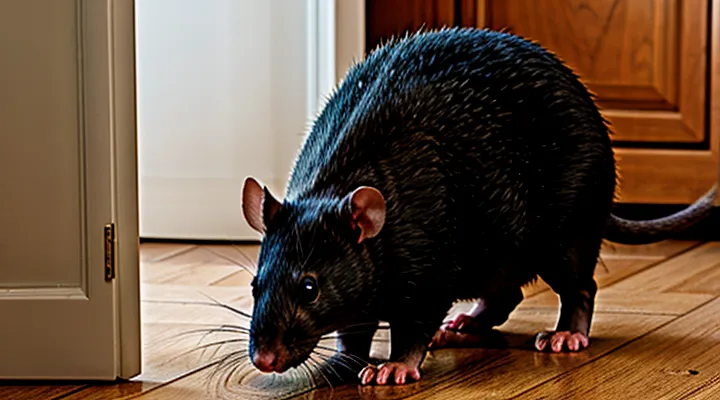
Understanding the Threat: Identifying a Large Rat Infestation
Signs of a Large Rat Presence
Droppings and Urine Trails
Droppings and urine trails provide the most reliable indicators of a rat’s activity zone. Fresh feces appear as dark, pellet‑shaped deposits, typically ½‑inch long, found along walls, behind appliances, and in concealed corners. Urine leaves a faint, oily sheen that may be visible under a blacklight; it also produces a sharp, ammonia‑like odor that intensifies in warm, humid conditions. Recognizing these signs pinpoints the pathways the animal uses and the locations where bait or traps should be placed.
When mapping the evidence, follow a systematic approach:
- Identify all droppings clusters; note the direction they face, as rats tend to move forward, leaving feces behind.
- Trace urine streaks from the nearest source of moisture, such as a leaky pipe or pet water bowl, toward the droppings.
- Mark intersecting points where droppings and urine overlap; these spots represent high‑traffic nodes.
- Position snap or live‑capture traps at these nodes, aligning the trigger mechanism with the rat’s natural forward motion.
- Place a small amount of attractive bait—peanut butter, dried fruit, or meat—directly on the trap’s trigger plate to encourage immediate contact.
Regularly inspect the identified areas. Replace traps that remain unset after 24‑48 hours, and refresh bait to maintain potency. Maintaining a clean environment, sealing entry points, and eliminating food sources complement the use of droppings and urine trails, ensuring the rat’s movement is confined to monitored zones until capture is achieved.
Gnaw Marks and Damage
Gnaw marks reveal the rat’s preferred pathways and indicate where bait or traps will be most effective. Fresh incisors leave clean, crescent‑shaped holes in wood, plastic, or wiring; older damage appears rougher and may be surrounded by shredded material. Identifying these signs allows you to focus placement of capture devices and prevent further destruction.
Typical damage includes:
- Severed electrical cords, creating fire hazards.
- Compromised insulation in walls, leading to heat loss.
- Chewed furniture legs, causing instability.
- Punctured food containers, resulting in contamination.
Each instance signals the animal’s activity level and size. Larger rats produce broader bite marks—often ¼‑inch wide—while smaller rodents leave narrower traces. Measuring the width of a gnaw hole provides a quick estimate of the intruder’s dimensions, guiding selection of appropriately sized traps.
Repair considerations should precede trapping. Replace damaged wiring, seal entry points, and protect vulnerable items with metal or hard‑plastic barriers. These steps reduce the likelihood of escape and limit collateral damage during the capture process.
By mapping gnaw evidence, selecting suitable trapping gear, and reinforcing compromised structures, you increase the probability of securing a large rat while minimizing property loss.
Unusual Noises
Unusual noises often signal the presence of a large rodent within a residence. Detecting these sounds provides the first reliable indication of activity and guides subsequent capture measures.
Typical auditory cues include:
- Persistent scratching on walls, ceilings, or floorboards, especially near concealed entry points.
- Heavy thudding when the animal moves through insulation or storage boxes.
- High‑pitched squeaking emitted during feeding or when startled.
- Rattling of loose objects such as cans or plastic containers disturbed by the creature’s weight.
Each sound corresponds to a specific behavior. Scratching indicates nesting or exploration; thudding suggests the animal’s size and strength; squeaking occurs during feeding or distress; rattling reflects movement through cluttered areas. Recognizing the pattern allows precise placement of traps and baits.
To exploit these cues, follow a systematic approach:
- Conduct a timed listening sweep in quiet conditions, noting the location and frequency of each noise.
- Map the identified hotspots on a floor plan, highlighting walls, attic spaces, and storage zones.
- Position snap or live‑catch traps at the center of each hotspot, aligning bait with the observed activity.
- Seal potential escape routes discovered during the sweep to confine movement toward the traps.
- Monitor traps regularly, especially during periods when noises intensify, and adjust placement as needed.
Accurate interpretation of abnormal sounds reduces the time required to locate and capture a sizable rat, ensuring an effective resolution while minimizing disruption to the household.
Sightings
Observing a sizable rodent inside a residence provides the first actionable clue for effective removal. Identify the creature by size—typically exceeding 12 inches from nose to tail—and by its distinctive coat, which may range from dark brown to mottled gray. Note the time of activity; large rats are primarily nocturnal, appearing after sunset and retreating before daylight.
Document the locations where evidence appears. Common sites include:
- Kitchen counters and pantry shelves where food residues accumulate.
- Behind appliances, such as refrigerators or stoves, where warm air offers shelter.
- Basement corners and crawl spaces with limited human traffic.
- Bathroom cabinets and under sinks, where moisture levels are high.
Record physical signs alongside visual sightings. Droppings measuring ½ inch in length, gnawed wires, and grease‑stained runways indicate movement patterns. Use a flashlight to trace these pathways back to nesting points, often located in insulated wall cavities or under floorboards.
When a sighting occurs, act promptly. Set traps along confirmed runways, positioning bait—peanut butter, dried fruit, or meat morsels—directly on the trigger mechanism. Replace traps daily, checking for captures and adjusting placement based on new observations. Consistent monitoring of sightings reduces the window for reproduction and increases the likelihood of eliminating the intruder.
Risks Associated with Large Rats
Health Hazards
Capturing a sizable rodent inside a residence introduces several serious health risks. Direct contact with the animal or its waste can transmit pathogens such as Leptospira bacteria, which cause leptospirosis, and Salmonella species, leading to gastrointestinal infection. Rodent urine and droppings often contain hantavirus, capable of producing severe respiratory illness. Bite or scratch injuries may introduce Streptobacillus moniliformis, the agent of rat‑bite fever, and other opportunistic bacteria.
Environmental contamination follows the animal’s presence. Food preparation surfaces become coated with fecal particles, increasing the likelihood of cross‑contamination. Grain, pantry items, and pet food may become infested, providing a vector for mold growth and mycotoxin exposure. Parasites, including fleas, ticks, and mites, can transfer to humans or household pets during the capture process.
Additional hazards arise from the methods used to secure the rodent. Traps that rely on chemicals or poison pose inhalation or dermal exposure risks, especially for children and individuals with respiratory sensitivities. Improper disposal of a captured rat releases aerosolized particles that may irritate mucous membranes.
Mitigation measures include wearing disposable gloves and a face mask, sealing food containers, disinfecting surfaces with a bleach solution (1 part bleach to 10 parts water), and employing live‑catch traps that avoid toxic agents. After removal, ventilate the area for at least 30 minutes before cleaning. Professional pest‑control services reduce exposure by handling containment and disposal with specialized equipment.
Property Damage
Property damage frequently accompanies the presence of a sizable rat inside a residence. The animal’s gnawing habit compromises structural components, electrical wiring, and stored goods, creating safety hazards and financial loss.
Typical damage includes:
- Chewed wooden beams, baseboards, and drywall.
- Exposed or frayed electrical cables that can cause short circuits.
- Punctured insulation and ventilation ducts.
- Contaminated food supplies and pantry items.
- Stained fabrics, upholstery, and flooring from urine and feces.
Before attempting removal, conduct a systematic inspection. Walk through each room, identify visible gnaw marks, test for loose wires with a voltage detector, and photograph affected areas for insurance documentation. Prioritize repairs that affect fire safety and structural integrity, then address secondary issues such as cosmetic stains.
During capture, limit additional harm by:
- Wearing thick gloves and protective clothing to prevent bites.
- Placing traps on stable surfaces to avoid tipping or breaking.
- Sealing known entry points after each successful catch to prevent re‑entry.
- Using humane cage traps that contain the rodent without damaging surrounding items.
After removal, execute a remediation plan: sanitize all contaminated zones with a disinfectant approved for rodent control, replace damaged wiring under licensed supervision, repair gnawed wood or drywall, and install rodent‑proof barriers. Regular monitoring for fresh signs of activity ensures that damage does not recur.
Preparing for the Capture
Essential Tools and Materials
Choosing the Right Traps
Selecting an effective trap is the decisive factor when attempting to capture a sizable rat inside the house. The trap must accommodate the animal’s length, strength, and typical behavior patterns. Failure to match these parameters often results in escape or injury to non‑target species.
Key considerations include:
- Size capacity – Choose a model with an interior chamber at least 12 inches long and 4 inches wide; this prevents the rat from turning or slipping out.
- Trigger sensitivity – A spring‑loaded mechanism that activates with a force of 20–30 lb ensures the animal’s rapid movement is sufficient to set the device without requiring excessive pressure.
- Bait compatibility – Opt for traps that allow placement of strong-smelling attractants such as peanut butter, dried fruit, or fresh meat, secured so the bait cannot be removed without triggering the latch.
- Safety features – Models equipped with a shielded release lever minimize accidental activation by children or pets.
Two trap categories dominate the market for large indoor rodents:
- Snap traps – Heavy‑duty steel frames with a reinforced jaw deliver instant capture. When paired with a proper bait station, they provide reliable results for rats exceeding 10 oz.
- Live‑catch cages – Multi‑door designs with a pressure‑sensitive floor hold the animal unharmed. Ensure the cage includes ventilation holes and a secure locking mechanism to prevent escape after capture.
Material durability influences long‑term performance. Stainless‑steel constructions resist corrosion from moisture and urine, maintaining functionality over repeated uses. Plastic variants reduce weight but may warp under high humidity, compromising the trigger.
Finally, position the chosen trap along established rat pathways: near walls, behind appliances, or in concealed corners where droppings are observed. Align the trigger side perpendicular to the expected travel direction to maximize contact probability. Proper placement, combined with the appropriate trap specifications, greatly increases the likelihood of successful removal.
Bait Selection
Selecting the right attractant is essential when targeting a sizable indoor rodent. Effective bait must appeal to the animal’s strong sense of smell, provide a high caloric payoff, and remain stable long enough to be consumed inside a trap.
- Peanut butter: strong odor, sticky texture prevents premature removal, suitable for snap or live traps.
- Hard cheese (e.g., cheddar): aromatic, dense, easily cut into small cubes for precise placement.
- Cooked meat (ground beef or chicken): rich protein scent, best used fresh to avoid spoilage.
- Nut butter mixed with oatmeal: combines fragrance with texture, works well in cage traps where the rodent can gnaw.
- Fruit preserves (apricot or raspberry): sweet scent attracts opportunistic feeders, ideal for humane traps that rely on curiosity.
When preparing bait, apply a thin layer to the trap’s trigger mechanism to ensure the rodent contacts it while feeding. Avoid using overly large pieces that could allow the animal to bypass the trigger. Position the bait at the rear of the trap to force the rodent to move forward, maximizing pressure on the trigger plate.
For environments with multiple food sources, pre‑bait the area with a small amount of the chosen attractant 24 hours before setting the trap. This habituates the rodent to the scent and increases the likelihood of a successful capture. Adjust bait type based on observed preferences; some large rats show a marked inclination toward protein, while others respond better to fatty spreads. Consistent monitoring and timely replacement of stale bait maintain effectiveness throughout the control effort.
Safety Gear
When attempting to capture a sizable rodent inside a dwelling, protective equipment is essential to prevent injuries and disease transmission. The primary hazards include bites, scratches, and exposure to urine or feces that may carry pathogens. Appropriate gear creates a barrier between the animal and the handler, reducing risk and allowing a controlled approach.
Essential safety items:
- Heavy‑duty disposable gloves (nitrile or latex) that cover the wrist and forearm.
- Face shield or safety goggles to guard against splashes and sudden movements.
- Respiratory mask (N95 or higher) to filter airborne particles and odors.
- Long‑sleeved, fluid‑resistant coveralls or an old shirt and pants that can be discarded after use.
- Sturdy, non‑slip footwear with toe protection.
Each piece should be inspected for tears or defects before use, worn correctly, and disposed of or cleaned according to local health guidelines after the capture. Proper gear ensures the handler remains unharmed while the rodent is safely restrained and removed.
Strategic Placement of Traps
Identifying Rat Hotspots
Identifying rat hotspots is a prerequisite for any successful effort to capture a sizable rodent inside a residence. Accurate hotspot detection focuses attention on the areas where the animal feeds, nests, and travels, thereby increasing trap placement efficiency.
Typical signs of activity include:
- Fresh droppings, especially near walls or hidden corners.
- Gnaw marks on wood, plastic, or wiring.
- Grease or urine stains that darken surfaces.
- Scratching noises heard through walls or ceilings.
Common locations where a large rat is likely to concentrate:
- Kitchen countertops, behind appliances, and inside cabinets.
- Pantry shelves and food storage containers.
- Basement corners, especially near water pipes or drainage.
- Attic rafters and insulation piles.
- Utility rooms with clutter or trash accumulation.
Detection methods that enhance hotspot identification:
- Apply non‑toxic tracking powder along suspected pathways; examine footprints after 24 hours.
- Use a handheld infrared camera to reveal heat signatures during low‑light periods.
- Conduct a systematic visual sweep, moving objects to expose concealed areas.
By systematically recording these indicators and concentrating traps within the confirmed hotspots, the likelihood of capturing a large rat increases dramatically.
Secure Positioning
Secure positioning maximizes capture probability while protecting occupants. Identify the primary routes a large rodent uses—behind appliances, along baseboards, near food storage. Place a sturdy trap directly on these paths, ensuring the trigger mechanism aligns with the animal’s expected travel direction. Anchor the trap to the floor or a fixed surface using heavy objects or adhesive pads; this prevents displacement when the rat applies force. Maintain a clear zone of at least 30 cm around the device to avoid accidental contact.
- Choose a trap rated for heavy weight and strong jaws.
- Position the bait at the rear of the trap, where the rat must reach forward to seize it.
- Secure the trap’s base with sandbags, bricks, or double‑sided tape.
- Verify that no cords, furniture legs, or pets can interfere with the trap’s operation.
After setting, monitor the area without approaching closer than one meter. If the rat triggers the mechanism, withdraw safely, then relocate the captured animal to an outdoor release point or proceed with humane euthanasia according to local regulations. Regularly inspect the anchoring method; replace worn supports to maintain stability throughout the operation.
Safety Precautions Before Trapping
Before attempting to capture a sizable rodent inside a residence, observe strict safety measures to protect occupants and prevent damage.
Wear thick gloves made of leather or nitrile to avoid bites and scratches. Use eye protection to shield against sudden lunges. Secure children and pets in separate rooms; their presence increases risk of accidental contact with traps or the animal. Ventilate the area by opening windows, then close them after placement of the trap to limit the rat’s escape routes.
Inspect the floor and surrounding furnishings for gaps, loose wiring, or fragile items that could be damaged by a struggling rat. Remove or cover valuables, breakable objects, and food containers to prevent contamination. Ensure the chosen trap is stable, anchored to the floor, and positioned away from high‑traffic zones.
Prepare a first‑aid kit containing antiseptic wipes, bandages, and a list of emergency contacts. In case of a bite, clean the wound immediately and seek medical attention, especially for potential rabies exposure.
When setting the trap, follow the manufacturer’s instructions precisely. Verify that the trigger mechanism functions correctly before baiting with appropriate attractants, such as peanut butter or cooked meat. After capture, handle the trapped rat with a sturdy tool or disposable bag, then release it far from the property or dispose of it according to local regulations.
Finally, after removal, disinfect the area with a rodent‑specific sanitizer. Replace any damaged insulation or wiring, and seal entry points to prevent future infestations.
Effective Trapping Methods
Live Trapping Techniques
Setting Up Live Traps
Effective live‑trap deployment begins with selecting a device capable of restraining a sizable rodent without injury. Choose a sturdy, spring‑loaded or cage‑type trap that measures at least 12 × 12 × 12 inches; larger dimensions prevent the animal from escaping once caught. Ensure the trap features a smooth interior surface to avoid cuts and a secure latch that remains closed until manually released.
- Position traps along walls, behind appliances, or near visible droppings; rodents travel close to edges and use concealed routes.
- Use bait that appeals to adult rats, such as a small piece of peanut butter, cooked bacon, or a slice of cheese, placed at the far end of the trap to compel full entry.
- Set the trigger mechanism just before the bait, testing for sensitivity to a light touch; excessive tension may cause premature closure, while insufficient tension allows escape.
- Check traps every two to three hours, especially during nighttime when activity peaks; prompt removal reduces stress and prevents damage to the animal.
- Wear disposable gloves when handling a captured rat, place the trap inside a sturdy cardboard box, and cover it to contain odors.
- Transport the live trap to an outdoor release site at least 200 feet from the residence, preferably near a wooded area or park; open the latch gently, allow the rat to exit, then retrieve the trap for future use.
Maintain trap cleanliness by washing with mild detergent after each capture; a sanitized device discourages disease transmission and preserves bait effectiveness. Regular monitoring and proper bait rotation increase success rates when attempting to remove a large rat from a domestic environment.
Monitoring and Release
Effective monitoring begins with establishing a clear observation point near the trap. Place a flashlight or a small camera at a safe distance, ensuring the device does not disturb the animal. Record activity for at least 30 minutes before approaching the trap.
When the rat is secured, wear thick gloves and use a sturdy container with a secure lid. Transfer the rodent quickly to avoid stress. Keep the container upright and cover it with a breathable cloth to reduce panic.
Release procedures require selecting an appropriate site outside the property. Choose an area at least 200 meters from the home, preferably near natural cover such as shrubs or a wooded edge. Follow these steps:
- Transport the container in a vehicle, keeping it stable.
- Open the lid on a flat surface, allowing the rat to exit on its own.
- Retreat several meters immediately after release.
- Observe from a distance to confirm the animal has left the container.
After release, sanitize all equipment with a diluted bleach solution (1 part bleach to 9 parts water) and wash hands thoroughly. Document the date, time, and release location for future reference.
Snap Traps: A Detailed Guide
Proper Setting of Snap Traps
Proper placement of snap traps determines their effectiveness against sizable indoor rodents. Position each trap along established runways—walls, behind appliances, and near food sources. Ensure the bait is secured directly on the trigger plate to prevent premature release.
- Select a trap rated for large mammals; standard models may lack sufficient force.
- Insert a fresh, strong-smelling bait such as peanut butter, dried fruit, or meat.
- Set the spring mechanism fully, testing the trigger sensitivity before deployment.
- Place the trap with the trigger end facing the wall; rats approach from the side, increasing strike probability.
- Maintain a clear line of sight to the trap; clutter can obstruct the rodent’s path.
Check traps daily. Remove captured specimens promptly, wearing gloves to avoid disease transmission. Reset or relocate traps if no activity occurs after 48 hours, adjusting bait type or placement based on observed rodent behavior.
Baiting Strategies for Snap Traps
Effective bait selection determines the success of snap traps when targeting sizable rodents in a residential setting. Choose attractants that appeal to the rat’s omnivorous diet and provide strong, lingering scent. Fresh meat, such as small pieces of chicken or pork, releases protein cues that trigger a quick bite. Fatty foods—peanut butter, bacon grease, or rendered animal fat—adhere to the trigger mechanism, reducing the chance of the bait being removed without engagement. Strongly aromatic items like canned fish, sardines, or cheese intensify olfactory draw, especially in low‑light corners where rats travel.
Implement these practices for optimal placement and presentation:
- Secure bait to the trigger plate with a thin layer of adhesive (e.g., petroleum jelly) to prevent removal after a single nibble.
- Position traps along established runways: behind appliances, near wall junctions, and within concealed gaps.
- Rotate bait types every 24–48 hours to maintain novelty and prevent habituation.
- Use a small amount of scent‑enhancing additive—such as a few drops of anise oil or garlic extract—on the bait surface to amplify detection distance.
Maintain trap cleanliness by discarding spoiled bait promptly and resetting the mechanism after each capture. Consistent monitoring and bait variation sustain pressure on the rat population, increasing the likelihood of eliminating the large individual swiftly and safely.
Placement Considerations
When targeting a sizable rodent indoors, the trap’s position determines success. Choose sites where the animal travels routinely and where interference is minimal.
- Place devices along walls, behind appliances, or under furniture; rats prefer concealed routes adjacent to surfaces.
- Locate bait within 12–18 inches of the trap’s trigger mechanism; proximity encourages rapid engagement.
- Avoid high‑traffic human areas to prevent accidental activation or disturbance.
- Ensure the floor is solid and level; uneven surfaces can hinder trigger sensitivity.
- Consider moisture‑prone zones such as kitchens or basements, as large rats often seek water sources.
- Keep traps away from pets and children; use enclosed or tamper‑proof models when necessary.
After installation, monitor placement daily. If captures do not occur within 48 hours, relocate the device to an alternate pathway identified by droppings, gnaw marks, or nesting material. Adjusting position based on observed activity maximizes capture probability.
Other Trapping Alternatives
Glue Traps: Usage and Limitations
Glue traps provide a rapid, low‑cost method for intercepting large indoor rats. They consist of a sticky surface that immobilizes rodents upon contact, eliminating the need for bait. Proper placement maximizes capture rates while minimizing accidental exposure to pets or children.
Effective deployment
- Choose low‑traffic zones where rats travel, such as behind appliances, along baseboards, and near entry points.
- Clean the area to remove dust and debris; residues reduce adhesive strength.
- Press the trap firmly onto a flat surface, ensuring the adhesive side faces upward.
- Position traps perpendicular to the wall, with the sticky side facing the expected direction of movement.
- Inspect traps daily; replace any that have captured a rat or become contaminated.
Limitations
- Sticky surfaces lose effectiveness when exposed to moisture or dust, requiring frequent replacement.
- Rats larger than the trap’s adhesive capacity may escape with only minor injuries, reducing lethality.
- Non‑target species (insects, small mammals, pets) can become trapped, raising ethical and safety concerns.
- Traps provide no insight into population size or entry points, limiting strategic planning for long‑term control.
Recommendations
- Combine glue traps with exclusion techniques (sealing gaps, removing food sources) for comprehensive management.
- Use disposable gloves when handling captured rodents to avoid direct contact with adhesive.
- Consider alternative devices (snap traps or electronic units) for situations where humane disposal or larger specimens are expected.
By adhering to these guidelines, glue traps can serve as a useful component of an indoor rat‑control program while acknowledging their operational constraints.
Electronic Traps
Electronic traps deliver a rapid, high‑voltage shock that instantly incapacitates a sizable rodent, making them a practical option for indoor pest control. The device contains a sensing plate that detects the animal’s presence and activates a controlled discharge, eliminating the need for manual handling of live catches.
- High‑voltage plate traps: two metal plates separated by a narrow gap; contact triggers a lethal shock.
- Ultrasonic deterrent units: emit frequencies uncomfortable to rodents; some models combine shock delivery.
- CO₂‑triggered electric traps: release a burst of carbon dioxide to attract the rat, then apply the shock.
Effective placement maximizes encounters with the target. Position traps along established runways, near wall junctions, behind appliances, or close to visible gnaw marks. Ensure the sensing plate remains unobstructed and that the device rests on a stable, non‑conductive surface.
Power sources vary. Plug‑in models provide continuous operation but require careful routing of cords to avoid accidental contact. Battery‑powered units offer flexibility in cramped spaces; select models with long‑life rechargeable cells to reduce downtime. All units incorporate safety interlocks that prevent discharge when the cover is open.
Performance indicators include a visible LED or audible click confirming activation, and a removable cage or tray for easy disposal of the carcass. Regular inspection—once daily for active infestations—verifies that the trap functions correctly and identifies any malfunction.
Maintenance involves disconnecting power, cleaning the sensing plates with a damp cloth, and removing residue that could impede detection. Replace batteries or check cord integrity according to the manufacturer’s schedule. Most traps retain effectiveness for several years before component wear necessitates replacement.
When evaluating cost, compare initial purchase price with expected lifespan, power consumption, and the inclusion of safety features. Models ranging from $30 to $150 cover basic to advanced configurations; higher‑priced units often provide larger capture chambers and more robust construction. Selecting a device that balances durability, power reliability, and ease of cleaning yields the most efficient solution for eliminating a large rat within a home environment.
Post-Capture Procedures
Safe Handling and Disposal
What to Do After a Catch
After securing a large rodent inside the residence, immediate actions focus on safety, disposal, and sanitation.
First, protect yourself with disposable gloves and a mask. Place the trapped animal in a sealed plastic bag, then transfer it to a second bag for double containment. Dispose of both bags in an outdoor trash container that is emptied regularly.
Next, disinfect the trap and surrounding area. Apply a household disinfectant that contains at least 0.1 % bleach solution, allowing a five‑minute contact time before wiping clean.
Finally, address residual contamination and prevent recurrence:
- Remove food sources: store pantry items in airtight containers, clean crumbs promptly.
- Seal entry points: inspect walls, floors, and vents; install steel wool or caulking where gaps exist.
- Set monitoring devices: place snap traps or electronic monitors along known pathways for several weeks.
Complete these steps within 24 hours to eliminate health risks and reduce the likelihood of another capture.
Sanitization Protocols
Effective sanitization is critical when attempting to capture a sizable rodent inside a residence. Clean surfaces before setting traps to remove food residues that could attract additional pests. Use a disinfectant approved for household use; apply it to floors, countertops, and any area where the animal may travel. Allow the solution to remain wet for the manufacturer‑specified contact time, then wipe with a disposable cloth and discard it safely.
Personal protection reduces contamination risk. Wear disposable gloves and a mask while handling bait, traps, and captured specimens. After each interaction, remove gloves, place them in a sealed bag, and wash hands thoroughly with soap and running water.
Post‑capture procedures must eliminate pathogens left by the rodent. Follow these steps:
- Place the captured rat in a sealed container for disposal or relocation.
- Remove and discard any bedding, droppings, or urine‑soaked materials.
- Clean the trap with hot, soapy water; rinse and submerge in a bleach solution (1 % concentration) for at least five minutes.
- Rinse the trap with clean water and allow it to air‑dry before reuse.
- Re‑sanitize the area where the trap was positioned using the same disinfectant protocol described earlier.
Maintain a regular cleaning schedule to prevent re‑infestation. Sweep and mop floors daily, store food in airtight containers, and inspect entry points for gaps that could permit rodent access. Consistent hygiene minimizes health hazards and supports successful rodent control.
Preventing Future Infestations
Sealing Entry Points
Sealing entry points prevents a large indoor rat from re‑entering the home after capture. Begin with a thorough inspection of the building envelope. Examine the foundation, walls, roof eaves, and utility penetrations for gaps larger than ¼ inch. Pay special attention to areas around pipes, vents, and door frames, as rats exploit these openings for access.
- Use steel wool or copper mesh to fill small cracks; secure with expanding foam for added durability.
- Install cement‑based sealant on concrete fissures; allow at least 24 hours to cure before testing for leaks.
- Fit metal flashing around vents and chimney openings; bolt firmly to prevent displacement.
- Replace worn weatherstripping on exterior doors; choose a compression‑type seal that compresses fully when the door closes.
- Fit rodent‑proof caps on sewer and drain lines; choose models with a smooth interior surface to discourage chewing.
After sealing, conduct a smoke test or use a thin stream of air to verify that no airflow escapes through the treated areas. Re‑inspect quarterly, especially after severe weather, to address any new damage. Maintaining an airtight barrier eliminates future entry routes, reducing the likelihood of another sizable rodent problem.
Food Storage and Sanitation
Proper food storage and sanitation are essential when attempting to eliminate a sizable rat from a residence. Secure containers prevent accidental access, reducing the animal’s incentive to linger and making bait placement more effective.
- Store dry goods in airtight, metal or heavy‑plastic bins with sealed lids.
- Keep pet food in sealed containers and remove leftovers after each feeding.
- Refrigerate perishable items and dispose of expired products promptly.
- Clean countertops, floors, and cabinets daily to remove crumbs and spills.
- Empty garbage bins regularly, using bins with tight‑fitting lids and placing them outside the living area.
A clean environment eliminates alternative food sources, forcing the rat to seek bait that you provide. When bait stations are the only available nourishment, the rodent’s movement patterns become predictable, facilitating capture.
In addition to storage, maintain sanitation by:
- Sweeping and mopping high‑traffic zones to eradicate residue.
- Washing dishes immediately; avoid leaving dishes in the sink overnight.
- Inspecting pantry shelves for torn packaging and repairing any damage.
- Sealing gaps around pipes, vents, and baseboards to stop the rat from entering storage areas.
By enforcing strict food control and rigorous cleaning, you diminish the rat’s habitat, increase the effectiveness of traps, and create conditions that support a successful removal operation.
Regular Inspections
Regular inspections form the backbone of any effective strategy for capturing a sizable rat inside a residence. Systematic checks reveal entry points, nesting sites, and movement corridors before the animal becomes entrenched.
Inspections should occur at least once weekly during an active infestation and continue bi‑weekly after the rat is removed to confirm the absence of re‑entry. Adjust frequency upward if signs of activity reappear.
Key locations to examine include:
- Gaps around doors, windows, and utility penetrations
- Basement walls, crawl spaces, and attic joists
- Kitchen cabinets, pantry shelves, and behind appliances
- Garbage storage areas and pet feeding stations
- Drainage pipes, vent stacks, and sewer connections
When inspecting, focus on concrete evidence:
- Fresh droppings, typically dark and pellet‑shaped
- Gnaw marks on wood, plastic, or wiring
- Grease or oil trails along walls and floors
- Burrow entrances or shredded insulation
- Noises heard during quiet periods, especially at night
Record findings in a log, noting date, location, and type of evidence. Use the log to prioritize sealing measures, set traps, and schedule follow‑up inspections. Consistent documentation ensures that no potential harbor remains unchecked and supports a swift, decisive resolution.