
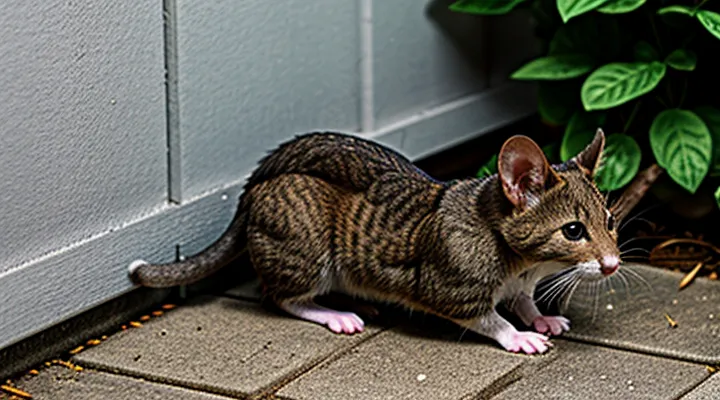
Understanding Fur Health
The Role of Fur in Animal Health
Fur serves as the primary barrier between the animal’s body and its environment. In rodents and felines, it traps air close to the skin, maintaining core temperature during cold periods and preventing overheating when ambient temperatures rise. The dense outer layer repels moisture, shielding the epidermis from water, dirt, and minor abrasions.
Thermoregulation depends on the integrity of the coat. Adequate insulation reduces metabolic demand for heat production; compromised fur increases energy expenditure and risk of hypothermia. The fur’s structure also supports skin health by distributing mechanical stress, reducing the likelihood of cuts and ulcerations. Moreover, the natural oils embedded in the hair coat inhibit colonization by ectoparasites and pathogenic microbes.
When the coat becomes matted, dirty, or excessively thin, the animal loses these protective functions. Common outcomes include localized skin inflammation, secondary bacterial infections, and impaired temperature control. In severe cases, chronic fur degradation can lead to systemic health decline, manifested by weight loss and decreased activity.
Effective maintenance focuses on three areas:
- Regular grooming to remove loose hair, prevent matting, and distribute skin oils.
- Balanced nutrition rich in essential fatty acids, vitamins A and E, and protein to support hair growth and coat quality.
- Environmental control that provides appropriate humidity, temperature, and safe surfaces for scratching and self‑grooming.
Implementing these practices preserves the coat’s protective capabilities, directly supporting overall health in rats, mice, and cats.
Common Fur Problems Across Species
Rats, mice, and cats frequently exhibit similar coat disorders despite differences in size and grooming habits. Recognizing these shared issues enables effective management across species.
- Alopecia or patchy hair loss often results from over‑grooming, hormonal imbalance, or nutritional deficiency.
- Matting occurs when debris and oil accumulate, especially in long‑haired cats and densely furred rodents.
- External parasites such as fleas, mites, and lice can infest all three animals, leading to irritation and secondary infection.
- Bacterial or fungal skin infections appear as redness, scaling, or odor and may spread rapidly in crowded habitats.
- Dry, brittle fur commonly reflects inadequate humidity, low dietary fatty acids, or systemic illness.
Accurate assessment begins with visual inspection, palpation of the skin, and, when necessary, microscopic examination of hair and debris. Veterinary consultation is essential for persistent alopecia, severe matting, or confirmed parasitic infestation. Treatment protocols typically combine topical or systemic antiparasitics, antiseptic shampoos, and, where appropriate, antibiotic or antifungal medication.
Preventive strategies reduce the incidence of these problems:
- Provide a balanced diet rich in omega‑3 and omega‑6 fatty acids to support skin health.
- Maintain optimal humidity (45‑55 %) in enclosures and living areas to prevent dryness.
- Implement regular grooming sessions: gentle brushing for rodents, weekly combing for cats, and periodic inspection for all.
- Use environmentally safe parasite control measures, including routine cleaning of bedding and litter.
- Schedule periodic veterinary check‑ups to monitor skin condition and adjust care plans promptly.
General Principles of Fur Care
Nutrition for Healthy Fur
Essential Nutrients and Supplements
A balanced diet supplies the building blocks required for a glossy, resilient coat in small rodents and felines. High‑quality animal protein delivers essential amino acids that form keratin, the structural protein of hair. Fat sources rich in omega‑3 and omega‑6 fatty acids, such as fish oil or flaxseed oil, improve lipid content of the skin and reduce brittleness. Vitamin A supports epithelial cell turnover, while vitamins E and B‑complex (especially biotin) protect against oxidative damage and promote growth. Minerals zinc and selenium act as co‑factors for enzymes involved in hair synthesis and pigment stability.
Supplementation becomes necessary when dietary intake falls short or when specific coat issues arise. Recommended additions include:
- Fish oil – 100 mg per 100 g of body weight for rodents; 1 tsp (≈5 ml) per 5 kg for cats, divided into two meals.
- Krill oil – provides phospholipid‑bound omega‑3s, useful for animals with sensitive digestion.
- Biotin – 0.5 mg daily for mice and rats; 10 mg per day for cats, administered with food to enhance absorption.
- Vitamin E – 10 IU per 100 g body weight for rodents; 50 IU per day for cats, preventing lipid peroxidation.
- Zinc gluconate – 1 mg per 10 g body weight for rodents; 25 mg per day for cats, supporting follicle health.
Quality control is critical: choose products free of artificial colors, preservatives, and heavy metals. Veterinary guidance should determine dosage adjustments for pregnant, lactating, or senior animals. Regular monitoring of coat condition, skin texture, and shedding patterns indicates the effectiveness of the nutrient regimen and informs any necessary modifications.
Hydration's Impact
Adequate water intake directly influences the condition of the coat in rats, mice, and cats.
Water supports epidermal cell renewal, enables even distribution of natural oils, and facilitates the removal of debris from each hair shaft. Insufficient hydration interrupts these processes, leading to a compromised barrier that appears dry and fragile.
Rodents exhibit a higher metabolic rate than felines, making them more vulnerable to rapid fluid loss. Cats rely on moisture from prey and wet food; dry kibble alone often fails to meet their needs.
Practical steps to ensure optimal hydration:
- Provide fresh, clean water at all times; replace it daily to prevent bacterial growth.
- Use shallow dishes for rodents to reduce spillage; consider ceramic bowls for cats to eliminate metal taste.
- Incorporate moisture‑rich foods: wet cat food, fresh vegetables for rodents, and occasional fruit puree for mice.
- Monitor consumption: a drop in daily intake of more than 10 % signals potential dehydration.
- Add water‑enhancing supplements only after veterinary approval, especially for animals with kidney concerns.
Visible effects of inadequate hydration include:
- Coarse, brittle fur that breaks easily.
- Increased shedding and patchy alopecia.
- Dull coloration and loss of natural sheen.
- Skin that feels tight or flaky upon gentle palpation.
Maintaining consistent fluid availability safeguards the integrity of the coat, reduces skin disorders, and promotes overall health in these small mammals and felines.
Environmental Factors
Humidity and Temperature
Proper environmental control directly influences coat condition in rats, mice, and domestic cats. Excessive dryness extracts moisture from hair shafts, leading to brittleness and breakage; high humidity fosters fungal growth and matting. Maintaining stable temperatures prevents stress‑induced shedding and preserves lipid balance within the fur.
Recommended ranges:
- Rats and mice: 45‑55 % relative humidity, ambient temperature 68‑74 °F (20‑23 °C).
- Cats: 40‑50 % relative humidity, ambient temperature 70‑78 °F (21‑26 °C).
Implement a hygrometer and thermostat to monitor fluctuations. Use a humidifier in arid climates and a dehumidifier in damp environments, adjusting settings to stay within the cited intervals. Avoid rapid temperature shifts; gradual changes prevent coat disruption. Regularly assess the fur’s texture and sheen to confirm that humidity and temperature remain optimal for each species.
Stress and Its Effects
Stress is a primary factor that compromises the integrity of the coat in rats, mice, and cats. Elevated cortisol levels trigger hair follicle disruption, leading to increased shedding, dullness, and breakage. In rodents, stress‑induced over‑grooming creates localized alopecia; in felines, chronic tension promotes matting and a loss of the protective lipid layer.
Physiological consequences of stress on fur include:
- Reduced keratin synthesis, resulting in weaker strands.
- Impaired sebaceous gland activity, decreasing natural oil distribution.
- Heightened inflammatory response, causing skin irritation and secondary infections.
Behavioral manifestations that signal stress‑related coat deterioration are:
- Excessive grooming or biting of fur.
- Persistent scratching or rubbing against objects.
- Visible patches of hair loss or uneven coloration.
Effective mitigation requires a systematic approach:
- Provide a stable environment with consistent lighting, temperature, and noise levels.
- Ensure enrichment through tunnels, chew toys, and climbing structures for rodents; introduce interactive play sessions and scratching posts for cats.
- Maintain a balanced diet rich in omega‑3 fatty acids, vitamin E, and high‑quality protein to support follicle health.
- Conduct regular health checks to detect early signs of dermatological issues and address underlying medical conditions promptly.
- Apply gentle, species‑appropriate grooming routines to distribute oils and remove loose hair without causing additional stress.
By recognizing stress as a direct threat to coat condition and implementing these preventive measures, caretakers can preserve the appearance and protective function of fur in small mammals and felines.
Specific Care for Rats and Mice Fur
Grooming Techniques for Rodents
Brushing Frequency and Tools
Regular brushing removes loose hair, prevents matting, and reduces shedding in rodents and felines.
- Rats: brush 2–3 times per week.
- Mice: brush 1–2 times per week.
- Cats: brush daily for long‑haired breeds, every 2–3 days for short‑haired cats.
Effective tools differ by coat type and animal size.
- Soft‑bristle brush: suitable for delicate rat and mouse fur; gentle on skin.
- Pin brush with flexible pins: ideal for medium‑length cat hair, detangles without pulling.
- Slicker brush: works on dense, long cat coats; removes tangles and undercoat.
- Grooming glove: provides a quick, low‑stress option for cats and can be used on rodents for brief sessions.
Select a brush that matches the animal’s coat texture, apply light pressure, and maintain the schedule to keep fur healthy and free of debris.
Spot Cleaning and Bathing (When Necessary)
Spot cleaning is the preferred method for maintaining the coat of rats, mice, and cats. Use a soft, lint‑free cloth dampened with warm water and a few drops of pet‑safe, fragrance‑free cleanser. Gently rub the affected area, avoiding excessive pressure that could irritate the skin. Immediately dry the region with a clean towel to prevent moisture buildup.
When a full bath becomes necessary—such as after exposure to toxic substances, severe matting, or persistent odor—follow a controlled procedure. Prepare a shallow basin with lukewarm water, ensuring the temperature stays between 37 °C and 39 °C. Apply a mild, veterinary‑approved shampoo, lather lightly, and rinse thoroughly to eliminate all residue. After rinsing, wrap the animal in an absorbent towel, then place it in a warm, draft‑free environment until completely dry.
Key steps for safe bathing:
- Fill basin with lukewarm water; test temperature with a wrist‑check.
- Place the animal gently in the water, supporting its body to prevent slipping.
- Apply a small amount of shampoo; work into a light foam, avoiding the eyes and ears.
- Rinse with clean water until no suds remain.
- Pat dry with a towel; use a low‑heat hair dryer on the lowest setting only if the animal tolerates it.
- Monitor the animal for signs of stress; discontinue if excessive agitation occurs.
Regular spot cleaning reduces the need for full baths, preserving the natural oils that keep the fur healthy and insulating. When bathing is unavoidable, strict adherence to temperature control, gentle handling, and thorough drying prevents hypothermia and skin irritation.
Recognizing and Addressing Rodent-Specific Issues
Parasites
Parasites are a primary threat to the coat condition of pet rodents and felines. Infestations can cause hair loss, skin irritation, and secondary infections, compromising both appearance and health.
Common parasites affecting fur include:
- Mites (e.g., fur mites, ear mites): create dry, scaly patches and excessive scratching.
- Fleas: feed on blood, leading to redness, hair thinning, and allergic reactions.
- Lice: attach to hair shafts, causing localized itching and crust formation.
- Ticks: attach to skin, transmit disease agents, and cause focal alopecia.
Recognizing infestation relies on visual inspection and behavioral cues. Look for:
- Visible insects or eggs embedded in the fur.
- Localized hair loss or broken hairs.
- Red, inflamed skin or crusts.
- Persistent scratching or grooming beyond normal levels.
Preventive measures:
- Maintain a regular grooming schedule; remove debris and check for parasites during each session.
- Use species‑appropriate prophylactic treatments, such as topical acaricides for rodents and flea collars or spot‑on products for cats.
- Keep living areas clean: replace bedding frequently, vacuum enclosures, and wash toys.
- Limit outdoor exposure for rodents; control stray animal contact with cats.
If infestation is confirmed, follow a structured treatment plan:
- Apply a veterinarian‑approved medication specific to the parasite type. Dosage must match the animal’s weight and species.
- Treat the environment simultaneously: clean cages, wash bedding at high temperature, and use environmental sprays where necessary.
- Re‑examine the coat after the recommended interval (usually 7–10 days) to ensure eradication. Repeat treatment if any signs persist.
Regular monitoring and prompt intervention prevent parasite‑related damage to the fur, preserving the animal’s comfort and appearance.
Skin Conditions
Rats, mice, and cats frequently develop dermatological problems that directly affect coat health. Recognizing early signs prevents extensive hair loss and secondary infections.
Common skin conditions include:
- Mites (e.g., fur mites, ear mites) – intense scratching, crusty patches, localized alopecia.
- Fungal infections (dermatophytosis, ringworm) – circular lesions with hair loss, scaling, occasionally red margins.
- Bacterial dermatitis – moist, oozing sores, foul odor, rapid spread if untreated.
- Allergic dermatitis – hives, red inflamed areas, excessive grooming leading to bald spots.
- Parasite‑induced mange – thickened skin, generalized hair loss, sometimes secondary pyoderma.
Management protocol:
- Isolation – separate the affected animal to limit transmission.
- Diagnostic confirmation – perform skin scrapings, fungal culture, or veterinary skin exam.
- Targeted treatment – apply prescribed acaricides for mites, antifungal shampoos or oral agents for fungal infections, and appropriate antibiotics for bacterial cases.
- Supportive care – maintain a clean environment, provide a balanced diet rich in essential fatty acids, and ensure adequate hydration to promote skin regeneration.
- Monitoring – reassess weekly; adjust therapy if lesions persist or worsen.
Preventive measures:
- Regular grooming removes debris and distributes natural oils, reducing parasite colonization.
- Routine health checks detect subtle changes before they become severe.
- Environmental sanitation—frequent cage cleaning, litter replacement, and control of humidity—limits fungal spore proliferation.
- Proper nutrition, including omega‑3 fatty acids and vitamin E, strengthens the integumentary barrier.
Prompt identification and intervention preserve coat integrity and overall welfare for rodents and felines alike.
Specific Care for Cat Fur
Grooming Techniques for Felines
Brushing for Different Coat Types
Brushing according to coat texture prevents matting, reduces shedding, and maintains skin health in small rodents and felines.
Short, dense coats—common in many laboratory rats, standard mice, and short‑haired cats—require a soft‑bristle brush or grooming glove. Apply light strokes from head to tail once or twice weekly; excessive force can irritate the delicate skin.
Medium‑length or semi‑long coats—found in some pet rats, long‑haired mice, and domestic shorthair cats with a softer underlayer—benefit from a pin brush or a fine‑tooth slicker. Brush gently two to three times a week, paying special attention to the neck, flank, and hindquarters where tangles form first.
Long, silky coats—characteristic of certain fancy rat varieties, long‑haired mouse strains, and long‑haired cat breeds—require a two‑step approach. Begin with a wide‑tooth comb to detangle, then follow with a slicker brush to smooth the surface. Daily sessions prevent severe matting and reduce hair ingestion during grooming.
Sparse or hairless coats—present in hairless rat strains and some mouse models—need minimal brushing. Focus on skin inspection rather than fur manipulation; a soft cloth can remove debris without damaging the epidermis.
Safety considerations apply across all species:
- Use gentle pressure; avoid pulling at the root.
- Inspect brushes for broken bristles before each use.
- Clean tools with mild soap and warm water after every session to prevent bacterial buildup.
Selecting the appropriate brush for each coat type and adhering to a consistent schedule ensures optimal pelage condition and overall well‑being for rats, mice, and cats.
Bathing Considerations
When bathing small rodents and felines, the primary goal is to protect the coat while minimizing stress.
Rats and mice possess delicate skin and dense fur that can trap moisture. Use a shallow, lukewarm container no deeper than a few centimeters. Apply a pet‑specific, hypoallergenic shampoo sparingly; a few drops are sufficient for an entire animal. Rinse promptly with a gentle stream of water to avoid residue that could cause irritation or odors. After washing, wrap the animal in a soft towel and press gently to absorb excess water; avoid vigorous rubbing, which can damage the fur shaft. Allow the rodent to dry in a warm, draft‑free area, preferably within its enclosure, and monitor for signs of chill.
Cats tolerate water better but still require careful handling to preserve coat integrity. Fill a basin with a few inches of warm water, ensuring the temperature remains between 35‑38 °C (95‑100 °F). Use a feline‑approved shampoo formulated for sensitive skin; avoid human products that contain harsh detergents. Lather the coat, paying attention to areas prone to matting, such as the hindquarters and underbelly. Rinse thoroughly, ensuring no suds remain, as residue can attract dirt and cause skin irritation.
Key considerations for all three species:
- Temperature control: Water must be lukewarm; cold water induces vasoconstriction, hot water risks burns.
- Frequency: Limit baths to when the coat is visibly soiled or after exposure to substances that cannot be removed by spot cleaning; excessive bathing strips natural oils.
- Drying method: Toweling is essential; use a low‑heat hair dryer only for cats, keeping the airflow distance at least 30 cm and temperature below 40 °C (104 °F).
- Safety: Secure the animal to prevent slipping; never leave unattended.
- Post‑bath care: Inspect the fur for tangles, trim any overgrown nails that may have snagged, and provide a warm, quiet environment for recovery.
By adhering to these guidelines, owners can maintain a healthy coat, reduce the risk of dermatological issues, and ensure that bathing remains a low‑stress experience for rats, mice, and cats alike.
Recognizing and Addressing Feline-Specific Issues
Matting and Shedding
Matting occurs when fur fibers intertwine, creating dense clumps that restrict movement, trap moisture, and invite skin irritation. Shedding describes the regular loss of old hairs, a natural process that, when excessive, may signal health issues or environmental stress.
Common triggers for matting include inadequate grooming, humid environments, and prolonged contact with debris. Excessive shedding often results from hormonal fluctuations, dietary deficiencies, or allergic reactions. Both conditions compromise the protective barrier of the coat and can lead to secondary infections if left unchecked.
Effective management requires species‑specific routines:
-
Rats and mice
- Inspect the dorsal and ventral regions daily; remove any visible tangles with a fine‑toothed comb.
- Provide a sand bath or dust‑free substrate to promote natural self‑grooming.
- Offer a diet rich in omega‑3 fatty acids to support healthy hair growth.
- Schedule a brief, gentle brush session twice a week; avoid forceful pulling that can damage delicate skin.
-
Cats
- Perform a thorough brush once a day, focusing on areas prone to matting such as the belly, hind legs, and under the neck.
- Use a slicker brush for long‑haired breeds; a rubber grooming glove works well for short coats.
- Supplement meals with high‑quality protein and essential fatty acids to reduce shedding volume.
- Trim any severe mats with blunt‑tipped scissors, taking care to separate the hair from the skin before cutting.
Regular observation, appropriate grooming tools, and balanced nutrition collectively minimize matting and regulate shedding, preserving the integrity of the animals’ coats.
Skin Allergies and Infections
Skin allergies and infections frequently appear on the coats of rats, mice, and cats, manifesting as redness, itching, hair loss, or crusty lesions. Common triggers include environmental dust, bedding materials, parasites, and bacterial or fungal overgrowth. Early identification prevents discomfort and secondary complications.
Typical signs:
- Persistent scratching or grooming beyond normal levels
- Localized swelling or heat
- Scabs, pus, or foul odor
- Patchy alopecia or thinning fur
Preventive measures focus on hygiene and environmental control:
- Use low‑dust, hypoallergenic bedding; replace it weekly.
- Maintain a clean enclosure or litter area; disinfect with pet‑safe solutions.
- Perform regular health checks; isolate new animals for at least two weeks.
- Apply a veterinarian‑approved parasite prevention regimen.
- Keep humidity between 40‑60 % to discourage fungal growth.
If an allergy or infection is suspected, obtain a veterinary diagnosis. Treatment may involve topical antiseptics, systemic antibiotics or antifungals, and anti‑inflammatory medication. Adjust grooming routines to avoid harsh brushes; use soft, lint‑free fabrics to reduce irritation. Monitoring response to therapy for 7‑10 days ensures resolution and guides any necessary adjustments.
When to Seek Professional Help
Signs Indicating Veterinary Intervention
Monitoring fur condition is a critical component of overall health management for rats, mice, and cats. Early detection of abnormalities prevents escalation and reduces discomfort.
- Persistent alopecia or patchy hair loss
- Scales, crusts, or excessive shedding beyond normal molting cycles
- Redness, swelling, or heat localized to the skin
- Foul odor emanating from the coat or skin
- Persistent scratching, biting, or grooming that results in wounds
- Visible parasites such as fleas, mites, or ticks embedded in the fur
- Lethargy combined with a dull, unkempt coat
- Sudden changes in fur texture, such as brittleness or matting that cannot be resolved with regular grooming
When any of these indicators appear, immediate veterinary assessment is required. The professional will conduct dermatological examination, identify underlying infections or infestations, and prescribe appropriate treatments. Delaying intervention risks secondary complications, including systemic illness and irreversible skin damage.
Finding a Qualified Groomer or Vet
When a pet’s coat requires professional attention, selecting a qualified groomer or veterinarian is essential for health and appearance.
Begin by confirming the practitioner’s experience with the specific species. Rodents such as rats and mice have delicate skin and require gentle handling, while cats need expertise in managing dense or long fur. Look for certifications, continuing‑education courses, or memberships in organizations that specialize in small‑animal or feline grooming.
Collect references from trusted sources. Ask fellow pet owners, reputable breeders, or local animal shelters for names of professionals who have successfully treated similar coats. Verify each recommendation by contacting the provider and requesting details about their training, the tools they use, and the protocols they follow for sanitation and stress reduction.
Evaluate the facility’s environment. A clean, well‑ventilated space with separate areas for rodents and cats reduces cross‑contamination. Ensure that the groomer or vet uses appropriate restraint methods and that emergency supplies, such as antiseptics and first‑aid kits, are readily available.
Consider cost and accessibility. Obtain written estimates that outline services, frequency recommendations, and any follow‑up care. Compare these figures with local market rates, but prioritize competence and safety over price alone.
Maintain ongoing communication. After each session, request a brief report describing the procedures performed, any observations about skin condition, and recommendations for home care. Use this information to monitor the pet’s progress and adjust the care schedule as needed.
Checklist for verifying a qualified professional
- Certified training in rodent or feline grooming/medicine
- Positive referrals from credible owners or institutions
- Clean, species‑specific work areas
- Transparent pricing and detailed service plans
- Clear post‑procedure reporting
By systematically applying these criteria, owners can secure reliable expertise that supports optimal coat health for rats, mice, and cats.