
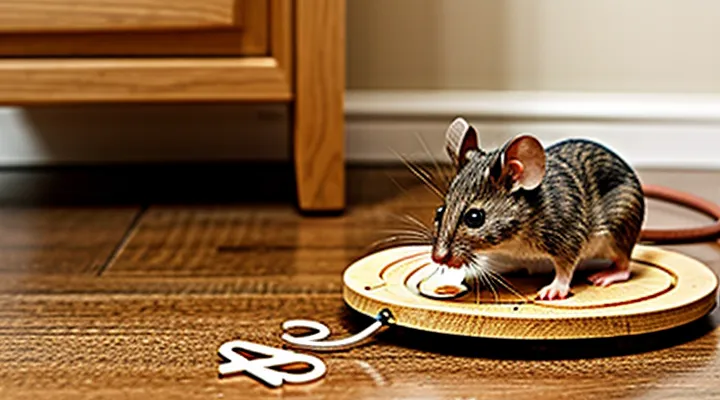
«Introduction to Homemade Mouse Traps»
«Why Build Your Own Mouse Trap?»
Building your own mouse trap offers measurable advantages over purchasing commercial models. First, cost control is immediate: raw materials such as wood, springs, and simple hardware can be sourced for a fraction of the retail price. Second, design flexibility allows adaptation to specific infestation patterns; you can adjust trigger sensitivity, bait placement, and capture size to target the species present in your environment. Third, maintenance becomes straightforward because you know the exact components; replacement parts are inexpensive and repairs can be performed without specialized tools.
Additional benefits include:
- Reduced chemical exposure – a mechanical trap eliminates the need for poisons or repellents, protecting pets and children.
- Environmental responsibility – reusable devices generate less waste than disposable traps, aligning with sustainable practices.
- Educational value – constructing the trap reinforces principles of mechanics and problem‑solving, useful for hobbyists and students alike.
Overall, a DIY mouse trap delivers economic, safety, ecological, and instructional gains that commercial alternatives rarely match.
«Safety First: Important Considerations»
When assembling a DIY rodent catcher, safety governs every step. Ignoring hazards can cause injury, property damage, or ineffective capture.
- Wear cut‑resistant gloves and safety glasses to protect hands and eyes from sharp components and spring tension.
- Secure the work area on a stable surface; avoid loose boards or uneven tables that could collapse under force.
- Keep the trap away from children’s play zones and pet pathways; place it where only the target animal can access it.
- Test the triggering mechanism with a non‑lethal load before adding bait; ensure the release arm moves smoothly without unexpected snap‑back.
- Use humane, non‑toxic bait; avoid substances that could harm other wildlife or contaminate food surfaces.
During operation, monitor the trap regularly. If the device fails to reset, disconnect the spring or tension source before adjusting. Dispose of captured rodents according to local regulations, wearing gloves and sealing the specimen in a disposable bag. Clean all tools after use to remove residual debris and prevent rust.
By adhering to these protocols, the homemade trap remains functional and poses minimal risk to the builder, bystanders, and surrounding environment.
«Choosing Your Mouse Trap Design»
«Kill Traps vs. Live Traps»
«Pros and Cons of Each Type»
When choosing a DIY rodent catcher, the decision rests on the functional trade‑offs each design offers. Understanding those trade‑offs prevents wasted effort and ensures humane or effective control.
The classic wooden snap trap remains the most widely replicated design.
Pros
- Immediate kill, reducing suffering.
- Low material cost; a few pieces of hardwood and a spring suffice.
- Easy to reset after each capture.
Cons
- Requires precise placement of the trigger mechanism; mis‑adjustment leads to failures.
- May pose a hazard to pets or children if left unattended.
Glue boards fashioned from adhesive strips or homemade gelatin surfaces provide a passive capture method.
Pros
- No moving parts; simple construction.
- Can be placed in narrow passages where snap traps cannot fit.
Cons
- Captured rodents may experience prolonged distress.
- Adhesive loses effectiveness in humid environments, necessitating frequent replacement.
Live‑catch cages built from wire mesh or repurposed containers allow for relocation.
Pros
- Aligns with humane handling policies.
- Captured animal can be released far from the infested area.
Cons
- Requires regular monitoring; unattended cages result in stress or death.
- Release may be illegal in some jurisdictions without permits.
The bucket‑and‑rolling‑bar trap, often assembled from a 5‑gallon container and a dowel, uses gravity to drop the mouse into a deep well.
Pros
- Eliminates the need for springs or adhesives.
- Large capacity; multiple captures before emptying.
Cons
- Construction demands careful alignment of the bar and bucket lip.
- Noise generated by the falling rod may alert other rodents.
Each design balances speed, cost, safety, and humane considerations. Selecting the appropriate model depends on the specific environment, the desired level of humaneness, and the ability to maintain the device over time.
«Materials: What You'll Need»
«Common Household Items»
A functional DIY mouse trap can be assembled from items typically found in most homes. The following components provide the mechanical advantage, trigger mechanism, and bait platform needed for effective capture.
- Wooden coat hanger or sturdy wire – forms the spring arm; bend into a V‑shape, leaving one leg longer to act as the trigger.
- Plastic bottle or jar with a lid – serves as the trap chamber; cut an opening for the entry tunnel and secure the lid with tape.
- Cardboard or thick paper – creates a funnel or ramp leading to the entrance; fold into a cone to guide the rodent toward the trigger.
- Rubber band – supplies the tension for the spring arm; attach between the longer leg of the wire and the opposite side of the bottle.
- Small piece of cheese, peanut butter, or dried fruit – provides attractant; place on a flat surface inside the chamber.
- Tape (duct or packing) – holds components together; reinforce joints and seal gaps that could allow escape.
- Scissors or utility knife – required for cutting openings and shaping materials.
Assembly steps:
- Cut a 2‑inch hole near the top of the bottle; insert the funnel so the narrow end points inward.
- Bend the wire into a V, securing the short leg to the bottle’s exterior with tape.
- Loop the rubber band around the long leg and anchor it to the opposite side of the bottle to create a spring-loaded latch.
- Position the bait on a small platform inside the bottle, ensuring it does not obstruct the trigger.
- Test the mechanism by pulling the long leg back, releasing it, and confirming that the latch snaps shut when the rodent contacts the trigger.
The described items are readily available, inexpensive, and replace the need for commercial traps while maintaining humane capture standards.
«Specialized Supplies»
A functional DIY mouse trap relies on components that differ from generic household items. Selecting the correct specialized supplies ensures reliable operation and minimizes the risk of injury to non‑target animals.
- Steel spring bar, ~30 N tension, for the trigger mechanism.
- Thin, flexible steel wire (22‑24 AWG) to form the latch arm.
- Small wooden dowel, ½ in. diameter, for the base platform.
- Rigid acrylic sheet, ¼ in. thick, to serve as the trap’s housing.
- Adhesive-backed Velcro strips, 2 in. × 2 in., for securing the bait compartment.
- High‑strength epoxy resin, quick‑set, to bond metal to wood without creep.
- Small piece of stainless‑steel mesh, ½ in. × ½ in., as a safety guard over the spring.
Acquiring these items from hardware or craft suppliers guarantees material consistency. Verify spring tension with a calibrated force gauge; a spring that is too weak will fail to snap shut, while excessive tension can cause premature release. Choose epoxy labeled “non‑toxic” and compatible with both metal and wood to avoid corrosion. When assembling, wear protective gloves and eye protection, especially while handling the spring and epoxy. Properly tested components result in a trap that activates swiftly and holds securely until manual reset.
«Step-by-Step Construction Guides»
«The Bucket Trap Method»
«Gathering Materials for the Bucket Trap»
To assemble a functional bucket trap, gather the following components:
- A 5‑gallon plastic bucket with a secure lid.
- A sturdy wooden dowel or a 2‑inch PVC pipe, 12‑inch long, to serve as the trigger arm.
- A length of ¼‑inch nylon cord, approximately 18 inches, for the release mechanism.
- A piece of thin plywood or a disposable cardboard disc, 6‑inch diameter, for the bait platform.
- Cheese, peanut butter, or dried fruit as attractant.
- Duct tape and zip ties for temporary fastening.
- A small weight (e.g., a brick or a bag of sand) to stabilize the bucket.
Ensure each item is clean and free from rust or residue. Verify that the bucket’s opening is unobstructed, and that the trigger arm can pivot without binding. Store the bait in an airtight container until assembly to maintain potency. Once all materials are on hand, proceed to construct the trap.
«Assembly Instructions for the Bucket Trap»
The bucket trap uses a simple gravity‑driven mechanism to capture rodents quickly and safely.
Materials required:
- 5‑gallon plastic bucket with lid
- Wooden dowel or sturdy stick, 12–15 inches long
- Small piece of plywood or thick cardboard (≈3 × 4 inches)
- Two 1‑inch nails or screws
- Rubber bands
- Bait (peanut butter, cheese, or dried fruit)
- Drill with ¼‑inch bit
- Utility knife
Assembly steps:
- Drill a ¼‑inch hole near the top edge of the bucket, centered on the side wall.
- Insert the dowel through the hole, leaving a 2‑inch overhang inside the bucket and a 10‑inch overhang outside.
- Secure the dowel inside the bucket with a nail or screw driven through the inner side of the bucket wall, ensuring it pivots freely.
- Attach the plywood or cardboard piece to the dowel’s outer end using a nail; this will serve as a lever arm.
- Bend a rubber band around the dowel’s inner section, then stretch it to the bucket’s rim and tie it securely, creating tension that holds the lever in the upright position.
- Cut a small opening near the bucket’s bottom, just large enough for a mouse to slip through.
- Place bait on the lever arm, positioning it so the mouse must step on the board to reach the bait, causing the lever to tip and release the rubber‑band tension.
- When the lever collapses, the dowel rotates, pulling the board down and allowing the mouse to fall into the bucket.
Placement and maintenance:
- Position the trap along walls, near known mouse pathways, with the opening facing the wall.
- Check the bucket daily; dispose of captured rodents promptly and reset the trap with fresh bait.
- Clean the bucket with mild detergent after each capture to prevent odor buildup.
«The Bottle Trap Method»
«Materials Required for the Bottle Trap»
A bottle trap relies on a limited set of components that must be sturdy, safe, and readily available.
- One‑liter clear plastic soda bottle, cleaned and dried.
- A length of 1‑mm steel wire or thin copper rod, at least 30 cm, for the trigger mechanism.
- Two small nails or thumbtacks, sharpened on one end, to secure the wire.
- A piece of cardboard or thick paper, cut to form a ramp leading into the bottle opening.
- Non‑toxic adhesive (e.g., silicone sealant or hot‑glue) to attach the ramp securely.
- A bait container, such as a small piece of foil or a shallow dish, placed at the base of the ramp.
- Optional: a piece of cloth or rubber to line the interior bottom, preventing the mouse from slipping out after capture.
All items should be inspected for cracks or sharp edges before assembly. The plastic bottle must be free of residues that could deter rodents. Wire and nails must be rust‑free to maintain structural integrity. Use the adhesive sparingly to avoid contaminating the bait area. Selecting these materials ensures the trap functions reliably and can be constructed with minimal cost and effort.
«Assembling the Bottle Trap»
To create an effective bottle‑type mouse catcher, begin with a clear, sturdy container. Choose a 2‑liter plastic soda bottle, remove the label, and rinse it thoroughly. Cut the bottle near the neck, leaving a 2‑inch margin above the opening. Invert the cut section and insert it into the base, forming a funnel that leads directly to the trap chamber.
Secure the junction with strong tape or zip ties, ensuring no gaps through which a mouse could escape. Apply a thin layer of adhesive bait—such as peanut butter or a mixture of oats and honey—on the inner surface of the funnel. Position the bait near the narrowest point to encourage the rodent to move deeper into the trap.
Place a small piece of cardboard or thin wood at the bottom of the bottle to provide a stable landing surface. This also prevents the mouse from slipping through the opening when it falls into the chamber. Once assembled, set the trap in a known activity area, preferably along walls or near food sources, and monitor it regularly.
Assembly checklist
- 2‑liter plastic bottle, clean and label‑free
- Scissors or utility knife for precise cut
- Tape or zip ties for sealing the funnel
- Adhesive bait (peanut butter, oats, honey)
- Cardboard or thin wood for base support
Following these steps yields a reliable, low‑cost device that captures mice quickly and safely.
«The Rolling Log Trap»
«Components for the Rolling Log Trap»
The rolling log trap relies on a few essential parts that must work together reliably.
A sturdy wooden dowel, 12–15 inches long, serves as the rolling element. Choose hardwood such as maple or oak to resist splintering under repeated motion.
A pivot point created from a metal rod, ½ inch in diameter, passes through a drilled hole near one end of the dowel. The rod should be anchored to a fixed support, such as a small block of plywood, allowing the log to swing freely.
A trigger mechanism consists of a thin steel wire or fishing line, anchored to the support and attached to a lightweight bait platform. When a mouse steps on the platform, the wire releases, allowing the dowel to rotate and strike the cage.
A containment cage, preferably a clear acrylic or mesh box, captures the rodent after impact. The cage must have a secure latch that closes automatically when the log contacts it.
A bait holder, made from a small piece of plastic or wood, fits on the trigger platform. It should accommodate attractive food items without obstructing the wire.
All components are assembled using wood glue, small nails, or screws to ensure stability. Align the pivot, trigger, and cage so that the log’s trajectory ends precisely at the cage entrance, guaranteeing a swift capture.
«Building the Rolling Log Trap»
The rolling log trap captures mice by converting a simple lever action into a swift, self‑resetting strike. Begin with a sturdy cylindrical log, 12–15 inches long and 3–4 inches in diameter, cut to a smooth finish. Bore a central channel ½ inch wide along the length to accommodate a thin wooden dowel that will serve as the axle.
Secure the dowel through the channel, allowing it to rotate freely on a fixed support such as a metal bracket fixed to a workbench. Attach a thin, flexible spring steel strip to one end of the log; the strip should bend upward when the log is pulled back, storing kinetic energy. Position a bait platform— a small wooden platform with a piece of cheese or peanut butter— at the opposite end of the log, directly opposite the spring strip.
Assemble the trigger mechanism:
- Install a lightweight wooden latch on the bait platform, held open by a thin wire.
- Connect the latch to a tensioned cord that runs to the spring strip.
- When a mouse steps onto the platform and displaces the latch, the cord releases, allowing the spring strip to snap the log forward.
Finalize the trap by anchoring the log’s axle to a base board, ensuring the log rolls only in the intended direction. Test the motion repeatedly, adjusting spring tension and latch sensitivity until the log completes a full rotation within one second of release. The trap can be reset by pulling the log back to its starting position, re‑engaging the latch, and re‑baiting the platform.
«Baiting and Placement Strategies»
«Effective Bait Choices»
«Foods That Attract Mice»
Mice are drawn to high‑energy, sweet, and protein‑rich foods. Selecting the right bait increases capture rates and reduces the time needed to set a functional DIY mouse trap.
Common attractants include:
- Peanut butter – strong scent, high fat content, easy to apply.
- Chocolate – sweet, aromatic, appealing to rodent taste receptors.
- Sunflower seeds – rich in oil, small enough to fit in trap cavities.
- Dried fruit (e.g., raisins, apricots) – sugary, moist texture encourages gnawing.
- Cheese (soft varieties) – protein source, strong odor.
Effective bait placement follows two principles: concentrate the food in the trap’s trigger mechanism and limit spillover to prevent rodents from stealing without activating the device. A thin layer of peanut butter on the trigger lever, topped with a small piece of chocolate, creates a dual‑scent lure that sustains interest.
Avoid foods with strong deterrent odors such as garlic, citrus, or mint, as these reduce the trap’s attractiveness. Consistency in bait selection and placement is essential for reliable performance in any homemade mouse‑capture system.
«Baiting Techniques»
Effective bait selection determines whether a DIY mouse trap will attract its target. Use food items with strong odor and high palatability; avoid bland substances that rodents ignore.
- Peanut butter: thick texture adheres to trigger mechanism, scent draws mice from a distance. Apply a pea‑sized amount directly on the bait platform.
- Chocolate chips: sweet flavor appeals to nocturnal foragers. Place two or three pieces on opposite sides of the trap to increase contact probability.
- Sunflower seeds: natural rodent diet component. Scatter a small handful near the trigger, ensuring seeds do not slip off the device.
- Cheese crumb mixture: combine shredded cheese with a drop of olive oil for a semi‑liquid bait that clings to the trigger. Use sparingly to prevent excess slippage.
Timing influences bait effectiveness. Deploy bait in the early evening when mice begin foraging; replace any dried or displaced bait before sunrise to maintain potency.
Scent management enhances lure strength. Store bait in airtight containers until use, and handle it with clean hands to avoid contaminating the trap with human odor, which deters rodents.
Combine multiple bait types only if they complement each other without causing the trap to become overly sticky. Test each bait in isolation before integrating to identify the most successful attractant for the specific environment.
«Optimal Trap Placement»
«Identifying Mouse Hotspots»
Identifying the areas where mice are most active is the first step in creating an effective DIY mouse catcher. Look for the following indicators:
- Fresh droppings along walls, especially near baseboards.
- Gnaw marks on food packaging, wood, or plastic.
- Grease or urine trails that appear as dark, shiny lines.
- Small piles of shredded paper, insulation, or nesting material.
- Audible scratching or scurrying sounds, particularly at night.
Map these signs on a floor plan to reveal concentration zones. Concentrations typically form near:
- Food storage locations such as pantries, cabinets, and countertops.
- Water sources, including leaky pipes, pet water dishes, and dripping faucets.
- Warmth sources like heating vents, appliances, and sun‑exposed walls.
- Entry points such as gaps around doors, windows, and utility penetrations.
Prioritize trap placement at the center of each hotspot, aligning the bait side of the trap toward the wall to match the mouse’s natural tendency to travel close to surfaces. Adjust trap density according to activity level: high‑traffic zones merit multiple traps spaced 12–18 inches apart, while low‑traffic zones require a single trap positioned near the identified entry.
Regularly re‑inspect hotspots for new signs. Relocate or add traps promptly when activity shifts, ensuring the homemade device remains positioned where mice are most likely to encounter it. This systematic approach maximizes capture rates while minimizing unnecessary trap deployment.
«Safety Considerations for Placement»
When positioning a DIY mouse trap, prioritize the safety of people, pets, and property. Incorrect placement can cause accidental injury, contamination of food, or damage to surrounding items.
- Locate the device in areas inaccessible to children and domestic animals, such as behind appliances or inside cabinets with child‑proof locks.
- Choose a stable, flat surface; avoid shelves that can tip or wobble under the trap’s weight.
- Keep the trap away from heat sources, open flames, and electrical outlets to prevent fire or short‑circuit hazards.
- Ensure the trap does not obstruct walkways, doorways, or emergency exits, reducing the risk of trips and falls.
- Position the device at least 12 inches from food preparation surfaces and stored consumables to avoid cross‑contamination.
- Provide clear access for quick removal of captured rodents, allowing prompt disposal without handling live animals.
- Maintain adequate ventilation around the trap, especially if using bait that emits strong odors or chemicals.
By adhering to these placement guidelines, the homemade rodent catcher operates effectively while minimizing potential hazards.
«Maintenance and Disposal»
«Checking Your Traps Regularly»
Regular inspection of a DIY mouse trap prevents loss of captured rodents and ensures the device remains functional. Each morning, examine the trigger mechanism for signs of wear; replace bent springs or frayed wires immediately. Verify that the bait remains fresh, discarding any stale material that could deter activity.
- Remove captured mice promptly, then clean the trap surface with mild detergent.
- Reset the trigger before the next inspection; a loose latch reduces capture efficiency.
- Check for debris that might obstruct movement and clear it thoroughly.
- Record the date of each check to track maintenance intervals and identify patterns in trap performance.
«Disposing of Captured Mice»
«Live Release Options»
When a homemade mouse trap captures a rodent alive, the next step is to release the animal safely and responsibly. Selecting an appropriate release site and method minimizes stress for the mouse and reduces the risk of re‑entry into the home.
- Relocate to a wooded or field area at least 100 m (300 ft) from the building. Choose a location with natural cover, such as leaf litter, tall grass, or brush, where the mouse can find shelter quickly.
- Use a nearby garden or orchard that offers abundant food sources and minimal predator exposure. Prefer sites with low traffic and limited domestic pets.
- Release near a water source, such as a stream bank or pond edge, provided the water is shallow and the surroundings are vegetated. Ensure the area is not prone to flooding.
- Deposit the mouse in a wildlife rehabilitation or pest‑control facility if local regulations or personal constraints prevent outdoor release. Contact the facility in advance to confirm acceptance procedures.
After placement, hold the trap upright, open the door or remove the lid, and allow the mouse to exit voluntarily. Do not force movement; the animal will seek cover instinctively. Clean the trap with hot, soapy water before reuse to eliminate scent trails that could influence future captures. Follow local wildlife regulations regarding relocation distances and permitted species.
«Disposal of Kill Trap Contents»
When a homemade rodent catcher has claimed a target, the first priority is safe removal of the deceased animal. Wear disposable gloves, preferably nitrile, to prevent direct contact with bodily fluids. If gloves are unavailable, use a sturdy plastic bag as a makeshift barrier.
After extraction, place the animal in a sealable, puncture‑resistant bag. Expel excess air, seal the bag tightly, and encase it in a second bag for double containment. Label the outer bag with “dead rodent – biohazard” and store it in a cool, dry area until disposal.
The sealed package can be discarded in the regular household trash only if local regulations permit. Verify municipal waste guidelines; many jurisdictions require dead pests to be treated as hazardous waste. When required, deliver the package to a designated animal‑carcass collection point or arrange pickup by a licensed pest‑removal service.
Sanitize the trap immediately after removal. Submerge metal components in a solution of one part bleach to nine parts water for ten minutes, then rinse thoroughly with clean water. For plastic or wooden traps, wipe surfaces with an EPA‑approved disinfectant, allow the surface to remain wet for the manufacturer‑specified contact time, and dry completely before reuse.
Maintain a log of each disposal event, noting the date, location of the trap, and method of waste handling. The record supports compliance with health‑safety regulations and assists in monitoring trap effectiveness over time.
«Cleaning and Reusing Your Traps»
Cleaning and reusing your homemade mouse traps extends their effectiveness and reduces waste. After each capture, remove the animal promptly, then disassemble the trap according to the design you used. Rinse all components with hot water to dissolve organic residue, and scrub surfaces with a brush or sponge. For wooden parts, wipe with a mild detergent solution, rinse, and dry thoroughly to prevent swelling.
- Soak metal springs and hinges in a solution of one part white vinegar to three parts water for ten minutes; rinse and dry.
- Apply a light coating of food‑grade silicone spray to moving parts to maintain smooth operation.
- Inspect each element for damage; replace bent springs or cracked wood before reassembly.
When the trap is clean and dry, reassemble it using the original fasteners. Test the mechanism by triggering it several times to confirm consistent snap action. Store the trap in a sealed container or a dry cabinet to protect it from humidity and dust. Regular maintenance every two to three uses ensures reliable performance without the need for new construction.
«Troubleshooting Common Issues»
«Traps Not Catching Mice»
When a homemade mouse trap fails to capture rodents, the problem usually lies in one or more of the following areas: bait selection, trap placement, trigger sensitivity, and escape routes.
- Bait choice – Weak or stale attractants lose scent quickly. Use fresh, high‑protein foods such as peanut butter, cheese, or cooked meat. Apply a thin layer to prevent the mouse from removing the bait without triggering the mechanism.
- Location – Traps positioned away from walls, behind objects, or in well‑lit areas receive little traffic. Place them along walls, near nesting sites, and in dim corners where mice travel.
- Trigger calibration – Springs that are too loose require excessive force, allowing a mouse to step on the platform without activating the trap. Adjust the tension so that a light touch releases the catch.
- Escape possibilities – Gaps around the trap frame let captured mice slip out. Ensure the enclosure is sealed on all sides, or use a bucket‑style design that prevents exit once the animal is inside.
Additional factors can impair performance:
- Improper size – Traps smaller than the target mouse allow the animal to avoid contact with the trigger. Build a device that accommodates the average body length of house mice (2–3 inches).
- Environmental disturbances – Vibrations from appliances or foot traffic can reset the trigger before a mouse reaches it. Stabilize the trap on a flat surface and avoid high‑traffic zones.
- Inadequate maintenance – Residual odors from previous catches deter new rodents. Clean the trap with unscented soap and dry thoroughly before reuse.
By addressing bait freshness, strategic placement, precise trigger tension, and secure containment, a homemade mouse trap will reliably capture mice and eliminate the common failure points that cause missed catches.
«Mice Avoiding Your Traps»
Mice often bypass traps because they perceive danger before contact. Their keen sense of smell detects unfamiliar materials, and their instinct drives them to avoid areas with recent human activity.
Key factors influencing avoidance:
- Scent contamination: Residual human odor, soap, or cleaning agents alert rodents to a potential threat.
- Trap placement: Locations near high‑traffic paths or near food sources increase exposure to mouse vigilance.
- Bait familiarity: Commercial baits may be unfamiliar; mice prefer natural foods they have encountered previously.
- Mechanical noise: Loose components that rattle when touched warn mice of a hidden mechanism.
Effective countermeasures:
- Neutralize odors: Wear gloves, handle trap components with clean hands, and store assembled traps in sealed containers until deployment.
- Strategic positioning: Place traps along walls, behind appliances, or within concealed crevices where mice travel but human presence is minimal.
- Use native bait: Offer small pieces of grain, peanut butter, or dried fruit that match the mouse’s typical diet.
- Silence the mechanism: Secure all moving parts with tape or silicone to eliminate audible cues when the trap is triggered.
- Camouflage exterior: Cover the trap with shredded paper, fabric, or natural debris to blend with the surrounding environment.
Monitoring and adjustment are essential. If captures remain low after a week, relocate the trap, change bait type, or re‑apply odor‑neutralizing steps. Consistent application of these practices reduces mouse avoidance and improves the success rate of a DIY mouse‑capture system.
«Dealing with Persistent Infestations»
Persistent mouse infestations require a systematic approach that complements the construction of a DIY mouse trap. First, assess the extent of activity by inspecting walls, cabinets, and stored food for droppings, gnaw marks, and nesting material. Document high‑traffic zones to prioritize trap placement.
Select a bait that remains attractive over several days, such as a mixture of peanut butter and rolled oats. Apply a consistent amount to each trap to avoid over‑saturation, which can deter mice. Position traps perpendicular to walls, with the entry side facing the anticipated travel route; mice naturally follow edges and will encounter the device more readily.
Maintain trap effectiveness through regular checks. Remove captured rodents, reset the bait, and relocate any trap that has been triggered but not cleared. Replace traps that show signs of wear, corrosion, or loss of spring tension, as diminished mechanical force reduces capture probability.
Complement trapping with environmental controls:
- Seal cracks, gaps, and openings larger than ¼ inch using steel wool, caulk, or expanding foam.
- Store food in airtight containers; eliminate crumbs and spills promptly.
- Reduce clutter that provides shelter, especially in basements, attics, and storage closets.
- Install door sweeps and weather stripping to block entry points.
Monitor the infestation for at least two weeks after the last capture. If activity persists, increase trap density and re‑evaluate bait attractiveness. Persistent failure may indicate alternative entry routes or a larger population, necessitating a more extensive sealing effort or professional intervention.