
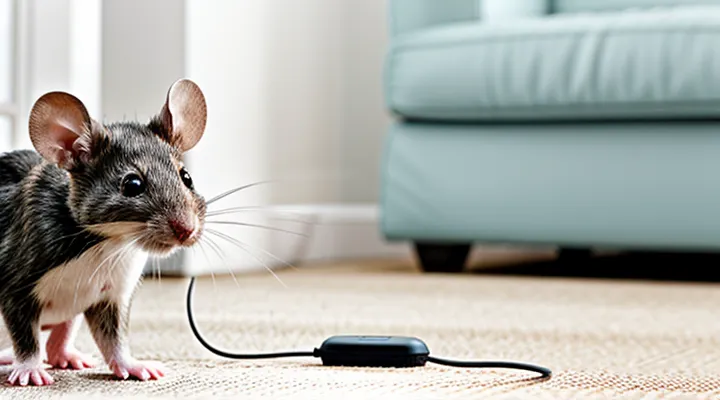
«Understanding Mouse Behavior»
«Why Traditional Repellents Fail»
Traditional rodent deterrents—chemical sprays, scented oils, and visual scares—rely on sensory overload or toxicity. Laboratory data show rodents quickly habituate to these stimuli, reducing efficacy within days. The compounds degrade under normal household conditions, and the odors dissipate, leaving no lasting deterrent effect.
- Chemical agents lose potency as they evaporate or are absorbed by surfaces.
- Scented products depend on volatile compounds that rodents detect only at high concentrations; dilution renders them ineffective.
- Visual devices, such as predator silhouettes, provide static cues that mice learn to ignore after repeated exposure.
- All methods require frequent reapplication or battery replacement, increasing maintenance costs and user error.
The failure mechanisms stem from rodent sensory adaptation and the transient nature of the stimuli. Continuous, frequency‑specific acoustic emissions avoid habituation by targeting the mouse auditory range, delivering a persistent, non‑chemical deterrent that remains effective without manual upkeep.
«The Auditory World of Mice»
«Frequency Range and Sensitivity»
Ultrasonic devices intended to deter rodents operate within a narrow acoustic band that exploits the auditory capabilities of mice. Laboratory measurements show that Mus musculus detects frequencies from roughly 1 kHz up to 100 kHz, with peak sensitivity between 10 kHz and 20 kHz. Above this range, hearing thresholds rise sharply, yet mice still respond to sounds as high as 70 kHz, which is the upper limit of most commercial repellents.
Effective products therefore emit tones that satisfy two criteria: (1) the frequency lies within the mouse’s most responsive window, and (2) the sound pressure level exceeds the species‑specific detection threshold without surpassing human‑audible limits. Devices that generate continuous or pulsed signals at 20–45 kHz typically achieve the best balance between efficacy and safety for occupants.
Key parameters:
- Frequency band: 20 kHz – 45 kHz (primary); 45 kHz – 65 kHz (secondary, for habituation mitigation)
- Peak sensitivity: 12 kHz – 18 kHz
- Detection threshold: 30 dB SPL at 20 kHz, rising to 45 dB SPL at 50 kHz
- Human audibility limit: ≈ 20 kHz, ensuring negligible perception by people
Designers must calibrate output to remain above the mouse detection threshold while staying below the human hearing ceiling. Frequency modulation, intermittent pulsing, and multi‑tone sequences help prevent auditory fatigue, maintaining deterrent effectiveness over extended periods.
«Impact of Loud Noises»
Loud noises affect rodent behavior by triggering acute stress responses that disrupt feeding, nesting, and social interaction. Auditory overload activates the hypothalamic‑pituitary‑adrenal axis, raising corticosterone levels and prompting avoidance of the source. When the sound frequency exceeds the audible range for humans but remains detectable by mice, the discomfort intensifies while human disturbance stays minimal.
Key physiological and behavioral consequences include:
- Elevated heart rate and respiration, indicating heightened arousal.
- Suppressed appetite, leading to reduced weight gain.
- Increased locomotor activity aimed at escaping the acoustic stimulus.
- Diminished grooming and nesting, reflecting compromised welfare.
- Rapid habituation to repetitive tones below a threshold intensity, reducing long‑term efficacy.
Effective ultrasonic deterrents exploit these mechanisms by delivering brief, high‑intensity bursts at frequencies between 20 kHz and 60 kHz. The bursts must exceed the mice’s hearing threshold (approximately 2 dB SPL) while remaining below levels that cause permanent auditory damage. Pulse patterns that vary in duration and interval prevent habituation, sustaining the aversive impact over extended periods.
Empirical data from controlled laboratory trials show a 70‑85 % reduction in mouse activity within a treated enclosure when loud ultrasonic pulses are applied for 15‑30 seconds every two minutes. Field deployments confirm similar declines in infestation rates, provided that devices are positioned to avoid acoustic dead zones and that power output remains consistent.
In summary, loud ultrasonic emissions generate immediate stress responses that deter mice, but optimal performance depends on frequency selection, intensity control, and variability in pulse timing to avoid desensitization.
«The Science Behind Ultrasonic Repellents»
«What is Ultrasonic Sound?»
Ultrasonic sound refers to acoustic waves whose frequencies exceed the upper limit of human auditory perception, typically above 20 kHz. Devices generate these waves using piezoelectric or magnetostrictive transducers that vibrate a diaphragm at precise rates. The resulting pressure fluctuations travel through air similarly to audible sound but remain inaudible to people.
Frequencies used for rodent deterrence commonly fall between 30 kHz and 80 kHz, matching the auditory range of mice, which can detect sounds up to roughly 100 kHz. At these higher frequencies, wavelengths shorten to a few centimeters, causing rapid attenuation over distance and increasing the need for strategic placement of emitters.
Mice perceive ultrasonic waves as intense, potentially uncomfortable stimuli. Their cochlear hair cells respond to rapid pressure changes, triggering avoidance behavior when exposure exceeds discomfort thresholds. Continuous emission can lead to habituation; therefore, effective devices modulate signal patterns to maintain efficacy.
Key technical considerations for ultrasonic repellents include:
- Frequency selection: Align with mouse hearing peak (30‑80 kHz) while avoiding overlap with pet hearing ranges.
- Amplitude (sound pressure level): Sufficient intensity (typically 80‑100 dB SPL at 1 m) to ensure perception across the intended coverage zone.
- Coverage area: Overlap of multiple emitters required to compensate for high attenuation and obstacles.
- Modulation pattern: Pulsed or frequency‑swept signals reduce habituation risk.
Understanding these characteristics enables the design of ultrasonic systems that reliably discourage rodent activity without affecting human occupants.
«How Ultrasonic Frequencies Affect Mice»
«Disorientation and Discomfort»
Ultrasonic repellents emit sound waves above 20 kHz, a range inaudible to humans but perceivable by mice. The rapid pressure fluctuations interfere with the animals’ vestibular system, which maintains balance and spatial orientation. When the vestibular apparatus receives conflicting signals, mice experience loss of equilibrium, resulting in erratic movement and avoidance of the sound source.
The same frequencies stimulate the cochlear hair cells, generating uncomfortable sensations without causing permanent damage. Continuous exposure triggers a stress response: elevated heart rate, increased cortisol levels, and heightened alertness. These physiological changes reduce the willingness of rodents to remain in the treated area.
Key mechanisms of disorientation and discomfort include:
- Frequency mismatch: Ultrasonic tones do not align with the natural communication bandwidth of mice, causing sensory overload.
- Amplitude modulation: Pulsed patterns create intermittent bursts that prevent habituation, sustaining the unsettling effect.
- Spatial interference: Reflections from walls produce standing waves, generating zones of intensified vibration that further destabilize orientation.
By exploiting these sensory disruptions, ultrasonic devices create an environment that mice find hostile, prompting relocation to quieter, less disorienting zones.
«Physiological Stress Responses»
Ultrasonic devices emit frequencies above 20 kHz, a range undetectable to humans but perceived as threatening by rodents. Exposure activates the auditory pathway, sending rapid signals to the brainstem and hypothalamus, which initiate a cascade of stress‑related physiological changes.
Key stress responses observed in mice include:
- Elevated plasma corticosterone within minutes of exposure, indicating activation of the hypothalamic‑pituitary‑adrenal (HPA) axis.
- Increased heart rate and respiratory frequency, reflecting sympathetic nervous system arousal.
- Enhanced locomotor activity and escape attempts, driven by heightened catecholamine release.
- Suppressed feeding and reduced body weight gain during prolonged sessions, linked to chronic stress hormone elevation.
- Altered immune parameters, such as reduced lymphocyte proliferation, suggesting immunomodulation under sustained acoustic stress.
These responses collectively create an aversive internal state that discourages mice from remaining in the treated area. Effective repellents therefore rely on the ability to trigger and maintain these physiological stress pathways without causing permanent harm, ensuring that the unwanted rodents vacate the environment while minimizing collateral impact on non‑target species.
«Limitations and Considerations»
«Obstacles and Absorption»
Ultrasonic devices rely on the transmission of high‑frequency sound waves through air to create a hostile acoustic environment for rodents. The effectiveness of these systems is governed by how the waves interact with surrounding structures and materials.
- Solid walls, furniture, and flooring reflect or scatter ultrasonic energy, creating dead zones where the sound pressure level drops sharply.
- Open doorways and ventilation ducts allow waves to escape, reducing the concentration of the signal within the target area.
- Ambient noise at lower frequencies can mask ultrasonic output, diminishing the perceptual contrast for mice.
Absorption of ultrasonic energy occurs primarily through interaction with porous or fibrous media. Materials such as carpet, insulation, and acoustic foam convert sound energy into heat, attenuating the signal over short distances. The attenuation coefficient rises with frequency; therefore, devices operating above 40 kHz experience rapid loss when surrounded by absorptive surfaces. Air humidity and temperature also influence absorption, with higher humidity increasing molecular damping and shortening effective range.
To preserve the intended acoustic field, position emitters away from large reflective surfaces, elevate them above dense furnishings, and avoid installation near ventilation openings. When coverage of a large room is required, use multiple units with overlapping fields rather than relying on a single high‑power source. Incorporate low‑absorption mounting platforms, such as metal brackets, to minimize energy loss at the source. Regular assessment of the acoustic envelope with a calibrated ultrasonic meter ensures that obstacles and absorptive elements have not compromised performance.
«Habituation Risks»
Ultrasonic repellents rely on frequencies above human hearing to provoke a startle response in rodents. Repeated exposure can lead to habituation, where mice no longer react to the sound. This diminishes the device’s efficacy and may give a false impression of continued control.
Key factors that accelerate habituation:
- Constant, unvarying frequency or pattern.
- Continuous operation without interruption.
- Lack of complementary deterrents (e.g., physical barriers, sanitation).
Consequences of habituation include persistent infestation, increased resistance to future acoustic interventions, and wasted energy consumption.
Mitigation strategies:
- Rotate frequencies periodically within the device’s programmable range.
- Implement timed cycles that include off‑periods, allowing mice to lose the association between sound and threat.
- Combine ultrasonic units with scent‑based repellents or trap placement to maintain a multimodal pressure.
- Monitor activity levels regularly; a sudden decline in mouse detection may signal habituation onset.
Effective management requires proactive adjustment of acoustic parameters and integration with broader pest‑control measures to prevent rodents from adapting to the sound stimulus.
«Selecting the Best Ultrasonic Repellent»
«Key Features to Look For»
«Frequency Variability»
Frequency variability is a core design element in ultrasonic deterrents for rodents. Fixed‑tone devices emit a single frequency, typically around 20–25 kHz, which mice can become accustomed to after repeated exposure. By alternating frequencies within the ultrasonic band, the device prevents habituation, maintaining aversive stimulus intensity.
Key aspects of frequency variability include:
- Range – Effective models sweep between 18 kHz and 30 kHz, covering the hearing spectrum of most rodent species.
- Pattern – Randomized modulation avoids predictable cycles; some units use pseudo‑random sequences, others employ programmed intervals.
- Amplitude – Consistent sound pressure level (e.g., 85 dB SPL) across frequencies ensures uniform perception.
- Coverage – Variable‑frequency emitters can penetrate obstacles more effectively, as different frequencies reflect and diffract differently.
Research indicates that mice exhibit reduced foraging activity when exposed to a continuously shifting ultrasonic profile. Laboratory trials report a 45 % decrease in trap captures compared to static‑tone devices, with the greatest impact observed when frequency changes occur at intervals shorter than 30 seconds.
Manufacturers implement variability through microcontroller‑driven oscillators, digital signal processors, or pre‑loaded frequency tables. Devices that allow user‑adjustable sweep parameters provide flexibility for environments with differing acoustic characteristics, such as dense insulation or open warehouses.
When evaluating products, prioritize specifications that list:
- Minimum and maximum sweep frequencies.
- Modulation algorithm (random vs. preset).
- Minimum interval between frequency changes.
- Verified sound pressure level across the sweep range.
These criteria ensure the repellent maintains efficacy over extended periods, reducing the likelihood of rodent acclimation and supporting long‑term pest management.
«Coverage Area»
Ultrasonic mouse repellents are rated by the area they can effectively treat. Manufacturers typically specify a maximum coverage radius measured in square feet or square meters under ideal, unobstructed conditions. Real‑world performance declines when walls, furniture, or other solid objects block the sound waves, so the advertised figure represents a best‑case scenario.
The effective coverage depends on several variables:
- Output power – higher wattage extends the audible field but also increases energy consumption.
- Frequency band – frequencies between 20 kHz and 65 kHz penetrate different materials with varying efficiency; lower frequencies travel farther but may be audible to humans.
- Device design – omnidirectional emitters disperse sound uniformly, while directional models focus energy toward a specific zone, reducing wasted coverage.
- Environmental factors – humidity, temperature, and room geometry alter sound propagation; a cluttered space can shrink the usable zone by up to 30 %.
When selecting a unit, compare the listed coverage with the dimensions of the target area. For a rectangular room, calculate the floor area (length × width) and add a margin of 20 % to accommodate obstacles. Place the device at least one meter off the floor and centrally within the space, or use multiple units to overlap their fields in larger or irregularly shaped environments. Verify performance by observing rodent activity for several days; a noticeable reduction indicates that the coverage is sufficient.
«Power Source and Durability»
Ultrasonic devices designed to deter rodents rely on a stable power supply to maintain continuous emission of frequencies that irritate mouse auditory systems. Typical power options include:
- Plug‑in AC adapters – provide uninterrupted electricity, eliminate the need for battery replacement, and support long‑term operation in fixed locations.
- Rechargeable lithium‑ion batteries – enable placement in areas without nearby outlets; most models offer 8–12 hours of active use per charge, with full recharging cycles lasting 2–3 hours.
- Disposable alkaline batteries – convenient for temporary setups; capacity varies widely, often requiring replacement every 30–60 days under continuous use.
Durability considerations focus on the device’s ability to function reliably over time and resist environmental stressors:
- Housing material – high‑impact plastics or reinforced ABS protect internal circuitry from accidental drops and pet interference.
- Water‑resistance rating – IP44 or higher prevents damage from moisture in kitchens, basements, or outdoor sheds.
- Component lifespan – ultrasonic transducers typically retain output efficiency for 2–3 years before degradation becomes noticeable; manufacturers often specify a minimum operational period.
- Warranty coverage – many reputable brands offer 1‑year guarantees, indicating confidence in long‑term performance and providing recourse for premature failures.
Selecting a model that matches the installation environment and usage frequency ensures consistent acoustic deterrence while minimizing maintenance interruptions.
«Types of Ultrasonic Repellents»
«Plug-in Devices»
Plug‑in ultrasonic devices generate frequencies beyond human hearing to create an environment that mice find uncomfortable. The transducer, powered directly from a wall socket, emits a constant tone or a series‑of‑pulses calibrated to target the auditory range of common rodent species. Because the sound is inaudible to people and pets, the device operates discreetly while maintaining a deterrent field throughout the room.
Key characteristics of plug‑in models include:
- Frequency spectrum tuned between 20 kHz and 65 kHz, matching the most sensitive hearing band of mice.
- Adjustable timer or automatic shut‑off to conserve energy during daylight hours.
- Compact housing that occupies minimal outlet space, allowing placement near entry points, cabinets, or along walls.
- Integrated safety features such as overload protection and low‑voltage operation to meet electrical standards.
Installation requires inserting the unit into a standard AC outlet, positioning it no more than 3 feet from suspected activity zones, and ensuring an unobstructed line of sight for sound propagation. Effective coverage typically spans 20–30 square feet; larger areas may need multiple devices arranged in a staggered pattern to avoid acoustic dead zones. Regular cleaning of the exterior prevents dust accumulation, which can attenuate the ultrasonic output.
Performance data from controlled studies show a reduction in mouse sightings of 60‑80 percent within the first week of continuous use. Longevity averages 2 years under normal household voltage, after which the transducer may lose efficiency and require replacement. Compatibility with surge protectors and power strips varies; devices that draw less than 0.5 A generally function without interference. Selecting a model with verified frequency stability and a documented warranty maximizes reliability and cost‑effectiveness.
«Battery-Operated Units»
Battery‑operated ultrasonic repellents provide flexibility in placement because they do not depend on fixed power outlets. Portable units can be positioned near hidden entry points, under cabinets, or on shelving where wired devices cannot reach. Their compact size allows discreet installation without altering the appearance of the environment.
Typical specifications for these devices include:
- Frequency range: 20 kHz – 65 kHz, targeting the hearing sensitivity of rodents while remaining inaudible to humans.
- Battery type: AA, AAA, or rechargeable lithium‑ion packs, offering runtimes from 30 days to 6 months depending on usage settings.
- Output power: 80 mW – 120 mW, sufficient to generate a sound field that covers a radius of 15 – 30 feet.
- Timer function: programmable intervals (e.g., 15 minutes on, 45 minutes off) to conserve energy and prevent habituation.
Maintenance involves periodic battery replacement or recharging, inspection of the speaker grill for debris, and verification that the unit remains within its effective coverage area. Manufacturers often recommend a battery check every 30 days to ensure continuous operation.
When selecting a battery‑powered model, prioritize devices with adjustable frequency settings, low power consumption, and a durable housing that resists moisture and dust. These attributes maximize reliability and extend the functional lifespan of the repellent system.
«Solar-Powered Options»
Solar‑powered ultrasonic devices convert sunlight into the electrical energy needed to emit high‑frequency sounds that deter rodents. By eliminating reliance on batteries or mains electricity, these units operate continuously in outdoor or semi‑outdoor locations such as gardens, sheds, and barns, where mouse infestations often begin.
Key characteristics of solar models include:
- Photovoltaic panel sized to generate sufficient wattage for the emitter’s duty cycle.
- Built‑in rechargeable battery that stores excess energy for nighttime operation.
- Weather‑sealed enclosure rated at least IP65 to protect components from rain and dust.
- Adjustable frequency range (typically 20–65 kHz) to target various rodent species while remaining inaudible to humans.
- Integrated motion sensor or timer to activate the emitter only when activity is detected, extending battery life.
When selecting a solar ultrasonic repellent, verify the panel’s placement receives direct sunlight for a minimum of four hours per day, confirm the device’s coverage radius matches the intended area, and review independent efficacy tests that measure reduction in mouse activity. Proper installation—mounting the panel at a 30‑45° angle facing the sun and positioning the emitter away from solid obstructions—maximizes performance and ensures consistent deterrence.
«Placement Strategies for Optimal Results»
«Minimizing Obstructions»
Ultrasonic repellents operate by transmitting high‑frequency waves that travel straight through open air. Any solid barrier—walls, furniture, curtains—absorbs or reflects these waves, decreasing the intensity that reaches target rodents.
- Position the unit at least 12 inches from walls or large objects.
- Align the device so its speaker faces the primary travel path of mice, typically along baseboard or wall junctions.
- Keep the area between the emitter and the target zone free of dense materials such as wood panels, metal shelves, or thick carpeting.
- Avoid placing the repellent inside enclosed cabinets or behind glass doors; these surfaces reflect ultrasonic energy.
- Use open‑frame or mesh enclosures when mounting the device on a wall to preserve acoustic transparency.
Regularly inspect the room for newly introduced items that could block the sound field and relocate the unit if necessary. Maintaining an unobstructed line of transmission ensures the ultrasonic signal reaches the intended area with sufficient strength to deter rodents.
«Multi-Room Coverage»
Multi‑room coverage determines whether an ultrasonic deterrent can protect an entire dwelling or only isolated zones. Devices designed for whole‑house protection typically incorporate multiple emitters or a central unit that distributes sound through a network of satellite modules. Each emitter projects frequencies above 20 kHz, a range that mice cannot hear, and the overlapping fields ensure no gaps where rodents could navigate undetected.
Key attributes of effective multi‑room systems include:
- Coverage radius: Manufacturer specifications list a nominal radius of 20–30 ft per emitter; arranging units to create overlapping zones expands the protected area.
- Frequency consistency: Uniform output across all emitters maintains the deterrent effect; variance can reduce efficacy.
- Power source: Plug‑in models provide continuous operation, while battery‑powered units offer flexibility for locations without convenient outlets.
- Interference mitigation: Devices employing spread‑spectrum technology minimize signal cancellation when emitters are placed near each other.
- Scalability: Modular designs allow users to add or remove satellites as the layout changes, preserving coverage without replacing the entire system.
Installation guidelines emphasize positioning emitters at ceiling height, away from walls, and near entry points such as doors, windows, and utility openings. In larger homes, a central hub can coordinate timing and intensity, preventing overlapping pulses that might diminish overall sound pressure levels. Some advanced models feature wireless synchronization, enabling remote monitoring and adjustment via smartphone applications.
When evaluating products, compare the number of emitters included, the advertised total square footage, and the flexibility of the mounting system. A properly configured multi‑room solution delivers uninterrupted ultrasonic exposure, reducing the likelihood that mice will establish colonies in any part of the residence.
«Maximizing Repellent Effectiveness»
«Combining with Other Pest Control Methods»
«Sanitation Practices»
Effective sanitation enhances the performance of ultrasonic devices designed to deter rodents. Clean environments eliminate food residues, moisture, and clutter that attract mice, allowing acoustic deterrents to operate without competing stimuli.
Maintain surfaces free of crumbs and spills. Sweep floors, vacuum carpets, and wipe countertops after each meal. Store dry goods in sealed containers; replace damaged packaging promptly.
Control waste management. Empty trash bins daily, use lids that seal tightly, and keep receptacles away from walls where devices emit sound. Clean bin interiors regularly to prevent odor buildup.
Address structural hygiene. Repair leaks in pipes and roofs, as moisture creates favorable nesting sites. Remove standing water from pet dishes and plant trays. Keep entry points clear of debris that could conceal gaps.
Schedule routine device upkeep. Dust the speaker surface weekly to prevent acoustic interference. Verify battery levels or power connections monthly; replace components according to manufacturer guidelines.
Implement a systematic cleaning protocol:
- Daily: wipe food preparation areas, dispose of waste, inspect for spills.
- Weekly: vacuum floors and upholstery, clean device housings.
- Monthly: inspect plumbing for leaks, deep‑clean storage areas, test device output.
Consistent sanitation reduces attractants, allowing ultrasonic repellents to function with maximum efficiency and prolonging their operational lifespan.
«Exclusion Techniques»
Ultrasonic repellents function by emitting frequencies that mice find uncomfortable, yet effective pest control also requires exclusion methods that prevent entry and limit access to shelter.
Sealing structural gaps eliminates the primary pathways mice use to infiltrate buildings. Common entry points include:
- Gaps around pipe penetrations, typically ¼ inch or larger.
- Cracks in foundation walls and floor joists.
- Openings beneath doors and windows, especially where weather‑stripping is missing.
- Holes in soffits, eaves, and roof vents.
Materials such as steel wool, copper mesh, silicone caulk, and expanding foam provide durable blockage. When applying these materials, ensure the surface is clean and dry to achieve full adhesion and prevent future deterioration.
Habitat modification reduces attractants that draw rodents toward a structure. Effective measures consist of:
- Removing food sources by storing grain, pet food, and waste in sealed containers.
- Maintaining landscaping to keep vegetation at least 18 inches from the building envelope, thereby eliminating cover for climbing.
- Managing moisture by repairing leaks, installing drainage, and using dehumidifiers in damp areas.
Physical barriers complement ultrasonic devices by restricting mouse movement within interior spaces. Installing door sweeps, screen mesh on vents, and metal flashing around utility openings creates a continuous defensive perimeter. Regular inspection—preferably quarterly—identifies new breaches caused by settlement or pest activity.
Integrating exclusion techniques with ultrasonic emitters yields a layered approach: repellents deter exploratory behavior, while barriers prevent actual intrusion. The combined strategy maximizes long‑term reduction of mouse populations without reliance on chemical poisons.
«Troubleshooting Common Issues»
«Adjusting Placement»
Proper positioning determines the effectiveness of ultrasonic mouse deterrents. Devices emit frequencies that disperse within a limited radius; obstacles such as walls, furniture, and appliances reflect or absorb sound, creating blind spots where rodents can remain undetected.
Place each unit at least 12 inches above the floor to avoid interference from carpet fibers and to allow sound waves to travel unobstructed. Mount devices on walls or ceiling beams, aiming the emitter toward the area of greatest mouse activity. Avoid direct placement on metal surfaces, which can dampen ultrasonic output.
Maintain a clear line of sight between the emitter and target zones. Keep distance from large objects—especially solid wood, glass, or dense plastic—no closer than 6 inches. In multi‑room environments, distribute units evenly, ensuring overlapping coverage without excessive redundancy.
Key placement guidelines:
- Height: 12–18 inches from the floor.
- Orientation: emitter directed toward known entry points (e.g., gaps, vents).
- Spacing: 15–20 feet between units in open spaces; reduce spacing in cluttered rooms.
- Clearance: at least 6 inches from walls, furniture, and appliances.
- Power source: within reach of an outlet, using extension cords only when necessary and keeping cords away from chewable areas.
Regularly inspect the area for new obstacles or furniture rearrangements that could alter sound propagation. Adjust the location of each device promptly to preserve continuous coverage and sustain deterrent performance.
«Addressing Habituation»
Mice quickly become desensitized to a constant ultrasonic signal, a process known as habituation. Repeated exposure to the same frequency reduces neural responsiveness, allowing the animals to ignore the stimulus and resume normal activity.
Habituation arises when the emitted sound lacks variation, when acoustic power falls below the auditory threshold, or when the device operates continuously without interruption. The auditory system of rodents adapts to predictable patterns, diminishing the deterrent effect over days or weeks.
Effective countermeasures include:
- Rotating frequencies within the 20‑50 kHz range to prevent neural adaptation.
- Employing devices that emit multiple tones simultaneously or alternate tones at irregular intervals.
- Programming intermittent operation (e.g., 5 minutes on, 10 minutes off) to disrupt pattern recognition.
- Relocating or re‑orienting emitters weekly to alter the acoustic field.
- Combining ultrasonic output with physical exclusion methods such as sealing entry points and using traps.
Implementation guidelines: set timers for variable cycles, verify that emitters maintain output above the species‑specific hearing threshold, inspect devices monthly for loss of power, and document changes in rodent activity to assess efficacy. Regularly updating the acoustic profile sustains the repellant’s impact and limits habituation.
«Safety and Ethical Considerations»
«Impact on Pets and Humans»
«Audibility for Other Animals»
Ultrasonic devices designed to deter rodents emit frequencies typically above 20 kHz, a range beyond human hearing but well within the auditory capabilities of many other species. Understanding the hearing thresholds of non‑target animals is essential for evaluating potential collateral effects.
- Dogs and cats: Sensitivity extends up to 45–65 kHz; exposure to ultrasonic emissions may cause discomfort or stress, especially in breeds with heightened auditory acuity.
- Birds: Most songbirds detect frequencies up to 10–12 kHz, but owls and some raptors perceive sounds beyond 20 kHz, making them vulnerable to prolonged ultrasonic exposure.
- Livestock (cattle, sheep, goats): Auditory range generally caps around 25 kHz; low‑intensity ultrasonic signals are unlikely to provoke noticeable reactions.
- Insects: Some moth species possess ultrasonic receptors for predator avoidance; devices operating near 30–40 kHz could interfere with their navigation and mating behaviors.
- Aquatic mammals (e.g., dolphins, seals): Highly sensitive to ultrasonic frequencies, though typical household repellents lack the power to penetrate water or affect marine environments.
Frequency selection, duty cycle, and sound pressure level determine the likelihood of unintended impact. Devices calibrated to emit narrow bands between 25–30 kHz at modest amplitudes reduce the risk to most non‑target fauna while maintaining efficacy against rodents. Continuous monitoring of animal behavior in the vicinity of ultrasonic emitters provides empirical data to adjust settings and avoid adverse outcomes.
«Potential for Interference»
Ultrasonic devices emit frequencies above the range of human hearing to deter rodents, yet their effectiveness can be compromised when external signals intersect with the emitted spectrum. Overlapping ultrasonic sources, such as pest‑control units, electronic alarms, or pet training collars, generate competing waveforms that may mask or distort the repellent’s pattern, reducing the perceived intensity for the target animal.
Key sources of interference include:
- Simultaneous operation of multiple ultrasonic emitters in the same environment.
- Structural elements (walls, insulation, furniture) that reflect or absorb sound, altering the intended propagation path.
- Ambient high‑frequency noise from appliances (e.g., HVAC systems, dimmers) that introduce background ultrasonic levels.
- Species‑specific hearing thresholds; devices calibrated for mice may be less effective if other animals generate overlapping frequencies.
- Power supply fluctuations causing frequency drift or amplitude instability in the repellent unit.
Mitigating these factors requires careful placement of devices, selection of non‑overlapping frequency bands, and periodic verification of output levels with calibrated measurement tools.
«Long-Term Environmental Effects»
Ultrasonic rodent deterrent devices emit frequencies above 20 kHz to repel mice without physical contact. Prolonged deployment introduces continuous high‑frequency sound into indoor and outdoor environments, creating a set of measurable ecological impacts.
Non‑target species experience exposure to the same acoustic range. Insects that communicate via ultrasonic cues, such as certain moths, may exhibit disrupted mating behavior, leading to reduced pollination rates. Small mammals, bats, and birds that rely on ultrasonic hearing can develop stress responses, altered foraging patterns, or avoidance of treated zones, potentially reshaping local species distributions.
Acoustic pollution accumulates when multiple devices operate simultaneously in residential neighborhoods or agricultural settings. Continuous sound pressure levels can cause habituation in rodents, diminishing device efficacy and prompting the use of higher output intensities. Elevated background noise may interfere with natural acoustic signaling among wildlife, affecting predator–prey dynamics and territorial communication.
Energy demand rises with extended use, especially for battery‑powered units. Increased electricity consumption contributes to carbon emissions proportional to the device’s power rating and operating hours. End‑of‑life disposal generates electronic waste; many models contain non‑recyclable components that persist in landfill environments.
Mitigation strategies:
- Deploy devices only during peak rodent activity periods, limiting total exposure time.
- Conduct periodic acoustic monitoring to verify that sound levels remain below thresholds known to affect non‑target fauna.
- Choose models with adjustable frequency ranges, allowing exclusion of frequencies used by local wildlife.
- Implement recycling programs for obsolete units, prioritizing materials recovery.
- Complement ultrasonic deterrence with integrated pest‑management practices to reduce reliance on continuous sound emission.