
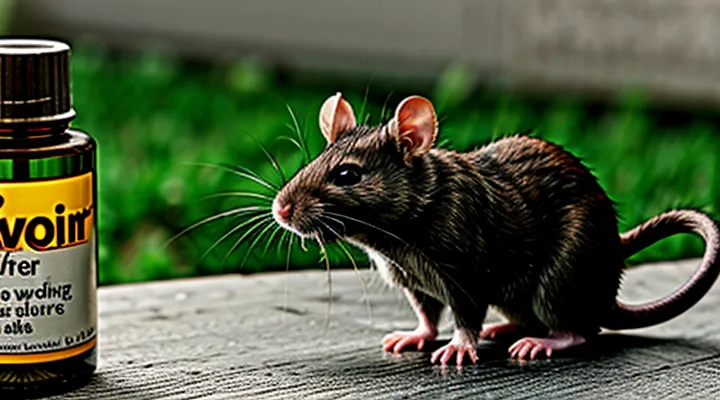
Understanding Mummifying Rat Poisons
The Science of Desiccation
How Dehydrating Agents Function
Rodent control products that cause a mummifying outcome rely on powerful dehydrating agents. These chemicals remove water from biological tissues, leading to rapid shrinkage and preservation of the corpse. The process begins when the poison is ingested; the active compound enters the bloodstream and reaches cellular interiors.
Dehydrating agents act through several well‑defined mechanisms:
- Osmotic pressure increase – the substance creates a high solute concentration outside cells, forcing water to exit by diffusion.
- Protein denaturation – removal of bound water disrupts hydrogen bonds in proteins, causing irreversible structural collapse.
- Membrane disruption – loss of intracellular fluid compromises lipid bilayers, leading to leakage and cell death.
As water is expelled, tissues become desiccated, stiff, and resistant to bacterial decomposition. The resulting appearance mimics natural mummification, which is the intended effect of the bait. Understanding these chemical actions clarifies why such poisons are effective in eliminating rodents while leaving a preserved carcass.
Impact on Cellular Structures
The toxin employed in rodent control induces rapid dehydration of tissues, leading to a mummified appearance. At the cellular level, the compound penetrates the plasma membrane through passive diffusion, where it binds to intracellular proteins and disrupts their native conformation. This interaction triggers irreversible denaturation, loss of enzymatic activity, and collapse of metabolic pathways.
Key effects on cellular structures include:
- Disruption of lipid bilayer integrity, causing increased permeability and uncontrolled ion flux.
- Cross‑linking of cytoskeletal filaments, resulting in rigidity and loss of shape maintenance.
- Inhibition of mitochondrial respiration, leading to ATP depletion and failure of energy‑dependent processes.
- Fragmentation of nuclear chromatin, preventing transcription and replication.
- Dehydration of cytosol, concentrating solutes and accelerating protein aggregation.
Collectively, these alterations halt cellular function, prevent decay, and preserve tissue architecture in a desiccated state.
Common Mummifying Agents in Rodenticides
Chemical Compounds and Their Properties
The formulation responsible for rapid desiccation in rodent control agents combines potent toxins with strong desiccating agents. The toxin component halts physiological functions, while the desiccant removes moisture from tissues, producing a mummified corpse.
Key chemical families employed include:
- Metal phosphides (e.g., zinc phosphide, aluminum phosphide). React with gastric acid to release phosphine gas, a highly toxic, cell‑membrane‑disrupting agent; simultaneously, phosphine accelerates dehydration by breaking down water‑binding proteins.
- Thallium salts (thallium sulfate, thallium carbonate). Inhibit cellular respiration, cause systemic failure, and bind to sulfhydryl groups, leading to protein denaturation and loss of water‑retaining capacity.
- Copper and zinc salts (copper sulfate, zinc chloride). Act as astringents; their high osmotic pressure draws water out of cells, contributing to the drying effect.
- Calcium oxide (quicklime). Strong alkaline compound that absorbs moisture, raises pH, and precipitates proteins, further expediting tissue desiccation.
Each compound exhibits a distinct toxic mechanism—anticoagulation, neurotoxicity, or metabolic inhibition—while the desiccating agents share high hygroscopicity, elevated pH, or osmotic activity. The synergy of these properties ensures swift lethal action followed by the characteristic preservation of the carcass.
Anticoagulants vs. Desiccants
Rat poisons that produce a mummifying effect belong to two chemical families that act on opposite physiological pathways. Anticoagulant compounds interrupt the vitamin K cycle, preventing the synthesis of functional clotting factors. The resulting uncontrolled hemorrhage leads to rapid blood loss, tissue hypoxia, and death. Because blood remains liquid, carcasses decompose normally rather than dry out.
Desiccant agents, often based on zinc phosphide or metal phosphates, release phosphine gas that interferes with cellular metabolism while simultaneously drawing moisture from tissues. The gas reacts with water in the body to form phosphoric acid, which accelerates dehydration. As fluids evaporate, internal organs shrink and the body assumes a leathery, preserved state.
Key distinctions:
- Mechanism of lethality: anticoagulants cause fatal bleeding; desiccants cause metabolic collapse and rapid dehydration.
- Post‑mortem condition: anticoagulant‑killed rodents retain soft, moist tissue; desiccant‑killed rodents exhibit dry, shrunken, mummified remains.
- Time to effect: anticoagulant poisoning may require several days for blood loss to become fatal; desiccant poisoning often results in death within hours, followed by immediate tissue desiccation.
- Risk to non‑target species: anticoagulants pose secondary poisoning through blood ingestion; desiccants present a hazard primarily through inhalation of phosphine gas.
Understanding these differences clarifies why certain rodenticides are selected for environments where preservation of the carcass is desirable, while others are chosen for rapid population control without the need for visual evidence of death.
Mechanism of Action
Ingestion and Initial Effects
Absorption and Distribution
The active component of the mummifying rodent toxicant is a highly lipophilic anticoagulant coupled with a desiccating agent. After ingestion, the compound dissolves rapidly in gastric fluids, producing a concentration gradient that drives passive diffusion across the gastric mucosa. The lipophilic nature facilitates transcellular transport, allowing up to 80 % of the dose to enter the systemic circulation within 30 minutes.
Once in the bloodstream, the toxin binds to plasma proteins, primarily albumin, at a ratio of roughly 1 : 4 (free : bound). This binding moderates the initial peak concentration but prolongs systemic exposure because the protein‑bound fraction releases the active molecule slowly. The free fraction distributes preferentially to highly perfused organs—heart, liver, and kidneys—where it exerts anticoagulant activity. Simultaneously, the desiccating agent, due to its low molecular weight and high polarity, diffuses into interstitial spaces and accumulates in subcutaneous tissues.
Key distribution characteristics:
- Blood‑brain barrier penetration: Minimal; the molecule’s size and polarity prevent significant central nervous system exposure.
- Tissue affinity: Strong affinity for collagen‑rich structures (skin, tendons), where the desiccant induces rapid water loss, leading to the characteristic mummification.
- Elimination half‑life: Extended (12–18 hours) because protein binding slows renal clearance, allowing sustained action across multiple organ systems.
The combined pharmacokinetic profile—rapid gastrointestinal absorption, extensive plasma protein binding, selective tissue accumulation, and prolonged systemic presence—underlies the lethal and preservative effects observed in targeted rodents.
Early Physiological Changes
The ingestion of a rodent toxin that simultaneously induces rapid dehydration and tissue preservation triggers a cascade of immediate physiological disturbances. Blood plasma volume declines within minutes as the compound disrupts vasopressin signaling, causing uncontrolled loss of water through the gastrointestinal tract and skin. Simultaneously, the agent interferes with mitochondrial respiration, leading to a sharp drop in ATP production and early onset of cellular hypoxia.
Key early responses include:
- Vasoconstriction of peripheral vessels, reducing tissue perfusion.
- Elevation of heart rate followed by bradycardia as autonomic control fails.
- Early onset of metabolic acidosis due to accumulation of lactate and carbon dioxide.
- Rapid coagulation of blood proteins, evident as fibrin clots in capillaries.
- Initiation of keratinocyte desiccation, producing a dry, leathery appearance of skin and mucous membranes.
These changes set the stage for the later, more pronounced mummifying effect, as the body’s fluid compartments become depleted and tissue proteins denature, preserving structure while halting decay.
The Mummification Process
Inhibition of Decomposition
The mummifying rodent toxicant contains a high‑concentration anticoagulant combined with a potent protein‑cross‑linking agent. Upon ingestion, the anticoagulant induces rapid internal hemorrhage, while the cross‑linker penetrates tissues and forms covalent bonds between collagen fibers and other structural proteins. This chemical fixation creates a rigid matrix that resists bacterial invasion and enzymatic breakdown.
Key actions that stop decomposition:
- Immediate coagulation of blood proteins, limiting nutrient sources for microbes.
- Formation of irreversible cross‑links in extracellular matrix, preserving cell architecture.
- Inhibition of proteolytic enzymes by altering their active sites through chemical modification.
- Creation of a desiccating environment as water is drawn into stable complexes, reducing moisture required for microbial growth.
The resulting tissue resembles a preserved specimen: cellular membranes remain intact, microbial colonization is suppressed, and autolysis is halted. Consequently, the dead rodent retains a dry, leathery appearance for weeks, complicating detection and removal.
Role of Specific Toxins
Rat poison that produces a mummifying outcome relies on a combination of chemically distinct agents. Each toxin contributes a specific physiological disruption that together halts decomposition and removes moisture from the carcass.
- Anticoagulant rodenticides (e.g., brodifacoum, bromadiolone). Inhibit vitamin K‑dependent clotting factors, causing uncontrolled internal bleeding. Blood loss reduces intravascular volume, accelerating post‑mortem fluid depletion.
- Metal phosphides (e.g., zinc phosphide, aluminum phosphide). React with stomach acid to release phosphine gas, a potent inhibitor of cytochrome c oxidase. Cellular respiration ceases, leading to rapid tissue necrosis and loss of water through vaporization of phosphine‑induced gases.
- Sodium fluoroacetate. Interferes with the citric acid cycle by converting to fluorocitrate, which blocks aconitase. Metabolic arrest triggers systemic hypoxia, promoting fluid shift from tissues to the circulatory system and subsequent evaporation.
- Arsenic‑based compounds. Bind sulfhydryl groups in enzymes, halting protein synthesis and microbial activity. The antimicrobial effect prevents bacterial breakdown, preserving tissue architecture while desiccation proceeds.
The cumulative effect of these agents is a swift transition from hemorrhagic loss to cellular dehydration, followed by inhibition of microbial decay. The result is a dried, preserved carcass that resembles a mummy, with minimal soft‑tissue breakdown and reduced odor emission.
Long-Term Effects and Detection
Persistence in the Environment
Rat poison designed to induce a mummifying effect contains anticoagulants combined with desiccating agents that remain chemically active long after application. The active compounds resist hydrolysis, photolysis, and microbial breakdown, allowing them to persist in soil and water for months to years depending on environmental conditions.
Key factors influencing environmental persistence include:
- Chemical stability: Anticoagulant molecules possess low aqueous solubility and high affinity for organic matter, reducing leaching but increasing sorption to sediments.
- pH and temperature: Neutral to alkaline soils slow degradation; elevated temperatures accelerate volatilization of volatile components but have limited effect on the primary toxic agents.
- Microbial activity: Limited microbial metabolism of synthetic anticoagulants leads to slow biotransformation; only specialized microorganisms can partially degrade the compounds.
- Photodegradation: Surface exposure to sunlight causes minor breakdown of the desiccating agents, yet most of the active ingredient remains protected beneath the ground surface.
Persistence results in detectable residues in groundwater, runoff, and non‑target wildlife. Accumulation in the food chain occurs when small mammals ingest contaminated insects or plant material, potentially exposing predatory species to sub‑lethal doses. Regulatory guidelines typically require a half‑life below 30 days for outdoor rodenticides; the mummifying formulation often exceeds this threshold, prompting restrictions on use near water bodies and in residential areas.
Mitigation strategies focus on:
- Selecting bait placements that minimize environmental contact.
- Employing biodegradable carriers that release the active ingredient rapidly, reducing residual load.
- Monitoring soil and water samples for residue concentrations exceeding safety limits.
Understanding these persistence characteristics informs risk assessment and guides responsible deployment of such rodenticides.
Forensic Implications
The use of anticoagulant rodenticides that induce rapid tissue dehydration creates distinctive forensic challenges. Investigators must recognize the following implications:
- Preservation of victim morphology – the desiccating action slows decomposition, allowing clearer identification of trauma and anatomical features that would otherwise be obscured by putrefaction.
- Toxicological detection – standard blood and tissue screens may miss low‑level residues because the compound binds tightly to proteins and is sequestered in dehydrated tissue. Specialized extraction methods, such as acidified organic solvents followed by liquid chromatography‑mass spectrometry, are required for reliable quantification.
- Scene interpretation – the absence of typical fluid leakage and the presence of dry, leathery skin can mislead first responders into assuming environmental desiccation rather than chemical cause. Documenting moisture levels, ambient temperature, and humidity helps differentiate natural mummification from chemically induced preservation.
- Legal considerations – the toxin’s delayed lethality and its capacity to mask other injuries may affect causation arguments in criminal cases. Prosecutors must present clear toxicological data and expert testimony linking the substance to the observed physiological changes.
- Chain‑of‑custody protocols – because the compound remains stable in dried tissue, samples can be stored at ambient temperature without degradation, simplifying long‑term evidence preservation while still demanding strict labeling to avoid cross‑contamination.
Effective forensic response relies on targeted analytical techniques, thorough scene documentation, and clear communication of the toxin’s unique preservation effects to legal stakeholders.
Safety and Environmental Considerations
Risks to Non-Target Species
Secondary Poisoning Pathways
Secondary poisoning occurs when non‑target organisms ingest, inhale, or absorb the toxin after it has been introduced into a primary target. The embalming‑type rodenticide releases a potent anticoagulant that persists in the carcass, allowing the poison to enter food webs through several routes.
- Consumption of contaminated carrion by scavengers, predators, or domestic animals.
- Predation on live rodents that retain sub‑lethal toxin levels in their tissues.
- Contact with contaminated fur, feathers, or excreta during handling or grooming.
- Inhalation of dust or aerosolized particles generated during bait placement or carcass decomposition.
- Dermal absorption through skin lesions when handling poisoned rodents or bait residues.
Each pathway delivers the toxin to secondary victims in a form that bypasses the original delivery system. Gastrointestinal absorption dominates after ingestion, while inhalation and dermal routes rely on the chemical’s lipophilicity to cross mucosal membranes. Bioaccumulation amplifies risk: repeated exposure increases tissue concentrations, extending the lethal window beyond the initial dose.
Mitigation strategies focus on restricting access to bait, promptly removing poisoned carcasses, and employing barriers that limit aerosol formation. Monitoring of predator mortality and testing of tissue samples provide early detection of secondary exposure, enabling rapid response to prevent cascade effects within the ecosystem.
Mitigation Strategies
Rodent control agents that induce rapid tissue desiccation present acute toxicological hazards. Direct contact with the chemical matrix can cause skin absorption, inhalation of aerosolized particles, and accidental ingestion. Environmental contamination occurs when residues enter soil or water sources, potentially affecting non‑target organisms.
Mitigation requires a layered approach:
- Store products in sealed, clearly labeled containers within a locked, ventilated area.
- Use disposable nitrile gloves, chemical‑resistant aprons, and eye protection whenever handling the substance.
- Conduct all mixing, application, and cleanup under local exhaust ventilation or in a dedicated fume hood.
- Implement spill‑control kits containing absorbent pads, neutralizing agents, and waste bags; train personnel in immediate containment procedures.
- Dispose of unused material and contaminated waste according to hazardous‑waste regulations; avoid landfill dumping.
- Replace desiccating rodenticide with alternative methods such as insulated bait stations, electronic traps, or biological control where feasible.
- Maintain a written standard operating procedure that outlines safe handling, emergency response, and incident reporting; review and update it annually.
Regular inspection of storage facilities and equipment integrity reduces the likelihood of accidental release. Documentation of inventory and usage logs supports traceability and compliance with occupational‑health standards.
Human Health Concerns
Accidental Exposure Protocols
When a person contacts or ingests a rodent control agent that induces rapid tissue desiccation, immediate response determines outcome. The following protocol minimizes systemic toxicity and local damage.
- Remove contaminated clothing and seal it in a plastic bag to prevent further spread.
- Rinse skin, eyes, or mucous membranes with copious amounts of water for at least 15 minutes; avoid using soaps or solvents that could enhance absorption.
- If ingestion occurred, do not induce vomiting. Administer activated charcoal (1 g/kg) within one hour, unless contraindicated by airway obstruction or reduced consciousness.
- Monitor vital signs continuously: blood pressure, heart rate, respiratory rate, and oxygen saturation.
- Obtain a detailed exposure history: product name, concentration, amount, route, and time elapsed.
- Contact local poison‑control center or emergency medical services, providing the exact product identifier and exposure details.
- Transport the victim to a medical facility equipped for toxicology care.
At the medical facility, clinicians should:
- Perform a focused physical examination, emphasizing signs of dermal necrosis, gastrointestinal irritation, and neurologic impairment.
- Order laboratory tests: complete blood count, coagulation profile, renal and hepatic panels, and serum electrolytes.
- Initiate supportive therapy: intravenous fluids, analgesia, and wound care for skin lesions.
- Consider specific antidotes if the toxin contains known anticoagulant or desiccating agents; consult toxicology guidelines for dosage.
- Document exposure in occupational health records and report to regulatory agencies as required.
Follow‑up includes regular wound assessment, monitoring for delayed systemic effects, and counseling on preventive measures to avoid repeat incidents.
Symptoms and Treatment
The toxin used in rodent control products that cause rapid tissue desiccation produces a distinct clinical picture. Initial exposure often manifests within minutes to a few hours. Early signs include intense oral irritation, excessive salivation, and a burning sensation in the throat. Respiratory distress may appear as coughing or wheezing, while gastrointestinal upset presents as nausea, vomiting, and abdominal cramps. Neurological effects such as dizziness, tremor, and loss of coordination are common, and severe cases progress to seizures, coma, or death. Skin contact can lead to localized erythema, blistering, and necrotic lesions that dry and contract, resembling mummification.
Prompt medical intervention is essential. Immediate actions:
- Remove the victim from the contaminated environment and discard contaminated clothing.
- Irrigate skin or eyes with copious amounts of water for at least 15 minutes.
- Administer activated charcoal (1 g/kg) orally if ingestion is suspected and the airway is protected.
- Provide high‑flow oxygen and monitor vital signs continuously.
- Initiate intravenous fluid therapy to maintain perfusion and correct electrolyte disturbances.
- Use anticonvulsants (e.g., lorazepam 0.1 mg/kg) for seizure control.
- Consider antidotal therapy with vitamin K₁ (10 mg intravenously) to counteract anticoagulant components, if present.
- Apply sterile dressings to skin lesions; debridement may be required for extensive necrosis.
- Admit to an intensive‑care unit for severe systemic involvement, with continuous cardiac and neurological monitoring.
Long‑term care includes wound management, physiotherapy for neuromuscular deficits, and psychological support for accidental exposure cases. Early recognition of symptoms and aggressive treatment markedly improve prognosis.
Regulatory Landscape
Global Standards for Rodenticide Use
Global regulations governing rodenticide application aim to protect human health, non‑target wildlife, and the environment while ensuring effective control of pest populations. International bodies such as the World Health Organization (WHO) and the Food and Agriculture Organization (FAO) provide baseline criteria for toxicity classification, permissible residue limits, and labeling requirements. Regional authorities, including the European Union’s Biocidal Products Regulation (BPR) and the United States Environmental Protection Agency (EPA) under the Federal Insecticide, Fungicide, and Rodenticide Act (FIFRA), enforce stricter registration processes, mandatory risk assessments, and post‑market monitoring.
Key elements of globally accepted standards include:
- Hazard classification: Substances are assigned to categories based on acute toxicity, chronic effects, and carcinogenic potential.
- Maximum residue limits (MRLs): Defined for food commodities to prevent consumer exposure above safe thresholds.
- Application guidelines: Prescribed dosage ranges, bait placement density, and exclusion zones around water sources and dwellings.
- Personal protective equipment (PPE) mandates: Required for handlers to minimize occupational exposure.
- Disposal protocols: Procedures for unused product, contaminated containers, and dead rodents to avoid secondary poisoning.
Compliance with these frameworks demands documentation of product composition, evidence of efficacy against target species, and data on degradation pathways. For rodenticides that induce rapid desiccation of tissues, additional scrutiny focuses on the chemical’s ability to alter carcass integrity, which may affect scavenger access and disease transmission. Regulatory agencies often require environmental fate studies that measure persistence in soil and water, as well as bioaccumulation potential in non‑target organisms.
Enforcement mechanisms vary by jurisdiction but commonly involve periodic inspections, mandatory reporting of adverse incidents, and penalties for non‑conformity. International trade of rodenticidal products is subject to harmonized standards under the Codex Alimentarius and the OECD Mutual Acceptance of Data (MAD) system, facilitating cross‑border approval when criteria are met. Continuous revision of standards reflects emerging scientific evidence, advances in formulation technology, and evolving public health priorities.
Future Developments in Pest Control
The desiccating rodent toxin has demonstrated a unique mode of action, prompting researchers to explore next‑generation solutions that build on its principles. Future pest‑control strategies will likely incorporate the following advancements:
- Targeted delivery systems – nano‑encapsulation and smart‑triggered release mechanisms will concentrate the active agent at infestation sites, reducing non‑target exposure.
- Genetically engineered attractants – synthetic pheromones tailored to specific species will improve bait uptake while minimizing waste.
- Self‑degrading formulations – biodegradable carriers will break down after delivering the payload, eliminating residual environmental contamination.
- Integrated sensor networks – IoT‑enabled traps will monitor rodent activity in real time, allowing precise dosing schedules and data‑driven management.
- Multi‑modal toxins – combinations of desiccation‑inducing compounds with metabolic disruptors will address resistance development and broaden efficacy across pest populations.
Regulatory frameworks are expected to evolve in parallel, emphasizing safety assessments for novel delivery vectors and mandating transparent risk‑benefit analyses. Collaborative efforts between toxicologists, materials scientists, and agricultural stakeholders will accelerate the transition from laboratory prototypes to field‑ready products, ensuring that emerging technologies maintain efficacy while adhering to stringent environmental standards.