
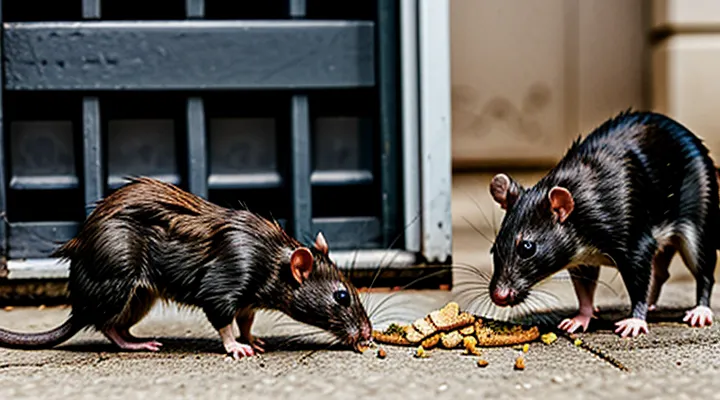
Why Proper Nutrition Matters for Rats
Impact on Health and Lifespan
Feeding frequency and diet composition directly influence rodent physiological systems, thereby affecting overall health and lifespan. Regular, appropriately timed meals maintain stable blood glucose levels, reduce stress‑induced hormonal spikes, and support efficient nutrient absorption. Inconsistent or excessive feeding leads to rapid weight gain, insulin resistance, and heightened susceptibility to metabolic disorders such as diabetes and fatty liver disease.
Key health outcomes linked to feeding schedules include:
- Body condition: Consistent portions prevent obesity and preserve lean muscle mass, which correlates with longer survival rates.
- Cardiovascular function: Stable intake reduces cholesterol fluctuations, lowering the risk of atherosclerotic changes.
- Immune competence: Balanced feeding supports optimal white‑blood‑cell activity, enhancing resistance to infections.
- Reproductive performance: Adequate nutrition sustains normal estrous cycles and litter size, contributing to generational health.
- Longevity markers: Studies show that rats on controlled feeding regimens exhibit delayed onset of age‑related pathologies and extended median lifespan.
Nutrient quality remains as critical as feeding intervals. Diets rich in protein, essential fatty acids, vitamins, and minerals provide the building blocks for tissue repair and cellular maintenance. Deficiencies accelerate degenerative processes, shortening life expectancy. Conversely, diets high in refined sugars and saturated fats accelerate oxidative stress, compromising organ function.
Optimal practice combines moderate meal frequency—typically two to three evenly spaced feedings per day—with a nutritionally complete, low‑glycemic formulation. This approach stabilizes metabolic parameters, preserves organ health, and maximizes the natural lifespan potential of laboratory and pet rats alike.
Preventing Common Ailments
Feeding rats at consistent intervals supports digestive health and reduces stress‑related illnesses. Offer fresh food twice daily; a morning portion and an evening portion ensure stable blood‑sugar levels and prevent overeating.
Select a balanced diet that includes:
- Commercial rodent pellets formulated with appropriate protein, fat, and fiber ratios.
- Fresh vegetables such as broccoli, carrots, and leafy greens, introduced gradually to avoid gastrointestinal upset.
- Limited fruit treats, provided in small pieces no more than twice a week to limit sugar spikes.
- Clean water available at all times; replace daily to prevent bacterial growth.
Prevent respiratory problems by avoiding moist, stale food that encourages mold. Remove uneaten portions within four hours; discard any food that has become damp or discolored.
Maintain dental health through high‑fiber ingredients. Hard pellets and raw vegetables create natural wear on incisors, reducing the risk of overgrowth and associated mouth injuries.
Control parasites by rotating protein sources and monitoring for signs of infestation. Regularly inspect bedding and replace it weekly; use dust‑free, absorbent material to limit skin irritation and respiratory irritation.
Implement a routine health check after each feeding cycle. Observe stool consistency, activity level, and coat condition; early detection of abnormalities allows prompt veterinary intervention, limiting the spread of common ailments.
Frequency of Feeding
Adult Rats: Daily Regimen
Adult rats require a consistent daily feeding schedule to maintain optimal health. Provide fresh food at the same time each day, preferably in the early evening when the animals are most active. Offer the meal once per day; multiple small offerings can lead to overeating and waste.
- Base diet: Commercial rodent pellets formulated for adult rats, 20 g per 200 g body weight. Adjust quantity according to individual weight and activity level.
- Fresh produce: Up to 10 % of total intake, divided among leafy greens (e.g., romaine lettuce, kale), carrots, bell peppers, and occasional fruit (e.g., apple slices, berries). Remove uneaten portions after two hours to prevent spoilage.
- Protein supplement: Small portions of cooked eggs, plain tofu, or low‑fat cheese, not exceeding 5 % of the diet.
- Treats: Limit to 2–3 % of total calories; use nuts, seeds, or commercial rat treats sparingly.
Water must be available at all times in a clean bottle or bowl. Replace daily and inspect for contamination.
Monitor body condition weekly. Adjust pellet quantity if weight deviates by more than 5 % from the target range. Replace spoiled food immediately. Consistent timing, balanced composition, and regular observation ensure a stable nutritional regimen for adult rats.
Young Rats and Pregnant/Nursing Does: Special Considerations
Young rats require frequent meals because their rapid growth and high metabolic rate demand a steady supply of nutrients. Offer fresh food three to four times daily, dividing the daily ration into equal portions. Monitor body condition; a slight increase in weight each week indicates adequate intake.
Pregnant and nursing females need adjustments to both quantity and timing of feedings. Their energy requirements rise by approximately 30 % during gestation and up to 50 % while lactating. Provide the following:
- Increased protein: raise the protein content of the diet to 18–20 % of calories.
- Higher fat level: add a modest amount of healthy fats (e.g., sunflower seeds) to meet extra caloric needs.
- More frequent access: ensure continuous availability of food, allowing the doe to eat small amounts whenever she feels hungry.
- Supplemental calcium: supply a calcium-rich source such as a mineral block or fortified pellets to support fetal bone development and milk production.
Water must be accessible at all times; pregnant and nursing rats consume significantly more fluid. Check dispensers daily to prevent contamination.
During the first two weeks of gestation, maintain the standard feeding frequency for young rats but gradually increase portion size. From the third week onward, shift to the higher‑calorie regimen described above. After delivery, continue elevated feeding for the entire lactation period, then taper back to normal adult levels over one to two weeks as the litter weans.
Regularly assess body condition scores and adjust portions accordingly. Sudden weight loss, lethargy, or over‑conditioning signal the need for dietary modification.
Frequent Small Meals for Kits
Feeding juvenile rats requires multiple, modest portions throughout the day. Their high metabolic rate and rapid growth demand a steady supply of nutrients, which is best achieved by offering food every 2–3 hours while they are awake. A typical schedule includes 6–8 feedings during a 12‑hour active period, with each serving consisting of 5–10 % of the expected daily caloric intake.
Key considerations for each meal:
- Protein content of 18–22 % of total calories, sourced from high‑quality rodent chow or specialized kit formula.
- Fat level of 5–8 % to support brain development and energy needs.
- Carbohydrates providing the remaining calories, preferably from digestible grains and vegetables.
- Fresh water available at all times; replace it after each feeding to prevent contamination.
Monitor body weight and coat condition daily. If weight gain falls below 2 g per week, increase portion size by 10 % or add an extra feeding. Conversely, signs of obesity—excess fat deposits or lethargy—warrant reduction of each meal by 5–10 % and possible consolidation to fewer feedings as the rats mature.
Transition to adult feeding patterns should begin at 4–5 weeks of age. Reduce the number of daily meals gradually, aiming for three balanced portions by week 6. Maintain protein and fat ratios while adjusting total caloric volume to match the declining growth rate.
Increased Energy Needs for Breeding Females
Breeding female rats experience a marked rise in metabolic rate during gestation and lactation. Energy expenditure can increase by 30‑40 % compared with non‑reproductive adults, necessitating adjustments in daily caloric intake.
Caloric provision should rise gradually:
- Early gestation: add 5 % of the standard adult ration.
- Mid‑gestation: increase to 10‑15 % above baseline.
- Late gestation and lactation: provide 20‑30 % more calories, with a focus on high‑quality fats and complex carbohydrates.
Protein requirements follow a similar pattern. Adult rats typically receive 14‑16 % protein of the diet; breeding females need 18‑20 % during late gestation and up to 22 % while nursing. Adequate amino acid profiles support fetal tissue development and milk synthesis.
Key micronutrients must be supplied in elevated amounts:
- Calcium and phosphorus: maintain a 1.5 : 1 ratio, with total calcium at 1.2‑1.5 % of diet.
- Vitamin E: increase to 150 IU kg⁻¹ feed to protect cell membranes under oxidative stress.
- B‑complex vitamins: ensure sufficient riboflavin and folic acid to facilitate rapid cell division.
Water intake should be unrestricted; lactating females can consume up to twice the volume of non‑reproductive counterparts. Monitoring body condition score and litter growth provides practical feedback for fine‑tuning feed amounts.
When implementing these adjustments, maintain a consistent feeding schedule. Offer the increased ration in two equal portions spaced 12 hours apart to promote steady nutrient absorption and reduce competition among cage mates.
Monitoring Food Intake and Behavior
Accurate assessment of how much and how often rats consume food is essential for maintaining optimal health and for reliable experimental outcomes. Direct observation of feeding patterns, combined with quantitative measurements, provides the data needed to adjust schedules and diet composition.
First, establish a baseline by weighing the amount of food offered and the leftovers after a defined period, typically 24 hours. Record the net intake for each cage, noting any spillage or hoarding. Repeat this process for several days to capture natural fluctuations.
Second, monitor behavioral indicators that reveal changes in appetite or metabolic status:
- Increased activity around the feeder or rapid consumption suggests possible over‑feeding or palatable diet.
- Prolonged inactivity near the food source, frequent nibbling, or refusal to eat indicates under‑nutrition or health issues.
- Aggressive competition among cage mates may distort individual intake measurements; separate housing or timed access can mitigate this.
Third, maintain a log that includes date, cage identifier, offered weight, residual weight, calculated intake, and observed behaviors. Use the log to correlate intake data with weight changes, coat condition, and any experimental variables.
Finally, adjust feeding frequency based on the compiled information. If intake consistently exceeds the target range, reduce portion size or increase feeding intervals. If intake falls below expected levels, consider more frequent offerings or a diet richer in essential nutrients. Continuous monitoring ensures that feeding regimens remain aligned with the physiological needs of the animals.
What to Feed Rats: Essential Diet Components
Commercial Rat Pellets: The Foundation
Commercial rat pellets deliver a balanced blend of protein, fiber, fat, vitamins, and minerals in a single, calibrated formula. The uniform composition eliminates the guesswork associated with mixing separate ingredients, allowing caretakers to meet the species‑specific dietary requirements with minimal variation.
Because the nutrient ratios are pre‑tested, pellets support stable body weight and organ health regardless of the rat’s age or activity level. The high digestibility of the protein sources reduces waste, while the fiber content promotes gastrointestinal motility and dental wear, both critical for long‑term wellbeing.
Feeding frequency guidelines rely on the predictability of pellet portions. When pellets constitute the majority of the diet, a measured amount can be offered once or twice daily, with adjustments based on observed body condition. This approach simplifies schedule planning and reduces the risk of over‑ or under‑feeding.
Key attributes of quality commercial pellets:
- Complete amino‑acid profile meeting laboratory‑rat standards
- Inclusion of omega‑3 and omega‑6 fatty acids for neural development
- Fortification with vitamin A, D3, E, and B‑complex to prevent deficiencies
- Low moisture content to inhibit mold growth and extend shelf life
- Certified ingredient sourcing to avoid contaminants such as heavy metals
Adhering to these standards ensures that the pellet base remains the most reliable component of a rat’s nutrition program, forming the cornerstone for any supplemental treats or fresh foods introduced later.
Choosing High-Quality Brands
Selecting reputable rat food brands directly influences the health outcomes of a regular feeding regimen. Reliable manufacturers provide consistent nutrient profiles, avoid harmful contaminants, and adhere to established rodent dietary standards.
Key criteria for evaluating brands include:
- Ingredient transparency: full disclosure of protein sources, fiber content, and added vitamins.
- Nutrient balance: protein levels between 14‑20 % for adult rats, appropriate fat (4‑6 %) and fiber (5‑7 %) percentages.
- Absence of fillers: no excessive grain, soy, or artificial colors that can provoke digestive issues.
- Quality certifications: compliance with AAFCO or equivalent rodent nutrition guidelines.
- Shelf‑life stability: packaging that protects against moisture and oxidation.
When comparing products, prioritize those formulated specifically for rats rather than generic small‑animal mixes. Verify that the manufacturer conducts third‑party testing and publishes batch analysis results. Opt for foods with a narrow ingredient list, emphasizing animal‑derived proteins and natural fiber sources such as beet pulp or wheat bran.
Consistent use of a high‑quality brand simplifies feeding frequency decisions, allowing a predictable portion size to meet daily caloric needs without supplemental adjustments. Regularly rotate to a single trusted formula prevents nutritional gaps and supports stable weight management across the rat’s lifespan.
Avoiding Seed Mixes
Seed mixes may appear convenient, yet they provide an unbalanced diet for rats. Their composition typically emphasizes grains and oilseeds, which supply excess carbohydrates and fats while delivering insufficient protein, calcium, and essential micronutrients.
Nutritional deficiencies arise because most seed blends lack the amino‑acid profile required for rapid growth and tissue repair. Calcium‑to‑phosphorus ratios are often skewed toward phosphorus, increasing the risk of skeletal problems. Vitamins such as A, D, and B‑complex are present only in trace amounts, leaving rats dependent on supplemental sources.
Health concerns extend beyond nutrient gaps. Seeds stored in bulk are prone to mold development; aflatoxins produced by contaminated fungi can cause liver damage. Large seeds pose choking hazards and may contribute to dental wear if not sufficiently abrasive. High‑fat content can accelerate obesity, especially when rats receive additional treats.
To maintain optimal nutrition, prioritize a base of high‑quality formulated rat pellets. Complement the pellets with:
- Fresh leafy greens (e.g., kale, romaine, spinach) for vitamins and fiber
- Small portions of vegetables rich in vitamin C (bell peppers, broccoli)
- Occasional fruit slices (apple, banana) for variety, limited to 10 % of daily intake
- Limited whole‑grain cereals or nuts as treat items, not as staple
Eliminate seed mixes by removing them from the enclosure, storing them in airtight containers, and substituting the listed alternatives. Regularly monitor body condition and adjust portions to match the feeding schedule recommended for adult and juvenile rats.
Fresh Fruits and Vegetables: Healthy Supplements
Fresh fruits and vegetables provide essential vitamins, minerals, and fiber that complement a rat’s staple diet of high‑quality pellets and occasional protein treats. Introducing these plant foods expands nutrient diversity and supports digestive health.
Suitable items include:
- Apples (core removed, no seeds) – ¼ slice per rat
- Blueberries – 1–2 berries
- Carrots – a thin match‑stick
- Bell peppers – a small cube
- Leafy greens (kale, romaine, spinach) – a few shredded leaves
- Zucchini – a thin slice
- Cucumber – a small chunk
- Broccoli florets – a tiny piece
Portion sizes should not exceed 10 % of the total daily intake. Offer fresh produce two to three times per week, rotating varieties to prevent monotony and reduce the risk of nutrient imbalances.
Preparation guidelines:
- Wash thoroughly under running water to remove pesticide residues.
- Remove pits, seeds, and stems that contain toxic compounds.
- Cut into bite‑size pieces appropriate for the rat’s mouth.
- Serve at room temperature; discard any uneaten portions after 30 minutes to prevent spoilage.
Monitor the rat’s stool for changes in consistency, which may indicate intolerance. Adjust the selection or frequency if soft stools or diarrhea appear. Regular inclusion of safe, fresh fruits and vegetables enhances overall nutrition while maintaining a balanced diet.
Safe Options and Portion Sizes
Rats thrive on a diet that balances commercial pellets with fresh, safe foods. Commercially formulated rodent blocks should form the foundation because they provide consistent protein, vitamins, and minerals. Offer a block sized for the animal’s weight, typically 1 g per 100 g of body mass, and replace it every few days to prevent spoilage.
Complement the base diet with fresh items that are non‑toxic and low in fat. Safe options include:
- Cooked, unseasoned chicken or turkey, shredded into ½‑inch pieces.
- Fresh vegetables such as carrots, broccoli, bell pepper, and cucumber, diced no larger than ¼ inch.
- Fruits like apple (seedless), banana, and berries, limited to a few small cubes per serving.
- Whole‑grain pasta or rice, cooked plain and cooled.
- Small amounts of plain, low‑fat yogurt for probiotic benefit.
Portion sizes should reflect the rat’s size and activity level. A typical adult rat (200‑300 g) requires:
- 1 – 2 g of high‑quality pellets per day.
- ½ – 1 g of each fresh vegetable or fruit, divided into two feedings.
- Up to 2 g of protein source (cooked meat or boiled egg) per day, split between morning and evening.
Juice, sugary treats, and foods high in sodium, caffeine, or citrus are unsafe and must be excluded. Always wash fresh produce thoroughly, remove seeds, pits, and skins that could cause choking, and monitor for signs of digestive upset after introducing new items. Adjust quantities if the rat gains or loses weight rapidly, and consult a veterinarian experienced with rodents for individualized guidance.
Foods to Avoid
Rats thrive on a diet that supplies adequate protein, fiber, and essential vitamins; however, several common foods can compromise health and should never be included in their meals.
- Processed meats (e.g., ham, bacon, deli slices) – high in sodium and preservatives, leading to kidney strain and digestive upset.
- Citrus fruits and juices – acidic content irritates the gastrointestinal lining and can cause ulceration.
- Chocolate and caffeine‑containing products – contain theobromine and caffeine, both toxic to rodents, resulting in cardiac arrhythmia and seizures.
- Raw beans, especially kidney beans – contain lectins that interfere with nutrient absorption and can be lethal if ingested uncooked.
- High‑fat snacks (e.g., potato chips, fried foods) – promote obesity, hepatic lipidosis, and cardiovascular disease.
- Sugary treats (candies, soda) – cause rapid blood‑glucose spikes, dental decay, and predispose to diabetes.
- Salt‑laden foods (pretzels, salted nuts) – excess sodium leads to dehydration, hypertension, and renal failure.
- Dairy products (milk, cheese) – many rats lack lactase, resulting in diarrhea and gastrointestinal distress.
These items introduce toxins, excessive calories, or nutritional imbalances that overwhelm the rat’s digestive and metabolic systems. Consistent avoidance protects organ function, maintains stable body weight, and supports longevity.
Protein Sources: Moderation is Key
Protein constitutes a vital portion of a rat’s diet, yet excessive intake can lead to obesity, kidney strain, and reduced lifespan. Recommended protein levels range from 14 % to 18 % of total caloric intake for adult laboratory and pet rats; breeding or growing individuals may require up to 20 % during peak development phases. Adjust the proportion according to age, activity level, and health status, keeping the overall diet balanced with carbohydrates, fats, fiber, and micronutrients.
Common protein sources suitable for rodents include:
- Commercial rodent pellets formulated to meet precise protein specifications.
- Cooked lean poultry (chicken, turkey) without skin or seasoning.
- Low‑fat dairy products such as plain yogurt or cottage cheese in limited quantities.
- Boiled eggs, offering high‑quality amino acids, provided the yolk is moderated.
- Plant‑based options like soybeans, lentils, and peas, introduced gradually to avoid digestive upset.
Avoid feeding rats raw meat, processed meats, or high‑fat animal products, as these increase the risk of bacterial contamination and excess saturated fat. Treats rich in protein—such as nuts, cheese, or jerky—should be offered sparingly, not exceeding 5 % of daily caloric intake.
Monitoring body condition scores and weight trends enables early detection of protein‑related issues. If a rat displays rapid weight gain, reduced activity, or urinary abnormalities, reduce protein content and consult a veterinarian experienced in rodent nutrition. Consistent, moderate protein provision supports growth, reproduction, and overall health without compromising metabolic balance.
Cooked Meats and Eggs
Cooked meats and eggs provide high‑quality protein and essential amino acids for pet rats, but they must be offered in controlled amounts to avoid nutritional imbalance.
- Small pieces of lean cooked chicken, turkey, or lean beef (no skin, bone, or fat) can be given 2–3 times per week.
- Hard‑boiled or scrambled eggs, without added salt or oil, are suitable 1–2 times per week.
- Each serving should not exceed ½ teaspoon (≈2 g) for a standard adult rat; younger or smaller rats require half that amount.
Preparation guidelines:
- Cook meat thoroughly; avoid seasonings, sauces, and processed products such as deli meats or sausages.
- Boil or poach eggs; do not fry with butter or oil.
- Cool food to room temperature before presentation.
- Store leftovers in airtight containers in the refrigerator for no more than 24 hours; discard any food that develops odor or discoloration.
Monitoring and risks:
- Observe rats for signs of digestive upset—soft stools, reduced activity, or loss of appetite—after introducing new protein sources.
- Limit frequency to prevent excess caloric intake, which can lead to obesity and liver strain.
- Ensure a balanced diet by maintaining a staple of high‑fiber pellets and fresh vegetables alongside occasional protein treats.
Legumes and Tofu
Legumes and tofu can enrich a rat’s diet with protein, fiber, and essential micronutrients when incorporated correctly. Cooked beans, lentils, and split peas supply digestible protein and complex carbohydrates, while tofu offers a low‑fat, high‑quality plant protein source. Both foods contribute calcium, iron, and B‑vitamins that support skeletal health and metabolic function.
When adding legumes, serve them plain, thoroughly cooked, and cooled to room temperature. Limit portions to 5–10 % of the total daily food intake, roughly one teaspoon per 100 g of body weight. For tofu, provide a similarly modest amount, no more than a quarter of a standard commercial rat block per day. Overuse may lead to excess phosphorus or gas production, which can disrupt gut balance.
Recommended inclusion schedule:
- Monday, Wednesday, Friday: 5 g cooked legumes (e.g., lentils) per rat.
- Tuesday, Thursday, Saturday: 5 g tofu, crumbled, per rat.
- Sunday: omit legumes and tofu to maintain dietary variety.
Monitor rats for changes in stool consistency, appetite, or weight. Adjust quantities if signs of digestive upset appear, and ensure fresh water is always available. Integrating legumes and tofu as described supports balanced nutrition without displacing the primary grain‑based diet.
Occasional Treats: In Moderation
Rats thrive on a diet that is primarily composed of high‑quality pellet or mash formulations, which provide balanced protein, fat, fiber, vitamins, and minerals. Treats should complement, not replace, this foundation.
Treats are appropriate when offered sparingly. A single small piece—approximately the size of a pea—once or twice a week is sufficient for most adult rats. Over‑treating can lead to obesity, dental problems, and nutrient imbalances.
Key considerations for occasional treats:
- Portion control: Limit each treat to 5 % of the daily caloric intake.
- Frequency: Offer treats no more than two times per week.
- Nutrient content: Choose low‑sugar, low‑fat items; avoid processed human snacks with added salts or artificial flavors.
- Safety: Ensure treats are free from toxins (e.g., chocolate, caffeine, onion, garlic) and are fresh to prevent mold growth.
- Variety: Rotate options such as small pieces of fresh fruit (apple, banana), vegetables (carrot, broccoli), or plain unsalted nuts to provide sensory enrichment without excess calories.
Monitoring body condition scores weekly will reveal whether treat frequency needs adjustment. If a rat shows weight gain or reduced activity, reduce or eliminate treats until the baseline diet restores a healthy weight.
Healthy Snack Ideas
Rats thrive on a diet that combines a staple of high‑quality rodent pellets with occasional fresh foods. Snacks should complement the base diet, provide enrichment, and avoid excess calories or harmful substances.
A well‑balanced snack selection includes:
- Small pieces of fresh vegetables such as carrot, broccoli, kale, and bell pepper; limit to 1‑2 cm cubes per snack.
- Fresh fruit in moderation—apple (seedless), blueberries, and banana; offer no more than a few bite‑size bits to prevent sugar spikes.
- Cooked lean protein, for example, shredded chicken or boiled egg white; keep portions under 0.5 g per serving.
- Whole‑grain options like unsweetened oatmeal or a tiny crumble of whole‑wheat bread; provide no more than a pinch.
- Safe nuts and seeds—unsalted pumpkin seeds or sunflower kernels; restrict to a few fragments due to high fat content.
When introducing a new snack, present a single piece and observe for 24 hours. Acceptable responses include normal activity and regular feces; signs of diarrhea, lethargy, or loss of appetite require immediate removal.
Snack frequency should align with the overall feeding schedule. Provide treats two to three times per week, spaced evenly between regular meals. This cadence maintains nutritional balance while delivering mental stimulation.
Always ensure that snacks are free of added salt, sugar, spices, or artificial sweeteners. Remove any uneaten portions within an hour to prevent spoilage and bacterial growth. Regular veterinary check‑ups will confirm that the snack regimen supports optimal health and weight management for pet rats.
Unhealthy Foods to Limit or Exclude
Rats require a diet that mirrors their natural omnivorous habits while avoiding items that compromise health. Certain foods should be limited or removed entirely because they introduce excessive sugars, unhealthy fats, or toxic substances that can lead to obesity, gastrointestinal distress, dental problems, or organ damage.
- Sugary treats (candies, pastries, sweetened cereals) – high caloric density, rapid blood‑glucose spikes.
- Processed snacks (chips, crackers, cheese puffs) – contain trans‑fat, excessive salt, artificial additives.
- Chocolate and cocoa products – contain theobromine, toxic to rodents.
- Caffeine‑containing items (coffee, tea, energy drinks) – stimulate nervous system, cause cardiac stress.
- Raw beans and legumes – contain lectins and phytohemagglutinin, irritate the intestinal lining.
- Dairy products (milk, cheese) – many rats lack lactase, leading to diarrhea and bloating.
- Citrus fruits in large quantities – high acidity can erode enamel and upset stomach.
- Artificial sweeteners (aspartame, sucralose) – may interfere with gut microbiota and cause metabolic imbalance.
- Fatty meats with visible skin or excess grease – predispose to hepatic lipidosis and obesity.
Eliminating these items from a rat’s daily menu supports stable body weight, maintains digestive integrity, and reduces the risk of chronic disease. A balanced regimen should focus on high‑quality rodent pellets, fresh vegetables, limited fruits, and occasional lean protein sources.
Hydration: A Crucial Element
Water Bottles vs. Bowls
Providing clean water is a non‑negotiable element of any rat‑care plan. Hydration affects digestion, kidney function, and overall vitality, so the delivery system must match the animals’ habits and the enclosure design.
Water bottles consist of a sealed reservoir with a sipper tube. Plastic or glass models resist leakage, limit bacterial growth, and keep water available even when bedding shifts. The tube discourages spillage, preserving cage cleanliness. Regular inspection of the tube for blockage prevents dehydration.
Water bowls sit openly on the cage floor. Stainless steel or ceramic surfaces endure chewing and resist rust. Bowls allow rats to drink naturally, which can reduce stress for shy individuals. However, bedding absorbs moisture, fostering mold if not emptied daily. Bowls also increase the risk of contamination from food particles.
- Leak control: bottles > bowls
- Ease of cleaning: bowls > bottles (remove and wash)
- Chewing resistance: stainless steel bowls ≈ glass bottles; plastic bottles may crack
- Stress reduction: bowls > bottles for timid rats
- Space consumption: bottles occupy vertical space; bowls use floor area
Choose a bottle for long‑term setups where spill control and minimal maintenance are priorities. Opt for a bowl when rats display hesitation with sipper tubes, when the cage has a solid bottom that prevents bedding saturation, or when frequent cleaning is feasible. In mixed environments, providing both options lets each rat select its preferred method, ensuring consistent water intake.
Maintaining Clean Water Supply
Clean water is a non‑negotiable component of any rat nutrition plan. Dehydration reduces feed intake, impairs digestion, and accelerates disease progression, making water quality as vital as food timing.
- Replace water daily with fresh, filtered supply.
- Use a stainless‑steel or heavy‑glass bottle to prevent gnawing and contamination.
- Clean the dispenser each day with mild detergent, rinse thoroughly, and sanitize weekly with a 1 % diluted bleach solution.
- Inspect for cracks, biofilm, or debris before each refill; discard any water that appears cloudy or odorous.
- Store spare bottles in a cool, dark cabinet to avoid bacterial growth.
Monitor consumption by measuring volume before and after a 24‑hour period. A sudden drop signals possible illness, leakage, or water spoilage and requires immediate investigation. Adjust the schedule of changes and cleaning based on observed usage patterns to maintain a consistently safe water source.
Special Dietary Considerations
Senior Rats
Senior rats, typically older than 18 months, experience slower metabolism, reduced activity, and a higher risk of dental wear and organ decline. These physiological changes require adjustments in feeding routine to maintain optimal body condition and prevent obesity or malnutrition.
Feeding frequency should shift from twice‑daily portions in younger animals to a single, measured meal each day. Providing food at a consistent time supports circadian rhythm and simplifies monitoring of intake. If a senior rat shows decreased appetite, split the daily ration into two smaller feedings spaced several hours apart, but return to the single‑meal schedule once consumption stabilizes.
Nutritional composition for aging rodents must emphasize:
- Protein: 18–20 % of calories, sourced from high‑quality animal or soy protein, to preserve lean muscle.
- Fiber: 4–6 % of diet, using purified cellulose or beet pulp, to aid gastrointestinal transit and dental health.
- Fat: 5–7 % of calories, focusing on essential fatty acids (omega‑3 and omega‑6) for coat quality and immune function.
- Calcium‑phosphorus ratio: approximately 1.2:1, reducing the risk of renal calculi.
- Reduced calories: 10–15 % fewer than the intake of a healthy adult, preventing excess weight gain.
Water must be available at all times, preferably in a bottle to keep it clean. Regularly weigh senior rats and record body condition scores; a loss of more than 5 % body weight within a week warrants veterinary evaluation. Observe for signs such as hair loss, lethargy, or changes in fecal consistency, which may indicate dietary inadequacy or underlying disease. Adjust portions promptly based on these observations to ensure sustained health in the later stages of life.
Rats with Health Conditions
Rats with medical conditions require feeding schedules that reflect disease‑specific metabolic demands, digestive tolerance, and medication timing. Adjustments prevent exacerbation of symptoms and support recovery.
- Offer smaller, more frequent meals (4–6 times daily) for diabetic or hypoglycemic rats to stabilize blood glucose.
- Provide low‑fat, high‑fiber diets for obese individuals; limit treats and calculate calories to 10–12 kcal per 100 g of body weight.
- Use reduced‑protein, low‑phosphorus formulas for renal disease; supplement with omega‑3 fatty acids to mitigate inflammation.
- For gastrointestinal disorders, feed easily digestible, moist foods (soft pellets, soaked kibble) at regular intervals to maintain gut motility.
- Rats undergoing chemotherapy or on oral medications should receive meals spaced 30–60 minutes before or after dosing to avoid drug‑food interactions.
Monitor body condition score, weight, and water intake daily; record any changes in appetite or stool consistency. Veterinary assessment is essential when adjusting diet composition, especially for endocrine, renal, or gastrointestinal pathologies. Immediate dietary modification is warranted if weight loss exceeds 5 % of body mass within a week or if signs of dehydration appear.
Introducing New Foods
Introducing novel foods expands a rat’s palate, supplies additional micronutrients, and reduces boredom. Successful integration depends on gradual exposure and careful observation.
Begin with a single, small portion of the new item mixed into the regular diet. Offer it once per day for three consecutive days while maintaining the usual feeding schedule. Record any changes in appetite, stool consistency, or behavior. If the rat accepts the food without adverse effects, increase the portion slightly and continue monitoring for another three‑day period. Should any signs of digestive upset appear, discontinue the item and revert to the established diet before attempting reintroduction after a two‑week interval.
Timing of new food introduction should align with routine feeding times to avoid confusion. Provide the novel item during the morning meal, when rats are most active, and ensure that the regular feed remains available. Limit the total amount of new food to no more than 10 % of the daily caloric intake until full acceptance is confirmed.
Safe introduction protocol
- Select fresh, pesticide‑free produce or a reputable commercial treat.
- Offer 1–2 g (approximately ¼ teaspoon) mixed with standard feed.
- Observe for 72 hours; note intake and health indicators.
- If tolerated, increase to 2–3 g for another 72 hours.
- Maintain the new food at ≤10 % of total diet once fully incorporated.
Consistent monitoring and incremental adjustments ensure that novel foods enhance nutrition without compromising health.
Common Feeding Mistakes to Avoid
Overfeeding and Underfeeding
Overfeeding rats leads to rapid weight gain, fatty liver, and reduced lifespan. Excess calories overwhelm the digestive system, causing diarrhea and increased susceptibility to respiratory infections. Persistent obesity strains joints and impairs mobility, making breeding and cage activities difficult.
Underfeeding produces the opposite set of problems. Insufficient energy results in stunted growth, loss of muscle mass, and weakened immune response. Rats deprived of essential nutrients develop skeletal deformities, poor coat condition, and diminished reproductive performance. Chronic caloric deficit also triggers stress‑related behaviors such as excessive grooming and aggression.
Balancing intake requires monitoring body condition score and adjusting portion size accordingly.
- If a rat appears glossy, rounded, and easily feels a thick layer of fat, reduce daily ration by 5‑10 %.
- If the spine and hips are easily felt and the animal shows lethargy, increase calories with a small supplement of high‑protein pellets or a few fresh vegetables.
Regular weighing (once a week for juveniles, biweekly for adults) provides quantitative data to prevent both extremes. Adjustments should be made gradually; sudden changes can shock metabolism and exacerbate health issues.
Consistent feeding schedules, combined with accurate portion control, minimize the risk of over‑ or undernutrition and support optimal growth, reproduction, and longevity.
Inconsistent Feeding Schedules
Inconsistent feeding schedules disrupt the metabolic balance of pet rats. When meals occur at irregular intervals, glucose regulation fluctuates, leading to periods of hypoglycemia followed by rapid spikes after food is offered. These swings stress the liver and pancreas, increasing the risk of metabolic disorders.
Irregular timing also affects digestive efficiency. Rats rely on predictable gut motility; unexpected meals delay gastric emptying and alter the composition of intestinal flora. Over time, this can result in reduced nutrient absorption and occasional bouts of diarrhea.
Behaviorally, rats develop anxiety when food availability is unpredictable. They may exhibit heightened foraging activity, hoarding behavior, or aggression toward cage mates during brief feeding windows. Such stress compromises immune function and can shorten lifespan.
To maintain stable nutrition, follow these practices:
- Provide meals at the same times each day, ideally two to three intervals spaced evenly over 24 hours.
- Use measured portions to ensure consistent caloric intake.
- Keep fresh water available at all times and replace it daily.
- Record feeding times in a log to detect accidental deviations.
Consistency in meal timing supports metabolic health, digestive stability, and overall well‑being for laboratory and companion rats alike.
Lack of Dietary Variety
Rats require a range of nutrients that cannot be supplied by a single food type. A monotonous diet limits access to essential vitamins, minerals, and phytonutrients, leading to deficiencies that affect growth, immune function, and reproductive health.
Repeated exposure to the same feed reduces interest in eating, causing lower overall intake and weight loss. Nutrient gaps appear most often in vitamin C, calcium, and omega‑3 fatty acids, which are scarce in standard grain‑based pellets.
To preserve a regular feeding schedule while expanding dietary breadth, introduce a rotating selection of fresh items. Each day, add 1–2 percent of the total ration in the following categories:
- Leafy greens (e.g., kale, romaine, dandelion leaves)
- Colorful vegetables (e.g., bell pepper, carrot, broccoli)
- Fruits with low sugar content (e.g., apple slice, berries)
- Protein sources (e.g., boiled egg, cooked chicken, mealworms)
Limit treats to no more than 5 percent of daily calories to avoid obesity. Replace the added items on a weekly basis to prevent habituation and maintain appetite. Monitoring body condition and adjusting portions ensures that the rat receives adequate calories while benefiting from a diverse nutrient profile.
Monitoring Your Rat's Weight and Body Condition
Recognizing Healthy Weight
Assessing a rat’s weight is essential for effective feeding schedules and nutritional planning. A rat that maintains a healthy body condition exhibits a smooth, rounded silhouette without pronounced bony protrusions. The spine should be barely visible when the animal is viewed from the side, and the ribs should be detectable only with gentle pressure, not prominently outlined.
Key indicators of appropriate weight include:
- Evenly distributed muscle over the shoulders and hindquarters.
- A firm, slightly rounded abdomen that does not sag excessively.
- Clear, but not sharp, definition of the waistline behind the forelimbs.
- Normal activity levels and willingness to explore, indicating adequate energy reserves.
Veterinarians and experienced breeders often employ a five‑point body condition score (BCS) to quantify these observations:
- Score 1: Emaciated; prominent ribs, spine, and pelvis.
- Score 2: Underweight; ribs easily felt, slight abdominal sag.
- Score 3: Ideal; ribs lightly palpable, waist discernible, abdomen rounded.
- Score 4: Overweight; ribs difficult to feel, waist less evident, slight fat deposits.
- Score 5: Obese; ribs not palpable, waist absent, marked fat accumulation.
Regular weighing with a calibrated scale provides numerical confirmation. For adult rats, a stable weight range typically falls between 250 g and 350 g, but strain, sex, and age modify this baseline. Sudden fluctuations exceeding 5 % of body mass within a week warrant dietary adjustment and health evaluation.
Monitoring these physical cues alongside consistent weighing enables precise feeding intervals, prevents under‑ or over‑nutrition, and supports long‑term wellbeing.
Signs of Underweight or Overweight Rats
Rats that receive inadequate or excessive nutrition display distinct physical and behavioral cues. Recognizing these indicators enables timely dietary adjustments and promotes optimal health.
- Prominent ribs or spine visible through thin fur
- Low body mass relative to age and breed standards
- Reduced muscle tone, especially along the hind limbs
- Lethargic movement, frequent resting in corners
- Poor coat condition, dull or brittle hair
Conversely, overweight rats exhibit opposite characteristics:
- Rounded abdomen that obscures the spine
- Excess fat deposits around the base of the tail and hindquarters
- Difficulty navigating narrow spaces or climbing
- Increased appetite leading to rapid weight gain
- Thick, greasy coat that may shed excessively
Monitoring weight trends against species‑specific growth charts, combined with regular health checks, ensures that feeding schedules remain appropriate and that nutritional plans address any deviations promptly.
Environmental Factors Influencing Feeding
Cage Setup and Food Placement
A well‑designed cage supports consistent feeding patterns and reduces waste. Choose a solid base with a non‑slipping surface; wire flooring can cause food spillage and allow rodents to drop pellets onto the cage floor. Incorporate a separate feeding area that is easy to clean, preferably a detachable tray or a raised platform that isolates food from bedding.
Place food in a location that remains stable and accessible. Secure the feeder to the cage wall or use a weighted dish to prevent tipping. Keep the feeder away from the water bottle to avoid contamination, and ensure the spot is free from excessive bedding or nesting material that could obscure the food. Rotate the feeder position only when cleaning the cage to maintain familiarity and reduce stress.
Key considerations for arranging the feeding zone:
- Use a feeder with a small opening that limits access to the pellets while allowing the rat to eat comfortably.
- Select a material that is chew‑resistant and easy to disinfect.
- Position the feeder at a height that matches the rat’s natural posture, typically on the cage floor or a low platform.
- Maintain a constant distance from the water source to prevent moisture buildup.
These setup practices create a predictable environment, enabling accurate monitoring of intake and supporting the recommended feeding schedule.
Social Dynamics and Food Competition
Rats establish clear dominance hierarchies that dictate priority at a feeding source. Dominant individuals typically consume the majority of a meal before subordinates gain access, leading to uneven nutrient intake when food is offered once daily.
Subordinate rats may delay eating until the dominant animal withdraws, reducing the effective feeding window. In groups where competition is intense, lower‑ranking members can experience chronic under‑nutrition despite regular food provision.
To mitigate competitive disparities, provide several feeding stations spaced throughout the enclosure. Offer food at least twice daily, allowing each rat multiple opportunities to eat before dominance patterns restrict access. Observe the group for signs of prolonged hunger, such as increased foraging or aggression near the feeder.
Practical steps:
- Install a minimum of one feeder per two rats.
- Schedule meals at consistent intervals, e.g., morning and early evening.
- Separate the most aggressive individuals during feeding if they monopolize resources.
- Record body weight weekly; adjust portion sizes if any rat shows weight loss.
Implementing these measures aligns feeding frequency with the social structure of rat colonies, ensuring balanced nutrition across all members.