
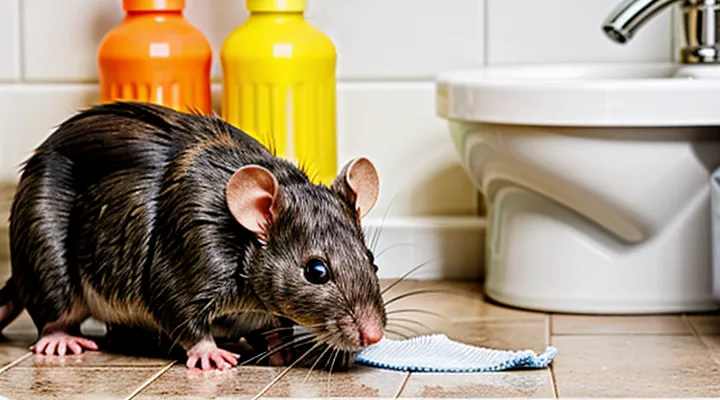
Understanding Rat Hygiene Needs
Why Rat Hygiene Matters
Health Benefits for Rats
Regular grooming and a consistent cleaning schedule directly influence rat health. Clean bedding removes waste, dust, and pathogens that can colonize the environment, reducing the risk of bacterial and fungal infections. Maintaining low humidity and eliminating odors prevents respiratory irritation and supports optimal lung function.
A clean habitat promotes skin integrity. Frequent removal of soiled material prevents moisture buildup, which can cause dermatitis and hair loss. By limiting exposure to contaminants, the immune system can allocate resources to growth and repair rather than constant defense.
Key health advantages include:
- Decreased incidence of respiratory diseases such as pneumonia and sinusitis.
- Lower prevalence of gastrointestinal upset caused by contaminated food or water sources.
- Enhanced coat condition, with reduced matting and fewer skin lesions.
- Extended lifespan due to reduced chronic stress and disease burden.
Implementing a structured cleaning routine—daily spot‑cleaning of waste, weekly full‑bedding replacement, and regular disinfection of cages and accessories—maximizes these benefits and ensures a stable, disease‑resistant environment for pet rats.
Preventing Odor and Disease Transmission
Regular removal of waste and prompt replacement of bedding are the most effective ways to limit both unpleasant smells and the spread of pathogens in a rat enclosure. Fresh bedding absorbs moisture, reduces ammonia buildup, and prevents bacterial growth.
- Spot‑clean droppings and urine daily.
- Change the entire substrate at least once a week, or more often if it becomes saturated.
- Wash the cage, water bottle, and food dish with hot, soapy water weekly; rinse thoroughly before returning them to the habitat.
- Ensure adequate ventilation by positioning the cage away from airtight corners and using a cage with perforated sides or a filtered air system.
Personal hygiene directly influences disease transmission. Wash hands with soap and water for at least 20 seconds after handling rats or cleaning the cage. Use disposable gloves when removing heavily soiled bedding, and disinfect any tools that have contacted waste.
Consistent application of these practices maintains a low‑odor environment and minimizes the risk of respiratory infections, gastrointestinal illnesses, and skin conditions in both rats and their caretakers.
Factors Influencing Cleaning Frequency
Rat Age and Health Status
Rats of different ages and health conditions require distinct cleaning schedules to maintain optimal hygiene and prevent disease.
Young rats (up to 4 weeks) have delicate skin and limited grooming ability. Their cages should be spot‑cleaned daily and fully changed every 2–3 days. Excessive moisture or harsh detergents can damage their epidermis, so use mild, unscented soap and rinse thoroughly.
Adult rats (4 weeks to 18 months) develop efficient self‑grooming. A full cage cleaning every 5–7 days suffices, with daily removal of soiled bedding and waste. Regular inspection for wounds or parasites remains essential.
Senior rats (18 months and older) often experience slower metabolism and reduced mobility, which can lead to odor buildup and skin issues. Increase full cleanings to every 3–4 days and monitor for signs of dermatitis or urinary problems.
Ill or immunocompromised rats (respiratory infection, skin disease, post‑surgery) demand heightened hygiene. Implement the following routine:
- Spot‑clean waste and wet areas twice daily.
- Replace all bedding and disinfect surfaces every 2 days.
- Use veterinarian‑approved antiseptic solutions; avoid alcohol‑based products that may irritate sensitive tissue.
- Separate the affected rat from healthy conspecifics during cleaning to limit pathogen spread.
Adjusting cleaning frequency to match the rat’s developmental stage and health status reduces stress, minimizes infection risk, and supports overall well‑being. Regular veterinary checks complement these practices by identifying emerging health concerns that may require further modifications to the cleaning regimen.
Enclosure Size and Type
Enclosure dimensions determine the amount of waste and debris that accumulate between cleaning sessions, directly influencing the required hygiene routine for pet rats. Larger floor space disperses droppings, reduces localized soiling, and extends the interval before a thorough clean is necessary.
- Minimum floor area per adult rat: 2 sq ft (≈0.19 m²).
- Minimum height for vertical activity: 12 in (≈30 cm).
- Additional 1 sq ft (≈0.09 m²) for each extra rat.
These figures provide a baseline; exceeding them improves air circulation and lowers bacterial load, allowing less frequent deep cleaning.
Cage construction material also affects sanitation. Solid plastic or glass enclosures prevent urine absorption, making spot‑cleaning straightforward and limiting odor buildup. Wire cages with adequate bar spacing (no more than ½ in) allow easy removal of waste but can trap droppings in the mesh, necessitating more regular full‑cage cleaning. Multi‑level habitats increase usable area without expanding floor footprint, yet each level must be accessible for removal of soiled bedding.
Choosing a spacious, non‑porous enclosure reduces the frequency of complete sanitization while maintaining a healthy environment. Proper size and material selection therefore support effective hygiene management for rats.
Number of Rats
The number of rats in a cage directly determines how often the enclosure must be cleaned. More animals generate greater waste, faster odor buildup, and higher pathogen risk, requiring shorter intervals between maintenance.
- 1‑2 rats: clean the cage every 3–4 days, replace bedding weekly.
- 3‑5 rats: clean the cage every 2–3 days, replace bedding every 5‑7 days.
- 6‑10 rats: clean the cage every 1–2 days, replace bedding every 4‑5 days.
- More than 10 rats: clean the cage daily, replace bedding every 3–4 days.
Increased occupancy accelerates ammonia formation from urine, which damages respiratory health. Regular removal of soiled bedding and spot cleaning of droppings reduce ammonia concentration to safe levels. Frequency adjustments should follow observed moisture, odor, and visible waste rather than a fixed calendar.
Implementing a cleaning routine includes:
- Removing all bedding and waste at each scheduled cleaning.
- Washing the cage with a mild, non‑toxic disinfectant, rinsing thoroughly.
- Drying the enclosure completely before adding fresh bedding.
- Spot‑cleaning high‑traffic areas daily to prevent rapid contamination between full cleanings.
Monitoring waste volume and odor intensity provides immediate feedback on whether the current schedule meets hygiene standards. Adjustments based on these observations keep the environment safe for all rats, regardless of colony size.
Diet and Waste Production
Rats generate waste in direct proportion to the composition and amount of their diet. A typical adult laboratory or pet rat consumes 5–7 g of food per day; this intake translates into approximately 1–1.5 g of feces and 0.5–0.8 ml of urine daily. Protein‑rich feeds increase nitrogenous waste, producing stronger ammonia odors, while high‑fiber diets accelerate gastrointestinal transit, resulting in larger, softer fecal pellets that are easier to remove.
Key dietary factors influencing cleaning frequency:
- Protein level: 18–22 % crude protein limits nitrogen excretion; excess protein raises ammonia concentration in bedding.
- Fiber content: 4–6 % crude fiber promotes regular bowel movements, reducing pellet hardness and facilitating removal.
- Moisture: Wet foods increase urine output; dry pellets keep moisture low, decreasing bedding saturation.
- Fat percentage: 5–8 % fat provides energy without markedly affecting waste volume.
Waste production dictates bedding turnover. Bedding that becomes saturated with urine and feces should be changed when moisture reaches 30 % of its weight or when ammonia levels exceed 10 ppm, conditions typically met after 2–3 days for high‑protein diets and after 4–5 days for high‑fiber, low‑protein regimens. Daily spot cleaning—removing soiled clumps and replacing them with fresh material—prevents odor buildup and reduces the risk of respiratory irritation.
In practice, a rat kept on a balanced diet (18 % protein, 5 % fiber) requires:
- Spot cleaning: Every 24 hours.
- Full bedding change: Every 3 days for standard wood shavings; every 4 days for absorbent paper bedding.
Adjustments are necessary when diet deviates from the recommended composition. Higher protein or increased moisture content shortens the interval, while a fiber‑rich, low‑protein regimen extends it. Monitoring waste consistency and bedding dampness provides a reliable metric for maintaining optimal hygiene without excessive cleaning.
Cleaning Protocol for Rat Enclosures
Daily Maintenance
Spot Cleaning Feces and Urine
Spot cleaning of rat waste is essential for maintaining a healthy enclosure and preventing odor buildup. Remove fresh droppings and urine immediately; delay allows ammonia to develop and bacterial colonies to multiply.
Procedure
- Wear disposable gloves to avoid direct contact with contaminants.
- Use a paper towel or disposable cloth to lift solid waste; discard in a sealed bag.
- Apply an enzymatic cleaner to the affected area; let it sit for the manufacturer‑specified dwell time to break down organic matter.
- Rinse with a small amount of warm water, then blot dry with a clean towel.
- Finish with a light spray of a pet‑safe disinfectant; allow the surface to air‑dry before re‑introducing the rats.
Frequency
- Daily inspection of the cage floor and hideouts; clean any visible waste within hours of detection.
- After each feeding session, check for spillage and remove promptly.
Materials
- Nitrile gloves, paper towels, enzymatic cleaner, pet‑safe disinfectant, bucket of warm water, clean cloths.
Safety considerations
- Avoid aerosolized disinfectants; apply with a cloth or low‑pressure spray.
- Ensure cleaners are free of harsh chemicals such as bleach, which can irritate the rats’ respiratory system.
Consistent spot cleaning eliminates sources of infection, reduces stress on the animals, and supports overall hygiene standards for rat care.
Refreshing Food and Water
Regular replacement of food and water is essential for maintaining rodent health and preventing bacterial growth. Stagnant water quickly becomes a breeding ground for pathogens, while uneaten food attracts mold and insects. Ensure that both resources are fresh and uncontaminated at all times.
- Change water daily; use a clean bottle or bowl each time.
- Rinse and sterilize water containers with hot, soapy water, then rinse thoroughly before refilling.
- Replace solid food every 24 hours; discard any leftovers that have been exposed for longer.
- Store dry food in airtight containers to protect against moisture and pests.
- Inspect feeding stations each morning for spills, droppings, or dampness; clean immediately if any are present.
Consistent adherence to these practices reduces the risk of gastrointestinal illness, supports proper digestion, and contributes to overall cleanliness in the cage environment.
Weekly Deep Cleaning
Removing All Bedding and Substrate
Removing all bedding and substrate eliminates accumulated urine, feces, and food debris that harbor bacteria, parasites, and odors. Complete turnover prevents microbial colonies from establishing deep within the material, reducing the risk of respiratory and skin infections.
A full bedding change should occur every 7–14 days for a single‑rat cage and every 5–10 days for multi‑rat setups. Shorten the interval if visible staining, strong odor, or excessive nesting material accumulation appears. Partial spot cleaning between full changes does not replace the need for total replacement.
Procedure for a thorough bedding replacement:
- Empty the cage, placing the rat in a secure carrier.
- Discard all old substrate into a sealed bag.
- Wash the cage interior with hot water and a rodent‑safe detergent; rinse thoroughly.
- Dry the cage completely to prevent mold growth.
- Add fresh, appropriate bedding in a depth of 2–3 cm, allowing space for nesting.
- Return the rat, monitor behavior for signs of stress or discomfort.
Regular full bedding removal, combined with routine spot cleaning, maintains optimal hygiene and supports long‑term health.
Disinfecting Enclosure Surfaces
Regular disinfection of a rat’s enclosure is a cornerstone of effective hygiene management. Surface pathogens multiply rapidly in moist bedding, food residues, and urine streaks; without periodic treatment, they can cause respiratory infections, skin irritations, and gastrointestinal distress.
Choose a disinfectant that is both potent against bacteria, viruses, and fungi and safe for small rodents. Acceptable options include:
- Diluted iodophor solution (1 % iodine) – effective, low toxicity when rinsed thoroughly.
- Veterinary‑grade quaternary ammonium compounds – broad‑spectrum, requires a 10‑minute contact time.
- Diluted hydrogen peroxide (3 %) – rapid action, must be fully evaporated before re‑introducing animals.
The disinfection cycle should follow a consistent schedule:
- Remove all food, water bottles, and accessories.
- Empty bedding and clean debris with warm, soapy water.
- Rinse the enclosure and let it dry completely; moisture promotes microbial growth.
- Apply the chosen disinfectant according to manufacturer instructions, ensuring full surface coverage.
- Maintain the required contact time, then rinse or air‑dry as directed.
- Replace bedding, reinstall accessories, and restore food and water.
A minimum of once‑per‑week deep disinfection satisfies most health standards, but increase frequency during breeding periods, illness outbreaks, or when multiple cages share the same room. Spot cleaning with a mild disinfectant can be performed daily on high‑traffic zones such as feeding trays and water bottle rims.
Monitor the enclosure for lingering odors or visible residues after each cycle; any signs of incomplete disinfection warrant a repeat of the rinse and dry steps. Consistent adherence to this protocol sustains a sterile environment, reduces disease incidence, and supports the overall well‑being of pet rats.
Washing Accessories and Toys
Rats constantly chew and explore, so accessories and toys accumulate saliva, urine, and debris. Clean these items regularly to prevent bacterial growth and respiratory irritation.
- Frequency: Wash cageside objects at least once a week; high‑contact toys (chew sticks, tunnels) every 3‑4 days. Items used for grooming (brushes, nail clippers) should be disinfected after each use.
- Materials: Plastic and metal survive hot‑water cleaning; wood, paper, and cardboard should be replaced when soiled, as they retain moisture and harbor germs.
- Cleaning method: Submerge items in warm water (≥40 °C) with a mild, unscented detergent. Scrub surfaces to remove residue, then rinse thoroughly. For porous toys, soak in a 1:10 diluted bleach solution (0.5 % sodium hypochlorite) for 10 minutes, followed by multiple rinses with dechlorinated water.
- Drying: Air‑dry on a clean rack or use a low‑heat setting (≤50 °C) in a dryer. Ensure complete dryness before returning items to the cage to avoid mold.
- Inspection: Examine each piece for cracks, splintering, or excessive wear. Replace damaged items immediately to prevent injury.
Maintaining a schedule that aligns with the rat’s activity level—more frequent cleaning for active or multi‑rat households—supports optimal health and reduces the risk of disease transmission.
Monthly Comprehensive Cleaning
Thorough Disinfection of the Entire Enclosure
Thorough disinfection of a rat cage must be performed regularly to prevent disease and maintain a healthy environment. The recommended interval is every two weeks for a complete clean, with spot cleaning of soiled areas daily.
Procedure for full disinfection
- Remove all accessories, bedding, and food dishes.
- Rinse the cage with warm water to eliminate debris.
- Apply a veterinarian‑approved disinfectant (e.g., a 10 % diluted bleach solution or a quaternary ammonium product) and ensure complete coverage of walls, bars, and corners.
- Allow the solution to remain for the manufacturer‑specified contact time, typically 10–15 minutes.
- Rinse thoroughly with clean water to remove residues that could irritate the rats.
- Dry the enclosure with a clean, lint‑free cloth or allow it to air dry completely before reassembly.
- Replace bedding with fresh, absorbent material and reinstall cleaned accessories.
Consistent adherence to this schedule and method reduces bacterial load, eliminates parasites, and supports optimal respiratory health for the animals. Adjust the frequency upward if the cage experiences heavy use, spills, or signs of illness.
Inspection for Wear and Tear
Regular inspection of cages, accessories, and consumables is a prerequisite for any rat‑hygiene program. Detecting wear and tear before it compromises cleanliness prevents disease transmission and reduces the need for emergency deep cleaning.
Key components require visual and tactile evaluation:
- Cage panels and bars – look for rust, sharp edges, or broken sections that could injure animals or harbor bacteria.
- Bedding material – assess for clumping, moisture saturation, or discoloration indicating degradation.
- Food dispensers and water bottles – verify seals, check for cracks, and ensure flow mechanisms operate smoothly.
- Enrichment items – examine chew toys, tunnels, and hammocks for fraying, splintering, or loss of structural integrity.
Inspection should occur at least once per cleaning cycle. If the schedule calls for weekly cleaning, conduct a brief wear‑check before each wash; for bi‑weekly or monthly cleaning, perform a comprehensive audit at the start of the interval. Replace any compromised element immediately to maintain a sanitary environment.
Document findings in a log, noting the date, item inspected, and corrective action taken. Consistent records enable trend analysis, inform procurement decisions, and support compliance with animal‑care standards.
Replacement of Worn Items
Maintaining rat hygiene requires not only regular cage cleaning but also systematic replacement of items that degrade with use. Worn components can harbor bacteria, retain odors, and cause injuries, undermining overall health.
Key items and replacement intervals:
- Bedding – discard and replace every 5‑7 days, or sooner if soiled or clumped.
- Nest material – refresh weekly; replace immediately if damp or moldy.
- Chew toys – swap out when frayed edges appear or size reduces noticeably; typical lifespan 2‑4 weeks.
- Exercise wheels – inspect daily; replace if the running surface cracks, squeaks, or loses tension, generally every 1‑2 months.
- Food and water containers – clean daily; replace plastic containers showing scratches or cloudiness within a month.
- Cage accessories (tunnels, hideouts) – rotate or replace when surfaces become rough, discolored, or develop cracks, usually every 3‑6 months.
Signs that an item needs replacement include visible wear, persistent odors, discoloration, or behavioral changes such as reduced use. Prompt removal of compromised items prevents pathogen buildup and minimizes the risk of injuries.
Integrating these replacement schedules into the broader cleaning routine ensures a consistently sanitary environment, supporting optimal rat health and behavior.
Personal Hygiene for Rats
Do Rats Need Baths?
When Bathing is Necessary
Rats generally maintain clean fur through self‑grooming; bathing is required only under specific conditions.
- Visible matting or clumped fur that the animal cannot smooth out.
- Persistent, strong odor that does not diminish after cage cleaning.
- Skin irritation, redness, or fungal infection confirmed by a veterinarian.
- Exposure to chemicals, oil, or substances that cannot be removed by grooming.
- Accidental immersion in dirty water that leaves the coat saturated with debris.
When any of these signs appear, a brief, lukewarm water bath using a rodent‑safe shampoo is appropriate. Limit the session to five minutes, rinse thoroughly, and dry the rat with a low‑heat hair dryer or soft towel. Over‑bathing can strip natural oils, leading to dry skin and increased susceptibility to parasites; therefore, routine baths are unnecessary for healthy, indoor rats.
How to Safely Bathe a Rat
Bathing a rat requires careful preparation, gentle handling, and immediate drying to prevent stress and health issues. Use a shallow container with warm (not hot) water, adding a few drops of a mild, pet‑safe shampoo formulated for small rodents. Keep water level low enough that the rat can stand without floating.
- Preparation – Gather a towel, a soft brush, a cup for rinsing, and a hair dryer on a low, cool setting. Ensure the room is warm and free of drafts.
- Pre‑bath inspection – Examine the rat for wounds, parasites, or excessive oil. Treat any problems before introducing water.
- Gentle immersion – Place the rat in the water slowly, supporting its body. Wet the fur using the cup, apply a small amount of shampoo, and massage lightly from head to tail.
- Rinsing – Flush the fur with clean water, avoiding the face and ears. Remove all soap residue to prevent skin irritation.
- Drying – Wrap the rat in a dry towel, pat the fur, and use the low‑heat dryer at a safe distance to eliminate moisture. Continue until the coat feels dry to the touch.
- Post‑bath care – Return the rat to a warm, quiet area. Offer fresh water and a small treat to reduce stress.
Bathing should be reserved for situations where the rat is visibly dirty, has a skin condition, or after exposure to harmful substances. Routine cleaning of the cage, bedding, and accessories reduces the need for full baths, maintaining overall hygiene while minimizing stress on the animal.
Grooming Habits of Rats
Self-Grooming Behavior
Rats devote a large portion of each day to self‑grooming, a behavior that maintains coat condition, removes parasites, and regulates body temperature. The process involves nibbling, licking, and scratching, which together clean the fur and skin without external assistance. Because this activity is continuous, external bathing should be limited to situations where the animal’s coat becomes soiled with substances that self‑grooming cannot address.
When planning a cleaning routine, observe the following indicators of self‑grooming effectiveness:
- Presence of visible dirt, oil, or adhesive residues on the fur
- Persistent odor despite regular grooming
- Excessive scratching or bald patches suggesting skin irritation
If any of these signs appear, a brief, lukewarm water bath with a rodent‑safe shampoo is appropriate. Otherwise, maintain a schedule of weekly cage cleaning, provision of nesting material, and regular health checks, allowing the rat’s natural grooming to handle routine coat maintenance.
Signs of Poor Self-Grooming
Rats rely on self‑grooming to keep fur clean, skin healthy, and parasites at bay. When grooming declines, hygiene deteriorates and health risks increase.
Typical indicators of inadequate grooming include:
- Dull, matted, or uneven fur that clings to the body
- Visible skin irritations such as reddening, scabbing, or raw patches
- Accumulation of debris, urine stains, or fecal matter in the coat
- Persistent odor beyond normal musky scent
- Excessive scratching, biting, or licking of specific areas
- Unusual hair loss or thinning, especially around the head, back, and tail base
These signs often precede more serious conditions, such as mite infestations, bacterial infections, or metabolic disorders. Early detection enables prompt veterinary assessment and adjustment of cleaning schedules, diet, and environmental enrichment to restore proper grooming behavior.
Nail Trimming and Dental Care
Importance of Nail Maintenance
Proper nail care is a necessary component of overall rat hygiene. Overgrown claws can cause pain, impede movement, and lead to injuries on cage flooring or during handling. Excessive nail length also increases the risk of infections, as broken tips become entry points for bacteria.
When nails grow beyond the natural limit, rats may develop abnormal gait patterns, stress their joints, and experience difficulty grooming. These issues can reduce appetite, compromise immune function, and shorten lifespan.
Routine maintenance reduces health problems and supports comfortable activity. Recommended practices include:
- Inspect claws weekly; visible growth beyond the top of the toe pad signals trimming is needed.
- Trim using a small animal nail clipper or precision scissors; cut only the transparent tip, avoiding the pink vascular area.
- Apply a styptic powder or cornstarch to the cut edge if bleeding occurs; pressure for 10‑15 seconds stops flow.
- Schedule trimming every 2‑4 weeks, depending on the individual’s growth rate and activity level.
- Monitor for signs of discomfort after each session; adjust technique if the rat shows resistance or pain.
Consistent nail maintenance complements regular cage cleaning and grooming, promoting a healthier environment and preventing avoidable medical interventions.
Monitoring Dental Health
Regular inspection of a rat’s teeth is a critical component of any hygiene routine. Rats have continuously growing incisors; without proper wear, overgrowth can cause pain, difficulty eating, and injury to the oral cavity.
Observation should occur at least once a week. During each check, look for the following signs:
- Uneven or excessively long incisors
- Red or inflamed gums
- Drooling or difficulty chewing
- Visible cracks or fractures
If any abnormality appears, seek veterinary care promptly. Preventive measures include providing chewable objects such as wooden blocks, mineral rods, or safe toys that promote natural tooth wear. Monitoring diet is also essential; a balanced mix of pellets, fresh vegetables, and occasional protein supports healthy enamel.
Record findings in a simple log, noting date, observed condition, and any corrective actions taken. Consistent documentation helps identify trends and enables timely intervention, ensuring the rat remains comfortable and disease‑free.