
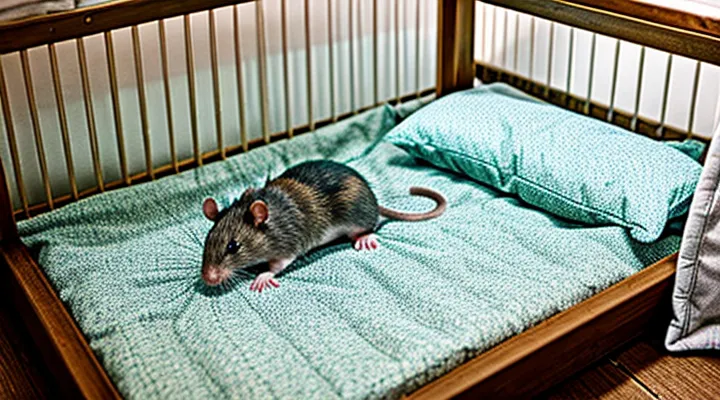
Understanding Rat Bedding Needs
The Importance of Clean Bedding for Rat Health
Preventing Respiratory Issues
Clean, low‑dust bedding is the primary defense against respiratory problems in laboratory and pet rats. Moisture‑laden or soiled substrate releases ammonia and fungal spores, which irritate nasal passages and lungs, leading to sneezing, wheezing, or pneumonia.
Routine replacement prevents buildup. For most paper‑based or wood‑chip bedding, change the material every 2–3 days in a standard 20‑inch cage, or every day when humidity exceeds 60 %. Pellet or corn‑cob substrates retain moisture longer; replace them every 24 hours under the same humidity conditions. If the cage contains multiple rats, increase frequency by one‑third to maintain air quality.
Practical measures:
- Inspect the bedding each morning; discard any damp or clumped sections immediately.
- Spot‑clean soiled areas with a paper towel; avoid using scented cleaners that can irritate the respiratory tract.
- Store fresh bedding in a sealed container to keep dust levels low.
- Monitor ammonia levels with a test strip; replace bedding when readings exceed 10 ppm.
- Provide adequate ventilation; ensure at least 10 air changes per hour in the enclosure.
Adhering to these intervals and practices minimizes inhalation of harmful particles, keeping rats’ respiratory systems healthy and reducing the need for veterinary intervention.
Controlling Odor and Bacteria Growth
Effective odor management and bacterial suppression depend on regular removal of soiled substrate, adequate ventilation, and targeted cleaning practices. Moisture accumulation accelerates microbial growth, while stagnant air allows volatile compounds to linger, creating unpleasant smells.
Key actions include:
- Selecting absorbent, low‑dust bedding such as paper pulp or aspen shavings.
- Changing the entire layer at intervals that prevent visible wet spots or strong ammonia odor, typically every 3–5 days for small groups and every 2–3 days for larger colonies.
- Spot‑cleaning daily: discard clumped waste, replace with fresh material, and wipe surfaces with a mild, rodent‑safe disinfectant.
- Maintaining airflow with cage fans or open tops; replace filters weekly to sustain exchange rates above 10 air changes per hour.
- Adding a thin layer of activated charcoal or zeolite beneath the bedding to adsorb odors without harming the animals.
Monitoring involves visual inspection for damp patches, a quick smell test for ammonia, and periodic swabs of cage surfaces to assess bacterial load. Adjust the replacement schedule promptly if any indicator exceeds acceptable thresholds. Consistent application of these measures minimizes odor, reduces pathogen risk, and supports a healthier environment for laboratory or pet rats.
Ensuring Comfort and Enrichment
Regular replacement of cage substrate is essential for rat well‑being. Fresh bedding provides a dry, odor‑free surface that supports natural nesting behavior and reduces stress.
- Wood shavings or paper pulp: replace every 3–5 days for a single‑rat cage; every 2–3 days for groups of 2–4 rats.
- Aspen or hemp bedding: change every 4–6 days for solitary housing; every 3–4 days for small colonies.
- Corncob or cellulose pellets: remove and replenish at least twice weekly, regardless of occupancy.
Observe the following indicators to determine when a change is required:
- Moisture accumulation beyond a thin film on the surface.
- Persistent ammonia smell or strong urine odor.
- Visible soiling, clumped debris, or mold growth.
- Decreased nest building or reduced activity near the bedding area.
Maintaining clean substrate directly influences enrichment. Fresh material encourages rats to construct nests, explore tunnels, and interact with toys. Accumulated waste impairs tactile feedback, discourages digging, and may cause health issues that limit engagement with enrichment items. Consistent bedding turnover therefore sustains both physical comfort and behavioral stimulation.
Factors Influencing Bedding Change Frequency
Number of Rats in the Cage
The number of rats sharing a cage directly affects how quickly waste accumulates, which in turn determines the interval for replacing the substrate. More occupants produce higher volumes of urine and feces, increase moisture, and accelerate odor development. Consequently, cages with larger groups require more frequent bedding changes to maintain hygiene and prevent respiratory problems.
Typical guidelines based on occupancy:
- One to two rats: replace bedding every 5–7 days if spot‑cleaning is performed daily.
- Three to four rats: replace bedding every 3–5 days, with thorough removal of soiled areas each day.
- Five or more rats: replace bedding every 2–3 days; consider partial changes twice a week to keep moisture low.
Factors that modify these intervals include the type of bedding (e.g., absorbent paper versus wood shavings), cage ventilation, and the presence of health issues. Monitoring visible soiling, odor intensity, and humidity provides a practical method for adjusting the schedule beyond the baseline recommendations.
Cage Size and Ventilation
A rat enclosure that provides ample floor space distributes waste over a larger area, reducing the concentration of urine and feces per square inch. Larger cages therefore retain usable bedding longer than compact setups, because the same amount of soiled material occupies a smaller proportion of the total substrate.
Ventilation controls humidity and odor buildup. High airflow removes moisture, slows bacterial growth, and preserves the structural integrity of the bedding. Poor ventilation allows damp spots to develop, accelerating clumping and the need for replacement.
Practical guidance:
- For cages under 2 ft² floor area, maintain a bedding depth of 1–1.5 inches and replace the substrate every 3–4 days.
- For cages between 2 ft² and 4 ft², a depth of 1 inch suffices; change bedding every 5–7 days if ventilation is adequate (≥ 5 air changes per hour).
- For cages exceeding 4 ft² with active ventilation (e.g., filtered fans), a depth of 0.75–1 inch can be refreshed every 7–10 days.
- If ventilation is passive or limited, shorten the interval by 2–3 days regardless of cage size.
Adjust the schedule if visible dampness, strong odor, or excessive waste accumulation appears, as these indicate that the bedding has exceeded its functional lifespan.
Type of Bedding Used
The choice of bedding directly determines how often the substrate must be refreshed. Absorbent, low‑dust materials extend the interval between full changes, while high‑odor or high‑dust options require more frequent replacement to maintain a healthy environment.
- Paper‑based bedding (e.g., Carefresh, Kaytee Clean & Cozy) – excellent absorbency, minimal dust, neutral odor. Recommended full change every 7‑10 days for a single‑rat cage; up to 14 days for a group of three or more if spot‑cleaned daily.
- Aspen shavings – moderate absorbency, low aromatic oils, low dust. Suitable for change every 5‑7 days in single‑rat setups; 7‑10 days in multi‑rat cages.
- Hemp bedding – high absorbency, natural antimicrobial properties, low dust. Full change interval of 10‑14 days for single rats; 14‑21 days for larger colonies when spot‑cleaning is consistent.
- Corn cob bedding – good absorbency, higher dust content, distinct scent. Change every 3‑5 days for single rats; 5‑7 days for groups.
- Pine or cedar wood shavings – low absorbency, strong volatile oils, elevated dust. Replace every 2‑3 days regardless of cage occupancy; consider alternative substrates for long‑term use.
The interval also depends on cage size, number of occupants, and humidity. Smaller cages with multiple rats generate moisture and waste faster, shortening the replacement period. Daily removal of soiled clumps and spot‑cleaning of urine patches prolongs the overall change schedule for any bedding type. Consistent monitoring of odor, dampness, and visible waste ensures the substrate remains within safe limits.
Rat Habits and Potty Training
Rats naturally designate specific corners for elimination, often preferring the far side of the cage where bedding is deepest. Recognizing this habit allows caretakers to target cleaning efforts and extend the usable life of the substrate.
- Identify the preferred latrine area within the first few days of observation.
- Remove soiled bedding from that zone daily; replace with fresh material.
- Perform a complete bedding change once the entire cage shows signs of moisture, odor, or visible waste accumulation.
Consistent removal of waste reduces the risk of bacterial growth, which can compromise the health of the rodents and accelerate the need for a full substrate refresh. Maintaining a dry, clean environment also reinforces the rats’ inclination to use the designated spot, simplifying potty training and minimizing accidental fouling elsewhere in the enclosure.
Health Status of Your Rats
Maintaining clean bedding directly influences the physiological well‑being of laboratory and pet rats. Accumulated waste, moisture, and mold create an environment that predisposes rodents to respiratory infections, dermatitis, and gastrointestinal disturbances.
Key health indicators that reflect bedding quality include:
- Nasal discharge or sneezing
- Persistent scratching or fur loss
- Diarrhea or abnormal stool consistency
- Lethargy or reduced activity
- Unexplained weight loss
Observations of these signs should trigger immediate bedding replacement, regardless of the routine schedule. In the absence of clinical symptoms, a practical replacement interval ranges from three to five days for paper‑based substrates and two to three days for wood‑chip or corn‑cob materials, because high‑absorbency media retain moisture longer.
To evaluate bedding condition, perform the following steps:
- Inspect the cage daily for visible soiling, clumping, or odor.
- Measure substrate dampness by pressing a sample between fingers; a moist feel indicates excess humidity.
- Record any health changes in a log and correlate them with bedding age.
- Replace the entire substrate when any of the criteria in step 1–3 are met, then clean the cage with a mild disinfectant before adding fresh material.
Consistent monitoring of rat health signs combined with a defined bedding turnover schedule ensures optimal living conditions and reduces the risk of disease outbreaks.
Recommended Bedding Change Schedules
Daily Spot Cleaning
Removing Soiled Areas and Droppings
Removing soiled patches and droppings maintains a healthy environment for rats and prevents odor buildup. Direct contact with waste can spread pathogens, so prompt removal is essential for colony welfare.
- Spot‑clean daily: locate wet or soiled spots, scoop out droppings, and replace with fresh bedding.
- Use a small scoop or tweezers to avoid scattering debris.
- Disinfect the cleaned area with a dilute, rodent‑safe solution (e.g., 1 % hydrogen peroxide) and allow it to dry before adding new bedding.
- Inspect the cage each evening; any damp or heavily soiled sections should be addressed immediately.
When the number of cleaned spots approaches the total bedding volume, the cage requires a full bedding change. Accumulated waste that cannot be efficiently removed by spot cleaning signals that the substrate has lost its absorptive capacity and must be replaced to preserve hygiene and comfort. This assessment guides the overall replacement schedule, ensuring the cage remains clean without unnecessary waste of bedding material.
Replenishing Fresh Bedding
Fresh bedding must be introduced before waste accumulates to prevent ammonia buildup, skin irritation, and respiratory problems. Replace the substrate when it becomes damp, clumped, or discolored; these visual cues indicate that the material no longer absorbs moisture effectively. A dry, fluffy layer should be evident after each change.
- Remove all soiled material and dispose of it in a sealed bag.
- Clean the cage floor with a mild, non‑toxic disinfectant; rinse thoroughly and allow to dry completely.
- Add a new layer of bedding at a depth of 2–3 cm for paper‑based products or 3–4 cm for wood shavings, ensuring even coverage.
- Inspect the bedding daily; if any spot becomes wet, spot‑clean immediately and add fresh material as needed.
Routine replacement intervals depend on cage size, number of occupants, and bedding type. For a standard laboratory cage housing two adult rats, change the full bedding every 5–7 days; for larger groups or higher humidity, shorten the interval to 3–4 days. Spot cleaning should occur at least once daily to maintain optimal hygiene.
Weekly Full Bedding Change
Discarding All Old Bedding
Removing every piece of used substrate at each cleaning interval prevents odor buildup, bacterial colonies, and parasite infestations. Replace the entire floor covering rather than topping up so that waste, urine crystals, and shredded material are eliminated in one action.
A complete bedding change should occur:
- When visible soiling exceeds 10 % of the cage floor.
- At least once every seven days for standard paper or woodchip substrate.
- Every three to four days if the cage houses breeding pairs or heavily active individuals.
- Immediately after any health incident, such as diarrhea or respiratory signs.
The removal process consists of:
- Turning off any ventilation fans to avoid dispersing dust.
- Wearing disposable gloves and a mask.
- Scooping loose waste into a sealed container.
- Lifting the cage liner or tray and dumping all bedding into a biohazard bag.
- Sanitizing the cage bottom with a dilute bleach solution (1 % sodium hypochlorite), rinsing, and drying thoroughly before adding fresh substrate.
Consistently discarding all old bedding maintains a hygienic environment, supports the animals’ respiratory health, and reduces the risk of disease transmission.
Cleaning and Sanitizing the Cage
Regular cage maintenance directly affects the health of laboratory and pet rats and determines how often the substrate must be replaced.
Daily upkeep includes removing solid waste, wiping visible soiled areas, and inspecting the bedding for clumping, moisture, or odor. Prompt removal of droppings and urine prevents bacterial growth and extends the usable life of the substrate.
A thorough cleaning cycle should occur at least once a week. The procedure consists of:
- Removing all bedding and accessories.
- Washing the cage interior with hot water and a mild detergent.
- Rinsing thoroughly to eliminate detergent residues.
- Applying a sanitizing solution (e.g., 10 % diluted bleach or a veterinary‑approved enzymatic disinfectant).
- Allowing the sanitizer to contact surfaces for the manufacturer‑specified dwell time.
- Rinsing again and drying completely before reinstalling fresh bedding and enrichment items.
Sanitizing agents must be non‑toxic to rodents after proper dilution and thorough rinsing. Bleach concentrations above 10 % can damage cage plastics and pose respiratory risks; enzymatic cleaners break down organic matter without harsh chemicals and are generally safer for repeated use.
Maintaining a consistent schedule—spot cleaning each day, deep cleaning weekly, and replacing the entire bedding after each deep clean—ensures a hygienic environment and reduces the likelihood of disease outbreaks.
Adding New, Fresh Bedding
Adding fresh bedding promptly reduces ammonia buildup, controls odor, and minimizes the risk of respiratory irritation for rats. Clean substrate also encourages natural digging behavior, supporting mental stimulation and physical health.
Signs that fresh material is required include:
- Visible urine spots or fecal clumps covering more than 20 % of the surface.
- Persistent sour smell despite routine spot cleaning.
- Dampness or clumping of the substrate after a single water bottle leak.
- Increased scratching or attempts to escape the cage, indicating discomfort.
A practical replacement schedule balances thoroughness with labor efficiency:
- Partial refresh: Remove the most soiled sections and add an equal amount of new bedding every 2–3 days. This maintains a dry surface while preserving established burrows.
- Full overhaul: Discard all substrate and replace it entirely every 7–10 days for standard wood‑chip or paper bedding. For highly absorbent cellulose pellets, extend the interval to 10–14 days, provided no excessive moisture is observed.
Adjust intervals according to cage density: a cage housing three to four rats typically requires the lower end of the range, whereas a single‑rat enclosure may allow longer periods between full changes. Monitoring humidity levels (target < 50 % relative humidity) and ammonia concentrations (target < 25 ppm) provides objective metrics for timing fresh bedding additions.
Implementing these steps ensures a consistently clean environment, supporting the respiratory health and overall well‑being of laboratory or pet rats.
Addressing Specific Situations
Illness or Post-Surgical Care
Frequent bedding replacement is essential when a rat is ill or recovering from surgery. Contaminated material can harbor pathogens, exacerbate infection, and impede wound healing. Replace all substrate immediately after diagnosing illness or completing a procedure, then continue with a stricter schedule until the animal shows stable health.
Key actions during this period:
- Remove and discard all used bedding within 4 hours of the health event.
- Clean the cage with a mild, non‑irritating disinfectant; rinse thoroughly to eliminate residue.
- Install fresh, absorbent bedding that is low‑dust and free of strong fragrances.
- Monitor the rat daily for signs of distress; if soiling or discharge reappears, refresh bedding again.
Maintain a minimum of daily bedding changes until the rat’s temperature, appetite, and activity levels return to baseline. After recovery, transition to the regular replacement interval, typically every 3–5 days, but remain vigilant for any relapse that would require immediate renewal.
Introducing New Rats
When rats share a cage, the substrate should be refreshed regularly to prevent ammonia buildup, parasites, and stress. Replace the bulk of the material every 5‑7 days; spot‑clean soiled sections daily. A full change every two weeks maintains optimal hygiene without disrupting the colony’s scent environment.
Introducing newcomers requires careful handling of the bedding to preserve stability while minimizing aggression:
- Remove the existing substrate from the bottom layer of the cage, leaving a thin protective base.
- Place a fresh, neutral‑scented layer of bedding at least two centimeters deep.
- Transfer the resident rats into a temporary holding area for 15‑30 minutes.
- Add the new rats to the cleaned cage, allowing them to explore the fresh material together.
- Observe interactions for the first hour; if tension arises, re‑introduce a divider and repeat the bedding refresh after 24 hours.
Consistent substrate turnover combined with a controlled introduction process reduces territorial disputes and supports the health of all rodents.
Heatwaves or High Humidity
Heatwaves and high humidity accelerate moisture absorption in cage substrate, raising the risk of bacterial growth and ammonia buildup. Elevated temperature increases rats’ respiration rate, producing more waste that dissolves faster in damp bedding. Consequently, the substrate becomes a breeding ground for mold, mites, and pathogens within a shorter timeframe than under normal conditions.
Key effects of hot, humid environments on bedding:
- Rapid saturation of absorbent material, reducing its capacity to control odor.
- Faster conversion of urine to ammonia, which irritates respiratory passages.
- Increased likelihood of fungal colonies that can spread to the animals’ skin and fur.
- Diminished structural integrity of wood‑chip or paper‑based substrates, leading to clumping and reduced comfort.
To maintain a healthy habitat during periods of extreme heat or humidity, adjust the bedding replacement schedule as follows:
- Inspect the substrate twice daily for wet spots, clumping, or foul odor.
- Replace the entire bedding at least every 24 hours if ambient temperature exceeds 30 °C (86 °F) or relative humidity stays above 70 %.
- If temperature remains between 25–30 °C (77–86 °F) with humidity 60–70 %, change bedding every 48 hours.
- In milder conditions (below 25 °C and humidity under 60 %), a 72‑hour interval is acceptable, provided visual checks confirm dryness.
Supplementary measures:
- Use low‑dust, high‑absorbency materials such as aspen shavings or paper pulp.
- Incorporate a ventilation system that maintains air exchange rates of at least 10 air changes per hour.
- Add desiccant packs or silica gel containers to the cage’s upper corners, replacing them weekly.
Adhering to these guidelines prevents moisture‑related health issues and preserves a stable microenvironment for laboratory or pet rats during challenging climatic periods.
Choosing the Right Bedding Material
Safe and Unsafe Bedding Options
Absorbency and Odor Control
Absorbency determines how quickly a substrate retains urine and moisture, preventing pooling that can foster bacterial growth. Materials with high capillary action pull liquid away from the cage floor, keeping the environment dry and reducing the need for immediate replacement.
Odor control relies on the substrate’s ability to trap volatile compounds produced by waste. Effective odor‑absorbing bedding binds ammonia and other scents, limiting their release into the air and maintaining a healthier habitat for the animals.
Key characteristics for selecting bedding based on these functions:
- Particle size that maximizes surface area for liquid uptake.
- Low dust content to avoid respiratory irritation while preserving absorbent capacity.
- Chemical composition that neutralizes ammonia without adding strong fragrances.
- Structural stability that prevents collapse after repeated wetting.
When bedding maintains dry conditions and suppresses odor, the interval between complete changes can be extended. Conversely, substrates that saturate quickly or release strong smells require more frequent full‑cage cleaning to protect rat health and prevent contamination. Monitoring the wetness level and odor intensity provides a practical metric for deciding when a full bedding change is necessary.
Dust-Free vs. Dusty Bedding
Bedding material determines how frequently a rat enclosure must be refreshed. Low‑dust substrates minimize airborne particles, keep humidity stable, and reduce the need for daily spot cleaning. High‑dust substrates generate particles that settle on fur, respiratory passages, and food, accelerating contamination and prompting more frequent full‑change cycles.
Dust‑free bedding typically consists of compressed paper, kiln‑dried wood shavings, or processed hemp. These media absorb urine efficiently, retain shape, and produce negligible particulate matter. Dusty bedding, such as untreated pine or cedar shavings, releases volatile compounds and fine dust that irritate mucous membranes and increase the risk of respiratory infections.
Elevated dust levels shorten the interval between complete bedding replacements because:
- Respiratory irritation appears within days of exposure.
- Visible dust accumulation signals reduced absorbency.
- Microbial growth thrives in moist, dust‑laden environments.
Conversely, low‑dust substrates allow longer intervals between full changes, often extending to two weeks, provided spot cleaning removes soiled areas daily.
Practical guidance:
- Use paper‑based or kiln‑dried shavings for a baseline change interval of 10–14 days.
- If dusty wood shavings are unavoidable, schedule full changes every 3–5 days.
- Perform daily spot cleaning regardless of substrate to control urine and feces buildup.
- Monitor rats for sneezing, nasal discharge, or labored breathing; increase change frequency immediately if symptoms arise.
Allergenic Potential
Allergenic potential directly influences the recommended interval for cleaning a rat cage. Dust‑producing substrates such as wood shavings, corn cob, or recycled paper release particles that can trigger respiratory irritation, dermatitis, or sensitization in both rodents and caretakers. Persistent allergens accumulate when bedding remains moist or soiled, increasing exposure concentrations and prolonging contact time.
Key considerations for determining a replacement schedule:
- Particle size and composition: Fine dust (≤ 10 µm) penetrates deep lung tissue; coarse fibers settle quickly and pose less inhalation risk.
- Moisture content: Wet bedding fosters mold growth, which introduces fungal spores and mycotoxins.
- Frequency of use: High‑traffic cages with multiple occupants generate more waste, accelerating allergen buildup.
- Species sensitivity: Certain rat strains exhibit heightened allergic responses, requiring more frequent changes.
When bedding exhibits visible dust, clumping, or odor, replace it immediately. In the absence of these signs, a baseline change interval of 3–4 days minimizes allergen accumulation while maintaining optimal hygiene. Adjust the schedule upward for low‑dust, absorbent substrates and downward for high‑dust or humid environments.
Benefits of Different Bedding Types
Paper-Based Bedding
Paper bedding is widely used for rat enclosures because it absorbs moisture, controls odor, and provides a comfortable substrate. Maintaining a regular replacement schedule is essential for health and hygiene.
Typical replacement interval is every 3–5 days under normal conditions. Factors that shorten this period include:
- High humidity or excessive droppings that saturate the paper.
- Presence of mold, mildew, or a strong ammonia smell.
- Multiple animals sharing the same cage, which increases waste accumulation.
If the bedding appears damp, clumped, or discolored, change it immediately regardless of the routine schedule. For breeding colonies or cages with sick rats, a daily refresh is advisable to limit pathogen spread.
A practical approach:
- Inspect the bedding each morning.
- Record moisture level and odor intensity.
- Replace the entire substrate when any of the following thresholds are met:
- Moisture content exceeds 30 % of the bedding mass.
- Ammonia odor is detectable without a sensor.
- Visible clumping or fungal growth is present.
Regular full changes, supplemented by spot cleaning of soiled sections, keep the environment clean and reduce the risk of respiratory and skin issues. Maintaining the described schedule aligns with best‑practice guidelines for laboratory and pet rat husbandry.
Aspen Shavings
Aspen shavings provide a dry, low‑dust substrate that absorbs urine and controls odor effectively. Their light texture reduces the risk of respiratory irritation for rats, making them a preferred choice for many breeders.
Because Aspen retains moisture longer than pine or paper bedding, the interval between complete changes should be longer than with highly absorbent materials. A practical schedule includes:
- Spot cleaning daily to remove solid waste and wet spots.
- Full substrate replacement every 7‑10 days under normal housing conditions.
- Shorter intervals, 4‑6 days, when multiple rats are housed together or when humidity is high.
Monitoring the shavings for clumping, discoloration, or strong ammonia odor provides a reliable indicator that a full change is required sooner than the standard interval. Regular replacement maintains hygiene, reduces disease risk, and supports the rats’ comfort.
Fleece Liners
Fleece liners are a reusable layer placed beneath loose bedding in a rat enclosure. The material offers a soft surface that reduces moisture absorption by the underlying substrate, thereby extending the interval between full bedding changes.
Because fleece absorbs urine and feces, its condition directly influences how often the primary bedding must be refreshed. A clean liner prevents excessive dampness, which can otherwise accelerate odor buildup and promote bacterial growth in the surrounding litter.
Routine care for fleece liners includes:
- Removal and inspection after each cleaning cycle.
- Machine wash on a gentle cycle using hot water (≥ 60 °C) and a mild detergent.
- Rinse thoroughly to eliminate soap residue.
- Air‑dry completely before returning to the cage.
Replace the liner when any of the following signs appear:
- Persistent stains that persist after washing.
- Fraying or thinning of the fabric.
- Unpleasant odor that does not disappear after laundering.
Adhering to these practices allows the primary bedding to remain effective for a longer period, reducing the overall frequency of complete bedding replacements while maintaining a healthy environment for the rats.
Best Practices for Maintaining a Clean Rat Cage
Proper Cage Cleaning Techniques
Using Pet-Safe Cleaners
Pet rats require a clean environment to prevent respiratory problems and skin irritation; the choice of cleaning agent directly affects cage hygiene when bedding is refreshed.
Pet‑safe cleaners are products formulated without harsh chemicals, fragrances, or solvents that could be absorbed through a rat’s fur or inhaled as dust. Acceptable ingredients include diluted white vinegar, hydrogen peroxide at concentrations below 3 %, enzyme‑based cleaners labeled for small animals, and mild, unscented soap solutions.
When the bedding is replaced, follow these steps:
- Remove all old bedding and debris.
- Rinse the cage interior with warm water to eliminate loose particles.
- Apply a pet‑safe cleaner according to the manufacturer’s dilution instructions; ensure the solution contacts all surfaces, including corners and wire mesh.
- Allow the cleaner to sit for the recommended contact time (usually 5–10 minutes) to break down organic matter.
- Rinse thoroughly with clean water to remove any residue.
- Dry the cage completely before adding fresh bedding.
After cleaning, inspect the cage for lingering odors or residues. Conduct a brief observation of the rats for signs of irritation—scratching, sneezing, or abnormal grooming—within the first few hours. If any adverse reaction occurs, cease use of the cleaner and switch to an alternative pet‑safe product.
Regular application of these procedures, aligned with the established schedule for bedding replacement, maintains a healthy habitat and minimizes the risk of disease transmission.
Thorough Rinsing and Drying
Thorough rinsing and drying of cage components directly influence the interval between bedding replacements. Residual moisture fosters bacterial growth, accelerates ammonia accumulation, and shortens the usable life of substrate. Eliminating these risks extends the period during which the bedding remains hygienic.
Effective rinsing requires:
- Warm water at 40‑45 °C to dissolve organic residue.
- A soft brush or sponge to dislodge particles without damaging plastic.
- Complete removal of soap or cleaning agent residues through a second rinse.
Drying must achieve a moisture level below 5 % before reassembly. Recommended methods include:
- Air‑drying in a well‑ventilated area for at least 30 minutes.
- Placement on a clean, absorbent towel to absorb surface water.
- Optional use of a low‑heat fan for rapid drying, ensuring airflow does not disturb the cage interior.
Consistent application of these steps reduces the frequency of full bedding changes from daily to every 3‑5 days for standard wood shavings, and up to 7‑10 days for absorbent paper products. The result is a stable environment that supports rodent health while minimizing labor and material costs.
Monitoring Rat Behavior for Bedding Cues
Excessive Digging or Nesting
Excessive digging or nesting indicates that the substrate has become compacted, soiled, or insufficient for natural behavior. When rats continuously displace bedding, moisture from urine and droppings spreads, creating damp zones that foster bacterial growth and odor. These conditions accelerate the breakdown of the material, reducing its absorbency and increasing the risk of respiratory irritation.
Key observations that signal the need for a bedding refresh:
- Persistent tunnels that collapse quickly, leaving exposed wire mesh.
- Wet or clumped areas after a single cleaning cycle.
- Strong ammonia scent despite spot cleaning.
- Rats spending most of their time outside the nest, suggesting discomfort.
To maintain a healthy environment, replace the entire substrate when any of the above signs appear, even if the scheduled interval has not been reached. In a typical cage with a 1‑2 inch layer of paper‑based or aspen bedding, a full change every 5–7 days prevents the buildup that triggers excessive digging. If the cage is cleaned daily but the bedding remains untouched, extend the interval only if the substrate stays dry and odor‑free.
When a partial change is necessary, remove all soiled sections, add fresh material to restore depth, and monitor the rats’ activity for at least 24 hours. Consistent observation of digging patterns ensures that the bedding schedule aligns with the animals’ behavior and health requirements.
Increased Odor
Increased odor in a rat cage signals that waste and urine have saturated the bedding, allowing ammonia and bacterial by‑products to accumulate. Persistent smells indicate that the substrate no longer absorbs moisture effectively, creating an environment that can irritate the respiratory tract and compromise the animals’ well‑being.
The frequency of bedding replacement should be driven by odor intensity rather than a fixed calendar. Typical guidelines are:
- Mild scent: Change the top layer of bedding and spot‑clean soiled areas every 2–3 days.
- Noticeable ammonia smell: Replace the entire bedding load within 24 hours and increase cleaning frequency to daily.
- Strong, pungent odor: Perform a full cage overhaul, including disinfection of surfaces, and reassess bedding material for better absorbency.
Regular monitoring helps maintain a low‑odor environment. Observe the cage daily for changes in smell, check the color of urine spots (darkening often precedes stronger odors), and assess the dryness of the bedding surface. Prompt removal of damp sections and timely full‑bedding changes prevent odor buildup and support healthy respiratory conditions for the rats.
Sneezing or Respiratory Sounds
Sneezing and audible respiratory noises are immediate indicators that the substrate in a rat enclosure may be compromised. Accumulated dust, ammonia, and microbial growth irritate the nasal passages and lungs, provoking frequent sneezes or wheezing. When these symptoms appear, the bedding should be replaced without delay, regardless of the routine schedule.
Regular monitoring of the cage environment reduces the likelihood of respiratory distress. A practical approach includes:
- Daily visual inspection for soiled or damp spots.
- Observation of rats for at least three consecutive sneezes or any persistent rattling sounds from the chest.
- Weekly measurement of ammonia levels; concentrations above 25 ppm correlate with increased respiratory irritation.
If any of the above criteria are met, remove all bedding, clean the cage with a mild disinfectant, and introduce fresh, low‑dust substrate. Even in the absence of overt symptoms, a conservative replacement interval of 5–7 days for standard wood shavings, or 10–14 days for paper‑based bedding, maintains air quality and minimizes the risk of respiratory problems.
Seasonal Adjustments to Bedding Routines
Winter Considerations
Winter brings lower ambient temperatures and higher humidity levels, which accelerate moisture retention in the substrate. Damp bedding loses insulating capacity, promotes bacterial growth, and can cause respiratory irritation. Consequently, the interval between changes must be shortened compared to milder seasons.
Key conditions to monitor:
- Relative humidity inside the cage; values above 60 % indicate increased moisture.
- Visible clumping or sogginess of the substrate.
- Presence of condensation on cage walls or the lid.
- Signs of odor or ammonia buildup.
Adjustment guidelines:
- Replace bedding every 2–3 days when humidity consistently exceeds 60 % or condensation is observed.
- If the enclosure is heated and humidity remains below 50 %, a 4‑day change interval may be sufficient, provided the substrate stays dry.
- Use absorbent, low‑dust materials such as paper‑based or aspen shavings; they dry faster and reduce the risk of mold.
- Supplement with a thin layer of clean, dry bedding after each change to maintain warmth without excess bulk.
By aligning the replacement schedule with these winter‑specific factors, the cage environment remains dry, warm, and hygienic, supporting the health of the rodents throughout the cold season.
Summer Considerations
During warm months, the rate at which substrate must be refreshed rises noticeably. Elevated temperatures accelerate bacterial growth, while increased humidity encourages mold formation and ammonia accumulation. Both factors degrade air quality and can compromise rodent health, making more frequent changes essential.
Key summer‑related drivers of bedding turnover:
- Temperature above 75 °F (24 °C) speeds microbial metabolism, raising odor and ammonia levels.
- Relative humidity above 60 % creates damp spots where mold spores thrive.
- Higher activity levels in rodents generate additional waste, which dissolves faster in warm, moist bedding.
- Outdoor heat can soften absorbent materials, reducing their capacity to lock in moisture.
To maintain a sanitary environment, adopt the following schedule adjustments:
- Inspect the cage daily for damp patches, strong odor, or visible mold; replace the entire substrate immediately if any appear.
- Perform a partial spot‑cleaning every 24 hours, removing soiled sections and adding fresh material to maintain a dry surface.
- Conduct a full bedding change at least twice weekly; increase to every three to four days if humidity remains high or ventilation is limited.
- Choose bedding with superior absorbency and low dust, such as paper‑based or kiln‑treated wood products, to mitigate moisture retention.
- Enhance airflow by positioning the cage away from direct sunlight, using fans, or installing vented lids, which helps keep the substrate dry and reduces the need for emergency changes.
By monitoring temperature, humidity, and waste buildup, caretakers can adjust the replacement frequency appropriately, ensuring a clean, comfortable habitat throughout the summer season.