
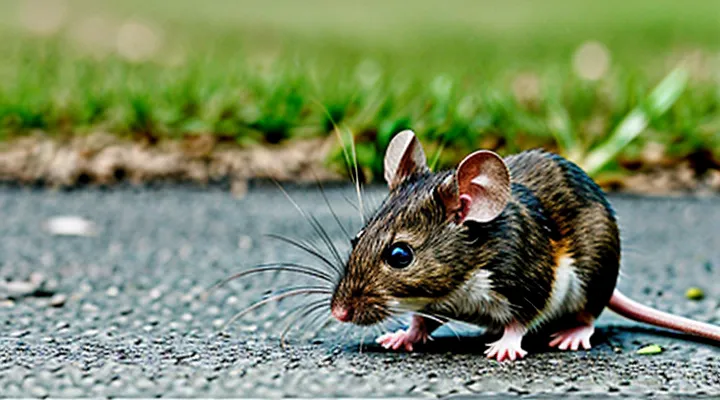
Understanding Mouse Poison: The Basics
What is Mouse Poison?
Mouse poison is a chemical agent formulated to eliminate rodents, primarily house mice, by disrupting physiological processes that lead to rapid death. The product is designed for placement in environments where mice travel, allowing ingestion or contact without direct handling.
Typical active ingredients include:
- Anticoagulants (e.g., warfarin, brodifacoum, bromadiolone) – inhibit vitamin K recycling, causing internal hemorrhage.
- Neurotoxins (e.g., bromethalin) – interfere with mitochondrial function, resulting in cerebral edema.
- Metabolic poisons (e.g., cholecalciferol) – induce hypercalcemia, leading to organ failure.
- Metal phosphides (e.g., zinc phosphide) – release phosphine gas in the acidic stomach, producing cellular toxicity.
Formulations vary to match application scenarios:
- Pellets and blocks – compact, low‑dust options for indoor use.
- Granules and powders – spreadable for outdoor perimeters or burrow entrances.
- Liquid baits – suitable for bait stations where mice prefer moist food sources.
Regulatory agencies classify mouse poison as a restricted pesticide; labeling mandates clear hazard warnings, usage instructions, and disposal procedures. Proper placement minimizes non‑target exposure while ensuring effective rodent control.
Common Types of Mouse Poisons
Anticoagulants
Anticoagulant rodenticides disrupt the blood‑clotting cascade by inhibiting the enzyme vitamin K epoxide reductase. The blockage prevents the regeneration of active vitamin K, a cofactor required for the synthesis of clotting factors II, VII, IX, and X. Without these proteins, hemorrhage occurs internally, leading to death after several hours of progressive blood loss.
Common anticoagulant formulations fall into two categories:
- First‑generation agents (e.g., warfarin, chlorophacinone) require multiple feedings to achieve lethal effect.
- Second‑generation agents (e.g., brodifacoum, difethialone, bromadiolone) are potent enough to cause death after a single ingestion.
The lethal process proceeds as follows: ingestion → absorption into bloodstream → inhibition of vitamin K recycling → depletion of functional clotting factors → uncontrolled bleeding in internal organs and cavities. Clinical signs include lethargy, pale mucous membranes, and blood‑tinged excretions.
Resistance can develop when rodents acquire mutations that reduce binding affinity of the target enzyme. Management strategies include rotating active ingredients, employing non‑anticoagulant baits, and integrating environmental controls to limit exposure.
Safety measures for non‑target species rely on the delayed onset of symptoms, which allows bait removal before lethal exposure, and on the use of low‑density packaging that restricts access by wildlife and pets. Proper disposal of dead rodents and contaminated materials prevents secondary poisoning.
Non-Anticoagulants
Non‑anticoagulant rodenticides constitute a distinct class of mouse control agents that kill without interfering with blood clotting. Their effectiveness derives from physiological disruption unrelated to the vitamin‑K pathway exploited by anticoagulants.
These products act through one of several mechanisms. Neurotoxic agents impair nerve transmission, leading to paralysis and respiratory failure. Metabolic disruptors interfere with calcium regulation or energy production, causing cellular collapse. Chemical irritants generate toxic gases in the stomach, producing rapid systemic poisoning.
Common non‑anticoagulant formulations include:
- Bromethalin – a mitochondrial uncoupler that induces cerebral edema.
- Cholecalciferol (vitamin D₃) – hypercalcemia trigger that damages heart and kidneys.
- Zinc phosphide – reacts with gastric acid to release phosphine gas, a potent cellular poison.
- Sodium fluoroacetate – blocks the citric‑acid cycle, halting ATP synthesis.
Advantages: fast onset of lethality, reduced risk of resistance development, suitability for indoor and outdoor use where anticoagulant‑resistant populations are present. Limitations: narrow safety margin for non‑target species, requirement for precise bait placement, potential for secondary poisoning if predators consume poisoned mice.
Effective deployment demands calibrated bait concentration, secure bait stations to limit access by pets and wildlife, and adherence to local regulatory limits on application rates. Monitoring of kill rates and periodic rotation of active ingredients help maintain control efficacy while minimizing environmental impact.
How Rodenticides are Formulated
Rodenticides are engineered to deliver a lethal dose to target rodents while minimizing exposure to non‑target species. Formulation begins with selecting an active ingredient—commonly anticoagulants (e.g., bromadiolone, difenacoum), neurotoxins (e.g., bromethalin), or metabolic disruptors (e.g., zinc phosphide). The active compound is blended with carriers, binders, and attractants to create a stable, palatable product.
Typical components include:
- Active toxicant – provides the pharmacological effect that disrupts essential physiological pathways.
- Food attractants – grains, cereals, or flavored powders that encourage consumption.
- Binders and fillers – cellulose, starch, or waxes that give the bait a consistent texture and prevent premature degradation.
- Protective agents – antioxidants or moisture‑absorbing agents that extend shelf life and maintain potency.
Manufacturers adjust concentration, particle size, and delivery matrix to suit specific application scenarios, such as indoor bait stations, outdoor blocks, or liquid formulations for grain storage. Regulatory guidelines dictate permissible concentration ranges and mandatory safety warnings, ensuring that the final product meets efficacy standards while adhering to environmental and public‑health requirements.
The Mechanism of Action
Anticoagulant Rodenticides: A Deep Dive
First-Generation Anticoagulants («FGARs»)
First‑generation anticoagulants (FGARs) such as warfarin, chlorophacinone, diphacinone, and coumachlor constitute the earliest class of rodenticides that rely on disruption of the blood‑clotting cascade. These compounds are synthetic coumarin derivatives formulated for oral bait and intended to be consumed in a single feeding.
FGARs block the enzyme vitamin K epoxide reductase (VKOR). By preventing regeneration of reduced vitamin K, they halt the γ‑carboxylation of clotting factors II, VII, IX, and X. The resulting deficiency produces uncontrolled internal hemorrhage, primarily in the lungs, gastrointestinal tract, and heart. Hemorrhagic signs appear after a latency period of 24–48 hours, allowing the rodent to ingest the entire bait dose before clinical effects manifest.
After ingestion, FGARs are absorbed through the gastrointestinal mucosa, bind to plasma proteins, and are metabolized in the liver to inactive hydroxy‑ and epoxy‑derivatives. Elimination occurs via renal excretion and biliary secretion. The delayed toxic response, combined with high oral bioavailability, makes a single dose sufficient to achieve lethality in susceptible species.
Resistance to FGARs has emerged in several rodent populations through mutations in the VKORC1 gene, which reduce binding affinity for the anticoagulant. Consequently, efficacy may decline in areas with documented resistance, prompting the use of second‑generation agents or integrated pest‑management strategies. Non‑target wildlife and domestic animals are vulnerable to secondary poisoning when they ingest contaminated carcasses; regulatory frameworks therefore impose maximum residue limits and mandate placement of baits in tamper‑resistant stations.
Key characteristics of first‑generation anticoagulants:
- Oral bait format, single‑dose lethal potential.
- Mechanism: inhibition of VKOR, depletion of vitamin K‑dependent clotting factors.
- Onset of lethal hemorrhage: 24–48 hours post‑ingestion.
- Metabolism: hepatic conversion to inactive metabolites; renal and biliary excretion.
- Resistance: VKORC1 gene mutations reduce susceptibility.
- Environmental risk: secondary poisoning of predators and scavengers; regulated use to mitigate impact.
These attributes define the role of FGARs within the broader context of rodent control agents that rely on anticoagulant toxicity.
Second-Generation Anticoagulants («SGARs»)
Second‑generation anticoagulants, commonly abbreviated SGARs, are synthetic compounds designed to disrupt the blood‑clotting cascade in rodents. They inhibit vitamin K epoxide reductase, preventing regeneration of active vitamin K and halting the synthesis of clotting factors II, VII, IX, and X. The resulting coagulopathy leads to internal bleeding that may take several days to become fatal, allowing the poisoned mouse to consume multiple doses before death.
Key characteristics of SGARs include:
- High potency; effective at microgram‑level concentrations.
- Long biological half‑life; residues persist in liver tissue for weeks.
- Broad spectrum; active against species that have developed resistance to first‑generation anticoagulants.
- Examples: brodifacoum, difenacoum, difethialone, and flocoumafen.
Regulatory guidelines require restricted placement of SGAR‑based baits, mandatory tamper‑resistant containers, and clear labeling of secondary‑poisoning risks to predatory wildlife. Proper dosing minimizes non‑target exposure while ensuring lethal intake for the target rodent population.
The Role of Vitamin K
Vitamin K is a cofactor for the enzyme γ‑glutamyl carboxylase, which converts specific glutamate residues in clotting factors II, VII, IX and X into γ‑carboxyglutamate. This modification enables calcium binding and assembly of the clotting complex on platelet surfaces, ultimately producing fibrin to stop bleeding.
Anticoagulant rodenticides, such as warfarin‑based compounds, inhibit the recycling of vitamin K to its active hydroquinone form. The inhibition prevents γ‑carboxylation of the clotting factors, leading to the production of inactive proteins. As a result, rodents experience progressive loss of coagulation capacity, internal hemorrhage, and death.
Key physiological consequences of vitamin K antagonism in poisoned rodents:
- Depletion of functional clotting factors within 24–48 hours.
- Onset of microvascular bleeding in organs (lungs, liver, gastrointestinal tract).
- Progressive anemia and hypovolemia culminating in fatal hemorrhage if untreated.
The therapeutic principle for accidental exposure involves replenishing vitamin K to restore clotting factor activity, confirming the direct link between vitamin K availability and the lethal effect of anticoagulant poisons.
Non-Anticoagulant Rodenticides: Diverse Approaches
Cholecalciferol («Vitamin D3»)
Cholecalciferol, marketed as vitamin D3, serves as the active ingredient in many rodent baits. Once ingested, it is metabolized to calcitriol, the hormonally active form of vitamin D, which dramatically increases intestinal calcium absorption. Elevated serum calcium precipitates hypercalcemia, disrupting cellular function and leading to organ failure.
The toxic cascade proceeds as follows:
- Rapid rise in blood calcium concentration within 12–24 hours.
- Calcification of soft tissues, especially the kidneys, heart, and blood vessels.
- Impaired cardiac contractility and arrhythmias.
- Renal failure due to calcium crystal deposition.
- Death typically occurs 2–5 days after the first dose.
Effective dosing for mice ranges from 0.2 mg to 0.5 mg cholecalciferol per kilogram of body weight. This amount is sufficient to induce lethal hypercalcemia while remaining safe for non‑target species when bait is placed in secured stations.
Resistance development is unlikely because the mechanism targets a fundamental physiological pathway rather than a specific neural receptor. Consequently, cholecalciferol baits maintain efficacy over prolonged use, provided that bait stations are monitored and replenished according to infestation levels.
Bromethalin
Bromethalin is a lipid‑soluble, second‑generation anticoagulant used in rodent control products. After ingestion, the compound is absorbed through the gastrointestinal lining and distributed to the central nervous system. Inside nerve cells, bromethalin uncouples oxidative phosphorylation in mitochondria, causing a rapid rise in intracellular cyclic AMP. The elevated cyclic AMP disrupts ion transport, leading to cerebral edema and irreversible swelling of the brain. Neurological failure follows, resulting in death within 24–48 hours after the lethal dose is reached.
The toxic dose for mice ranges from 0.5 mg kg⁻¹ to 1 mg kg⁻¹, depending on age and health status. Sublethal exposure produces ataxia, tremors, and loss of coordination before fatal outcomes. Because bromethalin does not act as a blood‑clotting inhibitor, resistance mechanisms that affect first‑generation anticoagulants are ineffective against it.
Key characteristics of bromethalin formulations:
- Delayed onset: Symptoms appear several hours after consumption, reducing bait aversion.
- Single‑dose efficacy: A single feeding typically provides a lethal dose, eliminating the need for repeat applications.
- Low secondary toxicity: The compound binds tightly to tissue proteins, limiting transfer through predation, though caution remains necessary around non‑target wildlife.
Safety measures include:
- Placement of bait stations in concealed locations inaccessible to pets and children.
- Use of tamper‑resistant containers to prevent accidental exposure.
- Regular monitoring of bait consumption to adjust placement density and avoid environmental contamination.
Resistance monitoring shows that bromethalin remains effective against populations that have developed insensitivity to older anticoagulants. Continuous surveillance is recommended to detect any emerging tolerance.
Zinc Phosphide
Zinc phosphide (Zn₃P₂) is a widely used rodent toxicant that eliminates mice through a chemical reaction occurring after ingestion. When a mouse consumes bait containing zinc phosphide, gastric acid converts the compound into phosphine gas (PH₃). Phosphine interferes with cellular respiration by disrupting mitochondrial enzymes, leading to rapid systemic failure.
Key aspects of zinc phosphide’s action:
- Hydrolysis: Zn₃P₂ + 2 H⁺ → 3 Zn²⁺ + PH₃ (g).
- Absorption: Phosphine diffuses across pulmonary and gastrointestinal membranes, reaching vital organs.
- Toxicity: Concentrations as low as 0.5 mg PH₃ per kilogram of body weight can be lethal for mice; the lethal dose for larger mammals is proportionally higher.
- Onset: Clinical signs appear within 30 minutes to 2 hours, including respiratory distress, convulsions, and sudden death.
Safety considerations include:
- Bait must be placed in tamper‑resistant stations to prevent accidental exposure to non‑target species.
- Personal protective equipment is required during handling to avoid inhalation of phosphine released by moisture.
- Environmental persistence is low; zinc phosphide degrades to zinc ions and phosphates, which are less hazardous.
Regulatory guidelines often mandate a minimum waiting period before re‑entry to treated areas, typically 24 hours, to ensure phosphine has dissipated. Proper rotation with alternative rodenticides can mitigate the risk of resistance development in mouse populations.
Strychnine
Strychnine is a potent alkaloid employed in many rodent control formulations. Its toxicity stems from antagonism of glycine receptors in the spinal cord and brainstem, preventing inhibitory neurotransmission. The resulting loss of muscle relaxation leads to uncontrolled, violent convulsions and rapid respiratory failure.
When a mouse ingests a bait containing strychnine, absorption occurs primarily in the gastrointestinal tract. Peak plasma concentrations are reached within minutes, and the compound distributes quickly to neuromuscular junctions. Because strychnine does not cross the blood‑brain barrier efficiently, central nervous system effects arise indirectly through peripheral nerve disruption.
Typical lethal dose for a house mouse (Mus musculus) ranges from 0.5 to 2 mg per kilogram of body weight. Commercial baits are formulated to deliver this amount in a single bite, ensuring mortality before the animal can develop aversive behavior. The quick onset—usually 15–30 minutes after ingestion—reduces the chance of bait avoidance.
Key clinical signs observed in poisoned rodents include:
- Sudden, intense muscle spasms
- Arching of the back (opisthotonos)
- Involuntary vocalizations
- Inability to swallow or breathe normally
- Rapid progression to death without loss of consciousness
Environmental considerations dictate careful placement of strychnine baits to minimize exposure of non‑target species. The compound is stable in soil for several weeks but degrades under sunlight and microbial activity. Regulations in many jurisdictions require secure bait stations, labeling of toxicity, and documentation of disposal procedures.
In summary, strychnine functions as a fast‑acting neurotoxin that disables inhibitory signaling, producing fatal convulsions in mice. Its efficacy depends on precise dosing, rapid absorption, and strict adherence to safety protocols to prevent accidental harm to wildlife and humans.
Factors Influencing Efficacy
Dosage and Consumption
Mouse poison dosage is determined by active ingredient concentration and target species weight. Manufacturers specify the amount of product required to treat a defined area, typically expressed in grams per square meter or number of bait stations per 100 m². The lethal dose for a 20‑gram mouse (LD₅₀) ranges from 0.5 mg to 5 mg of anticoagulant, depending on the compound. Applying more than the recommended quantity does not increase mortality speed and raises the risk of secondary poisoning and environmental contamination.
Key considerations for proper dosing:
- Follow label instructions for each product; deviations void safety guarantees.
- Calculate total bait needed by multiplying the recommended per‑area rate by the treated surface.
- Distribute bait evenly to prevent clustering, which can lead to over‑consumption by individual rodents.
- Use bait stations that limit access to non‑target animals while allowing mice to enter.
Consumption patterns influence effectiveness. Mice typically ingest small portions (0.2 g to 0.5 g) per visit, returning for additional doses until a cumulative lethal amount is reached. Bait formulation—flavor, scent, and texture—affects acceptance; palatable attractants increase the likelihood of repeated ingestion. Placement near walls, along travel routes, and in concealed locations maximizes contact while reducing exposure to pets and children.
Safety measures:
- Install tamper‑resistant stations in areas inaccessible to humans and domestic animals.
- Monitor bait consumption; replace stations only after complete depletion or after the prescribed exposure period.
- Record dosage applied and date of placement for regulatory compliance and future reference.
Resistance in Rodent Populations
Rodent populations exposed to anticoagulant and non‑anticoagulant poisons develop resistance through several well‑documented pathways. Genetic mutations in the VKORC1 gene reduce binding affinity for vitamin‑K antagonists, allowing affected individuals to survive doses that would otherwise be lethal. Parallel mutations in the CYP450 enzyme family increase metabolic breakdown of active compounds, shortening the effective exposure window.
Resistance also manifests behaviorally. Individuals learn to avoid bait that carries unfamiliar odors or textures, decreasing consumption rates. Social learning accelerates this avoidance, as naïve rodents observe and mimic the rejection behavior of experienced conspecifics.
Management of resistant populations relies on integrated tactics:
- Rotate active ingredients with different modes of action to disrupt selection pressure.
- Incorporate bait stations that limit access to non‑target species and reduce bait shyness.
- Apply genetic monitoring to detect emerging resistance alleles and adjust control measures promptly.
- Combine chemical control with habitat modification, sanitation, and exclusion to lower overall rodent pressure.
Failure to address resistance leads to reduced efficacy, higher application rates, and increased environmental exposure. Continuous surveillance and adaptive strategies are essential for maintaining the potency of rodent toxicants.
Environmental Factors
Environmental conditions determine the stability, availability, and attractiveness of rodenticide baits. Temperature influences chemical breakdown; heat accelerates degradation of anticoagulants and reduces potency, while cold slows mouse metabolism and may lower bait consumption. Humidity affects moisture content; excess humidity promotes hydrolysis and clumping, whereas dry air can harden bait and diminish palatability. Soil pH and composition interact with active ingredients; alkaline soils can neutralize certain anticoagulants, acidic soils increase solubility, and high organic matter adsorbs poison, decreasing bioavailability. Ultraviolet radiation degrades many rodenticides; exposure to direct sunlight shortens effective lifespan, making opaque or buried placement essential for outdoor use. Rainfall and runoff transport bait away from target zones, dilute concentrations, and create hazards for non‑target wildlife. Seasonal shifts combine temperature, humidity, and food availability, altering mouse activity patterns and influencing bait uptake rates.
Key environmental factors and their effects
- Temperature: accelerates chemical decay; reduces efficacy at high levels, depresses mouse feeding at low levels.
- Humidity/moisture: promotes hydrolysis and clumping; excessive dryness hardens bait.
- Soil pH: alkaline conditions neutralize anticoagulants; acidic conditions increase solubility.
- Organic matter: binds active compounds, lowering free concentration.
- UV exposure: breaks down active ingredients; requires shielding for outdoor deployment.
- Rain/runoff: washes bait away, spreads residue, threatens non‑target species.
- Seasonal variation: modifies mouse foraging behavior and bait acceptance.
Understanding these variables enables precise placement, formulation selection, and timing to maximize rodenticide performance while minimizing unintended environmental impact.
Safety Considerations and Risks
Risks to Non-Target Animals
Secondary Poisoning
Secondary poisoning refers to the adverse effects experienced by organisms that consume rodents that have ingested toxic bait. The poison, typically an anticoagulant, interferes with vitamin K recycling, causing uncontrolled blood clotting. After a mouse dies, its blood and tissues retain the active compound, which remains biologically available for several days.
When a predator or scavenger eats the poisoned mouse, the toxin enters its bloodstream. Because anticoagulants are cumulative, even a single meal can deliver a lethal dose to small carnivores, raptors, and domestic pets. The risk intensifies if the bait contains second‑generation agents that require lower concentrations to achieve mortality.
Key indicators of secondary poisoning include:
- Unexplained bleeding from gums, nose, or rectum
- Weakness, lethargy, and loss of coordination
- Sudden death without prior trauma
Mitigation strategies focus on limiting exposure:
- Place bait in tamper‑proof stations inaccessible to non‑target species
- Use the minimum effective concentration of active ingredient
- Prefer non‑anticoagulant formulations where feasible
- Monitor wildlife activity around treatment areas and adjust placement accordingly
Understanding the chain of toxin transfer enables effective control of rodent populations while protecting secondary consumers.
Primary Poisoning
Primary poisoning occurs when a mouse consumes a toxic bait and the active ingredient exerts its lethal effect directly within the animal’s body. The poison is formulated for rapid ingestion, often as a palatable matrix that masks unpleasant taste, ensuring the rodent eats a sufficient dose in a single feeding.
After ingestion, the toxin is absorbed through the gastrointestinal tract and enters the bloodstream. Depending on the chemical class, the compound targets specific physiological pathways:
- Anticoagulants (e.g., brodifacoum, difenacoum) inhibit vitamin K epoxide reductase, preventing clotting factor regeneration and causing uncontrolled internal bleeding.
- Neurotoxins (e.g., bromethalin, zinc phosphide) disrupt neuronal ion gradients or generate phosphine gas, leading to rapid neurological failure.
- Metabolic disruptors (e.g., cholecalciferol) cause hypercalcemia, triggering kidney failure and cardiac arrhythmia.
The lethal dose is calibrated to be low enough that a single bite delivers a fatal amount, yet high enough to avoid sublethal exposure that could allow the mouse to develop tolerance. Poison formulations often include additives that accelerate gastric emptying or enhance systemic distribution, maximizing the speed and certainty of mortality.
Effective primary poisoning relies on precise dosing, appropriate bait placement, and selection of an active ingredient that matches the target species’ physiology. Proper application ensures the mouse dies from the direct toxic action of the poison, without reliance on secondary or environmental factors.
Risks to Humans
Accidental Ingestion
Accidental ingestion of rodent toxin introduces the active compound directly into the gastrointestinal tract, bypassing the intended bite‑or‑chew delivery. The substance, typically an anticoagulant or neurotoxin, is absorbed through the stomach lining and enters the bloodstream within minutes.
Once systemic, the toxin interferes with physiological pathways:
- Anticoagulant agents block vitamin K recycling, preventing clot formation and leading to internal bleeding.
- Neurotoxic formulations bind to acetylcholine receptors, disrupting nerve signal transmission and causing muscle paralysis.
Clinical manifestations appear according to the toxin class:
- Anticoagulant exposure – bruising, nosebleeds, hematuria, gastrointestinal hemorrhage, prolonged clotting times.
- Neurotoxic exposure – drooping eyelids, difficulty swallowing, respiratory distress, loss of motor control.
The severity depends on dose, body weight, and time to treatment. Early intervention with activated charcoal can limit absorption; specific antidotes include vitamin K₁ for anticoagulants and atropine or pralidoxime for certain neurotoxins. Intravenous fluids and blood products may be required to manage bleeding.
Prevention focuses on securing bait stations, using tamper‑proof containers, and labeling products with clear warnings. In households with children or pets, substituting non‑toxic alternatives eliminates the risk of unintended consumption.
Symptoms of Poisoning
Poisoned rodents display a predictable pattern of clinical signs that reflect the toxic action of the compound. Early manifestations include reduced activity, loss of appetite, and unsteady gait. As the toxin interferes with physiological pathways, more severe symptoms emerge.
- Hemorrhagic indicators
- Neurological disturbances
- Tremors or convulsions
- Uncoordinated movements
- Coma in advanced stages
- Cardiovascular effects
- Rapid heartbeat
- Weak pulse
- Shock leading to collapse
These signs typically progress over 24‑72 hours, depending on the poison’s potency and the dose ingested. Observation of any combination of the listed symptoms confirms toxic exposure and warrants immediate action.
Environmental Impact of Rodenticides
Rodenticides, primarily anticoagulant and neurotoxic compounds, enter ecosystems through direct application, accidental spillage, and secondary ingestion by non‑target species. Once released, these chemicals persist in soil, water, and organic matter, creating a reservoir that can affect organisms far beyond the intended pest population.
Key environmental pathways include:
- Leaching: Soluble residues migrate from treated sites into groundwater, contaminating drinking sources for wildlife and humans.
- Runoff: Rainfall transports particles into streams and lakes, where dilution may be insufficient to prevent toxic effects on fish and amphibians.
- Bioaccumulation: Predators and scavengers consume poisoned rodents, accumulating sub‑lethal doses that impair reproduction, immune function, and behavior.
- Decomposition: Decaying carcasses release active ingredients back into the soil, prolonging exposure for insects, earthworms, and plant roots.
Ecological consequences manifest as reduced biodiversity, disrupted food webs, and altered population dynamics. For instance, raptor breeding success declines when prey carries anticoagulant residues, while aquatic invertebrate communities shift toward tolerant species after chronic exposure.
Mitigation strategies focus on targeted application, use of biodegradable formulations, and implementation of integrated pest management practices that limit reliance on chemical controls. Monitoring programs track residue levels in water and tissue samples, providing data to adjust usage patterns and protect vulnerable habitats.