
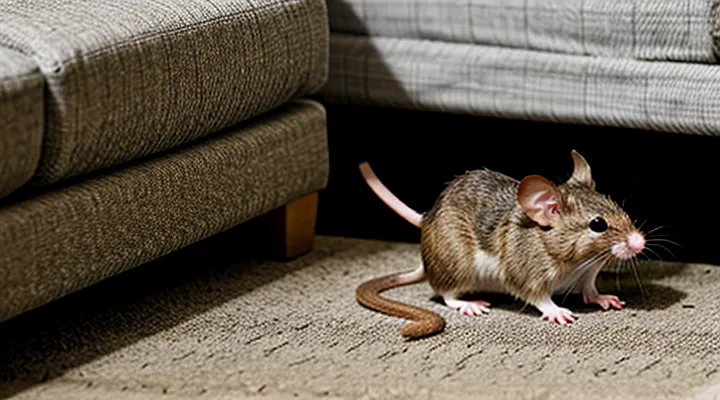
Understanding the Mouse Reproduction Cycle
The Basics of Mouse Breeding
Sexual Maturity
Mice reach sexual maturity at a relatively early stage of development. Most laboratory and wild house mice become capable of breeding between five and six weeks of age. Males exhibit testicular descent and increased activity, while females show opening of the vaginal canal and the first estrus cycle. These physiological changes occur regardless of season, but temperature, food availability, and crowding can accelerate or delay the onset.
Early maturity shortens the interval between generations, allowing a small founder population to expand rapidly in a confined living space. A single pair can produce several litters within a few months, each litter containing four to eight offspring. Consequently, the presence of sexually mature individuals signals an imminent surge in numbers if left unchecked.
Preventive actions focus on eliminating mice before they attain breeding capability:
- Conduct thorough inspections and set snap traps in hidden corners within two weeks of initial sighting.
- Apply bait stations with anticoagulant rodenticides, ensuring placement complies with safety regulations.
- Seal cracks, gaps around utility lines, and openings larger than a quarter inch to block entry.
- Maintain a clean environment: store food in airtight containers, remove crumbs, and manage waste promptly.
- Reduce clutter and eliminate nesting materials such as fabric scraps, paper, and insulation.
By targeting the population at the pre‑maturity stage, the reproductive cycle is interrupted, preventing exponential growth and reducing the long‑term infestation risk in residential units.
Gestation Period
The gestation period of the common house mouse lasts approximately 19 to 21 days from conception to birth. During this interval the embryo develops rapidly, reaching full size by the third week. Litters typically contain 5 to 12 pups, each weighing 1 to 2 grams at birth.
Key characteristics of the mouse gestation cycle:
- Duration: 19‑21 days, consistent across most indoor populations.
- Frequency: Females can become pregnant again within 24 hours after giving birth, allowing multiple overlapping litters.
- Signs of impending birth: Swollen abdomen, nesting behavior, and increased activity in concealed areas such as wall voids or behind appliances.
Understanding the short gestation window is essential for effective control in residential settings. Interventions that disrupt breeding—such as sealing entry points, removing food sources, and applying traps before the end of the 21‑day window—prevent the rapid expansion of a population. Prompt detection of nesting activity and immediate removal of nests reduce the chance of new litters reaching maturity.
Litter Size and Frequency
Mice living in apartments can produce several litters each year, driven by rapid reproductive cycles and abundant food sources. A typical female house mouse (Mus musculus) gives birth to 5–8 offspring per litter; under optimal conditions, litter size may reach 10 or more. The number of pups is influenced by the mother’s age, health, and availability of nutrition.
Gestation lasts about 19–21 days, after which females become fertile again within 24–48 hours. Consequently, a single pair can generate up to 6–7 litters annually in a well‑supplied apartment environment. The reproductive potential translates into exponential population growth if unchecked.
Key factors affecting litter frequency:
- Access to high‑calorie foods such as grains, cereals, and pantry scraps
- Warm, concealed nesting sites (e.g., wall voids, insulation, storage boxes)
- Low disturbance from residents or pest‑control measures
Understanding these parameters enables targeted interventions to limit breeding opportunities and prevent infestations.
Rapid Population Growth
Factors Influencing Reproduction Rate
Mice breeding within a residential unit accelerates when several environmental and biological conditions align. Food abundance supplies the energy required for egg production and gestation; unsecured pantry items, spilled crumbs, and pet food create a reliable supply. Warm temperatures, typically between 20 °C and 30 °C, shorten gestation periods and increase litter size, while high humidity supports nest material integrity. Access to concealed nesting sites—behind appliances, within wall cavities, or inside cluttered storage—reduces stress and promotes successful rearing of offspring. Low population density diminishes competition, allowing females to breed more frequently, whereas overcrowding triggers aggressive behavior that can suppress reproduction. Absence of predators or chemical controls removes natural mortality factors, extending the lifespan of breeding individuals. Disease prevalence can either suppress fertility through illness or, paradoxically, stimulate rapid reproduction in surviving mice to compensate for losses. Genetic traits, such as high fecundity lines, pass through generations, reinforcing high reproductive output. Seasonal shifts, especially longer daylight periods in spring and summer, trigger hormonal changes that elevate breeding cycles. Human activities—frequent food waste disposal, inadequate sealing of entry points, and irregular cleaning—provide both resources and refuge, directly influencing the speed and magnitude of mouse population growth.
Survival Rate of Offspring
Mice born in an apartment typically face a high mortality rate. A single litter can contain 5–12 pups, but only 30–50 % survive to weaning age (approximately three weeks). The primary determinants of survival are:
- Temperature stability: Nest sites that remain above 28 °C reduce hypothermia risk; drafts and cold floors increase early deaths.
- Food availability: Access to stored grains, crumbs, and pet food sustains growth; scarcity leads to starvation within days.
- Sanitation level: Accumulated waste and mold promote bacterial and fungal infections, which can kill up to 20 % of pups.
- Predation pressure: Domestic cats, traps, and chemical baits eliminate a large portion of the cohort, especially in exposed corridors.
- Intraspecific competition: Overcrowded nests trigger aggressive behavior, resulting in cannibalism or abandonment of weaker offspring.
Preventive actions that improve overall offspring mortality rates focus on eliminating these risk factors. Regular cleaning removes food residues and moisture, sealing entry points blocks access to warm hiding places, and humane control methods reduce predator encounters without disrupting the resident population’s natural dynamics.
Accelerated Breeding in Ideal Conditions
Mice achieve rapid population growth when environmental parameters align with their physiological requirements. Under optimal conditions a female can produce a new litter every three weeks, each litter containing five to ten offspring. Gestation lasts 19‑21 days, and sexual maturity is reached at 5‑6 weeks, allowing successive breeding cycles without interruption.
Key factors that accelerate breeding include:
- Consistent food supply – high‑calorie grains, crumbs, and pet food eliminate nutritional limits.
- Abundant water – accessible sources prevent dehydration stress.
- Stable temperature – ambient range of 20‑25 °C maximizes metabolic efficiency.
- Shelter and nesting material – cardboard, fabric, or insulation provide secure sites for egg‑laying and rearing.
- Low predator presence – absence of cats, traps, or chemical deterrents reduces fear‑induced reproductive suppression.
- High humidity – 40‑60 % humidity supports embryo development and reduces litter loss.
When these conditions coexist, a single breeding pair can generate over 100 individuals within six months. The exponential increase follows the formula N = N₀ × rⁿ, where r ≈ 5–7 (average litter size) and n represents the number of breeding cycles.
Understanding the precise environmental triggers that foster accelerated breeding enables targeted interventions to disrupt the cycle and prevent infestations in residential settings.
Preventing Mouse Infestations
Sealing Entry Points
Identifying Common Entry Points
Mice gain access to apartments through a limited set of structural weaknesses. Recognizing these pathways is essential for interrupting the breeding cycle and limiting infestations.
- Gaps around utility penetrations (pipes, cables, vent ducts) larger than ¼ inch
- Cracks in foundation walls, especially near basement or crawl‑space openings
- Unsealed gaps beneath doors, including sliding‑door tracks and threshold cracks
- Openings around window frames, especially where weather‑stripping is missing or damaged
- Holes in exterior siding, brick mortar, or roof vents that have deteriorated
- Openings around plumbing fixtures, such as sink drains and bathtub overflow plates
- Uncovered gaps in attic or ceiling vents that connect directly to living spaces
Inspection and remediation should follow a systematic approach: locate each potential entry, apply steel wool or copper mesh to block small openings, seal larger gaps with cement, expanding foam, or metal flashing, and verify that weather‑stripping remains intact. Regular maintenance of these barriers prevents mice from establishing a foothold, thereby reducing reproductive opportunities within the residence.
Materials for Sealing Gaps
Effective sealing of structural and service openings eliminates entry points that enable mouse populations to establish and multiply within residential units. Durable, rodent‑resistant materials create physical barriers that mice cannot gnaw through, interrupting their breeding cycle by denying access to shelter, food, and nesting sites.
Commonly used sealing agents include:
- Steel wool (grade 000): tightly packed into cracks and holes; resistant to chewing, suitable for small openings around pipes and vents.
- Copper mesh (hardware cloth, ½‑inch gauge): reinforces steel wool or fills larger gaps; provides long‑term integrity under mechanical stress.
- Silicone or acrylic caulk: applied to seams around windows, baseboards, and interior trim; remains flexible, adheres to wood, drywall, and metal, and prevents re‑opening under temperature fluctuations.
- Expanding polyurethane foam: fills irregular cavities behind appliances and in wall voids; contracts to seal while offering a smooth surface for secondary coverage with caulk or mesh.
- Metal flashing or sheet metal: installed over gaps in foundation walls, crawl‑space vents, and roof eaves; offers permanent protection against persistent gnawing.
- Concrete or mortar patch: repairs larger structural openings in foundations and exterior walls; creates a solid, non‑degradable barrier.
- Weatherstripping: affixed to doors and movable panels; compresses to close gaps while allowing normal operation of hinges and locks.
Selection criteria prioritize material hardness, resistance to rodent incisors, compatibility with substrate, and ease of installation. For high‑traffic zones, combine a chew‑resistant core (steel wool or copper mesh) with a sealing sealant (caulk or foam) to ensure both rigidity and airtight closure. Regular inspection of sealed areas, especially after renovations or seasonal temperature shifts, maintains the barrier’s effectiveness and sustains control over mouse reproductive activity within the apartment.
Regular Inspections
Regular inspections break the reproductive cycle of rodents by locating nests, food sources, and entry points before populations expand.
Inspectors should examine each room weekly, focusing on:
- corners of cabinets, pantry shelves, and behind appliances for droppings or gnaw marks.
- walls, baseboards, and ceiling voids for burrow entrances or shredded insulation.
- utility conduits, vent openings, and pipe gaps for holes larger than ¼ inch.
- trash containers and recycling bins for spills or unsecured lids.
Use a flashlight with a narrow beam to reveal dark crevices, and a magnifying glass for fine chew marks. Document findings with timestamps and photographs; maintain a log that records location, severity, and corrective actions taken.
When evidence appears, seal openings with steel wool or copper mesh, then apply a rodent‑proof sealant. Replace compromised food packaging, and clean contaminated surfaces with a disinfectant that eliminates scent trails.
Integrate inspection data into a preventive schedule: increase frequency to twice weekly during warm months when breeding accelerates, and conduct a thorough review after any pest‑control treatment to verify elimination of residual activity.
Consistent, systematic checks create a feedback loop that interrupts breeding cycles, reduces population growth, and sustains a mouse‑free living environment.
Food and Water Control
Proper Food Storage
Mice multiply rapidly when food is readily accessible. Reducing the amount of edible material in an apartment directly limits the resources that support a growing population, thereby interrupting the breeding cycle.
Effective food storage requires airtight containers, placement away from walls and corners, and regular removal of waste. Use containers made of heavy‑gauge plastic or glass with sealed lids. Store dry goods such as cereals, grains, and pet food on shelves that can be cleared of debris. Keep pantry doors closed at all times and install door sweeps to prevent entry. Dispose of leftovers in sealed trash bags and empty bins daily.
- Store all consumables in containers that resist chewing.
- Position containers on elevated surfaces, not on the floor.
- Clean crumbs and spills immediately after meals.
- Rotate stock to avoid stale food that attracts rodents.
- Seal garbage cans with tight‑fitting lids and remove them from the living area.
By eliminating easy food sources, mice are forced to expend more energy searching for sustenance, which reduces reproductive output and shortens the overall infestation period.
Eliminating Water Sources
Mice require readily available water to sustain the high metabolic demand of breeding. Access to moisture accelerates gestation, increases litter size, and shortens the interval between successive births. Removing water sources directly disrupts this physiological need, limiting population growth in the dwelling.
Effective removal of water includes:
- Repairing leaky pipes, faucets, and appliance seals; dry all exposed joints after maintenance.
- Emptying pet water dishes each night, cleaning bowls, and storing them upside‑down when not in use.
- Eliminating standing water in plant saucers, using absorbent trays, and wiping excess moisture from soil surfaces.
- Securing garbage containers with tight‑fitting lids; rinse recyclables before disposal to prevent residual droplets.
- Inspecting and sealing gaps around refrigerators, dishwashers, and washing machines where condensation collects.
Regular inspection reinforces these measures. Conduct weekly visual checks for moisture accumulation, test for hidden leaks with moisture meters, and document any reappearance of water. Prompt repair of identified issues prevents re‑establishment of the water supply that fuels mouse reproduction.
Prompt Cleaning of Spills
Prompt cleaning of liquid or food residues is a critical component of rodent control in residential units. Moisture and organic matter provide mice with both a water source and a substrate for nesting material, accelerating population growth. Immediate removal of spills eliminates these resources, reducing the likelihood that mice will establish breeding sites within walls, cabinets, or concealed corners.
Effective spill management includes:
- Absorbing liquids with disposable towels or absorbent pads, then discarding them in sealed bags.
- Cleaning surfaces with a detergent solution followed by a disinfectant approved for household use.
- Inspecting adjacent areas for hidden dampness, repairing leaks, and ensuring proper ventilation to maintain low humidity.
- Scheduling regular inspections of kitchen counters, dining tables, and pantry shelves to detect and address minor spills before they become attractive to rodents.
By consistently eliminating fresh moisture and food traces, residents create an environment that discourages mouse colonies from forming, thereby interrupting their reproductive cycle and supporting long‑term pest prevention.
Habitat Modification
Reducing Clutter
Reducing clutter eliminates the sheltered environments that mice use for nesting and breeding. Piles of paper, boxes, and unused furniture create concealed spaces where rodents can establish colonies, store food, and raise offspring without detection.
Effective decluttering focuses on three areas:
- Remove all cardboard, paper bags, and fabric remnants from storage rooms and closets; replace them with sealed plastic containers.
- Keep floor surfaces clear of items that can be stacked or hidden under; use shelves that leave open space beneath.
- Discard or recycle broken appliances, old electronics, and any damaged items that could serve as shelter.
Implement a routine cleaning schedule that includes sweeping or vacuuming corners, wiping down surfaces, and emptying trash bins daily. Store food in airtight containers and dispose of waste in sealed bags to deny rodents a food source.
A tidy living space limits the number of viable nesting sites, disrupts the reproductive cycle, and simplifies monitoring for signs of infestation. Maintaining order thus serves as a proactive measure against mouse population growth in residential units.
Yard Maintenance
Effective yard upkeep directly influences rodent activity around residential buildings. Proper trimming of grass, removal of debris, and regular inspection of landscaping elements eliminate shelter and nesting sites that attract mice, thereby reducing the likelihood of breeding within nearby apartments.
Key maintenance actions include:
- Cutting grass to a height of no more than three inches, preventing dense cover that mice use for concealment.
- Clearing leaf piles, mulch, and compost bins of excess material, limiting food sources and hiding places.
- Inspecting irrigation systems for leaks, fixing them promptly to avoid damp environments favored by rodents.
- Sealing cracks in foundation walls, utility entry points, and drainage pipes, blocking pathways that allow mice to move from the yard into building interiors.
Routine inspection schedules reinforce these measures. Conduct monthly visual checks of perimeter fences, garden beds, and storage sheds, documenting any signs of gnaw marks, droppings, or burrows. Prompt remediation of identified issues prevents the establishment of breeding colonies that could infiltrate apartments.
Integrating yard maintenance with building management protocols creates a comprehensive barrier against rodent reproduction. Coordinated efforts ensure that external habitat control supports internal prevention strategies, maintaining a hygienic environment for occupants.
Professional Pest Control Consultation
Professional pest‑control consultation begins with a thorough site inspection. The specialist records entry points, food sources, and signs of activity such as gnaw marks, droppings, and nesting material. Data collection includes measurements of infestation density and identification of species to tailor interventions.
Understanding the reproductive cycle of indoor mice is essential for timing treatments. Female mice can breed after a 21‑day gestation, producing litters of 5‑8 pups every 3‑4 weeks under favorable conditions. When food, water, and shelter are abundant, populations expand rapidly, making early detection critical.
The consultant provides a structured action plan that includes:
- Sealing cracks, gaps, and utility openings to eliminate access.
- Removing clutter and storing food in airtight containers to reduce attractants.
- Installing bait stations or traps in strategic locations based on activity patterns.
- Applying rodenticides only where non‑target exposure is impossible, following local regulations.
- Scheduling regular follow‑up visits to assess efficacy and adjust measures.
Documentation of each step ensures accountability and allows the client to track progress. Recommendations are delivered in clear, actionable language, avoiding technical jargon that could obscure responsibilities. By integrating knowledge of mouse breeding dynamics with targeted control tactics, the professional service reduces current infestations and prevents future outbreaks.