
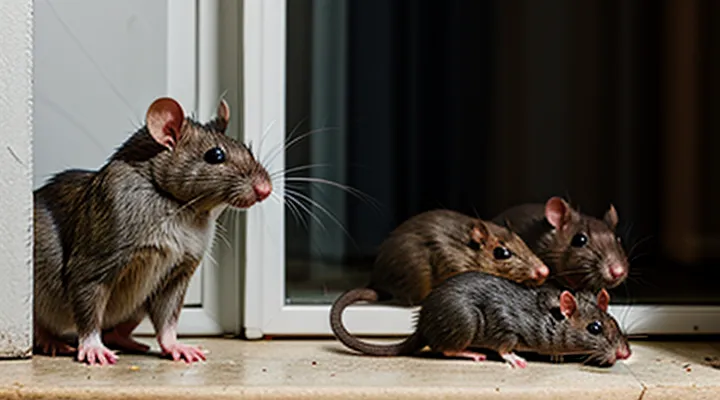
Understanding Rat Lifespan in Domestic Environments
Average Lifespan of Pet Rats
Factors Influencing Lifespan
Rats kept indoors experience lifespan variations that stem from several measurable factors. Genetic background determines baseline longevity; laboratory strains often live shorter than wild‑type descendants adapted to captivity. Nutrition exerts a direct impact: diets rich in balanced protein, essential fatty acids, and vitamins extend life expectancy, whereas high‑fat or low‑nutrient regimens accelerate aging and promote obesity‑related disorders. Environmental conditions shape health outcomes; stable temperature (20‑24 °C), adequate humidity (40‑60 %), and low‑noise surroundings reduce stress‑induced cortisol spikes that can shorten life. Hygiene practices influence disease exposure: regular cage cleaning, prompt removal of waste, and use of safe bedding lower the risk of respiratory infections and parasitic infestations. Veterinary care, including routine health checks, vaccination where applicable, and timely treatment of injuries, contributes to longer survival. Social interaction affects psychological well‑being; rats housed in compatible groups exhibit lower anxiety levels and higher activity, correlating with increased longevity. Finally, exposure to toxins—such as rodenticides, strong cleaning agents, or contaminated food—introduces acute and chronic health threats that markedly reduce lifespan.
Key factors influencing indoor rat longevity:
- Genetic lineage and strain characteristics
- Quality and composition of the diet
- Consistency of temperature, humidity, and noise levels
- Cleanliness of the living environment and bedding material
- Access to preventive veterinary services
- Social grouping and enrichment opportunities
- Absence of toxic substances and hazardous materials
Optimizing each element creates conditions that support the maximum possible lifespan for rats residing in domestic settings.
Genetic Predisposition
Genetic factors shape the lifespan of rats kept as pets. Specific alleles associated with metabolism, immune response, and stress tolerance can extend or shorten life expectancy. Studies of laboratory strains reveal that individuals carrying alleles for efficient detoxification enzymes often survive longer in typical household environments where exposure to low‑level toxins is common.
Hereditary conditions also influence longevity. Common inherited disorders include cardiomyopathy, renal disease, and certain cancers. Rats that inherit protective variants of tumor‑suppressor genes show reduced incidence of neoplasia, contributing to a higher average lifespan. Conversely, carriers of deleterious mutations in cardiac muscle proteins experience early mortality due to heart failure.
Key genetic considerations for owners:
- Select breeding lines with documented health records and low prevalence of hereditary disease.
- Monitor litters for early signs of genetic disorders, such as abnormal growth patterns or persistent respiratory issues.
- Provide nutrition tailored to the metabolic profile associated with the rat’s genetic background, reducing strain on vulnerable organ systems.
Environmental interaction remains critical. Even with favorable genetics, factors such as cage hygiene, diet quality, and stress levels can modify the expression of genetic potential, either enhancing or undermining the expected lifespan. Understanding the genetic predisposition of a pet rat allows targeted care that aligns with its inherent biological limits.
Environmental Conditions
Rats living in residential environments experience lifespan variations that correlate closely with specific environmental parameters. Temperature, humidity, food access, nesting sites, and exposure to control measures constitute the primary determinants.
- Temperature: Optimal survival occurs within a moderate range of 20 °C to 30 °C. Temperatures below 10 °C reduce metabolic efficiency and shorten life expectancy; temperatures above 35 °C increase heat stress and mortality risk.
- Humidity: Relative humidity between 40 % and 70 % supports respiratory health and skin integrity. Excessive dryness accelerates dehydration, while prolonged high moisture promotes fungal infections that can decrease longevity.
- Food availability: Continuous access to high‑calorie waste elevates body condition, extending life span. Intermittent feeding or scarcity triggers weight loss and accelerates aging processes.
- Nesting conditions: Secure, insulated burrows constructed from insulation material or clutter provide protection from predators and environmental extremes, thereby enhancing survival duration.
- Human intervention: Traps, rodenticides, and preventive sanitation directly reduce population longevity. Areas with rigorous pest‑management protocols exhibit markedly lower average rat ages.
Collectively, these factors shape the expected duration of rat life within household settings, with optimal conditions potentially extending survival to two to three years, while adverse environments may limit lifespan to less than one year.
Key Factors Affecting Rat Longevity
Diet and Nutrition
Balanced Commercial Diets
Pet rats typically reach maturity within two months and can live from twelve to twenty‑four months when housed indoors. Longevity correlates strongly with the quality and balance of the diet provided.
A balanced commercial rodent feed supplies essential nutrients in ratios calibrated for the species. Core components include:
- High‑quality animal‑derived protein (18‑22 % of the formula) for tissue repair and growth.
- Moderate fat content (4‑6 %) to supply energy without promoting obesity.
- Complex carbohydrates and soluble fiber to maintain gastrointestinal health.
- Vitamin A, D, E, K complex and B‑vitamins to support vision, bone metabolism, antioxidant defenses, and energy metabolism.
- Minerals such as calcium, phosphorus, magnesium, zinc, and selenium in bioavailable forms to ensure skeletal integrity and enzymatic function.
Consistent intake of these nutrients stabilizes body condition, reduces the incidence of metabolic disorders, and mitigates age‑related decline. Deficiencies in protein or essential fatty acids accelerate tissue wasting, while excess sugars or fats accelerate weight gain and cardiovascular stress, shortening the expected lifespan.
Practical guidelines for caretakers:
- Select feed certified by reputable rodent‑nutrition standards.
- Store pellets in airtight containers to preserve freshness and prevent rancidity.
- Offer a limited portion of fresh vegetables (e.g., carrots, broccoli) two to three times weekly for additional fiber and micronutrients.
- Avoid sugary treats, processed human foods, and high‑fat snacks.
- Monitor body weight weekly; adjust portions to maintain a healthy condition score.
Implementing a nutritionally complete commercial diet, complemented by occasional fresh produce, creates an environment where indoor rats achieve the maximum possible lifespan for the species.
Fresh Produce and Supplements
Fresh produce constitutes a primary source of vitamins, minerals, and dietary fiber for rats kept indoors. Leafy greens such as kale, spinach, and romaine lettuce supply vitamin K and calcium, while carrots and bell peppers provide beta‑carotene and vitamin C. Moderate inclusion—no more than 10 % of total daily intake—prevents gastrointestinal upset and reduces the risk of obesity, both factors that influence longevity in domestic rodents.
Supplements complement natural food sources by addressing nutritional gaps. Recommended additions include:
- Calcium‑phosphate powder, 0.5 g per kilogram of body weight, to support skeletal health.
- Vitamin B complex, administered in micro‑tablet form, to maintain metabolic efficiency.
- Probiotic capsules containing Lactobacillus spp., 1 × 10⁹ CFU per day, to stabilize gut flora.
- Omega‑3 fish‑oil droplets, 5 µL per 100 g body weight, to mitigate inflammation.
Each supplement should be introduced gradually, with observation for adverse reactions. Over‑supplementation can shorten lifespan by inducing organ stress; dosage guidelines must align with veterinary standards for small mammals.
Optimal dietary management combines fresh produce with targeted supplementation, ensuring balanced macro‑ and micronutrient intake. Routine monitoring of weight, coat condition, and activity levels provides feedback for adjusting food ratios, thereby promoting maximum life expectancy for rats residing in residential settings.
Foods to Avoid
Rats kept indoors can reach two to three years of age; nutritional quality directly affects disease risk and life expectancy.
Foods that should be excluded from a domestic rat’s diet include:
- Processed snacks containing excessive salt or preservatives
- Sugary confections, candy, and soda
- Dairy products, which many rats cannot digest due to lactose intolerance
- Raw potatoes and green tomato skins, sources of solanine toxin
- Chocolate and cocoa products, rich in theobromine
- Citrus fruits and other highly acidic items, which can irritate the gastrointestinal tract
- Whole nuts with shells, presenting choking and dental hazards
- Moldy, spoiled, or rotten food, a source of mycotoxins
- High‑fat fried foods, promoting obesity and cardiovascular strain
- Artificial sweeteners such as xylitol, which are toxic to rodents
Eliminating these items supports optimal health and maximizes the potential lifespan of household rats.
Housing and Environment
Cage Size and Enrichment
Rats kept as pets experience markedly different lifespans depending on the environment provided. Adequate cage dimensions and systematic enrichment directly influence health, behavior, and overall longevity.
A cage that permits natural movement patterns must exceed the minimum space recommended for a single adult rat. For a pair, a floor area of at least 0.6 m² and a height of 0.4 m allow climbing, jumping, and nesting without restriction. Overcrowding accelerates stress responses, compromises immune function, and reduces life expectancy.
Enrichment items serve to satisfy exploratory instincts and prevent stereotypic behaviors. Effective enrichment includes:
- Multiple levels or platforms to encourage vertical movement.
- Hideaways such as tunnels, huts, or rolled cardboard for shelter.
- Chewable objects made from untreated wood, mineral blocks, or safe plastics to promote dental health.
- Rotating puzzles or foraging devices that require problem‑solving to obtain food.
Regular rotation of enrichment materials prevents habituation and maintains mental stimulation. Cleanliness remains essential; contaminants in bedding or toys can introduce pathogens that shorten lifespan.
In summary, a spacious cage combined with diverse, regularly refreshed enrichment supports physiological well‑being, reduces stress‑related disease, and extends the years a pet rat can enjoy in a home setting.
Temperature and Humidity
Temperature directly affects rat metabolism and immune function. At ambient temperatures between 20 °C and 25 °C, metabolic rate remains stable, supporting average longevity. Temperatures below 10 °C increase metabolic stress, accelerating tissue degeneration and reducing lifespan by up to 30 %. Conversely, environments consistently above 30 °C cause hyperthermia, elevate cortisol levels, and shorten life expectancy.
Humidity influences respiratory health and skin integrity. Relative humidity maintained at 45 %–55 % prevents desiccation of mucous membranes and limits fungal growth, both of which are critical for prolonged survival. Humidity below 30 % leads to dry air irritation, increasing susceptibility to respiratory infections. Humidity above 70 % fosters mold proliferation, raising the risk of chronic lung disease.
Key environmental parameters for maximizing rat longevity in residential settings:
- Temperature: 20 °C – 25 °C (optimal)
- Relative humidity: 45 % – 55 % (optimal)
- Avoid prolonged exposure to temperatures < 10 °C or > 30 °C
- Prevent humidity extremes below 30 % or above 70 %
Maintaining these conditions creates a stable physiological environment, thereby extending the natural lifespan of domestic rats.
Substrate and Bedding
Choosing appropriate substrate and bedding directly influences health, comfort, and longevity of pet rats kept indoors.
A suitable substrate must be absorbent, low‑dust, and non‑toxic. Wood shavings such as aspen provide good absorbency while avoiding the aromatic oils found in pine or cedar that can irritate respiratory passages. Paper‑based bedding, including recycled cellulose pellets, offers high absorbency and minimal dust, supporting clean living conditions that reduce the risk of infections.
Bedding serves several functions:
- Moisture control prevents skin maceration and fungal growth.
- Odor mitigation maintains a stable environment, reducing stress‑related behaviors.
- Thermal insulation helps maintain body temperature, essential for metabolic efficiency.
Improper substrate—excessively dusty, scented, or chemically treated—can lead to respiratory distress, dermatitis, and compromised immune response, all of which shorten lifespan. Regular monitoring of bedding condition and prompt replacement when soiled or damp are critical maintenance tasks.
In addition to the material, bedding depth matters. A layer of 2–3 cm provides sufficient cushioning for nesting without creating excessive humidity. Providing a separate nesting area with soft, dry material such as shredded paper encourages natural burrowing behavior, promoting mental stimulation and physical activity that contribute to overall vitality.
Overall, selecting low‑dust, non‑aromatic substrates, maintaining optimal bedding depth, and ensuring frequent replacement constitute best practices that support prolonged, healthy lives for rats in domestic environments.
Healthcare and Veterinary Care
Regular Health Checks
Regular health monitoring significantly influences the longevity of pet rats kept indoors. Consistent examinations identify subtle changes that may indicate illness before symptoms become severe, thereby extending the animal’s lifespan.
Key elements of a routine health assessment include:
- Visual inspection of fur condition and skin integrity.
- Measurement of body weight to detect rapid loss or gain.
- Evaluation of dental health, focusing on incisor length and wear patterns.
- Observation of behavior for signs of lethargy, aggression, or abnormal grooming.
- Palpation of the abdomen to assess organ size and detect masses.
Frequency guidelines are straightforward. Daily visual checks allow owners to notice immediate alterations. Monthly weigh‑ins and dental inspections maintain baseline data. Professional veterinary examinations should occur at least once every three months, with a comprehensive health review and blood work annually.
Early detection of respiratory infections, parasites, or nutritional deficiencies enables prompt treatment, reduces stress, and prevents chronic conditions. Adjustments to diet, enrichment, and housing follow from the findings, contributing to a stable environment that supports optimal growth and immune function. Regular health checks, therefore, constitute an essential practice for maximizing the lifespan of domesticated rats.
Common Rat Ailments
Rats kept as household pets encounter several health problems that can shorten their lifespan. Recognizing typical conditions enables timely veterinary intervention and improves overall longevity.
Respiratory infections frequently arise from Mycoplasma pulmonis or viral agents. Symptoms include sneezing, nasal discharge, and labored breathing. Prompt antimicrobial therapy reduces mortality risk.
Tumors, particularly mammary adenocarcinomas, appear in middle‑aged females. Early detection through palpation and imaging allows surgical removal, extending survival.
Dental disease manifests as overgrown incisors, malocclusion, and weight loss. Regular dental checks and provision of chewable objects prevent severe complications.
Gastrointestinal disturbances, such as enteritis caused by bacterial overgrowth, lead to diarrhea and dehydration. Hygienic cage maintenance and balanced diet mitigate incidence.
Skin conditions, including dermatitis and fungal infections, present as hair loss and crusted lesions. Routine grooming and environmental cleanliness limit outbreaks.
External parasites—mites, fleas, and ticks—cause irritation and anemia. Periodic ectoparasite control products are essential for health preservation.
Each ailment directly influences the duration of life in a domestic environment. Effective prevention, early diagnosis, and appropriate treatment collectively enhance the rat’s expected lifespan.
Preventive Measures
Rats survive longer in domestic environments when food, shelter, and water are readily available. Reducing these resources shortens their lifespan and limits population growth.
Effective preventive measures include:
- Sealing entry points: inspect walls, foundations, and utility penetrations; install steel wool or metal mesh to block gnawing.
- Eliminating food sources: store grains, pet food, and waste in airtight containers; clean countertops and floors promptly after meals.
- Managing water access: repair leaks, empty standing water, and use sealed containers for drinking water.
- Maintaining sanitation: remove clutter, trim vegetation near the structure, and dispose of garbage in secured bins.
- Using traps and bait stations responsibly: position devices along established runways; monitor and replace as needed to ensure continuous control.
Consistent application of these actions disrupts the conditions that allow rats to thrive, thereby reducing their longevity within homes.
Stress and Socialization
Impact of Stress on Lifespan
Rats kept in residential environments experience a range of stressors that directly influence their longevity. Chronic exposure to threats such as predator scent, loud noises, and frequent handling elevates circulating glucocorticoids, which suppress immune function and accelerate cellular aging. Elevated cortisol levels also disrupt metabolic regulation, leading to weight loss, reduced reproductive output, and increased susceptibility to infectious diseases.
Key stress-related factors affecting lifespan include:
- Environmental disturbances: Sudden temperature shifts, bright lighting, and construction vibrations trigger sustained sympathetic activation.
- Social dynamics: Overcrowding, hierarchical conflict, and isolation provoke chronic anxiety, reflected in heightened adrenal activity.
- Nutritional stress: Inconsistent food availability or low‑quality diets compound physiological strain, reducing tissue repair capacity.
Empirical studies demonstrate that rats subjected to continuous mild stress survive 20‑30 % fewer weeks than counterparts housed in stable, low‑stimulus conditions. Interventions that minimize auditory and visual disruptions, provide consistent enrichment, and maintain stable group compositions extend median survival by up to 15 %. Monitoring corticosterone concentrations offers a reliable indicator of cumulative stress burden and can guide management adjustments to improve health outcomes.
Importance of Social Interaction
Social contact significantly influences the lifespan of domesticated rats. Research consistently links group housing with reduced mortality rates compared to solitary confinement.
Key physiological effects of companionship include lower corticosterone levels, enhanced immune response, and improved cardiovascular function. Behavioral enrichment derived from interaction prevents stereotypic behaviors that correlate with premature health decline.
Practical measures to optimize social environments:
- House rats in compatible pairs or small groups; avoid mixing unfamiliar individuals without gradual introduction.
- Monitor hierarchy to prevent chronic aggression; intervene with additional shelters or separate compartments when dominant behavior persists.
- Provide shared nesting material and rotating toys to stimulate cooperative play and exploration.
«Rats maintained in stable dyads exhibit a median lifespan increase of 15 % relative to isolated counterparts». Implementing these strategies aligns with evidence‑based recommendations for extending the healthful years of pet rodents.
Avoiding Loneliness
Rats kept as pets experience reduced stress and increased longevity when they receive regular social interaction. Isolation accelerates the onset of anxiety‑related behaviors, which can shorten the period of healthy life.
Key strategies for preventing loneliness include:
- Providing a companion of the same species; paired rats exhibit higher activity levels and lower cortisol concentrations.
- Introducing varied environmental enrichment such as tunnels, chew toys, and climbing structures to stimulate mental engagement.
- Scheduling daily handling sessions that incorporate gentle play, reinforcing the bond between caretaker and animal.
- Rotating social partners periodically, when feasible, to broaden social networks and prevent habituation.
Consistent application of these measures supports stable physiological parameters, contributing to a longer, more robust lifespan for rats living in domestic settings.
Maximizing Your Rat's Lifespan
Providing a Stimulating Environment
Toys and Enrichment
Enrichment items profoundly affect the health and lifespan of pet rats kept in domestic environments. Appropriate toys satisfy natural urges to gnaw, explore, and solve problems, thereby reducing stress and supporting physiological functions.
Key categories of enrichment include:
- Chewing objects such as untreated wood blocks, cardboard tubes, and safe acrylic chew toys.
- Climbing structures like rope ladders, branch-like perches, and multi‑level platforms.
- Puzzle devices that conceal treats, requiring manipulation to access food.
- Sensory accessories, for example tunnels, hideouts, and textured mats.
Consistent use of these items promotes dental wear, muscular development, and cognitive activity, all of which correlate with longer, healthier lives. Regular rotation prevents habituation and maintains curiosity, while material safety eliminates ingestion hazards.
Practical guidance: select non‑toxic, chew‑resistant materials; provide at least one novel object weekly; integrate short, daily play sessions lasting five to ten minutes per rat; inspect items for wear and replace damaged pieces promptly. Implementing such a regimen maximizes the positive impact of toys and enrichment on the longevity of rats living at home.
Opportunities for Exercise
Pet rats kept indoors require regular physical activity to maintain health and support a longer lifespan. Structured opportunities for movement stimulate muscle development, enhance cardiovascular function, and reduce the incidence of obesity‑related diseases.
Effective exercise options include:
- Rotating wheels sized for adult rats, providing continuous aerobic activity.
- Multi‑level climbing frames with ladders and platforms, encouraging vertical movement and balance training.
- Burrowing tubes and tunnels filled with shredded paper, allowing natural digging behavior.
- Scheduled out‑of‑cage sessions in a secure, supervised area, facilitating exploration and social interaction.
- Food‑based foraging puzzles that combine mental stimulation with light physical effort.
Consistent access to these stimuli promotes weight control, improves bone density, and supports immune competence. Studies of domestic rodents indicate that individuals receiving daily exercise exhibit median survival periods exceeding those with limited activity by 15‑20 percent.
Implementing a varied routine prevents habituation, ensuring sustained engagement and maximal physiological benefit throughout the rat’s domestic life.
Mental Stimulation
Mental stimulation refers to activities that challenge a rat’s cognition, problem‑solving abilities, and sensory perception. In a domestic environment, such enrichment directly influences health metrics that correlate with longevity.
- Provide varied objects that require manipulation, such as chewable tunnels, nesting material, and puzzle feeders.
- Rotate toys weekly to prevent habituation and maintain novelty.
- Incorporate foraging opportunities by hiding small food portions in shredded paper or cardboard.
- Offer safe climbing structures that encourage vertical exploration.
- Facilitate regular handling sessions that involve gentle coaxing and brief training exercises.
These practices reduce chronic stress markers, lower circulating cortisol, and promote neurogenesis in the hippocampus. Enhanced immune responsiveness follows, decreasing susceptibility to respiratory and gastrointestinal infections that commonly shorten the rat’s life span.
Research on laboratory and pet rodents indicates that individuals receiving consistent «mental stimulation» live several months longer than counterparts in barren cages. Typical domestic rat lifespan ranges from 2 to 3 years; enriched conditions can extend this period toward the upper limit, contributing to a healthier, more active senior stage.
Recognizing Signs of Illness
Early Detection
Rats kept in domestic environments typically survive between twelve and twenty‑four months, depending on food availability, shelter quality, and exposure to predators or disease. Shortened lifespan limits population growth but does not eliminate the risk of rapid infestation.
Detecting a rodent presence at the earliest stage prevents colony expansion, reduces contamination of food stores, and lowers the likelihood of disease transmission to humans and pets. Early identification also minimizes the need for extensive chemical treatments.
Effective early‑detection techniques include:
- Placement of non‑toxic tracking plates along walls, under appliances, and near entry points.
- Installation of motion‑sensitive infrared sensors that record nocturnal activity.
- Routine visual inspection for gnaw marks, droppings, and shredded material.
- Use of bait stations equipped with monitoring lids that reveal rodent interaction without exposing poison.
Regular monitoring schedules, such as weekly perimeter checks and monthly interior surveys, maintain awareness of rodent activity. Prompt reporting of any sign enables swift intervention, preserving household hygiene and preventing long‑term damage. «Early detection prevents escalation».
Common Symptoms to Watch For
Rats kept indoors may exhibit signs that indicate health problems or the presence of disease. Early detection relies on consistent observation of behavior and physical condition.
- Lethargy or reduced activity
- Unexplained weight loss or failure to gain weight
- Scratching, fur loss, or visible skin lesions
- Nasal discharge, sneezing, or watery eyes
- Unusual odor from urine or feces
- Aggressive or unusually fearful behavior
- Persistent coughing or wheezing sounds
- Blood in stool or urine
Presence of any listed symptom warrants immediate veterinary assessment. Prompt treatment reduces the risk of disease spread within the household and improves the animal’s prognosis. Monitoring should be performed daily to ensure rapid response to emerging health issues.
When to Seek Veterinary Attention
Rats kept as household companions can develop acute or chronic health problems that require professional evaluation. Recognizing the point at which veterinary care becomes essential helps prevent suffering and extends the animal’s functional lifespan.
Key indicators that warrant immediate veterinary attention include:
- Sudden cessation of eating or drinking for more than 24 hours.
- Noticeable weight loss exceeding 10 % of body mass within a short period.
- Labored breathing, wheezing, or persistent nasal discharge.
- Bleeding from any body site, especially from the mouth, ears, or rectum.
- Unexplained lethargy, inability to move normally, or loss of coordination.
- Swelling, lumps, or ulcerated skin lesions that increase in size or become painful.
- Persistent diarrhea or abnormal feces, particularly if accompanied by blood.
- Signs of pain such as vocalization when handled, guarding of a specific area, or aggression due to discomfort.
- Fever, which may be detected by a rectal temperature above 40 °C (104 °F).
Additional circumstances that justify prompt veterinary consultation:
- Exposure to toxins, including rodenticide, household chemicals, or unfamiliar foods.
- After a traumatic event such as a fall, bite, or cage injury.
- Presence of parasites that cause visible irritation, excessive scratching, or anemia.
- Chronic conditions previously diagnosed (e.g., respiratory infections, renal disease) that show worsening symptoms despite treatment.
Early intervention based on these criteria supports optimal recovery and contributes to a longer, healthier life for rats living in domestic environments.