
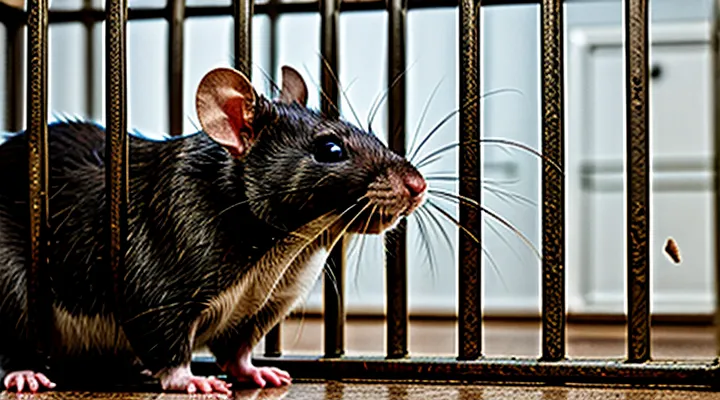
Average Lifespan of Domesticated Rats
Domesticated rats, most commonly the fancy variety derived from Rattus norvegicus, usually reach an average age of 2 to 3 years when kept under optimal conditions. The median lifespan for well‑cared pets falls near 2.5 years, with a minority surviving up to 4 years. Male rats tend to have slightly shorter lifespans than females, reflecting physiological differences observed in laboratory studies.
Key factors influencing longevity include:
- Diet quality – balanced commercial pellets supplemented with fresh vegetables reduce nutritional deficiencies.
- Housing environment – spacious cages, regular cleaning, and proper ventilation lower stress and disease risk.
- Health monitoring – routine veterinary checks enable early detection of tumors, respiratory infections, and metabolic disorders.
- Genetic background – selective breeding for specific coat colors or traits can inadvertently introduce health vulnerabilities.
Improving any of these variables extends the expected lifespan, aligning pet rats more closely with the upper range of the 2–4 year spectrum.
Factors Influencing Lifespan
Genetics and Breeding
Genetic composition determines the baseline lifespan of laboratory and pet rats. Specific alleles influence metabolic rate, immune competence, and susceptibility to age‑related diseases. Breeds derived from wild‑type stock generally exhibit shorter lifespans than those selected for reduced aggression and slower growth.
Key genetic factors that modify longevity include:
- Growth‑hormone regulation – mutations that lower growth‑hormone secretion delay senescence.
- DNA‑repair efficiency – alleles enhancing nucleotide excision repair reduce tumor incidence.
- Oxidative‑stress resistance – variants of antioxidant enzymes (e.g., superoxide dismutase) improve cellular resilience.
- Immune‑system robustness – Major Histocompatibility Complex diversity correlates with infection resistance.
Selective breeding can amplify favorable alleles while avoiding deleterious ones. Practices that extend rat lifespan in captivity consist of:
- Outcrossing – introducing unrelated genetic lines to maintain heterozygosity and mitigate inbreeding depression.
- Screening for hereditary disorders – discarding carriers of known detrimental mutations from breeding programs.
- Maintaining moderate litter sizes – preventing maternal stress that compromises offspring health.
- Tracking pedigree data – using software to monitor allele frequency and avoid inadvertent homozygosity.
When breeding programs prioritize these genetic strategies, average rat longevity in controlled environments increases by 15–30 % compared with unselected populations. The cumulative effect of optimized genetics and disciplined breeding directly shapes the duration of life that captive rats can achieve.
Diet and Nutrition
A balanced diet directly influences the lifespan of laboratory and pet rats. Adequate protein supports tissue repair and immune function, while excessive protein accelerates renal stress. Commercial rodent pellets formulated for laboratory use provide consistent protein (15‑20 % of dry matter), essential amino acids, and calibrated energy levels. Supplementing pellets with fresh vegetables supplies fiber, vitamins A, C, K, and minerals such as potassium and magnesium, which prevent gastrointestinal stasis and skeletal deficiencies.
- Protein: 15‑20 % of diet; sources include soy, casein, or fish meal.
- Fat: 4‑6 % of diet; essential fatty acids from vegetable oils maintain cell membrane integrity.
- Fiber: 4‑5 % of diet; raw vegetables, oat bran, or cellulose promote gut motility.
- Vitamins & minerals: daily intake of vitamin D, calcium, phosphorus, and trace elements prevents metabolic bone disease.
- Water: continuous access to clean, filtered water prevents dehydration and urinary tract issues.
Caloric restriction, defined as a 10‑15 % reduction from ad libitum intake, extends median survival by reducing oxidative stress and delaying age‑related pathology. Overfeeding leads to obesity, insulin resistance, and shortened life expectancy. Feeding schedules that limit access to food during daylight hours mimic natural foraging patterns, encouraging activity and metabolic health.
Nutrient deficiencies manifest quickly: lack of vitamin C results in scurvy‑like symptoms, while insufficient calcium causes dental malocclusion and fractures. Regular monitoring of body condition score, coat quality, and fecal consistency provides early detection of dietary imbalances.
In summary, optimal longevity in captive rats requires a precise combination of protein, fat, fiber, micronutrients, and controlled caloric intake, delivered through standardized pellets supplemented with fresh produce and strict water hygiene.
Environmental Enrichment
Environmental enrichment provides captive rats with stimuli that more closely resemble natural conditions, thereby influencing physiological and behavioral outcomes that affect their lifespan.
Typical enrichment elements fall into four categories:
- Physical structures – tunnels, climbing platforms, nesting material that encourage movement and muscle development.
- Social opportunities – group housing or controlled pairings that allow interaction and hierarchy formation.
- Cognitive challenges – puzzle feeders, foraging devices, and rotating toys that require problem‑solving.
- Sensory inputs – varied textures, odors, and auditory cues that stimulate the nervous system.
Research links each category to measurable health benefits: increased locomotor activity improves cardiovascular function; social contact reduces chronic stress hormones; cognitive tasks enhance neuroplasticity; diverse sensory exposure supports immune competence. Collectively, these factors lower morbidity and extend the average duration of life for laboratory and pet rats.
Effective enrichment programs rotate items regularly, maintain hygiene to prevent disease, and adjust complexity to the age and health status of the animals. Monitoring behavior and physiological markers guides refinements, ensuring that enrichment continues to support optimal longevity.
Veterinary Care
Proper veterinary care directly influences the lifespan of rats kept in captivity. Routine health examinations allow early detection of common conditions such as respiratory infections, dental overgrowth, and skin parasites. Early intervention reduces morbidity and extends overall survival.
Key components of veterinary management include:
- Vaccination and parasite control – Preventive injections and regular deworming lower the incidence of infectious diseases.
- Dental monitoring – Regular trimming of incisor length prevents malocclusion, which can lead to starvation and systemic illness.
- Nutritional assessment – Veterinary evaluation ensures diets meet the specific calcium‑phosphorus ratio and vitamin requirements, preventing metabolic bone disease.
- Environmental health checks – Assessment of cage ventilation, temperature, and humidity helps avoid respiratory stressors.
- Behavioral observation – Veterinarians differentiate normal activity from pain‑related signs, facilitating timely treatment of musculoskeletal injuries.
When a rat shows signs of illness, prompt veterinary attention is essential. Diagnostic tools such as radiography, blood panels, and microbiological cultures provide accurate identification of pathogens or internal disorders. Targeted therapies—antibiotics, anti‑inflammatories, or supportive care—address the underlying cause and improve recovery odds.
Regular collaboration between owners and veterinary professionals establishes a preventive health plan tailored to each rat’s age, breed, and living conditions. Consistent implementation of this plan maximizes longevity, allowing captive rats to live significantly longer than untreated counterparts.
Common Health Issues
Rats kept in captivity encounter several health conditions that significantly reduce their lifespan. Recognizing and addressing these problems is essential for maintaining a healthy colony.
- Respiratory infections (e.g., Mycoplasma pulmonis, Sendai virus): cause sneezing, nasal discharge, labored breathing; spread quickly in crowded environments.
- Dental malocclusion: overgrown incisors impair feeding, lead to weight loss and secondary infections.
- Tumors (particularly mammary adenomas and sarcomas): appear frequently in older individuals, often metastasize.
- Skin disorders (ringtail, fungal dermatitis): result from poor hygiene, humidity extremes, or stress.
- Gastrointestinal issues (ileus, enteritis): manifest as reduced appetite, abdominal distension, dehydration.
- Metabolic diseases (diabetes, renal insufficiency): develop with inappropriate diet or genetic predisposition.
Effective management relies on preventive measures. Provide a balanced diet low in excess fats and sugars, ensure constant access to fresh water, and supply chewable objects to promote dental wear. Maintain cage cleanliness, control humidity, and avoid overcrowding to limit pathogen transmission. Conduct regular health examinations, monitor weight and behavior, and isolate symptomatic individuals promptly. Early veterinary intervention improves outcomes and extends the overall longevity of captive rats.
Preventive Measures
Rats kept under controlled conditions can reach ages significantly longer than their wild counterparts when preventive strategies are consistently applied. Effective prevention targets health threats, environmental stressors, and behavioral problems that shorten lifespan.
- Provide a balanced diet formulated for rodents, including appropriate protein, fiber, and micronutrients; avoid excessive sugary treats.
- Maintain cage hygiene by cleaning waste daily, disinfecting surfaces weekly, and ensuring fresh bedding to prevent bacterial and fungal growth.
- Control temperature and humidity within the optimal range (18‑24 °C, 40‑60 % relative humidity) to reduce respiratory and thermal stress.
- Supply enrichment items such as tunnels, chew blocks, and nesting material to encourage natural behaviors and prevent obesity and stereotypies.
- Schedule regular veterinary examinations, vaccinate against common pathogens, and implement parasite control programs.
- Monitor water quality, using filtered or bottled water and changing it daily to prevent contamination.
Implementing these measures creates a stable environment that minimizes disease incidence, physiological strain, and behavioral disorders, thereby extending the average lifespan of captive rats.
Stress and Social Interaction
Rats kept in controlled environments often live longer than their wild counterparts, but their longevity is highly sensitive to psychological conditions. Chronic stress accelerates physiological decline, shortening the average lifespan by up to 30 % in laboratory studies. Sources of stress include unpredictable lighting cycles, frequent handling by unfamiliar personnel, and confinement in overly small cages.
Positive social dynamics counteract many negative effects of stress. Rats are social animals; stable group housing promotes natural grooming and play behaviors, which reduce cortisol levels and improve immune function. Isolation, even for short periods, leads to heightened anxiety, reduced growth rates, and increased mortality.
Key factors influencing lifespan through stress and social interaction:
- Consistent light‑dark schedule (12 h/12 h)
- Group size of 2–4 individuals per cage
- Minimal disruption during routine care
- Enrichment items that allow exploration and nesting
Proper management of these variables aligns captive conditions with the species’ innate social needs, thereby extending the life expectancy of laboratory rats.
Maximizing Your Rat's Lifespan
Rats kept under human care can reach ages far beyond those observed in the wild when optimal conditions are maintained. Longevity depends on diet quality, habitat design, preventive health care, and social interaction.
A balanced diet supplies essential nutrients, reduces obesity, and supports organ function. Feed a mix of high‑protein pellets, fresh vegetables, and limited fruits. Avoid sugary treats and processed foods that accelerate metabolic disorders. Provide clean water daily; replace it at least every 24 hours.
Environmental factors influence stress levels and disease risk. House rats in well‑ventilated cages with solid flooring to prevent foot injuries. Maintain temperature between 18 °C and 24 °C and humidity around 40‑60 %. Include nesting material, tunnels, and chewable items to encourage natural behaviors and prevent boredom.
Regular health monitoring detects problems early. Perform weekly visual inspections for skin lesions, respiratory signs, and abnormal posture. Schedule veterinary check‑ups semiannually; administer recommended vaccinations and parasite preventatives. Keep a record of weight, food intake, and any medication.
Social needs affect mental well‑being and immune competence. Keep rats in compatible pairs or small groups; solitary housing increases stress hormones and shortens lifespan. Observe hierarchy dynamics and separate aggressive individuals promptly.
Key practices for extending rat lifespan
- Provide a nutritionally complete, varied diet; limit high‑sugar snacks.
- Ensure stable temperature, adequate ventilation, and enrichment items.
- Conduct routine health checks and veterinary visits.
- Maintain appropriate social groups and monitor interactions.
- Keep the cage clean; change bedding weekly and disinfect surfaces monthly.
Implementing these measures creates a stable, low‑stress environment that maximizes the duration and quality of a rat’s life in captivity.
Comparing Wild vs. Captive Lifespan
Rats in the wild typically survive 1–2 years, with most individuals dying before reaching the second birthday due to predation, disease, and food scarcity. In contrast, rats kept under controlled conditions often live 2.5–4 years, and some laboratory strains exceed 5 years when provided optimal nutrition, temperature, and veterinary care.
Key factors influencing the disparity:
- Predation pressure – absent in captivity, eliminating a primary cause of early death.
- Disease exposure – reduced through quarantine, vaccinations, and regular health monitoring.
- Nutrition – standardized diets prevent malnutrition and obesity, common in wild populations.
- Environmental stress – stable temperature, humidity, and lighting diminish physiological strain.
- Genetic selection – laboratory breeding favors longevity traits, whereas wild populations retain higher genetic variability.
Overall, the controlled environment extends rat lifespan by roughly 50 % to 150 % compared with natural habitats, underscoring the impact of external threats and resource availability on survival.
Early Signs of Aging in Rats
Rats kept in controlled environments begin to show measurable aging markers well before the median lifespan of 2–3 years is reached. Early signs manifest in physical condition, behavior, and physiological function.
Physical indicators appear first. The fur loses its glossy sheen, becomes thinner, and may develop patches of alopecia. Skin elasticity diminishes, leading to a slightly sagging appearance around the neck and abdomen. Dental wear accelerates, causing uneven incisors that can be observed during routine health checks. Weight fluctuations are common; older rats often gain fat around the midsection while losing muscle mass in the limbs.
Behavioral changes provide additional clues. Activity levels decline; rats spend more time resting and less time exploring or engaging with enrichment objects. Grooming frequency drops, resulting in a messier coat. Social interaction weakens, with individuals showing reduced interest in conspecifics and a tendency to isolate. Response to novel stimuli slows, and reaction times increase noticeably during simple maze or obstacle tests.
Physiological assessments reveal further early aging markers. Vision and hearing sensitivity lessen, detectable by reduced startle responses to light flashes or sudden sounds. Blood panels show modest elevations in inflammatory markers such as C‑reactive protein. Kidney function tests may indicate a slight rise in blood urea nitrogen, reflecting the gradual decline of renal efficiency.
Summarized early aging signs in captive rats:
- Dull, thinning fur with occasional hair loss
- Reduced skin elasticity and slight sagging
- Dental wear and uneven incisors
- Centralized fat accumulation with peripheral muscle loss
- Decreased locomotor activity and exploration
- Lower grooming frequency, leading to a messy coat
- Diminished social engagement and increased isolation
- Slower response to visual and auditory cues
- Mild elevations in inflammatory blood markers
- Early indicators of renal function decline
Monitoring these parameters enables caretakers to differentiate normal adult development from the onset of senescence, facilitating timely adjustments in diet, enrichment, and veterinary care.