
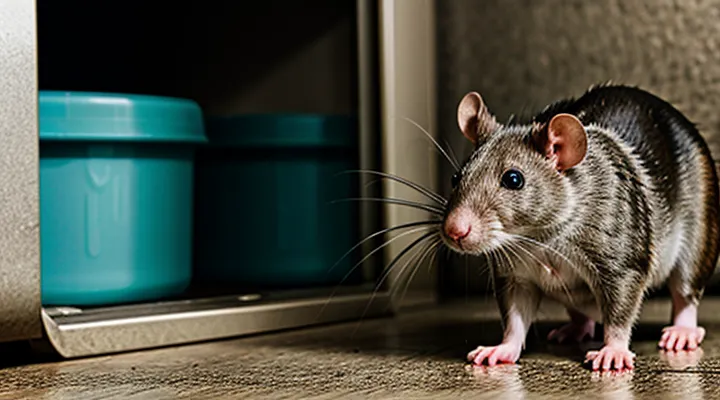
Average Lifespan of Pet Rats
Factors Influencing Rat Lifespan
Genetics and Breeding
Genetic composition directly influences the lifespan of domesticated rats. Selective breeding aims to enhance traits associated with health and longevity, while minimizing hereditary disorders.
Key genetic considerations:
- Inbreeding depression reduces immune competence, shortens life expectancy, and increases incidence of skeletal anomalies.
- Hybrid vigor, achieved by crossing genetically diverse lines, often results in larger litter sizes and extended median lifespan.
- Recessive mutations linked to kidney disease, respiratory issues, and coat abnormalities can be eliminated through careful pedigree analysis.
- Marker‑assisted selection enables identification of alleles correlated with robust metabolism and resistance to neoplasia.
Breeding practices that promote longer lives include:
- Maintaining a minimum coefficient of inbreeding (COI) below 6 % across generations.
- Conducting health screenings for common conditions such as mycoplasma infection and pituitary adenomas before mating.
- Rotating breeding pairs to preserve genetic diversity while retaining desirable phenotypes.
- Documenting lineage data to trace the inheritance of beneficial traits and avoid propagation of deleterious genes.
Overall, rigorous genetic management and responsible breeding strategies substantially increase the average lifespan of pet rats, often reaching 2.5–3 years compared with unselected populations that average 1.5–2 years.
Diet and Nutrition
A rat’s lifespan as a companion animal is closely linked to the quality and balance of its diet. Proper nutrition supplies the energy required for growth, immune function, and organ maintenance, thereby extending longevity.
Key nutritional components include:
- High‑quality protein from sources such as cooked egg, lean meat, or commercial rat pellets; essential for tissue repair and muscle development.
- Adequate fiber from whole‑grain cereals, oats, and fresh vegetables; promotes gastrointestinal motility and prevents constipation.
- Moderate fat levels, primarily from unsaturated oils, to provide essential fatty acids without encouraging obesity.
- Vitamins A, D, E, and B‑complex supplied through fortified pellets and occasional fresh produce; support vision, bone health, and metabolic processes.
- Minerals such as calcium, phosphorus, and magnesium; maintain skeletal integrity and nerve function.
A balanced diet typically comprises 15–20 % protein, 5–10 % fat, and 3–5 % fiber, with the remainder consisting of water, vitamins, and minerals. Commercially formulated rat pellets meeting these ratios serve as a reliable staple; fresh foods should complement, not replace, the base diet.
Feeding frequency should involve two small meals per day, limiting portion size to prevent excess caloric intake. Treats—nuts, seeds, or fruit—must remain under 5 % of total calories to avoid weight gain and metabolic disorders.
Continuous access to clean, fresh water is essential; dehydration accelerates organ failure. Toxic foods, including chocolate, caffeine, raw beans, and high‑salt items, must be excluded to prevent acute poisoning and chronic health issues.
Regular weight monitoring, coupled with veterinary check‑ups, enables early detection of nutritional imbalances. Adjustments to protein levels, fiber content, or caloric intake should respond to changes in activity, age, and health status, ensuring optimal lifespan for the pet rat.
Environment and Enrichment
A suitable living environment is essential for maximizing the lifespan of domesticated rats. Proper cage dimensions allow natural movement; a minimum of 2 sq ft per animal prevents overcrowding and reduces stress. Adequate ventilation maintains air quality, while a secure lid prevents escape and exposure to predators.
Enrichment items stimulate mental and physical health. Recommended elements include:
- Chewable objects such as wooden blocks or untreated branches to promote dental wear.
- Tunnels, climbing structures, and platforms that encourage exploration and exercise.
- Puzzle feeders that require problem‑solving to access food, supporting cognitive function.
- Regular rotation of toys to prevent habituation and sustain interest.
Social interaction markedly affects well‑being. Housing rats in same‑sex pairs or small groups mirrors their natural gregarious behavior, decreasing loneliness‑related ailments. Continuous observation for aggression ensures harmonious cohabitation.
Cleanliness directly influences disease risk. Weekly removal of soiled bedding, combined with spot cleaning of waste, limits bacterial growth. Use dust‑free, absorbent substrate to protect respiratory health.
Dietary variety complements environmental enrichment. Fresh vegetables, occasional fruit, and high‑quality rodent pellets provide balanced nutrition, while occasional treats reinforce training sessions and enrich routine.
By integrating spacious housing, diverse enrichment, social companionship, rigorous hygiene, and a varied diet, caretakers create conditions that substantially extend the health span of pet rats.
Veterinary Care
Pet rats typically reach adulthood within two months and may live between two and three years under optimal conditions. Longevity depends heavily on the quality of veterinary oversight, which addresses disease prevention, early detection, and chronic management.
Regular health examinations form the cornerstone of effective care. A schedule of quarterly check‑ups allows veterinarians to assess weight, coat condition, dental health, and respiratory function. Early identification of issues such as nasal discharge, sneezing, or abnormal grooming patterns prevents rapid deterioration.
Key components of professional care include:
- Vaccination is not standard; focus remains on parasite control and hygiene.
- Dental evaluation, because incisors grow continuously; overgrowth leads to malocclusion and impaired feeding.
- Respiratory assessment, as rats are prone to Mycoplasma pulmonis infections; prompt antibiotic therapy improves outcomes.
- Nutritional counseling, ensuring a balanced mix of commercial pellets, fresh vegetables, and limited treats to avoid obesity and related organ strain.
- Environmental review, confirming cage size, bedding material, and enrichment items reduce stress, a factor that shortens lifespan.
Owners should maintain a record of all veterinary visits, medication courses, and observed behavioral changes. Prompt consultation when symptoms appear, rather than waiting for progression, maximizes the chance of extending the animal’s life expectancy.
Stress and Social Interaction
Pet rat longevity depends heavily on the level of stress they experience and the quality of their social environment. Average lifespan ranges from two to three years; reductions often trace back to chronic stressors, while stable companionship can add several months.
Stress sources include:
- Overcrowding or isolation that disrupts natural hierarchy
- Sudden changes in temperature, lighting, or cage layout
- Persistent loud noises or vibrations
- Inadequate enrichment such as lack of tunnels, chew toys, or climbing structures
- Rough handling or unpredictable human interaction
Social interaction is essential for rat health. As highly gregarious mammals, they thrive on mutual grooming, play, and the establishment of a clear social order. Benefits of proper companionship encompass:
- Reduced cortisol levels, which correlate with lower incidence of respiratory and gastrointestinal disease
- Enhanced immune function through regular physical activity and mental stimulation
- Increased appetite and more consistent weight gain, supporting overall vitality
Practical measures to minimize stress and promote positive social dynamics:
- House rats in groups of at least two, preferably of the same sex or mixed with careful monitoring of aggression.
- Maintain a consistent daily routine for feeding, cleaning, and handling to avoid unnecessary disruption.
- Provide a variety of enrichment items, rotating them weekly to sustain curiosity.
- Conduct gentle, brief handling sessions multiple times per day, allowing rats to approach voluntarily.
- Observe interactions for signs of bullying; intervene by rebalancing group composition or offering separate safe spaces.
«Rats are social animals that prosper when their environment is predictable and their social needs are met». By controlling stressors and fostering healthy group dynamics, owners can maximize the lifespan and quality of life for their pet rodents.
Maximizing Your Pet Rat's Lifespan
Optimal Housing Conditions
Cage Size and Setup
Rats require spacious enclosures to support active behavior and promote a longer lifespan. Adequate room reduces stress, encourages exercise, and prevents injury, all of which contribute to overall health.
Recommended minimum dimensions for a single adult rat are at least 30 × 45 cm (12 × 18 in). For a pair, increase floor space to 30 × 60 cm (12 × 24 in) or larger. Larger cages provide additional benefits and accommodate enrichment items.
Vertical space enhances living area without expanding floor footprint. Adding one or two secure platforms or climbing structures adds 15–20 cm (6–8 in) of usable height and satisfies the species’ natural inclination to explore vertically.
Cage construction should meet the following criteria:
- Solid, non‑toxic material (e.g., powder‑coated metal or untreated wood).
- Wire spacing no larger than 1 cm (0.4 in) to prevent escape.
- Ventilation openings covering at least 30 % of side panels.
- Secure latch system that rats cannot manipulate.
Bedding must be absorbent, dust‑free, and safe for chewing. Options such as paper‑based or aspen shavings meet these requirements. Provide nesting material (e.g., shredded paper) to allow natural nest building.
Regular maintenance schedule:
- Daily spot cleaning of soiled areas.
- Full substrate change every 2–3 days.
- Weekly inspection of cage integrity, latch function, and ventilation.
Proper cage size and thoughtful setup create an environment where pet rats can thrive, directly influencing their longevity.
Bedding and Substrate
Bedding and substrate directly influence the health and longevity of domesticated rats. Proper material provides insulation, moisture control, and a safe environment for chewing, all of which reduce stress and disease risk.
Effective bedding should meet the following criteria:
- High absorbency to manage urine and droppings.
- Minimal dust production to protect respiratory pathways.
- Non‑toxic composition, free of aromatic oils and chemicals.
- Soft texture that encourages natural burrowing behavior.
Materials that compromise these standards must be excluded:
- Cedar and pine shavings, which release volatile compounds harmful to the respiratory system.
- Scented or perfumed products, which can cause irritation.
- Loose straw or hay that may lead to ingestion hazards.
Maintenance practices sustain the benefits of suitable substrate:
- Replace bedding completely every one to two weeks, depending on cage size and activity level.
- Keep a layer of 2–3 cm at the bottom of the enclosure to absorb moisture.
- Spot‑clean daily by removing soiled sections and waste.
By providing a low‑dust, absorbent, and non‑toxic environment, bedding reduces the incidence of respiratory infections, skin lesions, and stress‑related disorders. These health improvements correlate with an extended lifespan for pet rats, supporting overall well‑being throughout their lives.
Temperature and Ventilation
Temperature profoundly influences the health and lifespan of domestic rats. Optimal ambient conditions fall within 18 °C to 24 °C (65 °F–75 °F). Temperatures below 15 °C (59 °F) increase metabolic strain, suppress immune function, and accelerate age‑related decline. Temperatures above 27 °C (81 °F) promote dehydration, heat stress, and organ dysfunction, shortening the expected lifespan.
Ventilation ensures continuous exchange of fresh air, preventing accumulation of ammonia, carbon dioxide, and volatile organic compounds. Poor air circulation elevates ammonia concentrations from urine, which irritates respiratory passages and predisposes rats to pneumonia and chronic lung disease. Adequate airflow reduces pathogen load and supports efficient thermoregulation.
Key environmental parameters:
- Temperature: maintain 18 °C–24 °C; monitor with calibrated thermometer.
- Relative humidity: keep between 40 % and 60 %; excessive humidity fosters mold growth, while low humidity accelerates mucosal drying.
- Air exchange: provide at least 10 air changes per hour; use filtered ventilation or a well‑ventilated enclosure away from drafts.
- Ammonia levels: ensure below 0.5 ppm; achieve through regular cage cleaning and proper bedding.
Consistent adherence to these temperature and ventilation standards directly correlates with extended longevity in pet rats, reducing premature mortality and enhancing overall wellbeing.
Essential Dietary Practices
Balanced Diet Components
Pet rats achieve optimal longevity when their diet supplies all essential nutrients in appropriate proportions.
A balanced regimen includes:
- Protein sources such as cooked chicken, boiled egg, or commercial rat pellets fortified with animal‑based protein.
- Fiber from whole‑grain cereals, oats, and safe vegetables (e.g., carrots, broccoli) to promote digestive health.
- Vitamins A, D, E, and B‑complex supplied by leafy greens, fortified pellets, and occasional fruit.
- Minerals—calcium, phosphorus, magnesium, and trace elements—delivered through mineral blocks or fortified feed.
- Essential fatty acids from small amounts of unsalted nuts or fish oil to support skin and coat condition.
- Fresh water available at all times, changed daily to prevent contamination.
Treats should remain under 10 % of total intake, limited to low‑sugar fruits or plain yogurt. Consistent provision of these components reduces the risk of obesity, dental disease, and metabolic disorders, thereby extending the average lifespan of domesticated rats.
Fresh Water Availability
Fresh water must be continuously accessible to pet rats. Dehydration accelerates organ failure, shortens immune response, and reduces overall longevity. Water sources should be changed daily to prevent bacterial growth and biofilm formation. Contaminants such as chlorine, heavy metals, or residual cleaning agents compromise kidney function and may lead to premature death.
Key practices for maintaining optimal hydration:
- Provide a leak‑proof bottle with a stainless‑steel or BPA‑free plastic nozzle; metal tubes resist chewing and reduce contamination risk.
- Position the bottle at a height that allows easy mouth access without forcing the animal to stretch.
- Monitor consumption levels; a healthy adult rat drinks approximately 5–10 ml of water per day. Significant deviations indicate illness or inadequate water quality.
- Keep the bottle away from food dishes to avoid cross‑contamination, but ensure proximity so the animal does not travel far for hydration.
Water temperature influences palatability. Room‑temperature water (18–22 °C) encourages regular drinking, whereas cold water may deter intake. In hot climates, additional cooling devices, such as ceramic water dishes placed in shaded areas, help maintain appropriate fluid intake.
Regular inspection of the water delivery system prevents leaks, blockages, and mold growth. Replacing bottles every six months eliminates wear that could introduce pathogens. By adhering to these standards, caretakers support the physiological processes that extend the lifespan of domestic rats.
Avoiding Harmful Foods
Pet rats require a diet that supports longevity and prevents premature health issues. Certain foods introduce toxins, disrupt digestion, or cause nutritional imbalances, directly reducing lifespan.
Common items that should never be offered include:
- Chocolate and cocoa products – contain theobromine, toxic to rodents.
- Caffeine‑containing beverages or snacks – stimulate heart rate and can lead to seizures.
- Raw or undercooked beans – high levels of lectins cause gastrointestinal distress.
- Processed meats with added salts or preservatives – increase kidney load and risk of hypertension.
- Citrus fruits in large quantities – acidity erodes enamel and may cause stomach irritation.
- Avocado flesh – contains persin, which can be harmful in significant amounts.
- Alcohol or any fermented products – depress central nervous system and impair organ function.
Safe alternatives focus on high‑quality rodent pellets supplemented with small portions of fresh vegetables (e.g., carrots, broccoli, leafy greens) and occasional fruits (e.g., apple slices without seeds). Whole grains, nuts (unsalted, in moderation), and occasional protein sources such as boiled eggs provide balanced nutrition without introducing hazardous compounds.
Monitoring food intake and eliminating harmful items ensures optimal health, supporting a lifespan that aligns with the species’ natural potential when kept as companions.
Proactive Health Management
Regular Vet Check-ups
Regular veterinary examinations are essential for maintaining the health and longevity of domesticated rats. Early detection of common conditions such as respiratory infections, tumors, and dental problems enables timely treatment, reducing the risk of premature mortality.
Key components of a routine check‑up include:
- Physical assessment of body condition, coat quality, and mobility.
- Inspection of the oral cavity for overgrown incisors and gum disease.
- Auscultation of heart and lungs to identify signs of infection or cardiac issues.
- Weight measurement and calculation of growth trends.
- Screening for parasites and recommended vaccination updates, where applicable.
Veterinarians with experience in small mammals provide guidance on nutrition, environmental enrichment, and stress reduction, all of which contribute to extending the typical lifespan of pet rats, generally ranging from two to three years. Regular appointments, scheduled at six‑month intervals for adult rats and more frequently for juveniles, create a preventive health framework that supports optimal well‑being.
Recognizing Common Illnesses
Pet rats typically live between two and three years, but health problems can shorten that period. Early detection of disease signs allows timely intervention, which directly influences longevity.
Common illnesses and observable indicators:
- «Respiratory infection»: sneezing, nasal discharge, labored breathing, reduced activity.
- «Gastrointestinal disturbance»: diarrhea, weight loss, decreased food intake, wet tail.
- «Skin lesions»: hair loss, scabs, redness, itching.
- «Dental malocclusion»: difficulty chewing, drooling, facial swelling.
- «Tumors»: palpable masses, abdominal distension, abnormal behavior.
Monitoring strategies include daily visual checks, weighing the rat at least once weekly, and recording changes in appetite or behavior. Any deviation from normal patterns warrants prompt veterinary evaluation. Early treatment improves recovery chances and supports a longer, healthier life for the pet rat.
Prevention Strategies
Rats kept as companions require proactive health management to achieve their typical lifespan of two to three years. Early disease detection, environmental control, and dietary precision form the core of effective prevention.
Key measures include:
- Regular veterinary examinations at six‑month intervals, focusing on dental assessment and respiratory health.
- Housing in a well‑ventilated cage with sterile bedding, cleaned weekly to eliminate ammonia buildup and parasite exposure.
- Balanced diet comprising high‑quality rodent pellets, supplemented with fresh vegetables, and limited sugary treats to prevent obesity and metabolic disorders.
- Enrichment that encourages natural foraging and exercise, reducing stress‑related immune suppression.
- Strict quarantine of new arrivals for at least two weeks, monitoring for signs of illness before integration with existing pets.
Consistent application of these strategies minimizes common ailments such as respiratory infections, dental overgrowth, and gastrointestinal disturbances, thereby supporting the longest possible healthy life for pet rats.
Enrichment and Mental Stimulation
Toys and Activities
Enrichment directly influences the health and lifespan of domesticated rats. Providing appropriate toys and activities stimulates natural behaviors, reduces stress, and supports physical development.
- Chew items such as untreated wooden blocks, natural branches, or paper tubes satisfy dental wear requirements.
- Exercise wheels with solid surfaces prevent foot injuries while encouraging cardiovascular activity.
- Plastic tunnels and multi‑level cages create vertical space, promoting climbing and exploration.
- Manipulable objects like small balls, beads, and rope ladders engage forelimb coordination.
Structured activities reinforce mental acuity. Hiding treats inside shredded paper or puzzle feeders creates foraging challenges that mimic wild feeding patterns. Supervised floor time in a safe enclosure allows rats to navigate varied textures and practice agility. Regular rotation of toys prevents habituation, ensuring continuous engagement and contributing to a longer, healthier life expectancy.
Socialization with Owners
Social interaction with owners profoundly affects the health and longevity of domesticated rats. Regular, gentle handling conditions the animal to view human contact as safe, reducing stress‑induced cortisol spikes that can shorten life expectancy.
Key practices for effective socialization include:
- Daily short sessions of calm handling, lasting 5–10 minutes, to build trust.
- Introduction of a variety of safe toys and tunnels, encouraging exploration and mental stimulation.
- Maintenance of a consistent daily routine for feeding, cleaning, and interaction, minimizing anxiety caused by unpredictability.
- Use of positive reinforcement, such as treats, to reward calm behavior during handling.
- Housing in compatible groups, allowing natural social behaviors while preventing isolation.
Reduced chronic stress correlates with improved immune response, faster wound healing, and lower incidence of respiratory infections, all contributing to extended lifespan. Consistent owner engagement also facilitates early detection of health issues, enabling prompt veterinary intervention.
In summary, deliberate, low‑stress socialization practices directly support physiological well‑being and can add several months to the average lifespan of a pet rat.
Interaction with Other Rats
Interaction with conspecifics significantly influences the lifespan of domesticated rats. Social species experience reduced chronic stress when housed with compatible partners, which correlates with lower cortisol levels and improved cardiovascular function. Enhanced grooming and play behavior stimulate physical activity, contributing to healthier body weight and stronger musculoskeletal development.
Positive outcomes of group housing include:
- Decreased incidence of anxiety‑related disorders.
- Elevated immune response, reflected in higher white‑blood‑cell counts.
- Greater enrichment through mutual exploration and problem‑solving.
Conversely, inappropriate pairing can introduce health and behavioral challenges. Pathogen transmission rises when individuals lack proper quarantine, leading to respiratory infections and gastrointestinal disturbances. Dominance hierarchies may generate frequent aggression, resulting in injuries and heightened stress hormones. Overcrowding exacerbates these risks, impairing growth and shortening average longevity.
Optimal management requires:
- Quarantining new rats for at least four weeks before integration.
- Providing ample space per animal, typically a minimum of 0.5 ft² of floor area.
- Monitoring hierarchy dynamics and separating persistently aggressive individuals.
- Supplying diverse enrichment items to disperse attention and reduce competition.
By balancing social benefits with preventive measures, caretakers can maximize the health and duration of life for pet rats.
Common Health Issues in Pet Rats
Respiratory Diseases
Mycoplasma pulmonis
Mycoplasma pulmonis is a respiratory pathogen that frequently colonises laboratory and companion rodents. Infection can precipitate chronic bronchopneumonia, reducing aerobic capacity and leading to progressive weight loss. In pet rats, the disease often manifests as nasal discharge, sneezing and laboured breathing, which directly shortens expected lifespan.
Key effects on longevity include:
- Persistent inflammation of lung tissue, impairing gas exchange.
- Increased susceptibility to secondary bacterial infections.
- Heightened stress response, accelerating senescence.
Management strategies focus on prevention and early intervention. Routine health monitoring, quarantine of new arrivals, and maintenance of optimal humidity levels diminish transmission risk. Antibiotic regimens, typically tetracycline‑based, alleviate clinical signs when administered promptly. Vaccination options remain unavailable; therefore, biosecurity measures constitute the primary defence.
Overall, Mycoplasma pulmonis represents a significant factor limiting the duration of life in domesticated rats. Effective control of the pathogen correlates with extended, healthier lives for these animals.
Symptoms and Treatment
Pet rats commonly face health problems that can shorten their lifespan. Recognizing early signs and applying appropriate interventions improves outcomes.
Common symptoms include:
- Respiratory distress: wheezing, nasal discharge, labored breathing.
- Digestive issues: diarrhea, constipation, reduced appetite.
- Skin abnormalities: hair loss, lesions, crusted sores.
- Behavioral changes: lethargy, aggression, tremors.
- Ocular problems: watery eyes, cloudiness, discharge.
Treatment protocols depend on the identified condition:
-
Respiratory infections
• Administer a veterinarian‑prescribed antibiotic regimen, typically enrofloxacin or doxycycline.
• Provide humidified environment to ease breathing.
• Monitor temperature and isolate the affected animal to prevent spread. -
Gastrointestinal disturbances
• Rehydrate with subcutaneous saline or oral electrolyte solutions.
• Offer a bland diet of cooked rice and boiled chicken for short periods.
• Use probiotic supplements to restore gut flora; consider metronidazole for bacterial overgrowth. -
Dermatological lesions
• Clean wounds with sterile saline solution.
• Apply a topical antiseptic such as chlorhexidine.
• For severe infections, inject a systemic antibiotic like amoxicillin. -
Neurological signs
• Conduct a thorough examination to rule out toxin exposure or metabolic disorders.
• Provide supportive care, including warmth and fluids, while awaiting diagnostic results. -
Ocular conditions
• Flush eyes with sterile saline to remove debris.
• Treat bacterial conjunctivitis with ophthalmic antibiotic drops.
• Consult a specialist if cataracts or ulcerations develop.
Preventive measures reinforce treatment efficacy. Maintain cage hygiene, provide a balanced diet rich in protein and fiber, and schedule regular veterinary check‑ups. Early detection of abnormal behavior or physical changes enables timely medical response, thereby extending the healthy years of a pet rat.
Tumors and Cancers
Types and Prevalence
Pet rats belong to the species Rattus norvegicus, but breeders have developed several distinct varieties that differ in coat texture, ear placement, and coloration. Common types include:
- Fancy rats – standard body shape with a wide range of coat colors and patterns.
- Dumbo rats – ears positioned low on the head, giving a distinctive “droopy” appearance.
- Hooded rats – a colored cap covering the head, shoulders, and back, with the remainder of the body white.
- Rex rats – curly or wavy fur resulting from a genetic mutation affecting hair structure.
- Hairless rats – minimal fur, exposing skin that may be pink or dark.
These varieties are produced through selective breeding rather than representing separate species, and all share similar health profiles and lifespan expectations.
Pet rat ownership is widespread in many regions, particularly in North America and Europe. Surveys indicate that rodents rank among the top three small‑animal pets, with approximately 15 percent of households owning at least one rat. Urban areas show higher adoption rates, reflecting the animal’s suitability for apartment living. Younger owners, especially those aged 18‑30, constitute the largest demographic, driven by interest in low‑maintenance companions and the rats’ reputation for intelligence and sociability. In specialty pet stores, rat sales account for roughly 5 percent of small‑animal transactions, while rescue organizations report a steady influx of surrendered rats, underscoring both demand and the need for responsible ownership.
Early Detection
Early detection of health problems significantly influences pet rat longevity. Regular observation of behavior, appetite, and physical condition allows owners to identify issues before they become severe. Subtle changes, such as reduced activity, altered grooming habits, or slight weight loss, often precede more serious disease.
Key indicators for prompt assessment include:
- Decreased food or water intake lasting more than 24 hours
- Abnormal respiratory sounds or persistent sneezing
- Discoloration of the tail, ears, or paws
- Persistent diarrhea or abnormal stool consistency
- Lethargy, trembling, or difficulty moving
When any of these signs appear, immediate veterinary consultation is essential. Diagnostic tools such as physical examination, blood work, and imaging provide rapid clarification of underlying conditions. Early intervention, typically involving targeted medication, supportive care, or dietary adjustments, can extend the animal’s lifespan and improve quality of life.
Preventive measures reinforce early detection. Routine health checks every two to three months, combined with a balanced diet and a clean environment, reduce the likelihood of hidden ailments. Maintaining detailed records of weight, grooming patterns, and veterinary visits creates a baseline for comparison, facilitating quicker recognition of deviations.
In summary, vigilant monitoring, swift veterinary response, and consistent preventive care form a proactive strategy that maximizes the lifespan of rats kept as companions.
Other Ailments
Dental Problems
Pet rats possess continuously growing incisors that require regular wear to maintain proper length and alignment. Failure to provide sufficient abrasion leads to dental disorders that directly influence overall health and lifespan.
The incisors emerge from the jawbone and extend outward, growing approximately 0.5 mm each day. Natural gnawing on fibrous foods, wooden objects, and chew toys creates the necessary wear pattern. When wear is insufficient, teeth become overgrown, altering bite mechanics and causing tissue damage.
Typical dental problems include:
- Malocclusion, where the upper and lower incisors fail to meet correctly;
- Overgrowth, resulting in sharp edges that injure the tongue, cheeks, or gums;
- Periodontal infection, often developing from exposed pulp or cracked enamel.
Observable indicators consist of:
- Reduced food intake or selective eating;
- Drooling, nasal discharge, or foul odor from the mouth;
- Visible changes in tooth length or shape;
- Weight loss and lethargy.
Preventive strategies focus on diet and environment. High‑fiber pellets, fresh vegetables, and occasional whole grains promote natural gnawing. Providing untreated wooden blocks, mineral chews, or safe plastic toys supplies continuous abrasion. Routine visual inspections of the oral cavity, performed weekly, enable early detection of abnormalities.
When dental issues arise, veterinary intervention is essential. Professional trimming restores appropriate tooth length, while analgesics and antibiotics address pain and infection. Follow‑up appointments monitor healing and prevent recurrence.
Untreated dental disease compromises nutrition, leads to chronic pain, and predisposes rats to systemic infections. These conditions shorten the expected lifespan, often reducing it by several months compared to healthy counterparts. Maintaining optimal dental health therefore extends longevity and enhances quality of life.
Parasites
Parasites represent a primary factor limiting the longevity of domesticated rats. Infestations can reduce average lifespan by several months, depending on parasite type and severity of infection.
Common parasites affecting pet rats include:
- External: «Sarcoptes scabiei» (mange), fleas, lice.
- Internal: «Syphacia obvelata» (pinworm), «Trichuris muris» (whipworm), coccidia, protozoa such as «Giardia duodenalis».
- Bacterial agents: «Mycoplasma spp.» causing respiratory disease, often transmitted alongside ectoparasites.
Health consequences range from skin irritation and alopecia to gastrointestinal distress, anemia, and respiratory compromise. Chronic infestations accelerate weight loss, impair immune function, and increase mortality risk. Early signs—scratching, visible eggs in feces, nasal discharge, or reduced activity—signal the need for intervention.
Preventive measures rely on strict hygiene, regular cage cleaning, and quarantine of new arrivals. Environmental controls such as dust‑free bedding, temperature stability, and avoidance of overcrowding reduce ectoparasite survival. Routine fecal examinations, performed at least quarterly, detect internal parasites before clinical disease emerges.
Effective treatment protocols involve topical acaricides for mange, oral anthelmintics (e.g., pyrantel pamoate) for nematodes, and specific anti‑protozoal drugs for coccidia. Antibiotic therapy targets bacterial infections, but susceptibility testing guides appropriate selection. Veterinary consultation is essential whenever symptoms persist after initial treatment or when multiple parasite species are identified.
By integrating vigilant monitoring, prompt therapeutic action, and consistent environmental management, owners can substantially extend the lifespan of their pet rats and maintain optimal health.
Foot Issues
Pet rats typically reach two to three years of age, though health complications can shorten this period. Among the most significant factors affecting longevity are foot problems, which can impede mobility, cause pain, and lead to secondary infections.
Common foot conditions include:
- Pododermatitis, an inflammation of the foot pads often linked to inappropriate bedding or excessive moisture;
- Overgrown claws that may puncture skin or interfere with normal gait;
- Traumatic injuries such as cuts, bruises, or fractures resulting from rough handling or escape attempts;
- Bacterial or fungal infections that thrive in damp environments and spread rapidly through compromised tissue;
- Tumors of the foot or surrounding tissue, which may be malignant or benign but still impair function.
Early detection relies on observing changes in behavior: reluctance to climb, reduced activity, limping, or excessive licking of the paws. Physical examination should note swelling, discoloration, discharge, or abnormal nail length. Prompt veterinary assessment is essential; treatment may involve cleaning and dressing wounds, administering antibiotics or antifungal agents, trimming nails, and adjusting cage conditions to maintain dry, soft bedding.
Preventive measures reduce the likelihood of foot issues and support a longer, healthier life:
- Provide absorbent, low‑dust bedding such as paper strips or aspen shavings;
- Keep the enclosure dry and well‑ventilated to discourage microbial growth;
- Trim claws regularly, using proper tools and following veterinary guidelines;
- Limit exposure to rough surfaces or objects that could cause cuts;
- Conduct routine health checks, focusing on the paws and nails during each handling session.
Addressing foot problems promptly minimizes pain and prevents cascading health decline, thereby contributing to the maximum possible lifespan for domesticated rats.