
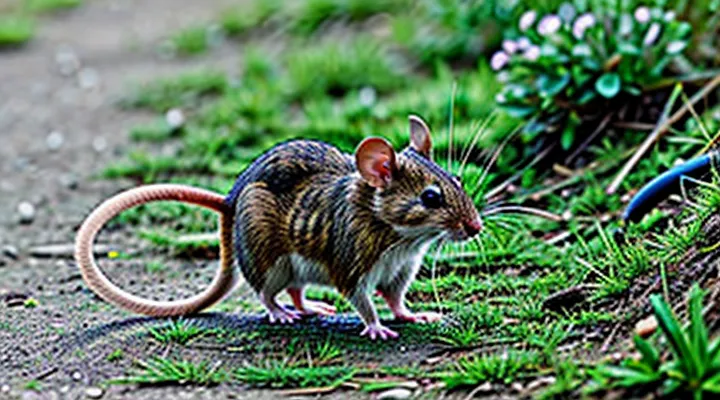
The Ephemeral Existence of Wild Mice
A Brief Life Expectancy
Wild rodents of the genus Mus rarely exceed a year in natural habitats. Average longevity clusters around three to six months for most species, with occasional individuals reaching twelve months under optimal conditions.
- Common house mouse (Mus musculus): 3–6 months; exceptional cases up to 12 months.
- Field mouse (Apodemus spp.): 4–8 months; rare survival beyond 10 months.
- Deer mouse (Peromyscus maniculatus): 5–9 months; occasional individuals live 14 months.
Survival determinants include predation pressure, seasonal food availability, parasite load, and climate extremes. Juvenile mortality dominates the first weeks, while adult deaths concentrate during winter scarcity or breeding peaks when competition intensifies.
In captivity, lifespan extends to two–three years, reflecting reduced predation, stable nutrition, and veterinary care. The stark contrast underscores environmental hazards as the primary limiter of wild mouse longevity.
Factors Influencing Lifespan
Predation Pressure
Predation pressure constitutes the primary external factor that reduces the lifespan of wild mice. Predators locate rodents through scent, movement, and auditory cues, leading to frequent fatal encounters. High predator density correlates with shorter average survival periods, while lower predator presence allows individuals to reach the upper limits of their natural lifespan.
Typical predators include:
- Owls, hawks and other raptors that hunt from the air.
- Snakes, especially pit vipers and rat snakes, that ambush on the ground.
- Small carnivorous mammals such as foxes, weasels and feral cats.
- Larger reptiles and amphibians that seize opportunistic prey.
Mice employ several adaptive behaviors to mitigate predation risk. Rapid reproductive cycles compensate for losses, producing multiple litters each year. Nocturnal activity reduces exposure to diurnal hunters, while burrowing offers concealment from aerial and terrestrial threats. These strategies collectively influence the observed variation in wild mouse longevity.
Food Scarcity and Competition
Food availability directly influences the lifespan of wild mice. When resources are plentiful, individuals often reach the upper limits of natural longevity, typically two to three years. Conversely, periods of scarcity force physiological trade‑offs that shorten survival to less than one year.
Seasonal fluctuations create predictable gaps in edible seed and insect populations. During these gaps, mice increase foraging range, heightening exposure to predators and to conspecific competitors. Aggressive encounters over limited caches raise stress hormone levels, which suppress immune function and accelerate aging.
Key observations from field studies:
- In habitats with stable grain supplies, average adult survival exceeds 24 months; mortality peaks occur primarily in the third year.
- In arid environments where food drops below 10 % of optimal density during summer, median lifespan contracts to 8–10 months.
- High‑density colonies experience up to a 30 % rise in intra‑specific aggression, correlating with a 15 % increase in premature deaths.
- Experimental food restriction of 40 % results in a 25 % reduction in reproductive output and a 20 % decline in median lifespan, as reported by researchers: «Food limitation reduces reproductive output and accelerates mortality».
Competition intensifies when multiple species exploit overlapping niches. Introduced rodents, such as the Norway rat, displace native mice from prime foraging sites, forcing the latter into marginal habitats with lower caloric yield. This displacement shortens life expectancy by an estimated 10–15 % compared with isolated populations.
Overall, the interplay of limited nourishment and competitive pressure dictates the variance observed in wild mouse longevity, shaping population dynamics across diverse ecosystems.
Environmental Hazards
Mice in natural habitats face a range of environmental hazards that significantly influence their average lifespan. Predation, weather extremes, disease, and limited food resources combine to create a high‑mortality environment.
- Predators such as owls, snakes, and carnivorous mammals hunt mice regularly, reducing survival probability with each encounter.
- Temperature fluctuations expose mice to heat stress in summer and hypothermia in winter; insufficient shelter amplifies these effects.
- Pathogens including hantavirus, leptospirosis, and ectoparasite‑borne infections spread quickly in dense populations, elevating death rates.
- Scarcity of edible seeds, insects, and vegetation forces competition, leading to malnutrition and weakened immune defenses.
Seasonal peaks in predation and disease correspond with observable declines in population numbers. Mortality spikes often occur during breeding seasons when increased activity heightens exposure to threats. Conversely, periods of abundant food and moderate climate can extend individual longevity, though average lifespan remains limited compared to captive counterparts.
Adaptations such as nocturnal foraging, burrow construction, and social grooming mitigate some hazards, yet they do not eliminate the overall risk. Continuous environmental pressures ensure that wild mouse populations experience short, variable lifespans, underscoring the critical role of external factors in shaping survival outcomes.
Disease and Parasites
Wild mice encounter a range of pathogens that shorten their natural lifespan. Bacterial infections such as salmonellosis and leptospirosis cause rapid systemic decline, often leading to death within weeks of onset. Viral agents, including hantavirus and lymphocytic choriomeningitis virus, spread through aerosols and contaminated food sources, resulting in severe respiratory and neurological damage. Fungal infections, notably dermatophytosis, impair skin integrity and increase susceptibility to secondary bacterial invasion.
- Salmonella spp.
- Leptospira interrogans
- Hantavirus
- Lymphocytic choriomeningitis virus
- Dermatophyte fungi (e.g., Microsporum spp.)
Ectoparasites and endoparasites impose additional physiological stress. Fleas and mites feed on blood, transmitting bacterial agents and causing anemia. Ticks, particularly Ixodes species, introduce spirochetes that trigger chronic inflammation. Internal parasites such as the nematode Heligmosomoides polygyrus and the protozoan Giardia duodenalis compromise nutrient absorption, leading to weight loss and weakened immune response.
- Fleas (Xenopsylla spp.)
- Mites (Myobia musculinus)
- Ticks (Ixodes ricinus)
- Nematodes (Heligmosomoides polygyrus)
- Protozoa (Giardia duodenalis)
The cumulative effect of these diseases and parasites reduces average survival from the potential three‑year maximum to approximately one to eighteen months, depending on environmental conditions and population density. Effective natural selection favors individuals with stronger immune defenses, yet the persistent pathogen load remains a principal factor limiting longevity in wild mouse populations.
The Daily Struggle for Survival
Predator Avoidance Strategies
Camouflage and Hiding
Wild mice achieve an average lifespan of three to five years, yet many individuals perish within a year due to predation. Effective concealment directly influences survival rates.
Fur coloration matches the predominant substrate of the habitat. In grasslands, dorsal pelage exhibits brown‑gray tones that merge with dried vegetation; in forest floors, darker hues blend with leaf litter and shadowed soil. Seasonal molting adjusts pigment density, ensuring optimal background matching throughout the year.
Behavioral tactics reinforce visual camouflage. Mice remain motionless when potential threats approach, reducing detection by motion‑sensitive predators. They select nesting sites beneath rocks, dense foliage, or within burrow entrances, positioning entrances flush with surrounding material to obscure visibility. When foraging, individuals follow low‑profile routes along the edges of cover, limiting exposure.
Key camouflage and hiding mechanisms:
- Fur pattern adaptation to local environment
- Seasonal molting for dynamic background matching
- Motionless posture during predator encounters
- Nest placement within concealed microhabitats
- Utilization of edge‑following foraging paths
These strategies collectively lower predation risk, thereby extending the potential lifespan of wild mice. «Survival hinges on remaining unseen».
Nocturnal Activity
Wild mice are predominantly nocturnal, initiating most of their foraging, social interactions, and predator avoidance after dusk. Their activity peaks during the early night hours, when ambient temperatures are lower and visual predators are less effective. This temporal pattern reduces exposure to diurnal raptors and increases the likelihood of locating food sources that are more abundant in darkness, such as seeds dispersed by wind or insects emerging at night.
Nocturnal behavior directly influences survival rates and, consequently, average lifespan in natural habitats. By limiting movement to periods of reduced light, mice lower the probability of being detected by sight‑reliant predators, which contributes to a higher proportion of individuals reaching mature age. Additionally, nighttime foraging aligns with the circadian rhythms that regulate metabolism, immune function, and stress responses, all of which affect longevity.
Key aspects of nocturnal activity in wild mice:
- Peak activity window: 20:00 – 02:00 local time, varying with season and latitude.
- Sensory adaptation: Enhanced auditory and olfactory acuity compensates for limited visual input.
- Energy efficiency: Cooler night temperatures reduce thermoregulatory costs, conserving energy for growth and reproduction.
- Predator avoidance: Shift away from diurnal birds of prey toward nocturnal predators such as owls, which are fewer in number and less abundant in many habitats.
These characteristics illustrate how the night‑time lifestyle of wild mice supports both immediate survival tactics and longer‑term lifespan outcomes. «The nocturnal niche optimizes resource acquisition while minimizing predation risk», a principle consistently observed across rodent field studies.
High Reproductive Rate as a Survival Tactic
Wild mice typically survive only a few months in natural habitats, a brief lifespan that drives a reproductive strategy focused on rapid population turnover. A high reproductive rate compensates for high mortality, ensuring species persistence despite predation, disease, and environmental fluctuations.
Key aspects of this tactic include:
- Females reach sexual maturity within six weeks of birth, allowing early entry into breeding cycles.
- A single female can produce up to ten litters annually, each containing three to twelve offspring, depending on food availability.
- Gestation lasts roughly three weeks, and weaning occurs after another three weeks, creating a continuous pipeline of new individuals.
- Short inter‑litter intervals reduce gaps in population density, limiting opportunities for predators to deplete local numbers.
«Mice can generate a new generation in less than two months», a statistic frequently cited in ecological studies, illustrates the speed of turnover. This rapid turnover maintains genetic diversity, as frequent breeding introduces new allele combinations that may enhance resistance to pathogens or adaptability to shifting climates.
The combination of early maturity, frequent breeding, and large litter sizes forms a self‑reinforcing cycle: high offspring output offsets short individual lifespans, while a dense population increases the likelihood of finding mates and securing resources. Consequently, the reproductive vigor of wild mice functions as a primary survival mechanism, directly influencing their overall population dynamics.
Dietary Habits and Their Impact
Foraging Behavior
Wild mice rely on opportunistic foraging to meet high metabolic demands. Their diet includes seeds, grains, insects, and occasional plant material, selected according to seasonal availability. Foraging activity peaks during twilight hours when predation risk is reduced, yet mice remain capable of nocturnal and diurnal excursions when food sources are scarce.
Sensory cues guide food discovery. Olfactory receptors detect volatile compounds from seeds and insects, while tactile whiskers assess texture and shape of potential items. Spatial memory enables individuals to revisit productive sites, reducing travel distance and exposure to predators.
Key foraging strategies:
- Opportunistic consumption of abundant resources such as fallen seeds after harvest.
- Cache formation: temporary storage of food in concealed locations to buffer against periods of scarcity.
- Scavenging of insect carcasses, providing protein during breeding season.
- Exploitation of anthropogenic environments, including grain stores and waste, which extend lifespan by improving caloric intake.
These behaviors directly influence survival rates, contributing to the observed variation in wild mouse longevity. Efficient foraging reduces energy deficits, lowers mortality from starvation, and supports reproductive success, thereby extending the average lifespan in natural habitats.
Nutritional Needs
Wild mice survive in environments where food availability fluctuates dramatically, making precise nutritional strategies essential for maintaining health and extending lifespan. Their diets consist primarily of seeds, grains, and plant material, supplemented by insects and occasional animal matter when resources permit. This omnivorous intake supplies the macronutrients required for rapid growth and reproductive cycles.
Key nutritional components include:
- Carbohydrates: Provide immediate energy for foraging and evasion of predators; grains and seeds are the main sources.
- Proteins: Essential for tissue repair and offspring development; insects and stored seed proteins fulfill this need.
- Lipids: Support long‑term energy storage and insulation; fatty seeds and occasional animal tissue contribute.
- Vitamins and minerals: Vitamin A from green vegetation aids vision; calcium from bone fragments and mineral-rich soil supports skeletal integrity.
Water consumption is opportunistic; mice obtain moisture from food and dew, but will drink directly when free water is present. Seasonal scarcity prompts physiological adaptations such as reduced metabolic rate and increased fat deposition, which prolong survival during lean periods.
Nutrient balance directly influences immune function, reproductive success, and overall longevity. Deficiencies in protein or essential fatty acids accelerate mortality, while adequate intake correlates with the upper range of wild mouse lifespan.
Habitat Preferences and Shelter
Nesting Habits
Wild mice construct nests to protect offspring, regulate temperature and conceal themselves from predators, factors that directly influence survival rates in natural habitats.
Preferred nesting sites include burrows excavated in soft soil, crevices beneath rocks, dense vegetation, and abandoned insect nests. These locations provide stable microclimates and reduce exposure to extreme weather.
Materials gathered for nest building consist of shredded plant fibers, grasses, leaves, shredded bark and occasional animal fur. Mice select items with high insulation properties, arranging them in layered structures that retain heat during cold periods and dissipate excess warmth when temperatures rise.
Construction proceeds in stages: a shallow depression is first formed, followed by the placement of coarse material to form a base. Successive layers of finer fibers are added, creating a compact dome that shields the litter. The entrance is typically positioned low to the ground, allowing quick escape while minimizing detection.
Seasonal adjustments affect nest architecture. In winter, nests become deeper and denser, incorporating additional insulation. During summer, mice reduce nest depth and increase ventilation by leaving larger openings.
Key characteristics of wild mouse nesting habits:
- Location selection prioritizes concealment and thermal stability.
- Material choice emphasizes insulation and availability.
- Layered construction enhances structural integrity and predator avoidance.
- Seasonal modifications optimize comfort and energy efficiency.
Protection from Elements
Mice surviving in natural habitats rely on a suite of adaptations that mitigate exposure to temperature extremes, precipitation, and wind. These adaptations directly affect survivorship and average lifespan in the wild.
Thermoregulation is achieved through nesting behavior. Mice construct nests from shredded vegetation, grasses, and animal fur, creating insulated chambers that retain heat during cold nights and provide shade during hot days. The nest material traps air, reducing conductive heat loss and buffering against sudden temperature fluctuations.
Moisture control involves selecting nesting sites with adequate drainage. Burrows are often located on slightly elevated ground or under dense ground cover, preventing water accumulation after rain. The tunnel architecture includes sloped entrances and multiple chambers, allowing excess moisture to escape while maintaining a dry interior.
Protection from wind and predators is enhanced by strategic burrow placement. Entrances face away from prevailing winds, and the tunnel network includes false exits that confuse predators and reduce airflow directly into the main nest chamber. Soil composition contributes to structural stability, preventing collapse during heavy storms.
Key protective strategies include:
- Construction of multi‑layered nests using insulating materials.
- Selection of elevated, well‑drained burrow sites.
- Orientation of tunnel entrances opposite dominant wind direction.
- Incorporation of auxiliary chambers and decoy exits.
These mechanisms collectively extend the period mice can remain active in their environment, influencing the overall duration of their wild existence.
Reproductive Cycles and Population Dynamics
Rapid Breeding
Gestation Period
Mice in natural habitats reach reproductive maturity within a few weeks after birth. The gestation period for most wild species, such as the common house mouse (Mus musculus), lasts approximately 19–21 days. This short interval allows rapid population turnover and supports multiple breeding cycles each year.
Key characteristics of the gestation phase include:
- Duration: 19–21 days under typical environmental conditions.
- Temperature influence: ambient temperatures between 20 °C and 30 °C accelerate embryonic development; lower temperatures can extend the period by a day or two.
- Litter size: females typically give birth to 5–8 pups per gestation, though numbers may rise to 12 in exceptionally favorable conditions.
- Seasonal variation: breeding peaks in spring and summer, when food availability and climate conditions optimize gestational efficiency.
Rapid embryonic growth results from a high metabolic rate and efficient placental nutrient transfer. After birth, offspring are altricial, requiring maternal care for the first two weeks before attaining independence. This reproductive strategy contributes to the resilience and adaptability of wild mouse populations.
Litter Size
Mice reproduce rapidly, producing multiple litters each breeding season. Typical litter size ranges from five to twelve offspring, with the average for the common house mouse (Mus musculus) around six to eight pups. Factors influencing litter size include species, nutritional status, temperature, and population density; well‑fed females in moderate climates tend to have larger litters, whereas harsh conditions or high competition can reduce the number of newborns.
Key characteristics of mouse litter dynamics:
- Gestation period lasts approximately 19–21 days, allowing several breeding cycles within a year.
- Females become sexually mature at 6–8 weeks, enabling the first litter shortly after reaching maturity.
- Litters are born at intervals of 3–4 weeks when conditions permit, leading to potential generation turnover of up to ten cycles annually in favorable environments.
- Litter size correlates with survivorship; larger litters increase the probability that some offspring will reach adulthood despite predation and resource scarcity.
Understanding litter size provides insight into population growth rates and the overall lifespan of wild mice, as high reproductive output compensates for the short individual life expectancy typical of these rodents.
The Role of Mice in Ecosystems
Food Source for Predators
Mice, with an average lifespan of roughly one year in natural habitats, constitute a substantial portion of the diet for numerous carnivorous species. Their rapid reproduction cycles ensure a relatively constant supply of prey, influencing predator foraging patterns and population dynamics.
Predators that regularly consume wild mice include:
- Small mustelids such as weasels and ferrets
- Avian raptors, notably barn owls and hawks
- Larger mammals, including foxes and coyotes
- Snakes, especially rat snakes and gopher snakes
- Larger rodents, for example, larger species of rats that practice opportunistic predation
The energy derived from mouse consumption supports growth, reproduction, and seasonal survival in these predators. Seasonal fluctuations in mouse abundance often trigger corresponding changes in predator reproductive timing, as documented in ecological studies: «Peak mouse activity during late summer aligns with increased breeding success in barn owls». Consequently, mouse population health directly affects predator community stability and biodiversity within ecosystems.
Seed Dispersal
Wild mice act as mobile agents that move seeds away from parent plants, influencing vegetation patterns across their habitats.
When a mouse collects a seed, it may transport the item to a nest, a burrow, or a temporary cache. The movement distance varies from a few meters to several dozen meters, depending on foraging behavior and terrain. After storage, some seeds remain uneaten and eventually germinate, creating new seedlings away from the original growth site.
Seed dispersal by mice contributes to plant diversity by reducing competition among seedlings and increasing colonization opportunities for opportunistic species. The process also supports forest regeneration after disturbances such as fire or logging, because cached seeds can survive harsh conditions and sprout when the environment stabilizes.
Longevity of individual mice directly affects the cumulative quantity of seeds moved. A mouse that survives for several years can perform repeated caching cycles, thereby amplifying its dispersal impact over time.
Key observations:
- Average dispersal distance: 5–30 m per seed movement.
- Cache retrieval rate: roughly 30 % of stored seeds remain untouched and become viable.
- Species with larger home ranges tend to distribute seeds over broader areas.
- Longer lifespan correlates with higher total seed dispersal events per individual.
The interaction between mouse lifespan and seed dispersal underscores the species’ role in shaping ecosystem structure, even as their own survival time remains relatively short compared with larger mammals.
Notable Adaptations for Wild Living
Sensory Acuity
Hearing and Smell
Mice rely on acute auditory perception to detect predators and locate conspecifics. Their hearing range extends to approximately 100 kHz, exceeding the human audible spectrum and enabling detection of ultrasonic vocalizations emitted by owls and other nocturnal hunters. Sensitivity to high‑frequency sounds allows immediate flight responses, reducing exposure to lethal encounters and contributing to longer wild lifespans.
Olfactory ability complements auditory alerts. Mice possess roughly 1 000 functional olfactory receptor genes, granting discrimination of a broad spectrum of chemical cues. Detection of predator urine, feces, or glandular secretions triggers avoidance behavior, while scent trails from conspecifics guide foraging and nesting activities. Efficient odor processing shortens search time for food and shelter, decreasing vulnerability to starvation and exposure.
Key sensory advantages:
- Hearing up to 100 kHz; rapid reaction to ultrasonic predator calls.
- Olfactory system with ~1 000 receptor types; precise identification of danger and resource cues.
- Integrated sensory processing; swift transition from detection to escape or acquisition behaviors.
Impairments in either modality correlate with reduced survival rates. Laboratory studies show that mice with surgically disabled hearing experience a 30 % increase in predation mortality compared with intact individuals. Similarly, genetic loss of specific olfactory receptors leads to diminished foraging efficiency and heightened predator exposure.
Overall, the combination of high‑frequency hearing and extensive smell capacity forms a primary defense mechanism that directly influences the duration of life for wild mice.
Low-Light Vision
Mice possess a retina dominated by rod cells, granting exceptional sensitivity to dim illumination. The lack of a tapetum lucidum is compensated by a high density of photopigments, allowing detection of movement at light levels comparable to moonlit nights.
Enhanced low‑light perception enables nocturnal foraging while reducing exposure to diurnal predators. By operating primarily after dusk, mice avoid many visual hunters, which translates into a measurable increase in average longevity compared to species with limited night vision.
Typical wild mouse lifespan ranges from twelve to eighteen months, with mortality peaks linked to predation, disease, and food scarcity. Individuals that efficiently exploit twilight hours experience fewer encounters with predators, thereby extending their expected survival window.
Key aspects of low‑light vision in wild mice:
- Rod‑centric retina provides rapid photon capture.
- Wide visual field supports peripheral motion detection.
- Integration with tactile whisker input compensates for reduced acuity.
- Nighttime activity pattern aligns with reduced predator density.
Physical Characteristics
Agility and Speed
Mice survive in natural habitats for only a few months on average, yet their remarkable agility and speed significantly influence this brief lifespan. Rapid acceleration enables escape from predators such as owls, snakes and small mammals. Quick, precise turns allow navigation through dense vegetation and underground tunnels, reducing exposure to ambush attacks.
Key aspects of mouse locomotion:
- Sprint speed can reach 8 m s⁻¹, providing a decisive advantage during sudden threats.
- Muscular coordination supports jumps up to 30 cm, facilitating vertical movement onto obstacles and out of burrows.
- Reflexive foot placement maintains balance on uneven surfaces, preventing falls that could lead to injury or predation.
These physical capabilities directly affect survival rates. Individuals capable of sustained high‑speed bursts and agile maneuvering experience lower predation mortality, thereby extending their average lifespan relative to less mobile counterparts. Consequently, agility and speed are critical determinants of how long wild mice persist in their environments.
Dental Structure
Mice possess a unique dental system that directly influences their survival in natural habitats. Their incisors grow continuously throughout life, a trait essential for processing a wide variety of foods, from seeds to insects. The enamel on the front surface is exceptionally hard, while the dentin behind it wears down more rapidly, creating a self‑sharpening edge that remains effective without external maintenance.
Key characteristics of the murine dental structure include:
- Open‑rooted incisors – no root formation, allowing perpetual eruption.
- Differential enamel thickness – thick enamel on the labial side, thin or absent on the lingual side, producing a chisel‑like profile.
- Rooted molars – limited to the posterior jaw, providing grinding capability for tougher material.
- High turnover rate – constant abrasion and regrowth maintain functional efficiency despite extensive gnawing.
The constant renewal of incisors reduces the risk of dental fatigue, which can otherwise limit foraging efficiency and increase predation exposure. Additionally, the ability to gnaw through hard substrates enables access to concealed food stores, supporting longer periods of sustenance during seasonal scarcity. Consequently, the specialized dentition of wild mice contributes to their capacity to endure varied environmental pressures and achieve the typical lifespan observed in natural populations.
Dispelling Common Misconceptions
Mice vs. Other Rodents
Mice typically survive one to three years in natural habitats, with most individuals reaching adulthood by three months and experiencing rapid mortality after the first breeding season.
Other rodent species display markedly different longevity patterns:
- Rats: average life span of two to four years; larger species such as Norway rats often exceed five years under favorable conditions.
- Voles: life expectancy of six months to one year, reflecting high predation pressure and seasonal breeding cycles.
- Squirrels: tree-dwelling varieties commonly live five to ten years; ground squirrels may reach up to twelve years in protected environments.
- Beavers: exceptional longevity of twenty to thirty years, attributable to low predation and extensive engineering of aquatic habitats.
The contrast stems from variations in body size, reproductive strategy, and ecological niche. Larger rodents generally possess slower metabolisms and fewer predators, contributing to extended life spans, whereas small, rapidly reproducing mice prioritize early maturity over long-term survival.
Their Impact on Human Environments
Wild mice typically survive 6‑12 months in natural habitats. Predation, disease, and seasonal resource scarcity limit longevity, while individuals that avoid these pressures may reach the upper end of this range.
Their presence in human environments generates measurable effects:
- Contamination of stored food products through gnawing and excreta, leading to economic loss.
- Transmission of pathogens such as hantavirus, leptospirosis, and salmonella, increasing public‑health risk.
- Structural damage caused by chewing of electrical wiring, insulation, and building materials, raising maintenance costs and fire hazards.
- Unintended seed dispersal that can alter crop composition and promote weed proliferation.
- Attraction of secondary pests, including insects that feed on mouse waste, amplifying infestation severity.
Understanding mouse lifespan informs control strategies, allowing timing of interventions to coincide with peak population periods and reduce the outlined impacts on human settings.