
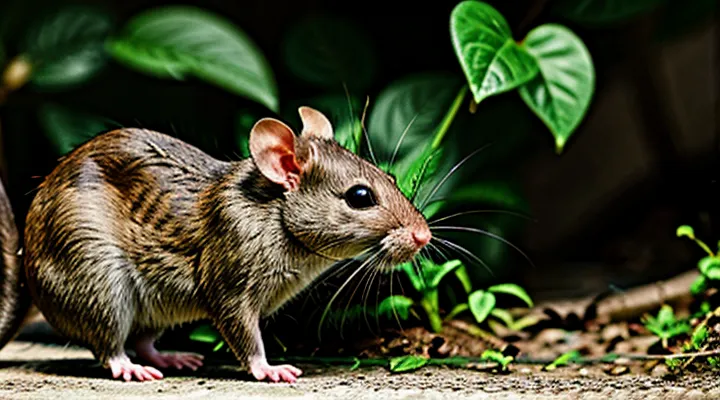
Factors Influencing Rat Lifespan
Diet and Nutrition
Diet quality determines the length of life for typical laboratory and pet rats. Under optimal feeding conditions, these rodents reach 2–3 years, whereas poor nutrition shortens survival to under a year.
Balanced macronutrients support growth, immune function, and tissue repair. Studies indicate that a diet containing 18–22 % protein, 4–6 % fat, and the remainder as complex carbohydrates yields the longest median lifespan. Excessive fat (>10 %) accelerates obesity‑related organ stress, reducing longevity.
Essential micronutrients must be supplied in adequate amounts:
- Vitamin A ≈ 1,500 IU/kg for vision and epithelial health
- Vitamin D ≈ 1,000 IU/kg for calcium regulation
- Vitamin E ≈ 50 mg/kg as antioxidant protection
- B‑complex vitamins (B1, B2, B6, B12) for metabolic pathways
- Calcium ≈ 1.2 % and phosphorus ≈ 0.8 % of diet for skeletal integrity
- Zinc ≈ 30 mg/kg for immune competence
Feeding regimen influences aging. Continuous unrestricted access to food often leads to rapid weight gain, insulin resistance, and earlier onset of age‑related diseases. Controlled portioning that maintains body weight within 20–25 % of ideal reduces metabolic strain and extends median lifespan by 10–15 %.
For caretakers, the following practices improve survival prospects:
- Provide a commercially formulated rodent chow that meets the macronutrient and micronutrient specifications above.
- Supplement with fresh vegetables (e.g., carrots, broccoli) to increase fiber and vitamin content.
- Avoid high‑sugar treats and processed human foods that introduce excess fat and simple sugars.
- Monitor body condition weekly; adjust portions to prevent obesity.
- Replace water daily to ensure hydration and prevent mineral buildup.
Adhering to these nutritional guidelines aligns dietary intake with the physiological needs of common rats, thereby maximizing their potential lifespan.
Habitat and Environment
Rats thrive in environments that provide shelter, food, and water, directly influencing their survival expectancy. Urban settings offer abundant refuse, sewers, and building cavities, creating dense populations where competition and disease accelerate mortality. Rural areas present burrows in fields, barns, and grain stores, where lower population density and reduced pathogen exposure can extend lifespan.
Key habitat characteristics affecting rat longevity include:
- Access to consistent nutrition, especially high‑calorie waste.
- Presence of predators such as cats, birds of prey, and snakes.
- Temperature stability; moderate climates reduce stress, while extreme heat or cold shortens life.
- Level of human control measures, including traps and poisons.
Environmental quality determines health outcomes: contaminated water sources introduce parasites, while clean habitats lower infection risk. Seasonal changes alter food availability, prompting migration to more favorable locations and impacting overall lifespan.
Predation and Threats
Rats achieve relatively short lifespans because natural mortality sources remove individuals before they reach advanced age. Predation accounts for a substantial proportion of deaths among wild populations, directly limiting average longevity.
Primary predators target rats across habitats:
- Owls (particularly barn and great horned species) hunt nocturnally, using acute vision and silent flight.
- Hawks and falcons seize rats during daylight, relying on speed and sharp talons.
- Snakes (e.g., rat snakes, copperheads) locate prey through scent and heat detection, delivering constriction or venom.
- Mammalian carnivores such as foxes, coyotes, and feral cats capture rats with bite force and agility.
- Mustelids, including weasels and minks, pursue rats in burrows and dense cover.
Secondary threats accelerate mortality without direct killing:
- Parasites (fleas, mites, intestinal worms) impair health, reduce reproductive output, and increase vulnerability to predators.
- Disease agents (hantavirus, leptospirosis, plague) spread rapidly in dense colonies, causing mass die‑offs.
- Human activities (traps, poison baits, habitat destruction) eliminate individuals and fragment populations, exposing survivors to heightened predation risk.
- Environmental extremes (cold snaps, heat waves, flooding) impair thermoregulation and force rats into exposed areas where predators are more effective.
Collectively, predation and these ancillary threats compress the typical rat lifespan to a few years, with most individuals succumbing well before reaching ten years of age.
Genetics and Breed
Genetic composition determines the average lifespan of laboratory and pet rats. Chromosomal variations, such as the presence of the dwarf (dw) allele, shorten life expectancy by reducing organ size and metabolic efficiency. Conversely, the wild-type (wt) genotype supports a typical lifespan of 2–3 years, while outbred strains with heterozygous vigor often reach 3 years or more. Inbreeding depression, characterized by reduced heterozygosity, correlates with earlier onset of neoplasia and cardiovascular decline, decreasing longevity by 10–30 percent.
Breed selection further modifies survival outcomes. Common breeds include:
- Fancy rats (e.g., Rex, Dumbo, Satin): Selective breeding for coat texture and ear shape introduces deleterious mutations that can impair respiratory function, leading to a median lifespan of 1.5–2 years.
- Laboratory strains (e.g., Sprague‑Dawley, Wistar): Maintained for genetic consistency, these lines exhibit lifespans close to the species average, with documented maximums of 3 years under optimal husbandry.
- Wild‑derived strains: Retain genetic diversity, display robust immune responses, and often surpass 3 years when environmental stressors are minimized.
Environmental factors interact with genetics; however, the intrinsic genetic architecture and breed-specific traits remain primary determinants of how long a typical rat can be expected to live.
Healthcare and Veterinary Care
Rats typically survive between two and three years, but veterinary attention can add months to that range. Proper health management begins with balanced nutrition, clean housing, and regular environmental enrichment, all of which reduce stress‑related disease.
Preventive care includes:
- High‑quality rodent pellets supplemented with fresh vegetables.
- Daily cleaning of cages to prevent ammonia buildup.
- Routine screening for ectoparasites and internal worms.
- Vaccinations only when recommended by a qualified exotic‑animal veterinarian.
Common medical conditions that affect lifespan are:
- Respiratory infections, often caused by Mycoplasma spp.; early antibiotic therapy improves outcomes.
- Dental malocclusion; regular trimming prevents weight loss and infection.
- Mammary tumors; surgical removal and histopathology extend survival.
- Gastrointestinal obstruction; prompt imaging and surgery reduce mortality.
Veterinary visits should occur at least twice yearly for healthy adults, with quarterly examinations for older or symptomatic rats. Diagnostic tools such as radiography, ultrasound, and blood chemistry panels enable early detection of organ dysfunction.
Evidence shows that rats receiving systematic veterinary care live up to 20 % longer than untreated counterparts, underscoring the direct correlation between professional health management and extended longevity.
Average Lifespan in Different Settings
Wild Rat Lifespan
Wild rats typically survive 12–24 months in natural habitats. The brown rat (Rattus norvegicus) averages 14 months, while the black rat (Rattus rattus) averages 10–12 months. Exceptional individuals may reach three years, but such cases are rare.
Survival hinges on several variables:
- Predation pressure from birds of prey, snakes, and carnivorous mammals.
- Availability of food and water; scarcity shortens lifespan, abundance can extend it modestly.
- Disease load, including hantavirus, leptospirosis, and ectoparasite infestations.
- Seasonal climate extremes; harsh winters and extreme heat increase mortality.
- Social dynamics; high-density colonies experience more aggression and stress‑related deaths.
Reproductive cycles accelerate turnover: females breed year‑round, producing up to seven litters annually. Rapid reproduction compensates for the short natural lifespan, ensuring population stability despite high attrition rates.
Pet Rat Lifespan
Pet rats of the species Rattus norvegicus usually live between two and three years, with some individuals reaching up to four years under optimal conditions.
Key factors that extend or shorten a rat’s life include:
- Nutrition: balanced diet rich in protein, fiber, and limited sugary treats.
- Housing: spacious cage, safe bedding, regular cleaning, and temperature control.
- Genetics: hereditary health traits influence susceptibility to disease.
- Veterinary care: routine examinations, prompt treatment of injuries, and vaccination where applicable.
- Mental stimulation: toys, tunnels, and interaction reduce stress‑related disorders.
Common health problems that reduce longevity are respiratory infections, tumors (especially mammary and pituitary), and dental malocclusion. Early detection through daily observation of breathing, coat condition, and eating habits improves treatment outcomes.
To maximize lifespan, provide a high‑quality commercial rat mix supplemented with fresh vegetables, maintain a clean environment, schedule quarterly veterinary check‑ups, and ensure daily social interaction with humans or compatible cage mates. Consistent care aligns with the upper range of the species’ natural lifespan.
Laboratory Rat Lifespan
Laboratory rats generally reach an age of 2 to 3 years under standard husbandry conditions. The exact duration varies among strains, with the following typical ranges:
- Sprague‑Dawley: 2.5–3.5 years
- Wistar: 2.0–3.0 years
- Long‑Evans: 2.0–3.0 years
- Fischer 344: 1.5–2.5 years
Key factors that modify longevity include genetics, diet composition, housing density, environmental enrichment, and health monitoring protocols. Genetic selection for specific research purposes can shorten or extend life expectancy; for example, disease‑prone models often exhibit reduced survival. Nutrient‑balanced feeds and regular health checks mitigate premature mortality. Adequate space and enrichment reduce stress‑related pathologies, contributing to longer lifespans.
Optimal management practices to maximize rat lifespan comprise:
- Providing a nutritionally complete, species‑appropriate diet.
- Maintaining temperature (20–24 °C) and humidity (30–70 %) within recommended limits.
- Ensuring low stocking density to prevent overcrowding.
- Implementing routine veterinary examinations and pathogen surveillance.
- Supplying environmental enrichment objects such as nesting material and tunnels.
Adherence to these guidelines yields consistent survival outcomes, allowing researchers to plan experiments with reliable age parameters.
Stages of a Rat's Life
Infancy and Juvenility
Rats spend the first few weeks of life in a stage that determines much of their eventual longevity. Birth marks the start of infancy, a period lasting approximately 21 days. During this time neonates are hairless, eyes remain closed, and they rely entirely on maternal milk for nutrition and thermoregulation. By day 10, fur begins to appear; by day 14, the eyes open; and by day 18, the pups can crawl and explore the nest. Weaning occurs at the end of week 3, when solid food replaces milk and the young become less dependent on the dam.
The juvenile phase follows weaning and extends to sexual maturity, which is reached around 6–8 weeks of age. Growth during this interval is rapid: body weight triples, skeletal development accelerates, and organ systems mature. Rats achieve full adult size by week 10, after which physiological processes stabilize. Juveniles exhibit increased activity, social interaction, and foraging behavior, all of which contribute to higher exposure to predators, disease, and environmental stressors.
Early mortality rates are highest in infancy, with 30–40 % of litters experiencing at least one loss due to hypothermia, inadequate nutrition, or maternal neglect. Juvenile survival improves markedly after weaning, yet remains vulnerable to infectious agents and competition. Survivors of the juvenile stage typically enter the adult lifespan with a median remaining expectancy of 1.5–2 years for common species such as the brown rat (Rattus norvegicus) and the black rat (Rattus rattus).
Key developmental milestones:
- Birth (Day 0): hairless, eyes closed, milk‑dependent.
- Fur emergence (Day 10): initial coat formation.
- Eye opening (Day 14): visual perception begins.
- Crawling and nest exploration (Day 18): motor coordination develops.
- Weaning (Day 21): transition to solid food.
- Sexual maturity (Weeks 6–8): reproductive capability.
- Adult size (Week 10): body weight stabilizes.
Understanding these early stages clarifies how the initial 2–3 months of a rat’s life shape its overall lifespan potential.
Adulthood
Rats reach sexual maturity between eight and twelve weeks of age, marking the transition to adulthood. At this stage, physiological development stabilizes, and growth in size and weight plateaus.
Adult common rats typically live for 12 to 24 months. Laboratory strains often attain the lower end of this range, while pet rats, provided with optimal care, may approach the upper limit. Survival beyond two years is rare but documented in exceptional cases.
Factors that modify adult longevity include:
- Genetic background (breed‑specific traits)
- Housing conditions (temperature, ventilation, cage size)
- Nutrition quality (balanced diet, avoidance of contaminants)
- Health management (regular veterinary checks, parasite control)
The adult phase therefore comprises roughly one to one and a half years of the rat’s total lifespan, representing the majority of its reproductive and behavioral activity.
Seniority and Old Age
Common rats reach sexual maturity at 5–6 weeks and normally live 2–3 years under optimal conditions. In laboratory settings, the maximum recorded age approaches 4 years, while wild individuals rarely exceed 1.5 years due to predation, disease, and resource scarcity.
Seniority in rats is defined by chronological thresholds that correspond to physiological milestones. After the first year, growth slows, fur coloration may darken, and body weight plateaus. By 18 months, the immune response weakens, and the incidence of neoplasms rises.
Old age is characterized by reduced locomotor activity, diminished reproductive output, and increased susceptibility to infections. Cardiac and renal function decline, leading to higher mortality risk during environmental stress. Nutritional deficiencies become more pronounced, often requiring supplemental feeding in captive care.
Key age‑related milestones:
- 12 months: onset of measurable decline in sperm count and estrous regularity.
- 18 months: observable loss of muscle mass and slower wound healing.
- 24 months: average lifespan limit for most domestic rats; mortality rate spikes.
Understanding these stages informs welfare practices and experimental design, ensuring appropriate interventions for aging rodents.
Prolonging a Rat's Life
Optimal Diet and Exercise
Rats achieve maximum lifespan when their nutrition meets species‑specific requirements and physical activity mimics natural foraging behavior. A diet that supplies balanced macronutrients, essential micronutrients, and adequate fiber reduces metabolic stress and supports organ health.
- Protein: 18–22 % of calories, sourced from lean animal or plant proteins, avoids excess nitrogen load.
- Fat: 5–7 % of calories, primarily unsaturated fatty acids, maintains cell membrane integrity.
- Carbohydrate: 50–55 % of calories, complex grains and vegetables provide steady glucose.
- Fiber: 5–8 % of diet, from bedding‑safe vegetables and occasional whole‑grain pellets, promotes gastrointestinal motility.
- Vitamins and minerals: Adequate levels of vitamin E, B‑complex, calcium, phosphorus, and trace elements prevent deficiency‑related diseases.
- Water: Continuous access to clean, fresh water prevents dehydration and renal strain.
Exercise that replicates natural locomotion improves cardiovascular function, muscle tone, and mental stimulation. Effective routines include:
- Enclosure enrichment with tunnels, climbing structures, and chewable objects, encouraging spontaneous movement.
- Daily scheduled sessions of free‑range exploration in a safe, escape‑proof area for 30–45 minutes.
- Rotating wheel or treadmill use at moderate speed (5–7 rpm) for 10–15 minutes, avoiding excessive fatigue.
Consistent adherence to these nutritional and activity standards correlates with extended survival, reducing the incidence of obesity, metabolic disorders, and age‑related organ decline in common laboratory and pet rat species.
Stress Reduction
Stress directly shortens the average lifespan of laboratory and pet rats, which typically range from two to three years. Chronic cortisol elevation accelerates cellular aging, suppresses immune function, and increases susceptibility to disease. Reducing environmental and physiological stressors can therefore extend survival toward the upper limits of this range.
Effective stress‑reduction practices include:
- Providing a stable, quiet habitat with minimal sudden noises and vibrations.
- Maintaining consistent light‑dark cycles (approximately 12 hours each) to support circadian rhythms.
- Supplying enrichment objects such as tunnels, chewable toys, and nesting material to encourage natural foraging and exploratory behavior.
- Ensuring a balanced diet rich in protein, fiber, and essential vitamins; avoid abrupt changes in food type or feeding schedule.
- Monitoring health regularly; treat injuries, infections, or dental problems promptly to prevent prolonged discomfort.
Implementing these measures lowers basal cortisol levels, improves heart‑rate variability, and enhances overall physiological resilience. Studies show that rats housed under enriched, low‑stress conditions live up to 30 % longer than counterparts in barren, high‑stress environments. Consistent application of the listed strategies maximizes the probability of reaching the species’ maximum lifespan.
Regular Health Check-ups
Regular health examinations are a primary factor influencing the average lifespan of domesticated rats. Systematic veterinary assessments identify early signs of disease, allowing timely intervention that can extend survival from the typical 2–3 years to the upper range of 4 years.
A comprehensive check‑up should include:
- Physical inspection of coat, eyes, ears, and limbs for lesions or parasites.
- Weight measurement and body condition scoring to detect obesity or malnutrition.
- Dental evaluation, since overgrown incisors impair feeding and lead to secondary infections.
- Respiratory auscultation to uncover hidden infections common in rodent colonies.
- Blood sampling for hematology and biochemistry panels, revealing organ dysfunction before clinical symptoms appear.
Scheduling examinations at four‑week intervals for juvenile rats and bi‑monthly intervals for adults provides sufficient monitoring without causing undue stress. Adjustments to frequency are warranted for older individuals or those with known health issues.
Documentation of each visit, including findings, treatments, and follow‑up plans, creates a longitudinal health record. This record enables trend analysis, supports preventive care decisions, and contributes to research on longevity determinants in common rat species.
Enrichment and Stimulation
Enrichment and stimulation are essential factors that influence the overall health and lifespan of domestic rats. Providing a varied environment reduces stress, promotes physical activity, and supports cognitive function, all of which correlate with longer, healthier lives.
- Physical structures such as tunnels, climbing frames, and wheels encourage regular exercise and prevent obesity, a common cause of premature death.
- Manipulable objects like chew toys, cardboard tubes, and puzzle feeders engage the rats’ natural foraging instincts, enhancing problem‑solving abilities and reducing boredom‑related behaviors.
- Social interaction, whether with conspecifics or human handlers, strengthens immune responses and lowers cortisol levels, contributing to increased longevity.
- Sensory enrichment, including varied textures, scents, and auditory stimuli, stimulates neural pathways and preserves memory performance in older animals.
Implementing a comprehensive enrichment program that combines these elements creates a dynamic habitat. Consistent rotation of toys and rearrangement of layouts prevents habituation, ensuring continuous mental and physical challenges. Regular assessment of each rat’s engagement helps tailor the environment to individual preferences, optimizing health outcomes and extending the expected lifespan of common pet rats.