
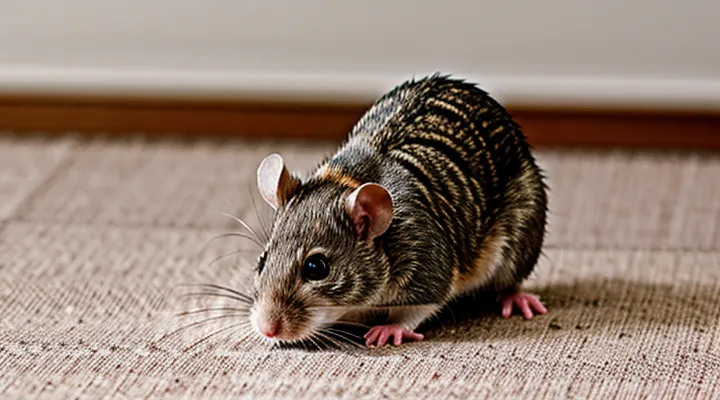
Introduction to Rodents
General Characteristics of Rodents
Rodents constitute the order Rodentia, the largest mammalian order, encompassing over 2,000 species. All members possess a single pair of continuously growing incisors in each jaw, a trait that drives gnawing behavior and influences skull morphology.
Key physical attributes include:
- Body length ranging from 5 cm in dwarf species to more than 50 cm in large rats.
- Tail length variable; some species have long, scaly tails, others possess short, fur‑covered tails.
- Fur types from dense, soft coats to sparse, bristly hair, reflecting adaptation to diverse climates.
- Limb structure suited for burrowing, climbing, or swimming, depending on ecological niche.
Reproductive patterns are characterized by:
- Short gestation periods (typically 20–25 days for small rodents).
- Large litters relative to body size, often exceeding ten offspring.
- Early sexual maturity, enabling rapid population turnover.
Ecological traits demonstrate adaptability:
- Omnivorous diet; incisors allow processing of seeds, plant material, insects, and carrion.
- Habitat flexibility; rodents thrive in forests, deserts, grasslands, and urban environments.
- Social organization varies from solitary burrowers to complex colonies with defined hierarchies.
Both rats and hamsters exemplify these general rodent characteristics while occupying distinct taxonomic families and exhibiting specific differences in size, tail morphology, and reproductive output. Their shared traits provide a baseline for comparative analysis within the broader rodent context.
Popularity as Pets
Rats and hamsters attract distinct segments of pet owners, reflected in sales data, shelter intake numbers, and online search trends. In the United States, annual rodent pet purchases exceed 1.5 million, with rats accounting for roughly 30 percent and hamsters for about 45 percent. Shelters report higher surrender rates for hamsters, often linked to short lifespans and limited owner commitment, whereas rats show lower relinquishment, suggesting longer‑term engagement.
Key factors shaping each species’ popularity include:
- Lifespan: Rats live 2–3 years; hamsters average 2 years, influencing owner expectations.
- Social needs: Rats thrive in groups, encouraging owners to acquire multiple individuals; hamsters are solitary, appealing to those preferring a single pet.
- Intelligence: Rats solve puzzles and respond to training, attracting owners interested in interactive behavior; hamsters exhibit limited problem‑solving, satisfying owners seeking low‑maintenance companionship.
- Space requirements: Rats need larger cages with enrichment items; hamsters fit comfortably in compact enclosures, fitting limited living spaces.
- Health considerations: Rats are prone to respiratory infections, requiring regular veterinary care; hamsters face fewer chronic illnesses but are susceptible to dental overgrowth, demanding routine monitoring.
Overall, rat ownership is favored by individuals prioritizing social interaction and cognitive stimulation, while hamster ownership appeals to those valuing simplicity, minimal space, and lower maintenance.
Physical Distinctions
Size and Body Shape
Rats
Rats belong to the genus Rattus, most commonly R. norvegicus (Norwegian rat) and R. rattus (black rat). Adult body length ranges from 20 to 30 cm, with a tail of comparable length. Lifespan under optimal conditions reaches 2–3 years. They are omnivorous, capable of digesting grains, proteins, and waste material.
- Body size exceeds that of typical hamsters by 2–3 times.
- Tail is long, hairless, and proportionally equal to the body; hamsters possess a short, fur‑covered tail.
- Skull exhibits a more pronounced rostrum and larger auditory bullae.
- Fur coloration varies from brown to black, whereas hamsters display limited color morphs.
Rats display complex social hierarchies, forming colonies with defined dominance structures. Activity peaks during twilight (crepuscular) but extends into nocturnal periods. They demonstrate problem‑solving abilities, navigating mazes and manipulating objects. Hamsters are solitary, primarily nocturnal, and exhibit limited social interaction.
Housing requirements differ markedly. Rats need spacious cages (minimum 0.5 m² floor area), multiple levels, and chew‑resistant materials. Enrichment includes tunnels, wheels, and puzzle feeders to prevent stereotypic behavior. Hamsters thrive in compact enclosures with a single wheel and nesting material. Health monitoring for rats focuses on respiratory infections, tumors, and dental overgrowth; preventive veterinary care is essential.
Hamsters
Hamsters belong to the subfamily Cricetinae, comprising small rodent species native to arid and semi‑arid regions of Europe and Asia. Adult body length ranges from 5 cm in dwarf varieties to 18 cm in Syrian hamsters, with a weight of 30–200 g. Their compact form includes a short tail, large cheek pouches for food transport, and dense fur that varies in color among species.
Physiologically, hamsters exhibit a high metabolic rate, requiring frequent intake of high‑energy foods such as seeds, grains, and occasional insects. Their dentition consists of continuously growing incisors adapted for gnawing hard materials. Digestive efficiency is supported by a cecum that ferments plant fibers, allowing extraction of nutrients from low‑quality forage.
Behaviorally, hamsters are solitary. They establish individual territories and display aggression toward conspecifics, especially during breeding season. Activity peaks during the night; they are strict nocturnals, retreating to burrows or hideouts in daylight. Nest‑building involves gathering soft bedding, which they line with shredded material for insulation.
Reproduction occurs year‑round in favorable climates. Gestation lasts 16–22 days, producing litters of 4–12 offspring. Neonates are altricial, opening eyes after 10–14 days and weaning by three weeks. Sexual maturity is reached at 8–10 weeks, enabling rapid population growth under optimal conditions.
When compared with rats, several distinctions emerge:
- Size: hamsters are markedly smaller, with the largest species less than half the length of a typical rat.
- Social structure: rats are gregarious, forming complex colonies; hamsters remain solitary.
- Tail: rats possess a long, hairless tail; hamsters have a vestigial tail hidden beneath fur.
- Cheek pouches: exclusive to hamsters, facilitating bulk food storage.
- Lifespan: hamsters live 2–3 years on average, whereas rats often reach 2–4 years with slightly longer maximum longevity.
In captivity, hamsters require a cage providing ample floor space, nesting material, a running wheel, and regular enrichment to prevent stereotypic behavior. Proper husbandry includes a balanced diet, fresh water, and periodic health checks to monitor for common ailments such as dental overgrowth and respiratory infections.
Tail
Rat Tail Features
Rats possess long, hair‑covered tails that serve multiple physiological functions. The tail length typically equals the body length, ranging from 15 cm in small species to over 30 cm in larger breeds. Dense, fine fur provides insulation, while the underlying skin is thin and richly supplied with blood vessels, enabling rapid heat dissipation. Muscular and skeletal structures include a single central vertebral column without hind limbs, granting flexibility and the ability to grasp objects when needed. Sensory nerves distributed along the tail detect tactile stimuli, contributing to balance and spatial orientation.
Key characteristics:
- Length proportional to body size, often exceeding the head‑to‑body measurement.
- Uniform fur covering, facilitating thermoregulation.
- Highly vascularized skin for efficient heat exchange.
- Single vertebral column with minimal musculature, allowing precise movements.
- Dense innervation for tactile feedback and balance control.
Hamster Tail Features
Hamsters possess a markedly reduced tail compared with most rodent species. The tail is typically a few millimetres long, often appearing as a naked, fleshy nub rather than a fully formed appendage.
- Length: 0.5–2 cm, varying among dwarf, Syrian, and Chinese varieties.
- Coverage: sparse or absent fur; the skin is thin and translucent.
- Visibility: the tail protrudes slightly from the ventral surface, easily concealed by the animal’s body posture.
Functionally, the vestigial tail contributes minimally to balance or locomotion. Its primary role is residual, reflecting evolutionary reduction rather than active use. In contrast, rats exhibit long, hair‑covered tails that serve as sensory and thermoregulatory organs, highlighting a clear anatomical divergence between the two groups.
Fur and Coat
Rats possess a relatively coarse, dense coat that varies from brown to black, with occasional white patches. The hair shafts are thick, providing protection against abrasions and supporting thermoregulation. Rats shed year‑round, with increased molting during seasonal temperature changes, and they groom using dexterous forepaws and a rough tongue.
Hamsters display a softer, finer fur that ranges from golden‑brown to gray, often with distinct dorsal stripes in certain breeds. The coat is shorter and more pliable, facilitating burrowing and nest building. Shedding occurs primarily in spring, and grooming is performed with a delicate tongue and small paws, producing less debris than rat grooming.
Key distinctions:
- Texture: rat fur – coarse; hamster fur – fine.
- Length: rat coat – longer, denser; hamster coat – shorter.
- Color variability: rat – broader spectrum; hamster – limited, breed‑specific patterns.
- Shedding pattern: rat – continuous; hamster – seasonal.
- Grooming impact: rat – higher debris; hamster – lower debris.
Head and Facial Features
Ears
Rats possess long, thin ears that extend well beyond the skull, providing a large surface area for heat dissipation. The external pinna is covered with sparse hair, exposing the skin to air currents. Auditory canals are relatively wide, allowing efficient sound transmission to the middle ear. Rats can detect frequencies up to 80 kHz, a range that exceeds most rodents and supports navigation in complex environments.
Hamsters have short, rounded ears that sit close to the head, minimizing exposure. Dense fur covers the pinna, reducing heat loss in their burrowing habitats. The ear canal is narrower, suited to the species’ lower frequency sensitivity. Hearing peaks around 30 kHz, adequate for detecting predators and conspecific vocalizations.
Key anatomical and functional distinctions:
- Size and shape: Rat ears are elongated; hamster ears are compact.
- Fur coverage: Sparse on rats, dense on hamsters.
- Frequency range: Rats up to ~80 kHz; hamsters up to ~30 kHz.
- Thermoregulation: Rat ears serve as primary cooling structures; hamster ears contribute minimally.
These differences reflect adaptations to each species’ ecological niche and behavioral demands.
Eyes
Rats and hamsters possess distinct ocular characteristics that reflect their ecological niches and behaviors.
Rats have relatively large eyes positioned laterally, providing a broad visual field of approximately 270 degrees. Their pupils are round and dilate rapidly, supporting low‑light vision. The retina contains a high density of rod cells, enhancing sensitivity to dim conditions, while cone density remains limited, resulting in modest visual acuity. Visual acuity in rats averages 1–2 cycles per degree.
Hamsters exhibit smaller eyes situated more anteriorly, yielding a narrower field of view around 200 degrees. Their pupils are also round but contract more slowly, aligning with a crepuscular activity pattern. The hamster retina shows a balanced distribution of rods and cones, offering slightly better color discrimination than rats, though overall acuity remains low (approximately 1 cycle per degree).
Key ocular differences:
- Eye size: rat > hamster
- Field of view: rat ≈ 270°; hamster ≈ 200°
- Pupil dynamics: rat rapid dilation; hamster slower contraction
- Rod-to-cone ratio: rat rod‑dominant; hamster more balanced
- Visual acuity: rat 1–2 cpd; hamster ≈ 1 cpd
These variations influence navigation, predator detection, and foraging strategies specific to each species.
Snout
The snout, the anterior extension of the skull that houses the nasal cavity and mouth, provides a clear anatomical marker for separating rats from hamsters.
Rats possess a long, slender snout that tapers toward the tip. The rostral bones are elongated, allowing a wider gape and facilitating the manipulation of larger food items. Nasal openings are relatively large, supporting a highly developed sense of smell. Vibrissae (whiskers) emerge in dense rows along both the dorsal and lateral surfaces, extending several centimeters beyond the tip.
Hamsters exhibit a short, compact snout with a blunt termination. The rostral region is broader, limiting the maximum aperture of the mouth. Nasal apertures are smaller, reflecting a reliance on tactile and visual cues rather than olfactory dominance. Whisker clusters are concentrated near the tip, forming a tight fan that aids in navigating confined burrows.
Key distinctions:
- Length: rat snout > hamster snout
- Shape: rat tapered, hamster blunt
- Nasal aperture size: rat larger, hamster smaller
- Whisker distribution: rat extensive rows, hamster concentrated fan
These structural differences influence feeding behavior, habitat use, and sensory priorities in each species.
Behavioral Differences
Social Structure
Rat Socialization
Rats are inherently gregarious mammals; they form stable hierarchies, communicate through ultrasonic vocalizations, and seek physical contact with conspecifics. Hamsters, by contrast, display solitary habits, defending territories and avoiding prolonged interaction. This fundamental behavioral divergence shapes how each species should be kept and handled.
Socialization provides rats with mental stimulation, lowers cortisol levels, and encourages natural grooming and play behaviors. Group housing aligns with their evolutionary predisposition, reducing the likelihood of stress‑induced stereotypies and facilitating the development of social competence.
Effective rat socialization follows a structured approach:
- Begin handling within the first two weeks of life; gentle restraint and frequent exposure to human scent promote tameness.
- Introduce unfamiliar individuals gradually, using a neutral enclosure and short observation periods to assess compatibility.
- Maintain groups of three to five animals of similar age and sex, unless a dominant individual is verified as non‑aggressive.
- Supply nesting material, tunnels, and chewable objects to stimulate cooperative exploration and reinforce positive interactions.
- Monitor body condition, wound presence, and grooming patterns daily; intervene promptly if any rat exhibits persistent avoidance or aggression.
Challenges arise when dominance disputes escalate into biting or when overcrowding triggers chronic stress. Mitigation strategies include providing multiple escape routes, separating overly aggressive individuals, and rotating enrichment items to prevent resource competition. Regular health screenings curb the spread of pathogens that can exacerbate social tension.
In summary, rat socialization demands early human contact, careful group composition, and continuous environmental enrichment. These practices harness the species’ natural proclivity for communal living, yielding healthier, more adaptable rodents.
Hamster Solitary Nature
Hamsters are predominantly solitary mammals. In the wild, each individual occupies its own burrow system, defending the territory against intruders. This behavior stems from limited food resources and the risk of aggression when multiple animals share a confined space.
- Adult hamsters tolerate only brief, controlled interactions, typically restricted to mating periods.
- Housing a single hamster per cage minimizes stress, prevents fighting, and promotes normal activity patterns.
- Visual, auditory, or olfactory cues from other hamsters can trigger defensive responses, such as biting or excessive grooming.
Laboratory and pet environments reflect this natural disposition. Providing ample nesting material, hiding spots, and a spacious enclosure supports the hamster’s need for personal space. Group housing, even with same‑sex individuals, often results in injury or chronic anxiety, underscoring the species’ inherent preference for isolation.
Activity Patterns
Rats: Nocturnal vs. Crepuscular
Rats are primarily active during the night, with most species exhibiting a nocturnal schedule. Their peak activity occurs after sunset and continues through the early hours of darkness. This pattern aligns with heightened visual sensitivity; retinal cells contain more rod photoreceptors, enabling efficient navigation in low‑light environments. Food foraging, social interaction, and territorial patrols are concentrated in this period, reducing exposure to diurnal predators.
In addition to strict nocturnality, certain rat populations display crepuscular tendencies, becoming most active at dawn and dusk. Crepuscular activity coincides with transitional light levels, offering a compromise between the safety of darkness and the availability of resources that emerge during twilight. Behavioral shifts toward crepuscularity often correspond with environmental pressures such as urban lighting, competition with other nocturnal mammals, and seasonal changes in temperature.
Key distinctions between rat and hamster activity cycles include:
- Rats: predominantly nocturnal; occasional crepuscular peaks.
- Hamsters: chiefly crepuscular, with heightened activity at sunrise and sunset; limited night activity.
These differences affect husbandry practices. Nocturnal rats require dim lighting and enrichment during dark phases, while crepuscular individuals benefit from brief periods of low‑intensity light to stimulate natural foraging behavior. Understanding the temporal niche of each species enhances welfare and experimental reliability.
Hamsters: Strictly Nocturnal
Hamsters exhibit a pronounced nocturnal pattern. Their internal clock drives activity to begin shortly after lights dim, with peak foraging, exploration, and wheel running occurring during the dark phase. During daylight hours they remain largely immobile, conserving energy in a nest chamber.
Rats differ markedly. While capable of night‑time activity, they display crepuscular tendencies, increasing movement at dawn and dusk, and readily adjust to daytime schedules when food or social stimuli are present. This flexibility contrasts with the hamster’s strict dependence on darkness for most behaviors.
For owners, the hamster’s schedule demands specific management:
- Provide continuous darkness or dim red lighting from late afternoon until early morning.
- Offer food and water before the onset of the active period to encourage natural foraging.
- Ensure enrichment items (wheels, tunnels) are accessible during the dark phase; avoid disturbances in the light period.
Understanding the hamster’s nocturnal nature prevents stress, supports physiological health, and highlights a key behavioral distinction from rats.
Temperament and Handling
Rat Docility
Rats exhibit a high degree of docility, reflected in their willingness to interact with humans and other rats. Their social structure encourages cooperative behaviors, which translate into calm responses during routine handling and training sessions.
Docile traits in rats include:
- Acceptance of regular handling without excessive stress signals.
- Ability to learn simple commands and respond to click‑training or food rewards.
- Tendency to form strong bonds with caretakers, often seeking out physical contact.
- Rapid habituation to new environments, reducing fear‑related aggression.
Hamsters, by contrast, display markedly lower docility. They are solitary by nature, show heightened sensitivity to handling, and frequently exhibit defensive biting when approached. Their stress response escalates more quickly in unfamiliar settings, limiting their suitability for extensive interaction.
The practical implication for pet owners and researchers is clear: rats provide a more predictable and cooperative subject for behavioral studies and companion animal situations, whereas hamsters require minimal direct contact and benefit from environments that minimize human interference.
Hamster Tendencies
Hamsters exhibit a distinct set of behavioral patterns that set them apart from other small rodents such as rats. Their activity cycles are primarily nocturnal; they emerge after dark to explore, forage, and run on exercise wheels. This nocturnal drive is coupled with a strong instinct to hoard food, leading to frequent cheek‑pouch loading and storage in the cage’s bedding.
Key hamster tendencies include:
- Solitary nesting – each individual prefers its own burrow or hideaway, showing aggression toward conspecifics when space is limited.
- Territorial marking – scent glands on the flank release pheromones to delineate personal space, especially in males.
- Burrowing behavior – extensive digging creates tunnel systems that serve both as shelters and as routes to hidden food caches.
- Self‑grooming – meticulous cleaning of fur and paws reduces parasite load and maintains coat condition.
- Escape attempts – adept climbers and chewers, hamsters often test cage integrity, requiring secure lids and chew‑proof materials.
In contrast, rats display diurnal or crepuscular activity, social grouping, and a propensity for exploratory foraging without extensive hoarding. Rats rarely exhibit the same level of territorial aggression and are less inclined to use cheek pouches for food transport. Understanding these tendencies clarifies why hamster enclosures demand solitary housing, reinforced barriers, and enrichment that accommodates digging and nesting, while rat habitats prioritize group dynamics and climbing structures.
Burrowing and Nesting Habits
Rats construct extensive underground networks that accommodate multiple individuals. Entrances are often concealed beneath debris, and tunnels may extend several meters, linking separate chambers for food storage, waste, and sleeping. Nesting material—soft fibers, shredded paper, or plant matter—is gathered and placed in a central nest where the colony rests together.
Hamsters create solitary burrows consisting of a single entrance and a few short tunnels. The primary tunnel leads to a nesting chamber lined with shredded bedding, cotton, or shredded paper. Some species dig shallow side tunnels for food caches, but the overall system remains compact compared to that of rats.
Key distinctions in burrowing and nesting habits:
- Social structure: Rats are communal; hamsters are solitary.
- Tunnel complexity: Rats develop multi‑branching networks; hamsters maintain simple, short passages.
- Nest size: Rat nests support groups; hamster nests serve a single individual.
- Material usage: Both species collect soft materials, but rats often incorporate larger quantities due to group size.
Care and Habitat Requirements
Cage Size and Enrichment
Rat Habitat Needs
Rats require considerably more space than hamsters, reflecting their larger size and higher activity level. A single adult rat thrives in an enclosure of at least 2 ft × 1 ft × 1 ft, with additional floor area for each companion. Multi‑rat cages should increase the floor space proportionally to prevent stress and aggression.
- Enclosure type: Solid‑bottom cages with ventilation slots protect against respiratory issues; wire‑bottom designs are unsuitable.
- Substrate: Absorbent, dust‑free material such as paper‑based bedding or aspen shavings facilitates waste management and reduces the risk of ulcers.
- Enrichment: Climbing structures, tunnels, and chewable items satisfy natural foraging and gnawing behaviors, preventing dental overgrowth.
- Temperature: Maintain ambient temperature between 68 °F and 78 °F (20 °C–26 °C); avoid drafts and sudden fluctuations.
- Humidity: Keep relative humidity around 40 %–60 % to inhibit skin irritation and respiratory problems.
- Cleaning schedule: Spot‑clean daily; fully replace bedding and wash the cage weekly with mild, unscented detergent.
These parameters distinguish rat housing from that of hamsters, whose smaller dimensions, solitary tendencies, and lower enrichment demands allow for more compact, less complex setups.
Hamster Habitat Needs
Hamsters require a secure, well‑ventilated enclosure that provides enough space for natural behaviors. A minimum floor area of 450 sq in (≈2,900 cm²) with a height of at least 12 in (30 cm) prevents overcrowding and allows climbing. Solid bottom cages, rather than wire floors, protect delicate paws and support appropriate bedding.
- Bedding: Use absorbent, dust‑free material such as aspen shavings or paper‑based substrate. Replace weekly to control odor and prevent mold.
- Temperature: Maintain ambient temperature between 65–75 °F (18–24 °C). Avoid direct sunlight and drafts; extreme heat or cold can cause stress and health issues.
- Humidity: Keep relative humidity around 40–60 %. Excess moisture encourages respiratory problems; a dehumidifier may be necessary in damp climates.
- Enrichment: Provide a solid‑surface exercise wheel (minimum 8 in diameter for dwarf species, 11 in for Syrian hamsters), tunnels, chew blocks, and hideouts. Rotate items regularly to sustain interest.
- Nutrition: Offer a balanced pellet diet supplemented with fresh vegetables, occasional fruit, and a protein source such as mealworms. Fresh water must be available at all times in a spill‑proof bottle.
- Cleaning: Perform a thorough cage cleaning biweekly, removing all debris, cleaning surfaces with a mild, non‑toxic disinfectant, and replenishing bedding. Spot clean daily to remove soiled material.
Proper lighting mimics a natural day‑night cycle; a 12‑hour light period supports circadian rhythms. Ensure the enclosure is escape‑proof: latch mechanisms must be secure, and any gaps smaller than the animal’s head size should be sealed. Meeting these habitat criteria promotes healthy growth, reduces stress, and distinguishes hamster care from the requirements of other small rodents.
Diet
Rat Dietary Staples
Rats thrive on a diet that supplies protein, carbohydrates, fats, vitamins, and minerals in balanced proportions. Their natural foraging behavior leads them to consume a wide variety of foods, which must be replicated in captivity to maintain health and vigor.
Typical dietary components include:
- Commercial rodent pellets formulated to meet nutritional standards.
- Fresh vegetables such as carrots, broccoli, and leafy greens; offered in small, bite‑size pieces.
- Fresh fruits like apple, banana, and berries; limited to prevent excess sugar.
- Protein sources: cooked lean meat, boiled egg, or low‑fat cottage cheese; provided sparingly.
- Whole grains and seeds: oats, barley, and sunflower seeds; used as occasional treats.
- Water: continuously available, clean, and changed daily.
Supplementary items such as nuts, dried legumes, and insects can enrich the diet but should remain a minor fraction to avoid obesity. Monitoring body condition and adjusting portions ensures that rats receive the nutrients required for growth, reproduction, and activity, distinguishing their feeding regimen from that of hamsters, which rely more heavily on high‑fat seeds and lower protein intake.
Hamster Dietary Staples
Hamster nutrition sets them apart from rats, shaping their health and behavior. A proper hamster diet supplies energy, fiber, and essential nutrients while avoiding excess fat and protein that rats can tolerate more readily.
Typical hamster feed consists of:
- Commercially formulated pellets or mix‑feeds, balanced for protein (15‑20 %), fat (5 %), and fiber (15 %).
- Seed blends containing sunflower, safflower, and millet, providing calories and essential fatty acids.
- Whole grains such as rolled oats, wheat, and barley, delivering complex carbohydrates and fiber.
- Fresh vegetables: carrots, broccoli, spinach, and cucumber, offering vitamins, minerals, and moisture.
- Limited fruit pieces: apple, banana, and berries, introduced sparingly to prevent sugar overload.
- Protein supplements: boiled egg, cooked chicken, or mealworms, offered no more than twice weekly.
Safe foods must be fresh, pesticide‑free, and free of mold. Toxic items include chocolate, caffeine, onions, garlic, and citrus peels; these can cause severe illness. Water should be available daily in a spill‑proof bottle, though moisture from fresh produce fulfills much of the hamster’s needs.
Nutritional balance supports dental health, prevents obesity, and sustains the high metabolic rate characteristic of hamsters, distinguishing their dietary regime from that of rats.
Lifespan and Health Concerns
Rat Lifespan and Common Ailments
Rats typically live 2–3 years in captivity, extending to 4 years under optimal conditions. Hamsters average 2–2.5 years, with dwarf varieties reaching slightly longer spans. The disparity stems from differences in metabolic rate, size, and susceptibility to disease.
Lifespan variation depends on genetics, diet, housing, and stress levels. Consistent nutrition, clean enclosures, and minimal handling stress contribute to maximal longevity.
Common health issues in rats include:
- Respiratory infections (e.g., Mycoplasma pulmonaryum, Streptococcus pneumoniae)
- Skin problems such as dermatitis, fungal infections, and mites
- Tumors, particularly mammary adenomas in females
- Dental overgrowth leading to malocclusion
- Gastrointestinal disturbances, including ulcerative colitis and enteritis
Early detection, regular veterinary examinations, and preventive hygiene reduce morbidity. Sterile bedding, balanced protein‑rich diets, and prompt treatment of injuries are essential for maintaining health and extending the rat’s lifespan.
Hamster Lifespan and Common Ailments
Hamsters typically live 2 to 3 years, with dwarf varieties averaging slightly longer than Syrian breeds. Longevity depends on genetics, diet quality, cage conditions, and preventive veterinary care. Early detection of health issues can extend the upper range of this lifespan.
Common ailments include:
- Respiratory infections: symptoms such as sneezing, nasal discharge, and labored breathing; often triggered by drafts, high humidity, or contaminated bedding.
- Wet tail (enteritis): sudden diarrhea, lethargy, and a wet perianal area; requires immediate isolation and antimicrobial treatment.
- Dental overgrowth: continuous incisor growth leads to malocclusion if gnawing material is insufficient; manifests as difficulty eating and facial swelling.
- Skin disorders: dermatitis, mites, and fungal infections appear as hair loss, crusting, or excessive scratching; treatment involves topical medication and environmental sanitation.
- Obesity: excess calorie intake and lack of exercise result in weight gain, reduced mobility, and increased risk of heart disease; management includes portion control and enrichment for activity.
Preventive measures—regular health checks, balanced nutrition, clean habitat, and appropriate exercise—reduce incidence of these conditions and support the maximum attainable lifespan for pet hamsters.
Choosing the Right Pet
Considerations for Potential Owners
Time Commitment
Rats demand more daily interaction than hamsters. They thrive on several short sessions of handling each day, typically 10‑15 minutes, to maintain social bonds and reduce stress. Hamsters, being solitary, require only brief exposure for feeding and enclosure checks, often 5 minutes or less.
Cleaning responsibilities also differ. A rat cage benefits from a full substrate change weekly and spot cleaning of waste daily; the larger space and higher activity level generate more debris. Hamster habitats can be spot‑cleaned every two to three days, with a complete substrate refresh every two weeks, reflecting lower waste production.
Feeding schedules are straightforward for both species, but rats often need fresh food twice daily to support their higher metabolism, whereas hamsters accept a single daily portion. Monitoring water intake is essential for rats, as dehydration can develop quickly; hamsters are less prone to rapid fluid loss.
Time allocation per week (average)
-
Rats:
• Handling: 70 minutes
• Daily cleaning: 35 minutes
• Weekly deep cleaning: 30 minutes
• Feeding & water checks: 20 minutes
Total ≈ 2.5 hours -
Hamsters:
• Handling: 20 minutes
• Spot cleaning: 15 minutes
• Bi‑weekly deep cleaning: 15 minutes (averaged)
• Feeding & water checks: 10 minutes
Total ≈ 1 hour
Overall, rat ownership requires roughly twice the weekly time investment of hamster care, driven by social interaction needs and more frequent maintenance.
Space Availability
Rats require considerably more floor area than hamsters. A single adult rat thrives in an enclosure of at least 2 sq ft of solid floor, with additional vertical space for climbing structures. Hamsters, being solitary and less active, comfortably occupy cages as small as 0.5 sq ft of solid floor, provided they include a hideaway and a wheel.
Key spatial considerations:
- Floor space: Rats ≥ 2 sq ft; hamsters ≈ 0.5 sq ft.
- Vertical enrichment: Rats benefit from multi‑level platforms, tunnels, and ropes; hamsters generally use a single level with a wheel and nesting area.
- Group housing: Rats are social and often housed in pairs or groups, multiplying space needs; hamsters are territorial and kept alone, reducing overall enclosure volume.
- Exercise requirements: Rats need extensive room for foraging and exploration; hamsters require limited space for short bursts of activity.
Insufficient space leads to stress, stereotypic behavior, and health problems in both species, but the threshold for rats is markedly higher. Providing adequate room aligns with each animal’s natural behavior patterns and promotes welfare.
Interaction Level
Rats exhibit a high degree of social engagement. They readily seek human contact, respond to vocalizations, and display cooperative behaviors such as grooming and nest building with conspecifics. Their intelligence enables problem‑solving tasks, which often encourages interactive training sessions and enrichment activities.
Hamsters demonstrate limited sociability. They are primarily solitary, showing territorial aggression toward other hamsters and minimal interest in human interaction beyond basic handling. Their curiosity is directed toward environmental exploration rather than reciprocal communication.
Key contrasts in interaction level:
- Human affinity – Rats actively approach caretakers; hamsters usually retreat unless habituated.
- Social structure – Rats live in colonies with hierarchical relationships; hamsters occupy individual cages.
- Communication – Rats use ultrasonic calls and tactile signals; hamsters rely on scent marking and occasional squeaks.
- Training potential – Rats can learn tricks and navigate mazes; hamsters rarely respond to operant conditioning.
These distinctions determine the amount of direct engagement owners can expect from each species.
Suitability for Children
Rats are larger, more social, and require extensive interaction to remain calm, whereas hamsters are solitary, smaller, and tolerate brief handling. The social nature of rats demands daily engagement, which can be challenging for children with limited time. Hamsters’ independent behavior aligns with occasional care routines, making them easier for younger owners to manage.
Key considerations for child owners include:
- Size: rats reach 9–11 cm body length; hamsters stay under 5 cm, reducing the risk of accidental pinching.
- Temperament: rats exhibit curiosity and may bite if startled; hamsters are nocturnal and may react defensively when awakened.
- Lifespan: rats live 2–3 years, hamsters 1.5–2 years, affecting long‑term commitment.
- Health: rats can carry salmonella; strict hand‑washing after handling is essential. Hamsters pose a lower zoonotic risk but can develop skin lesions if mishandled.
- Habitat maintenance: rats need spacious, enriched cages with tunnels and wheels; hamsters require a compact cage with a solid floor and a single running wheel.
Overall, hamsters present a lower maintenance profile and reduced interaction demands, which generally makes them more suitable for children, while rats suit older children capable of providing consistent social enrichment and rigorous hygiene practices.
Similarities Between Rats and Hamsters
Rodent Classification
Rats and hamsters belong to the order Rodentia, the most diverse mammalian order, but they are placed in separate families that reflect distinct evolutionary lineages.
Rats are members of the family Muridae, subfamily Murinae, genus Rattus. Their taxonomic hierarchy is:
- Order: Rodentia
- Suborder: Myomorpha
- Superfamily: Muroidea
- Family: Muridae
- Subfamily: Murinae
- Genus: Rattus
- Species: R. norvegicus, R. rattus, etc.
Hamsters fall under the family Cricetidae, subfamily Cricetinae, genus Cricetus (or other genera such as Mesocricetus). Their classification is:
- Order: Rodentia
- Suborder: Myomorpha
- Superfamily: Muroidea
- Family: Cricetidae
- Subfamily: Cricetinae
- Genus: Cricetus, Mesocricetus, Phodopus, etc.
- Species: C. cricetus, M. auratus, P. campbelli, etc.
Key taxonomic differences include family assignment (Muridae vs. Cricetidae) and subfamily specialization, which correspond to divergent dental formulas, skull morphology, and reproductive strategies. Rats possess a three‑row molar pattern typical of murids, whereas hamsters exhibit a two‑row arrangement characteristic of cricetids. Skull proportions differ: murids have a longer rostrum, while cricetids display a more compact cranial vault.
Ecologically, murids are primarily omnivorous opportunists found in urban and agricultural environments; cricetids are mainly granivorous or herbivorous, inhabiting deserts, steppes, and temperate grasslands. Reproductive cycles also diverge: murids breed year‑round with short gestation, whereas cricetids show seasonal breeding and longer gestation periods.
These classification details clarify the systematic separation between rats and hamsters, providing a framework for comparative studies of their biology, behavior, and pest management.
Pet Appeal
Rats attract owners who value intelligence and social interaction. They learn tricks, respond to their name, and can be trained to navigate simple obstacle courses. Their size permits gentle handling, and their lifespan of two to three years provides a longer companionship period than many small rodents.
Hamsters appeal to individuals seeking low‑maintenance pets. They thrive in compact cages, require minimal daily interaction, and typically live one to two years. Their nocturnal activity pattern suits owners who are home in the evening, offering observable behavior without constant supervision.
Key factors influencing pet appeal:
- Behavioral engagement – Rats exhibit curiosity, problem‑solving, and can form bonds with multiple people; hamsters display solitary foraging and limited social tolerance.
- Space requirements – Rats need larger enclosures with climbing structures; hamsters are comfortable in smaller habitats with tunnels and wheels.
- Health considerations – Rats are prone to respiratory infections that demand regular veterinary checks; hamsters have fewer chronic conditions but can develop skin issues if bedding is inappropriate.
- Noise level – Rats vocalize softly and chew quietly; hamsters generate occasional squeaks and wheel noise, which may affect sensitive environments.
Choosing between the two depends on the owner’s preference for interactive companionship versus independent, low‑effort care. Both species offer distinct advantages that satisfy varied lifestyle demands.
Basic Care Principles
Rats and hamsters require distinct yet overlapping care routines. Understanding their specific needs prevents health problems and promotes natural behavior.
Housing must reflect size and social structure. Rats thrive in spacious cages with multiple levels, while hamsters need a single enclosure with deep bedding for burrowing. Provide solid flooring for rats to avoid foot injuries; hamsters can use wire-bottom cages if the grid is narrow enough to prevent foot traps.
Dietary guidelines differ markedly. Rats require a balanced pellet formulated for omnivores, supplemented with fresh vegetables, fruits, and occasional protein sources such as boiled egg or mealworms. Hamsters need a high‑fat pellet or mix designed for small rodents, limited fresh produce to avoid diarrhea, and occasional seeds or nuts for enrichment. Water should be supplied daily in a leak‑proof bottle; check for contamination each morning.
Social interaction is another divergence. Rats are highly gregarious; housing them in same‑sex pairs or groups reduces stress and encourages activity. Hamsters are solitary; housing more than one in the same cage leads to aggression and injury.
Health monitoring includes routine checks for coat condition, eye clarity, and respiratory sounds. Rats are prone to respiratory infections; observe for sneezing or nasal discharge. Hamsters frequently develop cheek pouch overgrowth; inspect for blockage and provide chewable items to wear down teeth.
Cleaning schedule:
- Daily: refresh water, remove uneaten food, spot‑clean soiled bedding.
- Weekly: replace a portion of bedding, disinfect water bottle and food dishes.
- Monthly: fully replace bedding, clean cage with a mild, non‑abrasive disinfectant, and inspect cage integrity.
Handling practices should be gentle and consistent. Support a rat’s body fully, allowing it to explore its hands; a hamster should be cupped securely to prevent escape. Limit handling sessions to five minutes for hamsters to avoid stress, while rats tolerate longer interaction.
Adhering to these principles ensures both species remain healthy, active, and behaviorally appropriate within a domestic setting.