
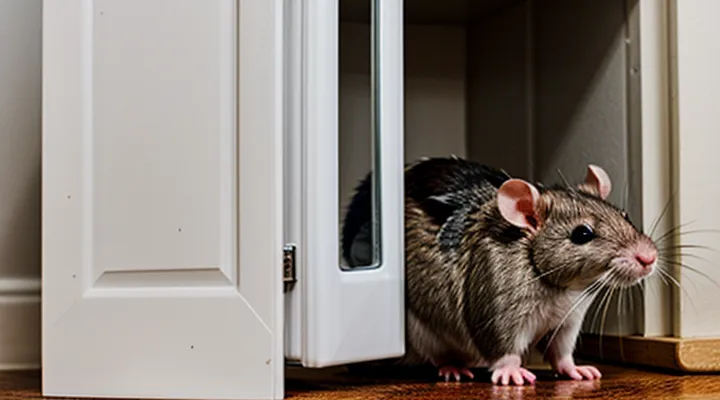
Rat Entry Points: Understanding the Vulnerabilities
Common Access Routes for Rodents
Gaps and Cracks in Foundations and Walls
Rats exploit any opening that connects the exterior to interior spaces. Gaps and cracks in foundations and walls constitute the most common pathways. These openings often result from settling, moisture erosion, or poor construction. Even a ¼‑inch fissure can accommodate a rodent’s body, allowing entry, movement, and nesting within an apartment.
Typical sources of structural openings include:
- Settlement cracks at the junction of foundation and slab
- Gaps around utility penetrations (pipes, conduits, wiring)
- Deteriorated mortar joints in brick or stone walls
- Unsealed expansion joints and control joints
- Openings around door frames and window sills that intersect the foundation
Each defect creates a direct route for rats to travel from sewers, soil, or adjacent buildings into living areas. Once inside, rodents can exploit additional gaps to reach ceilings, attics, and cabinets.
Preventive actions focus on detection, sealing, and maintenance:
- Conduct a visual inspection of the perimeter, noting any visible fissures, displaced bricks, or gaps around service entries.
- Use a steel wool or copper mesh filler for small cracks, then apply a cement‑based sealant to ensure durability.
- Install heavy‑duty steel flashing or metal sheeting over larger openings before applying a waterproof sealant.
- Replace deteriorated mortar with a high‑strength mortar mix, ensuring proper curing.
- Fit expandable polyurethane foam around utility penetrations, followed by a metal collar for reinforcement.
- Maintain proper grading around the building to direct water away from the foundation, reducing erosion‑induced cracks.
- Schedule periodic professional assessments to identify new settlement or damage early.
By systematically identifying and reinforcing these weak points, the risk of rat intrusion into residential units diminishes significantly.
Unsealed Pipes and Utility Openings
Rats exploit gaps around plumbing and service penetrations to move from walls, basements, or crawl spaces into living areas. Unsealed pipe joints, vent openings, and conduit sleeves create continuous pathways that rodents can squeeze through, especially when the gaps exceed the size of a rat’s body—approximately 2 inches in diameter.
Typical entry points include:
- Gaps around water, gas, and drainage pipes where the pipe meets the wall or floor.
- Openings for electrical conduit, cable bundles, or HVAC ducts that lack proper sealing.
- Utility chases that terminate at exterior walls without a weatherproof cover.
- Uncapped vent stacks and dryer exhausts left exposed to the outside.
Preventive actions focus on eliminating these routes:
- Inspect all pipe penetrations in kitchens, bathrooms, and utility rooms; seal gaps with stainless‑steel mesh, metal flashing, or high‑grade silicone.
- Install pipe sleeves or bulkhead fittings that compress tightly around the pipe and lock to the building structure.
- Fit vent caps equipped with rat‑proof screens on roof and wall exhausts; verify that caps remain secure after storms.
- Apply expanding foam or cement‑based sealant around conduit entries, ensuring the material adheres to both pipe and surrounding substrate.
- Conduct a quarterly walkthrough of the property’s exterior, checking for loose or damaged seals and repairing them immediately.
By systematically closing these openings, an apartment eliminates the primary conduits that rats use to infiltrate indoor spaces.
Damaged Roofs and Attics
Rats exploit gaps in roofing material and compromised attic structures to gain access to living spaces. Cracked shingles, missing tiles, or deteriorated flashing create openings that rodents can squeeze through. Once inside the attic, they follow insulation pathways, descend via vent pipes, or use ceiling joists to reach the interior.
Damaged roofing also compromises the integrity of the attic’s barrier against external elements. Water infiltration weakens wood, creating rot and hollow sections that serve as nesting sites. Accumulated debris in the eaves provides concealment and easy routes for movement. These conditions attract rats, increase population density, and elevate the risk of contamination and structural damage.
Preventive actions focus on sealing entry points and reinforcing the attic envelope:
- Inspect roof surface quarterly; replace broken shingles, repair cracked flashing, and reseal seams with durable roofing cement.
- Apply metal flashing or mesh around vent pipes, chimney bases, and cable entries to block rodent passage.
- Install tight-fitting insulation covers and eliminate gaps between insulation and structural members.
- Clear eaves and gutters of leaves, twigs, and other debris that could serve as shelters.
- Conduct regular attic inspections for signs of gnaw marks, droppings, or nesting material; address findings immediately.
By maintaining a sound roof and a well‑sealed attic, property owners remove the primary pathways rats use to infiltrate apartments, thereby reducing infestation risk and preserving structural health.
Open Doors and Windows
Rats enter living spaces through any gap that allows passage, and open doors or windows constitute the most direct routes. An unsecured entry point eliminates the need for the animal to gnaw through walls or crawlspaces, reducing the effort required to reach food and shelter.
When a door remains ajar, rodents can slip inside within seconds, especially during cooler evenings when they seek warmth. Open windows without proper screening present a similar risk; a gap of 2 cm or larger is sufficient for an adult rat to squeeze through.
Preventive actions focus on eliminating these openings:
- Install self‑closing hinges or hydraulic door closers to ensure doors shut automatically.
- Fit door sweeps and weather‑stripping to block gaps at the floor and threshold.
- Use fine‑mesh screens on all windows, securing them with sturdy frames and locking mechanisms.
- Keep exterior doors equipped with latch bolts that engage fully when closed.
- Regularly inspect hinges, frames, and screens for damage; replace or repair any compromised components promptly.
Consistent maintenance of doors and windows removes the most accessible pathways, substantially lowering the likelihood of rodent intrusion.
Drains and Sewers
Rats commonly exploit drainage and sewer systems to gain access to residential units. Open or damaged pipe connections, uncovered floor drains, and improperly sealed sewer lines create direct pathways from the municipal network into building interiors. Moisture accumulation within drains attracts rodents, while gaps around vent pipes allow movement between external sewers and internal plumbing.
Key vulnerabilities include:
- Unsealed floor drain covers or missing pop‑up plugs.
- Cracked or misaligned waste pipes that intersect walls or floors.
- Gutter downspouts discharging directly onto roof drains without splash blocks.
- Ventilation stacks lacking proper flashing or mesh screens.
Effective countermeasures focus on eliminating these entry points:
- Install heavy‑duty metal or stainless‑steel drain covers with a tight fit.
- Inspect all waste and vent pipes for cracks; replace or seal with appropriate pipe cement or silicone.
- Apply stainless‑steel mesh or hardware cloth over vent openings and chimney flues.
- Ensure that all sewer connections to the building are wrapped with rat‑proof flashing and sealed with mortar or silicone.
- Maintain a regular cleaning schedule for floor drains to prevent debris buildup and moisture retention.
- Conduct periodic visual inspections of basement and crawl‑space plumbing for signs of gnawing or nesting.
By securing drainage infrastructure and keeping the surrounding environment dry, the likelihood of rat intrusion through these conduits diminishes significantly.
Vents and Chimneys
Rats can travel through ventilation ducts and chimney flues because these openings often lack solid barriers and provide direct routes from the exterior to interior spaces. The gaps around vent covers, exhaust fans, and chimney crowns are especially attractive when they are damaged, poorly fitted, or left uncovered.
Rodents exploit the darkness and warmth of these passages, moving upward or downward to reach walls, ceilings, and crawl spaces. Their small size allows them to squeeze through openings as narrow as 2 cm, and their climbing ability lets them ascend vertical shafts with minimal effort.
Effective control focuses on eliminating access points and maintaining structural integrity. The following actions reduce the likelihood of rodent entry through vents and chimneys:
- Inspect vent covers, exhaust fans, and chimney caps quarterly for cracks, rust, or loose fittings.
- Replace damaged metal or plastic components with tightly fitting, rat‑resistant models that include fine mesh screens.
- Apply stainless‑steel wire mesh (¼‑inch or smaller) to the interior of vent openings and around chimney flues, securing it with corrosion‑resistant fasteners.
- Seal gaps around ductwork, pipe penetrations, and chimney base using high‑quality silicone or expanding polyurethane foam.
- Install a chimney cap equipped with a baffle that blocks upward movement while allowing smoke to escape.
Regular cleaning of vent ducts and chimney interiors removes debris and nesting material that could attract rodents. After any repair, verify that all seals remain intact and that no new gaps have formed due to building settlement or weathering. Consistent attention to these details prevents rats from using ventilation and chimney systems as pathways into the apartment.
Signs of Rat Presence
Droppings and Urine Stains
Rats leave droppings that are typically ¼‑inch long, dark, and tapered at one end. Finding them along baseboards, behind appliances, or in hidden corners signals rodent activity. The droppings contain pathogens such as Hantavirus, leptospira, and salmonella, which can be inhaled as dust particles or transferred to food surfaces.
Urine stains appear as yellowish or brownish marks, often accompanied by a pungent odor. When rats urinate on porous materials—carpet, upholstery, drywall—the moisture permeates, creating a breeding ground for mold and bacteria. Stains on non‑porous surfaces, such as tile or countertops, can be wiped away, but the surrounding area may still be contaminated.
Effective response requires immediate containment and thorough decontamination:
- Wear disposable gloves, N‑95 respirator, and eye protection.
- Spray droppings and urine with a disinfectant solution (e.g., 1 % bleach) and let it sit for at least 10 minutes.
- Use a damp paper towel or disposable cloth to remove waste; discard in sealed bags.
- Clean the underlying surface with a detergent‑bleach mixture, then rinse with water.
- For porous materials that cannot be fully sanitized, remove and replace them.
Preventive actions focus on eliminating conditions that attract rats:
- Seal entry points larger than ¼ inch with steel wool, metal flashing, or concrete.
- Store food in airtight containers; clean crumbs and spills promptly.
- Reduce clutter and eliminate nesting sites such as piles of paper, fabric, or insulation.
- Maintain dry environments; fix leaks, use dehumidifiers, and ensure proper ventilation.
- Install rodent traps or bait stations along walls, monitoring for signs of activity.
Regular inspection of potential hiding spots and prompt cleaning of any droppings or urine stains interrupt the infestation cycle and protect indoor air quality.
Gnaw Marks on Surfaces
Rats leave distinctive gnaw marks on wood, plastic, insulation and wiring. The cuts are shallow, V‑shaped and often appear in a series, reflecting the animal’s constant need to sharpen its incisors. Fresh marks have clean edges; older ones may show splintering or discoloration from moisture.
These bite patterns reveal entry points and feeding routes. A series of marks near baseboards, behind appliances or around vent grilles usually indicates the location of a gap or hole that a rat exploits. Identifying the exact spot allows targeted sealing, which is more effective than generic pest control measures.
To respond to gnaw evidence:
- Inspect all surfaces where marks appear; trace the line of damage back to its origin.
- Seal openings larger than ¼ in (6 mm) with steel wool, copper mesh or cement‑based caulk.
- Replace damaged wiring or insulation promptly to eliminate fire hazards.
- Install metal or concrete barriers around vents, pipes and utility lines.
- Maintain a clean environment: store food in sealed containers, remove clutter that provides concealment.
Monitoring for new gnaw marks after repairs confirms whether the seal is holding. Absence of fresh cuts over several weeks indicates that the intrusion pathway has been successfully blocked.
Scratching Noises
Scratching noises often indicate that a rodent is moving through concealed spaces such as wall cavities, attic joists, or floor gaps. The sound is produced when a rat claws at insulation, wiring, or structural wood while searching for shelter or food.
Typical locations for these sounds include:
- Gaps around utility pipes where the conduit meets the wall or floor.
- Openings behind baseboards or trim that have been compromised by gnawing.
- Unsealed cracks in the foundation or exterior siding that lead directly to interior voids.
Detecting the origin of the noise helps pinpoint the exact entry route. Follow these steps to locate and block the pathway:
- Record the time and intensity of the scratching to narrow the area of activity.
- Use a flashlight or inspection camera to examine suspected walls, ceilings, and floors for fresh gnaw marks, droppings, or disturbed insulation.
- Seal identified openings with steel wool, copper mesh, or cement‑based sealant; avoid materials that rodents can easily chew through, such as rubber or wood.
- Install metal flashing around vent pipes, chimney flues, and utility penetrations.
- Maintain a clean environment by storing food in airtight containers and removing clutter that could provide nesting material.
Eliminating the source of scratching noises removes the incentive for a rat to remain and prevents future infiltration.
Unusual Pet Behavior
Rats that are kept as pets sometimes display behaviors that increase the risk of accidental escape into residential spaces. Curiosity drives them to explore gaps under doors, ventilation openings, and loose wiring. When a pet rat learns to gnaw through thin plastic or cardboard, it can create a pathway that leads directly into an apartment’s interior. The tendency to hide in dark corners also encourages them to seek out concealed cracks, turning a minor structural flaw into a permanent entry point.
Preventive actions focus on eliminating access routes and managing the animal’s environment. Effective measures include:
- Inspecting door thresholds, window screens, and utility panels for gaps larger than ¼ inch; seal any openings with steel wool and expanding foam.
- Reinforcing cage construction with metal mesh or solid acrylic panels to resist chewing.
- Installing a double‑door entry system or a vestibule that forces the rat to pass through a controlled barrier before reaching living areas.
- Maintaining a regular cleaning schedule to remove food crumbs and water spills that attract rodents.
- Conducting quarterly checks of plumbing and electrical conduits for signs of gnawing; repair damaged sections promptly.
Understanding that a pet rat’s exploratory instinct can become a structural vulnerability allows owners to implement targeted safeguards. By addressing potential breach points and reinforcing containment, the likelihood of an unintentional intrusion is substantially reduced.
Proactive Prevention Strategies
Sealing Entry Points
Inspecting and Repairing Exterior Gaps
Rats exploit any opening larger than a quarter of an inch. Systematic inspection of the building envelope eliminates the pathways they use to reach living spaces.
Begin at ground level and move upward, checking:
- Foundations and crawl‑space vents for cracks or deteriorated mortar.
- Exterior walls for gaps around utility penetrations, such as pipes, cables, and vent stacks.
- Door and window frames for worn weatherstripping or misaligned sashes.
- Roof eaves, soffits, and fascia for damaged flashing or missing tiles.
- Garage doors and loading dock seals for tears or loose hinges.
Repair methods depend on material and exposure:
- Fill masonry cracks with hydraulic cement that expands as it cures, restoring structural integrity.
- Apply high‑quality silicone or polyurethane caulk to seal gaps around pipes and vents; smooth the bead to ensure a continuous barrier.
- Install stainless‑steel mesh (¼‑inch or smaller) behind caulked seams where rodents could gnaw through softer sealants.
- Replace damaged weatherstripping with compression strips that maintain pressure against the frame throughout temperature changes.
- Reinforce door sweeps with metal flashing, then attach a flexible rubber seal to block the gap completely.
Routine visual checks each season confirm that repairs remain intact. Promptly addressing new openings prevents re‑infestation and protects the interior from further damage.
Reinforcing Mesh Over Vents and Chimneys
Reinforcing mesh over vents and chimneys creates a physical barrier that stops rodents from using these openings as shortcuts into living spaces. Metal or stainless‑steel wire with a mesh size of no larger than ¼ inch prevents even juvenile rats from squeezing through while allowing adequate airflow for ventilation systems.
Installation begins with a thorough inspection of all vent covers, chimney flues, and any auxiliary ducts. Remove existing grates, clean the surrounding area, and measure the dimensions of each opening. Cut the mesh to size, leaving a margin of at least one inch on all sides. Secure the mesh with corrosion‑resistant screws or rivets, ensuring a tight fit that eliminates gaps. For chimneys, attach a stainless‑steel chimney cap equipped with a fine mesh screen before sealing the top edge to the masonry.
Key considerations:
- Use galvanized or stainless‑steel material to resist rust caused by moisture and temperature fluctuations.
- Verify that the mesh does not obstruct the function of exhaust fans, range hoods, or dryer vents.
- Inspect the reinforced openings regularly for signs of wear, corrosion, or displacement.
- Replace damaged sections promptly to maintain an uninterrupted barrier.
By integrating sturdy mesh over all ventilation and chimney openings, the most common entry routes for rats are effectively blocked, reducing the likelihood of infestation without compromising the performance of building systems.
Installing Door Sweeps and Window Screens
Rats exploit gaps beneath doors and around windows to gain access to living spaces. Installing door sweeps and window screens creates a physical barrier that blocks these entry points, reducing the likelihood of infestation.
Door sweeps attach to the bottom edge of exterior doors. Choose a sweep with a flexible rubber or silicone seal that contacts the floor when the door closes. Measure the door width, cut the sweep to length, and secure it with the supplied screws or adhesive. Verify that the seal touches the floor without dragging, then test the door’s operation. Periodically inspect the seal for wear and replace it if cracks appear.
Window screens fit over openings that cannot be sealed permanently. Select screens made of stainless steel mesh for durability and resistance to gnawing. Fit the screen into the frame using a spline and a rubber roller, ensuring a tight fit that eliminates gaps. For sliding or hinged windows, install a secondary latch to keep the screen taut when closed. Check the perimeter for loose sections and repair any tears promptly.
Key practices for effective barrier installation:
- Seal all gaps larger than ¼ inch; rats can squeeze through smaller openings.
- Use weatherstripping in conjunction with door sweeps to reinforce the seal.
- Maintain screens free of debris that could create footholds for rodents.
- Conduct regular visual inspections after heavy rain or seasonal changes.
By applying these measures, residents create a robust defense that limits rat ingress and supports long‑term pest control.
Sealing Utility Penetrations
Rats frequently use openings created for plumbing, electrical wiring, HVAC ducts, and cable bundles to move from exterior spaces into living areas. These gaps, known as utility penetrations, often remain unsealed after construction or renovation, providing a direct pathway for rodents.
Identifying vulnerable penetrations requires a systematic inspection of all exterior walls, foundations, and crawl‑space ceilings. Look for visible pipe sleeves, conduit collars, and gaps around vent pipes, sewer lines, and cable entries. Even small apertures as narrow as a quarter‑inch can accommodate a rat’s body.
Effective sealing follows a three‑step process:
- Clean the area around each penetration to remove debris and moisture.
- Insert a compressible filler such as expanding foam, steel wool, or silicone caulk to fill the void completely.
- Cover the filler with a rigid barrier—metal flashing, cement‑based sealant, or mesh‑reinforced tape—to protect against future damage.
Materials that perform reliably include high‑expansion polyurethane foam for irregular gaps, stainless‑steel mesh for durability, and silicone‑based sealants that remain flexible under temperature fluctuations. When sealing around pipes that may expand or contract, wrap the pipe with steel wool before applying foam to prevent the sealant from cracking.
Regular inspection, at least twice a year, ensures that seals remain intact. Replace any deteriorated material promptly, and verify that new utility installations receive the same sealing treatment. Consistent maintenance eliminates the primary entry points that rats exploit, reducing the likelihood of infestation.
Maintaining a Clean Environment
Proper Food Storage
Rats are drawn to accessible food sources; securing nourishment eliminates a primary incentive for intrusion.
Store dry goods—cereals, grains, pasta, nuts—in containers with sealed lids that resist gnawing. Plastic or glass jars equipped with screw‑on or latch closures provide a barrier that rodents cannot breach.
Keep perishable items refrigerated or frozen. Temperature‑controlled environments deter rats, which prefer ambient conditions for feeding. Ensure that refrigerator doors seal tightly and that any leaks are promptly repaired.
Maintain a clean environment. Wipe countertops after meals, sweep crumbs from floors, and dispose of food waste in bins with fitted lids. Empty trash daily and use containers made of heavy‑wall plastic or metal to prevent chewing.
Regularly inspect storage areas for signs of damage. Replace cracked containers, reinforce pantry shelves, and seal gaps around pipes, vents, and baseboards with steel wool or caulk.
By implementing airtight storage, temperature control, diligent cleaning, and routine inspection, residents remove the food attraction that encourages rats to infiltrate living spaces.
Regular Waste Disposal
Regular waste disposal eliminates the primary food source that draws rats into living spaces. Food residues and decomposing garbage emit odors that signal abundant nourishment, prompting rodents to explore openings such as gaps under doors, utility conduits, or poorly sealed windows.
Improperly stored waste creates direct pathways for entry. Loose bags, overflowing bins, and uncovered containers allow rats to climb, chew, and gain access to interior rooms. Once inside, they can contaminate surfaces, gnaw electrical wiring, and spread disease.
- Use tightly fitting lids on all indoor trash cans.
- Transfer waste to sealed outdoor containers at least once daily.
- Keep collection areas clean; remove spilled food and wipe down surfaces regularly.
- Position bins away from building entry points; maintain a clear perimeter of at least 30 cm.
- Inspect and repair cracks, gaps, and vent covers that could serve as entry routes.
Consistent adherence to these practices reduces attractants, limits entry opportunities, and lowers the probability of a rodent infestation. The result is a safer, healthier apartment environment with fewer maintenance and health concerns.
Clearing Clutter
Rats exploit piles of belongings to move through walls, floor gaps and ceiling voids. Loose items create tunnels, conceal food sources and shelter, allowing rodents to navigate an apartment unseen. When clutter accumulates near entry points—such as doors, windows, utility openings and pipe penetrations—rats can wedge themselves through small cracks and remain hidden until they reach stored food.
Eliminating unnecessary objects reduces the number of pathways and hiding places. The process involves three decisive actions:
- Remove all items stored in closets, under sinks and behind appliances; keep only essential, sealed goods.
- Organize remaining possessions on shelves or in closed containers; avoid stacking boxes against walls or near structural joints.
- Inspect and seal gaps created by removed items; use steel wool, caulk or metal mesh to block openings larger than a quarter‑inch.
A clutter‑free environment forces rodents to travel in open spaces where detection and trapping are more effective. Regularly scheduled decluttering maintains this barrier, preventing rats from establishing a foothold within the living area.
Landscaping for Rodent Control
Trimming Overhanging Branches
Rats exploit tree limbs that extend beyond the building envelope. Overhanging branches create a direct pathway from the canopy to windows, roof tiles, and eaves, allowing rodents to climb onto the structure and locate entry points.
When a branch contacts the exterior, it serves as a bridge. Rats can jump from the branch onto ledges, into gaps around vents, or into open windows. The proximity of foliage also provides shelter and concealment, increasing the likelihood of successful infiltration.
To eliminate this risk, follow these precise actions:
- Cut all branches that extend within 12 inches (30 cm) of the building façade.
- Remove any limbs that touch or press against the roof, gutters, or balcony railings.
- Prune foliage to create a clear zone of at least 24 inches (60 cm) around vents, chimneys, and utility openings.
- Perform trimming during late winter or early spring when rodent activity is lowest.
- Inspect the trimmed area regularly for regrowth and re‑trim as needed.
Maintaining a clear perimeter reduces the number of accessible routes, deprives rats of convenient climbing surfaces, and limits the shelter they could use to approach potential gaps. Consequently, the building becomes less attractive to rodents and the probability of interior infestation drops significantly.
Removing Debris and Piles of Wood
Rats exploit clutter as shelter and travel routes. Loose debris and stacked lumber create hidden pathways from walls, vents, and crawl spaces into living areas. Eliminating these materials removes the cover rats need to move undetected and reduces the number of entry points they can exploit.
- Collect all wood scraps, pallets, and broken furniture; store them in sealed containers or dispose of them promptly.
- Sweep floors, corners, and under appliances to remove paper, cardboard, and fabric remnants.
- Clear gutters, eaves, and balcony railings of fallen leaves and twigs that can serve as bridges to the building envelope.
- Maintain a gap‑free perimeter by trimming vegetation and removing mulch that touches the foundation.
Regularly inspecting and clearing such obstructions deprives rodents of nesting sites, forcing them to seek alternative, less accessible routes and thereby lowering the risk of infestation.
Maintaining Garden Beds
Garden beds situated near building foundations often provide shelter and foraging grounds for rodents, creating a direct route to interior spaces. Overgrown mulch, untrimmed vegetation, and accumulated debris conceal burrows and food sources, encouraging rats to explore adjoining walls, utility lines, and crawl spaces.
- Keep mulch depth no greater than 2–3 inches; replace with coarse, dry material that discourages nesting.
- Trim hedges, vines, and groundcover at least 12 inches from the building envelope to eliminate bridge pathways.
- Remove fallen fruit, compost, and pet food promptly; store compost in sealed containers.
- Inspect soil regularly for fresh tunnels; fill openings with tightly packed soil or concrete sealant.
- Install a perimeter barrier of metal flashing or hardware cloth, extending 6 inches below grade, to block subterranean entry points.
Consistent upkeep eliminates attractive habitats, reduces pressure on structural gaps, and limits the likelihood that rats will transition from garden beds to the apartment interior.
Professional Rodent Control
When to Call an Exterminator
Rats become a health risk when their activity exceeds the limits of DIY measures. Call a professional exterminator if any of the following conditions are present:
- Visible droppings in multiple rooms, especially near food storage or sleeping areas.
- gnaw marks on structural elements, wiring, or plumbing that compromise safety.
- Persistent noises at night or early morning that continue despite traps and sealing attempts.
- Signs of a growing population, such as multiple fresh burrows, nests, or a sudden increase in sightings.
- Evidence of disease transmission, including bites, unexplained illnesses, or contamination of food and water sources.
Before contacting an expert, ensure that all obvious entry points are sealed, food is stored in airtight containers, and basic traps have been deployed for at least three nights. If the infestation does not recede within that period, professional intervention is required to assess the extent, apply appropriate control methods, and provide a long‑term management plan. Prompt action prevents structural damage, electrical hazards, and health complications associated with rodent activity.
Integrated Pest Management (IPM) Approaches
Rats gain access to apartments through gaps around pipes, utility lines, vents, and foundation cracks; they also follow food sources and clutter that provide shelter. Identifying these entry points is the first step toward effective control.
Integrated Pest Management (IPM) provides a structured framework for reducing rat populations while minimizing reliance on chemicals. The approach combines several coordinated actions that address the problem at its source and maintain long‑term protection.
- Conduct a thorough inspection to locate signs of activity and potential ingress sites.
- Eliminate food, water, and shelter by storing food in sealed containers, fixing leaks, and removing clutter.
- Seal openings with steel wool, concrete, or metal flashing; install door sweeps and mesh screens.
- Deploy mechanical devices such as snap traps or live‑catch traps in identified hotspots.
- Apply rodenticides only after exclusion and trapping have failed, following label instructions and safety protocols.
- Monitor trap success and signs of activity weekly; adjust measures based on observed results.
- Review the entire program quarterly to verify that entry points remain closed and that population levels stay below thresholds.
By following these IPM steps, residents can interrupt the pathways rats use to enter living spaces and sustain a rat‑free environment.