
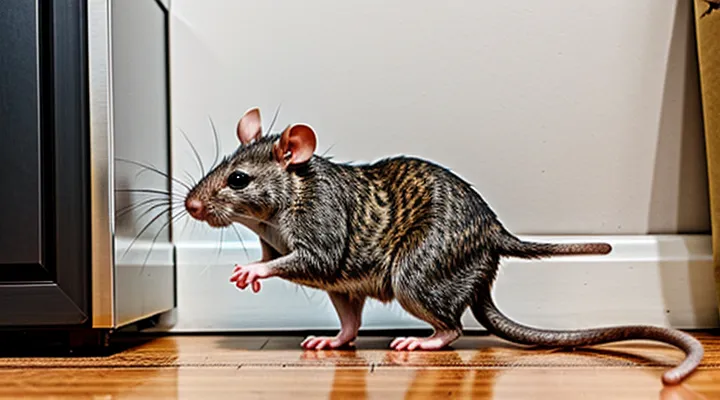
Understanding Rat Behavior
Why Rats Seek Shelter Indoors
Food and Water Sources
Rats locate apartments by detecting accessible food and water. Open pantry shelves, uncovered pet meals, and food remnants on counters provide immediate nutrition, prompting rodents to probe cracks, gaps around doors, or vent openings. Any area where crumbs accumulate or containers are left unsealed becomes a beacon that guides rats toward potential entry points.
Water sources sustain activity and encourage exploration. Leaking faucets, dripping pipes, condensation on windows, and standing water in plant trays create humid zones that attract rats. Moisture near baseboards or behind appliances signals a reliable supply, motivating rodents to test nearby openings.
- Secure all food in airtight containers.
- Remove leftovers and clean spills promptly.
- Store pet feed in sealed bins and limit outdoor access.
- Repair leaks, dry wet surfaces, and eliminate standing water.
- Inspect and seal gaps around pipes, vents, and utility lines.
Addressing these attractants reduces the incentive for rats to seek entry, limiting their ability to infiltrate residential spaces.
Warmth and Safety
Rats are attracted to residential spaces that provide consistent warmth and secure shelter. Temperature gradients created by heating systems, hot water pipes, and insulated walls form ideal microclimates for rodents, allowing them to conserve energy while foraging. When ambient conditions drop outside, a heated interior becomes a magnet for individuals seeking to maintain body heat.
Safety considerations influence entry routes and nesting choices. Gaps around utility penetrations, loose insulation, and unsealed vent covers offer concealed pathways that protect rodents from predators and human disturbance. Once inside, rats select locations that conceal droppings and gnaw marks, such as behind appliances, within wall cavities, or under floorboards, where movement remains hidden.
Key factors that increase the likelihood of rodent intrusion:
- Unsealed cracks larger than ¼ inch around doors, windows, and foundation walls.
- Openings around electrical wiring, plumbing, and HVAC ducts that lack proper flashing or mesh.
- Accumulated debris, stored boxes, or clutter that creates undisturbed nesting sites.
- Warm water sources that leak or remain idle for extended periods.
Mitigating these conditions requires sealing all entry points, maintaining a dry environment, and reducing clutter that could serve as concealed refuge. Implementing these measures diminishes the appeal of warmth and safety that rodents exploit to infiltrate living quarters.
Common Entry Points for Rats
Gaps and Cracks in Foundations and Walls
Small Openings Around Pipes and Utilities
Rats routinely exploit gaps surrounding plumbing and utility penetrations to gain access to residential units. Even openings as narrow as a quarter‑inch allow a determined rodent to squeeze through, making these voids a primary pathway for indoor intrusion.
Typical dimensions of vulnerable openings range from ¼ in to ½ in in diameter. Gaps often appear where pipes pass through walls, floors, or ceilings, and where electrical conduit, cable bundles, or HVAC ducts intersect building structures. The irregular shape of such voids can accommodate the flexible body of a rat, which can compress its ribs to fit through spaces smaller than its head.
Common locations include:
- Under kitchen and bathroom sinks where drain pipes emerge.
- Around the base of the toilet where the waste line connects to the wall.
- Behind washing machines and dryers adjacent to water supply lines.
- Near exterior wall penetrations for gas lines, sprinkler systems, or outdoor lighting.
- At ceiling joist openings for central‑air vents or chimney flues.
Effective mitigation involves sealing each opening with materials that resist gnawing and compression. Recommended solutions are:
- Insert tightly packed steel wool into the gap, then cover with expanding foam or silicone sealant.
- Apply metal flashing or copper mesh over larger voids, securing with screws or construction adhesive.
- Use rodent‑resistant caulk formulated for high‑stress joints around pipe sleeves.
- Replace damaged pipe sleeves with stainless‑steel collars that fit snugly against the surrounding structure.
Regular inspection of all pipe and utility entry points, combined with prompt sealing of identified gaps, significantly reduces the likelihood of a rat entering an apartment through these small openings.
Deteriorated Mortar and Bricks
Rats exploit gaps created when mortar loses cohesion and bricks crack or shift. As the binding material erodes, joints widen, forming openings as small as a few millimeters—sufficient for a rat’s body to squeeze through. Crumbling bricks detach from the wall surface, leaving irregular edges that further compromise the barrier.
Typical indicators of compromised masonry include:
- Cracked or spalled bricks exposing internal voids.
- Mortar that crumbles under light pressure or separates from adjacent bricks.
- Gaps exceeding 5 mm along horizontal or vertical joints.
- Water stains or efflorescence, signifying moisture infiltration that accelerates mortar decay.
When these defects appear, rats can:
- Enter through vertical cracks that run from the foundation to the exterior wall.
- Navigate horizontal fissures that connect the building envelope to interior voids such as crawl spaces or utility chases.
- Exploit loose bricks to create temporary tunnels, enlarging passages with continued gnawing.
Remediation requires restoring the mortar to its original compressive strength and replacing damaged bricks. Repointing with a compatible cement‑lime mix seals joints, while reinforced brickwork eliminates structural weaknesses. Properly sealed masonry removes the primary conduit for rodent intrusion, preventing future access.
Openings in Doors and Windows
Gaps Under Doors
Rats exploit openings beneath interior doors to move between rooms and reach living spaces. Typical clearances range from ½ inch to several inches, providing enough clearance for a rodent’s body and tail. Older buildings often have uneven floor surfaces, warped thresholds, or worn door sweeps that increase the size of these gaps.
The size of a gap determines the likelihood of entry. A clearance of ¼ inch can still accommodate a small juvenile rat, while an opening of ¾ inch allows adult individuals to pass easily. Gaps also serve as ventilation pathways, which rats use to mask their scent and reduce detection risk.
Effective mitigation requires accurate measurement and sealing. Recommended actions include:
- Install metal or rubber door sweeps that contact the floor when the door closes.
- Apply expanding foam or silicone caulk to fill irregular spaces around the sweep.
- Fit threshold strips made of aluminum or heavy‑duty vinyl to bridge the gap permanently.
- Inspect and repair warped floorboards or uneven thresholds that create persistent openings.
Regular inspection of door clearances, especially after seasonal temperature changes, helps maintain a barrier that prevents rodents from exploiting under‑door passages.
Damaged Window Screens
Damaged window screens create a direct pathway for rodents to infiltrate residential units. Cracks, tears, or missing mesh sections reduce the barrier that normally prevents small mammals from slipping through openings as narrow as a few centimeters. When a screen is compromised, a rat can push its body through the gap, using its flexible spine to navigate irregular edges.
Typical forms of screen failure include:
- Small tears that widen under pressure.
- Loose or detached frame corners.
- Corroded hinges that no longer hold the screen taut.
- Mesh sections missing due to pest activity or weather.
Rats exploit these weaknesses by approaching the window at night, when interior lights are dimmed and external illumination attracts them. They test the integrity of the screen by gnawing at the mesh; a weakened area yields quickly, allowing entry without the need to climb walls or use other structural gaps.
Indicators of a compromised screen are:
- Visible fraying or holes in the mesh.
- Audible scratching sounds near windows.
- Presence of droppings or gnaw marks on the interior side of the screen.
- Unexplained odors typical of rodent urine.
Prompt repair or replacement of damaged screens eliminates the most accessible entry point. Reinforcing the frame, using steel‑mesh material, and sealing any gaps with weather‑resistant caulk further deter rodents. Regular inspection, especially after storms or seasonal changes, ensures that screens remain intact and continue to serve as an effective barrier against rat intrusion.
Unsealed Window Frames
Unsealed window frames create openings that rats can exploit to gain access to a residence. Gaps as narrow as ¼ inch allow a small rodent to squeeze through, while larger cracks accommodate adult rats without difficulty. Structural movement, deteriorated sealant, and improper installation are common sources of these openings.
Typical entry points include:
- Space between the sash and the frame left after paint or weather‑stripping removal.
- Cracks around the window opening where the wall meets the frame, often enlarged by settling.
- Gaps behind broken or missing glazing beads that expose the interior cavity.
Rats locate these gaps by following scent trails from food sources or by navigating along exterior walls. Once a gap is identified, the animal pushes its body forward, using its flexible spine to contort and pass through the opening. After entry, the rodent can enlarge the breach by gnawing the surrounding material, creating a permanent passage.
Preventive actions focus on sealing all potential openings. Apply high‑quality silicone or polyurethane caulk to any visible cracks, reinstall or replace weather‑stripping, and ensure glazing beads are intact. Conduct a systematic inspection of each window frame before winter to detect and repair deterioration, thereby eliminating the most accessible route for rat intrusion.
Roof and Attic Access Points
Damaged Roof Tiles or Shingles
Damaged roof tiles or shingles create openings that rats can exploit to reach the interior of a building. Cracks, missing pieces, and loose edges expose the roof deck, allowing rodents to climb from trees, gutters, or adjacent structures and slip through the gaps. Water infiltration weakens the underlying sheathing, enlarging the voids and providing a pathway that bypasses walls and doors.
Key indicators of roof damage that facilitate rat ingress include:
- Broken or displaced tiles leaving gaps larger than ¼ inch.
- Exposed nail heads or fasteners that no longer secure the roofing material.
- Sagging roof lines indicating compromised structural support.
- Accumulated debris or nests beneath damaged sections.
Remediation actions to block rat access:
- Replace missing or cracked tiles with matching material.
- Seal all gaps using roofing cement, metal flashing, or mesh to prevent rodent passage.
- Reinforce loose sections with additional fasteners and, if necessary, install a secondary barrier such as rodent‑proof netting.
- Conduct a comprehensive roof inspection after repairs to verify the integrity of the seal and eliminate residual entry points.
Maintaining an intact roof eliminates the primary route rats use to infiltrate an apartment, thereby reducing the likelihood of infestation.
Unprotected Vent Openings
Rats exploit vent openings that lack protective barriers. These apertures often measure 3‑4 inches in diameter, sufficient for a rodent to squeeze through. Vent shafts connect interior spaces to exterior walls, roofs, or crawl spaces, providing direct routes into rooms, kitchens, and storage areas.
- Unscreened vents allow entry without resistance.
- Gaps around vent covers, caused by settling or improper installation, create additional pathways.
- Damp or warm air flow attracts rodents, encouraging exploration of vent interiors.
Signs of rat activity in vent systems include gnaw marks on metal or plastic components, droppings accumulating near vent grilles, and audible scratching from within ducts. Once inside, rats can travel through interconnected ductwork, reaching multiple rooms and contaminating food supplies.
Mitigation measures:
- Install mesh or steel screens with openings no larger than ¼ inch over all vent openings.
- Seal gaps between vent frames and surrounding structures using steel wool, caulk, or expanding foam designed for pest control.
- Inspect vent covers regularly for damage or displacement; replace compromised units promptly.
- Maintain a clean environment around exterior vents to reduce attractants such as debris or standing water.
Implementing these controls eliminates the primary conduit through which rodents infiltrate residential spaces, reducing the likelihood of infestation and associated health hazards.
Overhanging Branches
Overhanging branches often create a direct pathway from the exterior to the interior of a building. When a branch extends beyond a balcony rail or windowsill, it can serve as a bridge for rodents, allowing a rat to climb from a tree or roofline to the lowest accessible opening.
Rats exploit this bridge in several ways:
- Climbing – a rat grasps the bark or foliage and moves upward, reaching the balcony or window ledge without needing to jump.
- Jumping – a sturdy branch positioned within a few inches of an opening enables a rat to launch onto the ledge and then into the apartment.
- Shelter – dense foliage provides cover while the animal surveys the building, reducing exposure to predators and increasing the likelihood of successful entry.
Once the rat reaches the balcony or windowsill, it can slip through gaps around doors, broken screens, or poorly sealed vents. The presence of an overhanging branch therefore reduces the distance a rat must traverse, eliminates the need for a high‑energy leap, and supplies a concealed route that bypasses typical deterrents.
To mitigate this risk, property owners should trim branches that project within a foot of the building envelope, install physical barriers such as metal flashing, and regularly inspect exterior openings for signs of rodent activity. These measures directly interrupt the bridge that overhanging vegetation provides, limiting the avenues through which a rat can gain access to a residence.
Plumbing and Drainage Systems
Unused Drains
Rats exploit unused drainage connections as hidden pathways into residential units. When a drain is capped, sealed improperly, or left open for future renovation, it creates a void that rats can navigate through the building’s plumbing network. The void often extends from the main sewer line to the interior wall cavity, allowing a rodent to travel upward and emerge inside an apartment.
Key factors that make unused drains attractive to rats:
- Lack of water flow eliminates turbulence that would otherwise deter movement.
- Absence of regular cleaning leaves debris and organic material for sustenance.
- Poorly fitted or missing covers provide a gap large enough for a rat’s body.
- Warm, humid conditions within the pipe system mimic natural burrow environments.
Mitigation measures focus on sealing and maintaining all drainage points:
- Install durable, lockable covers on every unused inlet.
- Apply expanding foam or cement to fill gaps around pipe penetrations.
- Conduct periodic inspections to confirm that seals remain intact.
- Integrate trap devices or monitoring cameras within the drain system to detect activity early.
By treating unused drains as potential intrusion routes and reinforcing them accordingly, the likelihood of a rodent entering a living space diminishes significantly.
Broken Sewer Pipes
Rats exploit compromised sewer infrastructure to move from street drains into residential units. When a pipe ruptures or its joints separate, a continuous void forms that connects the municipal system with the building’s interior. Water pressure pushes debris and scent trails through the opening, creating a navigable pathway for rodents.
The breach offers several specific entry advantages:
- Direct access to the building’s vertical shafts, bypassing doors and windows.
- Moisture accumulation that attracts rats and sustains their activity.
- Structural gaps that align with floor joists, allowing easy passage into rooms.
- Reduced air pressure that draws rats toward the apartment’s interior.
Early detection relies on observable signs: damp spots on walls, rusted pipe sections, and fresh droppings near floor drains. Immediate remediation includes sealing cracks with plumbing-grade epoxy, replacing damaged sections, and installing metal mesh covers on all external vent openings. Regular inspection of sewer lines prevents the formation of entry routes and limits rodent infiltration.
Toilet Access (Rare but Possible)
Rats can exploit the plumbing system to reach residential units, even when other entry points are sealed. Sewer lines connect directly to the building’s waste pipes, and a small animal can travel upward through these conduits if conditions allow.
Typical pathways include:
- Unsealed or damaged pipe joints where a gap larger than a few centimeters exists.
- Faulty or missing trap seals in the toilet that fail to maintain a water barrier.
- Drainage vents that open to the roof and provide a route to the interior when vent caps are absent or broken.
- Cracked or corroded waste pipes that create openings into adjacent walls or floors.
When a rat encounters a functional toilet, it may climb the bowl, use the water column as a ladder, and slip into the trap if the water seal is insufficient. Once inside, the animal can navigate the waste pipe network, emerging through any accessible breach.
Preventive measures focus on maintaining a continuous water seal in all traps, inspecting pipe connections for integrity, and ensuring vent caps are secure. Regular visual checks of the toilet’s underside and surrounding floor can reveal signs of gnawing or droppings, indicating a breach. Prompt repair of identified faults eliminates the rare but viable route that allows rodents to enter through bathroom fixtures.
Utility Lines and Wires
Gaps Around Cable and Electrical Lines
Rats exploit openings that form around cables and electrical conduits when walls, floors, or ceilings are penetrated for installation. These gaps can be as narrow as a few millimeters yet provide enough clearance for a small rodent to squeeze through. Common sources include:
- Unsealed holes left after drilling for power outlets or light fixtures.
- Spaces around bundled wiring that pass through fire‑stops or wall plates.
- Gaps where conduit enters a building envelope, often covered only by a thin sleeve.
- Openings around cable trays that run behind drywall or under flooring.
The size of a typical house mouse ranges from 15 mm to 25 mm in body width; a Norway rat can be up to 45 mm wide. Any aperture exceeding these dimensions constitutes a viable entry point. Moreover, rats can gnaw through soft insulation, plastic sheathing, or deteriorated caulking, enlarging the original gap.
Inspection should focus on:
- Visual examination of all cable entry points, especially near utility rooms, kitchens, and bathrooms.
- Use of a flashlight and mirror to detect concealed spaces behind baseboards and trim.
- Probing with a thin steel rod or flexible wire to verify clearance dimensions.
Sealing methods must resist chewing and withstand temperature fluctuations:
- Install steel wool or copper mesh into the opening before applying a sealant; rodents cannot bite through these materials.
- Apply a polyurethane or silicone-based caulk that adheres to metal, plastic, and wood surfaces.
- Fit metal flashing or conduit sleeves that overlap the cable bundle and are fastened with screws or rivets.
- Replace deteriorated plastic conduit with rigid PVC or metal conduit that includes a tight-fitting gasket.
Regular maintenance, such as re‑checking sealed areas after renovations or after seasonal temperature changes, prevents gaps from reopening. Promptly addressing these vulnerabilities eliminates a primary pathway for rodents to infiltrate residential units.
Unsealed Entry Points for HVAC Systems
Rats exploit gaps in heating, ventilation, and air‑conditioning (HVAC) systems to move from exterior spaces into residential units. Ductwork that passes through walls, ceilings or roof structures often contains seams, joints, and service holes that are not sealed to building code standards. These openings provide direct pathways for rodents, especially when insulation is disturbed or when weather conditions force animals to seek shelter.
Common unsealed HVAC entry points include:
- Duct seams and couplings lacking foil tape or mastic sealant.
- Service penetrations for fire dampers, filters, or access doors left without gaskets.
- Exhaust vents and fresh‑air intakes without proper grille screens.
- Condensate drain lines that terminate outdoors without a covered trap.
- Roof‑mounted units where the connection to interior ducting is not weather‑tight.
Remediation requires inspecting each duct run, applying UL‑rated duct sealant to all joints, installing metal or mesh screens over vents, and ensuring that all service openings are fitted with tight‑closing covers. Regular maintenance checks can identify new gaps before they become established rodent routes.
Preventing Rat Entry
Sealing Exterior Openings
Using Appropriate Materials for Repairs
Selecting repair materials that resist chewing and sealing gaps eliminates common pathways for rodents to access a living space. Materials must withstand gnawing forces, adhere securely, and remain intact over time.
- Steel wool or copper mesh placed in holes less than ¼ inch wide prevents entry; combine with caulk for a permanent barrier.
- Cement‑based mortar, applied to masonry cracks, hardens into a solid, unbreakable surface.
- Polyurethane expansion foam, when used on small openings, expands to fill voids and hardens to a dense, chew‑resistant mass.
- Metal flashing or sheet metal, installed over vent openings and utility penetrations, creates an impenetrable shield.
Installation guidelines: clean all surfaces of debris, moisture, and loose material; apply the chosen product according to manufacturer specifications; verify that the repaired area leaves no residual gaps; inspect regularly for signs of wear and reapply as needed. Proper material choice and meticulous application close the routes rats exploit, maintaining the integrity of the apartment envelope.
Regular Inspection of Building Perimeter
Regular inspection of a building’s outer boundary is a primary defense against rodent intrusion into residential units. Inspectors identify entry pathways, assess structural integrity, and verify that preventive measures remain functional.
Critical inspection points include:
- Gaps around utility penetrations, such as water, gas, and electrical lines.
- Cracks in foundation walls, basement floors, and exterior masonry.
- Openings around doors, windows, and ventilation grilles.
- Condition of exterior seals, weather‑stripping, and door sweeps.
- Presence of debris, vegetation, or stored materials that provide shelter.
Inspections should occur monthly during high‑activity seasons and quarterly otherwise. Each visit requires a written record of observed defects, corrective actions taken, and a timeline for repairs. Photographic evidence supports accountability and facilitates follow‑up checks.
Consistent perimeter monitoring reduces the likelihood that rats locate and exploit weaknesses, thereby limiting their access to apartments and decreasing the need for interior pest control interventions.
Securing Doors and Windows
Installing Door Sweeps and Weatherstripping
Installing door sweeps and weatherstripping creates a physical barrier that blocks the most common entry points for rodents. A door sweep fits the gap between the bottom of the door and the floor, while weatherstripping seals the vertical and horizontal seams around the door frame. Both components must be made of durable material—rubber, silicone, or brush‑type fibers—to withstand repeated contact and resist chewing.
- Measure the door width and the clearance under the door before purchasing a sweep.
- Choose a sweep with a flexible lip that contacts the floor without dragging.
- Attach the sweep with screws or adhesive, ensuring a snug fit.
- Apply weatherstripping to the door jambs, covering all gaps up to the top of the frame.
- Test the seal by closing the door and checking for any visible spaces.
Regular inspection of the seal integrity and replacement of worn components maintain the barrier’s effectiveness against rat intrusion.
Repairing and Reinforcing Window Screens
Window screens are a frequent weak point that allows rodents to breach the interior of a residence. Cracks, torn mesh, and loose frames create openings large enough for a rat to squeeze through. Addressing these defects reduces the likelihood of unwanted entry and protects the living space from contamination and damage.
Effective repair begins with a thorough inspection. Identify any holes larger than a quarter‑inch, frayed edges, and loose fastening points. Remove damaged sections of mesh and replace them with a material rated for pest resistance, such as stainless‑steel or heavy‑gauge aluminum. Secure the new mesh with corrosion‑resistant staples or screws, ensuring a tight fit against the frame. Apply a silicone‑based sealant around the perimeter to eliminate gaps between the screen and the window frame.
Reinforcement measures add an extra barrier. Install a secondary mesh layer on the interior side of the existing screen, overlapping seams by at least two inches. Use a fine‑weave, rust‑proof fabric to prevent gnawing. For high‑risk windows, attach a removable metal grate that can be locked in place when the window is open. Verify that all hinges and latches operate smoothly and that the screen closes flush without distortion.
Regular maintenance extends the protection. Clean screens monthly to remove debris that can conceal damage. Inspect seals after extreme weather events and reseal any compromised sections promptly. By systematically repairing and fortifying window screens, residents create a robust defense that significantly lowers the chance of a rat gaining access to the apartment.
Maintaining the Exterior Environment
Trimming Vegetation Away From the Building
Trimming vegetation that touches or overhangs a building creates a physical barrier that prevents rodents from using branches as bridges to reach windows, eaves, and roof vents. When shrub limbs or ivy grow within a foot of the exterior, rats can climb, jump, or gnaw through the foliage to access openings that lead to interior spaces.
Maintaining a clear perimeter reduces the number of potential pathways and eliminates hiding spots that encourage rodent activity. Regular inspection identifies growth that encroaches on the structure, allowing timely removal before it becomes a conduit for entry.
Key actions for effective vegetation management:
- Cut back all shrubs, vines, and tree branches to at least 12 inches from walls, windows, and utility penetrations.
- Dispose of trimmed material away from the property to avoid providing shelter on the ground.
- Inspect the roofline and gutter system after each trimming session for damage that could create new entry points.
- Schedule biannual pruning to keep growth consistently below the safe distance.
By keeping the building’s exterior free of adjacent vegetation, the likelihood of rats reaching the dwelling through climbable pathways is substantially reduced.
Proper Waste Management
Improper disposal of food scraps creates a direct attraction for rodents seeking shelter in residential units. Unsealed bags, overflowing bins, and food residue on surfaces provide a reliable food source, encouraging rats to explore entry points such as gaps under doors, utility chases, and vent openings.
Secure containers with tight-fitting lids, position them away from walls, and empty them at least twice daily in high‑traffic buildings. Keep the area around waste stations clean; remove stray crumbs and mop spills promptly. Regular inspection of garbage rooms for cracks or damaged panels prevents hidden pathways.
- Use rodent‑proof bins made of metal or heavy‑wall plastic.
- Seal all bag openings before placement in the bin.
- Schedule collection during early morning hours to reduce exposure time.
- Conduct monthly audits of waste areas, documenting any signs of gnawing or droppings.
- Maintain a log of pest‑control inspections and corrective actions.
Consistent application of these measures eliminates the primary lure that drives rats to probe apartment interiors, thereby reducing the likelihood of infestation.
Addressing Interior Vulnerabilities
Storing Food Securely
Storing food correctly reduces the likelihood that a rodent will find an entry point into a dwelling. Food must be placed in containers that close tightly, such as metal tins with screw‑on lids or heavy‑wall plastic boxes with gasket seals. Transparent containers are acceptable if they provide a full seal; otherwise, opt for opaque materials that block visual cues.
Maintain a clean storage area. Wipe spills immediately, discard crumbs, and keep the floor free of debris. Regularly inspect containers for cracks or worn seals; replace any compromised units promptly.
A practical checklist for secure food storage:
- Use airtight containers for dry goods, pet food, and snacks.
- Store perishables in the refrigerator or freezer, ensuring doors seal properly.
- Keep containers off the floor; place them on shelves or countertops.
- Separate bulk purchases into smaller, sealed packages to limit exposure.
- Rotate stock to use older items first, preventing spoilage that attracts pests.
By eliminating accessible food sources, the incentive for a rat to explore gaps, vents, or other openings diminishes, thereby strengthening the overall barrier against intrusion.
Fixing Leaky Pipes and Drains
Rats exploit moisture and waste pathways; a dripping pipe or a slow‑draining sink creates a reliable water source and a concealed travel route into a dwelling.
A leaking pipe releases water that accumulates behind walls, in crawl spaces, and under flooring. The constant moisture draws rodents, while the leak also erodes sealants that usually block entry points.
Steps to repair pipe leaks
- Shut off the water supply at the nearest valve.
- Drain residual water from the affected line by opening a downstream faucet.
- Inspect the pipe for cracks, corrosion, or loose fittings.
- Replace damaged sections with appropriate material (copper, PEX, or PVC) using approved fittings.
- Apply pipe‑thread sealant or plumber’s tape to threaded connections before tightening.
- Restore water flow gradually, checking for any remaining drips.
Drain systems can serve as subterranean highways for rats. Clogged or partially blocked drains generate stagnant water and organic buildup, both attractive to rodents.
Drain maintenance actions
- Remove debris and hair from trap covers weekly.
- Flush each drain with hot water followed by a biodegradable enzyme cleaner to break down organic residue.
- Install mesh screens over floor drains to prevent rodent entry while allowing water flow.
- Schedule professional inspection of sewer lines to detect cracks or root intrusion that could provide access points.
Repairing leaks and maintaining clear, sealed drains eliminates the primary incentives for rodent infiltration, reduces structural damage, and safeguards indoor sanitation.