
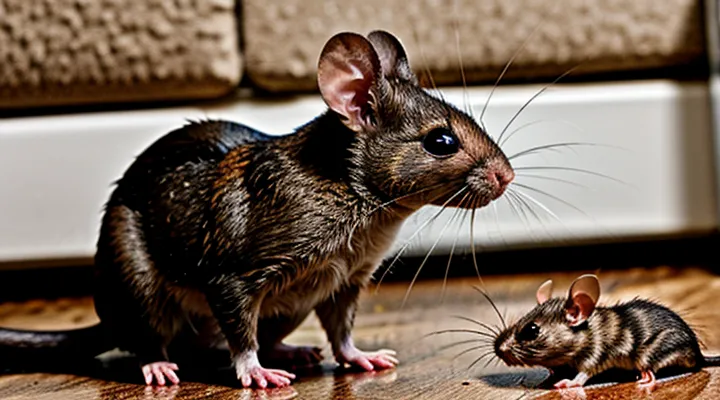
Understanding Rat Diet
General Rat Diet Preferences
Omnivorous Nature
House rats exhibit a broad dietary spectrum, classifying them as true omnivores. Their digestive physiology accommodates plant matter, grains, dairy, meat, and a wide range of invertebrates. This flexibility enables rapid adaptation to urban environments where food sources fluctuate.
Insects form a regular component of the rat diet. Cockroaches, abundant in residential settings, present an accessible protein source. Rats capture and consume them when opportunity arises, often during nocturnal foraging when insects are active. The nutritional profile of cockroaches—high protein, essential amino acids, and chitin—aligns with the rat’s dietary requirements.
Factors influencing rat predation on cockroaches include:
- Availability of alternative food items; scarcity increases reliance on insects.
- Presence of chemical residues; pesticide‑treated cockroaches may deter consumption.
- Seasonal activity patterns; higher insect activity in warm months raises encounter rates.
Overall, the omnivorous nature of house rats supports the consumption of cockroaches, provided that environmental conditions present the insects as a viable, low‑risk food option.
Typical Food Sources
House rats are opportunistic omnivores, capable of exploiting a wide range of nutritional resources within human habitats. Their digestive system processes plant matter, animal protein, and waste with equal efficiency, allowing rapid adaptation to fluctuating food availability.
Typical food sources include:
- Cereals and processed grains
- Fresh fruits and vegetables
- Seeds and nuts
- Meat remnants and fish scraps
- Pet food and stored pantry items
- Insects, notably cockroaches, when encountered
Insect consumption supplements protein intake but represents a minor proportion of overall intake. Cockroaches are readily consumed when present, yet they do not constitute a primary dietary component for domestic rodents.
Do Rats Eat Cockroaches?
Scientific and Anecdotal Evidence
Prey-Predator Dynamics
The interaction between domestic rats and cockroaches exemplifies classic « prey‑predator dynamics » in human‑dominated habitats. Rats, as opportunistic omnivores, exploit the abundant presence of cockroaches, especially in kitchens, basements, and waste‑rich environments. Cockroaches provide a protein source that complements grain and refuse consumption, allowing rats to meet high metabolic demands.
Physiological traits support this behavior. Sharp incisors enable rapid dismemberment, while a keen sense of smell detects chemical cues released by nocturnal insects. Behavioral flexibility permits rats to hunt during crepuscular periods when cockroach activity peaks, increasing encounter probability.
Factors influencing predation rates include:
- Overlap of shelter sites (e.g., wall voids, pipe spaces);
- Relative size of prey to predator;
- Seasonal fluctuations in food availability;
- Presence of alternative predators such as centipedes or spiders;
- Human sanitation practices that affect cockroach density.
Ecological consequences arise from this interaction. Predation by rats can suppress cockroach populations, reducing the spread of pathogens associated with the insects. Simultaneously, rats may compete with other insectivores, altering the balance of urban arthropod communities. Understanding these mechanisms informs pest‑management strategies that leverage natural predation while mitigating rodent‑related health risks.
Opportunistic Feeding Behavior
Rats are highly adaptable omnivores that frequently exploit readily available protein sources. In residential environments where cockroaches are abundant, rats incorporate these insects into their diet without specialized hunting strategies. Their digestive systems efficiently process the chitinous exoskeleton, extracting nutrients that supplement typical grain‑based intake.
Key aspects of this opportunistic feeding include:
- Preference for live or recently dead insects when alternative protein is limited.
- Increased consumption during seasons of reduced food waste or heightened pest populations.
- Utilization of cockroach carcasses found in sewers, basements, and kitchen debris.
Observations from urban pest studies confirm that rats will readily ingest cockroaches when encountered, demonstrating flexible foraging behavior that supports survival in fluctuating resource conditions. «Rats will opportunistically consume insects when protein is scarce», a statement frequently cited in entomological literature, underscores this adaptive strategy.
Why Rats Might Eat Cockroaches
Nutritional Value
Cockroaches provide a protein‑rich diet for urban rats, delivering essential amino acids required for tissue growth and repair. Their carcasses contain approximately 20–25 % crude protein, comparable to standard rodent feed.
Key nutrients supplied by cockroach consumption include:
- Protein: High‑quality source supporting muscle development.
- Lipids: 10–12 % fat, rich in unsaturated fatty acids that contribute to energy balance.
- Vitamins: B‑complex vitamins (B1, B2, B6) and vitamin A, aiding metabolic processes and vision.
- Minerals: Calcium, phosphorus, magnesium, and trace elements such as zinc and iron, essential for bone health and enzymatic functions.
The caloric density of cockroaches ranges from 350 to 400 kcal per 100 g, providing a compact energy supply for nocturnal foraging rodents. Their exoskeletons contain chitin, which functions as dietary fiber, promoting gastrointestinal motility.
Overall, cockroach ingestion supplies a balanced blend of macronutrients and micronutrients that can sustain the nutritional requirements of house‑dwelling rats when alternative food sources are scarce.
Availability of Other Food Sources
Rats inhabiting human dwellings encounter a wide spectrum of edible materials that often outweigh the nutritional value of insects. Standard food supplies include grains, processed snacks, fruit residues, pet food, and organic waste from kitchens. When such resources are abundant, the incentive for rats to hunt cockroaches diminishes sharply.
Key alternative foods commonly available in residential settings:
- Cereals and flour remnants
- Bread crusts and bakery scraps
- Fruit peels, vegetable trimmings, and overripe produce
- Commercial pet chow left uncovered
- Food‑laden garbage bins with regular collection
The presence of these items creates a low‑risk foraging environment. Rats prefer stationary, high‑calorie sources that require minimal effort and expose them to fewer predators. Consequently, environments where human food waste is poorly managed provide little motivation for rats to turn to cockroaches, which are typically more mobile and harder to capture.
Conversely, in households where human food is scarce—such as during prolonged vacancies or strict waste disposal practices—rats may expand their diet to include opportunistic prey. Cockroach consumption then becomes a supplemental strategy, offering protein when other options are limited. However, even in such scenarios, the overall contribution of insects to the rat’s energy intake remains modest compared to readily accessible plant‑based foods.
Risks and Considerations for Rats
Disease Transmission from Cockroaches
Cockroaches harbour a broad spectrum of pathogens that can survive on their exoskeletons and within their digestive tracts. When a rodent consumes a cockroach, these microorganisms may be transferred directly into the rodent’s gastrointestinal system, potentially amplifying the spread of disease within urban environments.
Key pathogens associated with cockroach vectors include:
- Salmonella spp., responsible for gastro‑intestinal infections.
- Escherichia coli, capable of causing severe diarrhoeal disease.
- Shigella species, linked to dysentery outbreaks.
- Staphylococcus aureus, a common cause of skin and wound infections.
- Various parasites such as Hymenolepis nana, which can be transmitted through ingestion of contaminated insects.
Rodent ingestion of infected cockroaches can lead to internal colonisation, shedding of pathogens in rodent faeces, and contamination of stored food supplies. This cycle increases the risk of zoonotic transmission to humans, particularly in densely populated dwellings where food storage is inadequate and pest control measures are limited.
Monitoring and controlling both rodent and cockroach populations reduces the probability of pathogen amplification. Integrated pest management strategies that target habitats, limit food access, and employ safe rodenticides are essential to disrupt the transmission pathway. «Effective control of cockroach vectors diminishes the reservoir of pathogens available to rodents, thereby lowering overall disease burden in residential settings».
Pesticide Exposure through Cockroaches
House rats that prey on cockroaches may ingest pesticide residues accumulated in the insects. Cockroaches frequently inhabit environments treated with insecticides, such as kitchens, basements, and waste disposal areas. When a rat captures and consumes a contaminated cockroach, the toxic chemicals become part of the rodent’s diet, creating a secondary exposure route.
Pesticide transfer occurs through several mechanisms:
- Direct ingestion of whole insects containing surface residues and internalized chemicals.
- Consumption of partially digested cockroach tissue that retains pesticide particles.
- Secondary ingestion of cockroach feces or carcasses left in nesting sites.
The resulting toxic load can affect rat physiology in measurable ways. Documented effects include:
- Neurotoxicity leading to impaired coordination and reduced foraging efficiency.
- Hepatic enzyme induction, altering metabolism of other xenobiotics.
- Immunosuppression, increasing susceptibility to bacterial and viral infections.
- Reproductive disruption, manifested as reduced litter size and altered hormone levels.
Monitoring pesticide concentrations in trapped cockroaches provides a practical indicator of the exposure risk faced by urban rodent populations. Effective pest‑management programs should consider the indirect impact on non‑target species, including the potential health consequences for house rats that feed on these insects.
The Impact of Rats on Cockroach Populations
Pest Control Implications
Limited Efficacy as Primary Control
Domestic rats are capable of ingesting cockroaches, yet their predation does not constitute a reliable primary control method. Observations confirm that rats will consume insects when opportunistic, but the frequency and quantity of cockroach intake remain low compared to other food sources.
Key constraints diminish the effectiveness of rats as a sole control agent:
- Preference for higher‑calorie foods such as grains and waste reduces motivation to hunt insects.
- Inconsistent consumption; individual rats may ignore cockroaches altogether.
- Seasonal fluctuations in rodent activity alter predation pressure.
- Cockroach habitats often reside in crevices inaccessible to larger predators.
Consequently, reliance on rats to suppress cockroach populations produces unpredictable outcomes. Integrated pest‑management strategies—combining sanitation, chemical baits, and mechanical traps—deliver more consistent reductions. The approach «Limited efficacy as primary control» underscores that rats should serve only as a supplementary component, not as the central tactic, in cockroach management programs.
Co-existence in Infested Areas
Rats and cockroaches frequently occupy the same indoor environments, especially in densely populated residences where food waste and moisture are abundant. Their interaction shapes the dynamics of infestations and influences control strategies.
Both species are omnivorous scavengers. Rats readily consume a wide range of organic material, including insects. Cockroaches, in turn, feed on decaying matter and occasional animal protein. When food sources are limited, predation may occur, but mutual avoidance is common when resources are sufficient.
Key observations on co‑existence:
- Overlapping habitats: kitchens, basements, and storage areas provide shelter and nourishment for both organisms.
- Competition for food: rodents often dominate larger food particles, while cockroaches exploit crumbs and residues.
- Predator‑prey potential: rats can capture and ingest cockroaches, reducing the latter’s numbers in localized spots.
- Disease considerations: each carrier transmits distinct pathogens; simultaneous presence amplifies public‑health risk.
Effective management requires integrated approaches. Reducing food availability, sealing entry points, and maintaining low humidity diminish suitability for both pests. Targeted bait stations address rodent populations, while insecticide applications or traps focus on cockroach clusters. Monitoring should track population trends of each species to adjust interventions promptly.
«Co‑existence does not imply equilibrium; it reflects the balance of resource distribution and interspecific interactions». Understanding this balance enables precise, evidence‑based control measures that limit the overall pest burden in infested dwellings.
Other Pest Control Methods
Integrated Pest Management
Professional Extermination
Professional pest control services address rodent and cockroach infestations through systematic assessment, targeted treatment, and preventative strategies. Technicians inspect premises to identify entry points, nesting sites, and food sources that attract both domestic rats and cockroaches. Evidence of predation between these species is rare; control plans therefore treat each pest independently rather than relying on natural interactions.
Key components of a professional extermination program include:
- Detailed inspection using infrared cameras and traps to map population density.
- Application of rodent baits and gel formulations designed for indoor and outdoor environments, calibrated to local regulations.
- Deployment of cockroach insecticide dusts and residual sprays in cracks, crevices, and concealed spaces.
- Sealing of structural gaps with steel wool, caulk, or metal flashing to prevent re‑entry.
- Education of occupants on sanitation practices that eliminate attractants, such as proper waste disposal and prompt repair of leaks.
Integrated pest management (IPM) principles guide the selection of low‑toxicity options when feasible, while maintaining effectiveness against resilient species. Monitoring devices placed after treatment verify reduction in activity levels, allowing technicians to adjust tactics if necessary. Documentation of findings and actions provides a record for compliance audits and future reference.
Professional intervention minimizes health risks associated with disease‑carrying rodents and allergenic cockroach droppings, ensuring long‑term occupancy safety. Regular follow‑up visits sustain control, reduce the likelihood of resurgence, and protect property integrity.
Home Remedies and Prevention
Rats are attracted to environments that provide easy access to food, water, and shelter. Eliminating these resources reduces the likelihood that rodents will hunt cockroaches or share the same habitat.
Maintain a dry, clutter‑free interior. Store dry goods in sealed containers, promptly clean crumbs, and fix leaky pipes. Regular vacuuming removes insect debris that could lure rats.
Seal structural gaps. Apply steel wool or caulk to cracks around doors, windows, and utility penetrations. Install door sweeps and weather stripping to block rodent entry.
Deploy natural deterrents. Place cotton balls soaked in peppermint oil, eucalyptus oil, or clove oil in corners, under appliances, and near entry points. The strong scent repels both rats and cockroaches without hazardous chemicals. «Rats avoid strong odors» is a documented observation in pest‑control literature.
Set mechanical barriers. Use snap traps or electronic traps for rats, and sticky traps for cockroaches, in areas of known activity. Position traps along walls, behind furniture, and near food storage.
Implement regular inspections. Conduct monthly checks of basements, attics, and crawl spaces for signs of gnaw marks, droppings, or insect hideouts. Early detection allows swift remedial action before populations expand.
Adopt proper waste management. Keep trash bins covered, empty them frequently, and avoid leaving organic waste exposed. Compost piles should be located away from the house and enclosed in sturdy containers.
By integrating sanitation, structural sealing, natural repellents, and targeted trapping, households can effectively prevent rats from preying on cockroaches and minimize the coexistence of these pests.