
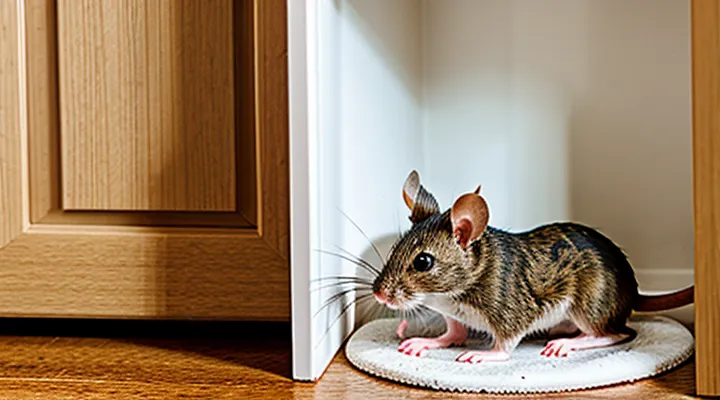
Understanding the Rodent Problem
Identifying Signs of Mice
Droppings and Urine Trails
Droppings appear as small, dark pellets roughly the size of a grain of rice; fresh samples are moist and may emit a faint, musky odor. Urine trails are invisible to the naked eye but become detectable through a faint, damp sheen on surfaces or by using a blacklight, which makes the urine fluoresce blue‑green.
These signs indicate the presence, movement patterns, and population density of rodents, allowing precise placement of homemade traps, bait stations, or natural repellents. Identifying active pathways helps target the most effective points for intervention and reduces unnecessary exposure to untreated areas.
- Inspect corners, behind appliances, and along baseboards for droppings.
- Use a handheld UV lamp to locate urine streaks on walls, floors, and cabinets.
- Record each finding on a simple floor plan, marking the direction of travel.
- Prioritize zones with the highest concentration for trap deployment.
Clean collected droppings with a disposable paper towel, then disinfect the area using a solution of one part bleach to ten parts water. Wear gloves and a mask to avoid inhalation of allergens. After treatment, allow the surface to dry completely before applying any homemade deterrent, ensuring that residual moisture does not attract further activity.
Place bait or natural repellents (e.g., peppermint oil soaked cotton balls, homemade garlic‑pepper spray) directly along identified trails and near droppings clusters. Re‑inspect weekly; a decline in fresh droppings and the disappearance of urine fluorescence signal successful control, while new evidence indicates the need for additional measures.
Gnaw Marks and Damage
Mice leave unmistakable gnaw marks on wood, plastic, and cardboard. The cuts are clean, semicircular, and typically 2–6 mm wide. Look for parallel lines on baseboards, furniture legs, and cabinet fronts; these indicate repeated chewing in the same area.
Damage extends beyond surface scratches. Rodents bite through insulation, exposing wiring and increasing fire risk. They breach sealed containers, contaminating stored food. Structural components such as plaster and drywall may develop holes where mice have tunneled, compromising the integrity of walls and floors.
Identifying these signs guides effective home‑based control:
- Seal all openings larger than ¼ in. with steel wool or caulking.
- Replace compromised insulation and repair holes to eliminate nesting sites.
- Store food in airtight containers to remove easy targets.
- Install snap traps or humane catch‑and‑release devices near active gnaw zones.
Prompt attention to gnaw marks and associated damage reduces infestation severity and prevents costly repairs.
Strange Noises
Strange noises in an apartment often signal the presence of rodents before visible signs appear. Early identification allows a homeowner to implement a do‑it‑yourself mouse‑control plan before the problem escalates.
Typical sounds include high‑pitched squeaks from ceiling voids, rapid scratching along baseboards, and intermittent gnawing on insulation or wiring. These noises usually occur at night when mice are most active and are louder in quiet rooms or during periods of reduced ambient noise.
To separate rodent activity from building sounds, consider the following characteristics:
- Frequency: mouse noises are sharp and brief, unlike the low hum of HVAC systems.
- Location: sounds originate near walls, cabinets, or behind appliances where mice travel.
- Rhythm: repeated, irregular patterns suggest foraging behavior, whereas mechanical noises follow a steady cycle.
When a noise pattern matches rodent activity, take these steps:
- Pinpoint the source by listening from multiple positions and marking the area of strongest sound.
- Seal entry points with steel wool and caulk to prevent further ingress.
- Deploy homemade traps—mix peanut butter with a small amount of water and place it on a snap trap, or create a bucket trap using a ramp, a piece of cardboard, and a baited platform.
- Apply natural deterrents: soak cotton balls in peppermint oil and place them near identified routes; replace every few days to maintain potency.
After setting traps and deterrents, monitor the area for a 24‑hour period. Persistent noises indicate either an untouched mouse or a new individual; adjust trap placement accordingly. Maintaining a clutter‑free environment and storing food in sealed containers reduces attractants, ensuring that the homemade control measures remain effective.
Why Mice are Attracted to Apartments
Food Sources
Mice are drawn to readily available nutrition; eliminating these attractants is essential for any DIY control strategy.
Typical indoor food sources include:
- Unsealed pantry items (cereal, grains, pet food)
- Crumbs and spills on countertops, floors, and under appliances
- Open garbage cans or overflowing recycling bins
- Fruit, vegetables, and bread left out on tables or counters
- Food remnants in dishwashers or washing machines
Secure storage eliminates the lure. Transfer dry goods to airtight containers made of glass or heavy‑wall plastic; ensure lids seal with a snap‑fit or clamp. Clean surfaces after each meal, sweeping or vacuuming to remove debris. Place garbage cans with tight‑fitting lids and empty them daily. Refrigerate or cover fresh produce, and discard spoiled items promptly.
By systematically removing these nutrients, the environment becomes inhospitable, reducing the need for more aggressive measures while supporting a homemade deterrent plan.
Shelter and Warmth
Mice seek out concealed, insulated spaces that provide protection from drafts and predators. In an apartment, gaps behind appliances, stacked boxes, and unused closets often serve as temporary shelters. Eliminating these refuges removes the primary incentive for rodents to remain.
- Seal cracks and holes larger than ¼ inch with steel wool followed by caulk or expandable foam.
- Store items in sealed plastic containers; avoid cardboard boxes that can be torn.
- Keep firewood, laundry piles, and pet bedding away from walls; place them on raised platforms if storage is necessary.
- Maintain a consistent indoor temperature; avoid localized hot spots created by malfunctioning heaters or exposed wiring.
By systematically removing potential hideouts and stabilizing ambient warmth, a DIY approach reduces mouse habitation without relying on commercial poisons or traps.
Entry Points
Mice enter apartments through openings that provide direct access to food, water, or shelter. Identifying and sealing these gaps eliminates the primary route for infestation and enhances the effectiveness of any DIY control measures.
Typical entry points include:
- Gaps around utility pipes and cables, especially where they penetrate walls or floors.
- Cracks in foundation walls, brickwork, or concrete slabs.
- Openings beneath doors and windows, often visible as a narrow space at the bottom.
- Unsealed vents, dryer exhausts, and chimney flues.
- Holes in cabinetry, baseboards, and the backs of appliances.
- Small openings around light fixtures, switch plates, and outlet boxes.
Inspection should begin with a flashlight and a thin piece of paper or tissue. Slide the material along seams; if it is drawn into a gap, the opening is large enough for a mouse. Pay special attention to areas where walls meet floors, as mice can squeeze through openings as small as ¼ inch.
Sealing methods suitable for a residential setting include:
- Expanding foam sealant for irregular gaps around pipes and wiring.
- Steel wool or copper mesh packed into larger cracks, followed by a layer of caulk to prevent gnawing.
- Weatherstripping or door sweeps installed on the lower edge of exterior doors.
- Metal flashing or mesh to cover vent openings, secured with screws.
- Silicone or acrylic caulk applied to gaps around baseboards, cabinets, and appliance edges.
After sealing, monitor for new activity by placing non-toxic bait stations near previously identified entry points. Continuous observation confirms that the barriers remain intact and that the homemade control strategy is functioning as intended.
Effective Homemade Remedies
Repellents Using Natural Scents
Peppermint Oil
Peppermint oil serves as a natural repellent for rodents that have entered a living space. Its high concentration of menthol produces a volatile aroma that overwhelms the olfactory receptors of mice, prompting them to vacate treated areas.
The active compounds in peppermint oil disrupt the sensory pathways that mice rely on for navigation and foraging. When the scent intensity exceeds the threshold of tolerance, the animals seek alternative routes, reducing the likelihood of nesting or feeding within the apartment.
Preparation and application
- Combine 10–15 drops of pure peppermint essential oil with 200 ml of water in a spray bottle; add a teaspoon of liquid dish soap to emulsify the mixture.
- Alternatively, dilute 20 drops of oil in 30 ml of a carrier oil (e.g., almond or coconut) for placement on cotton balls.
- Apply the spray to baseboards, under sinks, behind appliances, and in any openings where mice have been observed. Reapply every 48 hours or after cleaning.
- Distribute oil‑soaked cotton balls in concealed spots such as wall voids, closets, and cabinets; replace them weekly.
Safety guidelines require keeping the solution out of reach of children and pets, avoiding direct contact with skin, and testing a small area for material compatibility before widespread use. Ventilation should be maintained to prevent respiratory irritation.
Effectiveness depends on consistent application and on eliminating entry points. Peppermint oil deters activity but does not eradicate established infestations; sealing cracks, storing food in sealed containers, and maintaining cleanliness complement the aromatic barrier. Empirical observations indicate a noticeable decline in mouse sightings within two weeks of regular treatment.
Cotton Balls Soaked in Essential Oils
Cotton balls infused with essential oils provide a practical, low‑cost option for deterring rodents in a residential setting. The method relies on the strong scent of certain botanicals that mice find unpleasant, creating an environment that discourages entry and nesting.
To prepare the treatment, follow these steps:
- Select oils known for rodent repellent properties: peppermint, eucalyptus, citronella, rosemary, or tea tree. Pure, therapeutic‑grade extracts deliver the strongest effect.
- Saturate each cotton ball until it is damp but not dripping.
- Place balls in areas where activity has been observed: behind appliances, inside cabinets, along baseboards, and near potential entry points such as cracks or gaps.
- Replace the cotton balls every 3–5 days, or sooner if the scent fades.
Safety considerations include keeping the balls out of reach of children and pets, as concentrated oils can cause irritation. Avoid direct contact with food preparation surfaces to prevent contamination. The approach does not eliminate an established infestation; it functions best as a preventive measure combined with sealing entry points and maintaining cleanliness.
Effectiveness varies with oil concentration and environmental factors. Monitoring mouse activity for several weeks will indicate whether the scent barrier reduces sightings. If activity persists, supplement the cotton‑ball strategy with traps or professional pest control.
Cloves and Cayenne Pepper
Cloves and cayenne pepper provide an effective, non‑chemical option for deterring rodents in a residential setting. Both spices emit strong aromas that mice find intolerable, disrupting their foraging and nesting behavior.
Cloves contain eugenol, a volatile compound that irritates the olfactory receptors of mice. The scent persists in dry form and can be combined with other repellents without losing potency. Ground cloves release the active component quickly, while whole cloves maintain a slower release rate, suitable for long‑term placement.
Cayenne pepper relies on capsaicin, a pungent alkaloid that triggers a burning sensation in the nasal passages of rodents. When dispersed as a fine powder, capsaicin creates an invisible barrier that mice avoid. The effect is immediate and does not diminish unless the powder is disturbed or washed away.
Preparation and application
- Grind equal parts of whole cloves and cayenne pepper to a fine powder.
- Mix the powders thoroughly in a sealed container to prevent clumping.
- Distribute small amounts (approximately one teaspoon) in areas where mouse activity is observed: behind appliances, under cabinets, along baseboards, and near entry points.
- Refresh the mixture every two weeks or after cleaning to maintain efficacy.
Safety considerations include wearing gloves during preparation, avoiding inhalation of fine particles, and keeping the mixture out of reach of children and pets. Regular inspection of treated zones ensures that the deterrent remains active and that no residue accumulates on food surfaces.
Traps and Deterrents
DIY Humane Traps
Homemade humane traps provide an effective, non‑lethal option for managing mouse activity in an apartment. They rely on simple materials, allow safe capture, and enable release far from the dwelling.
Materials commonly available in a kitchen or hardware store include:
- A sturdy cardboard box (approximately 12 × 8 × 8 inches) or a small plastic container with a removable lid.
- A wooden or plastic dowel, about 6 inches long, to serve as a trigger.
- A piece of elastic band or rubber band for tension.
- Attractive bait such as peanut butter, sunflower seeds, or cheese.
- Tape, glue, or a hot‑glue gun for securing components.
Construction steps:
- Cut a small entrance hole (about 1 inch wide) near the top front of the box, ensuring the mouse can enter but not easily escape.
- Attach the dowel to the interior side of the lid with tape, positioning it so that pressing the bait down lifts the lid slightly.
- Secure the elastic band to the opposite side of the lid, creating a spring‑loaded mechanism that snaps shut when the dowel is released.
- Place the bait on the trigger platform, ensuring the mouse must step on the dowel to reach it.
- Test the trap by applying gentle pressure to confirm the lid closes reliably.
When deploying the trap, place it along known mouse pathways, such as near walls, behind appliances, or beneath cabinets. Check the trap at least twice daily; once a mouse is captured, transport the box to an outdoor location at least 200 feet from the residence and release the animal promptly.
After release, clean the trap with warm, soapy water and disinfect with a mild bleach solution. Reassemble for future use or store in a dry container until needed again. This routine maintains trap effectiveness and reduces the risk of disease transmission.
Sticky Traps (Consider Ethical Implications)
Sticky traps consist of a flat board coated with a strong, non‑drying adhesive. To create a homemade version, spread a thin layer of petroleum jelly or a commercial glue on cardboard cut to the size of a small mouse. Secure the board to the floor or wall where mouse activity is evident, ensuring the adhesive side faces upward. Position traps along walls, behind appliances, and near known entry points; mice travel close to surfaces, increasing capture likelihood. Replace the adhesive surface after each capture to maintain effectiveness.
Ethical considerations arise from the prolonged distress inflicted on captured rodents. The adhesive immobilizes the animal, leading to panic, injury, and a potentially painful death. Evaluate the following points before deployment:
- The trap causes non‑instantaneous suffering; humane alternatives such as live‑catch cages provide a rapid release option.
- Disposal of a trapped mouse must follow local wildlife regulations to avoid health hazards.
- Repeated use in a single area can increase the number of injured animals, raising moral and legal concerns.
- Transparent documentation of trap placement helps assess necessity and limits excessive usage.
If humane treatment is a priority, replace sticky traps with snap traps equipped with quick‑kill mechanisms or employ exclusion methods—sealing entry gaps, maintaining cleanliness, and using natural repellents. These strategies reduce mouse populations while minimizing animal welfare violations.
Aluminum Foil Barriers
Aluminum foil creates an effective physical barrier against rodents when applied correctly in a residential setting. Mice cannot chew through the metal; the foil’s smooth surface also prevents them from gaining a foothold on edges and corners where they typically travel.
To implement foil barriers, follow these steps:
- Identify entry points such as gaps around pipes, vents, and cabinet backs.
- Cut sheets of heavy-duty foil to cover each opening with at least a two‑inch overlap on all sides.
- Secure the foil with stainless‑steel staples or strong adhesive, ensuring no gaps remain.
- Reinforce seams with additional strips of foil or a thin layer of silicone sealant.
In addition to sealing openings, line the interior of drawers, pantry shelves, and under appliances with foil. The reflective surface deters mice by disrupting their visual navigation and making the area less appealing for nesting.
Maintenance requires periodic inspection for tears or displacement caused by movement of furniture or cleaning. Replace compromised sections promptly to preserve the barrier’s integrity.
When combined with other non‑chemical tactics—such as trapping and eliminating food sources—aluminum foil barriers contribute to a comprehensive, home‑based strategy for controlling mouse populations in an apartment.
Exclusion and Prevention
Sealing Entry Points
Seal every opening that could admit rodents. Begin with a thorough inspection of walls, floors, ceilings, and the perimeter of the unit. Look for gaps around pipes, vents, electrical conduits, and window frames. Small cracks as narrow as a pencil can provide access.
- Use steel wool or copper mesh to fill irregular holes; rodents cannot chew through metal. Apply a layer of expanding polyurethane foam over the mesh to create a solid barrier.
- For gaps around baseboards or door thresholds, install self‑adhesive silicone caulk or weather‑stripping. Press firmly to ensure a continuous seal.
- Replace damaged or missing screens on vents and windows with fine‑mesh material; secure with staple gun or appropriate fasteners.
- Apply metal flashing around exterior pipe penetrations. Secure with screws and sealant to prevent moisture intrusion and rodent entry.
After sealing, verify integrity by running a thin piece of string through each repaired opening; any movement indicates an incomplete seal. Re‑inspect quarterly, especially after seasonal temperature changes, to address new cracks caused by building settlement. Maintaining a fully sealed envelope eliminates the primary pathway for mice, reducing reliance on chemical controls and supporting a sustainable, home‑based approach to rodent management.
Food Storage Solutions
Proper food storage is a fundamental element of any DIY strategy to deter rodents in a residential unit. Secure containers prevent odors from escaping and eliminate easy access points, reducing the attraction that drives mice into living spaces.
- Use airtight glass or heavy‑plastic jars with screw‑on lids for dry goods such as grains, cereals, and nuts.
- Store pet food in sealed bins and keep the containers on a shelf rather than on the floor.
- Freeze bulk purchases for several weeks before transferring them to long‑term storage, limiting the time food remains at room temperature.
- Place all containers inside a cabinet that can be closed tightly; install a magnetic latch if the door does not seal completely.
Maintain a routine of cleaning spills immediately and wiping down countertops after each meal. Rotate stock regularly so that older items are consumed first, preventing stale residues that can draw pests.
When waste is generated, keep trash in a container with a fitted lid and discard it at least once daily. If a compost bin is used, select a model with a sealed lid and store it away from the kitchen area. These practices, combined with other non‑chemical measures, create an environment where mice find little sustenance and are less likely to establish a presence.
Maintaining Cleanliness
Keeping the living space free of food residues and clutter directly reduces the attraction that mice have for an apartment. When surfaces are regularly wiped, crumbs disappear, and the scent trail that rodents follow becomes unreliable.
- Store all food in airtight containers; glass or heavy‑plastic jars prevent easy access.
- Dispose of kitchen waste daily; use sealed bags and empty the bin before it fills.
- Sweep, vacuum, and mop floors after each meal; focus on corners, under appliances, and behind furniture.
- Clean countertops, tabletops, and shelf edges with a mild detergent; avoid sugary spills that linger.
- Seal cracks and gaps around pipes, baseboards, and door frames; eliminate hidden pathways.
A tidy environment amplifies the performance of homemade mouse deterrents such as peppermint oil pads, vinegar sprays, or simple snap traps. With no food source to mask the scent of natural repellents, rodents encounter the deterrent directly and are more likely to avoid the area.
Implement the cleaning routine consistently, combine it with the chosen DIY repellent, and monitor for signs of activity. The result is a self‑sustaining system that discourages mice without reliance on professional extermination.
Safety and Best Practices
Handling and Disposal
Protective Gear
When preparing a DIY mouse control solution for a flat, wearing appropriate protective equipment prevents skin irritation, respiratory discomfort, and accidental ingestion of hazardous ingredients.
- Heavy‑duty rubber gloves, resistant to oils and chemicals
- Protective goggles or safety glasses to shield eyes from splashes
- Disposable face mask or respirator with a particulate filter
- Long‑sleeved shirt and long pants made of tightly woven fabric
- Non‑slip, closed‑toe shoes to avoid slipping on spilled liquids
Gloves must be inspected for tears before each use and replaced if compromised. Goggles should fit snugly around the eyes, and masks must cover the nose and mouth fully, changing the filter according to the product’s safety data sheet. Clothing should be dedicated to the task and laundered separately after use. Dispose of single‑use items in sealed bags to eliminate residual odor or residue. Following these precautions ensures safe handling of the homemade mouse deterrent and protects occupants from unintended exposure.
Proper Disposal of Trapped Mice
When a mouse is captured with a homemade trap, immediate and safe disposal prevents disease spread and deters future infestations. The dead rodent must be handled with disposable gloves, sealed in a plastic bag, and placed in a trash container that is emptied regularly. Avoid crushing the animal, which can release fluids and increase contamination risk.
Key steps for proper disposal:
- Wear disposable gloves throughout the process.
- Transfer the mouse into a sealable, puncture‑resistant bag.
- Expel excess air, close the bag tightly, and label it if required by local regulations.
- Deposit the bag in an outdoor garbage bin with a secure lid.
- Discard gloves in the same bag before removing them, then wash hands thoroughly with soap and water.
Local health departments often mandate specific protocols for rodent carcasses; consult municipal guidelines to ensure compliance. If a large number of mice have been trapped, consider contacting a licensed pest‑control service for bulk removal, as improper handling may violate waste‑management ordinances.
Sanitize the trap after each use. Use a solution of one part bleach to nine parts water, or a commercially available disinfectant, to soak the device for at least five minutes. Rinse with clean water, allow to dry, and store in a sealed container until the next deployment. Regular cleaning eliminates residual pathogens and maintains trap effectiveness.
When to Seek Professional Help
Infestation Size
Assessing the number of mice present is the first step before applying any DIY control method in a residential unit. Count visible droppings, gnaw marks, and active pathways; a single mouse can produce up to 30 droppings per day, while a small colony (5‑10 individuals) generates noticeable clusters in corners, cabinets, and behind appliances. When evidence exceeds 15 droppings per square meter, the infestation is considered moderate; beyond 30 droppings per square meter, it is severe.
- Minor infestation (1‑3 mice): Simple traps baited with peanut butter or a mixture of oat flour and sugar are sufficient. Place traps along walls and near identified runways; replace bait every 48 hours.
- Moderate infestation (4‑10 mice): Combine traps with a homemade repellent paste made from equal parts powdered garlic, cayenne pepper, and water. Apply the paste to entry points and known pathways; reapply weekly.
- Severe infestation (11+ mice): Deploy multiple traps and increase paste concentration to two parts cayenne pepper per part garlic. Seal gaps larger than ¼ inch using steel wool and expanding foam; consider professional assistance if mouse activity persists after two weeks of intensive DIY measures.
Accurate sizing determines the quantity of bait, the number of traps, and the frequency of repellent application, ensuring the homemade approach remains effective without unnecessary waste of resources.
Persistent Problem
The mouse infestation in a rented flat often resurfaces despite repeated attempts at control. Several factors sustain the problem: easy access points, abundant food residues, and insufficient sealing of walls or pipes. When these conditions persist, even a well‑crafted homemade deterrent loses effectiveness after a short period.
Typical household deterrents—such as peppermint oil, steel wool, or homemade traps—target only the visible presence of rodents. They do not address the underlying entry routes or the attractants that encourage repeated visits. Consequently, the population can re‑establish itself within weeks.
To break the cycle, a systematic approach is required:
- Identify and seal all gaps larger than ¼ inch using expanding foam, metal mesh, or caulk.
- Eliminate food sources by storing pantry items in airtight containers and cleaning crumbs from countertops and floors daily.
- Reduce shelter by decluttering storage areas, removing piles of paper, and keeping trash bins tightly covered.
- Deploy a combination of non‑lethal traps and natural repellents in high‑traffic zones, rotating the methods every few days to prevent habituation.
- Monitor activity with motion‑activated cameras or tracking powder to verify that entry points remain blocked.
Consistent application of these measures, coupled with regular inspection, prevents the infestation from re‑emerging. The durability of a homemade solution depends on the homeowner’s commitment to maintaining a hostile environment for rodents rather than relying on a single, short‑term remedy.
Health Concerns
Using homemade mouse deterrents in a residential unit introduces several health risks that demand careful consideration.
Rodent droppings and urine contain pathogens such as hantavirus, salmonella, and leptospira. Exposure occurs when contaminated surfaces are cleaned without protective gear, leading to respiratory or gastrointestinal infections.
Ingestion hazards arise from bait mixtures that incorporate food ingredients or chemicals. Accidental consumption by children or pets can cause nausea, vomiting, or severe poisoning, especially when substances like essential oils or powdered detergents are used in high concentrations.
Allergic reactions are possible with common household ingredients—peppermint oil, cayenne pepper, or ammonia. Inhalation of volatile compounds may trigger asthma attacks, dermatitis, or mucosal irritation in sensitive individuals.
Improper placement of traps or glue boards creates physical injury risks. Contact with adhesive surfaces can result in skin tears, while snap traps may cause lacerations if handled without gloves.
To mitigate these hazards, follow a protocol that includes:
- Wearing disposable gloves and a mask when handling rodent waste.
- Storing bait out of reach of non‑target occupants, preferably in sealed containers.
- Selecting low‑toxicity ingredients and limiting concentrations to recommended levels.
- Disposing of used traps and contaminated materials in sealed bags for municipal waste.
Adhering to these precautions reduces the likelihood of disease transmission, accidental poisoning, and allergic responses while maintaining the effectiveness of a DIY mouse control strategy in an apartment environment.