
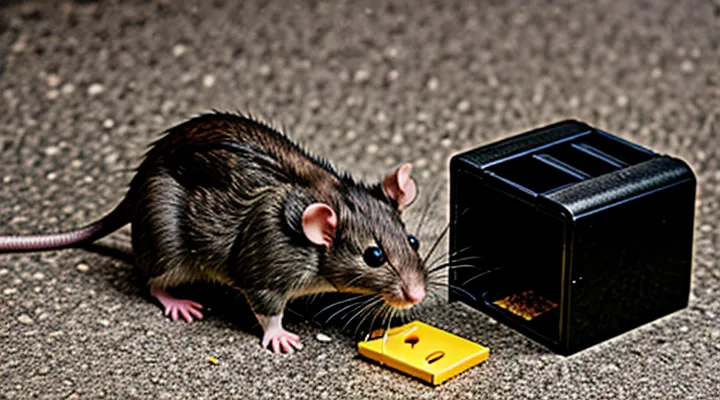
Understanding Rat Behavior and Habitat
Rat Species and Their Habits
Common Rat Types in Homes
Rats that most frequently invade residential interiors belong to two species, each with distinct habits that affect trap placement and design.
The Norway rat, often called the brown rat, measures 20–25 cm in body length and prefers ground‑level environments such as basements, crawl spaces, and cluttered storage areas. It is primarily nocturnal, travels along walls, and builds extensive burrow networks. Its robust build requires a snap trap capable of delivering a force of at least 500 g to ensure a lethal bite.
The Roof rat, also known as the black rat, is smaller—15–20 cm in body length—and favors elevated locations like attics, ceiling joists, and high shelves. It exhibits greater agility, climbs vertical surfaces, and is most active during twilight hours. Effective traps for this species should feature a low‑profile trigger and a bait presentation that can be reached from above.
Key characteristics relevant to homemade snap devices:
- Body size: determines the required spring tension and trigger sensitivity.
- Preferred height: dictates where the trap should be positioned (ground vs. elevated).
- Activity period: informs optimal baiting times (night vs. dusk).
- Foraging behavior: influences bait choice (grain for Norway rats, fruit or nuts for Roof rats).
Understanding these distinctions allows the construction of a snap mechanism that delivers sufficient kinetic energy, aligns with the rat’s typical travel routes, and maximizes capture success in domestic settings.
Typical Rat Pathways and Nesting Sites
Rats travel along established routes that minimize exposure and conserve energy. Understanding these routes is essential for positioning homemade snap traps effectively.
Common pathways include:
- Gaps beneath doors and windows, typically ¼‑inch or larger.
- Openings around utility lines, plumbing stacks, and cable conduits.
- Cracks in foundation walls, especially near moisture sources.
- Roof vents, soffit gaps, and eaves where insulation is present.
- Interior gaps behind appliances, cabinets, and baseboards.
Rats select nesting locations that provide shelter, warmth, and proximity to food. Typical sites are:
- Wall voids and spaces behind drywall where insulation accumulates.
- Attics with stored boxes, insulation, or exposed wiring.
- Crawl spaces that remain dry and concealed.
- Burrows in dense vegetation, mulch, or compost piles adjacent to structures.
- Under floor joists, especially in basements or ground‑level rooms.
Placement of traps along these pathways and near nesting areas maximizes contact probability. Align traps perpendicular to the direction of travel, set them at the baseboard level, and secure them within 2‑3 inches of identified entry points. Regular inspection of identified routes and nests ensures timely adjustment of trap locations as rat activity shifts.
Signs of Rat Infestation
Droppings and Gnaw Marks
Droppings and gnaw marks provide the most reliable indicators of rat activity, allowing precise placement of homemade snap devices. Fresh feces signal recent passage, while fresh gnaw marks reveal entry points and preferred pathways.
Identifying these signs requires attention to size, shape, and location. Rat droppings are ¼‑inch long, dark, and tapered; clusters near walls, behind appliances, or in concealed corners indicate high traffic. Gnaw marks appear as shallow V‑shaped cuts on wood, plastic, or insulation, often concentrated at the base of cabinets, along baseboards, or on cable bundles.
- Locate the highest concentration of droppings; position a snap device within a 12‑inch radius of the cluster.
- Follow gnaw marks to their origin; place a trap directly in line with the cut, targeting the direction of travel.
- Use the same material for the trap base as the surrounding surface (e.g., wood on wood) to reduce slip and increase trigger reliability.
- Adjust bait type and quantity based on the observed foraging pattern: strong odor baits near fresh droppings, minimal bait near gnaw marks to avoid spillage.
Strategic use of droppings and gnaw marks reduces the number of traps required, accelerates capture rates, and minimizes exposure to non‑target species. Accurate interpretation of these signs transforms a basic DIY snap device into an efficient control tool.
Sounds and Odors
Effective rat snap traps rely on sensory cues that draw rodents toward the device. Sound and odor are the primary attractants; when properly managed, they increase capture rates without compromising safety.
Auditory cues work best when they mimic natural rat activity. A low‑frequency squeak or rustling noise, played intermittently, creates the impression of nearby conspecifics. Rats are more likely to investigate a source that suggests food or shelter. Use a small, battery‑powered speaker hidden near the trap and set it to emit a brief sound every 5–10 minutes. The intervals prevent habituation, keeping the stimulus fresh.
Odor attractants must be fresh and potent. Common choices include:
- Peanut butter or almond butter, applied in a thin layer on the trigger plate.
- Bacon fat, rendered and solidified, placed in a small cavity adjacent to the bait.
- Commercial rat pheromone lures, sprayed lightly on the trap surface.
Avoid strong competing smells such as citrus, peppermint, or ammonia, which act as repellents. Clean the trap area with unscented soap before placement to eliminate residual odors that could deter rodents.
Placement strategies incorporate both senses:
- Position traps along established runways where rats travel, typically near walls or behind appliances.
- Align the speaker or odor source toward the entrance of the tunnel, ensuring the stimulus reaches the rat before it encounters the trap.
- Elevate traps 2–3 inches off the floor; rats prefer low‑lying pathways, and this height improves exposure to scent plumes.
Maintenance is straightforward. Refresh bait and odor lures daily; replace audio recordings weekly to maintain novelty. Inspect speakers for battery depletion and replace as needed to avoid silent periods that reduce effectiveness.
By integrating consistent sound patterns with high‑potency odor baits, homemade snap traps become more enticing, leading to higher capture efficiency while preserving the simplicity of a DIY solution.
Essential Materials for DIY Snap Traps
Choosing the Right Trap Base
Wood vs. Plastic Options
When building a snap trap from scratch, material choice determines performance, longevity, and safety. Wood and plastic each present distinct characteristics.
Wood offers a natural grip for the trigger mechanism, reducing slippage under repeated tension. Its rigidity supports a powerful snap, especially when constructed from hardwood such as maple or birch. The material tolerates minor adjustments with simple tools, allowing precise calibration of the spring arm. However, wood absorbs moisture, which can cause swelling, warping, or rot after exposure to droppings or humidity. Over time, these changes diminish latch strength and may require replacement. Additionally, raw wood presents splinter hazards during assembly and can harbor insects if not sealed.
Plastic provides moisture resistance; it retains shape regardless of environmental conditions. Injection‑molded or repurposed polymer components are lightweight, facilitating rapid deployment and transport. The smooth surface minimizes friction, allowing a consistent snap velocity. Plastic parts can be fabricated with standard household tools—drills, saws, and files—without the need for sanding or sealing. On the downside, many plastics become brittle in cold temperatures, increasing the risk of fracture under high tension. Certain polymers may deform under prolonged stress, reducing the trap’s bite force. Production of custom plastic parts may involve higher upfront costs if molds are required.
Cost considerations favor wood when inexpensive lumber is readily available; a single board can yield multiple traps after cutting. Plastic components often require purchasing pre‑formed pieces or specialized supplies, raising material expenses. Environmental impact differs: responsibly sourced timber offers a renewable option, while plastic contributes to long‑term waste unless recycled.
Choosing between the two depends on the intended setting. For damp basements or outdoor sheds, sealed hardwood resists moisture enough to remain functional, while plastic excels in environments where temperature fluctuations and humidity pose a threat to wood integrity. Balancing durability, safety, and budget ensures the trap operates reliably over repeated use.
Considerations for Reusability
Effective reuse of a homemade rat snap trap depends on material choice, structural integrity, and maintenance routine. Select components that resist corrosion and wear; stainless‑steel springs and hardwood or polymer frames retain strength after repeated activation. Avoid brittle plastics that crack under repeated stress, as failure compromises capture efficiency.
Cleaning procedures must eliminate blood and tissue without degrading trap parts. Rinse the mechanism with hot water, then soak in a dilute bleach solution (1 % sodium hypochlorite) for five minutes. Rinse again and dry thoroughly before reassembly. This regimen disinfects, prevents odor buildup, and preserves the spring’s tension.
Safety considerations include securing the trap during handling and ensuring the reset mechanism locks reliably. Install a protective shield over the trigger bar to reduce accidental discharge while resetting. Verify that the spring retains full tension after each cycle; a loss of force reduces lethality and may cause escape.
Key factors for sustainable operation:
- Durability of materials – corrosion‑resistant metals, hardened wood, or high‑grade polymers.
- Ease of disassembly – simple fastening methods (screws, bolts) that allow quick access for cleaning.
- Maintenance schedule – weekly inspection of spring tension, hinge alignment, and trigger clearance.
- Cost efficiency – reusable components lower overall expense compared to disposable traps.
- Environmental impact – reduced waste through repeated use, provided cleaning agents are environmentally safe.
Adhering to these guidelines extends trap lifespan, maintains capture reliability, and minimizes ongoing expenses.
Selecting the Trigger Mechanism
Spring Tension and Sensitivity
Spring tension determines the force required to close the snap bar and the speed of the strike. A spring that is too weak allows the rat to push the trigger without activating the mechanism, while an overly stiff spring may prevent the trigger from being depressed. Select a spring with a calibrated pull‑force of 1.5–2.0 kgf for average adult rats; this range provides sufficient kinetic energy to ensure a lethal bite while remaining sensitive enough for smaller juveniles.
Sensitivity hinges on the trigger mechanism’s travel distance and the friction at the pivot points. Reduce friction by lubricating the hinge with a thin layer of silicone spray and by polishing contact surfaces. Adjust the trigger’s resting position so that a displacement of 2–3 mm releases the spring. This minimal movement guarantees that a rat’s weight or a slight touch initiates the snap.
Practical steps for optimizing tension and sensitivity:
- Measure spring force with a tension gauge; replace any spring outside the 1.5–2.0 kgf window.
- Test trigger displacement using a ruler; fine‑tune by filing the trigger notch until the required movement matches the 2–3 mm target.
- Lubricate pivots before each use; reapply after prolonged exposure to dust or debris.
- Verify strike speed by observing the snap bar with a high‑speed camera or by feeling the resistance; a rapid closure (≈0.03 s) indicates proper tension.
- Conduct a live test with a non‑lethal weight equivalent to a rat’s mass; the trap should activate reliably on the first attempt.
Regular inspection of the spring for fatigue and of the trigger for wear preserves both tension and sensitivity, ensuring consistent performance of homemade rat snap traps.
Bait Holders and Placement
Effective bait retention and strategic positioning are essential for maximizing the success of a DIY rat snap trap. A secure bait holder prevents premature loss of attractant and ensures consistent exposure to the trigger mechanism.
Common homemade bait holder designs include:
- Clip‑on wire cage: A small wire mesh cage attached to the trap’s arm with a spring‑loaded clip; the cage opens only when the trigger is released, delivering the bait directly onto the snap.
- Plastic bottle cap: A drilled cap fitted over the trigger lever, holding a pellet of soft bait that collapses under the rat’s weight, releasing the lure onto the snapping surface.
- Rubber grommet pocket: A rubber sleeve cut to fit the trap’s base, forming a shallow pocket that secures oily or moist bait while allowing the rat to bite through without dislodging the material.
Placement guidelines:
- Locate traps along walls, behind appliances, and near known gnaw marks, as rodents travel close to surfaces.
- Position traps perpendicular to the wall, with the trigger side facing the expected travel path, ensuring the rat encounters the bait without needing to turn sharply.
- Install traps at a height of 2–4 inches above the floor, matching the typical rat’s movement plane.
- Space multiple traps 5–10 ft apart in high‑traffic zones to create a continuous barrier.
Maintain bait freshness by replacing it every 24 hours in warm environments or when it becomes dry. Regularly inspect the bait holder for wear; a compromised holder can reduce trap reliability and increase the chance of bait loss. By combining a robust holder with precise placement, a homemade snap trap achieves optimal capture efficiency.
Necessary Tools and Adhesives
Safety Equipment Recommendations
When constructing or deploying DIY rat snap traps, personal protection must be integral to the process. Appropriate gear reduces the risk of accidental injury and ensures safe handling of lethal mechanisms.
- Heavy‑duty nitrile or cut‑resistant gloves to shield hands from the spring tension and bite force.
- Safety goggles or face shields to prevent debris or the trap’s snap from contacting the eyes.
- Long‑sleeved, tightly woven shirts and trousers to cover exposed skin; consider disposable lab coats in high‑traffic areas.
- Closed‑toe, puncture‑resistant footwear to protect feet from dropped traps or stray rats.
- Ear protection is unnecessary unless operating in a noisy environment; focus remains on hand and eye safety.
Additional precautions include keeping a stocked first‑aid kit within arm’s reach, labeling the work area with warning signs, and storing assembled traps in a locked container away from children and pets. Regular inspection of protective equipment for wear or damage ensures continued effectiveness.
Durable Fasteners and Glues
Durable fasteners and adhesives are essential for constructing reliable rat snap traps that withstand repeated use and environmental stress.
Metal staples, heavy‑duty wire, and stainless‑steel U‑pins provide secure attachment points for the trigger mechanism and the striking bar. Staples should be driven through the trap base and the trigger arm, then folded back to prevent accidental disengagement. Wire of 12‑gauge thickness can be twisted around the hinge area, creating a pivot that resists bending under the force of a striking rod. U‑pins, inserted through pre‑drilled holes, lock the trap’s body and the bait compartment together, eliminating wobble during operation.
Adhesives complement mechanical fasteners by sealing joints and reinforcing stress points. Two-part epoxy resin offers high shear strength and remains stable when exposed to moisture, making it suitable for bonding metal to wood or plastic components. Apply epoxy to the contact surfaces, clamp for five minutes, then allow a 24‑hour cure before use. Construction‑grade cyanoacrylate glue provides rapid bonding for small parts such as trigger pins; it cures within seconds but should be used sparingly to avoid brittle joints.
When selecting fasteners and glues, consider the following criteria:
- Resistance to corrosion and rodent chewing
- Ability to maintain strength after repeated impacts
- Compatibility with the materials used in the trap (wood, plastic, metal)
- Ease of application and repair in the field
Combining metal fasteners with epoxy sealants creates a trap that remains functional after dozens of captures, reducing the need for frequent reconstruction. Regular inspection of the fastened joints and reapplication of adhesive where wear appears will extend the trap’s service life.
Step-by-Step Trap Construction Guide
Preparing the Trap Components
Cutting and Shaping the Base
When constructing a DIY rat snap trap, the base determines stability and lever efficiency. Begin with a sturdy material such as 1/2‑inch plywood or a dense hardwood scrap. Measure a rectangle roughly 6 inches long by 3 inches wide; these dimensions provide sufficient surface for the trigger mechanism while remaining manageable.
- Mark the outline with a pencil or fine marker.
- Use a circular saw or a fine‑toothed handsaw to cut along the lines, keeping the cut straight to avoid wobble.
- After the primary cut, sand the edges with medium‑grit sandpaper, then finish with fine grit to eliminate splinters that could interfere with the trigger.
Shape the base to accommodate the snap arm. Carve a shallow notch (approximately ¼ inch deep) centered on the short side; this notch will cradle the metal spring and guide the snap motion. A router or a chisel set works well for this purpose. Ensure the notch walls are parallel and smooth, allowing the spring to pivot without binding.
Finally, test the base by placing the snap arm and spring assembly. The trap should sit flat, the arm should move freely, and the base should not flex under the force of a captured rodent. Adjust any uneven spots by additional sanding or by adding a thin support strip underneath if necessary.
Assembling the Spring Mechanism
A reliable snap trap depends on a well‑constructed spring assembly. The mechanism must deliver a rapid, forceful snap that immobilizes the rodent without causing excessive damage to surrounding surfaces.
- Select a high‑tensile steel coil spring, 2–3 inches long, 0.15–0.20 inches in diameter. The spring should have a known spring constant (e.g., 30–40 lb/in) to ensure sufficient kinetic energy.
- Cut a sturdy wooden or acrylic base to 4 inches long, 2 inches wide, and 0.5 inches thick. Drill a shallow recess (0.25 in deep) at one end to seat the spring’s inner coil.
- Attach a metal trigger bar (≈1 inch long, 0.05 in thick) to the opposite end of the base using a pivot pin. The pin should be a hardened steel nail or bolt, positioned so the bar rotates freely but remains aligned with the spring’s axis.
- Position the spring in the recessed slot, ensuring the outer coil faces the trigger bar. Insert the pivot pin through the bar and the base, then bend the spring’s outer coil around the bar’s free end, creating a pre‑loaded tension.
- Secure the spring with a small retaining clip or a piece of epoxy to prevent slippage during operation.
- Test the tension by pulling the trigger bar back 0.5 inch and releasing it. The bar must strike the bait platform with a crisp, audible snap. Adjust by tightening or loosening the spring coil until the desired snap speed is achieved.
Finalize the assembly by sanding rough edges, applying a non‑slip coating to the base, and checking that the trigger moves smoothly without binding. Conduct several trial snaps with dummy bait to confirm consistent performance before deploying the trap in the field.
Attaching the Trigger System
Calibrating Sensitivity for Success
Effective DIY rat snap traps depend on precise trigger sensitivity. A trap that snaps too early releases the animal without injury; one that snaps too late may allow escape. Adjusting the spring tension and trigger positioning creates a reliable kill zone.
Begin by selecting a sturdy wooden base and a high‑carbon steel spring. Secure the spring so the arm pivots freely, then attach a thin metal plate as the trigger. The plate should rest just above the bait platform, leaving a gap of 1–2 mm. This gap determines the force required to release the arm.
Key adjustments:
- Spring tension – tighten or loosen the coil until the arm moves swiftly when the trigger is disturbed. Test by applying 0.5 N of pressure; the arm should snap within 0.1 s.
- Trigger height – raise or lower the plate to fine‑tune the activation threshold. Lowering reduces required pressure; raising increases it.
- Bait placement – position food directly under the trigger edge to ensure the rat contacts the plate while feeding.
Conduct a calibration cycle before deployment. Place a small weight equivalent to a rat’s head (≈30 g) on the bait platform and observe the response. If the arm fires prematurely, increase the trigger gap by 0.2 mm. If it fails to fire, decrease the gap or add a secondary tensioner.
Maintain consistency by recording the final gap measurement and spring coil count for each trap. Replicate these settings across all units to guarantee uniform performance. Regularly inspect the spring for fatigue; replace when the snap speed drops below the calibrated benchmark.
Securing Bait Placement
Securing bait placement determines whether a DIY snap trap will engage a rat reliably. A stable bait prevents premature dislodgement, reduces accidental trigger activation, and maximizes strike efficiency.
Choose bait that adheres naturally to the trap surface—peanut butter, canned fish, or dried fruit work well. Apply a thin layer directly onto the trigger arm or a dedicated bait cup. A thin coating limits spillage while maintaining strong scent attraction.
Methods to secure bait
- Adhesive backing: Coat the trigger arm with a light layer of non‑toxic glue or silicone sealant; the bait adheres firmly and remains in place during handling.
- Mechanical latch: Install a small metal clip or spring‑loaded latch that holds a bait pellet against the trigger arm, releasing only when the rat applies pressure.
- Bait holder: Use a hollowed cork or plastic capsule fitted into a drilled recess on the trap; the capsule encloses the bait yet allows scent diffusion.
- Protective cover: Position a thin wire mesh or perforated plastic shield over the bait; the mesh blocks larger debris while permitting rats to gnaw through.
Position the bait just beyond the trap’s trigger point. The rat must reach forward to access the food, causing the trigger arm to move past its fulcrum and release the spring. Placing bait too close to the hinge can result in a half‑stroke, reducing lethal force.
Inspect traps daily. Remove dried residue, replenish bait, and verify that adhesives have not hardened excessively. Replace any compromised components before the next deployment to maintain consistent performance.
Finalizing and Testing the Trap
Safety Checks Before Deployment
Before setting a homemade rat snap trap, verify that the installation site meets basic safety criteria. Failure to perform these checks can result in accidental injury, property damage, or ineffective pest control.
- Confirm that the trap is positioned away from high‑traffic areas, including walkways, kitchens, and children's play zones. A clear line of sight between the trap and the targeted rodent pathway reduces the chance of unintended contact.
- Ensure the surrounding surface is stable and level. An uneven floor or loose board can cause the trap to shift, altering the snapping mechanism.
- Inspect the trap’s structural components. Verify that the spring or tension arm is free of cracks, rust, or deformation. Replace any compromised parts before use.
- Secure the bait container so that only the intended animal can access it. Use a bait that does not attract pets or non‑target wildlife.
- Install a physical barrier or shield if the trap is placed near pets or small children. A wire mesh guard positioned a few centimeters from the trigger plate prevents accidental activation.
- Wear protective gloves while handling the trap and loading the spring. Dispose of the glove after use to avoid accidental discharge.
- Review local regulations concerning rodent control devices. Some jurisdictions require specific labeling, disposal methods, or prohibit certain trap designs.
After completing each item, conduct a final functional test by gently pulling the trigger plate to confirm smooth operation without unintended release. Only then should the trap be left unattended for active use.
Adjustments for Optimal Performance
Effective homemade rat snap devices require precise adjustments to maximize capture rates while minimizing false triggers.
Select bait that matches local rat preferences; common choices include peanut butter, dried fruit, or small meat pieces. Apply a thin layer directly to the trigger platform, avoiding excess that could cause premature release.
Control spring tension by testing the snap mechanism before deployment. A fully compressed spring delivers rapid closure, but excessive force may damage the trigger or pose safety hazards. Adjust the tension screw or replace the spring with one of appropriate gauge if the snap is sluggish or overly violent.
Fine‑tune trigger sensitivity by positioning the trigger arm so that a minimal weight—approximately 5–10 g—activates the mechanism. Use a small piece of cardboard or a thin wire as a spacer to reduce the required pressure without compromising stability.
Place traps along established runways, near walls, and behind objects where rats commonly travel. Align the trigger edge perpendicular to the anticipated approach direction to ensure the animal contacts the bait and activates the trap efficiently.
Maintain performance through regular inspection. Remove debris, replace worn springs, and refresh bait every 24–48 hours. Store unused traps in a dry environment to prevent rust and loss of tension.
Key adjustments for optimal operation
- Bait type and application thickness
- Spring tension level
- Trigger arm sensitivity setting
- Placement along rat pathways
- Routine cleaning and component replacement
Implementing these adjustments consistently yields reliable results from DIY rat snap devices.
Strategic Trap Placement and Baiting
Identifying Prime Rat Activity Zones
Corners, Walls, and Hidden Areas
Rats travel along edges, using corners and walls as protective routes. Their natural tendency to stay close to surfaces reduces exposure to predators and facilitates quick escape. Consequently, these zones become the most reliable points for intercepting activity.
Effective trap placement exploits this behavior. Position each snap device where a rodent must pass to reach food, water, or nesting material. Align the trigger mechanism perpendicular to the wall, allowing the rat to brush against the arm while moving forward. Secure the trap firmly to prevent wobble; a stable base ensures consistent activation.
Key locations include:
- Inside wall junctions where baseboards meet flooring.
- Behind appliances, under cabinets, and within crawl spaces.
- At the entry of concealed burrows, vent openings, and utility chases.
- Near known gnaw marks, droppings, or grease trails.
When setting a trap in a hidden area, use a thin board or cardboard to conceal the device while keeping the trigger exposed. Verify that the bait is positioned toward the wall, forcing the rat to approach from the side rather than from above. Regularly inspect each trap, replace spent units, and rotate placements to prevent habituation.
Near Food and Water Sources
Positioning homemade rat snap traps close to food and water sources maximizes capture rates because rodents concentrate activity around these areas. Place traps directly adjacent to pantry shelves, garbage bins, and pet feeding stations, ensuring the trigger mechanism is oriented toward the expected travel path. Avoid obstructing the bait with clutter; a clear line of approach encourages swift engagement.
- Set traps on the floor near the edge of countertops where crumbs accumulate.
- Secure traps behind appliances that conceal food residues, such as refrigerators or dishwashers.
- Position traps along walls leading to water dishes, as rats prefer to travel close to surfaces.
- Use a thin layer of bait (peanut butter, dried fruit, or fish flakes) on the snap arm to attract immediate interest.
- Replace traps promptly after a catch to maintain pressure on the population and prevent avoidance behavior.
Regularly inspect the vicinity for new food spillage or water leaks; adjust trap locations accordingly. Maintaining a clean environment reduces competition for bait and ensures the traps remain the most attractive option for foraging rats.
Effective Bait Choices for Rats
High-Protein vs. Sweet Baits
When constructing a homemade rat snap trap, the bait determines whether the device will engage the target quickly and reliably. Selecting the appropriate attractant requires understanding rat dietary preferences and the physical properties of the lure.
High‑protein baits exploit rats’ strong craving for amino‑rich foods. Effective options include small pieces of cooked meat, canned fish, hard‑boiled egg, cheese, or a smear of peanut butter blended with powdered whey. These substances emit a potent, lingering odor that penetrates the rodent’s keen sense of smell, prompting rapid investigation and bite. Protein sources also retain their scent longer than many sweet items, reducing the need for frequent replacement.
Sweet baits rely on the rat’s occasional appetite for carbohydrates. Common choices are fresh fruit, dried raisins, honey, maple syrup, or candy pieces. Their aroma is typically weaker and dissipates quickly, especially in cooler or damp environments. While a sugary lure can attract a rat initially, the attraction often wanes before the trap is triggered, leading to lower capture rates.
Key comparison points:
- Odor strength: protein baits produce stronger, longer‑lasting scents; sweet baits fade rapidly.
- Durability: meat‑based lures remain effective for several days; fruit and candy may spoil or dry out within hours.
- Placement flexibility: protein can be affixed securely to the trigger mechanism; sticky sweet substances may slip, compromising trap function.
- Cost: peanut butter and cheese are inexpensive and widely available; exotic fruits or premium candy can increase expense.
- Non‑target risk: sweet items attract insects and birds more readily; protein baits are less appealing to non‑rodent wildlife.
For maximum efficiency, combine the strengths of both categories. Apply a thin layer of peanut butter as a base, then embed a small piece of cooked chicken or a drop of honey on top. Rotate the bait type every 24–48 hours to prevent habituation. Ensure the lure is fresh, securely attached, and positioned directly over the trigger arm to guarantee immediate contact.
By matching bait selection to rat behavior and environmental conditions, a DIY snap trap achieves reliable performance with minimal maintenance.
Non-Food Attractants
Effective rat snap traps rely on strong stimuli that compel rodents to investigate the trigger. When food bait is unavailable, non‑food attractants become essential. These cues exploit rats’ natural behaviors—nesting, territorial marking, and curiosity—thereby increasing capture rates.
Common non‑food attractants include:
- Nesting material – shredded paper, cotton fibers, or fine fabric strips placed near the trigger mimic a safe loft for building a nest.
- Pheromone lures – commercially available rat‑specific scent blends that emulate conspecific urine or glandular secretions; apply a few drops to the trap surface.
- Essential‑oil blends – concentrated mixtures of peppermint, clove, or eucalyptus oil; a single dab on a cotton swab creates a strong olfactory draw.
- Visual stimuli – small reflective objects or dark, glossy surfaces that catch light; position them on the trap base to catch the rat’s eye.
- Auditory cues – low‑frequency squeaks or rustling noises emitted from a hidden speaker; a brief burst when the trap is set can trigger investigation.
Application guidelines:
- Apply the chosen attractant directly to the trigger plate or adjacent platform; avoid saturating the mechanism to prevent misfires.
- Use the minimal effective amount—typically 2–3 drops of oil or a thin strip of nesting material—to maintain trap sensitivity.
- Refresh attractants every 24–48 hours in high‑traffic areas, as volatile compounds lose potency quickly.
- Combine two or more cues (e.g., pheromone plus nesting material) for synergistic effect, especially in environments where rats are wary of single stimuli.
By integrating these non‑food attractants into a DIY rat snap device, users can achieve reliable performance without relying on edible bait.
Scent Control and Trap Camouflage
Minimizing Human Scent
Human odor can alert rats to the presence of a trap, reducing capture rates. To keep scent at a minimum, handle all components with clean, odor‑free gloves and work in a well‑ventilated area. Store assembled traps in sealed containers until placement to prevent exposure to ambient smells.
- Wash hands with unscented soap, dry thoroughly, and wear disposable nitrile gloves during construction.
- Use plain, unscented wood or plastic; avoid materials that retain oils or fragrances.
- Rinse all parts with a dilute solution of white vinegar and water, then rinse with plain water and air‑dry completely.
- Apply a thin coating of food‑grade mineral oil to metal springs; this creates a barrier that does not emit strong odors.
- Keep traps in airtight bags or boxes after assembly; add a small packet of activated charcoal to absorb residual smells.
When positioning traps, select locations away from recent human activity. Place them near established rat pathways, such as behind walls, under appliances, or along baseboards, where the animals are less likely to detect fresh human scent. Regularly inspect traps without handling the baited side; use tweezers to reset or remove captured rodents, preserving the scent‑free environment.
Blending Traps with Surroundings
When a snap trap matches its environment, rodents are less likely to detect it as a threat. Camouflage reduces visual contrast, while scent masking prevents the trap from emitting unfamiliar odors.
Materials that blend with common indoor surfaces include:
- Cardboard or thin wood painted the same color as baseboards or floorboards.
- Fabric strips matching wall or cupboard upholstery, secured with non‑adhesive staples.
- Natural fibers such as burlap or jute, especially in basements or storage areas where rats encounter similar textures.
Placement strategies reinforce concealment:
- Position traps along walls, behind appliances, or within clutter where rats travel naturally.
- Align the trap’s long edge parallel to the wall, minimizing the profile visible from the rat’s perspective.
- Use existing debris—such as piles of paper or cardboard boxes—to hide the trigger mechanism while keeping the bait accessible.
Scent management improves stealth. Rinse any wooden components with a mild vinegar solution, then allow them to dry completely. Apply a thin layer of unscented petroleum jelly to the exterior of the trap; the coating masks the metal smell without interfering with the spring action.
Testing confirms effectiveness. After setting a camouflaged trap, observe for at least 48 hours before relocating. If no capture occurs, adjust the camouflage color or reposition the device to a more frequented pathway.
By matching color, texture, and odor to the surrounding area, homemade snap traps become indistinguishable from the environment, increasing the likelihood of successful rodent removal.
Safety and Maintenance
Handling and Setting Traps Safely
Preventing Accidental Triggering
When constructing a DIY rat snap trap, the primary safety concern is preventing unintended activation that could harm pets, children, or the installer. Design the trigger mechanism so that only a specific amount of force releases the spring; excessive sensitivity invites accidental release. Position the trap on a stable, flat surface to eliminate wobble that might cause premature snapping. Secure the trap with a non‑slip base or a small weight to keep it from shifting when an animal approaches.
- Use a spring with a known pull‑force rating; select one that requires at least 150 N to engage.
- Install a protective shield that covers the snapping arm, leaving only a narrow entry slot for the rodent.
- Attach a removable latch that holds the spring in the cocked position until the trap is set.
- Place the trap away from high‑traffic areas, such as walkways, countertops, or furniture legs.
- Mark the trap’s location with a visible warning label to alert anyone nearby.
Routine inspection before each use confirms that the latch is engaged, the shield is intact, and the base remains level. If any component shows wear or deformation, replace it immediately. By adhering to these precise measures, the trap remains effective against rodents while minimizing the risk of unintended discharge.
Protecting Pets and Children
When constructing a rodent‑killing device at home, the first priority is preventing accidental contact by animals or children. Secure the trap in a location inaccessible to pets, such as a sealed utility closet or behind a locked cabinet door. Ensure the area is out of reach of toddlers by installing child‑proof latches on drawers and cabinets where the trap is stored.
Design modifications reduce risk. Use a housing made of thick acrylic or metal that encloses the snapping mechanism, leaving only a small entry slot for the rodent. Add a clear warning label indicating “Danger: lethal trap inside.” If the trap must be placed in a hallway, mount it on a wall at least 1.5 m above floor level, where a child’s reach is limited.
Maintain vigilance after deployment. Check the trap twice daily; remove any captured rodent promptly to avoid odor buildup that might attract pets. Clean the surrounding area with a disinfectant solution to eliminate residual scent that could entice curious animals.
Safety checklist
- Install trap in a locked, pet‑free room.
- Enclose snapping parts with durable material.
- Position trap above 1.5 m height or behind a barrier.
- Attach prominent hazard signage.
- Perform twice‑daily inspections and immediate disposal.
- Use disinfectant after each capture.
Adhering to these measures keeps the device effective against rodents while protecting vulnerable household members.
Disposing of Captured Rats Humanely
Sanitary Practices for Removal
Sanitary handling of captured rodents prevents disease spread and protects household occupants. After a snap trap kills a rat, wear disposable gloves and use a sealable plastic bag to contain the carcass. Place the bag in a trash can with a tight‑fitting lid; store it in a freezer for at least 24 hours before disposal to inactivate pathogens.
- Clean the trap surface with a solution of 1 part bleach to 9 parts water; let it sit for 5 minutes, then rinse with hot water.
- Disinfect surrounding area using an EPA‑registered rodent‑specific sanitizer; follow manufacturer contact time.
- Wash hands thoroughly with soap and water after removing gloves; avoid touching face or food preparation surfaces until washing is complete.
Regularly replace disposable gloves and cleaning materials. Maintain a schedule for trap inspection, sanitation, and waste removal to ensure consistent hygiene standards.
Preventing Re-infestation
Effective control of rats ends when the last animal is removed; the real challenge is stopping new rodents from returning. The following measures, combined with well‑constructed snap traps, create a durable barrier against re‑infestation.
- Eliminate food sources: store grain, pet food, and garbage in sealed containers; clean spills promptly; keep compost bins tightly covered.
- Remove water supplies: fix leaks, drain standing water, and avoid pet water dishes left overnight.
- Declutter: discard piles of cardboard, insulation, and unused items that provide hiding places.
- Seal entry points: inspect walls, foundations, doors, and vents; install steel wool or metal flashing in gaps larger than ¼ inch; use weather‑stripping on doors and windows.
- Maintain landscaping: trim vegetation away from the building, keep grass short, and keep firewood elevated off the ground.
- Install monitoring stations: place a few snap traps in high‑traffic zones and check them weekly; record catches to identify hotspots.
- Rotate trap locations: after a capture, move traps to adjacent areas to prevent rats from learning safe routes.
- Dispose of carcasses correctly: wrap in double‑bagged plastic and discard in a sealed outdoor trash container to avoid attracting scavengers.
Consistent application of these practices, together with regular inspection of trap performance, reduces the likelihood that surviving rats will find shelter and food, thereby preventing a resurgence.
Trap Cleaning and Storage
Disinfection Procedures
Effective disinfection of homemade rat snap traps prevents disease transmission and preserves trap performance. After each capture, follow a strict cleaning routine.
- Remove the dead rodent and any debris using disposable gloves.
- Rinse the trap with hot water to eliminate blood and tissue residues.
- Apply a 10 % bleach solution (one part household bleach to nine parts water) to all surfaces, including springs, jaws, and trigger mechanisms.
- Allow the solution to remain for at least five minutes to ensure microbial inactivation.
- Rinse thoroughly with clean water to remove residual bleach, which can corrode metal parts.
- Dry the trap completely with a clean cloth or air‑dry in a well‑ventilated area before reassembly.
For additional protection, consider using a commercial disinfectant approved for veterinary use, following the manufacturer’s contact time. Store traps in sealed containers when not in use to avoid contamination from environmental sources. Regularly inspect moving parts for wear; replace corroded components to maintain reliability.
Proper Storage for Longevity
Store homemade rat snap devices in a dry, temperature‑controlled environment to prevent rust and material degradation. Moisture accelerates corrosion of metal springs and weakens wooden frames, reducing trigger reliability. Keep traps away from direct sunlight; UV exposure can dry out adhesives and cause plastic components to become brittle.
- Place traps in a sealed container with silica gel packets to absorb residual humidity.
- Use a sturdy, airtight box lined with foam or cloth to cushion the mechanisms and avoid accidental discharge.
- Label each container with the date of assembly; replace traps after six months or when any moving part shows signs of wear.
- Inspect springs and trigger arms before each use; lubricate metal joints with a light coat of non‑greasy oil if movement feels stiff.
When long‑term storage is required, disassemble the snap mechanism and store the spring separately in a small, sealed bag. This prevents tension loss and limits stress on the metal. Reassemble only when the trap is ready for deployment. Maintaining these conditions extends functional lifespan and ensures consistent performance when the trap is needed.