
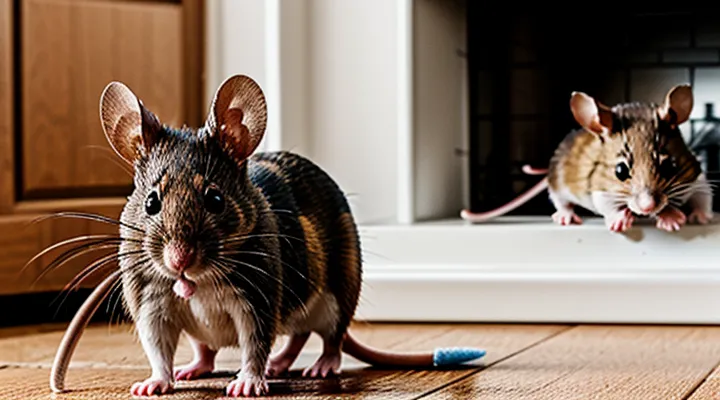
Understanding the Mice Problem
Signs of a Mouse Infestation
Droppings and Urine Odor
Mouse droppings and urine odor are primary signs of infestation, indicating active foraging and nesting sites within a residence. Their presence confirms that rodents have accessed food sources and established pathways, which can compromise structural integrity and hygiene.
Accumulated waste introduces pathogens such as hantavirus, salmonella, and leptospirosis. Inhalation of aerosolized particles from dried droppings or urine can trigger respiratory irritation and allergic reactions. Immediate removal reduces health risks and discourages further colonisation.
Detection relies on visual inspection of concealed areas—kitchens, attics, basements, and behind appliances. Look for dark, rice‑shaped feces, streaks of urine, and a pungent ammonia‑like smell. Use a flashlight to examine crevices and follow any odor trails to locate active zones.
Cleaning protocol:
- Wear disposable gloves and a mask rated N95 or higher.
- Ventilate the room by opening windows for at least 30 minutes.
- Apply an EPA‑registered disinfectant to all visible droppings; allow the contact time specified on the label.
- Wet‑wipe surfaces with a detergent solution, then rinse with clean water.
- Dispose of contaminated materials in sealed plastic bags placed in an outdoor trash container.
Preventive actions to minimise waste buildup:
- Seal entry points with steel wool, caulk, or hardware cloth to block access.
- Store food in airtight containers and clean crumbs promptly.
- Reduce moisture by fixing leaks, using dehumidifiers, and emptying pet water dishes nightly.
- Deploy snap traps or electronic devices near identified activity zones; replace bait regularly.
- Conduct monthly inspections to confirm that droppings and odor have not reappeared.
Consistent application of these measures eliminates the nutritional and environmental conditions that sustain mouse populations, thereby protecting the home from ongoing contamination.
Gnaw Marks and Damage
Gnaw marks are the most visible evidence of a rodent intrusion. They appear as clean, parallel cuts on wood, plastic, wiring, and insulation, typically 2‑4 mm wide and 1‑2 cm long. Repeated bites create jagged edges that widen with each passage, eventually compromising structural integrity. Electrical cords damaged by chewing pose fire hazards, while gnawed insulation reduces thermal efficiency and can lead to higher energy costs. Food containers, packaging, and cardboard boxes show similar bite patterns, indicating the routes mice use to access supplies.
Preventing and repairing gnaw damage requires immediate action and systematic measures:
- Inspect all accessible surfaces weekly; prioritize entry points such as gaps around pipes, vents, and foundation cracks.
- Seal openings with steel wool, copper mesh, or cement‑based caulk; rodents cannot bite through these materials.
- Replace compromised wiring and insulation promptly; use rodent‑resistant conduit where feasible.
- Store food in airtight, non‑plastic containers; discard any items showing bite marks.
- Deploy deterrent devices (e.g., ultrasonic emitters or peppermint oil sachets) near identified gnaw sites; monitor effectiveness and rotate placements.
- Maintain a clean environment by removing debris, clutter, and standing water that attract mice.
Timely identification of gnaw marks, combined with rigorous sealing and replacement of damaged components, eliminates the primary pathways mice exploit and protects the home from further structural and safety risks.
Strange Noises
Strange noises often signal the presence of rodents and should trigger immediate inspection. Mice produce high‑pitched squeaks, scratching sounds, and rustling within walls, ceilings, or stored food containers. Recognizing these sounds allows homeowners to intervene before infestations expand.
Listen for:
- Sharp squeaks when the house is quiet, especially at night.
- Repetitive scratching on insulation, wiring, or wooden structures.
- Soft scurrying or rustling in hidden spaces such as attics or crawl spaces.
When noises are identified, follow these steps:
- Locate the source by tracing the sound from the quietest room outward.
- Seal entry points identified during inspection; use steel wool and caulk for gaps larger than ¼ inch.
- Set snap traps or humane catch‑and‑release devices along walls, near the noise origin, and within 12‑inch intervals.
- Deploy ultrasonic repellents only after confirming they cover the affected area; monitor for reduced activity over 48 hours.
- Remove food sources by storing pantry items in airtight containers and cleaning spills promptly.
If noises persist after these measures, consider professional evaluation to assess structural damage or concealed nests. Early detection through auditory cues reduces the need for extensive remediation and protects the home’s integrity.
Prevention Strategies
Sealing Entry Points
Inspecting Foundation and Walls
Inspecting the foundation and walls is a critical first step in preventing mouse intrusion. Begin by walking around the exterior of the house and looking for gaps larger than ¼ inch. Common entry points include cracks in concrete, gaps around utility penetrations, and openings where siding meets the foundation. Use a flashlight to illuminate low‑light areas and a screwdriver or awl to probe suspicious openings.
Inside the home, examine interior wall surfaces for signs of rodent activity. Look for gnaw marks on baseboards, shredded insulation, and droppings near base of walls. Pay special attention to areas where pipes, vents, or cables pass through walls; these junctions often lack proper sealing. A thin layer of steel wool or copper mesh can be inserted into small holes before applying a sealant.
To secure the structure, follow these actions:
- Clean debris from cracks and gaps.
- Apply a high‑quality, UV‑resistant caulk or expanding polyurethane foam to fill openings.
- Install metal flashing or cement mortar over larger cracks that may re‑open.
- Replace damaged siding or brick lintels that expose the interior.
- Ensure all door sweeps and window weatherstripping are intact and snug against the frame.
Regularly repeat the inspection at least twice a year, after heavy rains and before winter, to catch new damage early. Maintaining a sealed foundation and wall envelope reduces the likelihood of mice establishing a foothold inside the residence.
Screening Vents and Chimneys
Screen vents and chimneys often serve as unobtrusive routes for mice seeking shelter and food. Small openings around vent grilles, chimney caps, and flues allow rodents to bypass exterior barriers and reach interior spaces, where they can cause damage and contaminate surfaces.
- Install metal mesh with openings no larger than ¼ inch over all vent covers.
- Fit a tight‑fitting chimney cap that includes a solid screen.
- Seal gaps around vent ducts, pipe penetrations, and chimney joints with stainless‑steel wool and high‑temperature caulk.
- Use hinged, lockable vent doors in attics and crawl spaces to permit inspection while preventing entry.
Regular inspection reinforces effectiveness. Examine screens quarterly for rust, tears, or displacement; replace compromised sections promptly. Clean debris from chimney crowns to maintain a clear seal. Document each inspection to track maintenance intervals and ensure consistent protection against rodent intrusion.
Repairing Gaps Around Pipes
Repairing gaps around pipes is a critical element of effective rodent control inside a residence. Openings as small as a quarter‑inch provide entry points for mice, allowing them to travel from walls, basements, and crawl spaces into living areas. Sealing these gaps eliminates a primary pathway and reduces the likelihood of infestation.
- Identify all pipe penetrations through walls, floors, and ceilings; include water, gas, and drainage lines.
- Clean the area around each pipe to remove debris, insulation, and dust that could prevent adhesion.
- Choose a sealant appropriate for the material: silicone caulk for flexible joints, expanding foam for larger voids, and steel wool combined with caulk for metal pipes to deter chewing.
- Apply the sealant in layers, ensuring complete coverage from the pipe surface to the surrounding structure; press the material into the gap to fill it fully.
- Allow the sealant to cure according to the manufacturer’s specifications before exposing the area to moisture or pressure.
- Inspect the repaired sections periodically for signs of new gaps or sealant degradation, and reapply as needed.
Consistently maintaining sealed pipe penetrations supports a comprehensive strategy to keep mice out of the home.
Maintaining Cleanliness
Proper Food Storage
Proper food storage is a critical component of any household strategy aimed at deterring rodent activity. Secure containers made of metal or heavy‑wall plastic prevent mice from accessing crumbs and spills that attract them. Store bulk items such as grains, cereals, and pet food in sealed, airtight bins; label each container with the purchase date to encourage regular rotation and disposal of stale supplies.
Maintain cleanliness in pantry and kitchen areas. Sweep shelves and countertops after each meal, and wipe down surfaces with a mild detergent to remove residue. Dispose of waste promptly in bins equipped with tight‑fitting lids; empty the bins daily to eliminate lingering odors.
Implement the following practices:
- Transfer all opened packages to sealed containers within 24 hours of use.
- Keep dry goods on the upper shelves, away from floor level where mice can gnaw.
- Inspect storage containers weekly for signs of damage or chewing.
- Use a dedicated, lockable pantry for high‑risk items such as nuts and seeds.
- Replace damaged packaging immediately; do not attempt temporary fixes with tape or glue.
By enforcing these measures, households reduce the availability of food sources that sustain mouse populations, thereby supporting broader pest‑prevention efforts.
Regular Waste Disposal
Regular waste disposal removes a primary food source that attracts mice to residential environments. Unsealed garbage containers and infrequent collection provide accessible nutrition, encouraging rodents to establish nests near kitchens and storage areas. By ensuring that waste is consistently removed and stored in sealed containers, homeowners eliminate a key incentive for infestation.
Effective waste management includes the following actions:
- Empty kitchen trash bins daily; replace liners before they become overloaded.
- Use containers with tight‑fitting lids; verify that lids close securely after each use.
- Position outdoor dumpsters away from building foundations; maintain a minimum distance of three meters.
- Schedule collection on a fixed timetable; avoid accumulation beyond 24‑48 hours.
- Clean bin interiors weekly with a disinfectant solution to eliminate residual odors and crumbs.
Additional considerations reinforce the primary measures. Keep compost piles covered and located at a distance from entry points. Inspect waste bags for tears before placing them in bins, and repair or replace damaged containers promptly. Implementing these practices reduces the likelihood that mice will locate and exploit waste as a food supply, thereby supporting broader rodent‑prevention strategies within the home.
Decluttering Areas
Removing unnecessary objects from storage rooms, basements, garages, and closets reduces hiding places and travel routes for rodents. A clear environment limits the opportunities for mice to establish nests, making chemical and physical control measures more effective.
- Store items on raised shelves, leaving at least six inches of clearance from walls.
- Dispose of cardboard boxes, paper piles, and fabric scraps that can serve as bedding.
- Seal gaps behind large appliances, furniture, and shelving units with steel wool or caulk.
- Arrange tools and equipment in labeled bins, keeping the floor space unobstructed.
- Conduct a quarterly inventory to eliminate unused or broken items that attract pests.
Regularly inspecting decluttered zones helps maintain the reduced risk. Sweep floors, vacuum corners, and wipe surfaces to remove food residues that could lure mice. Replace worn sealing materials promptly. Consistent upkeep preserves the barrier created by a tidy space, supporting overall rodent prevention strategies.
Natural Deterrents
Peppermint Oil and Other Scents
Peppermint oil is a widely recognized olfactory deterrent for house mice. The volatile compounds, primarily menthol and menthone, create an environment that rodents find unpleasant, prompting them to avoid treated areas. Application involves soaking cotton balls or cloth strips with undiluted oil and placing them in entry points, hidden corners, and near food storage. Replace the material every three to five days, as the scent diminishes with exposure to air and dust.
Other aromatic agents can complement peppermint oil when a single scent proves insufficient. Common alternatives include:
- Eucalyptus oil – strong, resinous aroma that disrupts mouse scent trails.
- Clove oil – contains eugenol, which irritates rodent sensory receptors.
- Citronella oil – fresh citrus scent that discourages nesting.
When using multiple scents, distribute them evenly across the infestation zone to avoid creating scent-free corridors. Rotate oils weekly to prevent habituation, a phenomenon where mice become less responsive to a constant odor.
Safety considerations are essential. Essential oils should remain out of reach of children and pets; direct skin contact may cause irritation. Avoid applying oils to porous surfaces that could absorb and retain the fragrance indefinitely, as this reduces efficacy and may lead to unwanted residues.
Integrating aromatic deterrents with physical barriers, such as sealing cracks and installing snap traps, enhances overall control. The combination of scent-based repellents and exclusion methods yields a comprehensive, low‑toxicity strategy for managing mouse activity within residential settings.
Ultrasonic Repellents
Ultrasonic repellents emit high‑frequency sound waves that rodents cannot tolerate, prompting them to vacate the area. Devices typically operate within the 20–65 kHz range and automatically cycle frequencies to prevent mice from adapting to a single tone.
Effectiveness depends on proper installation. Place units in every room where activity is observed, ensuring unobstructed line‑of‑sight to walls and ceilings. Avoid locations near large metal objects or dense furniture, as these can block sound propagation. For multi‑level homes, install at least one unit per floor; overlapping coverage improves results without causing interference.
Key considerations for safe and reliable use:
- Power source: Connect to a stable outlet; avoid using extension cords that may reduce output.
- Continuous operation: Most models are designed for 24‑hour use; keep devices running to maintain deterrent pressure.
- Maintenance: Clean vents quarterly to prevent dust buildup that can diminish acoustic performance.
- Safety: Ultrasonic waves are inaudible to humans and pets such as cats and dogs, but avoid exposure to small mammals (e.g., hamsters, guinea pigs) that share the same frequency range.
Ultrasonic repellents complement other preventive measures. Seal entry points, store food in airtight containers, and eliminate clutter that offers nesting sites. When combined with physical barriers and diligent sanitation, ultrasonic devices contribute to a comprehensive strategy for reducing mouse infestations in residential settings.
Keeping Pets
Keeping pets can contribute to a mouse‑free home when owners apply practical measures. Animals such as cats, dogs, and small mammals deter rodents through scent, movement, and predatory instincts. However, pet ownership alone does not guarantee elimination; it must be combined with disciplined household habits.
Effective integration of pets into a rodent‑prevention plan includes:
- Providing regular veterinary care to ensure animals are healthy and free of parasites that could attract mice.
- Maintaining clean feeding areas; store pet food in sealed containers and remove leftovers promptly.
- Using pet‑safe traps or deterrents in zones where rodents are active, avoiding toxic substances that could harm animals.
- Supervising outdoor access; prevent pets from roaming near garbage piles or abandoned structures where mice congregate.
- Inspecting bedding, cages, and toys for signs of infestation and washing them at high temperatures when necessary.
When pets are part of a broader strategy—such as sealing entry points, proper waste management, and routine cleaning—they reinforce the overall effort to keep mice away. Consistent application of these practices maximizes the protective effect of pets while safeguarding their welfare.
Home Treatment Methods
Trapping Techniques
Snap Traps
Snap traps remain a primary tool for homeowners seeking rapid reduction of mouse activity. Their mechanical action delivers an instantaneous kill, eliminating the need for chemical agents and reducing secondary poisoning risks.
Effective use begins with proper selection. Choose traps constructed from sturdy metal, equipped with a sensitive trigger mechanism, and sized to accommodate adult mice. Bait options such as peanut butter, cheese, or dried fruit provide strong olfactory attraction; apply a pea‑sized amount to the trigger platform to encourage engagement.
Placement determines success. Position traps along established runways—typically within 1–2 feet of walls, behind appliances, and near entry points. Secure traps to the floor or a stable surface to prevent displacement. Avoid high‑traffic human areas to minimize accidental contact.
Safety considerations include wearing gloves when handling traps, disposing of captured rodents in sealed bags, and cleaning surfaces after each catch. Regular inspection of each trap ensures the trigger remains functional; replace any compromised units promptly.
Maintenance guidelines:
- Inspect traps daily; reset or replace bait as needed.
- Rotate trap locations every few days to cover new activity zones.
- Store unused traps in a dry, insulated container to preserve spring tension.
When snap traps are integrated with complementary measures—such as sealing entry gaps, maintaining cleanliness, and reducing food sources—they form an essential component of a comprehensive rodent management strategy in residential settings.
Live Traps
Live traps capture mice without killing them, allowing homeowners to remove pests humanely while preventing future infestations.
A typical live trap consists of a hinged or sliding door triggered by the animal’s entry. When a mouse steps onto the trigger plate, the door snaps shut, confining the rodent inside a secure compartment. The trap can be constructed from plastic, metal, or wood, and often includes a transparent lid for easy observation.
Key considerations for effective use:
- Size and design – Choose a model that accommodates adult mice (approximately 3–4 inches long). Smaller traps may release juveniles prematurely.
- Bait selection – Peanut butter, cheese, or dried fruit attract mice reliably. Apply a small amount to the trigger area to ensure consistent activation.
- Placement – Position traps along walls, behind appliances, and near known runways. Mice travel close to surfaces; aligning the trap with these paths increases capture rates.
- Monitoring – Check traps at least twice daily. Prompt removal prevents stress, reduces the risk of escape, and limits exposure to disease.
- Release protocol – Relocate captured mice at least 1 mile from the residence, preferably in a wooded or field area. Wear gloves, open the trap away from the home, and allow the animal to exit voluntarily.
- Sanitation – After each capture, clean the trap with hot, soapy water or a mild bleach solution. Dry thoroughly before reuse to avoid contaminating future bait.
- Safety – Keep traps out of reach of children and pets. Secure the mechanism to prevent accidental closure.
Integrating live traps with broader prevention measures—such as sealing entry points, eliminating food sources, and maintaining clutter‑free environments—enhances long‑term control. By employing humane capture devices correctly, homeowners can manage mouse populations responsibly while minimizing chemical reliance.
Glue Traps
Glue traps are a common component of residential rodent control. They consist of a flat surface coated with a strong adhesive that immobilizes mice upon contact. The trap’s transparency allows visual confirmation of capture without disturbing the surrounding area.
Effective placement maximizes capture rates. Position traps along walls, behind appliances, and in dark corners where rodents travel. Secure each trap to a stable surface to prevent shifting, which could reduce adhesion. Replace traps regularly; adhesive loses potency after a few days of exposure to dust and humidity.
Advantages of glue traps include:
- Immediate immobilization without the need for bait
- Low cost and compact storage
- Minimal risk of secondary poisoning for pets and wildlife when used correctly
Disadvantages to consider:
- Non‑lethal capture may cause prolonged suffering
- Accidental contact with children or pets leads to injury
- Disposal requires careful handling to avoid adhesive residue on skin
When using glue traps, wear disposable gloves to prevent skin contact. After a mouse is captured, seal the trap in a plastic bag before discarding it in the trash. Follow local regulations for disposal of adhesive waste.
Integrate glue traps with broader preventive measures: seal entry points, eliminate food sources, and maintain cleanliness. By combining targeted trapping with exclusion techniques, homeowners can reduce mouse activity while minimizing reliance on chemical controls.
Baiting Strategies
Safe Bait Placement
Safe bait placement is essential for effective rodent control while minimizing risk to humans, pets, and non‑target wildlife. Position traps or bait stations where mouse activity is evident—along walls, behind appliances, and near entry points. Keep baits out of reach of children and animals by using sealed, tamper‑proof stations that open only for small rodents.
- Choose stations made of sturdy plastic or metal with a locking mechanism.
- Install stations at least 12 inches above floor level or mount them on walls to prevent accidental contact.
- Place stations in concealed locations such as behind baseboards, under cabinets, or inside crawl spaces.
- Ensure each station contains a single, measured dose of bait to avoid overexposure.
- Replace stations regularly; discard any with compromised integrity or signs of non‑target interference.
Maintain a clear record of station locations and inspection dates. Regular monitoring allows timely removal of spent bait and adjustment of placement based on shifting mouse activity patterns. By adhering to these practices, bait remains effective against mice while safeguarding household occupants and the environment.
Types of Bait
Effective mouse control at home relies on selecting appropriate bait. Different formulations target specific behaviors and environments, allowing precise intervention without excessive exposure to non‑target species.
- Food‑based baits: Peanut butter, chocolate, or grain mixtures attract mice through strong scent and taste. These are suitable for indoor use where food residues are common.
- Rodenticide blocks: Compressed pellets containing anticoagulants or neurotoxins provide a lethal dose after ingestion. They are ideal for concealed locations such as wall voids or crawl spaces.
- Liquid baits: Diluted solutions of anticoagulant or bromethalin delivered on absorbent material. Useful for hard‑to‑reach areas where solid baits cannot be placed.
- Gel baits: Semi‑solid formulations that cling to surfaces, preventing spillage. Effective in kitchen corners and under appliances.
- Non‑toxic bait stations: Mechanical traps pre‑loaded with attractants (e.g., dried fruit or cheese). Offer a humane alternative for households with pets or children.
Choosing the right bait involves evaluating the infestation level, placement constraints, and safety considerations. Indoor environments favor food‑based or gel options, while structural gaps benefit from rodenticide blocks or liquid formulations. Always follow label instructions, use tamper‑resistant containers, and monitor bait consumption to adjust placement and reduce risks to non‑target organisms.
Monitoring Traps
Monitoring traps are essential tools for assessing rodent activity inside a residence. They provide direct evidence of presence, movement patterns, and population density, allowing homeowners to tailor control measures accurately.
Effective placement follows these principles: locate traps along walls, behind appliances, and near known entry points; position them perpendicular to travel routes, with the trigger side facing the wall; avoid areas with heavy foot traffic that may disturb the device. Use a variety of trap types—mechanical, live‑catch, and adhesive—to capture different behaviors.
Inspection should occur at least once daily. Record the date, location, and capture count for each trap in a simple log. Remove captured rodents promptly, reset the trap, and replace bait if necessary. Consistent documentation reveals trends, such as increasing activity in a specific zone, which signals a breach that requires sealing.
Interpretation of data guides subsequent actions. A rise in captures indicates that current barriers are insufficient, prompting reinforcement of sealing measures and possibly expanding the trap network. Conversely, a decline suggests that existing interventions are effective, allowing reduction of trap density to maintain surveillance while minimizing disruption.
By adhering to systematic placement, regular monitoring, and precise record‑keeping, homeowners can verify the success of their mouse‑control program and make informed adjustments without unnecessary guesswork.
Post-Treatment and Follow-Up
Cleaning and Sanitization
Disinfecting Contaminated Areas
Disinfecting areas contaminated by mice is a critical component of effective home rodent control. Prompt sanitation eliminates pathogens, reduces odor, and deters re‑infestation.
Before cleaning, wear disposable gloves, a mask, and eye protection. Open windows or use exhaust fans to provide adequate ventilation. Remove visible debris, then discard it in sealed bags.
- Prepare a 1:10 dilution of household bleach (5.25% sodium hypochlorite) with water.
- Use an EPA‑registered disinfectant labeled for rodent‑borne disease control.
- Apply an enzymatic cleaner to break down urine and fecal proteins that may resist chemical disinfectants.
Apply the chosen solution with a spray bottle or mop, ensuring thorough coverage of floors, countertops, walls, and any crevices. Maintain the manufacturer‑specified contact time, typically 10 minutes, before wiping or rinsing. Rinse surfaces with clean water if the disinfectant leaves a residue that could affect food preparation.
Dispose of cleaning materials in sealed containers. Conduct a follow‑up inspection after 24 hours to verify that no stains, odors, or droppings remain. Repeat the disinfection process if new evidence of mouse activity appears.
Removing Dead Rodents
When a mouse dies inside a residence, immediate removal prevents odor, bacterial growth, and attraction of other pests. Handle the carcass with disposable gloves to avoid direct contact with potentially contaminated tissue. Place the dead rodent in a sealed plastic bag, squeeze out excess air, and tie the bag tightly.
Dispose of the sealed bag according to local regulations: most municipalities accept animal carcasses as regular waste, while some require placement in a specific biohazard container. If a municipal service is unavailable, store the bag in a freezer for at least 24 hours before discarding it in a trash bin that is sealed with a tight‑fitting lid.
After removal, clean the area thoroughly. Use a disinfectant solution (e.g., diluted bleach 1:10) to wipe surfaces, floors, and any objects that may have touched the carcass. Allow the solution to remain on the surface for the contact time recommended by the manufacturer, then rinse with clean water and dry.
Finally, inspect the surrounding environment for entry points that may have allowed the mouse to enter. Seal cracks, gaps around pipes, and openings under doors with steel wool, caulk, or appropriate sealants. Regularly monitor for signs of activity to ensure that future incidents are avoided.
Ongoing Monitoring
Regular Inspections
Regular inspections form the backbone of any successful residential rodent control program. Consistent monitoring uncovers early activity, limits population growth, and prevents structural damage.
Inspections should occur at least once a week during peak season (spring through fall) and monthly in colder months. Schedule checks after meals are prepared, when crumbs are most likely to attract rodents.
Key locations to examine include:
- Kitchen countertops, cabinets, and pantry shelves
- Behind appliances such as refrigerators, stoves, and dishwashers
- Utility rooms, basements, and crawl spaces
- Entry points around doors, windows, and vents
- Exterior foundations, garden beds, and stored firewood
During each visit, look for:
- Fresh droppings, typically dark and pellet‑shaped
- Gnaw marks on wood, plastic, or wiring
- Grease or urine trails along walls
- Nests made of shredded paper, fabric, or insulation
- Audible scratching or scurrying sounds, especially at night
Record findings in a simple log, noting date, location, and type of evidence. Use the log to prioritize treatment zones, schedule bait placement, and evaluate the effectiveness of previous interventions. Continuous documentation ensures that corrective actions are timely and that long‑term prevention remains measurable.
Addressing Reinfestation
After an initial mouse elimination effort, the likelihood of a new invasion remains high unless the household implements a structured follow‑up plan.
Visible evidence such as droppings, gnaw marks, or fresh tracks signals that rodents have returned. Prompt identification prevents the problem from escalating.
The next stage focuses on exclusion:
- Examine foundations, walls, and utility openings for gaps larger than a quarter inch.
- Apply steel wool, caulk, or metal flashing to seal identified breaches.
- Install door sweeps and repair damaged screens.
Sanitation reduces attractants. Store grains, cereals, and pet food in airtight containers. Remove spillages immediately and keep garbage bins sealed. Regularly clean under appliances and in pantry corners where crumbs accumulate.
Traps and bait stations require continual attention. Check snap traps daily; replace bait when it dries or becomes contaminated. Rotate bait types to avoid habituation. Position new traps along established runways identified during inspection.
Maintain a monitoring log. Record dates of inspections, locations of captured rodents, and actions taken. Review the log weekly to detect patterns and adjust preventive measures accordingly.
If captures decline despite rigorous measures, or if damage extends beyond entry points, consult a licensed pest‑control professional. Expert services can provide rodent‑proofing solutions and access to regulated baits unavailable to consumers.