
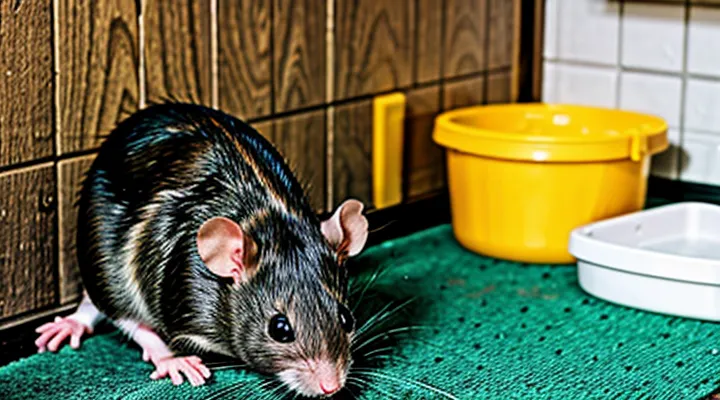
Understanding the Threat: Why Rats are a Problem
Health Risks Associated with Rat Infestations
Diseases Transmitted by Rats
Rats in residential environments carry pathogens that can cause serious illness in humans and pets. Recognizing the specific diseases they transmit is essential for effective mitigation.
- Leptospirosis – bacterial infection contracted through contact with urine‑contaminated water or soil; symptoms range from flu‑like illness to kidney failure.
- Hantavirus Pulmonary Syndrome – virus released in aerosolized rodent droppings; leads to severe respiratory distress and high mortality.
- Salmonellosis – bacteria spread via contaminated food or surfaces; results in gastrointestinal upset and fever.
- Rat‑Bite Fever – bacterial infection (Streptobacillus moniliformis or Spirillum minus) transmitted by bites or scratches; causes fever, rash, and joint pain.
- Typhus (Rickettsial) – transmitted by fleas that infest rats; produces high fever, headache, and rash.
- Lymphocytic Choriomeningitis (LCMV) – virus found in rodent urine, saliva, and feces; may cause meningitis or encephalitis, particularly dangerous for pregnant women and immunocompromised individuals.
Each disease originates from direct exposure to rodent excretions, bites, or ectoparasites. Prevention therefore relies on eliminating access points, securing food storage, and maintaining strict sanitation. Sealing cracks, installing robust traps, and employing professional pest‑control services reduce the likelihood of contamination. Regular inspection of attics, basements, and crawl spaces identifies early infestations, allowing prompt intervention before pathogens spread.
Allergens and Asthma Triggers
Rats generate biological materials that act as potent allergens and can exacerbate asthma symptoms in occupants. Exposure occurs through inhalation of airborne particles, direct contact, or secondary contamination of household surfaces.
Key rat‑related allergens include:
- Dried urine crystals (uric acid) that become aerosolized.
- Fecal proteins released when droppings dry and crumble.
- Skin flakes and hair containing rodent dander.
- Mite infestations that thrive on rodent nests and feed on dander.
- Saliva and secretions present on gnawed objects.
These substances trigger immune responses in sensitive individuals, leading to bronchoconstriction, wheezing, and increased medication use. Control strategies focus on eliminating the source and reducing airborne concentrations.
Effective protective actions:
- Seal gaps, cracks, and openings to prevent rodent entry.
- Install snap traps or humane catch‑and‑release devices in identified pathways.
- Remove clutter and debris that provide nesting sites.
- Conduct thorough cleaning of infested areas using disposable gloves, masks, and HEPA‑rated vacuum cleaners.
- Apply enzymatic cleaners to degrade urine and fecal residues.
- Maintain proper ventilation and use air purifiers equipped with HEPA filters.
- Schedule professional pest‑management services for severe infestations.
Implementing these measures lowers allergen load, reduces asthma flare‑ups, and safeguards indoor air quality.
Damage Caused by Rats
Structural Damage to Homes
Rats compromise the integrity of residential structures through gnawing, burrowing, and contaminating building materials. Their incisors continuously grow, prompting them to chew on wood, insulation, wiring, and drywall. Repeated gnawing weakens load‑bearing elements, creates gaps for further intrusion, and increases the risk of collapse in compromised areas.
Burrowing activity concentrates around foundations, crawl spaces, and basements. Soil displacement undermines footing stability, accelerates moisture infiltration, and promotes mold growth. Over time, these conditions degrade concrete and masonry, leading to cracks and settlement.
Rodent presence also threatens electrical systems. Chewed wires expose live conductors, creating short circuits, fire hazards, and costly repairs. Insulation damaged by nesting material loses thermal efficiency, raising energy consumption and reducing occupant comfort.
Effective mitigation requires a combination of preventive actions:
- Seal entry points larger than ¼ inch with steel mesh, cement, or caulk.
- Install rodent‑proof barriers around utility penetrations and vent openings.
- Maintain clear zones around the building perimeter; eliminate debris, vegetation, and stored items that provide shelter.
- Deploy bait stations or traps in strategic locations, monitoring and replenishing as needed.
- Conduct regular inspections of vulnerable components—wood joists, wiring, and foundation walls—to detect early signs of damage.
Prompt implementation of these measures limits structural deterioration, preserves safety, and reduces long‑term repair expenses.
Contamination of Food and Surfaces
Rats introduce pathogens, urine, and feces into kitchens, pantries, and food‑storage areas, creating direct contamination of edible items and indirect contamination of surfaces that contact food. The presence of rodent droppings on countertops, cutting boards, or packaging can transfer bacteria such as Salmonella and Leptospira, leading to foodborne illness.
Typical contamination routes include:
- Droppings deposited on food packages or open containers.
- Urine streaks on countertops, shelves, and appliance exteriors.
- Gnaw marks that breach packaging, exposing contents to saliva and fur.
- Rodent traffic that drags debris across surfaces, spreading microbes.
Effective protection measures focus on eliminating rodent access and maintaining strict sanitation. Seal entry points, store food in sealed containers, and position traps or bait stations away from preparation zones. Regularly inspect storage areas for signs of rodent activity and remove any debris that could attract pests.
Recommended cleaning protocol:
- Remove visible droppings with disposable gloves and a sealed bag.
- Disinfect affected surfaces using a 1:10 dilution of household bleach or an EPA‑approved sanitizer; allow the solution to remain for at least five minutes before wiping.
- Launder any fabric items (e.g., towels, cloth covers) at high temperature.
- Dispose of contaminated waste in a sealed container and wash hands thoroughly after handling.
Consistent application of these steps reduces the risk of food and surface contamination, supporting overall rat control efforts in residential settings.
Proactive Protection: Preventing Rat Infestations
Identifying Potential Entry Points
Sealing Gaps and Cracks
Sealing gaps and cracks eliminates entry points that rats exploit to access a dwelling. Proper sealing creates a physical barrier that prevents nesting, foraging, and movement throughout the structure.
Identify vulnerable locations such as foundation joints, wall penetrations, utility openings, door frames, window sills, and roof eaves. Inspect both interior and exterior surfaces for gaps larger than ¼ inch, as rats can squeeze through openings as small as ½ inch.
Select durable, rodent‑resistant materials. Common options include:
- Steel wool or copper mesh, tightly packed into openings before applying sealant
- Expanding polyurethane foam, formulated for pest control
- Cement‑based mortar for larger cracks in masonry
- Silicone or acrylic caulk for small gaps around fixtures
Apply sealing in a systematic sequence:
- Clean the area to remove debris, dust, and loose material.
- Insert steel wool or mesh into the gap, ensuring full coverage.
- Apply sealant or foam over the filler, smoothing the surface for a tight bond.
- Allow the sealant to cure according to manufacturer instructions before exposing the area to moisture or traffic.
Regularly inspect sealed zones for signs of wear, displacement, or new openings caused by building settlement. Promptly repair any deterioration to maintain an uninterrupted barrier against rat intrusion.
Securing Doors and Windows
Securing doors and windows is a critical component of any rat mitigation plan. Rats exploit any opening larger than a quarter of an inch, so eliminating these pathways prevents interior infestations.
- Install door sweeps that extend to the floor, ensuring a tight seal when the door is closed.
- Apply durable weatherstripping around window frames to block gaps caused by seasonal expansion.
- Fit metal or hardware cloth screens over ventilation openings and basement windows; the mesh must have openings no larger than 1 mm.
- Seal cracks around door jambs and window sills with silicone caulk or expanding foam.
- Replace worn or damaged door thresholds with solid metal or reinforced wood.
Regular inspections reinforce protection. Examine hinges, locks, and hinges for rust or misalignment that could create gaps. Test all seals by sliding a thin piece of paper along the edge; movement indicates a breach that requires immediate remediation.
Maintain exterior barriers. Keep vegetation trimmed away from walls, and remove debris that could support gnawing activity near entry points. Periodic replacement of worn seals and screens sustains the integrity of the barrier system, reducing the likelihood of rat entry.
Eliminating Food Sources
Proper Food Storage Techniques
Proper food storage eliminates the primary attractant that draws rats into residential kitchens. Sealed containers prevent scent diffusion, deny access to crumbs, and reduce the likelihood of infestation.
- Store dry goods in airtight, polymer or metal containers with screw‑top lids.
- Keep pet food in sealed bins, and place them on elevated surfaces away from walls.
- Refrigerate perishable items promptly; discard leftovers within 24 hours.
- Use trash cans with tight‑fitting lids; empty them daily and keep them outside the dwelling.
- Organize pantry shelves to avoid overstocking; rotate stock to use older items first.
Routine inspection reinforces these measures. Check seals for damage, replace compromised containers, and clean spillages immediately. Conduct monthly audits of storage areas, noting any signs of gnaw marks or droppings, and adjust practices accordingly. Consistent application of these techniques sustains a rat‑free environment.
Managing Waste and Garbage
Effective rat control in residential environments begins with proper waste management. Food residues, organic debris, and improperly stored garbage provide a reliable food source for rodents; eliminating these resources reduces infestation risk.
Secure containers are essential. Use trash cans with tight‑fitting lids, replace damaged seals, and position cans away from building openings. Regularly inspect lids for cracks and replace when necessary.
Maintain cleanliness in waste‑handling areas. Sweep floors, remove spilled food, and clean drip trays daily. Dispose of kitchen scraps in sealed bags before placing them in bins.
Implement a routine disposal schedule. Collect household waste at least once daily, and ensure outdoor dumpsters are emptied regularly. Prevent accumulation by arranging for more frequent service during peak rodent seasons.
Adopt segregation practices. Separate recyclables, compost, and refuse in distinct containers to avoid cross‑contamination. Compost bins should be sealed and located away from structures, with frequent turning to discourage nesting.
Monitor for signs of rodent activity near waste sites. Look for gnaw marks, droppings, or urine odor. Promptly address any indication of intrusion by tightening container seals or relocating bins.
By consistently applying these waste‑management measures, homeowners create an environment that deters rats and supports broader pest‑prevention strategies.
Reducing Attractants in the Environment
Landscaping and Yard Maintenance
Effective rat control begins with the exterior environment. Proper landscaping reduces shelter and food sources that attract rodents, creating a first line of defense for the property.
- Keep grass trimmed to a maximum height of 4 inches; short turf eliminates dense cover where rats can hide.
- Remove debris, leaf piles, and compost bins from the yard’s perimeter. Store organic waste in sealed containers and relocate compost at least 15 ft from the home.
- Prune shrubs and trees away from the foundation. Maintain a clear zone of at least 2 ft to prevent branches from providing bridges to the roof or attic.
- Install a solid barrier of crushed stone or gravel around the foundation. This material discourages burrowing and facilitates drainage, limiting moisture that rodents seek.
- Seal gaps in irrigation systems and repair leaking faucets. Dry conditions reduce the attractiveness of the area for rats.
Regular yard upkeep reinforces structural defenses. Inspect fences, gates, and crawl‑space vents for openings larger than ¼ inch; seal with metal mesh or concrete. Schedule seasonal reviews to clear new growth, reset mulch depth, and verify that all barriers remain intact.
Integrating these landscaping practices with interior sanitation and exclusion measures creates a comprehensive protection strategy, minimizing the likelihood of rat infestations and protecting the home’s structural integrity.
Removing Clutter and Debris
Removing clutter and debris eliminates hiding places and travel routes for rats, reducing the likelihood of infestation. Stacks of cardboard, piles of laundry, and accumulated junk create dark, insulated environments where rodents can nest undisturbed. By clearing these areas, you deny rats the shelter they need to establish a foothold in a residence.
Effective decluttering follows a systematic approach:
- Identify zones with excessive storage, such as basements, attics, garages, and closets.
- Empty each zone, sort items, and discard anything broken, unused, or damaged.
- Store remaining belongings in sealed, rodent‑proof containers made of metal or thick plastic; avoid cardboard boxes.
- Sweep floors and vacuum corners to remove dust, shredded paper, and small debris that could serve as nesting material.
- Maintain a regular schedule for inspection and removal of any new accumulation.
Consistent maintenance prevents re‑accumulation. Inspect storage areas weekly, promptly address spills or food residues, and keep outdoor debris—leaf litter, wood piles, and compost—away from the house foundation. A tidy environment creates a hostile setting for rats, reinforcing other protective measures.
Reactive Treatment: Dealing with Existing Infestations
Non-Lethal Rat Control Methods
Live Trapping and Release
Live trapping provides a humane alternative to lethal control when dealing with rats in residential settings. The method relies on capturing rodents alive, transporting them away from the property, and releasing them in a suitable environment.
- Choose a trap designed for live capture, such as a multi‑catch cage or a single‑catch wire mesh box. Ensure the device meets local wildlife regulations.
- Position traps along established runways: near walls, behind appliances, or in dark corners where rodent activity is evident. Secure the trap to prevent accidental displacement.
- Use bait that appeals to rats—peanut butter, dried fruit, or small pieces of meat. Place a modest amount on the trigger mechanism to encourage prompt entry.
- Check traps at least twice daily. Prolonged confinement increases stress and risk of injury. If a rat is captured, handle it with thick gloves to avoid bites and disease transmission.
- Relocate the animal at a minimum distance of 5 miles from the residence, preferably in a wooded area with natural cover and access to food sources. Release the rat during daylight to reduce predation risk.
- After release, disinfect the trap with a bleach solution (1 part bleach to 9 parts water) and rinse thoroughly before reuse.
Implementing live trapping requires adherence to municipal ordinances that may restrict release locations or mandate permits. Failure to comply can result in fines and reinfestation. Combine trapping with exclusion measures—seal entry points, eliminate food debris, and maintain vegetation clearance—to prevent re‑entry and sustain long‑term protection.
Repellents and Deterrents
Effective rat control in residential settings relies heavily on the strategic use of repellents and deterrents. These products create an environment that discourages rodent activity without resorting to lethal methods, allowing homeowners to maintain a safe and sanitary living space.
Common chemical repellents contain ammonia, peppermint oil, or capsaicin. They emit strong odors that rodents find unpleasant. Application points include entryways, crawl spaces, and areas where droppings have been detected. Reapply according to manufacturer guidelines, typically every 30 days, to maintain potency.
Physical deterrents exploit sensory aversion. Ultrasonic devices emit high‑frequency sounds beyond human hearing but irritating to rats. Placement near walls and concealed corners maximizes coverage. Motion‑activated sprinklers release bursts of water when movement is sensed, prompting immediate retreat.
Natural deterrents offer a low‑toxicity alternative. Sprinkling crushed dried mint leaves or powdered cayenne pepper along baseboards and behind appliances creates a barrier that rats avoid. Refresh the material weekly, especially after cleaning or moisture exposure.
Integrated use of multiple deterrents enhances effectiveness. Combine a scent‑based repellent with an ultrasonic unit to address both olfactory and auditory sensitivities. Pair this blend with physical barriers such as steel mesh on vent openings to prevent entry.
Safety considerations include keeping chemical repellents away from children and pets, sealing containers after each use, and verifying that ultrasonic devices do not interfere with hearing aids. Regular inspection of deterrent installations ensures continued operation and early detection of any breach in the protective perimeter.
Lethal Rat Control Methods
Snap Traps and Electronic Traps
Snap traps and electronic traps are primary mechanical solutions for eliminating rats in residential settings. Both devices provide immediate lethal action, reducing population numbers without reliance on chemicals.
Snap traps consist of a spring‑loaded bar that closes on the rodent’s neck when triggered by a pressure plate. Construction typically involves a wooden or plastic base, a metal trigger, and a bait cup. Effective placement targets high‑traffic zones such as along walls, behind appliances, and near entry points. Proper bait selection—peanut butter, dried fruit, or meat—enhances capture rates. Safety measures include securing traps away from children and pets, using protective gloves during handling, and disposing of carcasses in sealed bags to prevent disease transmission.
Electronic traps employ a high‑voltage shock chamber activated by a sensor when a rat enters. Power sources range from mains electricity to rechargeable batteries, allowing flexible installation. The shock kills instantly, and the interior usually contains a removable tray for easy disposal. Maintenance involves periodic cleaning of residue, checking battery charge or cord integrity, and resetting the sensor to ensure sensitivity. These traps generate less noise than snap mechanisms and eliminate the risk of accidental injury from a released spring.
Key comparison points:
- Cost: Snap traps are inexpensive; electronic models require higher upfront investment.
- Humane rating: Both deliver rapid death; electronic traps avoid potential crushing injuries.
- Speed of kill: Snap traps act within milliseconds; electronic shocks also achieve instantaneous lethality.
- Disposal: Snap traps often require manual removal of the whole device; electronic traps provide a dedicated collection tray.
- Suitability: Snap traps work well in tight spaces; electronic traps excel in areas where noise or safety concerns are paramount.
For optimal home rat control, select the trap type that matches the specific environment and user preferences. Deploy multiple units to cover all identified pathways, monitor capture results weekly, and replace or reposition devices as activity patterns shift. Combine mechanical traps with exclusion measures—sealing entry points, removing food sources, and maintaining cleanliness—to sustain long‑term protection.
Baits and Rodenticides
Baits and rodenticides constitute the primary chemical approach for managing rat infestations in residential settings. They deliver a lethal dose to rodents after ingestion, reducing population levels quickly and with minimal disturbance to occupants.
Common categories include:
- Anticoagulant rodenticides (first‑generation: warfarin, chlorophacinone; second‑generation: brodifacoum, difethialone) that interfere with blood clotting.
- Non‑anticoagulant rodenticides such as bromethalin, which disrupt cellular energy production, and zinc phosphide, which releases phosphine gas in the stomach.
- Combination products that pair a toxicant with an attractant to enhance palatability.
Effective deployment requires:
- Placement of bait stations in concealed, rodent‑active zones (e.g., wall voids, attic corners, near food sources).
- Use of tamper‑resistant containers to protect children, pets, and non‑target wildlife.
- Regular inspection and replenishment to maintain bait potency, typically every 3–5 days.
Compliance with local pest‑control regulations mandates proper labeling, record‑keeping, and adherence to dosage limits. Rotating active ingredients mitigates resistance development, preserving long‑term efficacy of chemical control measures.
Post-Extermination Cleanup and Sanitation
Disinfection Procedures
Effective rodent mitigation in residential environments requires thorough disinfection after an infestation. Disinfection eliminates pathogens left by rats, reduces health risks, and prevents re‑attraction caused by lingering odors.
Key procedures:
- Remove all debris, droppings, and nests using disposable gloves and a HEPA‑rated vacuum.
- Clean surfaces with a detergent solution to dissolve organic residues.
- Apply an EPA‑registered disinfectant (e.g., quaternary ammonium compounds or hydrogen peroxide) to all contact points, including countertops, floors, and cabinets. Follow the manufacturer’s contact time for maximum efficacy.
- Disinfect entry points such as vents, gaps, and utility openings after sealing them to block future access.
- Dispose of contaminated materials in sealed bags and discard them according to local hazardous‑waste regulations.
Complete the process by allowing the treated area to dry completely before restoring normal use. Regular monitoring and prompt cleaning of any new signs of activity sustain a sanitary environment and support long‑term rodent protection.
Odor Removal Strategies
Effective odor control is essential after addressing a rat problem, because lingering smells can attract new pests and signal unsanitary conditions. Removing the source, neutralizing residues, and preventing re‑emission are the three pillars of a comprehensive odor‑management plan.
- Eliminate all contaminated materials: discard droppings, urine‑soaked insulation, and chewed fibers; seal waste in double‑layered bags before removal.
- Clean surfaces with enzymatic cleaners: apply a product that breaks down organic compounds, allow adequate dwell time, then rinse thoroughly.
- Treat porous substrates: soak wood, carpet, or upholstery with a diluted hydrogen peroxide solution, then dry completely using dehumidifiers or forced air.
- Apply activated charcoal or zeolite packets in hidden areas: these adsorb volatile compounds and reduce ambient odor levels.
- Use ozone generators sparingly: run in an unoccupied space for a short cycle, then ventilate to disperse residual ozone.
Maintain low humidity, ensure continuous airflow through windows or exhaust fans, and schedule periodic inspections of sealed entry points. When odor persists despite these measures, engage a licensed pest‑remediation specialist to perform deep‑cleaning treatments and verify that all biological residues have been eradicated.