
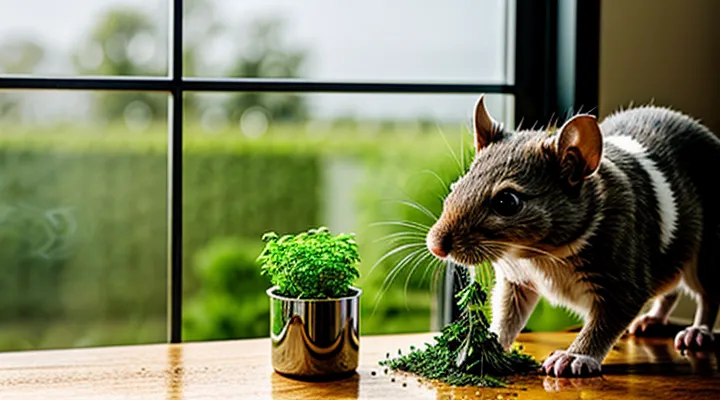
Understanding Mouse Behavior and Repellents
Why Aromatic Barriers?
The Mouse's Sense of Smell
Mice rely on an exceptionally acute olfactory system to locate food, nesting material, and predators. The olfactory epithelium contains millions of receptors capable of detecting volatile compounds at concentrations as low as a few parts per billion. This sensitivity enables mice to distinguish subtle differences in scent profiles, guiding foraging behavior and territory selection.
Aromatic herbs exploit this sensory precision by emitting volatile oils that interfere with normal odor detection. Compounds such as eucalyptol, menthol, and linalool bind to receptor sites, creating an aversive signal that masks food odors and triggers avoidance. The resulting disruption of the mouse’s scent map reduces the likelihood of entry into treated areas.
Key olfactory characteristics relevant to herbal deterrents:
- Detection threshold: nanogram‑level sensitivity to specific terpenes.
- Receptor specificity: distinct binding affinities for phenolic and monoterpene molecules.
- Behavioral response: rapid withdrawal from environments saturated with strong, unfamiliar odors.
Understanding the mouse’s smell-driven navigation informs the strategic placement of aromatic barriers throughout residential spaces, enhancing the effectiveness of natural repellent methods.
Limitations of Chemical Repellents
Chemical repellents promise rapid mouse deterrence, yet their effectiveness wanes quickly after application. Residual activity typically lasts only a few days, requiring frequent re‑treatment to maintain protection. Repeated exposure increases the risk of inhalation or skin irritation for occupants, especially in confined indoor spaces. Over time, rodent populations may develop tolerance, reducing the product’s impact.
- Limited duration of action forces continuous reapplication.
- Potential health hazards affect humans and pets.
- Development of rodent resistance diminishes long‑term efficacy.
- Indoor use constrained by ventilation requirements and odor concerns.
- Environmental regulations restrict certain active ingredients.
Effective Herbs for Mouse Repellence
Peppermint
How to Use Peppermint
Peppermint possesses a strong menthol scent that mice find highly unpleasant, making it a practical component of aromatic deterrent strategies.
To prepare peppermint for use, follow these steps:
- Obtain dried peppermint leaves or a high‑quality peppermint essential oil.
- If using leaves, crush them lightly to release volatile compounds; if using oil, dilute one part oil with ten parts water.
- Soak cotton balls or small fabric pads in the prepared mixture.
Apply the treated cotton balls in areas where mouse activity is suspected: behind appliances, under sinks, along baseboards, and near entry points. Replace the cotton balls every three to five days, or sooner if the scent fades. For oil‑based solutions, spray the diluted mixture onto cloth strips and refresh weekly.
Safety considerations include keeping peppermint products out of reach of pets, as concentrated oil may cause irritation. Ensure adequate ventilation in enclosed spaces to prevent respiratory discomfort for occupants. Avoid direct contact with eyes and skin; wear gloves when handling undiluted oil.
Placement Strategies
Effective placement of aromatic deterrents maximizes their impact on rodent activity. Positioning herbs near potential ingress points creates a volatile barrier that discourages entry. Common entry points include door thresholds, window sills, and gaps around utility lines; a small sachet of dried lavender or peppermint placed at each location releases scent continuously.
Inside the home, concentrate herbs in areas where food is stored or prepared. Slip a cloth pouch containing crushed rosemary into the back of pantry shelves, and tuck a similar bundle beneath kitchen sink cabinets. Align sachets along baseboards in hallways to extend the aromatic line across interior pathways.
For long‑term effectiveness, replace fresh material regularly. A guideline of one tablespoon of dried herb per sachet, refreshed every two weeks, sustains potency. In damp environments, such as basements, use sealed containers with a few drops of essential oil on a cotton ball; the perforated lid permits scent diffusion while protecting the oil from moisture.
Strategic arrangement follows a tiered approach:
- Exterior perimeter: sachets at doors, windows, and vent openings.
- Interior perimeters: bundles along baseboards and beneath door frames.
- Food zones: pouches in pantry shelves, refrigerator drawers, and cabinet interiors.
- Moist areas: sealed oil dispensers under sinks and in utility rooms.
Consistent application of these placement tactics creates overlapping scent zones that reduce mouse presence without chemical interventions.
Spearmint
Similarities and Differences with Peppermint
Aromatic herbs form a practical barrier against household rodents; peppermint often appears at the top of recommendations due to its strong volatile oils.
Similarities with other repellent herbs
- Release of essential oils that irritate mouse olfactory receptors.
- Low toxicity to humans and pets when applied in appropriate concentrations.
- Availability in dried, fresh, or oil forms for flexible deployment.
- Effectiveness enhanced by regular reapplication to maintain scent intensity.
Differences from alternative options
- Menthol concentration in peppermint exceeds that of lavender or rosemary, producing a more immediate aversive response.
- Peppermint oil disperses rapidly, requiring more frequent renewal than the longer‑lasting scent of eucalyptus or citronella.
- Fresh peppermint leaves emit a sweeter fragrance, whereas thyme and sage release sharper, herbaceous notes that may be preferable in certain interior settings.
- Commercial peppermint products often contain higher percentages of pure oil, while many other herbs are marketed as blended extracts, influencing potency and cost.
Understanding these comparative points enables targeted selection of aromatic barriers that align with specific household conditions and maintenance preferences.
Application Methods
Applying aromatic herbs to deter rodents requires practical techniques that maximize scent release while fitting everyday household routines.
- Create sealed sachets by filling breathable fabric pouches with dried lavender, peppermint, or rosemary; place them in pantry corners, under sinks, and inside cabinets.
- Prepare a spray solution using a few drops of peppermint or eucalyptus essential oil diluted in water; mist interior surfaces, entry points, and storage areas weekly.
- Scatter loose dried herbs on the floor of basements, attics, and crawl spaces; refresh the material monthly to sustain potency.
- Plant live herbs such as mint, thyme, or catnip near foundation walls, doorways, and windows; trim regularly to encourage vigorous growth and continuous odor emission.
- Insert cotton balls soaked in diluted essential oil into crevices, behind appliances, and inside drawer liners; replace every two weeks.
Effective deployment combines multiple methods to establish overlapping aromatic barriers. Positioning should focus on known mouse pathways and food storage zones. Monitoring for scent degradation and adjusting concentration ensures persistent deterrence without reliance on chemical pesticides.
Catnip
Mechanism of Repellence
Herbal repellents rely on volatile organic compounds that interfere with the sensory systems of rodents. When released into indoor air, these compounds trigger olfactory receptors, producing an unpleasant scent that mice avoid. The primary mechanisms include:
- Irritation of nasal epithelium through strong aromatic molecules such as menthol, eucalyptol, and thujone, leading to immediate aversion.
- Disruption of pheromone trails by masking or altering chemical cues used for navigation and social interaction.
- Stimulation of gustatory receptors when mice contact treated surfaces, resulting in a bitter or acrid taste that discourages chewing.
The efficacy of each herb depends on the concentration of active constituents and the persistence of vapor release. Essential oils extracted from peppermint, rosemary, and sage contain high levels of menthol, camphor, and cineole, respectively, which maintain deterrent levels for several hours before volatilization diminishes. Continuous diffusion, achieved through cotton balls, sachets, or low‑intensity nebulizers, prolongs the barrier effect without direct contact.
Synergistic blends, for example a mixture of «peppermint oil» and «clove oil», combine multiple irritants, increasing the sensory overload for the rodent. This multi‑compound approach reduces the likelihood of habituation, as mice must process several distinct olfactory signals simultaneously.
Environmental factors such as temperature, humidity, and ventilation influence vapor density. Warmer conditions accelerate volatilization, enhancing short‑term potency, while excessive airflow can disperse the aroma beyond the targeted area, diminishing localized repellence. Proper placement near entry points, nesting sites, and food storage zones maximizes exposure to the repellent plume.
Overall, the mechanism of repellence operates through sensory disruption, chemical masking, and gustatory aversion, with effectiveness governed by compound concentration, delivery method, and indoor climate conditions.
Considerations for Pet Owners
Pet owners who employ aromatic plant deterrents must assess potential toxicity. Many common mouse‑repelling herbs, such as peppermint, lavender, and rosemary, are generally safe for dogs and cats when used in low concentrations, yet ingestion of large amounts can cause gastrointestinal upset or liver stress. Selecting dried or essential‑oil preparations with clear labeling helps prevent accidental consumption.
Key considerations include:
- Verify that essential oils are diluted to a safe percentage (typically below 1 % for cats, 2–3 % for dogs).
- Avoid placing fresh herb bunches within reach of curious animals; store in sealed containers.
- Monitor pets for signs of irritation, such as excessive licking, vomiting, or lethargy, and discontinue use if symptoms appear.
- Choose pet‑friendly alternatives, for example, dried sage or thyme, which pose minimal risk when scattered in non‑accessible areas.
Environmental placement matters. Apply herbs near entry points—cracks, vents, and pantry doors—while ensuring that the treated zones remain out of direct contact with feeding bowls, bedding, or toys. Regularly refresh the aromatic barrier, as potency diminishes over time, but limit re‑application to prevent buildup of residues that could affect pet health.
Consult veterinary professionals before introducing any new botanical deterrent, especially for households with kittens, puppies, or animals with known sensitivities. Professional guidance ensures that mouse control measures coexist safely with the well‑being of companion animals.
Bay Leaves
Historical Use
Herbal methods for deterring rodents trace back to ancient agrarian societies, where aromatic plants served as natural barriers in granaries and dwellings. Early records from Mesopotamia describe the placement of crushed bay leaves and mint near stored grain to discourage infestation. Egyptian papyri mention the use of coriander and rosemary in household storage rooms, noting a decline in rodent activity after their introduction.
Classical Greek literature references the cultivation of lavender and thyme in rural homes, emphasizing their dual role as fragrance and pest deterrent. Roman agricultural manuals advise scattering dried sage and oregano around pantry thresholds to create an olfactory shield against mice. Medieval European monastic chronicles detail the planting of catnip in garden borders, reporting reduced gnawing on stored provisions.
Traditional Chinese medicine incorporates pungent herbs such as Chinese mint (bo he) and clove in rodent control rituals, often burned as incense to permeate living spaces. Indigenous North American tribes employ dried sage and sweetgrass, hanging bundles above entryways to repel small mammals. These practices reflect a cross‑cultural recognition of volatile compounds that disrupt rodent sensory perception.
Common historical herbs and their documented applications:
- Bay leaf: crushed and layered in grain bins.
- Mint: fresh sprigs placed near food stores.
- Rosemary: dried stalks hung in pantry corners.
- Sage: bundled and suspended over doorways.
- Lavender: dried flowers scattered on floorboards.
Preparation and Placement
Effective use of aromatic plants to discourage rodents requires two distinct phases: preparing the herb blend and positioning it strategically throughout the residence.
Preparation begins with selecting potent species such as peppermint, lavender, rosemary, and rue. Fresh material retains volatile oils better than dried, yet dried herbs provide longer shelf life. A recommended mixture combines equal parts of dried peppermint leaves, lavender buds, and rosemary needles, then adds a smaller proportion of rue to enhance potency. The dry blend should be stored in an airtight container for no more than six months to preserve efficacy. For a liquid formulation, steep one tablespoon of each herb in a quart of boiling water for ten minutes, cool, and transfer to a spray bottle. Label the container with the preparation date and intended use.
Placement focuses on disrupting mouse pathways and nesting sites. Apply the dry mixture in sachets made of breathable fabric, then tuck the packets behind kitchen appliances, beneath pantry shelves, and inside wall voids where evidence of activity exists. Use the spray solution to treat entry points, baseboards, and the interior of cabinets, reapplying weekly or after cleaning. Concentrate treatment in areas where food is stored, near garbage disposals, and along exterior foundations where rodents may gain access. Rotate sachet locations every two weeks to prevent habituation.
Regular monitoring confirms effectiveness. Replace sachets that lose scent, refill spray bottles, and adjust placement based on observed rodent movement. Maintaining a consistent schedule maximizes the repellent properties of the aromatic barriers.
Cloves
Potency and Aroma
Herbal repellents rely on two interacting factors: the concentration of active compounds and the volatility of their scent. Stronger concentrations increase the likelihood that rodents detect an unpleasant odor, while a persistent aroma maintains a continuous deterrent effect throughout the living space.
Effective species exhibit a balance between chemical potency and aromatic persistence. Menthol‑rich varieties, such as peppermint (Mentha piperita), contain high levels of menthone and menthol, which irritate mouse sensory receptors. The sharp, cooling fragrance lingers for several hours, providing extended protection. Lavender (Lavandula angustifolia) offers moderate terpene content, primarily linalool, delivering a soothing scent that nonetheless disrupts rodent foraging behavior; its aroma remains detectable for up to a full day in a closed environment. Rosemary (Rosmarinus officinalis) supplies rosmarinic acid and cineole, delivering a robust, pine‑like odor that persists under low‑light conditions, making it suitable for basements and storage areas.
When selecting herbs, consider the following potency‑aroma matrix:
- High potency, rapid dissipation – peppermint, eucalyptus (Eucalyptus globulus). Requires frequent replenishment.
- Moderate potency, long‑lasting scent – lavender, rosemary. Suitable for intermittent placement.
- Low potency, subtle fragrance – thyme (Thymus vulgaris), sage (Salvia officinalis). Best used in combination with stronger agents.
Combining herbs with complementary aromatic profiles can extend the overall deterrent window. For example, layering peppermint leaves with dried lavender buds creates a dual‑action barrier: an immediate, intense burst of menthol followed by a sustained, mellow lavender diffusion. Proper placement—near entry points, along walls, and in concealed corners—maximizes exposure to both potency and aroma, thereby reducing the likelihood of mouse intrusion.
Optimal Application Areas
Effective placement of aromatic deterrents maximizes rodent avoidance. Target zones include points of entry, food storage, and concealed pathways where rodents seek shelter.
- Doorway thresholds and window sills
- Kitchen countertops and backsplashes
- Pantry shelves and cereal containers
- Baseboard gaps and wall cracks
- Closet interiors and laundry hampers
- Attic joists and roof eaves
- Garage shelving and tool chests
- Outdoor foundation perimeters
Position dried or fresh herb bundles near each listed site. Ensure the material contacts the surface to release volatile oils continuously. Replace herbs every two weeks to maintain potency; dried leaves lose efficacy after prolonged exposure.
Monitor activity with non‑lethal traps or visual inspections. Adjust placement if signs persist, focusing on newly discovered breach points. Consistent renewal and strategic distribution sustain a chemical barrier that discourages mouse intrusion throughout the residence.
Sage
Aromatic Properties
Aromatic compounds in certain herbs interfere with the olfactory receptors of house mice, creating an environment that discourages foraging and nesting. Volatile oils such as menthol, eucalyptol, camphor, and linalool generate scents that rodents perceive as threats or unfamiliar, prompting avoidance behavior.
Key chemical classes responsible for repellency include:
- Phenolic oils (e.g., eugenol in clove) – strong, sharp odor that disrupts scent trails.
- Monoterpenes (e.g., menthol in peppermint, camphor in rosemary) – produce cooling, irritating vapors.
- Linalool‑rich extracts (e.g., lavender) – emit sweet, floral notes that mask food odors.
Effective deployment methods rely on maintaining consistent aromatic concentration:
- Dried herb bundles placed in entry points and corners.
- Essential‑oil infused cotton balls or sachets refreshed weekly.
- Sprays diluted to 5 % concentration applied to baseboards, cabinets, and behind appliances.
Sustained aromatic barriers reduce mouse activity without chemical pesticides, supporting a humane, low‑toxicity approach to rodent management.
Using Fresh vs. Dried Sage
Sage possesses aromatic compounds that deter rodents by overwhelming their olfactory receptors. Both fresh and dried forms can be employed as part of an aromatic barrier strategy.
Fresh sage releases a high concentration of volatile oils immediately after harvest. The potency diminishes within a few days as the oils evaporate. Effective placement includes bundles tied to entry points, loose leaves scattered along baseboards, or sachets positioned in corners. Replacement should occur every 2–3 days to maintain repellent strength.
Dried sage retains a reduced but more stable oil content. The release rate is slower, providing continuous deterrence for several weeks. Suitable applications involve filling cloth pouches, sprinkling crumbled leaves in attic insulation, or inserting dried sprigs into gaps. Storage in airtight containers prevents moisture loss and prolongs efficacy.
Practical comparison:
- Potency: fresh > dried
- Duration: dried > fresh
- Preparation: fresh requires frequent harvesting; dried can be pre‑processed and stored
- Placement flexibility: fresh suited for temporary barriers; dried suitable for long‑term coverage
Combining both forms maximizes coverage: fresh bundles at high‑traffic entryways, dried sachets in less accessible areas. Monitoring for diminished scent and rotating stock ensures consistent rodent deterrence.
Rosemary
Strong Scent Profile
A robust aromatic signature creates an environment that mice find hostile, disrupting their sensory navigation and feeding behavior. The intensity of volatile compounds determines the deterrent effect; higher concentrations produce a more persistent barrier that resists habituation.
Herbs characterized by a pronounced scent include:
- «Peppermint» – menthol-rich oil evaporates rapidly, delivering a sharp, cooling vapor.
- «Lavender» – linalool and camphor combine for a strong, floral‑herbaceous aroma.
- «Eucalyptus» – eucalyptol generates a powerful, camphorous note.
- «Rosemary» – cineole and pinene produce a resinous, pine‑like fragrance.
- «Pennyroyal» – pulegone emits a potent, minty odor.
Effective deployment relies on sustained release. Options comprise:
- Dried bundles placed in concealed corners, concealed behind furniture, or within wall voids.
- Cotton balls saturated with essential oil, refreshed weekly to maintain concentration.
- Commercial sachets containing ground herb material, positioned near entry points and food storage areas.
- Diffusers calibrated to emit a steady mist, ensuring ambient levels remain above the threshold that deters rodents.
Regular renewal preserves potency; dried herbs lose volatile content within 2–3 weeks, while oil‑soaked media require replenishment every 5–7 days. Safety considerations include avoiding direct contact with pets, preventing ingestion, and ensuring ventilation to mitigate respiratory irritation for occupants.
Integrating into Home Decor
Aromatic herbs can serve both as decorative accents and as natural deterrents against rodent intrusion. By selecting varieties with strong, pleasant scents, homeowners create visual interest while establishing an olfactory barrier that discourages mice from exploring indoor spaces.
Commonly used herbs include «lavender», «mint», «rosemary», «sage» and «thyme». These plants thrive in pots, hanging baskets, or as part of dried arrangements, allowing seamless integration with existing furnishings. Placement should focus on entry points, along baseboards, and near food storage areas. Elevated containers on windowsills add fragrance to the air while keeping the herbs out of reach of pests.
Practical integration techniques:
- Position small, glazed pots on coffee tables or sideboards; the transparent vessels showcase foliage and complement modern aesthetics.
- Incorporate dried sprigs into wreaths or garlands hung on doors; the dried material retains scent for weeks and blends with seasonal décor.
- Use herb-infused sachets placed inside drawer liners; the sachets add subtle fragrance without altering the visual layout.
- Arrange staggered rows of potted herbs on kitchen countertops; the arrangement provides easy access for culinary use and continuous scent emission.
Maintenance considerations involve regular watering, trimming to prevent flowering, and periodic replacement of dried herbs to sustain potency. Selecting containers that match the interior palette—neutral ceramics, brushed metal, or reclaimed wood—ensures the herb displays enhance rather than disrupt the overall design scheme. By treating aromatic plants as functional décor, residents achieve a dual benefit: an attractive living environment and a persistent, natural mouse deterrent.
Preparation and Application Methods
Sachet and Pouch Creation
Materials Needed
To establish effective aromatic barriers against rodents, a defined set of supplies is required. The selection focuses on plant materials with proven repellent properties and the means to distribute their scent throughout the dwelling.
- «peppermint» leaves or oil
- «lavender» buds or oil
- «rosemary» sprigs or oil
- «thyme» leaves or oil
- «eucalyptus» leaves or oil
These herbs may be used fresh, dried, or as essential oils, depending on availability and preferred application method.
Delivery media for the aromatic agents include:
- Cotton balls or pads, saturated with oil or infused with dried herb matter
- Muslin or cheesecloth sachets, filled with dried herbs and sealed for placement in corners, cupboards, or under appliances
- Spray bottles, containing a diluted oil solution for periodic misting of entry points and pathways
- Small glass or ceramic containers, serving as passive diffusers when filled with oil and a wick
Supplementary items enhance safety and organization:
- Rubber or nitrile gloves, to protect skin during handling of concentrated oils
- Labels, for identifying sachet contents and rotation schedules
- Small scissors or a grinder, for preparing fresh herb fragments
Collecting and arranging these materials according to the outlined categories provides a ready-to‑use system for maintaining a scent barrier that discourages mouse intrusion.
Filling and Sealing Techniques
Effective mouse control through aromatic deterrents depends on eliminating entry routes. Small openings in walls, floors, and foundations allow rodents to bypass scented barriers. Sealing these passages creates a continuous defensive perimeter.
Identify gaps larger than a quarter‑inch. Apply expanding polyurethane foam to irregular fissures; once cured, trim excess and smooth the surface. For linear cracks, use acrylic latex caulk, pressing the material firmly to ensure adhesion. In high‑traffic zones, reinforce caulk with a mesh tape to prevent future separation.
When sealing utility penetrations, insert steel wool or copper mesh before applying sealant. The metal fibers deter gnawing, while the surrounding caulk locks the barrier in place. For door and window frames, install weatherstripping that compresses when closed, removing the space beneath the threshold.
After sealing, position herb sachets in sealed cavities to maintain aromatic protection. Commonly used plants include «mint», «lavender», «rosemary», and «peppermint». Place sachets in concealed corners, behind baseboards, or within wall voids where sealants have been applied. Replace sachets every four to six weeks to preserve potency.
Regular inspection reinforces the strategy. Check for new cracks after seasonal temperature shifts, reapply sealant as needed, and refresh herb bundles to sustain an uninterrupted aromatic barrier throughout the home.
Essential Oil Diffusion
Safe Diffusion Practices
Safe diffusion of aromatic herbs requires precise control of concentration, placement, and exposure duration. Over‑dilution diminishes repellent efficacy; excessive diffusion may irritate respiratory passages of humans and pets. Select a diffuser capable of regulating output, preferably with adjustable mist settings.
Key practices include:
- Measure herbal oil or dried herb quantity according to manufacturer guidelines; typical recommendations range from three to five drops per hour for essential oil blends.
- Position the diffuser in areas of mouse activity, such as along baseboards, under sinks, and near entry points, while keeping it at least 30 cm away from food preparation surfaces.
- Ensure continuous airflow by opening windows or using exhaust fans for at least 15 minutes each hour; this prevents buildup of volatile compounds.
- Monitor indoor humidity; optimal levels between 40 % and 60 % support diffusion without fostering mold growth.
- Store all herbal products in sealed containers away from heat and direct sunlight to preserve potency and prevent accidental ingestion.
Pet safety demands exclusion of species known to be sensitive to strong aromas, such as cats and small rodents. Verify that the chosen herbs—lavender, peppermint, rosemary, or thyme—are listed as non‑toxic by veterinary authorities. If pets share the treated space, reduce diffusion frequency or employ passive barriers like sachets instead of active misting.
Regular maintenance of the diffuser—cleaning residue after each use and inspecting for wear—maintains consistent output and reduces microbial contamination. Replace filters or ultrasonic plates according to the device’s schedule to avoid diminished performance.
Document diffusion schedules and concentration levels to track effectiveness and adjust protocols if mouse activity persists. Consistent application of these safety measures maximizes aromatic deterrence while protecting occupants’ health.
DIY Sprays
Aromatic sprays provide a practical method for creating a scent‑based deterrent against rodents within residential spaces. The formulation combines volatile essential oils from selected herbs with a carrier that disperses the fragrance evenly.
Key herbs with proven repellent properties include «peppermint», «lavender», «rosemary», «eucalyptus», and «sage». Each contributes a distinct odor that mice find unpleasant, while the blend remains pleasant for occupants.
Preparation
- Measure 30 ml of distilled water into a clean spray bottle.
- Add 10 ml of white vinegar as a natural emulsifier.
- Introduce 20 drops of essential oil from «peppermint».
- Add 10 drops of essential oil from «lavender».
- Include 5 drops each of «rosemary», «eucalyptus», and «sage».
- Secure the bottle cap and shake vigorously for 30 seconds to ensure thorough mixing.
Application
- Spray the mixture along baseboards, entry points, and behind appliances where rodent activity is suspected.
- Reapply every 48 hours, or after cleaning, to maintain effective concentration.
- Avoid direct contact with food preparation surfaces; limit use to non‑food contact areas.
Storage and Safety
- Store the bottle in a cool, dark place to preserve oil potency.
- Label clearly with contents and preparation date.
- Keep out of reach of children and pets; discontinue use if skin irritation occurs.
Direct Placement of Fresh Herbs
Harvesting and Maintenance
Harvesting aromatic deterrents requires timing that maximizes essential oil concentration. Collect mint, lavender, rosemary, and pennyroyal just before flowering, when leaf potency peaks. Use clean, sharp scissors to cut stems 2–3 inches above ground, leaving enough foliage for regrowth. Immediately rinse foliage in cool water, pat dry, and store in breathable bags in a cool, dark pantry; avoid airtight containers that trap moisture and promote mold.
Maintenance of indoor herb barriers involves two complementary practices. First, sustain plant health through regular watering, allowing soil to dry slightly between sessions to prevent root rot. Second, refresh aromatic efficacy by trimming foliage weekly and rotating plant locations to expose different surfaces to the scent. For established pots, prune excess growth to a third of the plant’s height, encouraging dense foliage that releases stronger volatiles.
Practical checklist for ongoing care:
- Inspect leaves weekly for yellowing or wilting; remove affected parts promptly.
- Fertilize with a balanced organic formula once a month during the growing season.
- Re‑pot annually in fresh, well‑draining substrate to maintain root vigor.
- Replace harvested bundles every 4–6 weeks to ensure continuous olfactory barrier.
Consistent harvesting at peak potency and diligent maintenance of living herb displays create a reliable, chemical‑free deterrent system for rodent intrusion within residential spaces.
Replacement Frequency
Herbal deterrents lose potency as volatile oils evaporate or degrade under indoor conditions. Replacement intervals depend on plant type, environmental factors, and observed rodent activity.
Fresh leaves of mint, lavender, or rosemary maintain effective scent for approximately two weeks when positioned in open containers. Dried sachets of peppermint or thyme retain noticeable aroma for three to four weeks, after which the fragrance fades to sub‑effective levels. Ground or powdered herbs incorporated into cotton balls deplete faster, typically within ten days.
Guidelines for replacement
- Inspect containers weekly; replace if scent is no longer detectable.
- Rotate herbs every fortnight to prevent habituation by rodents.
- Store unused material in airtight containers away from light to extend shelf life.
- Discard any herbs that develop mold or discoloration, then replenish with fresh stock.
Consistent renewal ensures aromatic barriers remain a reliable component of a mouse‑deterrent strategy.
Maximizing Repellent Effectiveness
Strategic Placement
Entry Points
Mice locate a dwelling through openings that provide access to food, shelter, and warmth. Identifying and sealing these ingress routes reduces the likelihood of infestation and enhances the effectiveness of aromatic plant deterrents.
Common entry points include:
- Gaps around exterior doors and windows
- Cracks in foundation walls or crawl‑space panels
- Openings around utility penetrations, such as pipes, cables, and vents
- Unsealed gaps beneath cabinets, appliances, and baseboards
- Holes in siding, soffits, and eaves
Applying repellent herbs at each access point creates a volatile barrier that mice find unpleasant. Sprinkle dried «Mint» or «Lavender» directly into cracks before sealing with steel wool and caulk. Place sachets of «Rosemary» or «Clove» near vent grilles and pipe openings, replacing them monthly to maintain potency. For larger gaps, insert bundles of fresh «Thyme» or «Pennyroyal» into the space, then cover with a weather‑proof sealant. Consistent placement of these aromatic barriers, combined with thorough sealing, maximizes protection against rodent intrusion.
Food Storage Areas
Aromatic herbs create a natural barrier that deters rodents from invading food storage zones. Their volatile oils mask the scent of stored provisions and produce an environment rodents find unappealing.
Commonly employed herbs include :
- mint — fresh sprigs placed on pantry shelves or dried leaves in sachets
- lavender — dried bundles positioned near grain containers
- rosemary — stalks inserted between cereal boxes
- thyme — crushed leaves scattered around flour bins
- bay leaves — whole leaves tucked into the corners of cabinets
Effective deployment requires regular renewal of plant material, as potency diminishes after several weeks. Dried herbs should be replaced monthly; fresh cuttings benefit from weekly refreshment. Position sachets or bundles where gaps exist, such as the backs of shelves, door frames, and the underside of cabinet lids.
Maintain airtight containers for high‑risk items (rice, beans, nuts) to complement the herbal barrier. Seal containers with rubber gaskets, store them off the floor, and keep the surrounding area free of crumbs. Combining sealed storage with aromatic deterrents maximizes protection without reliance on chemical poisons.
Hidden Nooks and Crannies
Hidden nooks and crannies provide the most favorable conditions for rodent ingress. Small gaps behind appliances, the space under floorboards, and the voids within wall cavities offer shelter, warmth, and proximity to food sources. The absence of direct visual access makes these micro‑environments difficult to monitor, allowing mice to establish persistent colonies.
Strategic placement of aromatic deterrents targets these concealed areas. When herbs are positioned directly within or adjacent to the openings, volatile compounds create an olfactory barrier that rodents avoid. Effective deployment includes:
- «lavender» – strong scent interferes with rodent sensory receptors.
- «peppermint» – menthol vapour repels mice from tight spaces.
- «rosemary» – woody aroma disrupts nesting behavior.
- «sage» – earthy notes discourage entry into concealed zones.
- «bay leaf» – subtle fragrance deters habitation in wall voids.
Application methods involve sachets, cotton balls, or dried herb bundles secured with tape or placed in small containers that fit the crevice dimensions. Replenishment every two to three weeks maintains potency, preventing habituation. Regular inspection of hidden areas, combined with consistent aromatic barriers, reduces the likelihood of infestation without reliance on chemical poisons.
Combining Herb Varieties
Synergistic Effects
Combining aromatic plants creates synergistic effects that enhance rodent deterrence beyond the capacity of individual species. When volatile compounds intersect, they generate a complex scent profile that overwhelms mice’s olfactory receptors, reducing the likelihood of habitation.
Synergy arises from complementary chemical constituents. For example, menthol from peppermint amplifies the irritant action of eucalyptol in rosemary, while the phenolic oils in thyme strengthen the repellent impact of lavender’s linalool. The resulting mixture produces a multi‑modal deterrent that interferes with both taste and scent pathways.
• Peppermint + Rosemary – increased menthol‑eucalyptol interaction, prolonged scent persistence.
• Lavender + Thyme – combined linalool and thymol, heightened irritancy to mucous membranes.
• Basil + Clove – eugenol from clove potentiates basil’s estragole, broadening aromatic spectrum.
• Sage + Oregano – rosmarinic acid and carvacrol act together to disrupt pheromone signaling.
To implement synergistic barriers, disperse equal parts of the selected herbs in sachets or cotton balls, place them near entry points, pantry shelves, and interior corners. Replace sachets weekly to maintain volatile potency. Monitoring mouse activity after deployment confirms efficacy and guides adjustments to herb ratios.
Rotating Scents
Rotating aromatic herbs disrupts mice habituation, preserving repellent potency. When a single scent remains constant, rodents adapt and ignore the odor; periodic replacement restores deterrent effect.
Effective rotation follows three principles. First, select herbs with strong, complementary volatile compounds. Second, change the scent source every 7‑10 days, aligning with the typical decline of olfactory impact. Third, position fresh herbs near entry points, nesting sites, and food storage areas.
- Week 1 – lavender buds, crushed and spread in sachets.
- Week 2 – peppermint leaves, dried and placed in mesh pouches.
- Week 3 – rosemary sprigs, bundled and secured to baseboards.
- Week 4 – thyme stems, scattered in pantry corners.
After the fourth cycle, repeat the sequence, ensuring each herb receives a rest period of at least two weeks to prevent scent saturation in the environment.
Maintain potency by storing unused herbs in airtight containers, away from direct sunlight. Replace sachets before the scent fades, and inspect for mold or degradation. Consistent rotation, combined with proper placement, creates a dynamic aromatic barrier that deters mice without chemical intervention.
Regular Maintenance and Replacement
Monitoring Efficacy
Monitoring the effectiveness of aromatic plant deterrents requires systematic observation and quantifiable data.
Key indicators include:
- Presence of fresh droppings or gnaw marks.
- Number of live captures in traps placed near treated zones.
- Frequency of activity detected by motion‑sensing devices.
- Changes in foraging trails recorded on infrared film.
Data collection should follow a defined timeline:
- Establish a baseline count during a two‑day pre‑treatment period.
- Record observations at 48‑hour intervals for the first week after application.
- Continue weekly assessments for the subsequent three weeks.
- Perform a final review one month after the initial treatment.
Analysis involves comparing post‑treatment counts with the baseline, calculating reduction percentages, and applying statistical tests such as chi‑square to determine significance.
Documentation must be consistent: use a standardized log sheet, attach timestamped photographs of evidence, and note herb varieties employed, for example «lavender», «peppermint», or «rosemary».
Regular review of the compiled data informs adjustments to herb placement density, concentration, or renewal frequency, thereby optimizing the aromatic barrier’s performance against rodent intrusion.
When to Refresh
Aromatic herb barriers lose potency as volatile oils evaporate and foliage degrades. Refreshing the deterrent system at regular intervals sustains effectiveness against rodent intrusion.
Typical renewal schedule:
- Every two weeks: Replace loose herbs (lavender, mint, rosemary) in sachets or cotton balls. The scent remains strongest within this period.
- Monthly: Clean and reposition dried herb bundles or sachets placed in corners, cabinets, and entry points. Re‑drying ensures no mold develops, which could diminish aroma.
- Seasonally (quarterly): Rotate herb varieties to prevent mice from habituating to a single scent profile. Introduce fresh batches of peppermint, sage, or thyme, and discard any that appear wilted.
Signs that a refresh is required:
- Diminished aroma detectable by human sense.
- Visible discoloration or wilting of plant material.
- Increased rodent activity observed near previously treated zones.
Prompt renewal according to these timelines preserves the repellent properties of the aromatic barriers and maintains a hostile environment for mice.
Complementary Pest Control Strategies
Sealing Entry Points
Identifying Gaps and Cracks
Identifying structural openings is a prerequisite for effective use of aromatic plant deterrents against rodents.
Typical entry points include:
- Gaps around door and window frames, often 1–3 mm wide.
- Cracks in foundation walls, especially where brick meets mortar.
- Openings around utility penetrations, such as pipes, cables, and vents.
- Spaces beneath cabinets, appliances, and flooring seams.
Locating these weaknesses involves systematic inspection:
- Conduct a visual sweep of interior and exterior surfaces, focusing on joints and corners.
- Run a thin finger or flexible probe along seams to detect tactile resistance.
- Apply a light stream of incense smoke; any visible drift indicates airflow through a gap.
Sealing methods must provide durable closure before placing herbs:
- Apply silicone or acrylic caulk to narrow fissures.
- Pack larger openings with steel wool, then overlay with expanding foam.
- Install metal mesh or hardware cloth over vent openings, securing with screws.
After sealing, distribute aromatic herbs—such as mint, lavender, and rosemary—near potential entry zones. The physical barrier prevents re‑entry, while the volatile compounds deter mice that encounter residual scent.
Regular re‑inspection ensures that newly formed cracks do not compromise the aromatic defense system.
Repair Materials
Repair materials are essential for sealing structural gaps that allow rodents to enter a residence. When aromatic deterrents are employed, the integrity of the barrier depends on the quality of the repair.
Commonly used sealants include:
- Wood filler for repairing damaged timber around baseboards and window frames.
- Plaster or joint compound for filling cracks in walls and ceilings.
- Silicone or acrylic caulk for sealing gaps around pipes, vents, and door frames.
- Expanding foam for larger openings in insulation or exterior siding.
Application sequence should follow a logical order. First, identify all potential entry points by inspecting walls, floors, and utility penetrations. Second, clean the area to remove debris and residual scent attractants. Third, apply the appropriate repair material, ensuring full penetration into the gap. Fourth, allow the material to cure completely before introducing aromatic herbs such as mint, lavender, or rosemary near the sealed area. The herbs create an additional volatile barrier that discourages mouse activity without compromising the structural repair.
Maintenance involves periodic inspection of repaired sites for signs of degradation. Reapply sealants as needed to preserve the airtight barrier, thereby sustaining the effectiveness of the aromatic deterrent system.
Maintaining Cleanliness
Food Source Elimination
Eliminating readily available food deprives mice of the primary incentive to enter living spaces. Secure storage eliminates crumbs, spills, and exposed perishables that serve as attractants.
- Transfer pantry items to airtight containers made of glass, metal, or heavy‑wall plastic; seals must remain intact after each use.
- Refrigerate or freeze leftovers promptly; discard expired products before they become odor sources.
- Clean countertops, floors, and appliance exteriors daily; sweep or vacuum to remove residual particles.
- Position trash cans with tight‑fitting lids; empty them regularly to prevent odor buildup.
- Seal entry points around utility lines, vents, and gaps beneath cabinets; rodents exploit even millimetre‑wide openings to reach food caches.
«Mice are drawn to accessible nutrition», therefore removing that access reduces population pressure and enhances the effectiveness of aromatic plant barriers. When food sources are systematically denied, the likelihood of mice establishing a habitat declines sharply, allowing natural repellents to function without competing attractants.
Decluttering
Decluttering creates an environment where aromatic plant barriers function without obstruction. Excess items conceal scent sources, reduce airflow, and provide hidden pathways for rodents. Removing unnecessary objects exposes herb placement points, allowing volatile compounds to disperse throughout living spaces.
Key actions to prepare a home for herbal mouse deterrents:
- Eliminate clutter from corners, under furniture, and along baseboards where rodents travel.
- Organize storage areas to keep food containers sealed and away from floor level.
- Clear debris from pantry shelves, ensuring direct contact between herbs and potential entry points.
- Dispose of damaged packaging and shredded paper that can serve as nesting material.
After clearing space, distribute fresh or dried herbs such as « peppermint », « rosemary », and « lavender » in strategic locations. Place sachets in gaps around doors, windows, and utility closets. Use breathable containers to maintain consistent release of essential oils. Rotate herbs weekly to preserve potency and prevent scent habituation.
A systematic reduction of excess items enhances scent circulation, limits concealment opportunities, and supports long‑term rodent avoidance. The combined approach of physical order and botanical barriers delivers a reliable, chemical‑free method for protecting the home.
Trapping (Non-Lethal Options)
When to Consider Trapping
When aromatic herb deterrents fail to reduce mouse activity, trapping becomes a necessary complement. Evidence such as gnaw marks on structural components, droppings in living spaces, or contamination of stored food indicates that repellent plants alone are insufficient.
Consider trapping under the following conditions:
- Persistent sightings despite regular placement of mint, lavender, or rosemary sachets.
- Damage to wiring, insulation, or furniture that poses safety or financial risks.
- Presence of droppings or urine stains in kitchens, pantries, or child‑accessible areas.
- Signs of nesting material in concealed locations, suggesting an established colony.
- Inability to maintain a strictly herb‑only strategy due to limited access to fresh plants or seasonal depletion.
Implement humane snap or live‑catch traps after confirming that the infestation level exceeds the deterrent capacity of aromatic barriers. Position traps along established runways, near entry points, and adjacent to herb placements to maximize capture rates while preserving the overall repellent strategy.
Releasing Pests Humanely
Mice captured in residential settings require release methods that minimize stress and prevent injury. Humane release begins with proper containment: a live‑catch trap should be baited with a small amount of food, positioned away from walls and in low‑traffic areas. Once a mouse enters, the trap door closes without crushing the animal.
Before transport, wear disposable gloves to avoid direct contact and reduce scent transfer. Place the captured mouse in a breathable container, such as a cardboard box with ventilation holes, and keep it in a shaded, quiet location for a brief acclimation period of 5–10 minutes. This pause allows the animal to recover from the sudden capture and reduces panic.
Select a release site at least 150 meters from the residence, preferably in a wooded or meadow area offering natural cover and food sources. Gently open the container on the ground, allowing the mouse to exit voluntarily. Observe from a short distance to ensure the animal leaves the container without hesitation; if hesitation occurs, tilt the container slightly to guide movement.
After release, reinforce aromatic barriers inside the home to deter re‑entry. Effective herbs include peppermint, lavender, and rosemary, applied as dried bundles, essential‑oil sprays, or infused cotton balls placed near entry points, pantry shelves, and storage areas. Regular replacement of aromatic material, every two weeks, maintains potency and discourages repeat incursions.
A concise protocol for humane release:
- Set live‑catch trap with appropriate bait.
- Secure mouse in breathable container with gloves.
- Acclimate for 5–10 minutes in a quiet, shaded spot.
- Transport to a release zone ≥150 m from the dwelling.
- Open container, allow voluntary exit, monitor briefly.
- Reinforce interior with fresh aromatic herbs.
Implementing this approach balances ethical treatment of captured rodents with the preventive benefits of aromatic deterrents, ensuring a sustainable, low‑impact solution for household mouse management.