
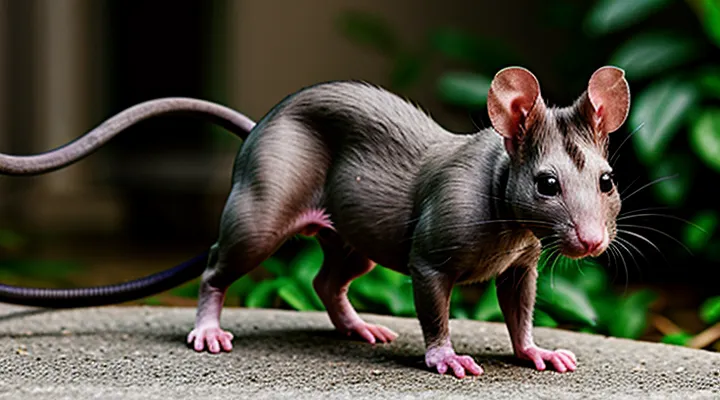
The Allure of Hairless Rats
A Glimpse into Their Unique Appearance
Skin and Whiskers
Hairless rats exhibit markedly thin epidermis, reduced sebaceous activity, and absent pelage. The skin is prone to dryness, ulceration, and heightened sensitivity to temperature fluctuations. Absence of fur increases exposure to pathogens, demanding rigorous environmental control and regular moisturizing regimens.
Whiskers, or vibrissae, often remain present even when body hair is lacking. They serve as primary tactile sensors, compensating for reduced somatosensory input from the skin surface. Loss or shortening of whiskers diminishes spatial awareness and may impair navigation, especially in low‑light conditions.
Common factors contributing to this phenotype include:
- Genetic mutations affecting keratin or fibroblast growth factor pathways.
- Selective breeding for hypo‑ or anhairliness in laboratory strains.
- Spontaneous epigenetic alterations triggered by environmental stressors.
- Nutritional deficiencies that impair keratin synthesis and follicle development.
Size and Body Shape
Hairless rats result from rare genetic mutations that disrupt follicular development; the same pathways influence overall growth. Consequently, their dimensions differ noticeably from those of typical laboratory rats.
- Body length (nose to base of tail): 18–22 cm, compared with 20–25 cm for haired strains.
- Tail length: 13–16 cm, slightly shorter relative to body size.
- Weight: 250–350 g, often lighter because reduced fur diminishes insulation and body‑fat accumulation.
The silhouette appears more compact. The torso elongates slightly, while the rib cage expands to accommodate enlarged lung capacity required for heat loss through bare skin. Limb proportions remain consistent with the species, but the absence of fur makes musculature and skeletal landmarks more visible. Enlarged, thin‑skinned ears aid thermoregulation, compensating for the loss of fur insulation. These morphological traits directly reflect the underlying genetic defect that eliminates hair.
Genetic Basis of Hairlessness
Understanding the «Nude» Gene
Autosomal Recessive Inheritance
Hairless rats appear infrequently in laboratory colonies because the trait requires two copies of a recessive allele located on an autosome. Individuals that inherit only one copy remain phenotypically normal, masking the mutation in the breeding population.
The genetic mechanism follows these principles:
- The allele responsible for hairlessness is not linked to sex chromosomes; both males and females can transmit it equally.
- Homozygous recessive rats display the hairless phenotype, while heterozygous carriers exhibit a normal coat.
- When two carriers mate, the expected genotype distribution is 25 % homozygous recessive, 50 % heterozygous carriers, and 25 % homozygous dominant.
Carrier frequency determines the likelihood of producing hairless offspring. In a population where the carrier rate is 10 %, the probability of a carrier‑carrier mating is 1 % (0.1 × 0.1). Consequently, only 0.25 % of all births will be hairless, explaining the rarity of the condition.
Effective management of breeding programs relies on genetic testing to identify carriers. Once carriers are known, breeders can:
- Avoid pairing two carriers, thereby eliminating the 25 % chance of producing hairless pups.
- Maintain the allele in the colony by breeding carriers with non‑carriers, preserving genetic diversity while preventing the phenotype.
- Monitor allele frequency over successive generations to assess the impact of selection strategies.
In summary, the hairless condition in rats results from an autosomal recessive mutation. Its low occurrence stems from the requirement for both parents to contribute the recessive allele, a scenario that is statistically uncommon without deliberate breeding choices. Accurate genotyping and informed mating decisions are essential for controlling the prevalence of this trait in research colonies.
Specific Gene Mutations
Hairless rats result from mutations that disrupt normal hair follicle development. The most frequently documented alteration affects the hairless (hr) gene, a transcriptional regulator essential for the transition of hair follicles from the growth (anagen) to the regression (catagen) phase. Loss‑of‑function variants in hr produce premature follicle involution, leading to a complete lack of fur from birth.
Other identified mutations include:
- Keratin 71 (KRT71) frameshift – impairs structural protein assembly within the inner root sheath, yielding sparse or absent hair.
- Ectodysplasin A receptor (EDAR) missense – interferes with signaling pathways that guide follicular placode formation, causing localized or total alopecia.
- Fibroblast growth factor 5 (FGF5) truncation – prolongs the anagen phase but destabilizes follicle cycling, sometimes resulting in hairless phenotypes when combined with additional defects.
These genetic changes are rare in laboratory and wild populations, often arising spontaneously or through targeted breeding programs. Their identification relies on sequencing of candidate loci and phenotypic correlation, providing a molecular basis for the uncommon occurrence of hairless rats.
Other Genetic Factors Contributing to Alopecia
Partial Hair Loss Variants
Partial hair loss in rats appears in several distinct phenotypes, each linked to specific genetic or environmental triggers. The most frequently documented variants include:
- Patchy alopecia – localized areas of hair deficiency, often associated with mutations in the Mc1r gene that affect melanocyte signaling.
- Striped hypopigmentation – alternating bands of reduced fur density, correlated with disruptions in the Kit signaling pathway.
- Sparse coat syndrome – uniformly thin fur across the body, commonly resulting from deletions in the Fgf5 gene that regulate hair cycle length.
- Seasonal shedding disorder – periodic hair loss triggered by photoperiod changes, linked to dysregulation of the hypothalamic‑pituitary‑thyroid axis.
Genetic analysis shows that most partial hair loss variants follow autosomal recessive inheritance, with carrier frequencies ranging from 1 % to 5 % in outbred laboratory colonies. Breeding programs that incorporate genotyping for the relevant alleles can reduce unexpected occurrences. Environmental contributors, such as chronic stress, nutritional deficiencies, and exposure to certain chemicals, can exacerbate the expression of these phenotypes, especially in genetically predisposed individuals.
Epidemiological surveys indicate that partial hair loss accounts for roughly 30 % of all hairless rat cases, making it a significant but not dominant component of the overall rarity. Researchers employ histological examination and RNA sequencing to differentiate between primary genetic defects and secondary skin pathology, thereby refining diagnostic criteria and informing targeted breeding strategies.
Breed-Specific Genes
Breed-specific genes determine the hairless phenotype in rats. The primary genetic factor is a loss‑of‑function mutation in the Hr (hairless) gene, which disrupts the signaling pathway responsible for hair follicle development. Additional mutations in the Krt (keratin) gene family, particularly Krt71 and Krt75, have been identified in certain hairless strains, reducing keratin filament stability and contributing to follicular regression.
The inheritance pattern of these mutations follows an autosomal recessive model in most documented lines. Homozygous individuals display complete alopecia, while heterozygotes retain a normal coat but carry the allele. Cross‑breeding experiments confirm that the hairless trait can be eliminated by introducing a functional Hr allele, demonstrating the gene’s decisive influence.
Key genetic observations include:
- Hr null allele: essential for full hair loss.
- Krt71/Krt75 missense variants: modify severity of alopecia.
- Autosomal recessive transmission: requires two defective copies for expression.
- Carrier frequency: low in outbred populations, contributing to the rarity of hairless rats.
Environmental and Health-Related Causes
Nutritional Deficiencies
Impact of Diet on Coat Health
Dietary composition directly influences the quality and resilience of a rodent’s fur. Adequate protein supplies the amino acids required for keratin synthesis; insufficient protein results in thin, brittle hair and increased shedding. Essential fatty acids, particularly omega‑3 and omega‑6, integrate into the lipid layer of each hair shaft, enhancing shine and flexibility. Deficiencies in these fats manifest as dull, dry coat and heightened susceptibility to breakage.
Vitamins A, E, and biotin act as antioxidants and co‑factors in keratin formation. Vitamin A deficiency leads to dry skin and flaky patches, while low vitamin E accelerates oxidative damage to hair follicles. Biotin shortages produce hair thinning and delayed regrowth after molting.
Minerals such as zinc and copper support enzymatic pathways that maintain follicular health. Zinc deficiency correlates with alopecia and crusted lesions; copper insufficiency can cause premature graying and weakened hair structure.
Water intake modulates skin hydration. Chronic dehydration reduces moisture content of the epidermis, causing brittle fur and increased friction injuries.
Practical recommendations for maintaining optimal coat condition in hair‑deficient rats include:
- High‑quality protein source (e.g., casein, soy) providing 18‑20 % of total diet calories.
- Inclusion of fish oil or flaxseed oil to deliver 1 %–2 % omega‑3 fatty acids.
- Vitamin supplement containing 2000 IU vitamin A, 30 IU vitamin E, and 0.1 mg biotin per kilogram of feed.
- Mineral premix with 50 ppm zinc and 10 ppm copper.
- Continuous access to fresh water, ensuring daily consumption of at least 10 ml per 100 g body weight.
Monitoring coat appearance and adjusting nutrient levels promptly prevents secondary skin infections and supports overall health in rats prone to hair loss.
Key Vitamins and Minerals
Hairless rats exhibit heightened sensitivity to nutritional imbalances, making precise vitamin and mineral intake essential for health and coat development.
-
Vitamin A: supports epithelial integrity; deficiency leads to skin lesions and delayed wound healing. Sources include liver, carrots, and fortified feeds.
-
Vitamin D3: regulates calcium absorption; low levels cause skeletal weakness. Sunlight exposure and fortified diets provide adequate amounts.
-
Vitamin E: protects cell membranes from oxidative damage; deficiency manifests as dermatitis. Found in vegetable oils and nuts.
-
Vitamin B12: required for red blood cell formation; deficiency results in anemia and neurological signs. Present in animal proteins and fortified supplements.
-
Calcium: fundamental for bone mineralization; inadequate intake produces brittle bones. Dairy products, leafy greens, and calcium-fortified pellets are typical sources.
-
Phosphorus: works with calcium to maintain skeletal structure; excess disrupts calcium balance. Meat, fish, and whole grains supply phosphorus.
-
Magnesium: participates in enzymatic reactions and nerve function; shortage leads to tremors and muscle cramps. Nuts, seeds, and whole grains contain magnesium.
-
Zinc: influences keratin synthesis and immune response; deficiency causes alopecia and impaired wound repair. Found in meat, shellfish, and legumes.
Balanced diets for hairless rats combine high-quality commercial pellets with targeted supplements. Daily vitamin and mineral levels should align with laboratory rodent guidelines, adjusted for individual health status. Regular monitoring of blood parameters ensures early detection of deficiencies, allowing prompt dietary correction.
Parasitic Infestations
Mites and Their Effects
Mites are microscopic arthropods that commonly infest laboratory and pet rodents. In hairless rats, which are already vulnerable due to lack of protective fur, mite colonization can exacerbate health problems and contribute to the low prevalence of these animals.
Mite species most frequently encountered in rodent colonies include:
- Polyplax serrata – attaches to the skin, causing intense pruritus and localized inflammation.
- Myobia musculi – feeds on epidermal tissue, leading to hair follicle damage and secondary bacterial infection.
- Radfordia spp. – resides in the ear canal, producing otitis and potential hearing loss.
The physiological impact of mite infestation on hairless rats comprises:
- Skin irritation – continuous feeding disrupts the epidermal barrier, resulting in erythema, edema, and ulceration.
- Immunological stress – chronic antigen exposure triggers elevated cortisol levels, suppressing immune function and increasing susceptibility to opportunistic pathogens.
- Nutritional depletion – blood‑feeding mites consume host plasma proteins, diminishing the animal’s protein reserves and hindering growth.
- Reproductive impairment – inflammatory cytokines interfere with gonadal hormone regulation, reducing fertility rates and litter size.
These effects create a cascade that diminishes survival and breeding success, thereby influencing the scarcity of hairless rats in research and pet populations. Effective control measures—regular health monitoring, environmental sanitation, and targeted acaricide protocols—are essential to mitigate mite‑related morbidity and support the maintenance of viable hairless rat colonies.
Fungal Infections
Hairless rats are an uncommon phenotype among laboratory and pet populations. Their lack of fur predisposes them to dermatological issues, particularly fungal infections, which can exacerbate the already fragile skin barrier.
Fungal pathogens most frequently isolated from hairless rats include:
- Dermatophytes (e.g., Trichophyton mentagrophytes, Microsporum canis): invade keratinized tissue, causing erythema, scaling, and alopecia where minimal hair remains.
- Yeasts (e.g., Candida albicans): proliferate in moist environments, leading to moist dermatitis and secondary bacterial invasion.
- Molds (e.g., Aspergillus spp.): opportunistic in immunocompromised individuals, producing invasive lesions.
Risk factors specific to hairless rats:
- Environmental humidity above 60 % that promotes spore germination.
- Inadequate cage sanitation resulting in accumulation of organic debris.
- Stress‑induced immunosuppression, often linked to handling or overcrowding.
- Topical irritants such as harsh cleaning agents that damage the epidermis.
Diagnostic approach:
- Visual inspection for characteristic lesions.
- Direct microscopy of skin scrapings with potassium hydroxide preparation.
- Culture on Sabouraud dextrose agar to identify species.
- Histopathology for deep tissue involvement when lesions are refractory.
Therapeutic protocol:
- Topical antifungals (e.g., miconazole 2 % cream) applied twice daily for 14 days.
- Systemic therapy with itraconazole (5 mg/kg) for severe or disseminated cases, administered for at least 21 days.
- Environmental decontamination: replace bedding, sterilize cage components, maintain humidity below 50 %.
Prevention emphasizes strict hygiene, regular health monitoring, and controlled environmental parameters. By addressing these factors, the incidence of fungal disease in hairless rats can be minimized, supporting the overall health of this rare phenotype.
Allergic Reactions and Skin Conditions
Environmental Allergens
Hairless rats are an uncommon phenotype in laboratory colonies, and environmental allergens have been identified as a factor that can exacerbate the condition. Exposure to airborne particles, dust, and chemical irritants can trigger dermatological reactions that accelerate hair follicle damage. In controlled environments, the prevalence of hairless individuals rises when allergen levels exceed thresholds established for rodent housing standards.
Key allergens affecting rodent skin include:
- Mold spores (Aspergillus, Penicillium)
- House dust mite proteins (Der p 1, Der f 1)
- Volatile organic compounds from cleaning agents
- Pollen fragments introduced through ventilation systems
- Rodent chow additives containing soy or wheat proteins
Experimental data demonstrate that rats with a genetic predisposition to reduced hair density exhibit heightened sensitivity to these agents. Histopathological examinations reveal inflammatory infiltrates, epidermal hyperplasia, and follicular necrosis following chronic allergen exposure. Mitigation strategies—such as HEPA filtration, regular bedding changes, and allergen‑free feed formulations—correlate with a measurable decline in hair loss incidents across breeding populations.
The interaction between genetic susceptibility and environmental triggers accounts for a significant portion of the observed rarity of hairless rats. Managing allergen load in animal facilities therefore constitutes a practical approach to preserving coat integrity and reducing the emergence of the hairless phenotype.
Dermatitis and Other Skin Issues
Hairless rats represent a rare genetic phenotype that eliminates protective fur, exposing the integument directly to environmental stressors. Consequently, dermatological health becomes a primary concern for breeders and caretakers.
Dermatitis in these animals arises from multiple sources. Common contributors include:
- Genetic susceptibility that weakens barrier function.
- Low ambient humidity leading to excessive skin desiccation.
- Contact with abrasive bedding or harsh cleaning agents.
- Bacterial, fungal, or parasitic infections exploiting compromised skin.
Clinical signs consist of erythema, scaling, ulceration, and self‑induced trauma from scratching. Rapid identification prevents secondary complications such as systemic infection.
Other skin disorders frequently observed are:
- Dry, cracked epidermis caused by inadequate moisture levels.
- Hyperkeratosis, manifested as thickened patches that may restrict movement.
- Spontaneous ulcerative lesions, often linked to persistent irritation or trauma.
Effective management relies on preventive and therapeutic measures. Recommendations include:
- Maintaining relative humidity between 45 % and 55 % to preserve moisture.
- Using soft, dust‑free bedding and mild, fragrance‑free cleaning solutions.
- Providing a balanced diet rich in essential fatty acids to support barrier integrity.
- Conducting routine veterinary examinations for early detection.
- Applying veterinary‑approved topical agents, such as antiseptic ointments or barrier creams, when lesions appear.
Adhering to these protocols minimizes skin pathology, supporting the overall welfare of the hairless rat population.
Hormonal Imbalances
Thyroid Dysfunction
Hairless rats appear infrequently in laboratory colonies, and their condition often signals underlying physiological disturbances. One of the most documented disturbances is thyroid dysfunction, which can interfere with normal fur development and maintenance.
Thyroid hormone deficiency reduces the metabolic activity of skin cells, leading to impaired keratinization and eventual hair loss. In rodents, hypothyroidism also delays the transition from the neonatal to the adult coat, making the hairless phenotype more pronounced.
Key manifestations of thyroid-related alopecia in rats include:
- Sparse or absent fur across the dorsal surface
- Delayed growth of whiskers and vibrissae
- Soft, moist skin with reduced pigmentation
- Reduced body temperature and lethargy
Diagnostic procedures rely on serum measurements of thyroxine (T4) and triiodothyronine (T3), complemented by thyroid-stimulating hormone (TSH) levels. Histological examination of the thyroid gland may reveal follicular atrophy or lymphocytic infiltration, confirming autoimmune or degenerative origins.
Therapeutic intervention typically involves administration of levothyroxine at a dose calibrated to restore euthyroid status. Regular monitoring of hormone concentrations ensures dosage accuracy and prevents iatrogenic hyperthyroidism, which can trigger hypertrichosis and other metabolic complications.
In breeding programs, screening for thyroid function before mating reduces the incidence of hairless offspring, supporting the maintenance of a phenotypically normal colony.
Adrenal Gland Problems
Adrenal gland disorders are a recognized factor in the development of hairlessness among laboratory rodents. Dysfunction of the adrenal cortex can alter the secretion of glucocorticoids and mineralocorticoids, leading to metabolic imbalances that affect hair follicle cycles. Elevated cortisol levels suppress keratinocyte proliferation, resulting in progressive loss of pelage.
Common manifestations of adrenal pathology in hairless rats include:
- Thinning or complete loss of fur on the dorsal surface
- Delayed wound healing and increased susceptibility to skin infections
- Weight loss despite normal food intake
- Abnormal electrolyte balance, often reflected in sodium retention and potassium loss
Diagnosis relies on serum hormone profiling, adrenal imaging, and histopathological examination of glandular tissue. Elevated plasma corticosterone, reduced aldosterone, and adrenal hyperplasia are typical findings. Differentiating primary adrenal disease from secondary endocrine disturbances (e.g., pituitary hyperactivity) is essential for accurate classification.
Management strategies focus on hormonal normalization and supportive care. Pharmacological agents such as glucocorticoid receptor antagonists and mineralocorticoid supplements can restore hormonal equilibrium. Environmental enrichment, strict hygiene, and regular monitoring of skin condition mitigate secondary complications and improve survival rates.
Understanding adrenal gland problems contributes to a comprehensive explanation of why hairless phenotypes remain rare in rodent colonies. The interplay between endocrine dysfunction and genetic predisposition limits the propagation of hairless traits, thereby influencing overall population dynamics.
Rarity and Popularity in Pet Ownership
Why Hairless Rats are Uncommon
Breeding Challenges
Breeding hairless rats presents a series of distinct obstacles that stem from their genetic makeup and physiological sensitivities. The mutation responsible for the lack of fur is recessive; both parents must carry the allele for offspring to express the trait, which reduces the probability of producing hairless litters in each breeding cycle. Consequently, breeders must maintain detailed pedigrees to ensure appropriate pairings and avoid inadvertent loss of the allele.
Health considerations further limit successful propagation. Hairless individuals exhibit heightened susceptibility to temperature fluctuations, skin lesions, and respiratory infections. Maintaining optimal ambient temperature, humidity, and sanitation requires continuous monitoring and specialized equipment, raising operational costs and necessitating rigorous protocol adherence.
Reproductive performance differs from that of fur‑bearing counterparts. Studies indicate lower litter sizes, extended gestation periods, and increased neonatal mortality among hairless rats. Mitigating these factors involves:
- Selecting breeding pairs with documented robust health histories.
- Providing supplemental heating and moisture control during gestation and early post‑natal stages.
- Implementing strict quarantine procedures for new stock to prevent pathogen introduction.
Genetic diversity remains a critical concern. The limited number of existing hairless lines increases the risk of inbreeding depression, manifesting as reduced vigor and heightened disease prevalence. To counteract this, breeders must exchange genetic material across geographically separate colonies, track coefficient of inbreeding, and introduce outcrosses with closely related, phenotypically compatible strains when necessary.
Regulatory and ethical constraints add another layer of complexity. Many jurisdictions classify hairless rats as experimental animals, imposing licensing requirements, routine health inspections, and mandatory reporting of breeding outcomes. Compliance demands meticulous record‑keeping and periodic submission of data to oversight bodies.
Collectively, these challenges require a systematic, evidence‑based approach, substantial resource allocation, and collaborative networks to sustain a viable population of hairless rats for research and educational purposes.
Increased Vulnerability
Hairless rats, defined by the absence of protective fur, exhibit heightened susceptibility to environmental and physiological stressors. The lack of a pelage eliminates a primary barrier against temperature fluctuations, ultraviolet radiation, and mechanical injury. Consequently, these rodents experience rapid heat loss in cold settings and increased risk of burns under direct sunlight. Their exposed dermis is prone to dehydration, which compromises skin integrity and facilitates pathogen entry. Immunological defenses are further weakened because the skin’s microbiome, normally regulated by fur, becomes destabilized, allowing opportunistic infections to proliferate.
Key aspects of increased vulnerability include:
- Thermoregulatory deficit: inability to maintain core temperature without insulation.
- Dermal dehydration: accelerated moisture loss leading to xerosis and fissuring.
- UV exposure: heightened risk of epidermal damage and carcinogenesis.
- Mechanical injury: absence of fur increases the likelihood of abrasions and lacerations.
- Infection susceptibility: compromised barrier function and altered microbiota favor bacterial and fungal colonization.
These factors collectively reduce survival rates in natural habitats and demand specialized husbandry practices—controlled ambient temperature, humidity regulation, UV shielding, and meticulous wound care—to mitigate the inherent risks associated with the hairless phenotype.
Appeal to Specific Owners
Hypoallergenic Qualities (Misconception)
Hairless rats are frequently marketed as hypoallergenic, yet scientific evidence contradicts this claim. The primary allergens associated with rodents are proteins found in saliva, urine, and dander—not the visible coat. Even without fur, hairless individuals shed skin cells and secrete the same salivary and urinary proteins that trigger allergic reactions in sensitive people.
Key points clarifying the misconception:
- Allergen production is independent of fur presence; hairless specimens emit comparable levels of the major rodent allergen (Rat n1).
- Skin exposure can increase dander release because the epidermis lacks a protective hair barrier, potentially raising airborne allergen concentrations.
- Studies involving allergic subjects show no statistically significant reduction in symptom severity when exposed to hairless versus haired rats.
- Allergy management for rodent owners—regular cage cleaning, air filtration, and hand hygiene—remains essential regardless of the animal’s coat type.
Consequently, the absence of hair does not confer a hypoallergenic advantage. Prospective owners with known sensitivities should treat hairless rats with the same precautionary measures applied to their furred counterparts.
Unique Aesthetic
Hairless rats are an uncommon variety whose appearance diverges sharply from that of typical fur‑covered specimens. Their visual profile stems from genetic alterations that suppress hair growth, creating a distinct aesthetic that attracts scientific interest and specialized pet owners.
Key aesthetic features include:
- Smooth, unpigmented or lightly pigmented skin that reveals underlying vascular patterns.
- Pronounced ear cartilage and larger, more exposed ear lobes.
- Enlarged, clear eyes that lack the protective fur fringe seen in conventional rats.
- Visible whisker sockets and reduced facial hair, accentuating facial contours.
- Variable skin coloration ranging from pinkish tones to albino white, often correlated with melanin pathway mutations.
These traits arise primarily from spontaneous or selectively bred mutations affecting the fibroblast growth factor (FGF) pathway, which regulates hair follicle development. Breeding programs that isolate the hairless phenotype reinforce the visual characteristics while maintaining viability, despite increased susceptibility to temperature fluctuations and skin injuries.
Owners and researchers must address the aesthetic benefits—such as ease of visual health assessment—with appropriate husbandry practices, including controlled ambient temperatures, humidity regulation, and regular skin inspections to prevent dermatitis. The unique look of hairless rats therefore reflects both their genetic rarity and the practical considerations required for their care.
Care and Considerations for Hairless Rats
Specialized Environmental Needs
Temperature Regulation
Hairless rats occur infrequently in laboratory colonies, and their lack of fur eliminates the primary insulative barrier found in most rodents. Consequently, temperature regulation becomes a central physiological challenge.
Thermoregulatory strategies employed by these animals include:
- Activation of brown adipose tissue to generate heat through non‑shivering thermogenesis.
- Peripheral vasodilation and vasoconstriction to modulate heat loss.
- Increased metabolic rate to compensate for greater surface area exposure.
- Behavioral adjustments such as nesting, huddling, and relocation to warmer zones.
Optimal housing conditions require ambient temperatures above 26 °C (78.8 °F) with minimal drafts. Relative humidity should remain between 40 % and 60 % to prevent evaporative cooling. Substrate material must permit the construction of insulating nests, and supplemental heating panels should be available for periods of ambient temperature decline.
Failure to maintain these parameters leads to rapid body‑temperature fluctuations, heightened stress hormone levels, and increased mortality from hypothermia or hyperthermia. Continuous monitoring of core temperature, coupled with automated climate control, mitigates these risks and supports the health of hairless rat colonies.
Bedding and Substrate Choices
Hairless rats require bedding that minimizes abrasion and retains moisture without creating excess dampness. Traditional wood shavings, especially cedar and pine, release volatile oils that can irritate sensitive skin and respiratory passages; they should be avoided. Paper-based products, such as recycled paper pellets or shredded paper, provide a soft, low‑dust environment while allowing easy cleaning.
Preferred substrates include:
- Compressed paper pellets – low dust, absorbent, easy to replace.
- Aspen shavings – non‑aromatic, softer than hardwood, moderate absorbency.
- Corncob bedding – sturdy, low dust, but monitor for mold in humid conditions.
- Coconut fiber (coir) – natural, breathable, requires frequent replacement to prevent bacterial growth.
When selecting bedding, consider the following criteria:
- Dust level – keep below 5 mg/m³ to prevent skin and lung irritation.
- Moisture retention – sufficient to prevent dehydration of the animal’s skin but not so high as to promote fungal proliferation.
- Ease of sanitation – substrate should be removable in whole sections for thorough cleaning.
- Chemical neutrality – avoid scented or treated products that may contain irritants.
Regular inspection of the enclosure for wet spots, clumping, or odor will identify problems early. Replacing the entire substrate weekly, or more frequently in high‑humidity environments, maintains optimal conditions for hairless rats’ delicate integumentary health.
Dietary Requirements for Skin Health
High-Quality Nutrition
Hairless rats are a genetically uncommon phenotype, and their physiological profile differs markedly from that of fur‑bearing strains. The absence of protective pelage increases exposure to environmental stressors, making dietary quality a decisive factor in survival and reproductive success.
Optimal nutrition for these animals must deliver balanced macronutrients and micronutrients. High‑quality protein sources supply the amino acids required for rapid tissue repair and the synthesis of keratin precursors, despite the lack of external hair. Essential fatty acids, particularly omega‑3 and omega‑6, maintain skin elasticity and reduce inflammation. Vitamins A, D, E and C support epithelial integrity, immune competence, and antioxidant defense. Minerals such as zinc, selenium and calcium contribute to enzymatic activity and bone development. Adequate fiber promotes gastrointestinal motility, while continuous access to clean water prevents dehydration, which can exacerbate skin lesions.
Nutrient deficiencies manifest as dermatitis, delayed wound healing, and heightened susceptibility to infection. Conversely, excesses—especially of vitamin A or fat—may precipitate hepatic strain or obesity, conditions that further compromise skin health. Monitoring body condition scores and adjusting feed formulations prevent these imbalances.
Practical feeding regimen:
- Provide a commercially formulated rat diet labeled “premium” or “laboratory‑grade,” with protein content of 18‑22 % and fat of 5‑7 %.
- Supplement with a small daily portion of fresh, low‑oxalate vegetables (e.g., broccoli, kale) for additional vitamins and fiber.
- Offer a measured amount of omega‑3 enriched oil (e.g., fish oil) no more than 0.5 % of total caloric intake.
- Include a calcium‑phosphorus ratio of approximately 1.2:1, achievable through fortified pellets or a mineral supplement.
- Ensure water bottles are cleaned weekly and refilled with fresh water.
Consistent application of these nutritional standards reduces morbidity, supports growth, and contributes to the limited but sustainable propagation of hairless rat colonies.
Supplementation (if necessary)
Supplementation may become necessary when a rat exhibits the uncommon hairless phenotype, because the loss of fur alters thermoregulation, skin barrier function, and nutrient requirements. The primary concerns are:
- Essential fatty acids – omega‑3 and omega‑6 support skin integrity and reduce inflammation; deficiency often manifests as dryness or dermatitis.
- Vitamin A – critical for epithelial cell turnover; low levels accelerate keratinization problems and impair wound healing.
- Vitamin D and calcium – hairless rats may experience increased heat loss, raising metabolic demand for calcium‑dependent bone remodeling; supplementation helps prevent hypocalcemia and skeletal weakness.
- B‑complex vitamins – assist in energy metabolism, which can be elevated due to the need for additional heat production.
- Probiotics – maintain gut flora balance, especially when dietary adjustments are made to address skin health.
Supplementation should follow these guidelines:
- Conduct a veterinary assessment, including blood work, to identify specific deficiencies.
- Choose formulations designed for rodents; human or pet‑food supplements often contain inappropriate concentrations.
- Initiate at the lowest effective dose, monitor clinical response, and adjust based on follow‑up testing to avoid hypervitaminosis.
- Combine supplementation with environmental measures—controlled temperature, high‑quality bedding, and humidity regulation—to reduce the overall stress on the animal’s skin.
When these steps are applied, supplementation can correct metabolic imbalances, improve dermal health, and support the overall well‑being of rats lacking fur.
Common Health Concerns
Respiratory Issues
Hairless rats, an uncommon phenotype among laboratory rodents, frequently exhibit compromised respiratory function. The absence of fur eliminates a protective barrier that normally reduces exposure of the skin and underlying tissues to environmental irritants, leading to increased inhalation of dust, allergens, and pathogens.
Primary respiratory conditions observed in these animals include:
- Nasal congestion caused by chronic exposure to airborne particles.
- Upper airway inflammation resulting from heightened sensitivity of mucosal membranes.
- Pneumonia precipitated by opportunistic bacterial colonization in the weakened airway environment.
- Pulmonary edema linked to impaired thermoregulation and fluid balance.
Underlying mechanisms involve several factors. The lack of fur alters body temperature regulation, causing vasodilation of respiratory mucosa and increased fluid leakage into alveolar spaces. Additionally, genetic mutations responsible for hairlessness often affect keratin expression, which can influence epithelial integrity throughout the respiratory tract. The combination of environmental exposure and intrinsic tissue vulnerability creates a predisposition to chronic and acute respiratory disorders.
Management strategies focus on environmental control, prophylactic antimicrobial therapy, and supportive care. Maintaining low-dust housing, using HEPA filtration, and monitoring humidity levels reduce irritant load. Regular health assessments, including auscultation and radiographic imaging, enable early detection of pathology. Prompt treatment with appropriate antibiotics and anti-inflammatory agents mitigates disease progression and improves survival rates in this rare rodent model.
Skin Irritations and Injuries
Hairless rats lack the protective fur layer that shields typical rodents from environmental stressors, making their integument highly vulnerable. The absence of hair increases direct exposure to temperature fluctuations, abrasive surfaces, and microbial agents, which accelerates the onset of dermatological problems.
Common skin irritations and injuries observed in hairless rats include:
- Dryness and flaking caused by low ambient humidity and inadequate moisturization.
- Eczematous lesions resulting from contact with rough bedding or cage accessories.
- Ulcerations that develop at pressure points where the animal rests on hard surfaces.
- Fungal infections such as dermatophytosis, facilitated by damp nesting material.
- Bacterial dermatitis originating from minor cuts that become colonized by opportunistic microbes.
Preventive strategies focus on environmental control and diligent husbandry. Maintaining relative humidity between 45 % and 55 % reduces epidermal desiccation. Providing soft, lint‑free bedding and padded enrichment items minimizes mechanical trauma. Regular inspection of the skin surface allows early detection of lesions; any breach should be cleaned with a mild antiseptic solution and treated promptly with topical antimicrobial agents. Nutritional supplementation containing essential fatty acids supports barrier function and accelerates tissue repair.
Effective management of skin conditions in hairless rats requires a combination of habitat optimization, routine health monitoring, and targeted therapeutic interventions. By addressing the specific vulnerabilities associated with the lack of fur, caretakers can significantly lower the incidence of irritations and injuries, thereby improving overall welfare.
Veterinary Care and Prevention
Regular Check-ups
Regular veterinary examinations are essential for maintaining the health of hairless rats, whose genetic mutations make them exceptionally uncommon. Early detection of respiratory infections, skin lesions, and metabolic disorders prevents rapid deterioration that can be difficult to reverse in these animals.
Key components of each appointment include:
- Comprehensive physical assessment, focusing on nasal passages, eyes, and the delicate skin that lacks protective fur.
- Blood panel to monitor organ function, electrolyte balance, and potential immune deficiencies.
- Radiographic imaging when respiratory symptoms appear, identifying pneumonia or other pulmonary complications.
- Nutritional evaluation, ensuring diets compensate for the increased heat loss associated with the absence of hair.
Frequency should align with the animal’s age and health status: newborns require examinations every two weeks, juveniles every month, and adults every three to six months, with additional visits triggered by any observable change in behavior, appetite, or coat condition.
Record-keeping of all findings enables trend analysis, allowing veterinarians to adjust preventive measures and treatments promptly, thereby extending the lifespan of these rare, hairless specimens.
Early Detection of Problems
Hairless rats, though uncommon, often present health challenges linked to their lack of protective fur. Early identification of these issues reduces morbidity and improves breeding outcomes.
Key indicators observable in the first weeks of life include:
- Skin lesions or ulcerations, especially around the tail and ears
- Abnormal respiratory sounds or persistent coughing
- Reduced weight gain compared to standard growth curves
- Excessive scratching or self‑inflicted injuries
Detection methods rely on systematic observation and targeted testing. Daily visual inspections should be complemented by weekly body‑weight measurements and periodic dermatological swabs for bacterial culture. Blood panels focusing on electrolyte balance and immune markers reveal metabolic disturbances common in hairless phenotypes. Genetic screening for known mutations associated with hairlessness can predict susceptibility to skin infections and thermoregulatory failures.
Implementing a schedule that integrates these assessments enables prompt intervention, such as antimicrobial therapy for early skin infections or environmental modifications to maintain optimal temperature. Consistent record‑keeping of findings supports data‑driven adjustments to husbandry practices, ultimately enhancing the viability of this rare rodent population.