
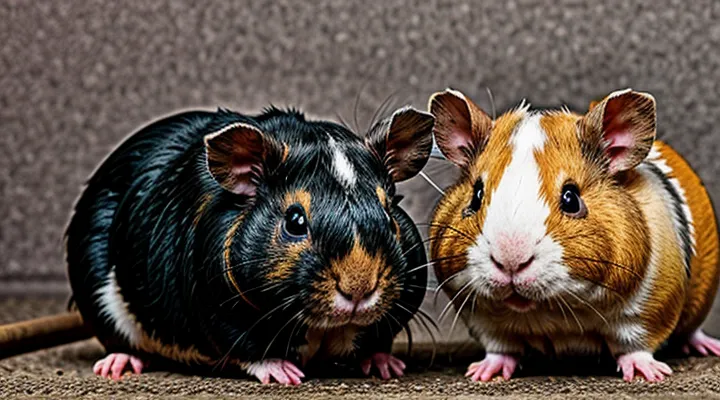
Choosing Between a Guinea Pig and a Rat
Understanding the Appeal of Each Pet
Guinea Pig Characteristics
Guinea pigs are small, herbivorous rodents typically weighing 1.5–2.5 kg and measuring 20–30 cm in length. Their compact size makes them suitable for cages that occupy limited space, yet they require sufficient floor area to allow natural movement.
- Lifespan: 4–8 years, with proper nutrition and veterinary care extending longevity.
- Social structure: Naturally gregarious; thriving in pairs or groups reduces stress and promotes vocal communication.
- Dietary needs: Continuous access to high‑fiber hay, supplemented with fresh vegetables and a measured portion of fortified pellets; vitamin C must be provided because the species cannot synthesize it.
- Grooming: Short‑haired varieties need minimal brushing; long‑haired breeds require regular combing to prevent matting.
- Health considerations: Common issues include respiratory infections, dental overgrowth, and urinary calculi; routine health checks and a balanced diet mitigate these risks.
- Behavioral traits: Diurnal activity patterns, gentle handling tolerance, and a repertoire of distinct vocalizations (e.g., wheeking to signal excitement) make them interactive companions.
Overall, guinea pigs exhibit predictable care requirements, moderate lifespan, and a social disposition that appeals to owners seeking a low‑maintenance yet engaging small mammal.
Rat Characteristics
Rats are small rodents, typically weighing 200–300 g and measuring 9–12 cm in body length, with a tail of comparable size. Their compact size allows easy accommodation in cages that fit standard indoor spaces.
Lifespan averages 2–3 years, extending up to 4 years with optimal care. This duration exceeds that of many other small mammals, providing a relatively stable companionship period.
Intelligence distinguishes rats from many companion animals. They solve puzzles, navigate mazes, and learn to respond to hand signals after a few repetitions. This cognitive ability makes them suitable for interactive training and enrichment activities.
Social structure is inherently group‑oriented; rats form hierarchies, groom each other, and display affiliative behaviors such as huddling. Single rats may develop stress‑related issues, so cohabitation of at least two individuals is recommended.
Grooming occurs autonomously; rats maintain a clean coat by self‑cleaning and occasional mutual grooming. Owners should provide nesting material and a dust‑free environment to support this natural behavior.
Health considerations include susceptibility to respiratory infections, tumors, and dental overgrowth. Regular veterinary check‑ups, a diet low in sugary treats, and provision of chewable objects reduce disease risk.
Dietary needs consist of a balanced commercial rat mix supplemented with fresh vegetables, limited fruits, and occasional protein sources such as cooked egg or lean meat. Continuous access to clean water is essential.
Activity patterns are primarily nocturnal, with bursts of exploration during twilight hours. Providing tunnels, climbing structures, and wheels encourages physical exercise and prevents obesity.
Noise output is minimal; rats emit soft squeaks and occasional ultrasonic vocalizations, which are generally inaudible to humans. This quiet nature makes them compatible with apartment living.
Handling requires gentle, consistent interaction. Rats readily adapt to human touch when introduced gradually, reducing stress and fostering trust. Proper hand placement—supporting the body and tail—prevents injury.
Reproductive capacity is high; females can produce litters of 6–12 pups every 4–5 weeks under optimal conditions. Controlling breeding through separation of sexes or sterilization prevents overpopulation.
Overall, rat characteristics—moderate size, extended lifespan, high intelligence, social affinity, low maintenance grooming, manageable health profile, adaptable diet, active yet quiet behavior, and ease of handling—form a comprehensive profile for evaluating their suitability as a pet compared to other small mammals.
Key Considerations for Pet Owners
Socialization and Interaction
Guinea Pig Social Needs
Guinea pigs are inherently social mammals; isolation leads to stress, weight loss, and reduced lifespan. They thrive when housed with at least one conspecific, preferably of the same sex to minimize breeding risks. Continuous visual, olfactory, and auditory contact with a partner satisfies their need for group cohesion and reinforces natural hierarchy.
Key social requirements include:
- Companion presence – a minimum of two animals, with a third optional for larger groups.
- Stable group composition – avoid frequent introductions or removals that disrupt established order.
- Shared nesting area – multiple entry points allow retreat and mutual grooming.
- Regular interaction – gentle handling by familiar humans supports trust without replacing peer contact.
- Environmental enrichment – tunnels, hideaways, and chewable items encourage cooperative play and reduce aggression.
Prospective owners must provide a cage large enough for the group, maintain consistent lighting cycles, and monitor behavior for signs of dominance or distress. Failure to meet these social parameters often results in vocalizations of discomfort, fur loss, or chronic illness, underscoring the necessity of proper companionship for guinea pig welfare.
Rat Social Needs
Rats thrive on interaction with conspecifics; solitary housing leads to stress, reduced appetite, and abnormal grooming. A pair or small group provides mutual stimulation, stabilizes circadian rhythms, and encourages natural foraging behavior. When evaluating a rodent companion, consider that rats will often seek physical contact, vocalize, and engage in playful chases with cage mates.
Enrichment requirements extend beyond social contact. Effective strategies include:
- Multiple tunnels, climbing structures, and chew‑safe objects to promote exploration.
- Daily handling sessions lasting 5–10 minutes per rat to reinforce trust and reduce fear of humans.
- Rotating toys and rearranging the cage layout every few weeks to prevent habituation.
Because rats form hierarchical relationships, observe the dynamics within a group. Dominant individuals may monopolize food or preferred resting spots; providing several feeding stations and separate hideaways mitigates conflict. Regular health checks are essential, as social stress can mask early signs of disease.
In comparison, guinea pigs also need companionship but exhibit less complex social hierarchies and lower activity levels. The pronounced social drive of rats makes them particularly suitable for owners willing to commit to multiple animals and consistent interaction.
Housing Requirements
Guinea Pig Enclosure Needs
A proper guinea‑pig enclosure must satisfy space, ventilation, safety, enrichment, and hygiene requirements.
- Minimum floor area: 7.5 sq ft (approximately 0.7 m²) for one adult; add 2 sq ft (0.2 m²) per additional animal.
- Height: at least 12 in (30 cm) to allow standing and climbing; solid flooring preferred over wire to prevent foot injuries.
- Ventilation: multiple openings with secure screens; avoid drafts that could cause respiratory problems.
- Materials: non‑toxic, chew‑proof wood or acrylic; avoid painted surfaces that may leach chemicals.
- Bedding: absorbent, dust‑free substrate such as paper‑based pellets or aspen shavings; replace weekly and spot‑clean daily.
- Enrichment: hideouts, tunnels, chew toys, and platforms to encourage natural behaviors and reduce stress.
- Cleaning: removable trays or a pull‑out bottom for easy waste removal; disinfect with a mild, pet‑safe solution weekly.
Temperature should remain between 65 °F and 75 °F (18 °C–24 °C). Direct sunlight and extreme heat must be avoided. Regular inspection of the cage for sharp edges, loose fittings, or signs of wear prevents injuries. Providing these conditions supports health, activity, and longevity for guinea‑pig companions.
Rat Enclosure Needs
Rats require an enclosure that supports their natural behaviors and promotes health. A suitable cage must provide adequate space, proper ventilation, secure construction, and enrichment opportunities.
A minimum floor area of 2 sq ft per rat is recommended; larger groups benefit from 3–4 sq ft per animal. Multi‑level cages increase usable space without expanding footprint. Solid flooring, covered with a thick layer of absorbent bedding such as paper‑based or aspen shavings, prevents foot injuries and controls odor. Wire flooring should be avoided.
Ventilation is essential to reduce humidity and ammonia buildup. Mesh panels on the sides and top allow airflow while keeping the cage escape‑proof. The cage material should be chew‑resistant; metal bars with a ½‑inch spacing prevent escape and limit injury.
Enrichment items support mental stimulation. Include:
- Chew toys made of untreated wood or safe plastics
- Hide boxes or tunnels for privacy
- Climbing structures such as rungs or ladders
- Foraging opportunities like scattered seed mixes
Cleaning procedures influence welfare. Spot‑clean daily, replace bedding weekly, and perform a full cage wash with mild, unscented soap monthly. Provide fresh water in a bottle with a metal sipper tube, and a separate food dish for a balanced grain‑based diet.
Temperature should remain between 65°F and 80°F (18°C–27°C). Avoid direct sunlight and drafts. A secure lid prevents escape and protects against predators.
By meeting these spatial, material, ventilation, enrichment, and maintenance criteria, owners create a healthy environment that maximizes a rat’s longevity and quality of life.
Dietary Needs
Guinea Pig Diet
Guinea pigs require a diet that supplies continuous fiber, adequate vitamin C, and balanced protein. The foundation is unlimited access to fresh, grass‑type hay; timothy, orchard, or meadow hay provides the necessary roughage to maintain dental health and digestive motility.
Fresh water must be available at all times, preferably in a sipper bottle to keep it clean.
A daily portion of high‑quality pellets, formulated specifically for guinea pigs, supplies essential nutrients while limiting excess calories. Pellets should contain no more than 15 % protein and be free of added sugars or seeds.
Vitamin C is critical because guinea pigs cannot synthesize it. Include 1–2 cups of vitamin‑C‑rich vegetables each day, such as:
- Red bell pepper
- Kale (in moderation)
- Parsley
- Broccoli florets
Rotate vegetables to prevent nutritional gaps and to reduce the risk of gastrointestinal upset.
Avoid foods that are toxic or indigestible: chocolate, caffeine, onions, garlic, avocado, and raw potatoes. Limit fruits, which are high in sugar, to occasional treats no larger than a teaspoon per animal.
Feeding schedule: provide hay continuously, replace water daily, and offer fresh vegetables and pellets once or twice daily. Remove uneaten fresh food after four hours to prevent spoilage.
Monitoring body condition and stool consistency helps detect dietary issues early. Adjust portions if the guinea pig shows signs of weight loss, obesity, or diarrhea.
A well‑structured diet ensures that guinea pigs remain healthy companions, a factor that influences their suitability compared with rats when selecting a pet.
Rat Diet
Rats require a balanced diet that supplies protein, fiber, vitamins, and minerals to support rapid growth and high metabolic rates. Commercial rat pellets formulated for laboratory or pet use provide a reliable base, containing controlled nutrient levels and minimal filler. Supplement pellets with fresh foods to enhance variety and prevent nutritional gaps.
- Protein sources: cooked chicken, boiled egg, low‑fat cottage cheese, or commercially prepared soy‑based treats; limit to 15‑20 % of total intake.
- Fiber: small amounts of plain cooked broccoli, carrots, or leafy greens such as kale; avoid iceberg lettuce, which offers negligible nutrition.
- Fruit: apple slices, berries, or melon, offered sparingly because of high sugar content; a single bite-sized piece per day suffices.
- Whole grains: cooked brown rice or oatmeal can be added occasionally for extra carbohydrates; ensure grains are plain and unsalted.
- Water: fresh, clean water must be available at all times; replace daily to prevent bacterial growth.
Avoid foods toxic to rats, including chocolate, caffeine, alcohol, raw beans, and high‑salt processed snacks. Citrus fruits and excessive citrus juice can cause digestive upset and should be limited. Treats high in fat or sugar should constitute no more than 5 % of the overall diet.
Monitoring body condition and weight weekly helps detect over‑ or under‑nutrition. Adjust portion sizes according to activity level, age, and reproductive status. A diet that meets these guidelines promotes a healthy coat, strong immune function, and active behavior, making rats a viable companion alongside other small‑animal pets.
Health and Lifespan
Common Guinea Pig Ailments
When evaluating small‑animal companions, understanding the health issues that frequently affect guinea pigs is essential. Awareness of typical conditions enables owners to provide prompt care and maintain animal welfare.
- Respiratory infections – Often caused by Bordetella or Streptococcus species; symptoms include nasal discharge, wheezing, and labored breathing. Immediate veterinary assessment and appropriate antibiotics are required.
- Dental malocclusion – Overgrown incisors result from insufficient wear; signs are difficulty eating, drooling, and weight loss. Regular tooth trimming by a professional prevents severe oral trauma.
- Scrotal and inguinal hernias – Visible bulges in the abdominal area; may lead to organ displacement. Surgical correction is the standard treatment.
- Coccidiosis – Protozoan infection of the intestinal tract; manifests as watery diarrhea and dehydration. Anticoccidial medication combined with supportive fluid therapy resolves the infection.
- Vitamin C deficiency (Scurvy) – Guinea pigs cannot synthesize ascorbic acid; deficiency produces lethargy, joint swelling, and hemorrhages. Daily supplementation of vitamin C prevents recurrence.
- Dermatitis and skin abscesses – Result from poor hygiene or bite wounds; present as reddened, swollen patches with possible pus. Cleaning the area and applying topical antibiotics address the issue.
- Urolithiasis – Formation of bladder stones causing urinary obstruction; symptoms include frequent attempts to urinate and blood in urine. Surgical removal and dietary adjustment are indicated.
Routine health checks, balanced nutrition, and a clean environment reduce the incidence of these ailments, supporting a stable and humane pet experience.
Common Rat Ailments
Rats are popular companion animals, yet they are prone to several health conditions that owners must recognize promptly. Understanding typical illnesses, their clinical signs, and preventive measures helps maintain a thriving pet and informs the decision between a rat and a guinea pig.
Common rat ailments include:
- Respiratory infections – often caused by Mycoplasma pulmonis or viral agents. Symptoms: nasal discharge, sneezing, labored breathing, reduced activity. Treatment involves antibiotics (e.g., doxycycline) and environmental improvements such as low humidity and dust‑free bedding.
- Dermatitis – triggered by mites, fungal infections, or allergic reactions. Signs: hair loss, crusty or scaly skin, itching. Management requires topical or systemic medication, strict hygiene, and regular cage cleaning.
- Gastrointestinal stasis – results from dietary imbalance, stress, or obstruction. Indicators: lack of fecal output, abdominal distension, lethargy. Immediate veterinary care, fluid therapy, and a high‑fiber diet are essential.
- Tumors – particularly mammary adenomas and fibrosarcomas. Detection: palpable masses, weight loss, abnormal behavior. Surgical removal offers the best prognosis; regular health checks increase early detection.
- Dental overgrowth – continuous incisor growth can lead to malocclusion. Observed as difficulty eating, drooling, or facial swelling. Trimming by a veterinarian and providing chewable enrichment prevent complications.
Preventive strategies that reduce disease incidence:
- Provide a balanced diet rich in fiber and low in sugary treats.
- Maintain a clean, well‑ventilated enclosure with appropriate substrate.
- Limit exposure to other rodents to prevent pathogen transmission.
- Schedule routine veterinary examinations, including weight monitoring and visual health assessments.
Awareness of these conditions equips prospective owners to evaluate the responsibilities associated with rat ownership compared to alternative small‑pet options.
Lifespan Comparison
Guinea pigs typically live 4 to 8 years, with most individuals reaching 5 to 6 years when provided proper nutrition, regular veterinary care, and a low‑stress environment. Rat lifespan averages 2 to 3 years; high‑quality laboratory strains may extend to 3.5 years, but most pet rats die within the same range despite optimal husbandry.
- Guinea pig: 4–8 years (median ≈ 5.5 years)
- Rat: 2–3 years (median ≈ 2.5 years)
Longer life expectancy means guinea pigs require a longer commitment from owners, including extended housing, dietary planning, and health monitoring. Rats, with a shorter lifespan, present a more transient responsibility but also a narrower window for social bonding and training. Decision‑makers should align the expected duration of care with personal availability and long‑term goals for pet ownership.
Costs of Ownership
Initial Setup Costs
The initial financial outlay for a guinea pig differs from that of a rat, and understanding each component helps prospective owners budget accurately.
A guinea pig requires a cage of at least 30 × 18 inches, typically priced between $40 and $80. Bedding, such as paper pulp or aspen, costs $5–$10 per bag, with two bags needed for the first month. A starter kit of food, water bottle, and hideout adds $15–$25. Veterinary examination and basic vaccinations range from $30 to $50. Altogether, the first‑month expense averages $100–$165.
A rat needs a cage of similar dimensions, often sold for $30–$70. Bedding material, commonly shredded paper, is $4–$8 per pack, with two packs required initially. A starter set—including food dish, water bottle, and tunnel—costs $12–$20. A health check by a veterinarian, including parasite screening, is $35–$45. The total initial cost for a rat averages $85–$143.
Both species share ancillary expenses: a small supply of chew toys ($5–$10), cleaning supplies ($5–$8), and a basic emergency fund of $20–$30. These items add roughly $30–$48 to either budget.
Summarized cost comparison:
- Guinea pig: $130–$213 total first‑month outlay
- Rat: $115–$191 total first‑month outlay
The figures reflect typical market prices in North America and assume no premium accessories. Adjustments may be necessary based on regional variations or specific brand choices.
Ongoing Expenses
When evaluating a guinea pig versus a rat as a companion, recurring financial commitments differ noticeably.
Both species require basic supplies that generate regular outlays. Food, bedding, enrichment items, and veterinary care represent the core expense categories.
- Food: Guinea pigs need a high‑fiber diet of hay, fortified pellets, and fresh vegetables; a typical monthly supply costs $15‑$25. Rats thrive on a balanced pellet mix supplemented with occasional treats; monthly cost averages $10‑$15.
- Bedding: Absorbent, dust‑free substrate is essential for guinea pigs; standard weekly replacement totals $5‑$8, or $20‑$30 per month. Rats use paper‑based bedding; monthly expense ranges $8‑$12.
- Enrichment: Chew toys, tunnels, and climbing structures extend lifespan of teeth and mental health. Guinea pig items replace every 2‑3 months, averaging $5‑$10 per month. Rat accessories wear faster, costing $8‑$12 monthly.
- Veterinary care: Preventive exams and vaccinations occur at least twice yearly. Spread over 12 months, guinea pig care averages $10‑$15, while rat care averages $8‑$12. Emergency visits add unpredictable spikes for both.
Summing typical monthly figures yields an estimated $40‑$60 for a guinea pig and $36‑$51 for a rat. The rat generally incurs slightly lower ongoing expenses, primarily due to reduced bedding and enrichment turnover.
Which Pet is Right for You?
Factors to Weigh
Time Commitment
Guinea pigs require daily interaction of 30–45 minutes to maintain social health and prevent stress‑related behaviors. Their routine includes feeding fresh vegetables, checking water supply, and cleaning the cage at least once a day. Weekly tasks involve full substrate replacement and thorough disinfection of accessories, which can take 20–30 minutes.
Rats thrive on shorter, more frequent sessions; 15–20 minutes of active play or handling several times a day supports mental stimulation. Daily responsibilities consist of providing fresh food, water, and a clean environment, with cage cleaning recommended every 2–3 days. Full weekly cleaning, similar to that for guinea pigs, typically requires 15–25 minutes.
Comparison of time commitment
- Daily hands‑on interaction: guinea pig ≈ 30–45 min; rat ≈ 15–20 min
- Daily cage maintenance: both ≈ 5 min
- Full cleaning frequency: guinea pig daily; rat every 2–3 days
- Weekly deep clean: guinea pig ≈ 20–30 min; rat ≈ 15–25 min
Overall, rats demand less continuous attention but more frequent handling, whereas guinea pigs need longer daily sessions and daily cage upkeep. The choice hinges on the owner’s capacity to allocate consistent, longer periods versus multiple brief engagements.
Family Suitability
When families decide between guinea pigs and rats, several practical factors determine which animal integrates best into a household.
Guinea pigs require a larger enclosure, typically 30 × 20 inches for a single animal, and benefit from a solid floor and bedding that must be changed weekly. Their diet consists of hay, fresh vegetables, and a measured amount of pellets; insufficient hay can lead to dental problems. They are vocal, producing audible squeaks that can be heard throughout a home, which may be disruptive in quiet environments.
Rats thrive in smaller cages, as little as 24 × 12 inches per animal, provided vertical space for climbing. Their bedding can be changed less frequently, and they accept a varied diet of commercial rat blocks, fruits, and occasional protein sources. Rats are nocturnal but often remain active during daylight, producing soft rustling noises rather than loud calls.
Key considerations for family suitability:
- Space: Guinea pigs need more floor area; rats adapt to compact setups.
- Noise level: Guinea pigs generate louder vocalizations; rats are comparatively quiet.
- Handling: Rats are agile and may bite if startled; guinea pigs are generally calmer but can become stressed if handled roughly.
- Lifespan: Guinea pigs live 4–7 years; rats average 2–3 years, affecting long‑term commitment.
- Allergy potential: Both produce dander, but rat fur may trigger stronger reactions in sensitive individuals.
Families with young children should prioritize animals that tolerate frequent, gentle handling and produce minimal noise. Limited living space and a desire for a shorter commitment favor rats, while households that can allocate a larger enclosure and prefer a quieter, longer‑lasting companion may find guinea pigs more appropriate.
Personal Preferences
When deciding whether a guinea pig or a rat will suit you best, personal taste drives the final choice. Both species offer distinct experiences that align with different owner expectations.
-
Interaction style – Guinea pigs often remain on the ground, providing a calm, observant presence. Rats are agile climbers, frequently seeking active engagement and responding to handling with rapid, playful movements. Preference for a serene companion versus a dynamic, inquisitive partner determines which animal feels more appropriate.
-
Noise tolerance – Guinea pigs emit high‑pitched squeaks, especially during feeding or excitement. Rats produce soft chirps and occasional squeaks, generally quieter than guinea pig vocalizations. Individuals sensitive to persistent sounds may lean toward rats.
-
Space considerations – A guinea pig enclosure typically requires a larger floor area to accommodate running space and bedding depth. Rats thrive in vertically oriented cages with multiple levels, allowing a smaller footprint while still offering enrichment. Owner living arrangements influence the optimal cage design.
-
Social needs – Rats form tight bonds with their caretakers and other rats, often seeking constant interaction. Guinea pigs prefer the company of their own kind and may be less demanding of human attention. Preference for a highly social pet versus one that enjoys occasional contact shapes the decision.
-
Lifespan expectations – Rats live 2–3 years, whereas guinea pigs often reach 5–7 years. Those planning a longer commitment may favor guinea pigs; others comfortable with a shorter term may find rats acceptable.
-
Handling comfort – Rats possess delicate skin and require gentle, consistent handling to build trust. Guinea pigs have sturdier bodies but may be startled by abrupt movements. Personal comfort with handling techniques influences the selection.
Assessing these factors against individual lifestyle, sensory preferences, and long‑term expectations yields a clear indication of which animal aligns best with personal criteria. The final judgment rests on which set of characteristics resonates most with the prospective owner.
Making the Final Decision
When deciding between a guinea pig and a rat, focus on the owner’s environment, time commitment, and the animal’s specific needs.
Consider habitat size. Guinea pigs require a larger enclosure with solid flooring and multiple levels for exercise. Rats thrive in a compact cage with wire mesh and ample tunnels, but still need space for climbing. Measure available floor area and assess whether it can accommodate the recommended minimum dimensions for each species.
Evaluate daily interaction. Guinea pigs are diurnal, active during daylight, and respond well to gentle handling. Rats are nocturnal, more energetic at night, and enjoy interactive play that includes climbing and problem‑solving toys. Align the pet’s activity pattern with the owner’s schedule to ensure regular engagement.
Assess lifespan and health care. Guinea pigs typically live 4–7 years, with common issues such as dental overgrowth and respiratory infections. Rats live 2–3 years, prone to tumors and metabolic disorders. Factor in the length of commitment and the frequency of veterinary visits required for each animal.
Compare dietary requirements. Guinea pigs need a constant supply of vitamin C‑rich vegetables and hay to maintain dental health. Rats require a balanced mix of pellets, fresh produce, and occasional protein treats. Determine which feeding regimen fits the owner’s routine and budget.
Review legal and ethical constraints. Some jurisdictions restrict rodent ownership, while others have specific housing standards for small mammals. Verify local regulations before finalizing the choice.
Use the following checklist to finalize the decision:
- Available cage space meets minimum size for the chosen species.
- Owner’s daily schedule aligns with the pet’s active period.
- Commitment length matches the animal’s expected lifespan.
- Budget covers food, bedding, enrichment, and veterinary care.
- Local laws permit ownership of the selected pet.
If the checklist is satisfied for one animal and not the other, that species constitutes the appropriate selection.