
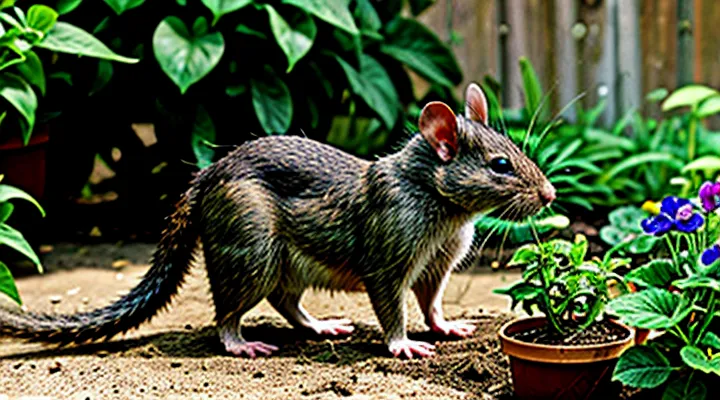
Understanding the Ground Rat
What is a Ground Rat?
Distinguishing from other rodents
Ground rats differ from common house mice in body length, which typically reaches 15–20 cm, while mice stay under 10 cm. Their tails are short, thick, and covered with sparse hair, contrasting with the long, hair‑covered tails of house mice. Ears of ground rats are small and lie close to the skull, whereas mice have relatively large, prominent ears.
Fur coloration provides another clue. Ground rats display a uniform brown or gray coat that blends with soil, while mice often show a lighter belly and distinct dorsal stripes. The shape of droppings also varies: ground rat feces are larger, oval, and dark brown; mouse droppits are smaller, cylindrical, and black.
Burrow architecture reveals species identity. Ground rats construct extensive tunnel systems with shallow, shallowly sloping entrances, frequently leaving visible soil mounds. Mice create deeper, narrow burrows with concealed openings and seldom produce noticeable soil piles. Voles, another subterranean rodent, produce surface runways and shallow nests rather than deep tunnels.
Damage patterns help distinguish the pest. Ground rats gnaw on roots and underground stems, causing plant wilting at the base. Mice chew on seeds, fruits, and stored grain, leaving visible gnaw marks on packaging. Squirrels focus on bark and nuts, creating larger bite holes in tree trunks.
When identification is required, follow a systematic check:
- Measure body length and tail proportion.
- Examine ear size and placement.
- Observe fur color and pattern.
- Inspect droppings for size and shape.
- Assess burrow depth, entrance style, and soil displacement.
- Note the type of plant damage observed.
Accurate distinction prevents misdirected control measures and ensures targeted removal strategies.
Common species in gardens
Ground rats, also known as European water voles or field mice, share garden habitats with several other small mammals. Recognizing these species prevents misidentification and improves control measures.
Common garden mammals include:
- Field mouse (Apodemus sylvaticus) – active at night, builds shallow burrows, leaves fine droppings and gnawed seeds.
- Wood mouse (Apodemus flavicollis) – prefers moist soil, creates runways near leaf litter, produces larger, dark pellets.
- Shrew (Sorex araneus) – tiny, high‑metabolism insectivore, leaves no visible droppings, but creates shallow tunnels and a distinctive musky odor.
- Bank vole (Myodes glareolus) – occupies dense vegetation, constructs deeper burrows with side chambers, deposits brownish droppings.
- Rabbit (Oryctolagus cuniculus) – forms extensive surface warrens, produces large, pellet‑shaped feces and visible gnaw marks on bark.
Differentiating ground rats from these relatives relies on three observable criteria:
- Burrow architecture – ground rats excavate vertical shafts up to 30 cm deep, often with a single entrance; other species may have multiple openings or shallower tunnels.
- Droplet size and shape – rat droppings are 6–9 mm long, spade‑shaped; mouse pellets are smaller and more rounded, while shrew activity leaves no feces.
- Feeding traces – rats chew roots and tender stems, leaving clean cuts; rabbits strip bark, and shrews consume insects without plant damage.
Accurate species identification directs appropriate removal tactics. For ground rats, methods such as live trapping, bait stations, and habitat modification (removing dense ground cover, sealing entry points) are effective. In contrast, shrews require insect‑based control, while rabbits respond to exclusion fencing and population‑reduction programs. By distinguishing each species, gardeners can apply targeted interventions and preserve beneficial fauna.
Why are Ground Rats a Problem?
Damage to plants and garden structures
Ground rats cause extensive damage to both vegetation and garden infrastructure. Their burrowing activity disrupts root systems, leading to wilting, stunted growth, and eventual plant death. Repeated tunneling creates soil instability, which reduces water retention and increases susceptibility to erosion.
- Root severance: tunnels cut through primary and lateral roots, impairing nutrient uptake.
- Stem girdling: rats gnaw at lower stems, compromising structural integrity and facilitating pathogen entry.
- Leaf loss: occasional chewing removes foliage, diminishing photosynthetic capacity.
Structural damage extends beyond plants. Burrows weaken pathways, garden borders, and raised beds, creating uneven surfaces and potential collapse under foot traffic. Rats also gnaw on wooden components such as trellis frames, fence posts, and garden sheds, compromising durability and exposing the wood to rot.
The cumulative effect of these actions reduces garden productivity, increases maintenance costs, and creates hazards for gardeners. Prompt detection and removal of ground rats are essential to preserve plant health and protect garden structures.
Potential health risks
Ground rats, commonly known as voles or field mice, can introduce several health hazards to domestic gardens. Their saliva, urine, and feces contain pathogens that may affect humans and pets. Direct contact with contaminated soil or plant material can lead to:
- Hantavirus infection, which may cause fever, muscle aches, and respiratory problems.
- Leptospirosis, a bacterial disease transmitted through urine, resulting in flu‑like symptoms and, in severe cases, kidney or liver damage.
- Salmonella and other gastrointestinal bacteria, potentially causing diarrhea and abdominal pain after ingestion of contaminated produce.
Indirect risks arise from the damage rats cause to vegetation. Feeding on roots and stems weakens plants, creating entry points for mold and fungi. Consuming affected vegetables increases exposure to mycotoxins, which can impair immune function and liver health.
Pet owners should be aware that rodents may bite or scratch, transmitting bite‑wound infections such as Staphylococcus aureus. Additionally, parasites like fleas, ticks, and mites often hitch a ride on these mammals, extending the vector potential to household animals and, subsequently, to humans.
Mitigating these hazards requires prompt removal of rodent populations, regular sanitation of garden tools, and thorough washing of harvested produce. Protective gloves and masks are advisable when handling soil or debris that may be contaminated.
Detecting a Ground Rat Infestation
Signs of Presence
Burrows and tunnels
Burrow systems reveal the presence of garden ground rats and indicate the extent of infestation. Fresh, loose soil mounds with a smooth, funnel‑shaped entrance typically measure 2–5 cm in diameter; older tunnels may be collapsed, leaving shallow depressions. A network of parallel tunnels, spaced 30–50 cm apart, often runs beneath vegetable rows, creating hidden pathways that protect the rodents from predators and weather. Soil discoloration, increased plant wilting, and visible gnaw marks near the openings confirm active burrowing activity.
Effective control begins with accurate mapping of the tunnel layout. Follow these steps:
- Inspect the garden early morning when soil is damp; fresh burrows retain moisture and are easier to locate.
- Mark each entrance with a small flag or biodegradable tape to track treated sites.
- Use a garden fork or spade to gently widen the opening, exposing the tunnel interior without destroying the surrounding root zone.
- Insert a targeted bait or a live‑trap at the deepest point of the tunnel, ensuring the device contacts the rodent’s travel route.
- Seal the entrance after removal with a layer of compacted soil and a mesh barrier to prevent re‑entry.
Regular monitoring of burrow activity—checking for new mounds, fresh soil displacement, and repeat gnawing—maintains control and prevents the population from reestablishing. Prompt elimination of each tunnel reduces the overall habitat, driving the rodents to seek shelter elsewhere.
Droppings and gnaw marks
Droppings and gnaw marks provide the most reliable evidence of a garden rodent presence. Fresh droppings appear as dark, pellet‑shaped deposits about 1 cm long, often found along pathways, near vegetable beds, or beneath dense foliage. Older droppings darken, become crumbly, and may be mixed with soil. Inspect the garden at night with a flashlight to locate active sites; a concentration of fresh pellets indicates a feeding area.
Gnaw marks reveal the animal’s movement and feeding habits. Look for parallel, shallow grooves on plant stems, roots, and wooden structures such as trellises or raised beds. The marks typically measure 2–3 mm wide and display a clean, beveled edge where the rodent’s incisors have cut through. Damage to seedling stems often occurs near the soil line, suggesting foraging close to the ground.
Key identification points:
- Pellet size: 0.5–1 cm, dark brown to black, cylindrical.
- Pellet location: along edges of planting rows, under mulch, near compost.
- Gnaw pattern: parallel grooves, uniform width, smooth edges.
- Material affected: tender stems, roots, wooden supports, plastic irrigation tubing.
Document the exact locations of droppings and gnaw marks. Mapping these signs helps to pinpoint burrow entrances and establish an effective removal strategy.
Damaged plants and produce
Damaged plants and produce often reveal the presence of the garden rodent before any other signs appear. The pest chews stems, leaves, and fruit, leaving ragged edges, exposed vascular tissue, and irregular bite marks. In leafy vegetables, holes range from a few millimeters to several centimeters, while fruit may exhibit shallow pits, deep gouges, or complete loss of flesh. Roots are not immune; tunnels in the soil indicate underground feeding, leading to wilting, stunted growth, and eventual death of the plant.
The economic impact of such damage is measurable. A single infestation can reduce marketable yield by 20‑40 % in small‑scale gardens and up to 60 % in larger plots if left unchecked. Nutrient loss occurs when damaged tissue necrotizes, inviting secondary fungal or bacterial infections that spread rapidly through adjacent crops.
Effective response requires immediate assessment and targeted action:
- Inspect foliage and fruit daily for fresh bite marks or gnawing signs.
- Examine soil around plant bases for fresh burrow entrances, fresh soil displacement, or droppings.
- Remove and destroy all visibly damaged parts to prevent pathogen entry.
- Apply bait stations or traps near identified activity zones, ensuring placement at ground level and away from non‑target wildlife.
- Reinforce vulnerable plants with physical barriers such as metal mesh or plant cages, securing the perimeter at least 12 inches below the soil surface.
Regular monitoring, prompt removal of compromised produce, and integrated control measures limit further loss and preserve garden productivity.
Tracking Ground Rat Activity
Daytime vs. nighttime observations
Observing the garden rodent during daylight reveals distinct activity patterns compared to nocturnal monitoring. In the morning, fresh surface tunnels and fresh droppings are most apparent because the soil remains dry and the light highlights disturbed vegetation. Daytime inspection also allows quick identification of fresh gnaw marks on stems and leaves, which are easier to see against the bright background.
During night hours, the animal’s movement intensifies, making it possible to detect active foraging trails using low‑intensity illumination or night‑vision equipment. Fresh tracks appear as shallow furrows filled with fresh soil, and the rodent’s scent markers become more pronounced after a night of activity. Nighttime observations can also reveal burrow entrances that are concealed by daytime foliage but become visible when the animal exits to feed.
Key differences in detection methods:
- Visual cues – daylight: dry tunnels, droppings, gnaw marks; nighttime: fresh tracks, active burrow openings.
- Equipment – daylight: magnifying glass, handheld camera; nighttime: infrared flashlight, motion‑activated camera.
- Behavioral timing – daylight: limited foraging near shelter; nighttime: extended foraging across larger garden area.
Removal strategies should align with these observations. Daytime findings guide the placement of physical barriers such as mesh covers over seedlings and the installation of traps near identified tunnel mouths. Nighttime data support the timing of trap activation, ensuring devices are set when the rodent is most active, and inform the application of repellents that dissipate quickly in daylight but remain effective after dark.
Combining both observation periods yields a comprehensive map of activity zones, enabling targeted interventions that reduce the population efficiently while minimizing damage to garden plants.
Using cameras and other monitoring tools
Effective monitoring is essential for identifying subterranean rodents that damage garden beds. Visual surveillance provides concrete evidence of activity patterns, enabling targeted interventions.
- Motion‑activated trail cameras capture movement at ground level, revealing entry points and travel routes.
- Infrared or night‑vision units record activity in low‑light conditions, exposing nocturnal foraging.
- Time‑lapse cameras document long‑term trends, assisting in seasonal planning.
Strategic placement maximizes detection efficiency. Position devices near suspected burrow openings, along fence lines, and at the perimeter of vegetable plots. Mount cameras at a height of 10–15 cm to focus on ground movement, and angle lenses slightly downward to reduce background clutter. Secure equipment against weather and animal tampering using protective housings.
Complementary tools enhance the monitoring system. Soil moisture sensors detect increased water use associated with burrowing. Pressure‑sensitive pads trigger alerts when rodents cross defined zones. Data from these devices can be linked to a central logger or smartphone app, allowing real‑time review of activity spikes.
Interpretation of recorded footage guides removal tactics. Frequent sightings near a particular burrow justify the placement of live‑catch traps or bait stations in that area. Conversely, low activity may indicate that existing control measures are effective, permitting a reduction in trap density. Regular review of visual and sensor data ensures that interventions remain proportional to the threat, preventing unnecessary disruption to beneficial wildlife.
Effective Ground Rat Removal Strategies
Prevention and Exclusion
Garden maintenance practices
Effective garden maintenance reduces the likelihood of ground rat infestations and facilitates early detection. Regular soil inspection reveals activity signs such as shallow tunnels, run‑outs, and gnawed seedlings. Inspecting each planting bed weekly, especially after rain, helps pinpoint active zones.
Key practices include:
- Removing excess mulch, leaf litter, and dense ground cover that provide shelter.
- Trimming grass and weeds to a height of 2–3 inches, exposing the soil surface.
- Installing perimeter barriers of hardware cloth (½‑inch mesh) buried 6 inches deep around vegetable plots.
- Maintaining proper irrigation to avoid overly moist soil, which attracts burrowing rodents.
- Clearing fallen fruit and seeds that serve as food sources.
When evidence of activity is confirmed, implement control measures promptly. Snap traps placed at tunnel entrances, baited with fresh vegetables, provide immediate reduction. Live‑catch traps allow relocation, but require regular monitoring to prevent stress. Chemical repellents containing castor oil should be applied according to label instructions, covering all exposed soil areas.
Integrating these maintenance routines with vigilant monitoring creates a garden environment that discourages ground rat colonization and supports healthy plant growth.
Fencing and barriers
Fencing and barriers provide a reliable method to prevent ground rats from entering garden beds, vegetable plots, and ornamental beds. A solid physical obstacle forces the animals to seek alternative routes, reducing the likelihood of burrowing and foraging within cultivated areas.
Common barrier options include:
- Galvanized steel mesh with openings no larger than 1 cm.
- Polyethylene or PVC-coated wire fence, resistant to rust and UV degradation.
- Heavy-duty hardware cloth, suitable for low‑lying installations.
- Raised wooden or composite edging combined with a buried skirt.
Effective barriers must meet three specifications: height, depth, and aperture size. Height should exceed the typical climbing ability of the target rodent, generally 60 cm or more, while a buried skirt extending 30 cm below ground prevents tunneling. Aperture size must be small enough to block entry, with 1 cm mesh offering sufficient protection for most ground‑rat species.
Installation steps:
- Measure perimeter accurately to determine material requirements.
- Dig a trench 30 cm deep along the planned line.
- Place barrier material in the trench, ensuring continuous coverage without gaps.
- Secure the lower edge with stakes or concrete footings to resist displacement.
- Attach a top rail or tension wire to maintain firmness and prevent sagging.
Regular inspection identifies damage caused by weather, wildlife, or human activity. Prompt repair of torn sections, rusted links, or displaced posts preserves barrier integrity and sustains protection against re‑infestation.
Sealing entry points
Sealing entry points prevents garden rodents from re‑entering after removal. Identify gaps where soil meets structures, such as foundation cracks, gaps under deck boards, and openings around irrigation pipes. Inspect the perimeter after sunset when activity is highest; look for fresh gnaw marks or droppings near potential access.
- Repair foundation cracks with hydraulic cement or epoxy filler.
- Install metal flashing around the base of garden beds and raised planters.
- Fit mesh or hardware cloth (minimum ¼‑inch openings) over drainage holes and vent openings.
- Seal gaps around utility lines with expanding foam or silicone caulk, ensuring the material remains flexible for seasonal movement.
- Cover the lower edges of garden fences with a continuous strip of metal or PVC barrier, extending at least 12 inches below ground level.
After sealing, monitor the area for a week. If signs of activity persist, reassess for missed openings, especially in mulch piles or beneath garden furniture. Consistent maintenance of these barriers maintains long‑term exclusion of the pest.
Trapping Methods
Live traps and relocation
Live traps provide a humane solution for removing garden ground rats while preserving the animal for relocation. These traps capture the rodent without injury, allowing the gardener to transport it to a suitable release site.
Choose traps constructed of sturdy wire or plastic, equipped with a sensitive trigger mechanism that closes the door when the rat applies minimal pressure. Models with a clear viewing panel simplify monitoring without opening the device.
Effective baiting requires a high‑energy food that appeals to nocturnal rodents. Place a small amount of peanut butter, sunflower seeds, or dried fruit on the trigger plate. Position the trap along established runways, near burrow entrances, or beside vegetation where activity has been observed.
Check traps at intervals of two to four hours during daylight. When a capture occurs, wear thick gloves, cover the trap with a cloth, and transport it to a pre‑selected release area at least five miles from the garden. Release the animal on a flat, vegetated site with ample cover and natural food sources.
Follow local wildlife regulations when relocating captured rats. Some jurisdictions require permits or restrict release in agricultural zones. Verify compliance before proceeding to avoid legal penalties and ecological disruption.
Snap traps and disposal
Snap traps are a reliable method for eliminating garden rodents when used correctly. Choose a trap designed for small to medium-sized rodents, equipped with a strong spring mechanism and a secure holding cage. Bait the trap with high‑fat foods such as peanut butter, sunflower seeds, or pieces of fruit to attract the target animal. Place traps along established runways, near burrow entrances, or beside vegetation where activity is observed. Position each trap perpendicular to the travel path, with the trigger end facing the expected direction of approach. Set traps in the early evening and check them at dawn to minimize suffering and prevent scavenging by other wildlife.
When a trap captures a rodent, follow these disposal steps:
- Wear disposable gloves to avoid direct contact.
- Transfer the live trap to a sturdy container with a secure lid.
- If the animal is dead, place the carcass in a sealed plastic bag, then into a second bag for double containment.
- Dispose of the double‑bagged carcass in an outdoor trash bin that is regularly emptied, or contact local authorities for approved wildlife waste removal.
- Clean the trap with hot, soapy water, rinse thoroughly, and disinfect with a 10 % bleach solution or a commercial disinfectant.
- Rinse again, allow the trap to dry completely, and store it in a dry location until the next use.
Regularly rotate trap locations and replace bait to maintain effectiveness. Proper handling and sanitation prevent disease transmission and ensure the garden remains a safe environment for plants and humans alike.
Baiting strategies for traps
Effective bait selection determines trap success against garden-dwelling rodents. Protein-rich foods such as boiled eggs, canned tuna, or cooked chicken attract ground rats quickly, while grain-based baits like rolled oats or cornmeal sustain interest over longer periods. Incorporate a small amount of strong-smelling attractant—peanut butter, mustard, or cat food paste—to enhance olfactory cues. When using commercial rodent blocks, apply a thin layer of these natural attractants to increase uptake.
- Fresh meat: 1 cm cube, placed directly on trap trigger.
- Hard‑boiled egg: halved, with yolk exposed.
- Canned fish: a teaspoon, smeared on bait platform.
- Peanut butter: a pea‑sized dollop, mixed with oats for texture.
- Cat food paste: a dab, combined with a grain base for longer hold.
Rotate bait types every 48 hours to prevent habituation. Store unused bait in airtight containers to preserve scent potency. Position traps near burrow entrances, runways, or areas with fresh droppings, ensuring the bait remains accessible but not obstructed by debris. Regularly inspect traps, replace spoiled bait promptly, and record capture data to refine future bait choices.
Repellents and Deterrents
Natural deterrents
Natural deterrents provide a practical, environmentally friendly way to keep garden ground rats away without resorting to chemicals.
- Strong odors: Plant or spread crushed garlic, onion skins, or hot pepper flakes around the perimeter. Rodents avoid pungent scents, and the materials decompose harmlessly.
- Predator cues: Scatter dried fox or hawk feathers, or lay commercial predator urine pellets near burrows. The presence of predator signals triggers avoidance behavior.
- Herbal barriers: Plant mint, rosemary, or lavender along edges. Their aromatic oils act as repellents while adding aesthetic value.
- Physical obstacles: Lay coarse sand or sharp-edged mulch around vulnerable beds. The uncomfortable texture hinders movement and digging.
- Beneficial insects: Encourage owls, snakes, or ground beetles by providing nesting boxes and shelter. Natural predators reduce rat populations through predation.
Apply deterrents consistently, recharging aromatic substances after rain or heavy watering. Rotate scent sources weekly to prevent habituation. Monitor activity levels and adjust placement based on observed pathways. This systematic use of natural repellents maintains garden health while respecting ecological balance.
Ultrasonic devices
Ultrasonic devices provide a non‑chemical approach for locating and discouraging burrowing rodents in garden beds. Sensors emit sound waves above 20 kHz, a range inaudible to humans, and capture reflections from moving bodies. The reflected signal is processed to indicate the presence of a small mammal, allowing targeted intervention before damage spreads.
The same technology can function as a repellent. Continuous emission of frequencies between 30 kHz and 50 kHz creates an uncomfortable acoustic environment for ground rats, prompting them to abandon the area. Proper calibration ensures the signal remains disruptive to the target species while staying harmless to humans and most pets.
Key considerations for effective use:
- Frequency range – select a band proven to affect the specific rodent species; lower frequencies may reach deeper burrows, higher frequencies affect surface activity.
- Coverage radius – typical units protect 30–50 m²; multiple devices may be required for larger plots.
- Placement height – install at ground level or slightly above to maximize interaction with underground tunnels.
- Power source – choose battery‑operated models for flexibility or solar‑powered units for long‑term deployment.
- Weather resistance – ensure enclosures meet IP‑rating standards to withstand rain and soil moisture.
Field trials report reduction of rodent activity by 40–70 % when devices operate continuously for at least two weeks. Effectiveness declines if rodents become habituated; rotating frequencies or combining with physical barriers restores deterrent impact. Obstacles such as dense vegetation or hard surfaces can attenuate the signal, limiting reach.
Safety guidelines advise verifying that emitted frequencies do not exceed thresholds known to affect companion animals, especially cats and dogs. Routine maintenance includes checking battery levels, cleaning transducer surfaces, and confirming that mounting brackets remain secure.
Cost varies from $30 for basic plug‑in models to $150 for advanced solar‑driven units with motion‑sensing capabilities. Ultrasonic technology works best as part of an integrated pest‑management plan that also incorporates habitat modification and, when necessary, humane trapping.
Commercial repellents
Commercial repellents provide a practical option for managing garden‑dwelling rodents. Products fall into three main categories: chemical, ultrasonic, and scent‑based formulations.
- Chemical repellents contain active ingredients such as methyl anthranilate, capsaicin, or predator‑urine extracts. They are applied to soil, plant stems, or perimeter barriers and create an unpleasant taste or odor that discourages feeding and burrowing.
- Ultrasonic devices emit high‑frequency sound waves that exceed the hearing range of mammals. Placement near entry points or along garden borders creates a continuous deterrent field. Effectiveness depends on line‑of‑sight coverage and regular battery replacement.
- Scent‑based repellents use natural oils (e.g., peppermint, clove) or synthetic analogues. They are sprayed or diffused around vegetation and mulch, producing a volatile compound that rodents avoid. Reapplication after rain or irrigation is required to maintain potency.
When selecting a commercial repellent, consider the following criteria: active ingredient safety for non‑target wildlife, persistence under local climate conditions, ease of application, and documented field efficacy. Products approved by regulatory agencies typically include label instructions for dosage and re‑treatment intervals; adhering to these guidelines maximizes results while minimizing environmental impact.
Integration with physical controls—such as sealing entry holes, installing traps, and maintaining clean garden waste—enhances overall success. Regular monitoring of rodent activity, combined with timely repellent reapplication, sustains a low‑population environment and protects cultivated plants.
When to Call a Professional
Large infestations
Large populations of ground rats can devastate garden plants within weeks. Their burrowing disrupts root systems, while their feeding removes foliage and fruit, leading to rapid loss of yield.
Detecting a severe outbreak requires systematic observation. Look for the following signs:
- Multiple fresh mounds spaced less than one meter apart, indicating active colonies.
- Extensive gnaw marks on stems, seedlings, and bark.
- Visible droppings concentrated around vegetable beds and along pathways.
- Increased noise at dusk, when rats emerge to forage.
Once evidence confirms a massive infestation, immediate control measures are essential. Implement a coordinated strategy that combines habitat modification, trapping, and, when necessary, targeted rodenticides.
- Habitat reduction: Remove debris, tall grass, and mulch layers that provide cover. Seal gaps in garden fences and repair any openings in sheds or tool sheds.
- Physical barriers: Install metal mesh or hardware cloth (minimum 1/4‑inch gauge) around the perimeter of vulnerable plots, burying the edge 12 inches underground to block burrow entry.
- Trapping: Deploy a network of snap traps and live‑capture cages at burrow entrances and along established runways. Space traps 30–45 centimeters apart for maximum coverage.
- Rodenticide application: Use anticoagulant baits in tamper‑proof stations placed near activity hotspots. Follow label instructions strictly to avoid non‑target exposure.
- Monitoring: Conduct daily checks of trap success and burrow activity. Record the number of captures and any new mound formation to assess progress.
If the population remains high after two weeks of intensive effort, consider professional pest‑control services that can apply fumigation or advanced baiting techniques safely. Continuous sanitation and regular inspection prevent re‑establishment, protecting the garden from future large-scale invasions.
Persistent problems
Burrowing rodents in garden beds often cause damage that resurfaces despite initial control measures. Their extensive tunnel networks protect them from surface traps, allowing individuals to evade capture and continue feeding on roots and seedlings. Repeated sightings indicate that a single removal effort rarely eliminates the entire colony.
Typical persistent issues include:
- Soil displacement that undermines plant stability and creates uneven surfaces.
- Ongoing consumption of young plants, leading to stunted growth and yield loss.
- Rapid recolonization from adjacent untreated areas, driven by the species’ high reproductive rate.
- Ineffective detection during early activity periods, when tunnels are concealed by foliage or mulch.
Effective long‑term management requires integrated strategies. Soil moisture monitoring helps identify active tunnels, while repeated placement of baited traps at known entry points increases capture probability. Complementary methods such as barrier installation, habitat modification, and periodic soil disturbance disrupt the rodents’ shelter and reduce the likelihood of re‑infestation.
Regular assessment of garden conditions, combined with scheduled control actions, prevents the recurrence of damage and supports sustainable plant health.
Safety concerns with certain methods
When choosing removal techniques, assess the risk each method poses to humans, non‑target animals, and the garden ecosystem. Chemical baits containing anticoagulants or neurotoxins can cause accidental ingestion by children, pets, or beneficial wildlife. Improper application may lead to soil contamination, affecting plant health and future harvests. Legal regulations often restrict the concentration and placement of such poisons, requiring certification or a licensed applicator.
Mechanical devices also present hazards. Snap traps generate rapid force that can injure fingers if mishandled; safety guards are essential, and the trap must be positioned away from high‑traffic areas. Live‑capture cages may trap unintended species, leading to stress or disease spread. When using electricity‑based deterrents, ensure that wiring is insulated and that the device complies with local electrical codes to prevent shock or fire.
Key safety considerations:
- Wear gloves and eye protection when handling poisons or setting traps.
- Store all removal products in locked containers, out of reach of children and pets.
- Follow label instructions for dosage, placement distance from edible plants, and disposal of dead rodents.
- Verify that any lethal method complies with municipal wildlife control ordinances.
- Conduct a final inspection of the garden after treatment to confirm that no residues or trapped animals remain.
Post-Removal Garden Restoration
Repairing Damage
Filling burrows
Filling burrows prevents ground rats from re‑establishing pathways and shelters, thereby reducing the likelihood of repeated infestations. A sealed tunnel eliminates the safe retreat that encourages the rodents to remain and breed in the garden.
Effective sealing techniques include:
- Compacting soil with a hand tamper or a flat board to collapse the entrance.
- Packing a mixture of sand, fine gravel, and organic compost tightly into the void.
- Applying a layer of cement‑based mortar or garden‑grade concrete for long‑term blockage.
- Inserting a metal or plastic mesh plug that conforms to the tunnel diameter, then covering with soil.
When selecting a material, consider durability, ease of application, and compatibility with plant roots. Sand‑gravel blends offer quick drainage and minimal impact on surrounding vegetation, while mortar provides a permanent seal but may require careful placement to avoid damaging nearby plants.
The sealing process should follow these steps:
- Locate all active openings by observing fresh soil displacement or fresh droppings.
- Dig around each entrance to expose the full tunnel length, taking care not to collapse the structure prematurely.
- Remove loose debris, then fill the cavity with the chosen material, compacting firmly every few centimeters.
- Level the surface with the surrounding soil and water lightly to settle the fill.
- Mark the spot with a small stone or flag for future inspection.
Regular monitoring after treatment confirms the integrity of the closure. If any new activity appears, repeat the filling procedure promptly to maintain control over the garden rodent population.
Replanting and soil amendment
Replanting after a ground‑rat incursion requires careful selection of plant species that are less attractive to the pest. Choose low‑lying, dense groundcovers such as thyme, clover, or sedum, which create a physical barrier that discourages digging. Avoid deep‑rooted vegetables that provide easy tunnels for burrowing. Space new seedlings at a minimum of 12 inches apart to reduce soil disturbance and limit access points.
Soil amendment strengthens plant resilience and reduces the likelihood of re‑infestation. Incorporate organic matter—compost, well‑rotted manure, or leaf mold—at a rate of 2–3 kg per square metre. This improves structure, enhances moisture retention, and encourages beneficial microorganisms that compete with ground‑rat activity. Add a thin layer (1–2 cm) of coarse sand or fine gravel around the root zone; the gritty texture hampers burrow formation and encourages root growth in a more compacted medium.
Key actions for successful recovery:
- Remove all visible burrow entrances and compact the soil around each closure.
- Apply a balanced granular fertilizer (N‑P‑K 10‑10‑10) at 50 g per square metre to promote vigorous growth.
- Mulch with shredded bark or straw, 5 cm deep, to create a physical barrier and suppress weed emergence.
- Monitor the area weekly for fresh signs of digging; intervene promptly with manual filling and additional amendment.
Implementing these steps restores garden productivity while creating conditions that are unfavorable for further ground‑rat activity. Consistent observation and timely soil maintenance sustain long‑term protection.
Ongoing Monitoring and Prevention
Regular garden inspections
Regular garden inspections form the first line of defense against burrowing rodents that threaten plant health and soil stability. By establishing a systematic observation routine, gardeners can identify early signs of activity, assess damage, and intervene before populations expand.
A practical inspection schedule includes:
- Weekly walk‑through during peak activity months (spring through early autumn).
- Bi‑weekly checks in cooler periods when rodents are less active.
- Immediate review after heavy rain or irrigation, when soil disturbance may reveal fresh tunnels.
During each walk‑through, focus on the following indicators:
- Fresh soil mounds or fresh clumps of loose earth at the base of plants.
- Gnawed stems, roots, or seedling crowns.
- Visible droppings, usually dark and pellet‑shaped, near plant crowns or along pathways.
- Chewed bark or bark stripped from trees and shrubs.
- Unusual pathways or clearings in mulch and leaf litter.
Inspection tools that enhance detection:
- Hand lens for close examination of bite marks and droppings.
- Garden trowel to probe shallow soil without causing extensive disturbance.
- Flashlight for low‑light conditions, revealing nocturnal activity signs.
- Camera or smartphone to document findings for later comparison.
Document each inspection with date, location, and observed signs. A simple log enables trend analysis, guiding the timing of control measures such as trapping, bait placement, or habitat modification. Consistent record‑keeping also assists in evaluating the effectiveness of interventions and adjusting strategies accordingly.
By integrating regular, thorough inspections into garden maintenance, the likelihood of severe rodent damage diminishes, preserving plant vigor and reducing the need for extensive remedial actions.
Maintaining preventative measures
Effective prevention of garden rodents hinges on consistent habitat management, food control, and physical barriers.
Regularly eliminate debris, fallen fruit, and dense vegetation that provide shelter. Trim hedges and prune low branches to reduce cover. Maintain a clean compost area by using sealed containers and turning material frequently to discourage burrowing.
Control food sources by storing pet feed, birdseed, and garden produce in airtight containers. Remove spilled seeds promptly and harvest ripe produce before it falls to the ground.
Install barriers that block entry points. Use hardware cloth with mesh no larger than ¼ inch around garden beds, raised planters, and irrigation lines. Seal gaps beneath fences, sheds, and sheds with concrete or metal flashing.
Implement a monitoring routine.
- Inspect perimeter and beds weekly for fresh burrows, gnaw marks, or droppings.
- Set up motion-activated cameras or trail cameras to confirm activity.
- Record findings in a log to identify patterns and adjust measures accordingly.
Rotate crops and vary planting locations annually to disrupt rodent foraging routes.
Apply non-toxic repellents—such as predator urine or plant-based extracts—along pathways and near vulnerable plants, reapplying after rain.
Combine these practices with periodic professional assessment to ensure gaps are addressed before infestations develop. Consistency and attention to detail form the core of a sustainable rodent‑free garden.