
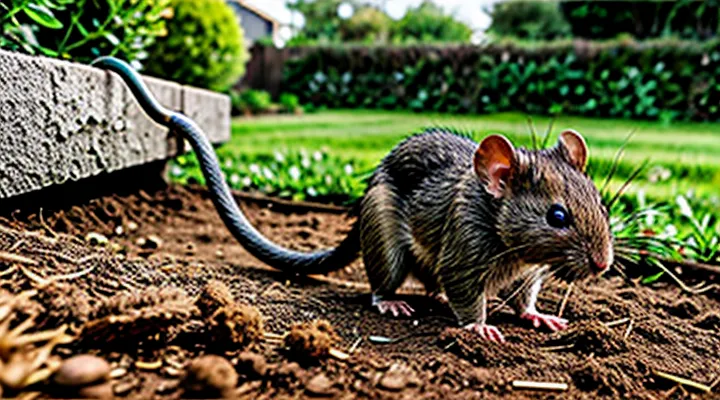
Identifying the Ground Rat
What is a Ground Rat?
Characteristics and Distinguishing Features
The garden ground rat, a small burrowing rodent, can be identified by a combination of morphological traits and activity signs.
Adult size ranges from 10 to 15 cm in body length, with a tail proportionally short—approximately one‑third of the body. Fur coloration varies from brown to gray, often with a lighter ventral surface. Ears are small, rounded, and concealed by dense hair, making them less conspicuous than those of typical mice. Eyes are relatively small and set close to the snout, providing a narrow field of vision.
Key distinguishing features include:
- Cranial structure: Broad skull with a blunt muzzle; incisors are continuously growing and display a characteristic orange‑yellow enamel.
- Foot morphology: Hind feet are broader than forefeet, equipped with strong claws adapted for digging.
- Tail characteristics: Tail is hair‑covered, not scaly, and lacks the prehensile ability seen in arboreal rodents.
- Behavioral markers: Extensive shallow burrow networks, surface runways about 2–3 cm wide, and frequent gnaw marks on plant stems and roots.
- Droppings: Dark, cylindrical pellets measuring 3–5 mm in length, often found near burrow entrances.
These attributes differentiate the garden ground rat from other common garden rodents such as house mice, which possess longer, hairless tails, larger ears, and a more nocturnal foraging pattern. Recognizing these characteristics is essential for accurate identification and subsequent management.
Common Ground Rat Species
The garden environment frequently hosts three ground‑dwelling rodent species that cause damage to plants and soil structure.
Rattus norvegicus (Norway rat)
- Large body, length 20–25 cm, tail shorter than head‑body length.
- Preferred habitats: burrows near water sources, compost piles, dense vegetation.
- Diet includes roots, seedlings, fruits, and insects.
- Signs of activity: extensive runways, gnawed stems, droppings 1–2 cm long, greasy odor.
Rattus rattus (Roof rat)
- Slimmer build, length 16–20 cm, tail longer than head‑body length.
- Occupies higher vegetation, trellises, mulch layers.
- Feeds on fruits, seeds, tender shoots, and stored grains.
- Indicators: narrow pathways in upper canopy, small droppings 0.5 cm, lighter chewing marks.
Mus musculus (House mouse)
- Small size, length 7–10 cm, tail equal to body length.
- Exploits garden debris, seed trays, and irrigation channels.
- Consumes seeds, seedlings, and soft plant tissue.
- Evidence: fine tracks, tiny droppings 0.3 cm, rapid nibbling on young leaves.
Understanding these species’ morphology, habitat preferences, and feeding behavior enables targeted monitoring and effective mitigation in cultivated areas.
Signs of Ground Rat Presence
Damage to Plants and Garden Structures
Ground rats feed on tender foliage, stems, and roots, often leaving irregular bite marks that expose plants to secondary infection. Their gnawing can sever vascular tissue, causing wilting, stunted growth, or complete plant death. Repeated feeding on seedlings eliminates the next generation of crops, reducing overall yield and increasing replacement costs.
Burrowing activity undermines structural components of the garden. Tunnels collapse under raised beds, cracking wooden frames and destabilizing stone pathways. Rats chew through irrigation tubing, plastic mulch, and garden furniture, leading to leaks, water loss, and the need for frequent repairs. Their nests, built from shredded plant material and debris, accumulate near fences and trellises, promoting rot and weakening support systems.
Typical damage manifestations include:
- Chewed leaves with ragged edges
- Severed stems and broken roots
- Visible tunnel networks in soil and mulch
- Cut irrigation hoses and plastic liners
- Gnawed wooden stakes, fences, and garden furniture
- Accumulated nesting material causing moisture retention and decay
Prompt identification of these symptoms enables targeted control measures, preserving both plant health and garden infrastructure.
Burrows and Tunnels
Burrows and tunnels are the primary structures through which garden-dwelling rats navigate soil, store food, and rear young. These subterranean passages are typically 2–4 cm in diameter, extend several meters, and connect multiple entry points such as plant bases, compost piles, and garden edges. The network provides protection from predators and environmental extremes, allowing continuous activity even during cold or wet periods.
Detection relies on observable signs: fresh soil mounds, gnawed plant roots, droppings near entry holes, and audible rustling when soil is disturbed. Systematic inspection of garden beds, raised beds, and perimeter borders reveals the extent of the system.
Control measures target the integrity of the burrow network:
- Fill active tunnels with tightly packed soil or sand, then compact to collapse the passage.
- Install underground barriers of coarse mesh or hardware cloth around high‑value plants, extending 30 cm below the surface.
- Apply rodent‑specific bait stations at tunnel openings, ensuring placement complies with local regulations.
- Introduce natural predators such as barn owls or feral cats to increase pressure on the population.
- Rotate compost piles and keep organic matter sealed to eliminate attractants that encourage tunnel expansion.
Regular monitoring after interventions confirms the reduction of active tunnels and prevents re‑establishment of the subterranean network.
Droppings and Tracks
Droppings and tracks provide the most reliable field evidence of ground rat activity in a garden. Fresh droppings appear as small, dark, cylindrical pellets about 1 cm long, often found near burrow entrances, under low vegetation, or along garden paths. Tracks manifest as shallow, parallel grooves in soft soil, typically 2–3 mm wide and 5–7 cm long, with a characteristic double‑track pattern caused by the animal’s hind feet placement.
To distinguish rat signs from those of other small mammals, note the following differences:
- Size: Rat pellets are larger than mouse feces and lack the pointed ends typical of vole droppings.
- Shape: Rat tracks show a broader front foot imprint compared with the narrow, claw‑marked prints of shrews.
- Distribution: Rats concentrate their deposits along established runways; squirrels and rabbits leave more scattered evidence.
These signs indicate potential health hazards and structural damage. Rat droppings can harbor pathogens such as Leptospira and hantavirus, posing a risk to humans and pets. Repeated trampling of soil weakens plant roots and creates entry points for additional pests.
Effective management hinges on monitoring and sanitation. Remove all visible droppings with disposable gloves and a sealed bag; disinfect the area with a 10 % bleach solution. Flatten or cover tracks using mulch or garden fabric to disrupt runway continuity. Place snap traps or live‑capture devices at the start and end of identified runways, checking them daily to prevent secondary contamination. Regular inspection of droppings and tracks allows early detection and rapid response, limiting population growth and garden damage.
Understanding Ground Rat Behavior
Diet and Feeding Habits
Ground rats that inhabit garden beds consume a broad spectrum of organic material, favoring items that are readily available in cultivated environments. Their diet consists primarily of:
- Young shoots and leaves of vegetables such as lettuce, cabbage, and spinach
- Seeds and kernels from crops like corn, wheat, and sunflowers
- Fruit remnants, including fallen berries and ripened tomatoes
- Root vegetables, especially carrots, radishes, and turnips when exposed
- Invertebrates, notably insects, larvae, and earthworms encountered during foraging
Feeding activity peaks during early morning and twilight hours, aligning with reduced human presence and cooler temperatures. Seasonal shifts influence preferences: spring emphasizes tender foliage, summer expands to include abundant seeds and fruits, while autumn sees increased root consumption as above‑ground vegetation declines. Individual rats can ingest up to 5 % of their body weight per day, translating to measurable loss of garden produce.
Continuous foraging pressure can diminish plant vigor, lower yields, and facilitate disease transmission via bite wounds. Recognizing specific dietary patterns aids in predicting vulnerable crops and timing targeted control measures effectively.
Reproductive Cycle and Population Growth
Ground rats in garden environments reproduce rapidly, driving swift population increases. Adult females reach sexual maturity within 4‑6 weeks after birth, allowing the first breeding cycle to commence early in the season. The gestation period lasts approximately 21‑23 days, after which a litter of 5‑8 juveniles is born. Litters may be produced every 30‑40 days under favorable conditions, and a single female can generate three to five litters per year.
Key factors influencing population growth include:
- Availability of cover and food sources such as seedlings, weeds, and organic debris.
- Ambient temperature and moisture, which affect breeding frequency and juvenile survival.
- Predation pressure from birds, snakes, and mammals; reduced predator presence accelerates expansion.
- Soil disturbance and irrigation practices that create optimal burrowing habitats.
Population density typically follows a logistic curve: an initial exponential rise during the breeding season, followed by a plateau as resources become limited and mortality rises. Overcrowding leads to increased competition, higher disease transmission, and eventual decline until conditions improve, restarting the cycle.
Understanding these reproductive parameters is essential for designing effective control strategies. Timely interventions—such as habitat modification, targeted baiting, and introduction of natural predators—should focus on disrupting breeding cycles before the population reaches its peak, thereby limiting damage to garden plants.
Habitat Preferences in Gardens
Ground rats, commonly identified as voles or field mice, establish burrows and forage in cultivated areas where conditions meet their ecological requirements.
Key habitat characteristics in gardens include:
- Moist, loamy soil that retains humidity and facilitates digging.
- Dense groundcover such as clover, lettuce, or low‑lying herbs providing concealment from predators.
- Accumulated organic debris—mulch, leaf litter, compost heaps—that offers shelter and food sources.
- Proximity to water features or irrigation zones, ensuring a steady supply of moisture.
- Edge habitats where lawn meets woodland or fence lines, creating transitional zones with varied vegetation.
These preferences concentrate ground rat activity in garden sections that combine soft soil, abundant cover, and reliable moisture. Understanding the spatial distribution of such microhabitats enables targeted monitoring and the placement of control measures where infestations are most likely to develop.
Photographic Evidence of Ground Rats
Visual Identification Guide
Ground rats, commonly known as voles or garden mice, can be distinguished by several visual traits that simplify field identification. Adult individuals measure 10–15 cm in body length, with a proportionally short tail ranging from 3 cm to 5 cm. Their fur is usually brown to gray, often with a slightly paler underbelly. Distinctive features include:
- Small, rounded ears that lie flat against the head.
- Eyes positioned high on the skull, giving a wide field of vision.
- A blunt, hairless snout with a subtle pinkish hue.
- Feet equipped with tiny claws, adapted for digging and burrowing.
In addition to the animal itself, signs of presence are observable in the garden environment. Look for:
- Networks of shallow, branching tunnels just below the soil surface, often forming a dense mesh near plant roots.
- Fresh, crescent-shaped bite marks on tender stems, leaves, and seedlings.
- Small, pellet-like droppings—dark, cylindrical, and approximately 5 mm long—scattered near feeding sites.
- Accumulated gnaw marks on bark, seed heads, and wooden garden structures.
Photographic references typically show the vole’s compact body shape, the contrast between its dark dorsal fur and lighter ventral side, and the characteristic tail length that is noticeably shorter than the body. Close-up images of ear placement and snout profile further aid differentiation from similar rodents such as field mice, which possess longer tails and more pointed ears.
Accurate visual identification enables timely implementation of control measures, reducing the risk of extensive plant damage and soil disruption. By recognizing the described physical markers and associated evidence, gardeners can confirm the presence of ground rats and respond appropriately.
Common Sightings in Garden Settings
Ground‑dwelling rodents frequently appear in ornamental beds, vegetable patches, and lawn margins. Gardeners encounter them most often during early spring and late autumn when vegetation is dense and food sources are abundant. Typical observations include active foraging on the soil surface, rapid retreats into burrows, and nocturnal movement along garden edges.
Common indicators of their presence are:
- Freshly gnawed tender shoots or seedlings
- Small, shallow burrow entrances clustered near plant roots
- Runways consisting of cleared grass or soil pathways
- Accumulations of droppings, approximately 5 mm long, dark brown in color
- Scattered seed husks or fruit fragments displaced from plants
These rodents favor habitats that provide cover and easy access to moisture. Mulch layers, leaf litter, and compost piles create favorable microenvironments for nesting and shelter. Dense groundcovers such as thyme, creeping thyme, or low‑growing clover serve as protective corridors that facilitate movement between feeding sites.
Seasonal activity peaks correspond with periods of rapid plant growth. In spring, juveniles emerge from underground nests, increasing foraging pressure on seedlings. During autumn, adults intensify feeding to build fat reserves, leading to heightened damage to mature vegetables and fruiting plants. Monitoring these patterns enables early detection and timely intervention.
Distinguishing from Other Pests
Ground rats (often referred to as field mice) can be confused with insects, slugs, and other small mammals that damage garden plants. Accurate identification prevents misdirected control measures and protects beneficial organisms.
Visual characteristics separate ground rats from insects and mollusks. They possess fur-covered bodies, a pointed snout, and a long, hairless tail that tapers to a point. Their ears are prominent and mobile, unlike the rigid antennae of beetles or the soft mantle of slugs. Fur coloration ranges from gray‑brown to reddish, matching soil tones but distinct from the shiny exoskeleton of beetles.
Behavioral cues further differentiate these rodents. Ground rats are nocturnal, emerging after dusk to forage, whereas many garden insects are diurnal. Their tracks consist of four‑toed footprints with a clear heel pad, contrasting with the smooth, elongated trails left by slugs. Droppings are small, dark, and pellet‑shaped, unlike the liquid frass of caterpillars or the granular waste of beetles.
Key signs of rodent activity include:
- Gnaw marks on stems, roots, and seed heads
- Burrow entrances with loose soil and occasional shredded plant material
- Chewed seed husks and missing seedlings
- Scattered droppings near plant bases
In contrast, insect damage typically appears as holes or skeletonized leaves, while slug damage manifests as ragged, irregular holes surrounded by slime trails. Recognizing these distinctions enables targeted interventions such as trapping, habitat modification, or precise bait placement, avoiding unnecessary pesticide use that may harm non‑target species.
Non-Lethal Control Methods
Exclusion Techniques
Fencing and Barriers
Effective fencing and physical barriers are essential components of an integrated strategy for managing ground‑rat activity in garden environments. Solid, low‑profile fences constructed from metal, heavy‑duty plastic, or treated wood create a continuous obstacle that rats cannot easily climb or burrow through. When installing a fence, embed the lower edge at least 12 inches (30 cm) below the soil surface and extend the top 18–24 inches (45–60 cm) above ground level to prevent both digging and climbing. Secure the fence to sturdy posts set in concrete to resist wind and animal pressure.
Additional barrier measures complement fencing:
- Wire mesh (hardware cloth) with openings no larger than ¼ inch (6 mm) placed around raised beds, compost piles, and storage sheds.
- Rubber or metal edging installed around garden beds to deter rats from crossing into planting zones.
- Buried skirts made of fine mesh extending 6–12 inches (15–30 cm) outward from the fence line to block subterranean entry points.
- Trench barriers filled with coarse gravel or crushed stone, positioned 12 inches (30 cm) deep along fence bases to discourage digging.
Regular inspection of all barriers ensures integrity; replace damaged sections promptly and repair any gaps caused by settling soil or plant growth. Combining robust fencing with supplemental mesh and ground‑level defenses markedly reduces ground‑rat incursions while preserving the garden’s aesthetic and functional integrity.
Garden Bed Protection
Garden beds are vulnerable to burrowing rodents that damage roots, consume seedlings, and create unsightly tunnels. Effective protection combines physical barriers, habitat modification, and targeted control measures.
Physical barriers prevent entry and limit damage. Install a fine‑mesh (1 mm) hardware cloth or galvanized steel edging around the perimeter of each bed, burying the bottom 15–20 cm to block underground tunneling. Overhead covers such as shade cloth or low tunnels deter climbing and provide additional shelter from predators.
Habitat modification reduces attraction. Remove debris, excess mulch, and weeds that offer cover. Keep the soil surface dry and well‑drained; damp conditions encourage activity. Rotate crops annually and avoid planting species that produce abundant seed heads favored by rodents.
Targeted control measures include:
- Live traps placed near entry points; check and release captured animals promptly to comply with local regulations.
- Snap traps positioned along burrow runs, using bait such as peanut butter or grain.
- Rodent‑repellent granules containing natural compounds (e.g., capsaicin, garlic oil) applied according to label directions.
- Predator encouragement by installing raptor perches or encouraging foxes and hedgehogs, which naturally limit rodent populations.
Monitoring through regular visual inspection and periodic photography documents damage patterns and verifies the efficacy of interventions. Adjust barrier depth, trap placement, or repellent dosage based on observed activity to maintain optimal protection.
Repellents
Natural Repellents
Ground rats cause extensive damage to vegetable beds, ornamental shrubs, and root systems. Natural repellents offer a chemical‑free alternative that integrates with garden ecosystems while deterring rodents.
Effective botanical repellents include:
- Peppermint oil – concentrated extract applied to cotton balls or diluted in water and sprayed on plant stems; strong scent disrupts rodent olfactory cues.
- Garlic and onion slurry – blend of crushed cloves and bulbs with water; soak soil around the perimeter and reapply after rain.
- Hot pepper spray – solution of capsaicin powder dissolved in carrier oil; creates an irritating surface that rodents avoid.
- Eucalyptus or citronella leaves – spread dried foliage around vulnerable rows; volatile compounds act as a continuous deterrent.
Animal‑derived repellents rely on predator signals:
- Mink or fox urine – commercial granules sprinkled near tunnels; scent of a natural enemy triggers avoidance behavior.
- Predator hair or feathers – placed in bait stations; visual cues reinforce perceived threat.
Physical methods complement chemical deterrents:
- Copper mesh – line garden borders with fine copper strips; slight electrical sensation discourages gnawing.
- Diatomaceous earth – scatter around plant bases; abrasive particles damage rodent footpads, reducing activity.
Application guidelines:
- Prepare a fresh solution before each use; potency diminishes after 48 hours.
- Apply at dusk, when rodents are most active, to maximize exposure.
- Rotate at least two different repellents weekly to prevent habituation.
- Monitor rodent tracks and feeding signs; adjust concentration if damage persists.
Safety considerations:
- Avoid direct contact with eyes and skin; wear gloves when handling concentrated oils.
- Verify that chosen repellents do not harm pollinators; apply barriers to protect flowering crops during bloom.
- Store all preparations in sealed containers away from children and pets.
Integrating these natural repellents with regular garden sanitation—removing debris, securing compost, and sealing entry points—creates a comprehensive, environmentally responsible strategy for managing ground rat populations.
Commercial Repellents
Commercial repellents represent the primary non‑chemical option for deterring ground rats in cultivated areas. These products are formulated to emit odors, tastes, or tactile sensations that ground rats find aversive, thereby reducing their presence without direct poisoning.
Typical categories include:
- Granular deterrents containing capsaicin or mustard oil, applied around planting beds and along garden borders.
- Spray‑on formulations based on predator urine or synthetic ferret scent, suitable for foliage and soil surfaces.
- Ultrasonic devices marketed as portable repellent units, emitting frequencies reported to disrupt rodent communication.
Effectiveness depends on correct placement, reapplication after rain, and integration with habitat‑modification practices such as removing debris and securing compost. Commercial repellents are regulated by agricultural authorities; users should verify product registration numbers and follow label instructions to ensure compliance and safety for non‑target organisms.
Habitat Modification
Garden Cleanliness
Maintaining a tidy garden directly reduces the likelihood of ground‑rat incursions. Removing excess organic material eliminates shelter and food sources that encourage burrowing and foraging.
Untrimmed grass, piled leaves, and unmanaged compost heaps create microhabitats ideal for small rodents. Regular mowing shortens vegetation, exposing potential tunnels and discouraging nesting. Compost should be kept in sealed containers or turned frequently to prevent easy access.
- Collect fallen fruit, seeds, and vegetable scraps daily.
- Rake and dispose of leaf litter at least once per month.
- Keep garden edges cleared of woody debris and dense shrubs.
- Store firewood off the ground and away from garden beds.
- Seal gaps in fences, garden beds, and raised structures.
A schedule of weekly inspection, bi‑weekly mowing, and monthly deep cleaning sustains an environment hostile to ground rats while preserving plant health. Consistent application of these measures limits rodent activity without reliance on chemical controls.
Managing Food Sources
Effective control of garden ground rats begins with eliminating the food that sustains their populations. Remove fallen fruit, vegetable scraps, and seed heads before they become accessible. Store compost in sealed containers and keep pet feed indoors. Regularly clear bird feeders of spilled seed and install squirrel‑proof designs to reduce accidental provisioning.
- Trim low‑lying vegetation that shelters insects and seedlings.
- Harvest ripe produce promptly and dispose of over‑ripe material in a locked trash bin.
- Apply mulch sparingly; choose coarse, inorganic alternatives when possible.
- Install metal or rigid plastic barriers around raised beds to block entry.
- Use motion‑activated lights or ultrasonic devices to deter foraging during night hours.
Monitoring the garden for signs of foraging—chewed leaves, gnawed roots, and droppings—provides feedback on the adequacy of food‑source management. Adjust sanitation practices immediately when evidence of attraction appears. Integrating these measures with visual documentation of damage and rat activity enhances decision‑making and supports long‑term reduction of the pest population.
Lethal Control Methods
Trapping
Live Traps and Relocation (Ethical Considerations)
Live traps provide a humane alternative to lethal control for garden ground rats. The device captures the animal without injury, allowing owners to move it to a suitable release site. Proper trap placement—near burrow entrances, along established runways, and at dusk—maximizes capture rates while minimizing stress on the target.
Ethical considerations for relocation include:
- Species suitability: Ensure the rat is native to the release area to avoid ecological disruption.
- Distance: Relocate at least several miles away from the original garden to prevent immediate return.
- Habitat quality: Choose a location with adequate shelter, food sources, and low predator density.
- Legal compliance: Verify local wildlife regulations, as some jurisdictions restrict the release of certain rodent species.
- Health assessment: Inspect the captured rat for parasites or disease before transport to protect both the animal and the new environment.
After release, monitor the original garden for signs of re‑entry. If the rat returns, reassess trap placement, consider exclusion methods such as sealing burrow openings, and repeat the humane capture cycle. This systematic approach balances effective pest management with respect for animal welfare.
Snap Traps
Snap traps provide a rapid, mechanical solution for reducing ground‑rat activity in garden beds. The device consists of a hinged steel bar that releases under tension when a trigger mechanism is activated by the animal’s movement. Upon release, the bar strikes the rat’s neck or spine, delivering an instantaneous kill.
Effective deployment requires attention to placement, bait selection, and safety. Position traps along established runways, near burrow entrances, or adjacent to vegetable rows where foraging activity concentrates. Conceal the trap’s body with soil or mulch to prevent visual detection while keeping the trigger exposed.
Bait options include high‑protein items such as dried fish, peanut butter, or small pieces of meat. Apply a pea‑sized amount to the trigger platform; excessive bait may diminish sensitivity. Replace bait daily to maintain freshness and attract reluctant individuals.
Safety considerations:
- Secure traps away from children and non‑target wildlife.
- Wear gloves when handling to avoid accidental triggering.
- Inspect traps after each capture to remove the carcass promptly and reset the mechanism.
Maintenance guidelines:
- Check traps each morning and evening.
- Clean the steel bar with a mild detergent to prevent rust.
- Re‑tension the spring after each use to ensure consistent force.
- Store unused traps in a dry container.
When snap traps prove insufficient, integrate them with additional measures such as habitat modification, predator encouragement, or baited live‑capture devices. Compliance with local regulations is mandatory; some jurisdictions restrict the use of lethal traps in residential areas.
Overall, snap traps deliver immediate, humane control when applied with strategic placement, appropriate bait, and rigorous safety protocols.
Electronic Traps
Electronic traps provide a rapid, non‑chemical solution for managing ground rats that damage garden plants. These devices emit a high‑frequency pulse or a short electric shock when the rodent contacts the trigger plate, causing immediate immobilization without harming beneficial insects or the soil ecosystem.
Typical models include:
- Pulse‑type units: generate a brief electromagnetic burst that disrupts the rat’s nervous system, leading to swift incapacitation.
- Shock‑type units: deliver a low‑voltage electric current through a conductive grid; the rat receives a painful but non‑lethal shock, prompting retreat.
- Hybrid systems: combine pulse and shock mechanisms to increase effectiveness across different rodent sizes.
Key operational considerations:
- Placement – Position traps along established runways, near burrow entrances, and close to vegetable rows where activity is highest. Ensure the device is level with the ground to maximize contact.
- Power supply – Use rechargeable batteries with a capacity of at least 2000 mAh for continuous operation through a growing season. Solar‑assisted models reduce maintenance intervals.
- Safety – Install protective covers to prevent accidental contact by children or pets. Verify that the voltage complies with local wildlife protection regulations.
- Maintenance – Clean trigger plates weekly to remove soil and debris that can impede sensitivity. Replace battery packs after 300 hours of active use or when indicator lights signal low charge.
Integrating electronic traps with complementary strategies—such as habitat modification, physical barriers, and targeted bait stations—enhances overall control efficacy. Monitoring trap activity through built‑in LED alerts or Bluetooth notifications allows timely adjustments to trap density and positioning, ensuring consistent reduction of rat populations throughout the garden.
Baits and Poisons
Types of Rodenticides
Rodenticides used to manage garden‑dwelling rats fall into several distinct chemical families, each with specific properties and application considerations.
Anticoagulant rodenticides interfere with blood clotting, leading to fatal hemorrhage after ingestion. First‑generation compounds (warfarin, diphacinone) require multiple feedings to achieve lethal dose. Second‑generation agents (bromadiolone, brodifacoum, difethialone) are more potent, often effective after a single meal, and persist longer in the environment.
Metal phosphides release phosphine gas when metabolized, causing rapid cellular failure. Zinc phosphide is common for outdoor use; pellets dissolve in moisture, exposing rats to the toxic gas. Application demands careful placement to prevent non‑target exposure.
Neurotoxic rodenticides affect the central nervous system. Strychnine induces uncontrolled muscle contractions leading to death by asphyxiation. Use is restricted in many regions due to high acute toxicity and risk to wildlife.
Bromethalin belongs to the uncoupling class, disrupting mitochondrial energy production. A single dose can be lethal, and symptoms appear within hours. Products containing bromethalin are formulated as baits with low secondary poisoning potential.
Regulatory classifications separate rodenticides into:
- Anticoagulants – first‑ and second‑generation
- Phosphides – zinc phosphide
- Neurotoxins – strychnine
- Mitochondrial uncouplers – bromethalin
Selection of a rodenticide should consider target species, bait acceptance, residence time, and local legal restrictions. Proper placement, bait security, and monitoring reduce risks to pets, humans, and beneficial wildlife.
Safe Application and Disposal
When treating ground‑rat infestations in a garden, the safety of people, pets, and beneficial wildlife depends on precise product handling and responsible waste management. Apply chemical baits only after confirming the target species, using the label‑specified dosage and placing them in tamper‑resistant stations that prevent accidental contact. Avoid spreading granules on windy days; instead, distribute them on calm mornings and keep the area dry to reduce drift.
Disposal of used bait containers, dead rodents, and contaminated soil must follow local regulations for hazardous waste. Rinse empty containers with water, place them in sealed plastic bags, and deliver them to an approved collection point. For carcasses, encase each in a biodegradable bag, label it clearly, and arrange pickup by a licensed disposal service. Do not compost dead rats, as this can spread disease and attract scavengers.
To minimize environmental impact, integrate non‑chemical controls with safe application practices:
- Install snap or live traps in concealed locations; check them daily and release or euthanize captured animals promptly.
- Employ habitat modification—remove debris, trim dense vegetation, and store compost in sealed bins—to reduce shelter and food sources.
- Rotate bait formulations annually to prevent resistance and reduce residual toxicity in the soil.
Record every application: date, product name, concentration, exact placement, and disposal actions. Maintaining accurate logs supports compliance audits and enables rapid adjustment of strategies if adverse effects arise.
Risks to Non-Target Animals and Children
Ground rats in garden environments often prompt the use of chemical baits, snap traps, and rodent‑specific poisons. These control measures can inadvertently affect other wildlife and young residents.
- Rodenticides contain anticoagulants or neurotoxins that secondary‑consume predators such as foxes, hedgehogs, birds of prey, and domestic cats. Non‑target ingestion may result in internal bleeding, organ failure, or death.
- Bait stations placed at ground level are accessible to dogs, cats, and small mammals. Accidental consumption can cause rapid onset of vomiting, seizures, or fatal outcomes.
- Snap traps positioned near pathways risk accidental activation by children or pets, leading to severe lacerations or fatal injuries.
- Granular or powdered poisons spread in soil can be ingested by earthworms, amphibians, and insects, disrupting soil ecology and food chains.
- Children playing in gardens may handle bait packages or trap components, exposing them to toxic substances or mechanical injury. Ingestion of even small doses of anticoagulant bait can produce hemorrhagic complications within hours.
Mitigation requires strict placement of bait stations out of reach, use of tamper‑proof containers, and selection of traps with safety mechanisms that prevent accidental closure. Education of household members about the hazards, combined with regular monitoring of trap sites, reduces the probability of unintended exposure.
Integrated Pest Management for Ground Rats
Combining Control Strategies
Effective management of garden rats requires a coordinated blend of cultural, mechanical, biological, and chemical tactics. Cultural measures—such as regular removal of fallen fruit, pruning dense foliage, and maintaining clean compost—reduce food availability and shelter. Mechanical tools, including snap traps, live‑catch cages, and reinforced barriers, provide immediate population reduction while limiting non‑target impacts. Biological options, like encouraging predatory birds or deploying rodent‑specific viruses, complement other methods by sustaining long‑term pressure. Chemical interventions, restricted to licensed rodenticides applied in bait stations, address severe infestations when other measures fall short.
Combining these elements follows a systematic pattern:
- Conduct a site survey to identify entry points, food sources, and harborage.
- Implement cultural practices to eliminate attractants.
- Install mechanical devices at identified pathways, monitoring capture rates weekly.
- Deploy bait stations with rodenticides only after confirming that traps alone are insufficient.
- Encourage natural predators by installing nesting boxes and preserving perching sites.
- Review data monthly, adjusting the mix of tactics according to capture trends and environmental conditions.
Success depends on consistent execution, accurate record‑keeping, and flexibility to modify the strategy as rat activity fluctuates. Integrating multiple controls minimizes reliance on any single method, reduces resistance development, and safeguards garden health.
Monitoring and Prevention
Effective surveillance of garden rodents relies on regular visual checks, trap inspections, and evidence collection. Inspect soil, mulch, and plant bases weekly for fresh droppings, gnaw marks, or burrow entrances. Place motion‑activated cameras near suspected activity zones to capture nocturnal movement and identify population density.
Preventive actions reduce infestation risk without chemical reliance.
- Install physical barriers such as fine‑mesh fencing buried 12 inches underground around vegetable plots.
- Maintain a clean environment by removing fallen fruit, seeds, and excessive leaf litter that attract foraging.
- Apply rodent‑deterrent plants (e.g., mint, rosemary) along perimeter rows to create an unpleasant scent corridor.
- Use snap or live traps positioned at entry points, checking and resetting them daily.
Integrating systematic monitoring with these preventative measures limits rodent damage, preserves plant health, and supports sustainable garden management.
Professional Pest Control Services
Professional pest control providers address garden rodent infestations with systematic evaluation, targeted treatment, and ongoing monitoring. Technicians begin with a site inspection to identify entry points, activity zones, and population density. Findings guide the selection of control tactics that comply with local regulations and minimize impact on non‑target organisms.
Key components of a professional service include:
- Inspection and reporting – detailed documentation of signs, damage, and risk factors.
- Integrated control plan – combination of baiting, trapping, and habitat modification.
- Application of registered rodenticides – precise placement, calibrated dosages, and safety protocols.
- Exclusion measures – sealing gaps, installing barriers, and advising on landscaping practices that deter rodents.
- Follow‑up visits – verification of efficacy, adjustment of tactics, and final clearance certification.
Clients benefit from licensed expertise, liability coverage, and access to products unavailable to private individuals. Service contracts often outline response times, warranty periods, and cost structures, enabling transparent budgeting for residential or commercial garden owners. Selecting a provider with documented certifications and a record of compliance ensures that rodent control is effective, lawful, and environmentally responsible.