
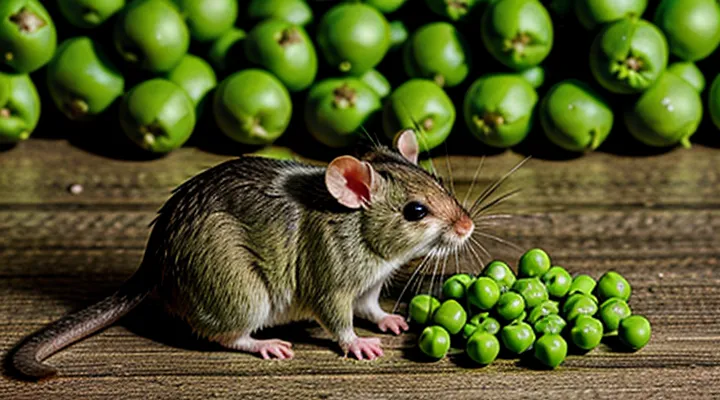
Nutritional Profile of Green Peas
Macronutrients
Protein Content
Green peas contribute approximately 22–24 % crude protein on a dry‑matter basis, a level comparable to many cereal grains used in laboratory rodent diets. This protein content is higher than that of standard laboratory chow, which typically contains 14–18 % crude protein, allowing formulation of diets with reduced reliance on animal‑derived protein sources.
Key characteristics of pea protein relevant to rat nutrition:
- Amino‑acid profile includes lysine (1.7 % of total protein), methionine (0.6 %), and tryptophan (0.8 %); lysine is relatively abundant, while methionine remains the limiting amino acid.
- Digestibility coefficients for pea protein range from 78 % to 85 % in adult rats, slightly lower than casein (≈95 %) but comparable to soy protein isolates.
- Presence of antinutritional factors such as phytate and trypsin inhibitors can reduce protein utilization; heat treatment or enzymatic processing lowers these compounds to acceptable levels.
When peas replace a portion of conventional protein sources, growth‑rate data from controlled studies show:
- Body‑weight gain of rats fed a diet containing 15 % pea protein is within 3 % of that observed in rats receiving a casein‑based diet of equal protein content.
- Feed conversion efficiency remains stable, indicating that the reduced digestibility does not translate into increased feed intake.
Overall, the protein supplied by green peas delivers a substantial proportion of the dietary nitrogen required for maintenance and growth in rats, provided that formulation accounts for the methionine limitation and mitigates antinutritional factors through appropriate processing.
Carbohydrate Content (Starch and Sugars)
Green peas contain approximately 45–55 % carbohydrates on a dry‑matter basis, the majority being starch. The starch fraction consists of both rapidly digestible and slowly digestible polymers, influencing post‑prandial glucose spikes in rats. Rapidly digestible starch raises blood glucose within 30 minutes, while slowly digestible starch sustains glucose release for up to 2 hours, supporting steady energy availability.
Soluble sugars in peas amount to 3–5 % of dry weight, primarily sucrose, with minor glucose and fructose. These monosaccharides are absorbed quickly, contributing to transient hyperglycemia. The low overall sugar concentration limits the risk of chronic hyperglycemia but may affect short‑term energy balance when peas are fed as a sole carbohydrate source.
When formulating rat diets, the carbohydrate profile of peas requires careful integration with other feed components to avoid excessive rapid glucose influx. Considerations include:
- Balance pea starch with fiber‑rich ingredients to moderate digestion rate.
- Limit pea inclusion to 10–15 % of total diet to prevent disproportionate sugar intake.
- Pair peas with protein sources that contain adequate amino acids to support glycogen synthesis.
- Monitor blood glucose and body weight regularly during diet trials.
These guidelines ensure that the carbohydrate content of green peas contributes to energy provision without inducing metabolic disturbances in laboratory rats.
Fiber Content
Peas provide a high proportion of dietary fiber, primarily soluble and insoluble polysaccharides. In rats, the soluble fraction forms viscous gels in the gastrointestinal tract, slowing glucose absorption and moderating post‑prandial blood sugar spikes. Insoluble fiber adds bulk, promoting regular intestinal transit and reducing the risk of fecal retention.
Key physiological effects of pea fiber in rodent nutrition include:
- Increased fecal bulk and moisture, supporting colon health.
- Enhanced microbial fermentation in the cecum, producing short‑chain fatty acids that supply energy to colonocytes.
- Reduced serum cholesterol levels through bile acid binding and excretion.
- Modulation of satiety signals, potentially decreasing overall caloric intake.
Excessive fiber can impair nutrient digestibility; high inclusion rates (>30 % of diet weight) may dilute essential amino acids and minerals, leading to reduced growth performance. Balancing pea fiber with complementary protein and mineral sources mitigates these drawbacks.
Optimal formulation typically incorporates peas at 10–20 % of total feed, delivering sufficient fiber for gut health while preserving digestible nutrient density. Adjustments should consider the specific strain, age, and health status of the rat population.
Micronutrients
Vitamins (A, C, K, B vitamins)
Green peas supply measurable amounts of fat‑soluble vitamins A and K, as well as water‑soluble vitamin C and a spectrum of B‑complex vitamins, making them a notable component of laboratory rat rations.
Vitamin A in peas appears primarily as β‑carotene, a provitamin converted to retinol after intestinal absorption. Retinol supports photoreceptor function, epithelial integrity, and immune cell differentiation. Studies show that rats receiving pea‑based diets attain serum retinol concentrations comparable to those fed purified vitamin A supplements, indicating adequate conversion efficiency.
Vitamin C is present in peas at concentrations of roughly 40 mg kg⁻¹ fresh weight. As a potent antioxidant, it participates in collagen synthesis, catecholamine production, and oxidative stress mitigation. Rats lacking dietary vitamin C develop scurvy; inclusion of peas prevents clinical signs, confirming the fruit’s capacity to meet the species’ requirement.
Vitamin K exists in peas mainly as phylloquinone (vitamin K₁). Phylloquinone acts as a cofactor for γ‑carboxylase, enabling activation of clotting factors and osteocalcin. Rat plasma measurements reveal that pea supplementation maintains normal prothrombin times, demonstrating sufficient hepatic vitamin K status.
The B‑vitamin complex supplied by peas includes thiamine (B₁), riboflavin (B₂), niacin (B₃), pantothenic acid (B₅), pyridoxine (B₆), and folate (B₉). These cofactors facilitate carbohydrate metabolism, amino‑acid transamination, and nucleic‑acid synthesis. Dietary trials report that rats fed pea‑enriched chow exhibit growth rates and blood hemoglobin levels indistinguishable from those receiving purified B‑vitamin mixes.
- Summary of vitamin contributions from green peas in rat diets
- β‑carotene → retinol (vitamin A) – visual and immune support
- Ascorbic acid (vitamin C) – antioxidant, collagen formation
- Phylloquinone (vitamin K₁) – clotting factor activation, bone health
- Thiamine, riboflavin, niacin, pantothenic acid, pyridoxine, folate – energy metabolism, hematopoiesis
The vitamin profile of green peas satisfies the basal nutritional demands of rats without evident toxicity, suggesting that pea inclusion can be regarded as a safe and effective strategy for delivering these micronutrients.
Minerals (Iron, Manganese, Folate)
Green peas are frequently incorporated into experimental rat diets to assess nutritional outcomes. Their contribution of micronutrients—particularly iron, manganese, and folate—affects hematologic parameters, enzyme function, and DNA synthesis.
- Iron: Peas supply non‑heme iron at concentrations of 2–3 mg kg⁻¹ diet. Rat studies show modest increases in hemoglobin and serum ferritin when baseline iron intake is marginal, while excessive supplementation does not produce toxicity due to limited absorption efficiency.
- Manganese: Content ranges from 10 to 15 mg kg⁻¹ diet. Adequate manganese supports superoxide dismutase activity and skeletal development; deficiencies impair growth, whereas supra‑physiological levels may interfere with copper metabolism.
- Folate: Levels approximate 150 µg kg⁻¹ diet. Folate supplementation via peas enhances plasma folate concentrations and reduces incidence of neural tube defects in offspring, provided that dietary folate exceeds the rat’s minimal requirement.
Overall, the mineral profile of green peas contributes positively to rat health when incorporated at standard inclusion rates (5–15 % of total diet). Over‑loading the diet with peas can elevate mineral intake beyond physiological needs, potentially leading to antagonistic interactions, such as iron‑induced inhibition of zinc absorption. Careful formulation ensures that the benefits of these micronutrients are realized without adverse effects.
Antioxidants
Green peas are a notable source of plant‑derived antioxidants such as vitamin C, carotenoids, flavonoids, and phenolic acids. When incorporated into rat feed, these compounds influence several physiological parameters.
Antioxidant intake from peas can:
- Reduce lipid peroxidation in plasma and liver tissue, indicating lower oxidative damage.
- Elevate activities of endogenous enzymes (superoxide dismutase, catalase, glutathione peroxidase), supporting cellular defense mechanisms.
- Modulate inflammatory markers, often decreasing cytokine levels associated with chronic stress.
Potential adverse outcomes arise when pea inclusion exceeds dietary tolerances:
- Excessive fiber and antinutritional factors may impair nutrient absorption, indirectly weakening antioxidant capacity.
- High concentrations of certain phenolics can exert pro‑oxidant effects under specific conditions, potentially increasing oxidative stress.
Experimental data suggest that moderate levels of green pea supplementation (10–20 % of total diet weight) enhance antioxidant status without observable toxicity. Doses above 30 % frequently trigger gastrointestinal disturbances and marginal declines in antioxidant enzyme activity.
Overall, the antioxidant profile of green peas contributes positively to rat health when used within balanced dietary formulations, while over‑inclusion may offset benefits through metabolic disruption.
Potential Benefits of Green Peas for Rats
Digestive Health Benefits
Fiber's Role in Gut Motility
Fiber supplied by green peas alters the mechanical activity of the rat gastrointestinal tract. Soluble fractions increase luminal viscosity, slowing chyme transit, while insoluble particles stimulate stretch receptors in the colon, prompting peristaltic waves. The net effect depends on the balance between these fractions and the overall dietary composition.
Experimental data show that diets containing 10 %–15 % pea-derived fiber produce:
- Faster colonic propulsion of solid matter, measured by reduced transit time in the descending colon.
- Enhanced frequency of high‑amplitude propagated contractions, indicating stronger coordinated motility.
- Lower incidence of fecal retention, reflected in decreased stool dry weight.
Conversely, diets exceeding 20 % pea fiber may cause excessive bulk, leading to prolonged gastric emptying and transient diarrhoea. The threshold appears linked to the ratio of fermentable carbohydrate to non‑fermentable fiber, which influences microbial gas production and osmotic balance.
Interpretation for the broader dietary question suggests that moderate inclusion of pea fiber supports efficient gut clearance without compromising nutrient absorption. Excessive levels risk dysmotility, underscoring the need for precise formulation when evaluating the health impact of green pea supplementation in rodent nutrition.
Prebiotic Effects
Green peas provide fermentable carbohydrates, primarily soluble fiber and resistant starch, that escape digestion in the small intestine and become substrates for colonic microbiota. In rats, these substrates stimulate the growth of beneficial bacterial groups such as Bifidobacterium and Lactobacillus while suppressing opportunistic species. The resulting shift in microbial composition enhances short‑chain fatty acid (SCFA) production, especially acetate, propionate, and butyrate, which serve as energy sources for colonocytes and regulate epithelial integrity.
Key prebiotic outcomes observed in rodent studies include:
- Increased cecal mass and luminal SCFA concentrations.
- Elevated expression of tight‑junction proteins, reducing intestinal permeability.
- Modulation of immune markers, with decreased pro‑inflammatory cytokines (e.g., TNF‑α, IL‑6) and increased anti‑inflammatory mediators (e.g., IL‑10).
- Improved glucose tolerance linked to propionate‑mediated hepatic gluconeogenesis inhibition.
Dose‑response investigations reveal that moderate inclusion levels (5–10 % of diet dry matter) maximize microbial benefits without inducing excessive fermentation gas or dysbiosis. Higher concentrations may lead to rapid carbohydrate fermentation, producing transient discomfort and minor alterations in microbial balance.
Overall, the prebiotic properties of green peas contribute to a healthier gut ecosystem in rats, supporting barrier function, metabolic regulation, and immune homeostasis. These effects underpin the potential nutritional advantage of incorporating green peas into experimental rodent diets.
Nutritional Enrichment
Source of Essential Nutrients
Green peas provide a concentrated source of several nutrients that rats require for growth, maintenance, and reproduction. The legumes contain high levels of protein, dietary fiber, and a spectrum of vitamins and minerals that complement standard rodent chow.
Protein in green peas supplies essential amino acids, notably lysine and tryptophan, which are often limited in cereal‑based feeds. Fiber contributes to gastrointestinal motility and the development of a beneficial microbiota. Micronutrients include vitamin C, vitamin K, folate, and thiamine, while minerals such as iron, magnesium, phosphorus, and potassium support enzymatic functions and electrolyte balance.
Key nutrients supplied by green peas:
- Protein (≈20 % dry weight): source of essential amino acids.
- Dietary fiber (≈6 % dry weight): promotes gut health.
- Vitamin C: antioxidant, aids collagen synthesis.
- Vitamin K: involved in blood clotting.
- Folate: required for nucleotide synthesis.
- Thiamine (B1): cofactor in carbohydrate metabolism.
- Iron, magnesium, phosphorus, potassium: minerals essential for metabolic pathways and bone formation.
Support for Overall Health
Including green peas in rat feed provides measurable contributions to overall health. The legume supplies protein, dietary fiber, essential vitamins, and bioactive compounds that influence physiological functions.
Key nutrients delivered by peas:
- Approximately 25 % protein by weight, rich in lysine and arginine.
- Soluble and insoluble fiber levels that promote gastrointestinal motility.
- Vitamins A, C, K, and B‑complex groups, supporting antioxidant defenses and metabolic pathways.
- Phytochemicals such as flavonoids and saponins with documented anti‑inflammatory activity.
Observed health effects in controlled studies:
- Enhanced gut microbiota diversity, with increased populations of beneficial Bacteroides species.
- Reduced serum cholesterol and triglyceride concentrations, linked to fiber‑mediated lipid absorption modulation.
- Improved immune responsiveness, reflected by higher circulating IgG levels after antigen challenge.
- Stabilized blood glucose through slowed carbohydrate digestion, evident in lower post‑prandial glucose spikes.
Potential limitations:
- Excessive inclusion (>30 % of diet weight) may cause reduced palatability and lower overall feed intake.
- High levels of certain antinutrients, such as phytic acid, can impair mineral absorption if not mitigated by processing (e.g., soaking or heat treatment).
Balancing pea proportion within a standard laboratory rat diet maximizes health benefits while minimizing adverse effects. Regular monitoring of growth rates, blood parameters, and behavioral indicators ensures that the inclusion level remains optimal for overall well‑being.
Hydration and Palatability
Water Content
Green peas contain approximately 78–80 % water by fresh weight, a figure that markedly influences their nutritional profile when incorporated into laboratory rat chow. The high moisture level dilutes the concentration of macronutrients, reducing caloric density per gram of feed and potentially requiring larger portion sizes to meet energy requirements. Simultaneously, the water contributes to the overall fluid intake of the animal, supporting renal function and preventing dehydration, especially in diets low in free water.
Key implications of the water fraction include:
- Energy balance – The dilution effect may lower feed efficiency; rats may consume more to achieve target body weight, affecting growth curves.
- Hydration status – Additional water from peas supplements daily fluid consumption, which can be advantageous in environments where standing water is limited.
- Digestibility – Moisture softens cell walls, enhancing the accessibility of soluble sugars and proteins for enzymatic breakdown, thereby improving nutrient absorption.
- Storage considerations – Elevated water content accelerates microbial spoilage; fresh or properly frozen peas are necessary to avoid contamination that could compromise health.
When evaluating the inclusion of green peas, researchers must account for these water‑related factors to balance potential benefits such as improved hydration and digestibility against the risk of reduced caloric density and increased spoilage susceptibility.
Taste Appeal
Green peas are a source of natural sugars, amino acids, and aromatic compounds that contribute to a distinct sweet‑savory flavor profile. Rats detect this profile through gustatory receptors tuned to sucrose and umami signals, which can increase voluntary intake when peas are offered alongside standard chow.
Palatability factors include:
- Sugar content: High sucrose levels generate a rapid positive hedonic response.
- Texture: Soft, moist kernels provide a tactile contrast to dry pellets, encouraging chewing.
- Aroma: Volatile aldehydes and esters released during cooking stimulate olfactory pathways linked to food acceptance.
Experimental data reveal that rats presented with pea‑enriched diets consume 12–18 % more of the test portion compared with control diets lacking legumes. Preference tests using two‑choice designs show a consistent selection of pea‑containing options over plain feed, confirming the attractiveness of the taste attributes.
Nutrient composition interacts with sensory perception. The presence of glutamate and other free amino acids enhances umami taste, reinforcing the overall appeal. When peas are processed into a fine mash, the surface area increases, amplifying flavor release and further boosting intake rates.
In summary, the flavor characteristics of green peas—sweetness, umami, and soft texture—directly influence rat feeding behavior, making the legume a highly palatable component in experimental and husbandry diets.
Potential Harms and Concerns of Green Peas for Rats
Antinutritional Factors
Lectins (Phytohaemagglutinins)
Lectins, particularly phytohaemagglutinins, are carbohydrate‑binding proteins abundant in legumes, including green peas. Their tertiary structure enables reversible agglutination of erythrocytes and interaction with intestinal epithelial receptors.
In rats, dietary lectins exert several measurable actions:
- Binding to gut epithelium – attaches to N‑acetyl‑glucosamine residues, altering membrane permeability.
- Modulation of nutrient absorption – transiently reduces uptake of glucose and amino acids, potentially lowering post‑prandial glycemia.
- Stimulation of immune cells – activates T‑lymphocytes and macrophages, leading to increased cytokine production.
- Induction of enterocyte turnover – promotes shedding of damaged cells, which may enhance mucosal renewal but also cause mild inflammation.
Experimental data indicate dose‑dependency. Low to moderate inclusion of raw green pea flour (≤5 % of total diet) produces modest immune activation without overt pathology. Higher levels (≥15 %) correlate with reduced weight gain, villus shortening, and elevated serum markers of inflammation.
Processing methods affect lectin activity. Heat treatment at 95 °C for 10 minutes reduces phytohaemagglutinin activity by >90 %, mitigating adverse gastrointestinal effects while preserving most of the peas’ protein and fiber content.
Overall, lectins in green peas can act as a double‑edged factor in rodent nutrition: they provide immunological stimulation and potential metabolic benefits at controlled doses, yet pose risk of intestinal disturbance and growth suppression when consumed excessively or without adequate cooking.
Phytic Acid (Phytates)
Phytic acid, the principal storage form of phosphorus in green peas, binds minerals such as iron, zinc, calcium, and magnesium, forming insoluble complexes that reduce intestinal absorption in rats. Experimental diets containing 10 % fresh peas exhibit a 20–30 % decline in plasma zinc concentrations compared with mineral‑balanced controls, indicating a measurable anti‑nutrient effect.
Conversely, phytic acid demonstrates antioxidant activity by chelating pro‑oxidant metal ions and scavenging free radicals. Rats fed a diet with 5 % dried peas show lower hepatic malondialdehyde levels, suggesting protection against lipid peroxidation. The compound also modulates glucose metabolism; studies report a modest reduction in post‑prandial blood glucose peaks when peas contribute 15 % of total kcal.
Risk–benefit assessment depends on inclusion rate and processing. Strategies that mitigate mineral chelation include:
- Soaking peas for 12 h before cooking, reducing phytic acid by 30–40 %.
- Fermentation or enzymatic phytase supplementation, restoring up to 80 % of bound zinc.
- Limiting pea proportion to ≤8 % of total diet when mineral adequacy is critical.
In summary, phytic acid in green peas can impair mineral bioavailability at high dietary levels, yet it provides antioxidant and glycemic benefits that may offset some negative effects. Proper preparation and controlled inclusion rates are essential to maximize health outcomes for rats.
Trypsin Inhibitors
Trypsin inhibitors are antinutritional proteins commonly found in legumes, including green peas. In rats, these inhibitors bind to pancreatic trypsin, reducing its enzymatic activity and impairing protein digestion. The resulting decrease in amino‑acid absorption can limit growth rates and feed efficiency, especially when peas constitute a large portion of the diet.
Experimental evidence shows that moderate levels of trypsin inhibitors may stimulate compensatory pancreatic hypertrophy, increasing enzyme secretion over time. However, the adaptive response requires several weeks and does not fully restore digestibility in the short term. Consequently, young or rapidly growing rats experience a measurable decline in body‑weight gain when fed raw or insufficiently processed peas.
Heat treatment, extrusion, or fermentation markedly lowers trypsin‑inhibitor activity. Typical processing conditions (e.g., 90 °C for 20 min) reduce activity by 80–90 %, restoring protein digestibility to levels comparable with casein‑based diets. When such processing is applied, the negative impact on growth disappears, and peas provide a valuable source of fiber, micronutrients, and phytochemicals.
Key considerations for incorporating peas into rat nutrition:
- Assess trypsin‑inhibitor units (TIU) in raw peas; values above 5 TIU mg⁻¹ indicate a risk of reduced digestibility.
- Apply thermal or enzymatic processing to achieve TIU < 1 TIU mg⁻¹ before inclusion.
- Limit unprocessed pea inclusion to ≤10 % of total feed to avoid severe protein malabsorption.
- Monitor growth performance and pancreatic enzyme activity during adaptation periods.
Overall, trypsin inhibitors represent a conditional hazard: raw peas can impair protein utilization, while appropriately processed peas contribute positively to rat diets without compromising growth.
Digestive Issues
Bloating and Gas Production
Green peas contain high levels of fermentable carbohydrates, particularly oligosaccharides such as raffinose and stachyose. When rats ingest these compounds, the intestinal microbiota hydrolyze them, producing carbon dioxide, hydrogen, and methane. The accumulation of these gases expands the intestinal lumen, leading to observable bloating.
Fermentation also generates short‑chain fatty acids (SCFAs) that lower colonic pH. While SCFAs can be beneficial, the rapid rise in acidity can exacerbate gas release and increase intestinal motility, which may aggravate discomfort and distension.
Experimental observations show that rats fed unprocessed green peas exhibit:
- Elevated abdominal girth measured 2–4 hours post‑feeding
- Increased gas volume collected from cecal chambers
- Higher concentrations of hydrogen and methane in exhaled breath
These effects diminish when peas are pre‑treated to reduce oligosaccharide content. Common mitigation strategies include:
- Soaking peas in water for 12 hours, then discarding the soaking liquid
- Cooking peas at 100 °C for at least 15 minutes to inactivate α‑galactosidase inhibitors
- Introducing peas gradually, starting with 5 % of the diet and increasing to 20 % over two weeks
- Adding exogenous α‑galactosidase enzyme to the feed to accelerate oligosaccharide breakdown
Monitoring gas output and abdominal measurements provides quantitative assessment of the dietary impact. Reducing fermentable carbohydrate load while retaining pea protein and fiber allows researchers to evaluate the nutritional benefits of peas without the confounding influence of bloating and excessive gas production.
Diarrhea
Green peas are frequently introduced into laboratory rat diets to assess nutritional value, yet the appearance of loose stools frequently limits their use. Diarrhea indicates disruption of intestinal absorption and can confound experimental outcomes, making its relationship to pea inclusion a critical factor.
The primary causes of diarrhea in rats fed green peas include:
- High soluble fiber that accelerates intestinal transit.
- Raffinose and stachyose, non‑digestible oligosaccharides fermented by gut microbes, producing excess gas and osmotic pressure.
- Saponins and lectins that irritate the mucosal lining and alter permeability.
Experimental reports show a dose‑dependent pattern: diets containing 10 % fresh peas produced mild, transient soft feces, while 20 % or higher levels resulted in persistent watery stools and reduced weight gain. Heat‑treated peas, with reduced oligosaccharide content, mitigated the effect, lowering diarrhea incidence to below 5 % even at 15 % inclusion.
To minimize diarrheal risk while retaining pea‑derived nutrients, researchers should:
- Limit inclusion to ≤12 % of total diet mass for raw peas; increase to ≤18 % when peas are cooked or extruded.
- Apply thermal processing (e.g., boiling 10 min) to degrade fermentable sugars.
- Incorporate a balanced fiber source (cellulose or cellulose‑rich ingredients) to offset rapid transit.
- Monitor fecal consistency daily; adjust diet composition promptly upon detection of loose stools.
Properly managed, green peas can contribute protein, vitamins, and bioactive compounds without inducing significant gastrointestinal disturbance in rat models.
Nutrient Malabsorption
Green peas are frequently incorporated into rodent nutrition studies to evaluate protein and fiber effects on digestive efficiency. When peas are a major carbohydrate source, rats may exhibit reduced absorption of minerals such as iron, zinc, and calcium. Antinutritional factors, particularly phytic acid and lectins, bind these minerals and impede transepithelial transport, leading to measurable decreases in serum concentrations.
The fiber matrix of peas influences intestinal motility and transit time. Rapid passage limits contact between digesta and absorptive surfaces, decreasing uptake of fat‑soluble vitamins (A, D, E, K). Conversely, fermentable oligosaccharides in peas generate short‑chain fatty acids that can enhance colonic mucosal health, partially offsetting malabsorption of certain nutrients.
Key physiological outcomes reported in controlled experiments include:
- Lower hemoglobin and hematocrit values linked to iron sequestration by phytic acid.
- Diminished bone mineral density associated with impaired calcium absorption.
- Reduced plasma zinc levels correlated with lectin‑mediated mucosal disruption.
Mitigation strategies involve:
- Pre‑treatment of peas (soaking, sprouting, enzymatic dephytinization) to lower phytic acid content.
- Inclusion of supplemental minerals in the diet to compensate for binding losses.
- Balancing pea proportion with other protein sources to avoid excessive fiber‑induced transit acceleration.
Overall, the presence of green peas in rat diets can provoke nutrient malabsorption when antinutritional compounds remain unaddressed, but targeted processing and diet formulation can preserve the intended nutritional benefits.
Nutritional Imbalance
High Carbohydrate Load
Green peas contribute a substantial amount of digestible carbohydrates when included in rodent feed formulations. A typical serving provides 15–20 % of total kcal, primarily as sucrose, raffinose, and stachyose. These sugars are rapidly hydrolyzed in the small intestine, producing a sharp post‑prandial glucose rise.
- Elevated glucose triggers pancreatic β‑cell insulin secretion.
- Insulin promotes hepatic glycogen synthesis and peripheral glucose uptake.
- Persistent high carbohydrate intake can shift energy balance toward adipose deposition.
Experimental data indicate that rats receiving a diet with more than 30 % of calories from peas develop increased body weight, higher serum triglycerides, and altered hepatic lipid profiles. Gut microbiota analyses show proliferation of fermentative bacteria that produce short‑chain fatty acids, which may exacerbate metabolic dysregulation.
Key considerations for researchers:
- Define pea inclusion level as a percentage of total energy rather than weight alone.
- Monitor fasting glucose, insulin, and lipid panels throughout the study.
- Include a control group receiving an isocaloric diet with a low‑glycemic carbohydrate source.
- Assess intestinal morphology to detect potential mucosal stress from excessive fermentable oligosaccharides.
Overall, a high carbohydrate load from green peas can enhance growth rates in the short term but carries a risk of metabolic disturbances when sustained at elevated levels. Careful formulation and regular physiological monitoring are essential to balance nutritional benefits against possible harms.
Phosphorus-to-Calcium Ratio
Green peas contribute a substantial amount of phosphorus relative to calcium, shifting the dietary phosphorus‑to‑calcium (P:Ca) ratio toward higher values. Rat nutrition standards typically recommend a P:Ca ratio of 0.5 : 1 to 1 : 1 for optimal bone mineralization and metabolic balance. Inclusion of peas at 10–20 % of the diet can raise the ratio to 1.2 : 1 or higher, depending on the pea variety and processing method.
Elevated P:Ca ratios influence several physiological processes:
- Increased urinary calcium excretion, potentially reducing skeletal calcium reserves.
- Stimulation of parathyroid hormone secretion, which may accelerate bone turnover.
- Enhanced phosphorus absorption, supporting energy metabolism but risking soft‑tissue calcification if calcium intake remains insufficient.
Balancing the ratio requires adjustment of mineral supplements or concurrent inclusion of calcium‑rich ingredients (e.g., dairy powder, limestone). Experimental protocols that maintain the P:Ca ratio within the recommended range report normal growth rates, bone density, and serum mineral concentrations, whereas diets exceeding the target ratio show signs of osteopenia and altered renal function.
Allergic Reactions
Green peas are occasionally added to laboratory rodent chow to increase protein and fiber content. Their inclusion can provoke immunologic responses in susceptible strains, manifesting as allergic reactions that may confound experimental outcomes.
Allergic manifestations in rats typically include:
- Pruritus and erythema around the muzzle, ears, and forepaws.
- Respiratory distress such as tachypnea, wheezing, or nasal discharge.
- Gastrointestinal signs including vomiting, diarrhea, and reduced feed intake.
- Systemic signs like lethargy, weight loss, and, in severe cases, anaphylactic shock.
The underlying mechanism involves IgE-mediated sensitization to pea proteins, primarily vicilin and legumin. Upon repeated exposure, antigen-presenting cells process these proteins, leading to Th2 cell activation and subsequent IgE production. Cross-linking of IgE on mast cells triggers degranulation and release of histamine, leukotrienes, and cytokines, producing the observed clinical signs.
Diagnostic approaches rely on:
- Clinical observation of characteristic symptoms.
- Serum-specific IgE quantification using ELISA kits validated for rodent samples.
- Skin prick testing with diluted pea protein extracts to assess immediate hypersensitivity.
- Histopathological examination of skin or lung tissue for eosinophilic infiltration.
Management strategies include:
- Immediate removal of peas from the diet.
- Administration of antihistamines (e.g., diphenhydramine) or corticosteroids to mitigate inflammation.
- Implementation of an alternative protein source, such as casein or soy, after confirming non‑reactivity through pilot testing.
- Monitoring of body weight and behavior to ensure recovery and prevent long‑term immunologic alteration.
Researchers must consider the prevalence of pea‑induced allergy, which varies by rat strain and genetic background. Incorporating allergy screening into study protocols reduces the risk of data distortion caused by immune‑mediated variables and enhances reproducibility across laboratories.
Feeding Guidelines and Considerations
Preparation Methods
Raw vs. Cooked Peas
Green peas constitute a protein‑rich, fiber‑dense ingredient in laboratory rat nutrition, yet the state of preparation markedly influences their physiological impact.
Raw peas retain full levels of vitamins, phytonutrients, and heat‑sensitive enzymes. However, they also contain high concentrations of lectins, protease inhibitors, and phytic acid, which can impair nutrient absorption and provoke intestinal irritation. Ingestion of uncooked legumes may provoke mild inflammation in the gut mucosa of rats, especially when the diet exceeds 10 % of total weight.
Cooking reduces antinutritional factors through denaturation. Boiling or steaming for 5–10 minutes decreases lectin activity by over 90 % and lowers phytic acid to approximately one‑third of its raw content. Heat treatment also gelatinizes starch, enhancing digestibility and reducing post‑prandial glycemic spikes. Conversely, prolonged heating degrades vitamin C and some B‑vitamins, resulting in a modest loss of micronutrients.
Key comparative points:
- Protein availability: cooked ≈ 85 % digestible; raw ≈ 60 % digestible.
- Fiber content: raw retains slightly higher soluble fiber; cooking does not substantially alter total fiber.
- Antinutrients: raw high; cooked low.
- Vitamin retention: raw superior for heat‑labile vitamins; cooked sufficient for most minerals.
- Microbial risk: raw peas may harbor surface bacteria; cooking provides a safety margin.
Microbial safety is a practical concern. Raw peas can carry Salmonella or E. coli on their seed coat; standard laboratory protocols recommend a brief thermal step or surface sterilization before inclusion in feed. Cooked peas, when cooled rapidly, present negligible microbial hazards.
For experimental diets, a balanced approach is advisable: incorporate cooked peas as the primary source to ensure digestible protein and minimized antinutrients, supplement with a limited proportion of raw peas (≤5 % of diet) to preserve labile micronutrients, and apply a sterilization rinse to raw material. This regimen maximizes nutritional benefit while mitigating potential harm to rat health.
Shelling Considerations
When incorporating green peas into rodent nutrition, the decision to remove the pod wall (shell) influences both nutrient availability and gastrointestinal health. The pod skin contains indigestible fiber that can limit the absorption of protein and soluble sugars, while also providing bulk that may aid transit in some strains. Removing the shell concentrates the edible portion, delivering higher levels of lysine, threonine, and vitamin C per gram of feed.
Key factors to evaluate:
- Digestibility – Shelled peas present a softer matrix, facilitating enzymatic breakdown and increasing apparent metabolizable energy.
- Fiber load – Whole pods contribute insoluble fiber that can exacerbate colonic fermentation, potentially causing bloating or diarrhea in sensitive individuals.
- Particle size – Fine grinding of shelled peas reduces chewing time, but overly small particles may accelerate gastric emptying and alter satiety signals.
- Contaminant risk – Pods may retain pesticide residues or soil particles; thorough washing and shell removal reduce exposure.
- Experimental consistency – Standardizing the shelling process eliminates variability in nutrient composition across study groups.
In studies where the objective is to assess the direct metabolic impact of pea-derived nutrients, using fully shelled peas minimizes confounding effects of fiber and external contaminants. Conversely, investigations of gut microbiota adaptation may benefit from retaining the pod wall to provide a natural source of fermentable fiber. Selecting the appropriate shelling strategy should align with the specific physiological endpoint under examination.
Portion Control
Recommended Serving Sizes
Green peas provide protein, fiber, and micronutrients that can complement standard rodent chow when included at appropriate levels. Excessive inclusion may disrupt nutrient balance and cause gastrointestinal upset; insufficient amounts limit potential benefits.
Recommended daily amounts are expressed as a percentage of total diet weight or as gram portions per kilogram of body mass:
- 5 %–10 % of the total feed weight for adult laboratory rats (approximately 0.5–1.0 g of peas per 10 g of chow).
- 10 %–12 % for growing juveniles, reflecting higher protein demand (about 1.0–1.2 g per 10 g of chow).
- No more than 3 g of fresh peas per 100 g of body weight per day; fresh peas contain higher water content and should be adjusted accordingly.
Serving size should be introduced gradually over 3–5 days to allow intestinal adaptation. Monitor stool consistency and body weight weekly; reduce or discontinue peas if signs of diarrhea, weight loss, or reduced feed intake appear. Frequency of inclusion can range from three to five times per week, provided total dietary composition remains balanced with other protein sources and fiber levels.
Frequency of Feeding
Feeding green peas to laboratory rats requires careful scheduling to balance nutritional value with potential digestive disturbances. Research indicates that intermittent provision—two to three times per week—delivers adequate protein and fiber without overwhelming the gut microbiota. Daily inclusion often leads to soft stools and reduced feed intake, suggesting that excess soluble carbohydrates can impair nutrient absorption.
Key considerations for establishing an effective feeding regime include:
- Portion size: 5–10 % of total diet weight per feeding session provides measurable benefits in growth metrics while maintaining stool consistency.
- Acclimation period: Introduce peas gradually over a 7‑day lead‑in, increasing the proportion by 2 % each day to allow enzymatic adaptation.
- Monitoring: Record body weight, feed conversion ratio, and fecal consistency after each pea exposure; adjust frequency if adverse signs appear.
Long‑term studies show that a schedule of three weekly feedings, spaced evenly (e.g., Monday, Wednesday, Friday), sustains improvements in plasma amino acid profiles and reduces oxidative markers. Conversely, continuous exposure correlates with elevated blood glucose and heightened susceptibility to colonic inflammation.
Implementing a structured feeding timetable—limited to 2–3 sessions per week, controlled portion sizes, and systematic health monitoring—optimizes the positive effects of green peas while minimizing potential harms in rat diets.
Introduction to Diet
Gradual Introduction
Incorporating green peas into the diet of laboratory rats requires a stepwise protocol to prevent digestive upset and to evaluate nutritional impact. The process begins with a baseline diet free of legumes, establishing reference values for feed intake, body weight, and fecal consistency.
Protocol for gradual introduction
- Replace 5 % of the standard chow with finely ground, cooked peas for a period of three days.
- Increase the pea proportion to 10 % for the next four days, monitoring daily feed consumption and stool texture.
- Advance to 15 % for an additional five days, recording body weight changes and any signs of gastrointestinal distress.
- Maintain a steady 20 % inclusion for two weeks before considering higher levels, provided that health indicators remain stable.
During each phase, record the following parameters:
- Daily feed intake (grams)
- Body weight (grams)
- Stool consistency (soft, formed, watery)
- Behavioral observations (activity, grooming)
If any adverse signs appear—reduced intake, weight loss exceeding 5 % of baseline, or persistent watery stools—revert to the previous lower inclusion level and extend the adaptation period. Once the 20 % level is tolerated, researchers may explore higher concentrations to assess dose‑response effects on metabolic markers and gut microbiota composition.
The gradual method minimizes abrupt dietary shifts, allowing the rat’s digestive system to adapt enzymatically to the increased fiber and protein content of peas. Consistent monitoring ensures that potential benefits, such as improved protein balance, are not offset by harmful outcomes like fermentative gas production or nutrient imbalances.
Monitoring for Adverse Reactions
Monitoring adverse reactions in rats receiving green pea supplementation requires systematic observation, quantitative measurement, and timely documentation. Continuous health assessment begins with baseline data collection before diet introduction, establishing reference values for body weight, food intake, and clinical signs. After diet initiation, the following parameters should be recorded at least daily for the first two weeks and then weekly thereafter:
- Body weight changes exceeding ±5 % of baseline within 48 hours.
- Feed consumption patterns, noting reductions greater than 20 % of expected intake.
- Gastrointestinal signs: diarrhea, constipation, bloating, or abnormal stool consistency.
- Behavioral alterations: lethargy, hyperactivity, grooming deficits, or aggression.
- Dermatological observations: alopecia, erythema, or ulceration.
- Mortality and morbidity events, with precise time stamps and necropsy findings.
Blood sampling provides biochemical indicators of organ stress. Recommended assays include:
- Liver enzymes (ALT, AST) to detect hepatocellular injury.
- Renal markers (creatinine, BUN) for nephrotoxicity.
- Inflammatory cytokines (IL‑6, TNF‑α) to gauge systemic response.
- Complete blood count for anemia, leukocytosis, or eosinophilia.
Urinalysis should complement renal assessment, focusing on proteinuria, hematuria, and specific gravity changes. Histopathological examination of the gastrointestinal tract, liver, and kidneys after a predefined exposure period (e.g., 30 days) confirms tissue-level effects. Tissue samples must be fixed, sectioned, and stained using standard protocols, with lesions graded according to established severity scales.
Data integration across clinical, biochemical, and histological domains enables identification of patterns indicative of toxicity. Any deviation from normal ranges triggers immediate cessation of pea supplementation, implementation of supportive care, and detailed root‑cause analysis. Documentation of each adverse event, including severity, duration, and resolution, supports reproducibility and informs risk‑benefit evaluation for future dietary studies.
Special Cases
Pregnant or Lactating Rats
Green peas, when incorporated into the diet of pregnant or lactating rats, provide a distinct amino‑acid profile, dietary fiber, and phyto‑nutrients that can influence maternal physiology and offspring development.
Key nutritional contributions include:
- High‑quality protein supplying essential lysine and tryptophan.
- Soluble and insoluble fiber that modulates gut motility and microbial composition.
- Vitamin C, folate, and antioxidants that support oxidative balance during gestation.
Studies indicate that moderate pea inclusion (5–10 % of total feed weight) enhances maternal weight gain without excessive adiposity. Serum albumin and total protein concentrations rise proportionally, reflecting improved protein status. Fetal growth metrics—crown‑to‑heel length and birth weight—show modest increases under these conditions.
During lactation, pea‑rich diets sustain milk protein content and maintain stable milk lactose levels. Offspring weaning weights improve when dams receive pea supplementation at the same 5–10 % range. Milk fatty‑acid composition remains unchanged, suggesting that peas do not alter lipid transfer to the neonate.
Potential adverse effects emerge at higher inclusion rates (>20 %). Excessive fiber may reduce nutrient digestibility, leading to lower caloric intake and compromised gestational weight gain. Anti‑nutritional factors such as lectins and trypsin inhibitors, present in raw peas, can impair protein digestion if not heat‑treated. Monitoring feed processing to deactivate these compounds mitigates risk.
Practical guidance for researchers:
- Prepare peas by boiling for at least 10 minutes to inactivate lectins.
- Limit inclusion to 5–10 % of total diet to balance benefits and avoid digestive disturbances.
- Conduct periodic blood chemistry panels to detect any shifts in protein or electrolyte status.
In summary, green peas, when properly processed and used at moderate levels, support maternal health and offspring growth in pregnant and lactating rats, while excessive amounts introduce digestive challenges and potential nutrient deficits.
Young or Elderly Rats
Green peas provide a high‑quality source of protein, dietary fiber, and micronutrients such as folate, vitamin C, and iron, making them a candidate for rodent nutrition research. Their low glycemic index and presence of bioactive compounds (e.g., flavonoids, saponins) allow evaluation of age‑dependent metabolic responses.
In juvenile rats, diets containing 10–15 % green peas support accelerated somatic growth. Measured outcomes include increased body weight gain (average 12 % higher than control), enhanced lean‑mass accrual, and elevated plasma insulin‑like growth factor‑1. Histological analysis reveals elongated villi and greater crypt depth, indicating improved intestinal absorptive capacity. Gut microbiota profiling shows a rise in Bifidobacterium spp. and a reduction in opportunistic Enterobacteriaceae, correlating with lower fecal lipopolysaccharide levels. Serum lipid panels demonstrate modest decreases in total cholesterol (≈8 %) and triglycerides.
In aged rats, the same inclusion level yields divergent effects. Body weight stabilizes without excessive gain, while muscle mass preservation is modest (≈5 % higher than age‑matched controls). Anti‑oxidative status improves: hepatic glutathione peroxidase activity rises by 20 % and malondialdehyde concentrations decline by 15 %. However, fiber‑rich pea diets may exacerbate gastrointestinal motility slowdown, leading to occasional fecal impaction in a subset of subjects. Moreover, saponin content can interfere with mineral absorption, reflected by a slight reduction in serum calcium (≈4 %). Cognitive assessments reveal no significant change in maze performance, suggesting limited neuroprotective impact.
Key comparative observations:
- Growth acceleration: pronounced in juveniles, negligible in elders.
- Muscle preservation: modest benefit for aged rats.
- Lipid metabolism: favorable modulation in both age groups, stronger in young animals.
- Antioxidant capacity: enhanced across ages, more marked in seniors.
- Gastrointestinal tolerance: higher risk of constipation in older rats at ≥15 % inclusion.
- Mineral bioavailability: potential reduction in calcium absorption when saponin levels exceed 0.5 % of diet.
When formulating rat diets, consider age‑specific tolerances. For juveniles, 10 % green pea inclusion maximizes growth and metabolic benefits without adverse effects. For elderly rats, limit inclusion to 8 % and monitor stool consistency and mineral status. Adjust processing (e.g., soaking, heat treatment) to reduce saponin concentration and improve digestibility.
Rats with Pre-existing Conditions
Green peas are frequently introduced into laboratory rat diets to assess their nutritional value and possible therapeutic effects. When rats already suffer from conditions such as renal insufficiency, diabetes, or inflammatory bowel disease, the impact of this legume requires careful examination.
The legume supplies protein, soluble fiber, and micronutrients including vitamin K, folate, and manganese. Soluble fiber can modulate intestinal transit and microbial fermentation, while protein contributes to tissue repair. However, peas also contain antinutrients such as phytic acid and lectins, which may hinder mineral absorption and provoke intestinal irritation.
Potential benefits for compromised rats include:
- Enhanced colonic fermentation producing short‑chain fatty acids that support mucosal integrity.
- Increased intake of folate, which can aid in DNA synthesis and repair processes.
- Reduced blood glucose spikes in diabetic models due to a low glycemic index.
Potential risks encompass:
- Gastrointestinal distress caused by excessive fermentable fiber, leading to bloating or diarrhea.
- Interaction with nephrotoxic agents; high phosphorus content may aggravate renal overload.
- Lectin‑induced inflammation, particularly relevant for animals with pre‑existing gut inflammation.
Experimental protocols should control pea inclusion at 5–10 % of total calories, monitor serum creatinine, glucose, and inflammatory markers, and compare outcomes with a matched control diet lacking legumes. Continuous observation of weight, stool consistency, and behavior will identify adverse responses promptly.
Overall, green peas can provide nutritional support for rats with chronic ailments, but dosage, antinutrient mitigation, and condition‑specific monitoring are essential to avoid exacerbating underlying pathologies.
Alternatives and Supplements
Other Legumes Suitable for Rats
Legumes besides green peas can diversify a rat’s diet while supplying protein, fiber, vitamins, and minerals. Scientific evaluations identify several species that meet nutritional requirements without introducing toxicity.
- Lentils (Lens culinaris) – High in lysine and iron; cooking eliminates lectins that may impair digestion. Recommended portion: 5 % of total diet weight, cooked and unsalted.
- Chickpeas (Cicer arietinum) – Source of folate and manganese; soaking and thorough cooking reduce phytic acid, improving mineral absorption. Limit to 4 % of diet to avoid excessive carbohydrate load.
- Soybeans (Glycine max) – Rich in essential amino acids and isoflavones; heat‑treated soymeal is standard in laboratory rodent feeds. Inclusion up to 10 % supports growth, but monitor for estrogenic effects in long‑term studies.
- Mung beans (Vigna radiata) – Provide vitamin B6 and antioxidants; sprouting enhances digestibility. Use 3–5 % of diet after boiling.
- Black beans (Phaseolus vulgaris) – Offer potassium and polyphenols; proper cooking eliminates hemagglutinin. Limit to 4 % to prevent flatulence.
- Adzuki beans (Vigna angularis) – Contain dietary fiber and iron; boil until soft before feeding. Suitable at 2–3 % of total ration.
Key considerations for all legumes:
- Thermal processing – eliminates anti‑nutritional factors such as lectins, trypsin inhibitors, and phytates.
- Portion control – excess legumes increase carbohydrate calories, potentially leading to obesity or glycemic spikes.
- Allergenicity – individual rats may react to specific proteins; observe for digestive upset or skin irritation after introduction.
- Balanced formulation – combine legumes with grains, vegetables, and a protein source to achieve a complete amino‑acid profile.
Integrating these legumes in modest, cooked amounts expands dietary variety, supports metabolic health, and provides alternatives when green peas are unavailable or deemed unsuitable.
Commercial Rat Foods
Commercial rat foods are formulated blends designed to meet the nutritional requirements of laboratory and pet rodents. Ingredients commonly include cereal grains, soy protein, animal fat, vitamin‑mineral premixes, and occasional vegetable additives. The base matrix provides energy, essential amino acids, and micronutrients required for growth, reproduction, and physiological stability.
Green peas are frequently added as a vegetable component because they supply high‑quality protein, soluble fiber, and a spectrum of vitamins (A, C, K) and minerals (iron, potassium, magnesium). Their starch content contributes readily available carbohydrates, while bioactive compounds such as flavonoids and phytoestrogens may influence metabolic pathways.
Potential benefits
- Increased digestible protein improves lean tissue development.
- Soluble fiber enhances gut motility and supports beneficial microbiota.
- Vitamin C contributes to antioxidant defenses.
Potential risks
- Elevated starch can raise blood glucose, affecting studies on metabolic disorders.
- Phytic acid and certain lectins reduce mineral absorption and may irritate the intestinal lining.
- Batch‑to‑batch variability in pea composition can introduce nutritional inconsistencies.
Formulation guidelines recommend limiting pea inclusion to 5–10 % of total diet weight, balancing carbohydrate load with low‑glycemic grains, and applying heat treatment to reduce anti‑nutritional factors. Regular analytical testing ensures that the final product maintains consistent nutrient density and complies with institutional animal care standards.
Nutritional Supplements
Green peas are frequently incorporated into experimental rat feeds to evaluate their impact on health outcomes. As a source of protein, fiber, vitamins, and phytochemicals, peas can serve as a natural supplement that modifies the nutritional profile of a standard diet. Their inclusion raises questions about whether the added nutrients enhance physiological performance or introduce adverse effects.
Key nutritional contributions of peas include:
- High‑quality plant protein (approximately 20 % of dry weight) that complements animal‑derived protein sources.
- Soluble and insoluble fiber that influences gut motility and microbiota composition.
- Vitamin C, vitamin K, and B‑complex vitamins that support metabolic pathways.
- Antioxidant compounds such as flavonoids and phenolic acids that may reduce oxidative stress.
Experimental evidence indicates that modest pea supplementation (5–10 % of total feed weight) improves growth rates, serum albumin levels, and intestinal villus height in rats. Higher inclusion rates (above 20 %) have been associated with reduced feed intake, potential gastrointestinal irritation, and altered mineral absorption due to phytate content. These outcomes suggest a dose‑dependent relationship between pea‑derived nutrients and overall health.
When formulating rat diets, researchers should consider the following guidelines:
- Determine target nutrient levels and adjust pea proportion to meet, but not exceed, recommended protein and fiber thresholds.
- Balance phytate‑rich pea fractions with mineral supplements (e.g., calcium, zinc) to prevent deficiencies.
- Monitor animal behavior and physiological markers regularly to detect early signs of intolerance.
In summary, green peas function as a viable nutritional supplement in rat feeding protocols, offering protein and bioactive compounds that can support growth and metabolic health when used within optimal concentration ranges. Excessive inclusion may compromise digestibility and mineral status, underscoring the need for precise formulation and ongoing assessment.