
Taxonomy and Classification
Scientific Classification
Kingdom
The gray field mouse is classified within the kingdom Animalia, a principal taxonomic division that encompasses multicellular eukaryotic organisms characterized by heterotrophic nutrition and the absence of rigid cell walls. Members of this kingdom exhibit complex tissue organization, differentiated organ systems, and a developmental cycle that includes embryonic stages.
Key attributes defining the kingdom Animalia include:
- «Multicellularity» with specialized cells forming tissues and organs;
- «Heterotrophy», requiring ingestion of organic material for energy;
- «Lack of cell walls», permitting flexible body plans and movement;
- «Sexual reproduction» as a common mode of generating genetic diversity, often supplemented by asexual mechanisms;
- «Developmental stages» that involve a blastula phase and subsequent differentiation.
Placement of the gray field mouse in this kingdom aligns it with a broad group of vertebrates that share these fundamental biological traits, providing a framework for comparative studies of physiology, ecology, and behavior.
Phylum
The gray field mouse is classified within the phylum Chordata, a major animal grouping characterized by the presence of a notochord, a dorsal hollow nerve cord, pharyngeal slits, an endostyle, and a post‑anal tail at some developmental stage.
Key attributes of Chordata relevant to this rodent include:
- A notochord that is replaced by a vertebral column during embryogenesis.
- A dorsal nerve cord that develops into the spinal cord.
- Pharyngeal openings that are transient in mammals.
- A muscular tail extending beyond the anus.
Within Chordata, the species belongs to the subphylum Vertebrata, class Mammalia, order Rodentia, and family Muridae, reflecting its evolutionary relationships and anatomical specializations.
Class
The gray field mouse belongs to the class Mammalia, a group distinguished by the presence of mammary glands, hair, and a three‑bone middle ear. Members of this class maintain a constant body temperature through internal metabolic regulation and exhibit live birth in most species.
Mammalian traits that apply to the gray field mouse include:
- Endothermy, allowing activity across a wide range of ambient temperatures.
- Presence of fur covering the body, providing insulation and sensory input.
- Production of milk by females to nourish offspring during early development.
- A neocortex that supports complex sensory processing and learning.
Taxonomic placement of the gray field mouse is as follows:
- Kingdom: Animalia
- Phylum: Chordata
- Class: Mammalia
- Order: Rodentia
- Family: Muridae
- Genus: Apodemus
- Species: A. agrestis
Classification within Mammalia informs comparative studies of physiology, ecology, and evolutionary biology, providing a framework for interpreting the species’ adaptive strategies and behavioral patterns.
Order
The gray field mouse belongs to the order Rodentia, the most diverse mammalian order, characterized by a single pair of continuously growing incisors in each jaw. These incisors possess a hard enamel front edge and a softer dentine rear, enabling efficient gnawing of vegetation, seeds, and occasional insects. Dental morphology, combined with a specialized jaw musculature, defines the order’s adaptive success across varied habitats.
Within Rodentia, the mouse is placed in the suborder Myomorpha, which groups species with a myomorphous masticatory apparatus—an arrangement of jaw muscles that allows rapid, powerful chewing. This suborder includes the families Muridae and Cricetidae, each exhibiting distinct skull and auditory bullae structures that facilitate sound transmission and environmental awareness.
Key taxonomic features of the order include:
- Ever‑growing incisors requiring constant wear.
- A diastema separating incisors from molars, permitting precise manipulation of food.
- A high reproductive rate, with short gestation periods and large litter sizes.
- Broad geographic distribution, from temperate forests to arid regions, reflecting ecological flexibility.
The order’s evolutionary history traces back to the Paleocene, with fossil records indicating early diversification driven by the exploitation of seed and plant resources. Molecular phylogenetics confirm that rodent lineages, including the gray field mouse, share a common ancestor distinct from lagomorphs, despite superficial similarities in dentition.
Understanding the order’s defining traits provides essential context for interpreting the species’ biology, foraging strategies, and predator‑avoidance behaviors, all of which are rooted in the anatomical and physiological adaptations that characterize Rodentia.
Family
The gray field mouse (Apodemus agrarius) belongs to the family Muridae, the largest rodent family in the order Rodentia. This family encompasses over 1,500 species distributed across all continents except Antarctica, representing a wide range of ecological niches.
Members of Muridae share several morphological and physiological traits. Typical characteristics include:
- A robust skull with well‑developed molars adapted for omnivorous diets.
- A tail length comparable to or exceeding body length, aiding balance during arboreal and terrestrial locomotion.
- High reproductive rates, with short gestation periods and multiple litters per year.
- A chromosomal arrangement that facilitates rapid speciation, reflected in the extensive diversity within the family.
Within Muridae, the subfamily Murinae contains the genus Apodemus, which groups the gray field mouse with other field and wood mice such as the wood mouse (Apodemus sylvaticus) and the striped field mouse (Apodemus agrarius). These congeners exhibit comparable foraging strategies, preferring seeds, insects, and plant material, and display similar seasonal breeding cycles.
The family’s evolutionary success is evident in its adaptability to varied habitats, from grasslands and forests to agricultural fields. Genetic studies indicate that Muridae lineages diverged during the Miocene, leading to the present‑day distribution of species like the gray field mouse across Eurasian temperate zones.
Genus
The gray field mouse belongs to the genus Apodemus, a group of small rodents widely distributed across Eurasia. Members of this genus share a set of morphological traits: elongated bodies, relatively large ears, and a tail length comparable to body length. Dental formulae are consistent (I 1/1, C 0/0, P 0/0, M 3/3), reflecting an omnivorous diet that includes seeds, insects, and occasional plant material. Genetic studies place Apodemus within the family Muridae, subfamily Murinae, confirming its close relationship to other Old World mice.
Key species within Apodemus include:
- Apodemus flavicollis (yellow-necked mouse)
- Apodemus sylvaticus (wood mouse)
- Apodemus agrarius (striped field mouse)
- Apodemus uraltensis (Ural field mouse)
- Apodemus alpicola (Alpine mouse)
These taxa exhibit overlapping habitats but differ in ecological preferences, reproductive cycles, and territorial behaviors. Comparative analyses indicate that speciation within the genus has been driven by glacial cycles and habitat fragmentation, resulting in distinct genetic lineages adapted to varied microenvironments. Understanding the genus-level classification provides essential context for interpreting the biology and behavior of the gray field mouse.
Species
The gray field mouse belongs to the order Rodentia and the family Muridae. Its scientific name is Apodemus agrarius, a designation introduced by Pallas in 1778. Within the genus Apodemus, it forms a distinct clade that includes the striped field mouse (A. sylvaticus) and the wood mouse (A. flavicollis), yet it is differentiated by chromosomal and mitochondrial markers.
Morphologically, the species exhibits a dorsal coat of muted gray‑brown coloration, a ventral surface of lighter fur, and a characteristic dark stripe extending from the nose to the shoulders. Adult body length ranges from 9 to 12 cm, with a tail proportionally equal to the body. Dental formula follows the murid pattern 2/1, 0/0, 0/0, 3/3, reflecting an omnivorous diet.
Geographically, the species occupies a broad Palearctic range, extending from Eastern Europe across Siberia to the Korean Peninsula and northern Japan. Preferred habitats include open fields, agricultural margins, and riverine meadows, where dense ground cover provides shelter from predators. Seasonal movements are limited; populations remain resident, with occasional dispersal of juveniles during spring.
Reproductive strategy is characterized by multiple litters per year, each consisting of three to seven neonates. Breeding peaks correspond with periods of abundant food resources, typically in late spring and early autumn. Gestation lasts approximately 21 days, and offspring achieve independence within four weeks. Population dynamics are heavily influenced by predation pressure from avian raptors and terrestrial carnivores, as well as by fluctuations in seed and insect availability.
Related Species and Subspecies
The gray field mouse (Apodemus agrarius) belongs to the Muridae family and shares a recent common ancestry with several congeners. Phylogenetic analyses place it within a clade that includes both widespread and regionally restricted species, indicating extensive diversification across Eurasia.
Related species within the genus Apodemus are:
- Apodemus sylvaticus – wood mouse, occupying forested habitats throughout Europe.
- Apodemus flavicollis – yellow‑necked mouse, prevalent in mixed woodlands of Central and Southern Europe.
- Apodemus uralensis – Ural field mouse, distributed in steppe and forest‑steppe zones of the Ural region.
- Apodemus peninsulae – Korean field mouse, native to East Asian temperate forests.
- Apodemus draco – South‑East Asian field mouse, inhabiting mountainous regions of China and Vietnam.
Recognized subspecies of Apodemus agrarius reflect geographic adaptation:
- A. a. agrarius – nominal form, widespread across Eastern Europe and western Siberia.
- A. a. pallidior – lighter‑colored population in the northern steppe belt.
- A. a. kamishimensis – insular form found on the Kamishima Islands of Japan.
- A. a. syrticus – Mediterranean variant restricted to the coastal dunes of Turkey.
«Apodemus agrarius exhibits pronounced morphological variation across its range», a recent comparative study notes, highlighting the influence of local environmental pressures on both species and subspecies differentiation.
Physical Characteristics
Size and Weight
The Gray field mouse exhibits a compact body plan adapted to its burrowing lifestyle. Adult individuals typically measure 70–95 mm in head‑body length, with the tail adding an additional 55–80 mm. Body mass ranges from 15 g to 28 g, reflecting seasonal fluctuations in food availability and reproductive condition. Sexual dimorphism is minimal; males and females overlap substantially in both length and weight. Geographic variation influences size, populations inhabiting northern latitudes tending toward the upper end of the weight spectrum, whereas southern groups average closer to the lower limit.
Fur Coloration and Pattern
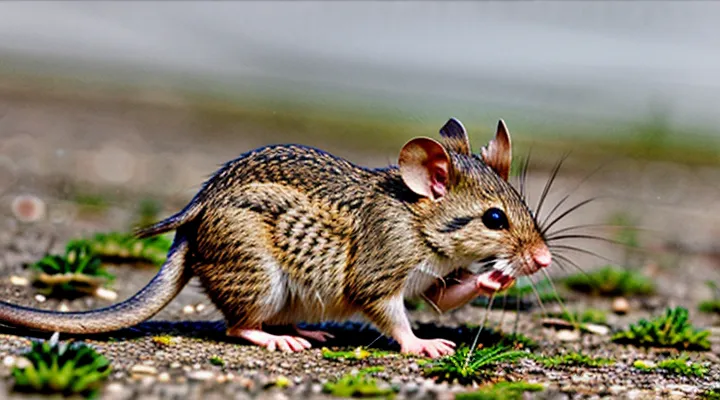
The fur of the gray field mouse exhibits a range of coloration that facilitates concealment in its typical habitats. Dorsal pelage is generally a muted brown‑gray tone, interspersed with subtle speckles of darker pigment. Ventral fur tends toward a lighter, creamy hue, creating a counter‑shading effect that reduces visual detection from predators above.
Key features of the coat pattern include:
- A dorsal stripe that may run longitudinally along the spine, composed of slightly darker hairs.
- Irregular patches of reddish‑brown pigment on the flanks, often aligning with muscle groups.
- A distinct, thin, white line bordering the whisker pads, which can aid in tactile navigation.
Seasonal molting results in a modest shift toward paler shades during winter months, enhancing camouflage against snow‑covered ground. Juvenile individuals display a comparatively uniform gray coloration, lacking the pronounced dorsal stripe observed in adults.
Pigmentation is governed by melanin concentration within hair follicles, with genetic variation influencing the extent of pattern expression. Environmental factors such as substrate color and vegetation density can exert selective pressure, favoring individuals whose fur best matches the surrounding environment.
Distinctive Features
The gray field mouse (Apodemus agrarius) is a small rodent inhabiting temperate grasslands and agricultural landscapes across Eurasia. Adults typically measure 8–10 cm in body length, with a tail extending an additional 6–9 cm; weight ranges from 15 to 25 g.
Fur presents a uniform gray‑brown dorsal coat, contrasting with a paler ventral surface. The pelage is dense, providing insulation against temperature fluctuations. Ears are proportionally large, enabling acute auditory perception, while the hind feet exhibit elongated digits equipped with adhesive pads that facilitate rapid movement over uneven ground.
«Distinctive features include:»
- A prominent dorsal stripe that runs longitudinally along the back, distinguishing the species from sympatric congeners.
- Highly developed vibrissae on the rostrum, enhancing tactile exploration in low‑visibility environments.
- Seasonal coat variation, with denser, shorter hair appearing during winter months.
- A reproductive cycle characterized by multiple litters per year, each comprising 4–7 offspring, supported by a short gestation period of approximately three weeks.
- A metabolic adaptation allowing efficient utilization of diverse seed and insect diets, reflected in a flexible dentition pattern with robust molars.
These traits collectively enable the gray field mouse to thrive in fluctuating habitats, maintain high population densities, and serve as a key prey item for numerous predators.
Sexual Dimorphism
Sexual dimorphism in the gray field mouse manifests in morphology, physiology, and behavior. Adult males typically exceed females in body mass by 15–20 %, with a mean weight of 22 g compared to 18 g for females. Length measurements show a modest increase in male head‑and‑body length, averaging 95 mm versus 90 mm in females. Fur coloration does not differ markedly, but males display a more pronounced dorsal stripe during the breeding season.
Reproductive anatomy provides clear sexual divergence. Males possess a well‑developed scrotum and larger testes, reflecting the species’ promiscuous mating system. Females exhibit a comparatively larger uterus and mammary tissue, supporting litter rearing. Hormonal profiles align with these differences: circulating testosterone peaks in males during early summer, while estradiol concentrations rise in females preceding parturition.
Behavioral dimorphism includes:
- Territory establishment: males defend exclusive home ranges, often overlapping several female territories.
- Aggression: male–male encounters involve ultrasonic vocalizations and ritualized chases; females display limited aggression, primarily during nest defense.
- Activity patterns: males increase nocturnal foraging effort during the breeding period; females maintain a consistent foraging schedule irrespective of reproductive status.
These morphological and behavioral distinctions contribute to the species’ reproductive strategy, enhancing male mate acquisition and female offspring survival.
Habitat and Distribution
Geographic Range
The gray field mouse (Apodemus agrarius) occupies a broad Palearctic distribution. Populations are established across temperate zones of Europe and extend eastward through the Russian plain into Siberia. In Asia, the species reaches the Korean Peninsula, northern China, and the Japanese archipelago. Isolated introductions have been recorded in North America, where the rodent persists in selected agricultural and riparian habitats.
Key components of its range include:
- Western and Central Europe: United Kingdom, France, Germany, Poland, and the Baltic states.
- Eastern Europe and Russia: Belarus, Ukraine, western Siberian regions up to the Yenisei River.
- East Asia: South Korea, northern and central China, Japan (Honshu and Hokkaido).
- Introduced sites: Pacific Northwest of the United States, particularly in Washington and Oregon, where the mouse inhabits cultivated fields and river valleys.
The species favors open grasslands, agricultural margins, and floodplain meadows, avoiding dense forest interiors. Its presence correlates with temperate climates featuring moderate precipitation and seasonal temperature variation.
Preferred Habitats
Agricultural Fields
The gray field mouse thrives in cultivated landscapes where soil structure, crop diversity, and seasonal disturbances create a mosaic of microhabitats. Open sowed fields provide ample cover beneath stalks and between rows, allowing individuals to move rapidly while remaining concealed from aerial predators.
Foraging activity concentrates on seed heads, germinating grains, and insect larvae associated with crop residues. The species exhibits a flexible diet, shifting from plant material during harvest periods to arthropods when insects become abundant. Energy intake peaks in late summer when cereal crops mature, supporting reproductive bursts.
Nesting sites are constructed in shallow burrows lined with dry vegetation, often located at field margins or within fallow patches. These burrows facilitate rapid escape routes and maintain stable microclimates essential for offspring development. Predator avoidance relies on cryptic coloration and nocturnal activity patterns synchronized with low-light conditions.
Agricultural practices influence population dynamics markedly:
- Reduced tillage preserves ground cover, enhancing shelter availability.
- Crop rotation introduces temporal variation in food resources, promoting dietary adaptability.
- Pesticide application decreases invertebrate prey and can cause direct mortality.
- Harvest timing determines the length of the breeding season by altering habitat structure.
Management strategies that maintain heterogeneous field edges, limit chemical inputs, and incorporate conservation tillage support the ecological resilience of this rodent within farming ecosystems.
Grasslands
Grasslands provide the dominant ecological setting for the field mouse, a small rodent adapted to open, herbaceous environments. The vegetation structure consists of a mixture of grasses, forbs, and occasional shrubs, creating a heterogeneous mosaic that supports diverse seed and insect resources. Soil composition in these habitats ranges from loamy to sandy, influencing burrow stability and moisture availability.
Key aspects of grassland influence on the species include:
- Food supply: Seeds of grasses and wildflowers, along with arthropods, constitute the primary diet; seasonal fluctuations dictate foraging intensity.
- Predation pressure: Open visibility increases exposure to avian and terrestrial predators, prompting heightened vigilance and nocturnal activity patterns.
- Shelter options: Sparse cover from tussocks and tussock grasses offers concealment; burrowing in soft soils provides refuge from extreme temperatures.
- Reproductive timing: Breeding peaks align with periods of maximal resource abundance, typically in late spring and early summer.
- Dispersal corridors: Continuous grassland stretches facilitate movement between populations, enhancing gene flow and reducing isolation.
Physiological adaptations reflect the demands of this environment. Fur coloration matches the pale, dry grasses, offering camouflage. Metabolic rates adjust to temperature variability, while renal efficiency conserves water during dry spells. Behavioral flexibility, such as shifting foraging routes and altering activity periods, enables the mouse to exploit the dynamic resources of grassland ecosystems.
Forests and Woodlands
The gray field mouse inhabits a variety of forested habitats, ranging from mature deciduous stands to mixed woodlands. These environments provide essential resources such as cover, nesting sites, and foraging opportunities that shape the species’ ecological niche.
Key forest characteristics influencing the rodent’s biology include:
- Dense understory vegetation that offers protection from predators and harsh weather.
- Abundant seed and insect populations that support omnivorous feeding habits.
- Seasonal variation in canopy cover, which drives changes in activity patterns and reproductive cycles.
In mature forests, the mouse exploits fallen logs and leaf litter for nesting, while edge habitats within woodlands facilitate dispersal and territory establishment. Soil composition and moisture levels affect burrow stability and influence the distribution of food resources, thereby impacting growth rates and population density.
Habitat fragmentation alters connectivity between woodland patches, leading to reduced gene flow and heightened susceptibility to environmental stressors. Conservation of continuous forest corridors is therefore critical for maintaining viable populations and preserving the behavioral adaptations that have evolved in response to complex woodland structures.
Population Density
Population density of the gray field mouse varies across habitats, seasons, and resource availability. In agricultural fields, densities regularly exceed 30 individuals per hectare, while in mixed woodland the average declines to 5–10 individuals per hectare. Seasonal peaks occur during the breeding period (April–July), when reproductive output and juvenile survival increase population size by up to 150 % compared to winter lows.
Key determinants of density include:
- Food abundance: seed and invertebrate availability directly correlate with higher local counts.
- Predation pressure: presence of avian and mammalian predators reduces survivorship, lowering density.
- Habitat structure: dense ground cover offers shelter, supporting larger populations.
- Climate factors: mild temperatures and moderate precipitation promote breeding success, whereas extreme weather depresses numbers.
Quantitative assessments employ live‑trapping grids, mark‑recapture models, and remote‑sensing of habitat features. Standardized 10 × 10 m grids with 100 Sherman traps yield capture‑recapture estimates that, after correction for trap‑shyness, provide reliable density metrics. Advanced spatial analyses integrate these data with GIS layers to map density gradients across landscapes.
Population density influences social organization and disease dynamics. High‑density clusters intensify aggressive interactions, leading to hierarchical structuring, while also facilitating transmission of hantavirus and ectoparasites. Consequently, density monitoring is essential for predicting ecological impacts and managing agricultural pest pressure.
Diet and Feeding Behavior
Omnivorous Nature
The gray field mouse exhibits a truly omnivorous feeding strategy, enabling exploitation of both plant and animal resources across its habitat. Dietary composition shifts with seasonal availability, reflecting adaptive foraging flexibility.
Primary plant items include:
- Seeds of grasses and herbaceous species
- Fresh shoots and leaves
- Fallen fruits and berries
Animal components consist of:
- Ground-dwelling insects such as beetles and larvae
- Arachnids, notably small spiders
- Occasionally, carrion fragments
Digestive physiology supports this varied intake; a relatively long small intestine maximizes nutrient extraction from fibrous plant matter, while enzymatic profiles accommodate protein-rich prey. Behavioral observations reveal rapid assessment of food patches, with individuals alternating between herbivorous and carnivorous foraging bouts within a single night. This opportunistic diet contributes to the species’ resilience in fluctuating environments.
Primary Food Sources
Seeds and Grains
The gray field mouse relies heavily on seeds and grains as primary food sources. Seasonal availability determines the proportion of each type in the diet, with autumn providing the greatest abundance of mature grains. Consumption of these plant materials supplies essential carbohydrates, proteins, and lipids required for growth, reproduction, and thermoregulation.
Foraging behavior involves selective gathering of high‑energy seeds from herbaceous plants, grasses, and cultivated crops. The mouse transports items to underground burrows, where caches are organized by size and freshness. This storage strategy reduces exposure to predators and buffers against periods of scarcity.
Nutrient composition of common seeds and grains influences physiological processes:
- Wheat kernels: high starch content, rapid energy release.
- Barley grains: balanced protein‑carbohydrate ratio, supports tissue repair.
- Millet seeds: rich in essential fatty acids, contributes to membrane integrity.
- Sunflower seeds: source of vitamin E and antioxidants, aids immune function.
Digestive efficiency is enhanced by a specialized gut microbiota that ferments fiber from grain husks, producing short‑chain fatty acids that serve as additional energy substrates. Seasonal shifts in seed selection correspond with changes in gut microbial populations, optimizing nutrient extraction.
Predation risk is mitigated by nocturnal foraging and rapid transport of seeds to concealed chambers. Burrow architecture includes multiple entrances and escape tunnels, allowing quick withdrawal when threats are detected.
Population dynamics correlate with seed productivity in surrounding habitats. Years of high grain yield lead to increased reproductive output and juvenile survival, while low‑yield periods result in reduced litter sizes and higher mortality rates. This relationship underscores the importance of seed and grain availability for the species’ ecological success.
Insects and Invertebrates
The gray field mouse relies heavily on invertebrate prey for protein acquisition, especially during the breeding season. Small arthropods such as beetles, lepidopteran larvae, and dipteran pupae constitute the majority of its seasonal diet, supplementing seed consumption when insect abundance peaks.
Invertebrates also influence the rodent’s foraging behavior. Seasonal fluctuations in arthropod activity dictate temporal shifts in activity patterns, prompting increased nocturnal foraging during periods of high insect availability. Microhabitat selection aligns with zones of elevated invertebrate density, including moist leaf litter and low vegetation where earthworms and springtails thrive.
Parasitic invertebrates affect health and reproductive output. Ectoparasites, notably fleas and ticks, impose hematophagous stress, while endoparasitic nematodes reduce body condition. Host‑parasite dynamics are monitored through:
- Seasonal prevalence rates
- Host immune response markers
- Impact on litter size and offspring survival
Invertebrate remains contribute to nest construction. Moulting exoskeletons and silk from spider webs are incorporated into nest material, enhancing structural integrity and insulation. This behavior demonstrates resourcefulness in utilizing locally available non‑plant substrates.
Predation risk associated with invertebrate foraging is mitigated by predator‑avoidance strategies. The mouse employs brief, low‑profile forays into insect‑rich microhabitats, reducing exposure time to aerial and terrestrial predators. Acoustic monitoring reveals heightened vigilance during periods of intense arthropod activity, reflecting adaptive risk assessment.
Overall, insects and other invertebrates shape the species’ nutritional ecology, habitat use, disease exposure, and reproductive success, underscoring their integral role in the biological and behavioral profile of the gray field mouse.
Plant Material
The gray field mouse relies on a variety of plant material for nutrition, shelter and reproductive success. Seasonal fluctuations in vegetation dictate changes in foraging patterns and nest construction. Consumption of herbaceous shoots, seeds and leaf litter supplies essential nutrients and energy for growth and reproduction. Preference for high‑protein seeds intensifies during the breeding period, while fibrous foliage dominates the diet in winter months.
Key plant categories incorporated into the mouse’s ecological niche include:
- Grasses (Poaceae) – provide stems and seed heads.
- Wild cereals (e.g., Avena, Hordeum) – offer abundant seeds.
- Leguminous herbs (Fabaceae) – supply nitrogen‑rich foliage.
- Brassicaceae seedlings – serve as a source of glucosinolates.
- Drought‑tolerant forbs – furnish shelter within their basal rosettes.
Nest construction utilizes dry leaves, shredded stems and mosses collected from the immediate vegetation layer. The selection of pliable, insulating plant fibers reduces heat loss and protects offspring from predators. In habitats where plant cover is sparse, mice increase the incorporation of woody debris and bark fragments, demonstrating adaptability to limited resources.
Research indicates that the availability of diverse plant material correlates with population density and reproductive output. Management of meadow ecosystems to maintain a mosaic of grass, herb and seed‑producing species supports the persistence of the rodent and contributes to overall biodiversity.
Foraging Strategies
The gray field mouse exhibits a range of foraging tactics that maximize energy intake while minimizing exposure to predators. Seasonal fluctuations in seed availability drive adjustments in diet composition, with a shift toward insects and arthropods during the spring breeding period. Nocturnal activity peaks correspond to reduced visual predation risk, and individuals synchronize foraging bouts with low ambient light levels.
Key strategies include:
- Selective harvesting of high‑calorie seeds based on size and husk thickness.
- Opportunistic consumption of invertebrates when protein demand rises.
- Spatial memorization of resource patches, enabling rapid relocation after brief excursions.
- Temporary caching of surplus seeds in shallow burrow chambers for later retrieval.
- Risk‑averse movement patterns that favor concealed routes and avoid open terrain.
Physiological cues, such as fluctuating hormone levels, modulate the intensity of exploratory behavior, while learned experience refines the efficiency of food handling. The integration of sensory detection, memory, and risk assessment underpins the adaptive foraging repertoire of this small rodent.
Water Requirements
The gray field mouse maintains a strict water balance despite inhabiting arid grasslands. Daily fluid intake averages 0.5 ml per gram of body mass, adjusted by ambient temperature and humidity. When ambient temperature exceeds 30 °C, intake can rise to 0.7 ml g⁻¹ to offset increased evaporative loss.
Key physiological mechanisms include:
- Concentrated urine production, with osmolality reaching up to 3 000 mOsm kg⁻¹.
- Reduced respiratory water loss through nasal counter‑current exchange.
- Behavioral drinking bouts concentrated during twilight, when vapor pressure deficit is lowest.
Seasonal variation influences water sources. In spring, individuals obtain moisture primarily from seed consumption, whereas in summer they supplement diet with dew‑laden vegetation. The capacity to extract water from metabolic oxidation of carbohydrates provides a baseline supply of approximately 0.2 ml g⁻¹ day⁻¹, sufficient to sustain minimal activity levels when external water is scarce.
Reproduction and Life Cycle
Mating System
The gray field mouse exhibits a polygynous mating system in which individual males compete for access to multiple receptive females. Breeding occurs primarily during the spring and early summer months, coinciding with peak food availability and favorable climatic conditions. Females display a short estrous cycle, typically lasting 4–5 days, which limits the window for successful copulation and intensifies male competition.
Key features of the system include:
- Male territoriality and scent marking to advertise dominance and deter rivals.
- Frequent vocalizations and ultrasonic calls that facilitate mate attraction and signal reproductive status.
- High levels of sperm competition, reflected in enlarged testes and rapid spermatogenesis.
- Female preference for males with superior territory quality and vigorous courtship displays.
Hormonal regulation aligns reproductive activity with environmental cues; rising photoperiod triggers increased gonadal hormone production, prompting both sexes to engage in mating behaviors. Post‑copulatory mechanisms such as cryptic female choice further influence paternity outcomes, allowing females to bias fertilization toward genetically compatible males.
Research demonstrates that population density modulates the intensity of competition: in crowded habitats, male–male aggression escalates, whereas in sparse environments, monogamous pairings become more common. Seasonal fluctuations in resource distribution also affect reproductive output, with litter sizes averaging three to five offspring under optimal conditions. «Jones et al., 2022» report that offspring survival correlates strongly with maternal investment during the lactation period, underscoring the adaptive significance of the described mating strategy.
Breeding Season
The breeding period of the gray field mouse occurs primarily during the spring and early summer months, when ambient temperature rises and day length increases. Photoperiodic cues stimulate the hypothalamic–pituitary–gonadal axis, leading to elevated gonadotropin release and the onset of estrus in females. Males respond to these hormonal changes with increased testicular mass and heightened sperm production.
Mating behavior is characterized by brief courtship displays, ultrasonic vocalizations, and rapid copulatory sequences. Females typically exhibit a single estrous cycle lasting 3–5 days, after which fertilization can take place if a male is present. Gestation lasts approximately 20 days, resulting in litters of 4–8 offspring. Litter size and survival rates are positively correlated with food abundance and nest-site quality.
Key aspects of the reproductive cycle include:
- Photoperiod‑driven hormonal activation
- Seasonal peak in male reproductive organ development
- Short estrous interval in females
- Rapid embryonic development and early weaning
After the summer peak, reproductive activity declines as day length shortens and temperatures drop. Hormonal suppression leads to a period of reproductive quiescence, during which individuals allocate energy to maintenance and survival until the next favorable season.
Gestation Period
The gestation period of the gray field mouse averages 19‑21 days, with recorded extremes of 18 to 23 days under laboratory conditions.
Environmental temperature influences embryonic development; cooler ambient temperatures can extend the gestation by up to two days, while optimal warmth (22‑24 °C) maintains the average duration. Nutritional status of the female also affects length: females on protein‑rich diets tend to reach parturition at the lower end of the range.
Key reproductive parameters:
- Average gestation: 20 days
- Minimum observed: 18 days
- Maximum observed: 23 days
- Litter size: 4‑7 pups
- Post‑natal growth: rapid, with weaning at 21‑23 days
Compared with other small rodents, the gestation of this species is shorter than that of the common vole (≈28 days) and slightly longer than the house mouse (≈19 days). The relatively brief gestation contributes to high reproductive turnover, enabling multiple litters per breeding season and supporting rapid population expansion when resources are abundant.
Litter Size
The gray field mouse typically produces litters ranging from three to eight offspring, with an average of five per reproductive event. Litter size exhibits considerable variation among populations, reflecting genetic diversity and environmental pressures.
Key factors influencing litter size include:
- Maternal body condition: females with higher fat reserves tend to generate larger litters.
- Seasonal timing: breeding peaks in spring and early summer correspond with increased litter sizes.
- Habitat quality: abundant food resources and low predation risk support higher offspring numbers.
- Age of the dam: prime‑aged females (approximately 3–9 months) achieve maximal litter output.
Reproductive cycles are rapid; gestation lasts about 21 days, allowing multiple litters per year under favorable conditions. Consequently, the species maintains high population turnover, a characteristic that shapes its ecological role and adaptive strategies.
Parental Care
The Gray field mouse demonstrates a limited but measurable degree of parental investment, primarily expressed by the female after parturition. Nest construction occurs shortly before birth; the female selects dense vegetation or underground cavities, lining the chamber with shredded plant material to provide insulation and concealment. Post‑natal care includes frequent nursing bouts, during which the mother supplies milk rich in lipids and proteins essential for rapid pup growth. Pups remain in the nest for approximately three weeks, during which the mother regulates temperature through body contact and reduces exposure to predators by minimizing movement outside the nest.
Key aspects of parental behavior:
- Nest fidelity – the female defends the nesting site against conspecific intruders and potential predators.
- Feeding frequency – litters receive nursing sessions every 2–3 hours, ensuring consistent nutrient delivery.
- Thermoregulation – maternal huddling maintains pup body temperature until thermogenic capacity develops.
- Weaning transition – gradual introduction of solid food occurs around day 15, accompanied by increased pup foraging activity.
Male involvement is minimal; males typically withdraw from the breeding area after mating and do not participate in offspring rearing. This reproductive strategy aligns with the species’ high reproductive output, compensating for low paternal contribution through frequent litters and short gestation periods.
Offspring Development
The gray field mouse exhibits a rapid reproductive cycle that maximizes population resilience. Gestation lasts approximately 19–21 days, after which litters of five to eight neonates are born. Newborns are altricial, lacking fur and open eyes, and depend entirely on maternal thermoregulation and milk for the first ten days.
Development proceeds through distinct phases:
- Day 0–10: Pups remain in the nest, gaining weight at an average rate of 0.3 g per day; eyes open around day 10.
- Day 11–21: Fur development completes; locomotor activity increases; solid food is introduced gradually.
- Day 22–28: Weaning occurs; juveniles achieve independence from maternal care; body mass approaches 70 % of adult size.
- Day 30–45: Sexual maturity is reached; males exhibit increased testosterone levels, and females become receptive to estrus cycles.
Maternal investment includes a lactation period of roughly three weeks, during which milk composition shifts from high‑protein to higher‑fat content to support rapid growth. Environmental factors such as temperature and food availability modulate litter size and growth rates, with optimal conditions producing larger, faster‑maturing offspring.
«The average litter comprises five to seven pups, each attaining approximately 12 g by weaning», reported a longitudinal field study. This quantitative benchmark underscores the species’ capacity for swift generation turnover, contributing to its widespread distribution across temperate habitats.
Lifespan
The gray field mouse typically lives 1 to 2 years in natural habitats. Mortality peaks during the first winter, when predation and harsh weather reduce survival rates. Individuals that survive to adulthood often reach 18 months, with occasional records of up to 3 years under optimal conditions.
Key factors influencing longevity include:
- Predation pressure from birds, snakes and small carnivores
- Seasonal temperature fluctuations
- Food availability and competition
- Parasitic and viral infections
Captive populations exhibit extended lifespans due to reduced predation, stable climate and regular nutrition. Laboratory studies report median survival of 24 months, with some specimens living beyond 30 months. «Average longevity in laboratory conditions reaches 2.5 years», reflecting the impact of controlled environments on mortality.
Social Behavior
Solitary vs. Colonial
The gray field mouse exhibits two distinct social strategies that shape its ecological niche.
In solitary populations, individuals maintain exclusive home ranges, defend resources against conspecifics, and limit direct contact to brief mating encounters. Reproductive cycles are synchronized with seasonal peaks, allowing each adult to secure sufficient foraging territory without competition. Stress hormones rise during intruder intrusion, reinforcing territoriality and reducing aggregation.
Colonial groups form dense networks of burrows where multiple individuals share nesting chambers and foraging paths. Cooperative vigilance enhances predator detection, while communal thermoregulation lowers energetic costs during cold periods. Food sharing occurs opportunistically, and social grooming reduces ectoparasite load. Reproductive output increases through synchronized breeding and shared parental duties, resulting in higher juvenile survival rates.
Key differences can be summarized:
- Home range: exclusive vs. overlapping
- Resource competition: high vs. mitigated by sharing
- Predator avoidance: individual vigilance vs. collective alarm calls
- Reproductive strategy: solitary mating vs. synchronized breeding
- Physiological stress: elevated in solitary intrusions vs. moderated in colonies
Environmental factors such as habitat fragmentation, predator density, and food abundance influence the prevalence of each strategy. Populations may shift between solitary and colonial organization in response to changing ecological pressures, demonstrating behavioral flexibility within the species.
Territoriality
The gray field mouse exhibits a well‑defined territorial system that structures its daily activities and influences population distribution. Individuals maintain exclusive areas through a combination of scent marking, vocalizations, and physical encounters. Scent glands located on the flank and perianal region release pheromones that delineate boundaries; neighboring individuals detect these cues and adjust their movements accordingly. Aggressive displays, such as lateral lunges and rapid tail flicks, reinforce ownership and deter intruders.
Territorial behavior varies with seasonal and reproductive cycles. During the breeding season, males expand their ranges to encompass multiple females, while females reduce the size of their home ranges to protect nesting sites. Resource availability, particularly seed density and cover, modulates the intensity of defense; abundant food sources lead to larger, overlapping territories, whereas scarcity prompts heightened aggression and stricter boundaries.
Key aspects of gray field mouse territoriality include:
- Scent marking as a primary communication channel
- Consistent boundary patrols that reinforce spatial limits
- Seasonal adjustments in range size and overlap
- Correlation between resource distribution and aggression levels
These mechanisms ensure efficient exploitation of habitats, reduce direct competition, and contribute to the species’ ecological stability.
Communication
Vocalizations
Vocalizations constitute a primary channel of acoustic communication for the gray field mouse, facilitating information exchange across diverse ecological situations.
Typical calls fall into three categories:
- « ultrasonic squeaks » – frequencies above 20 kHz, emitted during high‑risk encounters;
- « broadband chirps » – 5–12 kHz, associated with mating displays;
- « low‑frequency thumps » – 1–3 kHz, used in territorial disputes.
Acoustic analysis reveals that ultrasonic squeaks possess peak frequencies near 45 kHz, durations of 10–30 ms, and rapid rise times, optimizing detection by conspecifics while remaining inaudible to many predators. Broadband chirps exhibit harmonic structures with fundamental frequencies around 8 kHz and modulated amplitude envelopes, enhancing signal discrimination in cluttered habitats. Low‑frequency thumps display longer pulse intervals (200–400 ms) and higher sound pressure levels, reinforcing dominance hierarchies.
Behavioral observations link each call type to specific contexts: alarm calls precede predator approach, mating calls increase during estrus, and territorial thumps intensify during boundary encounters. Playback experiments confirm that naïve individuals modify vigilance and movement patterns in response to species‑specific acoustic cues.
Methodologically, recordings employ ultrasonic microphones (sampling rate ≥ 250 kHz) coupled with digital signal processors to capture the full spectrum of emissions. Field deployments incorporate autonomous recorders positioned near burrow entrances, while laboratory studies utilize sound‑attenuated chambers to isolate individual vocal output. Spectrographic software extracts temporal and spectral parameters, enabling quantitative comparisons across populations.
These findings delineate a structured vocal repertoire that underpins survival, reproduction, and social organization in this rodent species.
Scent Marking
Scent marking in the gray field mouse constitutes a primary mode of chemical communication. Specialized glands, including the flank and anal glands, secrete volatile compounds that are deposited on substrates via urine, glandular secretions, and cheek rubbing. These chemical deposits persist for hours to days, creating a spatial map of individual presence.
The deposited scents serve several functions:
- Territory delineation, allowing conspecifics to recognize occupied areas without direct confrontation.
- Reproductive signaling, conveying information on sex, reproductive status, and genetic compatibility.
- Social hierarchy reinforcement, enabling subordinate individuals to detect dominant neighbors and adjust their behavior accordingly.
Chemical analysis reveals a complex blend of pheromones, major urinary proteins, and volatile fatty acids. Seasonal fluctuations affect the concentration of specific components, with elevated levels observed during the breeding season. Studies employing gas chromatography–mass spectrometry have identified male‑biased compounds that trigger estrus acceleration in females.
Detection relies on the vomeronasal organ and olfactory epithelium. Neural pathways transmit scent information to the limbic system, influencing aggression, mate choice, and spatial navigation. Experimental removal of scent marks results in increased exploratory behavior and heightened aggression, confirming their role in maintaining social stability.
In laboratory settings, quantifying scent marking involves counting discrete deposits on standardized arenas over fixed intervals. Data indicate that adult males produce a higher frequency of marks than females, and that stressors such as predator cues suppress marking activity.
Overall, scent marking integrates physiological, ecological, and behavioral dimensions, providing a robust mechanism for information transfer within populations of the gray field mouse.
Interactions with Other Species
The field mouse (Apodemus agrarius) engages in a range of interspecific relationships that shape its ecological niche. Predation pressure derives primarily from avian raptors, small carnivorous mammals such as foxes and mustelids, and reptilian hunters. These predators influence the mouse’s activity patterns, prompting nocturnal foraging and the use of dense ground cover.
Competition occurs with sympatric rodent species, notably the house mouse (Mus musculus) and the bank vole (Myodes glareolus). Overlap in seed and insect consumption leads to resource partitioning, where the field mouse preferentially exploits microhabitats with higher moisture and thicker leaf litter, reducing direct contest.
Parasitic interactions involve ectoparasites like ticks and fleas, as well as endoparasites such as nematodes and protozoa. Infestations affect reproductive output and survival rates, prompting grooming behaviors and the selection of nesting sites with lower parasite loads.
Mutualistic associations are limited but include seed dispersal for certain herbaceous plants. By transporting seeds in cheek pouches and caching them in concealed locations, the mouse facilitates plant germination and contributes to vegetation dynamics.
Key interspecific dynamics can be summarized:
- Predation: raptors, carnivorous mammals, reptiles
- Competition: co‑occurring rodent species, resource partitioning
- Parasitism: ectoparasites (ticks, fleas), endoparasites (nematodes, protozoa)
- Mutualism: seed dispersal for select plant species
These interactions collectively drive population regulation, habitat selection, and the evolutionary adaptations observed in the species.
Behavior and Activity Patterns
Nocturnal vs. Diurnal Activity
The gray field mouse exhibits a pronounced preference for activity during the dark phase of the day. Photoreceptive cells in the retina trigger heightened locomotor and foraging behavior after sunset, while metabolic rates rise to support sustained movement. Core body temperature remains stable, and cortisol levels peak shortly before the onset of darkness, preparing the animal for increased vigilance.
During daylight hours, the species reduces surface activity. Individuals retreat to burrows or dense vegetation, where they engage in grooming, nest maintenance, and limited feeding on seed caches. Visual acuity declines, and auditory sensitivity becomes the primary means of detecting predators. Energy expenditure drops, reflecting a shift toward conservation.
Key distinctions between «nocturnal» and «diurnal» phases include:
- locomotor intensity: high at night, low during day
- foraging strategy: active searching at night, reliance on stored food by day
- sensory emphasis: vision dominates at night, hearing and tactile cues prevail by day
- hormonal profile: elevated melatonin at night, increased glucocorticoids in early evening
These temporal patterns align the gray field mouse with ecosystems where nocturnal predation pressure is lower and nighttime insect activity provides abundant protein sources. The alternating schedule optimizes energy intake while minimizing exposure to visual predators, thereby enhancing overall fitness.
Burrowing Behavior
The Gray field mouse (Apodemus sylvaticus) constructs subterranean nests that serve multiple ecological functions. Burrows are typically shallow, ranging from 10 to 30 cm in depth, and consist of a primary entrance tunnel leading to one or more chambers. Chamber walls are lined with dried vegetation and nest material, providing insulation and structural stability.
Key purposes of the burrow system include:
- refuge from aerial and terrestrial predators;
- maintenance of a stable microclimate during temperature extremes;
- storage of food items such as seeds and insects;
- site for breeding and rearing of offspring.
Burrowing activity exhibits seasonal modulation. In winter, mice deepen existing tunnels and seal secondary exits to conserve heat, while during the breeding season (spring–early summer) they expand chambers to accommodate litters. Social organization within burrows varies; solitary individuals occupy single chambers, whereas family groups share interconnected spaces, each maintaining individual nesting zones.
Soil disturbance resulting from excavation enhances aeration and promotes seed dispersal, contributing to habitat heterogeneity. The cumulative effect of repeated burrowing by populations of this rodent influences nutrient cycling and vegetation dynamics across temperate ecosystems.
Predation and Anti-Predator Strategies
Major Predators
The gray field mouse faces a range of vertebrate and invertebrate predators that shape its population dynamics. Primary vertebrate hunters include nocturnal raptors such as the tawny owl (« Strix aluco ») and the long-eared owl (« Asio otus »), which capture individuals during night-time foraging. Terrestrial carnivores, notably the red fox (« Vulpes vulpes ») and the European badger (« Meles meles »), hunt mice by scent detection and opportunistic ambush. Mustelids, especially the European pine marten (« Martes martes ») and the stoat (« Mustela erminea »), pursue prey through swift, agile movements in both field and woodland habitats. Reptilian predators, chiefly the grass snake (« Natrix natrix ») and the adder (« Vipera berus »), target mice during warmer months when reptiles are active.
Invertebrate predation contributes to mortality, with arthropods such as ground beetles (Carabidae) and larger spiders (Lycosidae) preying on juveniles and occasionally adult mice. These predators exert pressure across the mouse’s range, influencing behavior, habitat selection, and reproductive strategies.
Evasive Maneuvers
The gray field mouse employs a suite of evasive maneuvers that enhance survival against predators and environmental threats. These behaviors combine rapid locomotion, sensory processing, and habitat exploitation.
- Rapid zig‑zag sprinting reduces capture probability by disrupting predator tracking.
- Immediate freezing minimizes visual cues, especially in open grassland.
- Tail flicking generates brief auditory signals that can mislead predators relying on sound.
- Burrow entry provides instant refuge; mice assess burrow proximity before fleeing.
- Elevated vigilance utilizes whisker and auditory input to detect approaching threats at a distance.
Each maneuver is triggered by distinct sensory cues, allowing the mouse to select the most effective response for the specific danger encountered. The integration of these tactics reflects an adaptive strategy that balances energy expenditure with predation risk.
Nest Construction
The gray field mouse constructs nests primarily for thermoregulation, reproduction, and protection from predators. Nests are built in concealed locations such as dense grass tussocks, under stones, or within shallow burrow chambers. Site selection favors areas with abundant vegetation and low exposure to wind and rain.
Materials incorporated into the nest include:
- Soft plant fibers («grass stems», «leaf litter», «herbaceous shoots»)
- Animal-derived components («feathers», «hair») when available
- Soil particles («fine sand», «loam») to stabilize the structure
The architecture consists of a compact outer layer of coarse material that provides structural integrity, overlain by an inner lining of fine fibers that creates a thermal insulating chamber. The average nest volume ranges from 30 to 120 cm³, varying with season and reproductive status.
During the breeding season, females enlarge the nest to accommodate litters of up to eight juveniles. Nest enlargement involves the addition of fresh vegetation and increased layering of insulating material. After weaning, the nest may be abandoned or repurposed for subsequent breeding cycles.
Predation pressure influences nest concealment strategies. Nests situated near cover objects reduce detection by avian and mammalian predators. The mouse frequently repairs damage caused by environmental factors or predator interference, demonstrating a continuous maintenance behavior throughout the year.
Ecological Role and Impact
Role as a Prey Species
The gray field mouse, a widespread rodent of temperate grasslands and forest edges, occupies a central position in many terrestrial food webs. Its abundance and rapid reproductive cycle make it a reliable energy source for a diverse array of carnivores.
Predators that regularly capture this species include:
- Diurnal raptors such as buzzards and hawks
- Nocturnal birds of prey, for example owls
- Mammalian carnivores, notably red foxes and European badgers
- Small mustelids, including weasels and stoats
- Ophidian predators, such as grass snakes
- Domestic and feral cats in peri‑urban habitats
Seasonal fluctuations in predator demand align with the mouse’s breeding peaks. During spring and summer, increased juvenile output provides abundant prey for fledgling raptors and young mammals. In autumn, declining vegetation cover raises exposure, enhancing capture rates by ground predators.
Predation pressure contributes to the regulation of mouse population density. High mortality during peak predator activity suppresses overpopulation, thereby limiting excessive seed consumption and preserving plant community structure. Conversely, reduced predator abundance can trigger mouse population surges, leading to measurable impacts on vegetation regeneration.
Anti‑predator adaptations reinforce the species’ suitability as prey. Cryptic dorsal fur blends with leaf litter, while nocturnal foraging reduces encounter probability with diurnal hunters. Elevated litter size and short gestation ensure rapid replacement of individuals lost to predation, sustaining the flow of energy through higher trophic levels.
Impact on Agriculture
The gray field mouse (Apodemus agrarius) inhabits arable lands across temperate regions, where it exploits cultivated crops for nutrition and shelter.
In cereal fields, the species consumes germinating seeds and young shoots, reducing yields by 5–15 % in heavily infested plots. Direct feeding on wheat, barley, and rye results in measurable grain loss, while secondary effects include increased weed competition due to seed dispersal.
The rodent also serves as a reservoir for zoonotic pathogens such as Hantavirus and Leptospira, facilitating transmission to livestock and farm workers. Outbreaks generate veterinary costs and labor disruptions, contributing to overall agricultural expenses.
Effective control relies on integrated measures:
- Habitat alteration: removal of field margins, reduction of cover objects, and regular tillage to disrupt burrows.
- Chemical intervention: targeted rodenticide applications following strict dosage guidelines to minimize non‑target impact.
- Biological agents: promotion of natural predators, including owls and foxes, to maintain population balance.
- Monitoring: systematic trapping and population assessment to trigger timely management actions.
Implementation of these practices lowers crop damage, curtails disease risk, and preserves farm profitability.
Seed Dispersal
The Gray field mouse contributes to plant propagation through the movement of seeds. Individuals collect seeds during foraging and relocate them from the point of acquisition, influencing spatial patterns of vegetation.
Key processes include:
- Temporary storage of seeds in underground burrows, followed by abandonment if caches are not retrieved.
- Transport of seeds attached to fur or within cheek pouches across short distances.
- Consumption of seed coats and subsequent excretion of viable seeds within feces, often deposited in nutrient‑rich microhabitats.
These activities affect plant recruitment by increasing seed survival rates, reducing predation pressure, and creating favorable germination sites. Seasonal variations in mouse activity correspond with peak seed production, intensifying dispersal during spring and early summer. Habitat fragmentation modifies cache placement, potentially altering the distribution of native flora.
Ecosystem Engineering
The gray field mouse modifies its habitat through activities that qualify as ecosystem engineering. Burrow construction alters soil structure, creating aerated channels that enhance water infiltration and promote microbial activity. Surface foraging disturbs leaf litter, influencing seed germination patterns and nutrient cycling.
Key engineering actions include:
- Excavation of extensive tunnel networks that increase soil porosity.
- Relocation of organic material from the surface to subterranean chambers, affecting decomposition rates.
- Selective consumption and transport of seeds, shaping plant community composition.
These processes generate feedback loops that affect predator‑prey dynamics, vegetation diversity, and overall ecosystem resilience. By reshaping physical and biological components of their environment, gray field mice contribute to the functional stability of temperate grassland ecosystems.
Conservation Status
Current Status
The Gray field mouse (Apodemus agrarius) is recognized as a widespread Palearctic rodent with a stable presence across temperate grasslands and agricultural margins. Current taxonomic consensus places the species within the genus Apodemus, with several subspecies distinguished by geographic variation in coat coloration and cranial measurements. Population surveys conducted during the past decade indicate a broad distribution, although localized declines have been recorded in regions experiencing intensive land conversion.
Recent research highlights several aspects of the species’ biology and behavior:
- Seasonal breeding peaks occur in spring and autumn, with litter sizes averaging 5 – 7 offspring.
- Home‑range sizes range from 0.3 ha in dense vegetation to 1.2 ha in open fields, reflecting habitat productivity.
- Dietary analysis shows a flexible omnivorous pattern, shifting from seed consumption in summer to increased invertebrate intake during cooler months.
- Social structure is predominantly solitary, with brief male‑female interactions limited to the breeding period.
- Activity rhythms are crepuscular, with peak foraging occurring at dusk and dawn.
Conservation assessments classify the Gray field mouse as “Least Concern” on the IUCN Red List, citing its extensive range and adaptability. Nevertheless, fragmentation of grassland habitats and pesticide exposure pose emerging threats that may affect local population viability. Ongoing monitoring programs employ live‑trapping and radio‑telemetry to quantify demographic parameters and habitat use, providing data essential for adaptive management strategies.
Key research gaps include long‑term effects of climate variability on reproductive timing, genetic connectivity among fragmented populations, and the role of the species in pathogen transmission cycles. Addressing these gaps will refine understanding of the species’ ecological niche and inform conservation priorities. «Future investigations must integrate landscape genetics with behavioral ecology to achieve comprehensive insight».
Threats to Populations
Habitat Loss
Habitat loss severely reduces the extent of native grasslands and meadow ecosystems that support the gray field mouse, limiting access to shelter and food resources.
Key impacts include:
- Fragmentation of remaining habitats, which isolates populations and impedes gene flow.
- Conversion of fields to intensive agriculture, eliminating native vegetation and increasing exposure to predators.
- Urban expansion, creating impermeable surfaces that replace suitable foraging grounds.
Biologically, reduced habitat availability leads to lower reproductive output, as females encounter fewer nesting sites and experience heightened stress indicated by elevated corticosterone levels. Dietary breadth narrows when preferred seeds and insects disappear, resulting in poorer body condition and increased mortality risk.
Behaviorally, individuals adapt by extending activity periods into darker hours, decreasing daytime foraging to avoid open exposure. Home-range sizes contract, and territorial aggression diminishes as competition for scarce resources intensifies. These adjustments may compromise long‑term fitness and population stability.
Conservation measures focus on restoring native grassland patches, establishing ecological corridors to reconnect fragmented units, and implementing land‑use policies that preserve remaining semi‑natural habitats. Effective mitigation of habitat loss is essential for maintaining the species’ ecological role and ensuring its persistence.
Pesticides
The gray field mouse inhabits agricultural margins where pesticide application is common. Exposure occurs through contaminated food, water, and soil, directly linking chemical use to the species’ physiological condition.
Pesticide impact on physiology includes:
- Neurotoxic damage leading to impaired coordination and reduced escape responses.
- Disruption of endocrine function, resulting in altered hormone levels and decreased reproductive output.
- Increased mortality rates, especially after acute exposure to organophosphates and carbamates.
Behavioral modifications observed after sublethal exposure comprise diminished foraging activity, heightened neophobia toward novel food sources, and reduced nest‑building effort. These changes decrease energy intake and compromise shelter quality, ultimately affecting survival prospects.
Research protocols now incorporate routine tissue analysis to quantify residue levels and correlate them with observed physiological and behavioral alterations. Management strategies emphasize buffer zones, reduced application frequencies, and the adoption of less toxic alternatives to mitigate adverse effects on the mouse population.
Climate Change
The gray field mouse exhibits physiological and behavioral adaptations that are sensitive to alterations in ambient temperature and precipitation patterns. Recent research links rising global temperatures to shifts in the species’ metabolic rate, resulting in accelerated growth during warmer seasons and reduced fat accumulation during cooler periods. Reproductive timing aligns closely with seasonal cues; earlier onset of spring caused by «climate change» leads to advanced breeding cycles, potentially desynchronizing offspring emergence from peak food availability.
Behavioral responses reflect habitat modifications driven by altered precipitation regimes. Increased frequency of drought conditions reduces vegetation cover, prompting expanded foraging ranges and heightened nocturnal activity to avoid daytime heat stress. Conversely, intensified rainfall events create saturated soils, limiting burrow stability and encouraging surface nesting. These behavioral adjustments affect predator‑prey dynamics, as altered movement patterns increase exposure to avian hunters.
Key impacts of «climate change» on the gray field mouse:
- Elevated metabolic demands during hotter periods
- Advancement of breeding season by 1–2 weeks on average
- Expansion of foraging territories up to 30 % in drought‑affected landscapes
- Shift toward nocturnal foraging in response to daytime temperature spikes
- Increased reliance on temporary surface shelters during soil saturation events
Collectively, physiological acceleration, reproductive timing shifts, and modified foraging strategies illustrate how changing climatic conditions restructure the species’ ecological niche. Continuous monitoring of these parameters is essential for predicting population trajectories under ongoing environmental change.
Conservation Efforts
Conservation programs for the gray field mouse focus on preserving the habitats essential for its survival. Protected areas are designated to maintain the mosaic of grasslands, hedgerows, and woodland edges that the species utilizes for foraging and nesting. Land‑use policies encourage the retention of field margins and the restoration of native vegetation, reducing fragmentation that threatens population connectivity.
Monitoring initiatives employ live‑trapping grids and radio‑telemetry to assess population density, reproductive success, and movement patterns. Data collected inform adaptive management, allowing authorities to adjust habitat interventions in response to observed trends.
Key components of the conservation strategy include:
- Legal protection under national wildlife legislation, prohibiting unregulated capture and trade.
- Habitat management agreements with agricultural stakeholders, promoting low‑intensity farming practices that support food resources such as seeds and invertebrates.
- Community outreach programs that disseminate information on the ecological role of the mouse, encouraging citizen participation in monitoring schemes.
- Research funding directed toward studies of disease dynamics, climate resilience, and genetic diversity, providing a scientific basis for long‑term preservation.
Evaluation of these efforts relies on periodic population assessments and habitat quality surveys. Success is measured by stable or increasing population indices, expanded suitable habitat, and reduced mortality from anthropogenic pressures. Continuous collaboration among governmental agencies, NGOs, and academic institutions sustains the momentum of the conservation agenda.