
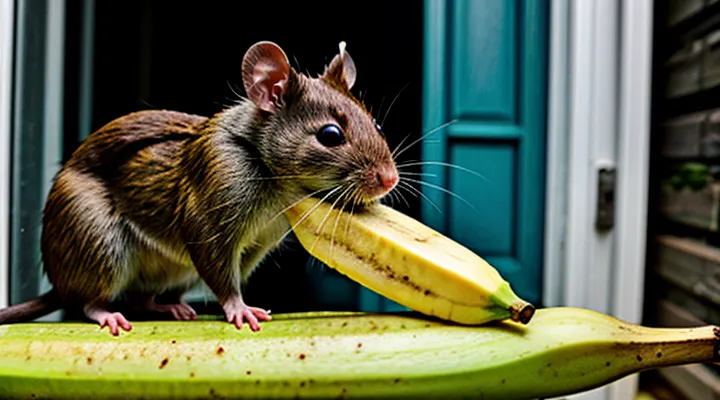
Nutritional Value of Bananas for Rats
Key Nutrients in Bananas
Vitamins
Bananas supply a range of vitamins that can supplement a rat’s diet when offered in moderation.
- Vitamin C: present in significant amounts, supports antioxidant defenses and collagen synthesis; rats synthesize vitamin C endogenously, so dietary contribution is supplementary rather than essential.
- Vitamin B6 (pyridoxine): involved in amino‑acid metabolism and neurotransmitter production; modest levels in bananas can aid metabolic processes.
- Vitamin B9 (folate): participates in DNA synthesis and repair; the quantity in a single banana slice is low but contributes to overall intake.
- Vitamin A precursors (β‑carotene): convert to active vitamin A, essential for vision and immune function; conversion efficiency in rats is limited, making bananas a minor source.
Excessive carbohydrate and sugar content in fresh banana can lead to weight gain and dysbiosis if fed indiscriminately. A typical recommendation limits banana to a small piece (approximately 5 g) two to three times per week, ensuring that vitamin intake complements, rather than replaces, a balanced rodent pellet formulated to meet all nutritional requirements.
Monitoring for signs of gastrointestinal upset after introduction is advisable; any adverse reaction warrants immediate cessation.
Minerals
Bananas provide rats with several minerals that contribute to physiological functions. Potassium supports nerve transmission and muscle activity, while magnesium participates in enzymatic reactions and bone formation. Calcium, present in modest amounts, aids skeletal development, and phosphorus complements calcium in metabolic processes. Small quantities of iron and zinc are also detectable, influencing oxygen transport and immune competence.
Key mineral considerations for rodent nutrition include:
- Potassium: high levels can assist fluid balance but may exacerbate renal strain if combined with excessive dietary sodium.
- Magnesium: adequate intake prevents neuromuscular tremors; deficiency may impair growth.
- Calcium‑phosphorus ratio: ideal range approximates 1:1; imbalance can lead to skeletal deformities.
- Iron and zinc: excess may cause oxidative stress; supplementation should follow established guidelines.
Overreliance on banana as a mineral source may disrupt overall nutrient equilibrium. Rats require a diversified diet to meet specific mineral ratios; isolated fruit contributes only a fraction of daily requirements. Monitoring total intake of potassium and calcium is essential to avoid hyperkalemia or hypercalcemia, conditions that can affect cardiac and renal function.
When incorporating fresh banana, limit portions to no more than 5 % of total diet mass. Pair with a balanced pellet or grain base that supplies complementary minerals in appropriate ratios. Regular assessment of urinary and blood mineral markers can verify that supplementation remains within safe parameters.
Fiber
Fiber present in fresh banana supplies a source of non‑digestible carbohydrate that reaches the large intestine of rats largely unchanged. The banana’s fiber consists mainly of soluble pectin and a smaller proportion of insoluble cellulose, each influencing gut physiology differently.
A medium‑sized banana (approximately 118 g) contains about 3 g of total dietary fiber, of which roughly 1.5 g is soluble. For a laboratory rat weighing 250 g, this amount represents approximately 1 % of the animal’s daily dry‑matter intake when the fruit is offered in moderation.
Soluble fiber forms a viscous gel that slows gastric emptying and moderates glucose absorption, while insoluble fiber adds bulk that stimulates peristalsis. In rats, appropriate fiber intake promotes a stable microbiota, improves fecal consistency, and can reduce the risk of constipation. Excessive fiber, however, may increase stool water content and provoke mild diarrhea, potentially interfering with nutrient absorption.
Guidelines for incorporating banana‑derived fiber into a rat diet:
- Limit fresh banana to no more than 5 % of total daily food weight.
- Introduce the fruit gradually, monitoring fecal output for signs of softness or looseness.
- Combine banana with other low‑fiber feeds to maintain a balanced nutrient profile.
- Ensure continuous access to clean water, as fiber increases fluid requirements.
When applied within these parameters, the fiber supplied by fresh banana can complement the overall dietary fiber pool without compromising digestive health.
Sugars
Bananas provide a high concentration of simple carbohydrates, primarily glucose, fructose and sucrose. These sugars deliver rapid energy but differ in absorption rates and metabolic pathways in rodents.
- glucose – directly enters glycolysis, supports immediate cellular activity
- fructose – metabolized in the liver, contributes to glycogen storage
- sucrose – disaccharide that splits into glucose and fructose during digestion
Rats possess efficient pancreatic amylase and intestinal transporters, allowing swift utilization of these sugars. Excessive intake can elevate blood glucose levels, potentially leading to insulin resistance if combined with a diet already rich in calories. Conversely, moderate consumption may satisfy short‑term energy demands without disrupting homeostasis.
Incorporating banana slices should consider portion size relative to total daily carbohydrate intake. A guideline of no more than 5 % of total calories from banana‑derived sugars aligns with standard laboratory rodent nutrition protocols. Monitoring body weight and glycemic markers ensures that the addition does not compromise health outcomes.
Potential Benefits of Feeding Bananas to Rats
Digestive Health
Bananas provide soluble fiber, primarily pectin, which can moderate intestinal transit in rodents. The fruit also supplies modest amounts of fructose, glucose, and potassium, substances that are readily absorbed in the small intestine without overloading the microbial population of the colon.
Potential effects on rat digestive health include:
- Increased bulk of stool, which may alleviate occasional constipation.
- Promotion of beneficial bacterial growth through fermentable carbohydrate content.
- Risk of diarrhea when excessive amounts are supplied, due to rapid osmotic influx.
- Possibility of mild irritation of the gastric mucosa if the fruit is unripe or overly ripe.
For optimal digestive outcomes, introduce banana in small, infrequent portions—approximately 5 % of total daily food weight, offered no more than two times per week. Monitor fecal consistency after each serving and adjust quantity accordingly. Continuous reliance on banana as a primary fiber source is discouraged; combine with established rodent fiber sources such as timothy hay or oat bran to maintain a balanced gut environment.
Energy Boost
Bananas supply readily metabolizable sugars that can raise the immediate energy availability for laboratory or pet rodents. Glucose and fructose constitute the majority of the fruit’s carbohydrate profile, delivering a rapid increase in blood‑sugar levels after ingestion.
The energy surge is short‑lived; glycogen stores in the liver and muscles absorb excess glucose within a few hours. Consequently, a modest portion—approximately one‑quarter of a small banana, equating to 5–7 g of fresh fruit—provides a noticeable boost without overwhelming caloric intake.
Key considerations for inclusion in a rodent diet:
- Limit frequency to two to three times per week to prevent chronic elevation of blood glucose.
- Monitor body weight; excess calories from fruit may contribute to adiposity.
- Ensure the banana is peeled and free of pesticides, as the skin contains compounds unsuitable for rodents.
- Pair the fruit with a balanced base diet rich in protein, fiber, and essential micronutrients to maintain overall nutritional equilibrium.
When administered appropriately, fresh banana can serve as an occasional energy enhancer, supporting activity bursts or recovery periods without compromising long‑term health.
Antioxidant Properties
Fresh banana contains several antioxidant compounds that can affect laboratory and pet rat physiology. Vitamin C, a water‑soluble antioxidant, contributes to neutralising free radicals generated during normal metabolic processes. Dopamine, present in significant amounts, exhibits strong scavenging activity against oxidative species and may support neuronal health. Polyphenolic flavonoids, including catechin and epicatechin, add further capacity to mitigate lipid peroxidation in cell membranes.
The antioxidant profile can influence specific health outcomes in rats:
- Reduced oxidative stress may lower incidence of age‑related tissue degeneration.
- Enhanced cellular protection can improve recovery from surgical or experimental procedures.
- Modulation of immune function through oxidative balance may affect susceptibility to infections.
Dosage considerations are essential. A single medium banana provides approximately 10 mg of vitamin C, which exceeds the recommended daily intake for an adult rat (≈2 mg). Excessive intake may lead to gastrointestinal upset or interfere with mineral absorption. Gradual introduction of small, measured portions (e.g., ¼ of a banana per day) allows observation of tolerance and adjustment of overall dietary antioxidant load.
Potential limitations include the presence of sugars that can influence glucose metabolism and the risk of over‑supplementation when combined with fortified feeds. Monitoring body weight, blood glucose, and markers of oxidative status (such as malondialdehyde levels) helps ensure that the antioxidant contribution of banana remains beneficial rather than detrimental.
Potential Risks and Considerations
High Sugar Content
Diabetes Risk
Fresh banana presents a high proportion of simple carbohydrates, primarily fructose and glucose. In laboratory rodents, excessive intake of such sugars can elevate post‑prandial blood glucose levels, potentially accelerating the onset of insulin resistance. Studies on murine models indicate that diets rich in sugary fruit increase the prevalence of hyperglycemia by 15‑20 % compared with standard chow.
The glycemic index of banana ranges from moderate to high, depending on ripeness. Ripe fruit contains more free sugars and fewer resistant starches, reducing the time required for glucose absorption. Consequently, frequent feeding of ripe banana may produce repeated spikes in plasma glucose, a recognized risk factor for the development of type 2 diabetes mellitus in rats.
Nutritional guidelines for rodent colonies typically limit sugary treats to less than 5 % of total caloric intake. Applying this standard to banana suggests that a single small slice (approximately 5 g) per rat, administered no more than twice weekly, would keep sugar contribution within acceptable limits. Exceeding this frequency or portion size would likely increase the cumulative glycemic load, compromising metabolic health.
Monitoring protocols for colonies receiving fruit supplements should include periodic measurement of fasting blood glucose and glycated hemoglobin. Early detection of elevated values enables timely dietary adjustments, reducing long‑term diabetes risk while preserving the enrichment benefits of occasional fruit exposure.
Weight Gain
Fresh banana provides a high‑carbohydrate source that can contribute to rapid weight gain in laboratory and pet rats. A single medium banana contains approximately 105 kcal, predominantly from simple sugars such as fructose and glucose, and supplies about 27 g of carbohydrate per 100 g of fruit. When added to a standard rodent chow, which typically offers 3–4 kcal g⁻¹, the extra caloric load can increase daily energy intake by 10–15 % if portions exceed 10 g.
Elevated carbohydrate intake accelerates adipose tissue deposition, especially in young or already overweight individuals. Excessive sugar may also disrupt normal glucose metabolism, leading to hyperglycemia and insulin resistance, conditions linked to obesity‑related health issues in rodents.
Guidelines for weight‑management purposes:
- Limit banana to no more than 5 g per 100 g body weight per week.
- Offer as a treat, not a staple; replace an equivalent portion of standard chow rather than adding to it.
- Monitor body mass weekly; adjust portion size if weight gain exceeds 2 % of baseline per month.
- Prefer ripe fruit with soft texture; avoid overripe or moldy pieces to prevent gastrointestinal disturbances.
Controlled inclusion of fresh banana can serve as a palatable energy supplement, but precise portion control is essential to prevent undesirable weight gain and associated metabolic complications.
Digestive Upset
Diarrhea
Fresh banana is a high‑carbohydrate fruit that supplies simple sugars, potassium, and a modest amount of dietary fiber. In small quantities, the fruit can serve as an occasional treat for laboratory or pet rats, providing a source of quick energy and micronutrients. However, the same carbohydrate and fiber profile can predispose rodents to loose stools when intake exceeds digestive capacity.
Signs of gastrointestinal upset include watery feces, increased frequency of defecation, and a noticeable change in stool consistency. Persistent episodes may lead to dehydration, electrolyte imbalance, and weight loss, which can compromise overall health and experimental reliability.
Guidelines for safe inclusion:
- Offer no more than a quarter of a medium banana slice (approximately 5 g) per rat per week.
- Observe stool quality for 24–48 hours after each feeding.
- Reduce or discontinue banana if any softening of feces occurs.
- Ensure continuous access to fresh water to mitigate dehydration risk.
When rats display «diarrhea», immediate removal of the fruit from the diet is recommended, followed by monitoring of hydration status. If symptoms persist beyond 48 hours, veterinary consultation is advisable to rule out underlying infections or dietary intolerances.
Gas
Fresh banana introduces a high concentration of simple sugars and soluble fibers that undergo microbial fermentation in the cecum of rats. Fermentation generates volatile compounds, primarily carbon dioxide and hydrogen, which contribute to intestinal gas accumulation. Excessive gas can elevate intra‑abdominal pressure, leading to discomfort and possible disruption of normal peristalsis.
Key factors influencing gas production when banana is part of a rat’s diet include:
- Sugar profile: fructose and glucose are rapidly metabolized, promoting bacterial activity.
- Fiber content: pectin and soluble fiber serve as substrates for fermentative microbes.
- Portion size: larger servings increase substrate availability, amplifying gas generation.
- Individual microbiota: variations in gut flora determine the efficiency of carbohydrate breakdown.
Potential physiological impacts of elevated intestinal gas:
- Distension of the gastrointestinal tract, observable as abdominal swelling.
- Reduced nutrient absorption due to altered motility.
- Increased risk of flatulence‑related stress, which may affect overall health.
Management strategies to mitigate gas while retaining nutritional benefits of banana:
- Introduce banana gradually, allowing microbial adaptation.
- Limit serving size to a modest fraction of total daily intake.
- Combine banana with low‑fermentable protein sources to balance carbohydrate load.
- Monitor fecal consistency and abdominal appearance for signs of excessive gas.
Incorporating fresh banana responsibly requires attention to its fermentable components, as they directly influence the production of «gas» within the rat’s digestive system. Proper dosing and gradual introduction can preserve the fruit’s vitamin and mineral contributions while minimizing adverse gastrointestinal effects.
Pesticide Residues
Pesticide residues on fresh bananas represent a measurable factor when evaluating the suitability of this fruit for rodent nutrition. Residues arise from agricultural practices that employ insecticides, fungicides, or herbicides to protect crops from pests and disease. Typical residue levels reported in market surveys range from non‑detectable amounts to several milligrams per kilogram, depending on the pesticide class, application timing, and post‑harvest handling.
Regulatory agencies establish maximum residue limits (MRLs) to protect consumer health. For most common pesticides, MRLs for bananas fall between 0.01 mg/kg and 0.5 mg/kg. Exceeding these thresholds may introduce toxicological risks, including neurotoxicity, endocrine disruption, and hepatic stress, which can affect rats similarly to other mammals. Chronic exposure, even at low concentrations, can impair growth and reproductive performance in laboratory rodents.
Risk assessment for rats should consider:
- Species‑specific metabolic capacity to detoxify pesticide compounds.
- Frequency and quantity of banana consumption within the overall diet.
- Presence of synergistic effects when multiple residues coexist.
- Availability of alternative, residue‑free food sources to balance nutrient intake.
Mitigation strategies include sourcing organically grown bananas, washing fruit thoroughly to remove surface residues, and conducting periodic residue testing. Incorporating these measures reduces the probability of adverse health outcomes while preserving the nutritional benefits of fresh bananas for rodent diets.
How to Safely Offer Bananas to Rats
Portion Sizes
Fresh banana can be a safe occasional treat for laboratory and pet rats when offered in controlled quantities. Excessive fruit intake may disrupt the balanced nutrient profile of a standard rodent diet, leading to gastrointestinal upset or weight gain.
Recommended portion sizes:
- Small adult rat (150‑200 g): ¼ ‑ ½ inch slice, no more than twice per week.
- Large adult rat (200‑300 g): up to 1 inch slice, limited to two servings weekly.
- Juvenile rats: ¼ inch slice, offered no more than once weekly.
Portion size should be measured by weight rather than visual estimate; a 5‑gram slice provides approximately 4 kcal, representing less than 2 % of daily caloric intake for an average adult rat. Adjustments are necessary for rats with reduced activity levels or pre‑existing metabolic conditions.
Over‑feeding can be prevented by removing uneaten fruit after 24 hours. Consistent monitoring of body condition and stool consistency confirms appropriate dosage.
Frequency of Feeding
Fresh banana can be introduced to a rat’s diet, but the timing of provision requires careful control. Excessive sugar and moisture may disrupt gut flora, while occasional exposure offers enrichment and limited nutritional benefit.
Key factors influencing feeding frequency include body weight, overall diet composition, and individual tolerance. Small adult rats (≈200 g) tolerate less fruit than larger specimens. A single serving should not exceed 2 g of banana flesh, roughly the size of a pea.
Practical schedule recommendations:
- Once per week – suitable for most pet rats; provides novelty without overwhelming sugar intake.
- Every 10–14 days – appropriate for younger or weight‑sensitive individuals; reduces risk of digestive upset.
- Maximum twice per month – advisable when the primary diet already contains high‑energy components (e.g., seed mixes, commercial pellets).
When offering banana, present only the flesh, discard the peel, and observe the animal for signs of diarrhea or reduced appetite. Adjust the interval if adverse reactions occur. Consistent monitoring ensures that the occasional fruit supplement enhances welfare without compromising health.
Preparation Methods
Peeling
Peeling a banana before offering it to a pet rat eliminates surface residues that may contain pesticide traces or bacterial contamination. The outer layer is tougher than the flesh, making it difficult for a rodent’s incisors to process and potentially leading to gastrointestinal irritation.
Proper peeling procedure includes:
- Rinsing the fruit under running water to remove surface dirt.
- Using a clean knife or vegetable peeler to separate the skin in a single, continuous motion, minimizing flesh loss.
- Trimming the stem and tip to avoid fibrous remnants.
- Inspecting the peeled surface for bruises or discoloration before cutting into bite‑size pieces.
Removing the skin reduces fiber content and eliminates certain micronutrients such as potassium and vitamin C that reside primarily in the peel. Consequently, the nutritional contribution of a banana slice becomes limited to simple sugars and a modest amount of vitamin B6. Regular inclusion of peeled banana should therefore be treated as an occasional treat rather than a staple source of fiber or vitamins.
Guidelines for safe integration:
- Offer no more than one to two small slices per week for an adult rat weighing 250–300 g.
- Ensure the fruit is fresh; discard any that shows signs of oxidation or mold.
- Observe the animal for signs of digestive upset after the first exposure, adjusting or discontinuing the treat if adverse reactions appear.
Cutting
Fresh banana can be a supplemental source of carbohydrates and potassium for laboratory or pet rodents. Proper preparation reduces choking risk and limits exposure to excess sugars.
Cutting technique influences safety and digestibility. The fruit should be washed, peeled, and sliced into uniform pieces no larger than 0.5 cm in thickness. Uniformity ensures consistent consumption and prevents accidental blockage of the gastrointestinal tract. A sharp, non‑serrated knife produces clean edges, reducing bruising that could accelerate microbial growth.
Key considerations for cutting:
- Use a dedicated cutting board to avoid cross‑contamination with other foods.
- Sterilize the knife and board with hot, soapy water before and after each session.
- Store cut pieces in a sealed container at 4 °C and feed within 24 hours to preserve nutrient integrity.
- Discard any discolored or mushy fragments, as they may indicate spoilage.
Nutritional impact depends on portion size. A daily allowance of 0.5 g of banana per 100 g of body weight supplies approximately 5 % of a rat’s caloric requirement without overwhelming the digestive system. Excessive banana can disrupt gut flora and contribute to weight gain.
Monitoring intake after introducing cut banana pieces is advisable. Observe stool consistency and activity levels for signs of intolerance. Adjust frequency or quantity if adverse effects appear. This systematic approach ensures that fresh banana supplementation remains a safe and beneficial element of a rodent’s diet.
Alternative Healthy Treats for Rats
Vegetables
Vegetables provide essential fiber, vitamins, and minerals that support gastrointestinal health and immune function in laboratory and pet rats. Including a variety of leafy greens, such as kale, spinach, and romaine lettuce, ensures a supply of vitamin K, calcium, and antioxidants, while root vegetables like carrots and sweet potatoes contribute beta‑carotene and complex carbohydrates.
When evaluating the addition of fresh banana to a rat’s menu, the interaction with other plant foods must be considered. Banana supplies simple sugars, potassium, and vitamin B6, but lacks the fiber density found in most vegetables. Balancing banana with high‑fiber vegetables prevents rapid glucose spikes and promotes regular bowel movements.
Key considerations for integrating vegetables and banana into a rat diet:
- Offer vegetables daily in small portions; replace a portion of the standard pellet mix with fresh produce.
- Limit banana to two to three small slices per week to avoid excessive sugar intake.
- Rotate vegetable types to provide a broad spectrum of micronutrients and prevent monotony.
- Monitor body condition and fecal consistency; adjust vegetable and banana ratios if weight gain or loose stools occur.
- Ensure all vegetables are washed thoroughly and free of pesticide residues.
Overall, vegetables constitute the primary source of complex nutrients for rats, while banana serves as an occasional treat that should be balanced with fiber‑rich plant foods to maintain metabolic stability.
Fruits
Fresh bananas represent a source of readily digestible carbohydrates, primarily glucose and fructose, which can provide a rapid energy boost for laboratory and pet rats. The fruit also supplies dietary fiber, vitamin B6, vitamin C, and potassium, all of which contribute to normal physiological functions when offered in moderation.
Rats possess a limited capacity to metabolize high‑sugar foods; excessive intake may lead to obesity, altered gut microbiota, and elevated blood glucose levels. Consequently, a single slice (approximately 5–7 g) of banana, given two to three times per week, aligns with recommended fruit portions for rodents.
Potential hazards include pesticide residues and the presence of banana peels, which are difficult for rats to chew and may cause gastrointestinal blockage. Only peeled, fresh, organic fruit should be presented, and any uneaten pieces must be removed within 24 hours to prevent spoilage.
When integrating bananas into a balanced diet, combine them with staple feed (pelleted or grain‑based) and other low‑sugar fruits, such as apple or blueberry, to ensure nutrient diversity without exceeding carbohydrate thresholds. Regular monitoring of body weight and activity levels will indicate whether the fruit portion remains appropriate.
Grains
Grains provide a stable source of carbohydrates, protein, and dietary fiber that complement the occasional fruit offering to laboratory or pet rats. When fresh banana is introduced, the overall diet must maintain a balance between simple sugars and complex starches to prevent rapid glucose spikes and to support gut health.
Key considerations for integrating grains with banana include:
- Selection of low‑glycemic grains such as rolled oats, barley, and whole‑grain wheat; these moderate blood‑sugar response while supplying essential amino acids.
- Avoidance of highly processed cereals containing added sugars or excessive fat, which could counteract the nutritional benefits of banana.
- Provision of grains in a dry, unflavored form to preserve nutrient integrity; soaking may be used to improve digestibility but should be limited to a brief period.
- Monitoring portion size to keep total carbohydrate intake within recommended limits (approximately 20 % of total caloric intake for adult rats).
Nutrient synergy arises when grains supply B‑vitamins and minerals that support the metabolism of fructose and other sugars present in banana. Adequate calcium‑phosphorus ratios, commonly achieved through whole‑grain inclusion, help prevent skeletal issues that could be exacerbated by an imbalanced fruit‑heavy regimen.
Regular assessment of body condition and stool consistency is essential. Adjust grain ratios if signs of excess weight gain, diarrhea, or nutrient deficiencies appear, ensuring that the combined diet remains nutritionally complete without overreliance on any single food group.