
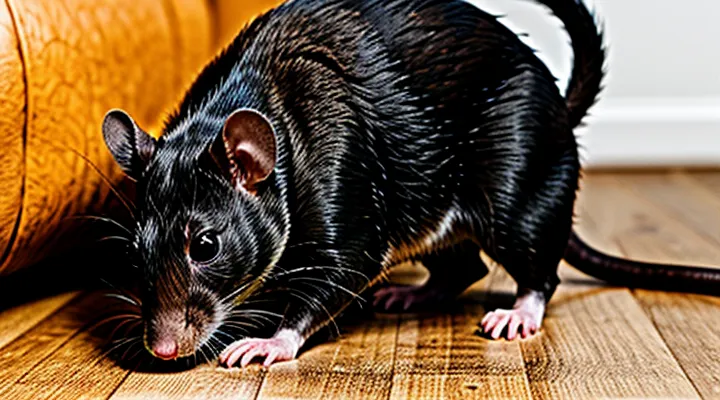
Understanding Rat Nutritional Needs
Essential Macronutrients
Protein
Protein is the primary nutrient that supports growth, tissue repair, and metabolic functions in pet rats. Adult rats require approximately 18‑20 % protein in their diet, while juveniles and breeding females need 20‑22 % to sustain rapid development and milk production. Excess protein above 25 % can strain kidneys and lead to reduced appetite.
When selecting a rat diet, assess protein quality by examining the ingredient list. Animal‑derived proteins such as dried whey, soy isolate, and fish meal provide essential amino acids in balanced ratios. Plant proteins like peas, lentils, and quinoa offer comparable nutrition when processed to improve digestibility. Avoid products that list generic “protein blend” without specifying sources.
Key factors for evaluating protein content:
- Ingredient specificity: clearly identified animal or plant sources.
- Percentage on the guaranteed analysis: listed as a minimum value.
- Absence of excessive filler proteins (e.g., soy hulls, wheat gluten) that lower digestibility.
- Inclusion of complementary amino acids, especially lysine and methionine.
Monitor rats for signs of protein deficiency: stunted growth, hair loss, and reduced activity. Indicators of overconsumption include increased water intake, frequent urination, and weight gain despite stable food intake.
A balanced approach combines high‑quality protein with adequate fiber, vitamins, and minerals. Mixing a commercial pellet (18‑20 % protein) with occasional fresh protein treats—boiled egg white, cooked chicken breast, or low‑fat cottage cheese—ensures nutritional completeness without excess calories.
Fats
Fats provide the concentrated energy rats need for growth, thermoregulation, and organ function. Essential fatty acids, particularly omega‑6 (linoleic acid) and omega‑3 (alpha‑linolenic acid), cannot be synthesized and must be supplied through the diet. A balanced ratio of these acids supports cell membrane stability, hormone production, and immune competence.
Recommended sources include:
- Animal‑derived fats: Small quantities of cooked chicken skin, boiled egg yolk, or low‑fat dairy (plain yogurt, cottage cheese). These contain readily digestible triglycerides and a spectrum of fatty acids.
- Plant‑derived oils: Sunflower, safflower, and canola oil, each offering a high proportion of omega‑6 with modest omega‑3 content. Use sparingly to avoid excess caloric intake.
- Nuts and seeds: Finely ground flaxseed, chia seeds, and walnuts deliver omega‑3 fatty acids. Limit portions to prevent choking hazards and high fat density.
Guidelines for inclusion:
- Total fat should represent 8‑12 % of the rat’s daily caloric intake.
- Introduce new fat sources gradually, monitoring stool consistency and weight.
- Store oils in opaque, airtight containers at refrigeration temperature to prevent oxidation.
- Exclude trans fats, hydrogenated oils, and highly processed snacks, which can impair lipid metabolism and liver health.
Selecting high‑quality fats, maintaining appropriate ratios, and adhering to the recommended quantity ensure that pet rats receive the necessary energy and physiological benefits without risking obesity or metabolic disorders.
Carbohydrates
Carbohydrates supply the primary energy required for a pet rat’s high activity level and support normal brain function. Rats metabolize simple sugars quickly, while complex carbohydrates provide a steadier release of glucose, preventing spikes in blood sugar.
Ideal carbohydrate sources include:
- Whole grain rolled oats, providing fiber and slowly digestible starch.
- Cooked brown rice, offering a balanced mix of amylose and amylopectin.
- Barley flakes, rich in beta‑glucans that aid digestive health.
- Small portions of whole‑grain pasta, cooked without added salt or oil.
Avoid processed products high in refined sugars, such as sugary cereals, candy, or flavored breads, because rapid digestion can lead to obesity and dental issues. When selecting commercial rat mixes, verify that the carbohydrate component is listed as whole grains or tubers rather than corn syrup or dextrose.
Recommended daily carbohydrate intake ranges from 30 % to 40 % of total caloric consumption. For an average adult rat (≈ 200 g body weight), this translates to roughly 10–15 g of digestible carbohydrates per day, delivered through a combination of fresh foods and high‑quality pellets.
Fiber, a subset of complex carbohydrates, promotes gut motility and prevents constipation. Incorporate 2–3 g of insoluble fiber daily using shredded wheat or small amounts of raw vegetables such as carrots or sweet potatoes. Ensure that fiber sources are introduced gradually to avoid digestive upset.
Monitor weight and coat condition regularly. A stable weight, glossy fur, and active behavior indicate that carbohydrate levels are appropriate. Adjust portions promptly if signs of excess weight gain or lethargy appear.
Essential Micronutrients
Vitamins
Vitamins are indispensable components of a balanced diet for pet rats, influencing growth, immune function, and metabolic health. Commercial rat feeds that claim comprehensive nutrition typically include a premixed vitamin blend; however, verifying the presence and adequacy of each vitamin remains essential.
Key vitamins for rats:
- Vitamin A (retinol): Supports vision and epithelial integrity. Sources include liver, carrots, and fortified pellets. Deficiency may cause night blindness and skin lesions.
- Vitamin D3 (cholecalciferol): Regulates calcium absorption and bone mineralization. Sourced from exposure to UV‑B light and fortified diets. Insufficient intake can lead to rickets or osteomalacia.
- Vitamin E (tocopherol): Acts as an antioxidant, protecting cell membranes. Found in seeds, nuts, and vegetable oils. Deficiency manifests as muscle degeneration and reproductive problems.
- Vitamin K: Required for blood clotting. Present in leafy greens and certain grains. Low levels increase bleeding risk.
- B‑complex vitamins (B1, B2, B3, B5, B6, B12, folic acid, biotin): Involved in energy metabolism, nerve function, and red blood cell formation. Whole grains, legumes, and fortified mixes supply these nutrients. Deficiency may cause lethargy, weight loss, or neurological signs.
- Vitamin C: Generally synthesized by rats, yet stress or illness can increase demand. Fresh fruits and vegetables provide supplemental amounts; excessive supplementation may cause gastrointestinal upset.
When selecting the best rat food, consider the following criteria:
- Label transparency: Ingredient list should specify vitamin types and concentrations per kilogram of feed.
- Manufacturer reputation: Companies with third‑party testing demonstrate consistent nutrient quality.
- Freshness: Vitamins degrade over time; check expiration dates and store feed in airtight containers away from light and heat.
- Supplementation policy: If the primary diet lacks a particular vitamin, a targeted supplement may be added, but only after confirming the deficiency through veterinary assessment.
Monitoring rat health provides practical feedback on vitamin adequacy. Signs such as poor coat condition, abnormal gait, or delayed wound healing often indicate insufficient vitamin intake. Regular veterinary check‑ups, combined with a diet that meets established nutritional standards, ensure that pet rats receive the vitamins necessary for optimal wellbeing.
Minerals
Minerals are essential for skeletal development, muscle contraction, nerve transmission, and immune function in pet rats. Adequate intake prevents deficiencies that can lead to weakened bones, growth retardation, and metabolic disorders.
Key minerals and typical requirements per kilogram of body weight are:
- Calcium: 0.5–0.8 g
- Phosphorus: 0.3–0.5 g (maintain a calcium‑to‑phosphorus ratio close to 1:1)
- Magnesium: 0.1–0.2 g
- Potassium: 0.4–0.6 g
- Sodium: 0.05–0.1 g
- Zinc: 30–50 mg
- Iron: 40–60 mg
- Copper: 5–10 mg
- Selenium: 0.1–0.2 mg
Choosing mineral sources:
- Opt for chelated trace minerals (e.g., zinc‑methionine, copper‑glycinate) because they exhibit higher absorption rates than inorganic salts.
- Verify that the product lists a guaranteed analysis with precise percentages; ambiguous “vitamins and minerals” statements provide no assurance of content.
- Select feeds fortified with a balanced mineral blend rather than single‑mineral supplements, which can disturb the calcium‑phosphorus equilibrium.
- Avoid formulations that contain excessive calcium or phosphorus, as disproportionate levels impair bone mineralization.
Practical feeding tips:
- Include a small, commercially prepared mineral block or a few grains of a mineral‑enriched pellet daily; these deliver trace elements without overloading the diet.
- Rotate between different high‑quality rodent feeds to prevent accumulation of any single mineral beyond safe limits.
- Monitor the rat’s coat, activity level, and dental health; abrupt changes may indicate mineral imbalance, prompting a review of the diet.
By adhering to these guidelines, caretakers can provide a mineral profile that supports healthy growth, reproduction, and longevity in pet rats.
Types of Rat Food
Commercial Rat Blocks and Pellets
Benefits of Commercial Diets
Commercially prepared rat foods deliver a precisely calibrated blend of protein, fat, fiber, vitamins, and minerals. Formulations are based on scientific data about the nutritional requirements of adult and juvenile rats, ensuring that each serving meets the species‑specific dietary standards without the guesswork involved in homemade mixes.
- Consistent nutrient profile across batches eliminates variability that can lead to deficiencies or excesses.
- Pre‑measured portions simplify daily feeding routines and reduce the risk of over‑ or under‑feeding.
- Ingredients are typically sourced from regulated suppliers, providing a level of safety and traceability unavailable in many kitchen‑made recipes.
- Shelf‑stable packaging preserves nutrient integrity for extended periods, allowing owners to store sufficient supply without frequent replenishment.
- Balanced ratios of calcium to phosphorus support healthy bone development, while adequate vitamin A and E levels promote vision and immune function.
Choosing a reputable commercial diet also grants access to ongoing product improvements. Manufacturers monitor health outcomes, adjust formulations to reflect new research, and often provide detailed feeding guidelines tailored to weight, age, and activity level. This systematic approach helps maintain optimal growth, reproductive performance, and overall wellbeing in pet rats.
What to Look For in a Commercial Food
When evaluating a ready‑made diet for pet rats, focus on the nutritional profile, ingredient quality, and product reliability.
- Protein: Minimum 18 % from animal or high‑quality plant sources; essential amino acids must be present.
- Fat: 5–10 % with a balance of omega‑3 and omega‑6 fatty acids; avoid excessive saturated fat.
- Fiber: 5–8 % crude fiber to support digestive health and prevent gastrointestinal issues.
- Vitamins and minerals: Complete spectrum of A, D, E, K, B‑complex, calcium, phosphorus, magnesium, and trace elements; levels should meet established rodent nutrition guidelines.
- Additives: No artificial colors, flavors, or preservatives; preservatives limited to natural options such as mixed tocopherols.
- Fillers: Exclude high‑carbohydrate fillers like corn, wheat, or soy unless specifically formulated for rats; grain‑free formulations are preferable for many individuals.
- Moisture content: 10–12 % to maintain palatability without promoting spoilage.
Additional considerations include a guaranteed analysis label, an expiration date that confirms product freshness, packaging that preserves nutrient integrity, and cost per kilogram relative to nutritional value. Selecting a formula that satisfies these criteria ensures a balanced diet that meets the physiological demands of domestic rats.
Fresh Foods and Supplements
Safe Fruits and Vegetables
Pet rats thrive on a diet that includes fresh produce, provided the items are safe and properly prepared.
Safe fruits for rats are limited to those low in acidity and sugar spikes. Recommended options include:
- Apples (core removed, no seeds)
- Blueberries
- Strawberries (cut into bite‑size pieces)
- Raspberries
- Pears (skin removed, seeds discarded)
- Bananas (small portions)
Safe vegetables encompass leafy greens and low‑oxalate varieties. Acceptable choices are:
- Spinach (offered sparingly)
- Kale (trimmed of tough stems)
- Carrots (shredded)
- Bell peppers (any color, seeded)
- Zucchini
- Cucumber (peeled)
- Broccoli florets
Preparation guidelines: wash all produce thoroughly to eliminate pesticide residues; remove pits, seeds, and stems that could cause choking or toxicity; cut into pieces no larger than one centimeter; serve in moderation to avoid digestive upset.
Frequency: introduce a new fruit or vegetable gradually, limiting total fresh produce to 10‑15 % of the rat’s overall diet. Rotate selections to ensure nutritional variety while monitoring for adverse reactions.
Storage: keep washed produce in a sealed container in the refrigerator; discard any leftovers after 24 hours to prevent spoilage.
By adhering to these selections and handling practices, owners can provide a balanced, safe supplement to the primary grain‑based diet of pet rats.
Protein Sources
Protein is the most critical macronutrient for pet rats, supporting growth, tissue repair, and immune function. High‑quality protein sources provide essential amino acids in ratios that match the rodent’s metabolic needs.
- Cooked chicken breast, skinless and unseasoned, offers complete protein with low fat content.
- Hard‑boiled eggs, finely chopped, deliver a balanced amino acid profile and are easy to digest.
- Commercially raised mealworms, dried or frozen, supply chitin‑rich protein and stimulate natural foraging behavior.
- Low‑fat fish such as tilapia, steamed and flaked, adds variety and omega‑3 fatty acids without excess oil.
- Soybean meal, heat‑treated to reduce antinutrients, provides plant‑based protein suitable for mixing with other ingredients.
- Lentils, peas, and quinoa, cooked and cooled, contribute complementary protein sources while adding fiber.
When selecting protein, prioritize freshness, minimal processing, and the absence of added salts, sugars, or preservatives. Avoid raw meat, which carries a high risk of bacterial contamination, and limit high‑fat options like bacon or processed meats to prevent obesity. Balance protein with adequate carbohydrates and fats to maintain a complete diet, and rotate sources to prevent nutrient deficiencies and encourage natural chewing activity.
Grains and Seeds
Grains and seeds supply essential carbohydrates, fiber, and modest protein for pet rats, supporting energy needs and digestive health.
- Commonly accepted grains: rolled oats, cooked brown rice, barley, quinoa, millet.
- Preferred seeds: sunflower (unshelled, raw), pumpkin, safflower, hemp.
Select products that are unflavored, free of added sugars, salts, or preservatives. Verify packaging dates, inspect for mold, discoloration, or insect damage. Choose whole‑grain forms; processed flours lack fiber and may contain anti‑nutritional factors.
Before offering, rinse grains to remove dust, then cook until soft but not mushy; boiling or steaming preserves nutrients while eliminating potential pathogens. Soak seeds briefly to reduce hardness, especially for larger varieties. Store dry items in airtight containers at cool temperatures to prevent rancidity.
Avoid mold‑prone grains, stale seeds, and high‑fat options such as excessive sunflower or peanut kernels, which can cause obesity and liver strain. Limit hard seeds that exceed the size of a rat’s molar gap to reduce choking risk.
Daily ration should not exceed 10 % of total diet weight; a typical adult rat receives 1–2 teaspoons of mixed grains and seeds, divided into two feedings. Combine with fresh vegetables, protein sources, and a balanced commercial base to meet complete nutritional requirements.
Foods to Avoid
Pet rats require a diet that mirrors their natural omnivorous habits while avoiding substances that can cause illness or nutritional imbalance. Certain foods pose immediate risks, while others contribute to long‑term health problems.
- Citrus fruits (oranges, lemons, grapefruits) – high acidity damages tooth enamel and can irritate the digestive tract.
- Processed meats (bacon, ham, sausage) – contain excessive salt, preservatives, and fat, leading to kidney strain and obesity.
- Chocolate and caffeine – toxic compounds (theobromine, caffeine) interfere with heart function and can be fatal.
- Raw beans and legumes – contain lectins that impair nutrient absorption and may cause gastrointestinal distress.
- High‑sugar snacks (candies, sugary cereals) – promote dental decay and rapid weight gain.
- Dairy products (milk, cheese) – many rats lack lactase, resulting in diarrhea and discomfort.
- Avocado (especially skin and pit) – contains persin, a toxin harmful to rodents.
- Alcohol and nicotine – depress the central nervous system and are lethal even in small quantities.
- Artificial sweeteners (xylitol, sucralose) – can lead to hypoglycemia and liver damage.
- Moldy or spoiled food – introduces mycotoxins that damage organs and weaken immunity.
Avoiding these items reduces the likelihood of digestive upset, metabolic disorders, and acute poisoning, supporting a stable, healthy condition for pet rats.
Dietary Considerations
Age-Specific Diets
Young Rats and Pups
Young rats and pups have distinct nutritional requirements that differ markedly from adult rodents. Their rapid growth demands high protein, essential fatty acids, and readily digestible carbohydrates to support tissue development and immune function.
An appropriate diet for neonatal and weanling rats should include:
- Commercial rodent milk replacer formulated for high protein (18‑20 %) and balanced amino acid profile.
- Softened high‑quality pellets or mash, introduced gradually during the weaning period.
- Fresh, finely chopped vegetables such as carrot, spinach, and broccoli, providing vitamins and fiber.
- Small portions of cooked lean protein (e.g., boiled chicken, scrambled egg) to supplement amino acids.
- Clean, fresh water available at all times; use a shallow dish to prevent drowning.
Feeding schedule must reflect the pups’ metabolic rate. Offer milk replacer three to four times daily until the eyes open, then reduce to two feedings as solid food intake increases. Introduce solid foods at 10‑14 days of age, increasing frequency to three meals per day by the third week. Monitor body weight weekly; a steady gain of 2‑3 g per day indicates adequate nutrition.
Common errors include using cow’s milk, which lacks necessary nutrients and can cause digestive distress, and providing hard pellets that young rats cannot chew. Ensure all foods are free from pesticides, mold, or excessive salt. Replace uneaten fresh items within 12 hours to prevent spoilage.
Selecting the optimal nutrition for juvenile pet rats involves matching diet composition to developmental stage, maintaining a consistent feeding routine, and avoiding foods that compromise health. This approach promotes robust growth, reduces morbidity, and prepares the animals for a smooth transition to an adult diet.
Adult Rats
Adult rats require a balanced diet that supports growth, reproduction, and maintenance of body condition. Protein should constitute 18‑20 % of the diet, sourced from high‑quality animal or plant proteins such as soy, whey, or cooked eggs. Fiber, at 4‑6 % of the ration, promotes gastrointestinal health; shredded wheat, oat bran, and safe vegetables provide adequate roughage. Fat levels of 5‑7 % supply essential fatty acids without encouraging obesity. Vitamins A, D, E, and B‑complex, along with minerals calcium, phosphorus, and magnesium, must be present in bioavailable forms; fortified commercial mixes usually meet these standards.
Water is a non‑negotiable component; fresh, clean water should be available at all times. Adult rats typically consume 10‑15 ml of water per 100 g of body weight daily. Dehydration accelerates renal issues and reduces appetite.
Feeding schedule influences metabolic stability. Offer a measured portion once or twice daily, removing uneaten food after four hours to prevent spoilage. Over‑feeding leads to rapid weight gain; monitor body condition scores regularly.
Safe foods for adult rats include:
- Commercially formulated rat pellets (nutrient‑complete, low in added sugars)
- Cooked lean meats (chicken, turkey) in small quantities
- Fresh vegetables: carrot, broccoli, kale, bell pepper
- Fresh fruits: apple (core removed), berries, banana (limited)
- Whole grains: cooked quinoa, brown rice, rolled oats
Foods to avoid:
- Citrus fruits (high acidity)
- Avocado (persin toxin)
- Raw beans or legumes (phytohemagglutinin)
- Processed snacks, chocolate, caffeine, alcohol
- High‑fat or sugary human treats
When preparing homemade meals, calculate nutrient ratios to match the specifications listed above. Use a nutritional analysis tool or consult a veterinary nutritionist to verify adequacy. Regular health checks, including weight measurement and dental assessment, help confirm that the chosen diet maintains optimal condition for adult pet rats.
Senior Rats
Senior rats experience a decline in metabolic efficiency, reduced dental wear, and a higher risk of organ dysfunction. Their diet must compensate for these changes while preventing obesity and nutrient deficiencies.
- Protein sources: cooked chicken breast, boiled egg whites, low‑fat cottage cheese; limit to 20‑25 % of daily calories.
- Fiber: unprocessed whole‑grain oats, barley, and small amounts of steamed carrots or green beans; supports gastrointestinal motility.
- Fat: modest inclusion of omega‑3‑rich fish oil or a few drops of flaxseed oil; aids skin health and inflammation control.
- Calcium and phosphorus: a calibrated calcium‑phosphate ratio of approximately 1:1; achieved with a teaspoon of powdered bone meal or a commercial rodent supplement.
- Vitamins: supplement with a balanced rat‑specific multivitamin that includes vitamin E, B‑complex, and vitamin D3; senior rats often require higher doses of vitamin E for antioxidant protection.
Hydration is critical; provide fresh water daily, and consider a water bottle with a stainless‑steel nozzle to reduce contamination. Wet foods such as plain yogurt or mashed pumpkin can increase fluid intake.
Feeding frequency should shift from two daily meals in younger rats to a single, measured portion in the evening, reflecting a slower metabolism. Monitor body condition weekly: a visible waistline and a slight abdominal tuck indicate a healthy weight; excessive fat deposits around the hips suggest over‑feeding.
Avoid hard, dry kibble that can exacerbate dental wear, and eliminate sugary treats, high‑salt snacks, and processed human foods. Replace these with small portions of fresh fruit (e.g., apple slices) only as occasional enrichment.
Regular veterinary check‑ups allow adjustment of the diet based on blood work and organ function. Documentation of food intake, weight, and health markers ensures that senior rats receive optimal nutrition throughout their lifespan.
Health Conditions and Special Diets
Obesity Management
Obesity in domesticated rodents compromises cardiovascular function, joint health, and lifespan. Effective weight control begins with a diet that balances energy intake against the animal’s metabolic rate.
Energy density varies widely among commercially available mixes. Formulations high in fat or simple carbohydrates deliver excess calories per gram. Selecting a product with moderate protein, low added fat, and complex carbohydrates reduces the risk of surplus energy accumulation. Whole‑grain seeds, legumes, and small amounts of lean animal protein provide essential nutrients without inflating caloric load.
- Determine daily caloric requirement based on adult weight and activity level.
- Measure portions with a kitchen scale; avoid estimating by volume.
- Limit high‑fat treats to less than 5 % of total calories.
- Introduce fresh vegetables low in sugar (e.g., kale, broccoli) as bulk fillers.
- Encourage regular exercise with climbing structures and timed out‑of‑cage sessions.
Weight should be recorded weekly using a gram‑accurate scale. A gain of more than 2 % of body mass over two weeks signals the need for dietary adjustment. Veterinary consultation is advisable when weight trends upward despite adherence to the outlined protocol, as underlying health issues may require medical intervention.
Dental Health
Rats’ incisors grow continuously; insufficient wear leads to malocclusion, pain, and infection. Proper nutrition supplies the abrasive material needed for natural grinding and supports oral tissue health.
Hard, fibrous components such as untreated wheat bran, raw oats, and unprocessed sunflower seeds create the mechanical action that files teeth during chewing. These items also stimulate saliva flow, which buffers oral pH and reduces bacterial proliferation.
Nutrient balance influences gum integrity. Adequate levels of vitamin C, calcium, and phosphorus strengthen periodontal ligaments and alveolar bone. Deficiencies accelerate recession and increase susceptibility to periodontal disease.
Key dietary elements for optimal dental health:
- Fresh, unsweetened vegetables (e.g., kale, broccoli) – provide fiber and vitamin C.
- Small portions of raw, unsalted nuts – deliver calcium and encourage grinding.
- Limited amounts of high‑protein pellets formulated for rodents – ensure balanced minerals without excessive soft content.
- Continuous access to clean water – maintains hydration and saliva production.
Avoid soft, sugary treats, processed foods, and excessive fruit purees, as they reduce chewing activity and promote bacterial growth. Regular monitoring of tooth length, combined with the above nutritional strategy, preserves dental function and overall well‑being in pet rats.
Respiratory Issues
Pet rats are prone to respiratory problems such as upper‑airway infections and chronic bronchitis. Diet influences the immune system and mucosal health, which directly affect the ability to resist pathogens that target the respiratory tract.
Key nutritional factors that support respiratory function include:
- High‑quality protein sources (e.g., boiled eggs, cooked chicken) to supply amino acids for antibody production.
- Vitamin C‑rich vegetables (e.g., broccoli, bell pepper) that aid collagen formation and tissue repair.
- Vitamin E‑enriched seeds (e.g., sunflower, pumpkin) that act as antioxidants, reducing oxidative stress in airway tissues.
- Low‑fat, low‑sugar formulations that prevent obesity, a known risk factor for reduced lung capacity.
- Adequate calcium and phosphorus to maintain strong skeletal structures, including the rib cage, which facilitates efficient breathing.
When selecting commercial rat chow, verify that the ingredient list contains the above nutrients in balanced proportions and that the product is free from excessive fillers, dust, or mold‑prone grains. Regularly monitor a rat’s breathing pattern, nasal discharge, and activity level; early detection of irregularities allows dietary adjustments and veterinary intervention before conditions become severe.
Feeding Practices
Feeding Frequency and Portions
Pet rats require regular meals to maintain stable metabolism and prevent overeating. Provide food three times daily for adults and four to five times for juveniles. Space feedings evenly, allowing 4–6 hours between portions.
Portion size depends on the rat’s weight, activity level, and life stage. A typical adult weighing 200–250 g should receive 15–20 g of mixed diet per day, divided among the scheduled feedings. Younger rats need 10–15 g per day, split into smaller amounts. Adjust quantities upward for highly active individuals and downward for sedentary or overweight rats.
Guidelines for balancing meals:
- Base diet: 70 % high‑quality pellet or formulated mash, measured by weight.
- Fresh supplements: 20 % fresh vegetables, fruits, or leafy greens, introduced gradually to avoid digestive upset.
- Treats: 10 % occasional protein sources (hard‑boiled egg, cooked chicken) or low‑sugar treats; limit to no more than 1 g per rat per day.
Monitor body condition weekly. If the rat shows signs of weight loss—visible ribs, reduced muscle tone—increase portion size by 2–3 g. Conversely, if excess fat accumulates—bulging abdomen, reduced mobility—reduce portions by the same amount and verify that treat intake remains within limits.
Consistent feeding schedules and calibrated portions reduce stress, support healthy growth, and enhance the effectiveness of any nutritional plan chosen for pet rats.
Food Storage Best Practices
Proper storage preserves nutritional value and prevents spoilage, which directly affects the health of pet rats.
Store dry feed in airtight containers made of food‑grade plastic or glass. Seal lids firmly after each use to block humidity and odors. Place containers in a cool, dark area away from direct sunlight; temperatures above 75 °F (24 °C) can accelerate fat oxidation and vitamin loss.
Refrigerate perishable items such as fresh vegetables, fruits, and cooked protein. Use sealed bags or containers, and consume within 3–5 days. Discard any produce that shows signs of mold, slime, or off‑odor.
Implement a first‑in, first‑out system. Label each container with the purchase date and recommended use‑by date. Rotate stock weekly, moving older supplies to the front of the storage area.
Protect feed from pests by storing it on elevated shelves and keeping the storage space clean. Vacuum‑seal bulk grain or seed purchases, then transfer portions to daily use containers.
Regularly clean storage containers with mild soap and hot water; rinse thoroughly and dry before refilling. Avoid harsh chemicals that could leave residues.
Maintain a checklist of storage practices:
- Airtight, food‑grade containers for dry feed.
- Cool, dark storage environment for dry items; refrigeration for perishables.
- Date labeling and rotation schedule.
- Elevated, pest‑free shelving.
- Routine cleaning of containers.
Adhering to these procedures ensures consistent feed quality, reduces waste, and supports optimal health outcomes for pet rats.
Introducing New Foods
Introducing fresh items into a pet rat’s diet requires careful planning to avoid digestive upset and ensure nutritional balance. Begin with a baseline of high‑quality commercial pellets, then add novel foods gradually, monitoring acceptance and health indicators.
- Select foods that are low in fat, free of added sugars, and free of toxic compounds (e.g., avocado, chocolate, onions). Safe options include cooked lean chicken, plain boiled eggs, fresh vegetables such as broccoli, carrots, and leafy greens, as well as whole‑grain cereals.
- Prepare each new item in small, bite‑size pieces to match the rat’s natural chewing behavior. Remove seeds, pits, and any tough stems that could cause choking.
- Introduce one item at a time, offering a single piece for two days. Observe the rat’s behavior, stool consistency, and weight. If no adverse reaction occurs, increase the portion by 10‑15 % of the daily ration.
- Maintain a record of introduced foods, quantities, and observed effects. This log supports future adjustments and helps identify allergens or intolerances.
Consistent rotation of approved novel foods prevents monotony and promotes a diverse nutrient intake. Replace a portion of the regular pellet mix with the new item once it is accepted, ensuring the overall diet remains balanced in protein, fiber, vitamins, and minerals. Regular veterinary check‑ups confirm that the diet meets the rat’s physiological needs and that any changes remain safe.
Common Feeding Mistakes to Avoid
Overfeeding or Underfeeding
Proper nutrition for domestic rats hinges on precise portion control. Excessive caloric intake leads to rapid weight gain, reduced activity, and heightened risk of metabolic disorders such as fatty liver disease. Insufficient nourishment results in emaciation, weakened immune response, and shortened lifespan.
Typical indicators of overconsumption include:
- Visible fat deposits along the spine and hindquarters
- Lethargic behavior and reduced exploration
- Elevated blood glucose levels in veterinary tests
Signs of inadequate feeding manifest as:
- Prominent ribs and a pronounced spine
- Aggressive foraging or constant begging for food
- Dull coat and delayed wound healing
To maintain optimal health, follow these guidelines:
- Calculate daily energy requirements based on the rat’s age, weight, and activity level; most adult specimens need approximately 15–20 kcal per 100 g body weight.
- Offer a measured amount of high‑quality laboratory rat chow, supplemented with fresh vegetables, fruits, and occasional protein sources.
- Provide fresh water at all times and replace it daily to prevent dehydration.
- Weigh the animal weekly; adjust portions if the weight deviates more than 5 % from the target range.
- Monitor eating patterns; sudden changes may signal health issues requiring veterinary assessment.
Consistent application of these practices prevents the pitfalls of both over- and under‑nutrition, supporting robust growth and longevity in pet rats.
Providing Unsafe Foods
When selecting an optimal diet for pet rats, recognizing foods that pose health risks is essential. Unsafe items can cause digestive distress, organ damage, or fatal poisoning, undermining any effort to provide balanced nutrition.
- Chocolate – contains theobromine, toxic to rodents.
- Caffeine‑containing products (coffee, tea, energy drinks) – stimulant overload can lead to cardiac arrhythmia.
- Raw or undercooked beans (especially kidney beans) – high levels of lectins damage intestinal lining.
- Citrus peels and large amounts of citrus juice – acidic content irritates stomach and may cause electrolyte imbalance.
- Processed meats (salami, bacon) – high sodium and preservatives strain kidneys.
- High‑fat snacks (chips, fried foods) – promote obesity and hepatic lipidosis.
- Artificial sweeteners, particularly xylitol – trigger rapid insulin release and hypoglycemia.
- Moldy or spoiled food – mycotoxins can cause neurological symptoms and liver failure.
Exposure to any of these substances may result in vomiting, diarrhea, seizures, or death. Preventive measures include storing food in sealed containers, discarding leftovers promptly, and offering only rat‑approved commercial pellets, fresh vegetables, and limited fruit. Regular veterinary check‑ups help detect early signs of toxicity and ensure the diet remains safe and nutritionally complete.
Lack of Dietary Variety
A monotonous diet deprives pet rats of essential nutrients, leading to deficiencies that affect growth, immune response, and coat condition. Rats naturally forage for seeds, fruits, vegetables, and protein sources; when meals consist solely of a single commercial block, they miss out on vitamins such as A, C, and E, as well as minerals like calcium and magnesium. Observable signs include dull fur, reduced activity, and frequent respiratory infections.
To counteract limited variety, provide a balanced rotation of fresh and dried foods. Include at least three categories daily:
- Fresh produce (e.g., leafy greens, carrots, berries) – wash thoroughly, cut into bite‑size pieces.
- Protein options (e.g., boiled eggs, cooked chicken, mealworms) – offer in small portions to avoid excess fat.
- Whole‑grain or seed mixes (e.g., rolled oats, millet, sunflower seeds) – select unsalted, low‑oil varieties.
Monitoring intake ensures that rats receive a complete profile of macronutrients and micronutrients, preventing the health issues associated with repetitive feeding. Regularly adjusting the menu maintains interest, supports natural foraging behavior, and promotes overall wellbeing.