
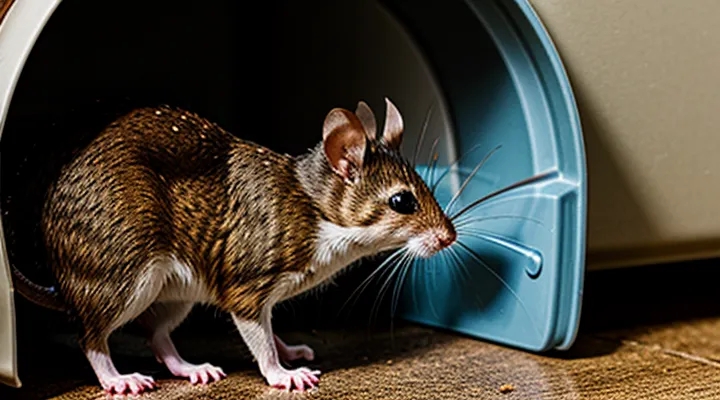
The Mouse Problem: Understanding the Threat
Why Mice are a Nuisance
Mice infiltrate homes and businesses, causing direct economic losses and health risks. Their constant gnawing compromises structural integrity, damaging insulation, wiring, and wooden components. Severed wires can trigger short circuits, fire hazards, or equipment failure. Food stores become contaminated through droppings, urine, and fur, leading to spoilage and costly waste. Pathogens carried by mice—such as Hantavirus, Salmonella, and Leptospira—pose serious threats to human and animal health. Rapid reproductive cycles amplify infestations; a single pair can produce dozens of offspring within months, overwhelming conventional control measures.
Key impacts of mouse activity:
- Destruction of building materials and electrical systems
- Contamination of food supplies and surfaces
- Transmission of zoonotic diseases
- Accelerated population growth, increasing control difficulty
- Unpleasant odors and visual signs of infestation
Understanding these consequences underscores the need for effective, low‑toxicity deterrents that can be prepared from readily available household ingredients.
Signs of a Mouse Infestation
Mice leave unmistakable evidence that indicates a developing infestation. Recognizing these indicators early prevents property damage and health risks.
Typical signs include:
- Fresh droppings, dark and rod‑shaped, found along walls, behind appliances, and in pantry corners.
- Gnaw marks on wood, plastic, wiring, or food packaging, often at a 45‑degree angle.
- Nests constructed from shredded paper, fabric, or insulation, typically hidden in concealed areas such as behind cabinets or within wall voids.
- Grease tracks: dark smears along baseboards, pipes, or the underside of furniture where mice frequently travel.
- Unexplained food loss or spillage, especially in grain‑based products, accompanied by a faint, musky odor.
- Audible activity: scratching, scurrying, or squeaking sounds, most common at night when mice are active.
Detecting multiple signs concurrently signals a serious problem that warrants immediate intervention. Prompt implementation of natural deterrent formulations can halt population growth and protect the environment from chemical exposure.
Natural Approaches to Pest Control
Advantages of Folk Repellents
Traditional mouse deterrent recipes offer several practical benefits that distinguish them from commercial chemical products. They rely on readily available ingredients, require minimal preparation, and avoid hazardous substances, making them suitable for households with children or pets. Their simplicity allows rapid deployment in kitchens, basements, or storage areas where rodent activity is detected.
Key advantages include:
- Low cost – common pantry items replace expensive industrial formulations.
- Safety – non‑toxic components reduce health risks for occupants and domestic animals.
- Environmental compatibility – biodegradable ingredients prevent soil and water contamination.
- Reduced resistance – natural aromas and tastes deter mice without encouraging adaptation.
- Ease of application – mixtures can be sprayed, placed in sachets, or spread on surfaces without specialized equipment.
These attributes collectively enable effective, sustainable mouse control while minimizing financial outlay and ecological impact.
Limitations and Considerations
Traditional mouse deterrents derived from household items and natural substances can be appealing for their low cost and ease of preparation, yet they possess several inherent constraints that must be acknowledged before reliance.
- Efficacy varies with species, population density, and seasonal behavior; a remedy that repels a solitary mouse may fail against an established colony.
- Concentration and application frequency determine success; insufficient dosage yields negligible effect, while excessive use may cause material waste or damage to furnishings.
- Many recipes rely on strong odors (e.g., peppermint oil, cloves, vinegar); prolonged exposure can irritate human occupants, pets, or degrade indoor air quality.
- Environmental conditions such as humidity, temperature, and ventilation influence volatility of aromatic compounds, shortening the active period of the repellent.
- Some ingredients, like powdered garlic or chili, attract other pests (e.g., insects) or create staining, complicating maintenance.
- Legal regulations restrict the use of certain substances in rental properties or commercial settings; failure to comply may result in liability.
- Resistance development is possible; rodents exposed repeatedly to the same scent may habituate, diminishing long‑term effectiveness.
Considering these factors, folk mouse deterrents should complement, not replace, integrated pest‑management strategies that include sanitation, sealing entry points, and, when necessary, professional control measures.
Repellents Based on Strong Aromas
Peppermint Oil: A Classic Solution
Application Methods for Peppermint Oil
Peppermint oil serves as a natural mouse deterrent because its strong menthol aroma overwhelms rodent olfactory receptors. Effective use depends on proper delivery and regular renewal.
- Cotton ball placement – Saturate cotton balls with undiluted peppermint oil, insert them into corners, behind appliances, and near known entry points. Replace every 3–5 days to maintain potency.
- Spray solution – Mix 10 ml peppermint oil with 250 ml water and a few drops of liquid soap as an emulsifier. Transfer to a spray bottle, apply to baseboards, door thresholds, and the interior of cabinets. Reapply weekly or after cleaning.
- Diffuser deployment – Use an ultrasonic or electric diffuser to disperse oil vapor continuously in rooms where activity is observed. Set to run 8–10 hours per day; refill when scent fades.
- Cloth strip method – Soak strips of absorbent fabric in oil, hang them from the underside of shelving or drape across gaps in walls. Change strips biweekly.
- Direct entry-point treatment – Apply a few drops of oil to cracks, gaps, and vent openings using a small brush or pipette. Seal gaps after treatment to prevent re‑infestation.
- Integrated trap enhancement – Add a few drops of peppermint oil to the bait area of snap or live traps; the scent deters other mice while still allowing capture of targeted individuals.
- Perimeter barrier – Create a low‑volume oil trail along the exterior foundation using a spray wand, focusing on areas where mice may approach. Refresh monthly, especially after rain.
Safety considerations: keep oil away from pets and children, avoid direct skin contact by wearing gloves, and store in a sealed container away from heat sources. Consistent application of these methods sustains an environment unattractive to rodents without resorting to chemicals.
Essential Oils Blend: Enhanced Efficacy
Recommended Oil Combinations
Essential oil blends provide a reliable, low‑toxic option for deterring house mice. Research and field experience identify several mixtures that combine strong olfactory cues with synergistic effects.
- Peppermint (30 %) + Clove (15 %) + Eucalyptus (15 %) + Water (40 %) – Apply to cotton balls or spray on entry points. Peppermint disrupts rodent sensory pathways; clove enhances toxicity; eucalyptus adds a repellent vapor.
- Lavender (25 %) + Citronella (20 %) + Tea Tree (15 %) + Alcohol (40 %) – Use as a spray on surfaces where mice travel. Lavender masks food odors, citronella repels, and tea tree contributes antimicrobial properties that discourage nesting.
- Cinnamon (20 %) + Rosemary (20 %) + Lemongrass (20 %) + Carrier Oil (40 %) – Soak cotton pads and place in concealed corners. Cinnamon’s phenols irritate rodent mucosa; rosemary and lemongrass produce a persistent, unpleasant scent.
- Anise (15 %) + Spearmint (15 %) + Basil (15 %) + Water (55 %) – Distribute in small containers near potential entryways. Anise mimics predator scent, spearmint reinforces the deterrent effect, and basil adds a fresh, lingering aroma.
For optimal performance, refresh each blend every 3–5 days, especially in humid environments where volatility declines. Concentrations listed are weight‑based; precise measurement ensures safety for humans and pets while maintaining efficacy against mice.
Garlic and Onion: Pungent Deterrents
Preparing and Using Garlic/Onion Repellents
Garlic and onion emit sulfur compounds that mice find intolerable, making them reliable components of traditional rodent deterrents. The strong odor interferes with their sensory receptors, discouraging entry into treated zones.
Preparation steps
- Peel and finely chop equal parts fresh garlic and onion (e.g., ½ cup each).
- Place the mixture in a saucepan, add 2 cups of water, and bring to a gentle boil.
- Reduce heat and simmer for 10 minutes, allowing the volatile compounds to dissolve.
- Cool the solution, then strain through a fine mesh to remove solids.
- Transfer the liquid to a spray bottle or a cotton‑filled cloth bag for application.
Application guidelines
- Spray the solution along baseboards, behind appliances, and around entry points at least once daily during active months.
- Soak cotton balls in the liquid, place them in corners, cabinets, and under sinks; replace every 48 hours to maintain potency.
- For outdoor storage areas, soak a rag in the mixture, hang it near potential burrow sites, and reapply after rain.
Safety and maintenance
- Use gloves when handling raw garlic and onion to avoid skin irritation.
- Store the prepared solution in a sealed container in a cool, dark place; discard after two weeks to prevent bacterial growth.
- Avoid direct contact with food preparation surfaces; label containers clearly to prevent accidental ingestion.
Additional tips
- Combine the spray with a thin layer of petroleum jelly on gaps; the jelly slows evaporation, extending the repellent effect.
- Rotate with other plant‑based deterrents (e.g., peppermint oil) every week to prevent mice from habituating to a single scent.
These procedures deliver a cost‑effective, non‑chemical method for reducing mouse activity in residential and agricultural settings.
Repellents Utilizing Irritating Substances
Cayenne Pepper and Chili Powder
Safe Application for Spicy Repellents
Spicy repellents, such as cayenne pepper, chili powder, and crushed red pepper flakes, deter mice by irritating their nasal passages and discouraging nesting. Their effectiveness depends on proper preparation, placement, and safety precautions to protect humans, pets, and the environment.
Prepare a concentrated mixture by combining one part finely ground spice with three parts inert carrier (e.g., diatomaceous earth, talc, or powdered charcoal). Add a small amount of food‑grade oil (olive or coconut) to bind the particles, creating a paste that adheres to surfaces without becoming a slip hazard.
Apply the paste in the following manner:
- Identify entry points, runways, and nesting sites; focus on cracks, gaps under appliances, and the perimeter of cupboards.
- Using a disposable glove, spread a thin line (approximately 1 mm thick) along these areas. Ensure the coating does not contact food preparation surfaces or open containers.
- Reapply every 7–10 days, or after cleaning, because moisture and dust diminish potency.
- For temporary barriers, place a dry sprinkle of the carrier‑spice blend in corners or behind furniture; replace weekly.
Safety considerations:
- Wear gloves and a mask during mixing to avoid inhalation and skin irritation.
- Store the mixture in a sealed, labeled container out of reach of children and animals.
- Avoid applying near pet feeding stations; some species are highly sensitive to capsaicin.
- Test a small, concealed area first to confirm that the substance does not damage flooring, paint, or upholstery.
By adhering to these protocols, users can exploit the deterrent properties of hot spices while minimizing health risks and preserving household integrity.
Ammonia: A Powerful Odor
Precautions When Using Ammonia
Ammonia is a common ingredient in traditional mouse deterrents, but its use demands strict safety measures. Direct inhalation of vapors can irritate the respiratory tract and cause headaches; therefore, apply the substance in well‑ventilated areas and avoid confined spaces. Keep the solution away from food preparation surfaces and store it out of reach of children and pets to prevent accidental ingestion or skin contact.
- Wear gloves and eye protection when handling concentrated ammonia.
- Dilute the chemical according to reliable recipes; excessive strength increases toxicity without improving effectiveness.
- Place the repellent in sealed containers with small openings, allowing controlled release while limiting exposure.
- Monitor the area for signs of corrosion on metal fixtures; ammonia can damage certain materials over time.
- Dispose of unused or expired solution according to local hazardous‑waste guidelines, never pour it down household drains.
Physical Barriers and Traps (Non-Lethal)
Steel Wool and Caulk: Sealing Entry Points
Steel wool combined with caulk creates a durable barrier that prevents mice from exploiting gaps around pipes, vents, and foundation cracks. The metal fibers are too coarse for rodents to chew, while the sealant adheres the material to surrounding surfaces, eliminating hidden access points.
- Identify all openings larger than a quarter‑inch; prioritize those near food storage, utility lines, and exterior walls.
- Pack steel wool tightly into each gap, ensuring no voids remain.
- Apply a generous layer of silicone or acrylic caulk over the wool, smoothing the surface to achieve a complete seal.
- Inspect the sealed area after curing; reapply caulk if cracks develop.
Regular inspection and maintenance of these reinforced seals sustain their effectiveness as a low‑cost, non‑chemical deterrent.
Live Traps: Catch and Release Strategies
Live traps provide a humane alternative to lethal control, allowing capture of individual mice for relocation away from homes. The method aligns with traditional mouse deterrent practices that emphasize non‑toxic solutions.
Construction of an effective live trap follows a simple mechanical principle: a one‑way entry that closes when the animal passes through. Common designs include wooden or plastic boxes with a hinged door, a spring‑loaded latch, or a PVC tube with a sliding gate. Materials should be sturdy, weather‑resistant, and easy to clean.
Key steps for successful catch and release:
- Choose a bait that appeals to local mouse populations—peanut butter, sunflower seeds, or a small piece of cheese work reliably.
- Place the bait at the far end of the trap to ensure the mouse moves fully inside before triggering the door.
- Position traps along walls, behind appliances, or near known gnawing sites; mice prefer travel routes close to surfaces.
- Check traps at least twice daily to prevent stress or injury to captured animals.
- Release captured mice at least 200 m from the original site, preferably in a wooded or field area with natural cover and food sources.
- Disinfect traps with a mild bleach solution after each use to eliminate scent traces that could deter future captures.
Integrating live traps with other folk deterrent techniques enhances overall effectiveness. For example, placing dried lavender sachets or peppermint oil-soaked cotton near trap entrances adds a repellent scent that discourages additional intruders while the trap remains active.
Maintenance considerations include regular inspection of latch mechanisms for rust, replacement of worn hinges, and periodic renewal of bait to maintain attractiveness. Properly managed live traps reduce mouse activity without introducing chemical hazards, supporting a sustainable, low‑impact approach to rodent management.
Preventing Future Infestations
Maintaining a Clean Environment
A tidy environment removes the primary incentives that draw mice toward homemade deterrents. Food residues, clutter, and moisture create shelters and feeding stations; eliminating them forces rodents to seek alternative habitats where natural repellents are more effective.
- Sweep floors and vacuum rugs daily to capture crumbs and droppings.
- Wipe countertops and tables after each meal; use a disinfectant that leaves no scent attractive to rodents.
- Store dry goods in sealed, airtight containers; glass or heavy‑plastic jars prevent gnawing.
- Dispose of garbage in bins with tight‑fitting lids; empty them nightly to avoid buildup.
- Repair leaks in pipes, faucets, and roofs; dry areas reduce nesting material.
Cleaning also aids the application of traditional mouse repellents, such as peppermint oil sprays or dried herbs. A clean surface allows the repellent to contact the area directly, extending its volatile compounds’ reach. Moreover, reduced clutter simplifies the placement of sachets, cotton balls, or soaked cloths in strategic locations.
Maintaining order in storage rooms, basements, and attics eliminates hidden pathways. Seal gaps around vents, doors, and utility penetrations with steel wool or caulk; a sealed perimeter blocks entry and keeps the repellent zones uninterrupted.
Consistent housekeeping therefore amplifies the potency of folk mouse deterrents, turning a simple cleaning routine into a core component of an effective, low‑cost control strategy.
Securing Food Sources
Securing food supplies is a primary objective when employing traditional mouse deterrents. Mice locate nourishment by scent and visual cues; eliminating these signals reduces infestation risk without chemical traps.
Effective homemade solutions focus on strong aromas that mice find intolerable:
- Peppermint oil spray – combine 10 ml essential oil with 250 ml water, add a few drops of dish‑soap, spray around pantry shelves, grain bins, and entry points. Reapply every 48 hours.
- Dried chili flakes – place small sachets of crushed red pepper near stored cereals, beans, and pet food. Replace when fragrance fades.
- Garlic and clove mixture – grind equal parts garlic powder and ground cloves, dust lightly on the outer surface of containers, and seal tightly.
- Citrus peel barriers – distribute fresh orange or lemon peels on countertops and beneath trash cans; discard peels after a week to maintain potency.
- Vinegar‑infused cotton balls – soak cotton balls in white vinegar, position them in corners of cupboards and behind appliances.
Each method relies on volatile compounds that interfere with the rodents’ olfactory receptors, discouraging them from probing food containers. For optimal protection, rotate two or more recipes weekly, ensuring continuous odor presence while avoiding habituation. Additionally, store all edibles in airtight containers made of glass or heavy‑wall plastic; this physical barrier works synergistically with the repellents, creating a comprehensive defense against mouse intrusion.
Regular Inspection and Monitoring
Regular inspection is a critical component of any home‑based mouse deterrent program. Inspect seams, cracks, and entry points weekly; record any new openings, gnaw marks, or droppings. Early detection limits damage and reduces the amount of repellent needed, keeping the approach economical and environmentally safe.
Effective monitoring can be organized as follows:
- Conduct visual checks of stored grain, pantry shelves, and behind appliances every seven days.
- Place non‑toxic scent traps (e.g., peppermint oil cotton balls) in suspected zones; replace them after 48 hours.
- Log observations in a simple table: date, location, evidence type, corrective action taken.
- Perform a monthly perimeter sweep, focusing on foundation gaps, vent openings, and utility conduits; seal any breach with steel wool and caulk.
- Review the log quarterly to identify patterns and adjust repellent concentrations accordingly.