
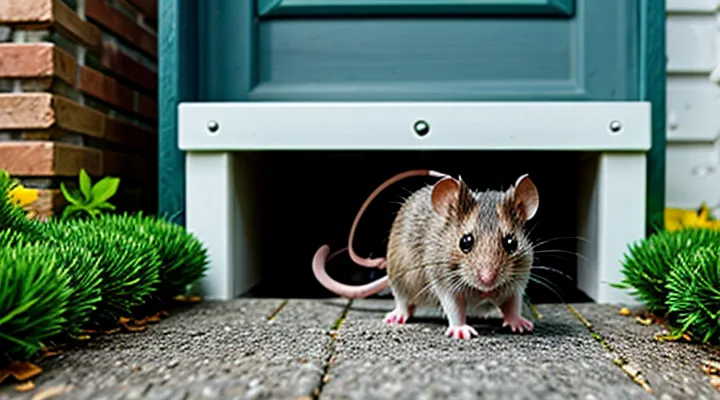
Understanding the Mouse Problem in Private Homes
Why Mice are a Problem in Homes
Health Risks Posed by Mice
Mice living inside a residence create direct threats to human health. Their presence introduces pathogens, contaminates food, and provokes allergic reactions, all of which can lead to serious medical conditions.
- Disease transmission: Mice carry bacteria such as Salmonella and Leptospira, viruses like hantavirus, and parasites including Echinococcus tapeworms. Contact with droppings, urine, or saliva can result in gastroenteritis, hemorrhagic fever, and cystic infections.
- Food contamination: Chewed packaging and droppings introduce microbial load to stored provisions. Consumption of contaminated items frequently causes food‑borne illness, characterized by vomiting, diarrhea, and dehydration.
- Allergic sensitization: Proteins in mouse urine and dander trigger IgE‑mediated responses. Exposure increases the incidence of asthma attacks, nasal congestion, and skin rashes, especially in children and individuals with pre‑existing respiratory conditions.
- Secondary hazards: Structural damage from gnawing weakens insulation and wiring, creating fire risk and encouraging mold growth in hidden cavities. Mold spores compound respiratory problems already present due to mouse allergens.
Vulnerable populations—infants, the elderly, and immunocompromised patients—experience amplified effects. Even low‑level exposure can precipitate severe outcomes in these groups.
Addressing these health risks is a prerequisite for any traditional approach to expel rodents. Effective removal reduces pathogen load, limits allergen exposure, and prevents secondary damage, thereby safeguarding occupants before folk remedies are employed.
Damage Caused by Mice
Mice infestations produce structural, electrical, and health-related damage that compromises the integrity of a residence. Their gnawing habit targets soft materials such as wooden framing, insulation, and plastic piping, creating holes that weaken load‑bearing elements and expose interior spaces to moisture and pests. By chewing through electrical cords, they generate short circuits, increase fire risk, and cause costly appliance failures. Their droppings and urine contaminate food supplies, spread pathogens like Hantavirus and Salmonella, and trigger allergic reactions in occupants.
Key damage categories include:
- Structural degradation: gnawed beams, joists, and drywall.
- Electrical hazards: cut wires, exposed conductors, appliance malfunction.
- Sanitation risks: fecal contamination, disease transmission, odor problems.
- Material loss: chewed upholstery, stored goods, and packaging.
Understanding these impacts clarifies why many households turn to traditional, low‑cost remedies—such as natural repellents, homemade traps, and scent barriers—to expel rodents before damage escalates. Prompt application of these methods reduces repair expenses, preserves building safety, and limits health threats.
Traditional and Natural Deterrents
Plant-Based Repellents
Peppermint Oil and Other Essential Oils
Essential oils serve as a traditional, non‑chemical approach to discourage mice from entering residential spaces. Their strong aromas interfere with rodents’ sense of smell, prompting avoidance of treated areas.
Peppermint oil contains menthol and menthone, compounds that produce a sharp, cooling scent intolerable to mice. A typical preparation mixes 10–15 drops of pure peppermint oil with 250 ml of water, emulsified with a teaspoon of liquid soap to improve surface coverage. Apply the solution to cotton balls, cloth strips, or spray directly onto entry points, baseboards, and pantry shelves. Replace soaked media every 3–4 days to maintain potency.
Other essential oils reported to repel mice include:
- Eucalyptus: high eucalyptol concentration creates a pungent odor that masks food scents.
- Citronella: citronellal and geraniol produce a citrus‑like aroma that rodents find aversive.
- Clove: eugenol delivers a strong, spicy fragrance that disrupts mouse foraging behavior.
- Lavender: linalool and linalyl acetate generate a floral scent that discourages nesting.
Safety guidelines require dilution to avoid skin irritation and respiratory discomfort for occupants and pets. Use only food‑grade oils, test a small area for material compatibility, and keep treated media out of reach of children and animals. Monitor effectiveness for at least a week; if activity persists, increase application frequency or combine oils with physical exclusion measures such as sealing gaps and installing traps.
Strong-Scented Herbs
Strong‑scented herbs form a core element of traditional rodent deterrence in residential settings. Their volatile compounds irritate the olfactory receptors of mice, prompting avoidance of treated areas.
- Peppermint (Mentha × piperita) – high menthol concentration; disperse dried leaves or apply diluted essential oil on cotton balls placed near entry points, attic beams, and pantry shelves.
- Lavender (Lavandula angustifolia) – linalool and camphor create an unpleasant environment; scatter dried sprigs in closets and under floorboards.
- Eucalyptus (Eucalyptus globulus) – eucalyptol vapors repel rodents; soak cloth strips in a 5 % eucalyptus oil solution and hang in crawl spaces.
- Rosemary (Rosmarinus officinalis) – rosmarinic acid and cineole deter; place fresh branches in kitchen cabinets and near garbage disposals.
- Sage (Salvia officinalis) – thujone and camphor act as irritants; crush dried leaves and sprinkle along baseboards and behind appliances.
Deploy herbs in small, sealed containers to limit moisture loss and maintain potency. Replace material every two weeks, or when scent diminishes. Position items at least 30 cm from food storage to avoid contamination. Combine multiple herbs to broaden chemical spectrum and reduce habituation.
Monitor activity by inspecting droppings and gnaw marks weekly. If signs persist, increase concentration or add complementary barriers such as steel mesh and sealant. Consistent application of strong‑scented herbs sustains an environment unattractive to mice, supporting long‑term exclusion without chemical pesticides.
Other Natural Scents
Natural aromas can supplement traditional home remedies for keeping rodents out of residential dwellings. Certain volatile compounds create an environment that mice find intolerable, reducing their propensity to enter or remain in living spaces.
- Clove oil – high concentration of eugenol; apply a few drops on cotton balls and place them near entry points, stored food, and corners.
- Cedar shavings – contain natural phenols; line pantry shelves, closets, and attic insulation with a thin layer.
- Citronella – strong citrus‑grass scent; diffuse in rooms where mouse activity is observed or soak rags for placement in concealed areas.
- Eucalyptus – rich in cineole; soak cloth strips and hang them in crawl spaces and under cabinets.
- Lavender – contains linalool; distribute sachets in drawers and behind appliances.
Effectiveness depends on concentration, placement, and regular renewal of the scent source. Replace cotton balls or sachets every 3–5 days to maintain potency. Combining multiple aromas can create a synergistic barrier, discouraging rodents without resorting to chemical poisons.
Physical Barriers and Exclusion
Identifying Entry Points
Locating the routes through which mice infiltrate a residence is the first step in any traditional mouse‑control strategy. Without sealing these openings, repellents, traps, and other folk techniques lose effectiveness.
Inspect the building envelope systematically. Begin at ground level and progress upward, paying particular attention to areas where gaps, cracks, or openings are likely to develop.
- Gaps around exterior doors and windows, especially where weather‑stripping is missing or damaged.
- Openings at the foundation, including cracks in concrete, brick, or stone, and gaps around utility penetrations.
- Spaces around plumbing, electrical, and ventilation shafts; verify that sleeves are tightly fitted.
- Holes in siding, soffits, and eaves where rodents can climb or gnaw.
- Unsealed openings around garage doors, pet doors, and crawl‑space entries.
Confirm each suspected entry by observing rodent activity: fresh droppings, gnaw marks, or nesting material near the opening. Apply a temporary barrier—such as steel wool, copper mesh, or expanding foam—to test whether mice can still pass. Once verified, install a permanent seal using materials resistant to chewing, such as metal flashing, cement, or heavy‑duty caulk. Re‑examine the sealed areas after a few days to ensure integrity, then proceed with other folk deterrents.
Sealing Cracks and Openings
Sealing cracks and openings eliminates the primary routes mice use to infiltrate a dwelling. By blocking these pathways, the likelihood of infestation drops dramatically, complementing traditional home‑based strategies for mouse control.
Typical entry points include gaps around pipe penetrations, gaps beneath doors, vents, window frames, and cracks in foundation walls. Small rodents can squeeze through openings as narrow as a quarter of an inch, so every visible fissure warrants attention.
Materials suitable for a residential setting are steel wool, copper mesh, expanding polyurethane foam, silicone caulk, and weather‑strip tape. Tools required are a utility knife, a caulking gun, a putty knife, and a drill with appropriate bits for larger holes.
Procedure
- Inspect the interior and exterior walls, noting all seams, joints, and penetrations.
- Insert steel wool or copper mesh into each gap; compress material to fill space completely.
- Apply a thin layer of silicone caulk over the filler to create a waterproof seal.
- For larger voids, inject expanding foam, allowing it to cure fully before trimming excess.
- Attach weather‑strip tape to moving components such as doors and windows to prevent edge gaps.
Regular checks are essential. Re‑examine sealed areas after seasonal temperature changes or after any renovation work. Replace degraded material promptly to maintain an impenetrable barrier.
Trapping Methods
Live Traps
Live traps provide a humane solution for removing mice from a residence without killing the animals. The devices consist of a cage or tube that closes automatically when a mouse enters, allowing the rodent to be captured alive.
Construction materials range from wood and metal to sturdy plastic. Wood offers easy customization; metal ensures durability; plastic combines light weight with resistance to weather. All designs incorporate a spring‑loaded door or a hinged lid that snaps shut when pressure is applied to a trigger plate.
Effective placement follows three principles: proximity to walls, alignment with known travel routes, and avoidance of open spaces. Mice habitually run along edges; positioning traps against baseboards, behind appliances, or inside cupboards maximizes contact with the trigger mechanism.
Bait selection influences capture rates. High‑fat foods such as peanut butter, sunflower seeds, or bits of cheese attract mice quickly. A small amount placed on the trigger plate prevents premature activation while ensuring the animal reaches the interior of the cage.
After capture, check traps at least twice daily. Release the mouse at least three miles from the home, preferably in a wooded area with natural cover. Release should be performed during daylight to reduce predation risk. Wear gloves to avoid disease transmission and to prevent the animal from sensing human scent inside the trap.
Maintenance includes cleaning the cage with mild detergent after each use, inspecting the spring or hinge for wear, and replacing damaged components. Regular inspection of trap placement and bait freshness sustains effectiveness over time.
Snap Traps
Snap traps constitute a core element of traditional home mouse control. Their mechanical action delivers immediate lethal force, eliminating the need for prolonged exposure to poison.
Construction typically features a spring‑loaded metal bar hinged to a wooden or plastic base. When a mouse contacts the trigger, the bar snaps down with sufficient velocity to fracture the spinal cord. The design allows reuse after each capture; simply open the latch, remove the carcass, reset the spring, and re‑bait.
Effective deployment follows several practical rules:
- Position traps along walls, behind appliances, and near known runways; mice prefer to travel close to surfaces.
- Use small amounts of attractive bait such as peanut butter, cheese, or dried fruit; place the bait on the trigger platform to ensure contact.
- Set traps perpendicular to the wall, with the trigger facing the expected direction of approach.
- Deploy multiple traps at intervals of 12–18 inches to cover the full length of a mouse pathway.
Safety considerations include keeping traps out of reach of children and pets, wearing gloves when handling captured rodents, and securing the latch when not in use. Regular inspection—at least once daily—prevents decomposition odors and maintains trap efficacy.
Maintenance involves cleaning the base with mild detergent after each capture, checking the spring for corrosion, and replacing worn components. Over time, the spring may lose tension; replacement springs are readily available from hardware suppliers.
Overall, snap traps provide a rapid, cost‑effective solution for homeowners seeking to eradicate mice without resorting to chemical agents. Their simplicity, reusability, and immediate results align with long‑standing folk practices for protecting private dwellings from rodent intrusion.
Enhancing Effectiveness of Folk Methods
Combining Different Approaches
Integrated Pest Management Principles
Integrated Pest Management (IPM) provides a structured framework for reducing mouse activity in residential settings while minimizing reliance on chemicals. The approach begins with systematic monitoring: visual inspections, placement of tracking stations, and identification of entry points. Accurate data guide subsequent actions and prevent unnecessary interventions.
Prevention focuses on habitat modification. Sealing cracks, installing door sweeps, and storing food in airtight containers eliminate resources that attract rodents. Maintaining a clean environment and managing clutter decrease shelter opportunities.
Control measures follow a hierarchy:
- Mechanical: Snap traps, live‑catch cages, and ultrasonic devices installed at proven pathways.
- Biological: Introduction of natural predators such as barn owls through nesting boxes placed near the property.
- Chemical: Application of rodenticides only after non‑chemical options have failed, with bait stations positioned away from children and pets.
Evaluation occurs after each stage. Re‑inspection confirms the effectiveness of barriers, trap placement, and any predator activity. Adjustments are recorded to refine the strategy for future infestations. By aligning traditional home‑based mouse‑deterrent practices with IPM principles, homeowners achieve sustainable control with reduced health and safety risks.
Maintenance and Prevention
Regular Cleaning and Food Storage
Consistent cleaning eliminates food residues that attract rodents and reduces shelter opportunities.
- Sweep floors daily, especially behind appliances and under furniture.
- Vacuum carpets and upholstery weekly, discarding the bag or emptying the canister immediately.
- Wipe countertops, shelves, and table edges after each meal, using a detergent that removes grease.
- Remove pet food bowls after feeding, rinse, and store feed in sealed containers.
Secure food storage prevents mice from accessing sustenance. Store grains, cereals, and dried goods in containers with gasket seals that cannot be pried open. Place containers on raised shelves, away from walls, to hinder climbing. Keep pantry doors closed and install latches that require a firm pull to open. Regularly inspect storage areas for signs of gnawing or spillage; discard any compromised items promptly.
Maintaining a tidy environment and protecting food supplies together form a core component of traditional rodent deterrence strategies for private residences.
Ongoing Vigilance and Monitoring
Continuous observation is a cornerstone of traditional mouse‑deterrence in residential settings. Regular checks of entry points, nesting sites, and food sources reveal activity before infestations become visible.
- Inspect foundation cracks, window frames, and vent openings daily; seal any gaps with steel wool or caulk.
- Examine stored pantry items weekly for gnaw marks or droppings; rotate stock to keep older supplies at the front.
- Track movement with non‑electronic traps placed along walls; record capture dates to identify hotspots.
- Monitor outdoor vegetation that borders the house; trim low branches and remove debris that could harbor rodents.
Effective folk strategies rely on the data gathered during these inspections. When signs of mouse presence appear, immediate application of natural deterrents—such as peppermint oil-soaked cotton balls, dried chilies, or ultrasonic devices—can be targeted to the affected area. Re‑evaluation after each intervention confirms whether the measure halted activity or if further action is required.
Maintaining a schedule of systematic checks ensures that preventive actions remain aligned with the actual level of rodent activity. Documentation of observations, coupled with swift deployment of customary repellents, sustains a low‑risk environment for the household.