
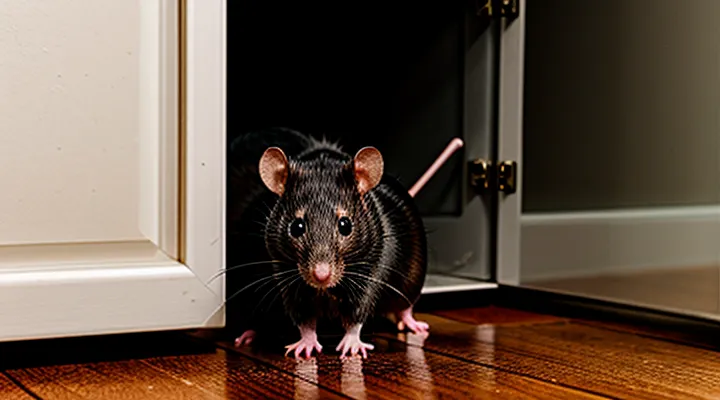
Understanding Rodent Behavior
Why Rodents Enter Homes
Rodents are attracted to residential spaces primarily because they provide the essentials for survival. Food residues, even microscopic crumbs, create a reliable supply that supports rapid population growth. Water sources such as leaky pipes, pet dishes, or condensation on windows satisfy hydration needs without the animals venturing far from shelter.
Structural vulnerabilities allow easy access. Gaps around doors, windows, utility penetrations, and foundation cracks serve as entry points that require no effort from the pest. Once inside, the interior offers protection from predators, extreme weather, and temperature fluctuations, creating a stable environment for breeding.
Nesting materials are abundant in homes. Soft fabrics, shredded paper, insulation, and stored fabrics give rodents the resources to construct nests quickly. The presence of clutter or poorly organized storage spaces further enhances the suitability of the environment.
Key motivations can be summarized:
- Food availability – crumbs, pet food, pantry items left uncovered.
- Water access – leaks, standing water, damp basements.
- Safe harbor – concealed gaps, warm interior, reduced predator exposure.
- Nesting resources – fabrics, paper, insulation, cluttered storage.
Understanding these drivers clarifies why conventional household practices often fail to deter infestations. Addressing each factor directly—securing food, eliminating moisture, sealing entry points, and reducing clutter—creates conditions that are hostile to rodents, laying the groundwork for effective traditional control measures.
Signs of Rodent Presence
Droppings
Droppings provide the most immediate evidence of a rodent presence in a residence. Their size, shape, and location allow homeowners to identify the species, estimate the severity of the infestation, and select appropriate low‑technology countermeasures.
Typical characteristics:
- Rats: 1‑inch (2‑3 cm) dark pellets, blunt ends, often found near food storage, garbage, or along walls.
- Mice: ¼‑inch (6‑7 mm) pointed pellets, clustered in corners, behind appliances, or under furniture.
Traditional home‑based practices rely on this information in three ways:
- Early detection – Regular inspection of suspected drop sites alerts occupants before damage escalates, enabling prompt placement of physical barriers or traps.
- Bait preparation – Dried droppings mixed with attractants such as peanut butter or cornmeal create a scent that lures conspecifics to homemade snap or live‑catch traps.
- Repellent formulation – Powdered droppings combined with strong herbs (e.g., peppermint, lavender) are spread in entry points; the familiar scent signals territory occupation, discouraging newcomers from entering.
Effective implementation requires:
- Wearing gloves and a mask to avoid disease transmission.
- Collecting fresh droppings, drying them for 24 hours, then crushing to a fine powder.
- Applying the mixture sparingly to crevices, door frames, and vent openings.
By interpreting droppings accurately and integrating them into simple, culturally rooted control techniques, homeowners can reduce rodent activity without resorting to chemical pesticides.
Gnaw Marks
Gnaw marks are the most reliable visual evidence of rodent activity inside a residence. They appear as paired, crescent‑shaped bite impressions on wood, plastic, wiring, and food containers. The width of the incisor marks corresponds to the size of the animal: 2–4 mm for mice, 4–6 mm for small rats, and up to 10 mm for larger rats. Fresh marks exhibit clean, sharp edges; older ones become ragged and may be stained with urine.
Identifying gnaw marks guides the selection of traditional home pest‑control measures. When marks are found on structural timber, folk practitioners recommend sealing entry points with natural sealants such as beeswax‑mixed clay and placing dried herbs (e.g., mint, lavender) nearby to deter further chewing. Marks on electrical wiring indicate a heightened fire risk; the customary response is to replace the damaged sections with copper conduit and apply a sachet of powdered chili pepper to the surrounding area.
Typical locations of gnaw marks include:
- Baseboards and crown molding
- Cabinet doors and drawer fronts
- Food packaging and pantry shelves
- Electrical cords and appliance housings
Each location suggests a specific foraging pattern. Marks on baseboards often signal a travel corridor, prompting the placement of homemade deterrent barriers (e.g., rolled garlic cloves) along the wall line. Marks on food containers indicate direct feeding, leading to the use of repellent sachets containing powdered cayenne placed inside storage bins.
Monitoring gnaw marks regularly allows homeowners to assess the effectiveness of folk interventions and to adjust placement of natural repellents before infestations spread.
Tracks and Runways
Tracks and runways are low‑tech tools that exploit rodents’ natural tendency to follow defined pathways. By establishing a clear corridor, homeowners can direct rats and mice toward traps, bait stations, or exclusion points without resorting to chemicals. The method relies on simple materials—such as narrow strips of cardboard, wooden planks, or plastic gutters—laid along walls, behind appliances, or beneath furniture where rodents are known to travel.
Runways serve two functions. First, they provide a visible route that encourages movement away from food storage and nesting sites. Second, they create a predictable pattern that simplifies the placement of mechanical or live‑catch devices. When combined with a track of deterrent substances (e.g., powdered cayenne, citrus zest, or diatomaceous earth), the runway becomes an effective barrier that discourages re‑entry.
Practical implementation:
- Identify high‑traffic zones by inspecting droppings, gnaw marks, and grease trails.
- Install a narrow, smooth surface (1‑2 cm wide) parallel to the wall, extending at least 1 m beyond the suspected entry point.
- Apply a thin line of natural repellent along the runway’s edges to deter crossing.
- Position snap traps, glue boards, or humane catch‑and‑release devices at the runway’s terminus.
- Maintain the runway by cleaning debris and refreshing repellent agents every two weeks.
Prevention Through Home Maintenance
Sealing Entry Points
Cracks in Foundations
Cracks in a house’s foundation create direct pathways for rats and mice, allowing them to bypass exterior barriers and gain access to interior spaces. Structural movement, moisture fluctuations, and soil pressure commonly generate fissures ranging from hairline splits to several centimeters wide.
Visible indicators of compromised foundation integrity include gaps at the base of walls, uneven flooring, and small openings where debris accumulates. Rodents exploit any opening larger than a few millimeters, using their flexible bodies to squeeze through.
Traditional rodent‑deterrent techniques for sealing foundation cracks include:
- Applying a mixture of earth clay, sand, and lime to fill gaps; the blend hardens and remains inhospitable to gnawing.
- Inserting tightly woven natural fiber mesh (e.g., burlap) into larger fissures, then coating with a thick layer of plant‑based oil or beeswax to create a waterproof barrier.
- Using boiled linseed oil combined with powdered charcoal to create a viscous seal that hardens on exposure to air.
- Packing dry, shredded straw or shredded bark into minor cracks, then covering with a thin coat of tar or pitch derived from pine resin.
Regular inspection of the foundation perimeter, especially after heavy rain or seasonal thaw, ensures early detection of new fissures. Prompt application of the above folk sealing methods reduces the likelihood of rodent colonization and supports long‑term structural stability.
Gaps Around Pipes
Gaps around plumbing, drainage, and ventilation pipes provide direct routes for rats and mice to enter a residence. Even narrow openings allow these mammals to squeeze through, making pipe penetrations a priority in any home‑based pest‑prevention plan. Unsealed gaps also enable the movement of scent trails, encouraging further infestation.
Traditional home rodent control relies on simple, low‑cost measures to block these passages. Materials such as steel wool, copper mesh, and expandable foam can be applied directly to the voids. When using steel wool, push it firmly into the opening, then seal with caulk to prevent removal by gnawing. Copper mesh offers similar resistance but withstands moisture better in bathroom or kitchen stacks. Expanding foam, applied after a steel‑wool base, fills irregular spaces and hardens into a durable barrier.
Practical steps for sealing pipe gaps:
- Inspect all exterior and interior pipe entries; note any visible cracks or holes.
- Insert a tightly packed wad of steel wool into each gap, ensuring it contacts both pipe surface and surrounding wall.
- Apply a bead of silicone or acrylic caulk over the steel wool to lock it in place.
- For larger openings, attach copper mesh with a staple gun, then cover with caulk.
- Use low‑expansion polyurethane foam sparingly around the mesh or wool; trim excess once cured.
- Re‑check seals after a month of weather exposure; reinforce any areas showing wear.
Consistent maintenance of these barriers reduces the likelihood of rodent ingress and supports the effectiveness of broader folk pest‑control practices within a private dwelling.
Damaged Screens
Damaged window or door screens create direct pathways for rats and mice, undermining traditional home pest‑control practices. When a screen tears or becomes loose, rodents can slip through gaps as small as a quarter of an inch, bypassing traps, natural repellents, and other folk techniques.
Repairing screens restores a physical barrier and reinforces the overall effectiveness of non‑chemical strategies. The following steps outline a reliable, low‑cost approach:
- Remove the screen frame and inspect the mesh for tears, holes, or sagging sections.
- Cut a piece of fine‑mesh material—commonly used for insect screens—from a fresh roll, allowing a margin of at least one inch around the damaged area.
- Secure the new mesh with a splinter‑free utility knife, aligning it with the frame’s edge.
- Apply a thin line of strong adhesive or use a staple gun to fasten the mesh to the frame, ensuring no loose edges remain.
- Re‑install the frame, checking that it sits flush against the opening and that hinges operate smoothly.
If replacement is impractical, temporary fixes such as heavy‑duty duct tape, clear packing tape, or a layer of fine wire mesh can block entry while a permanent repair is arranged. These interim measures should be applied tightly to eliminate any residual openings.
Regular inspection of screens, especially after storms or seasonal wear, prevents unnoticed damage from becoming a conduit for infestation. Maintaining intact barriers complements other folk methods—such as placing dried herbs, using predator scents, and setting up simple snap traps—by denying rodents easy access to the interior of the residence.
Eliminating Food Sources
Proper Food Storage
Proper food storage is a cornerstone of any traditional rodent deterrence strategy for a residence. Food left exposed provides a reliable attractant, encouraging rats and mice to infiltrate living spaces. By eliminating accessible nourishment, the incentive for these pests diminishes sharply.
- Keep dry goods in containers with tight‑fitting lids made of metal, heavy‑wall plastic, or glass.
- Store grains, cereals, and pet food in airtight vessels; label containers with purchase dates.
- Refrigerate or freeze perishable items promptly; discard any spoiled remnants.
- Place bulk supplies on elevated shelves, away from walls and floor level.
- Rotate stock regularly; use older items first to prevent decay that draws rodents.
Maintain a clean environment around storage areas. Sweep crumbs, vacuum spills, and wipe surfaces after meals. Empty trash bins daily, using sealed bags and lids that close securely. Inspect pantry corners and cabinet backs for signs of gnawing or droppings; repair any gaps or holes that could serve as entry points.
Implementing these measures reduces food availability, disrupts the foraging patterns of rats and mice, and supports the effectiveness of folk‑based control practices within the household.
Regular Cleaning Practices
Regular cleaning removes food residues, nesting material, and shelter that attract rodents, making the indoor environment inhospitable for rats and mice.
Effective practices include:
- Sweep and vacuum floors daily, focusing on corners, under appliances, and storage areas.
- Wipe countertops, tables, and cabinets with a mild detergent after each meal preparation.
- Store dry goods in airtight containers; discard opened packages that show signs of moisture or spoilage.
- Empty trash cans nightly and use lids that seal tightly.
- Clean pet feeding stations each day and remove uneaten food promptly.
Maintain a weekly routine: mop hard surfaces, launder kitchen towels, and disinfect sink drains. Inspect hidden spots such as behind furniture and inside wall voids for droppings or gnaw marks. Promptly address any identified issues to sustain a clean, rodent‑unfriendly home.
Reducing Shelter and Hiding Places
Decluttering Attics and Basements
Clearing clutter from attics and basements removes the sheltered niches that rats and mice exploit, aligning with time‑tested household practices for rodent deterrence. By limiting hiding places, you force potential intruders to seek exposure, where natural predators and sensory deterrents become more effective.
- Remove boxes, bags, and unused items that create stacked barriers.
- Store remaining belongings on shelves with at least six inches of clearance from walls.
- Seal cracks, gaps, and vents with steel wool or caulking to block entry points.
- Install simple scent barriers, such as dried lavender or peppermint sachets, on elevated platforms.
- Rotate stored items periodically to prevent long‑term accumulation and to expose hidden nests.
Regular inspection of cleaned spaces ensures that new debris does not accumulate, maintaining an environment unfavorable to rodents and supporting the efficacy of traditional control measures.
Trimming Vegetation Around the House
Keeping plants and ground cover trimmed near a residence reduces shelter and travel routes for rats and mice, directly limiting their ability to establish nests. Dense shrubs, tall grasses, and overgrown vines create hidden pathways that rodents exploit to move between the yard and the house. Removing these habitats forces pests to seek less favorable environments, increasing the effectiveness of other low‑tech deterrents.
Key actions for vegetation management:
- Cut back all shrubs to a height of no more than 12 inches from the ground, especially those abutting the foundation.
- Mow lawns weekly during the growing season, maintaining a uniform length of 2–3 inches.
- Clear leaf litter, compost piles, and debris within a three‑foot radius of the building.
- Trim vines away from walls and eaves; prune them so they do not touch the structure.
- Dispose of pruned material in sealed bags or burn it, preventing rodents from re‑using the material as shelter.
Timing influences results. Perform a comprehensive trim in early spring before vegetation reaches full growth, then repeat in late summer to address regrowth. Early removal eliminates cover during the peak breeding periods of common house rodents.
Tools and safety considerations:
- Use electric or gas-powered hedge trimmers for dense growth; hand shears suffice for smaller bushes.
- Wear gloves and eye protection to avoid injury from thorns and debris.
- Inspect cut stems for burrows or nests before disposal; relocate any found nests according to humane guidelines.
Regular upkeep maintains a clear perimeter, discourages rodent activity, and complements other traditional household pest‑control practices such as sealing entry points and keeping food storage secure. Consistency in trimming ensures the landscape remains inhospitable to rats and mice throughout the year.
Traditional Trapping Methods
Snap Traps
Placement Strategies
Effective control of rats and mice in a private residence relies on precise placement of folk‑based tools. Positioning determines exposure to rodent pathways, foraging habits, and shelter preferences, thereby maximizing the likelihood of contact with traps, bait, or repellents.
- Place snap or live traps along walls, behind appliances, and in concealed corners where rodents travel. Rodents avoid open spaces; a trap set against a vertical surface forces them to approach from a narrow route.
- Deploy bait stations near known feeding sites such as pantry shelves, kitchen counters, and garbage disposal areas. Use small amounts of grain, peanut butter, or dried fruit to attract foragers while limiting spillage.
- Position natural deterrents—such as crushed peppermint leaves, dried lavender, or mothballs—at entry points, ventilation openings, and gaps beneath doors. Concentrate these substances where rodents seek shelter or entry.
- Install rodent‑proof mesh or steel wool in cracks, gaps around pipes, and foundation fissures. Secure material firmly to prevent displacement by gnawing.
- Arrange scent‑based repellents, like oil of eucalyptus or vinegar-soaked cloths, on the interior side of window sills and under furniture legs. These locations disrupt nesting behavior and encourage relocation.
Strategic positioning aligns folk methods with rodent ecology, ensuring consistent interaction and reducing infestation risk without reliance on chemical interventions.
Baiting Techniques
Baiting remains a fundamental element of traditional home‑based rodent control. Effective baiting depends on attractant selection, strategic placement, and disciplined monitoring.
Natural attractants include grains, dried fruit, and nut butter. Homemade mixtures often combine peanut butter with oatmeal, cornmeal, or dried cheese. Fermented products such as beer or cider provide strong olfactory cues. Each bait should be prepared in small, manageable portions to limit waste and reduce accidental exposure.
Placement follows predictable rodent behavior. Position bait stations:
- Along walls where rodents travel
- Near entry points, including gaps around doors and windows
- In concealed corners behind appliances or furniture
- At the base of interior staircases
Bait stations should rest on flat surfaces, covered with a thin layer of substrate (sand, sawdust) to conceal the bait while allowing easy access. Avoid direct contact with open floors to prevent spillage.
Timing involves daily inspection. Replace consumed or spoiled bait within 24 hours. Record activity by noting fresh gnaw marks or droppings near each station. Adjust locations based on observed movement patterns.
Safety measures protect non‑target occupants. Use non‑poisonous baits unless a regulated rodenticide is required; in the latter case, secure stations with child‑proof lids. Keep bait out of reach of pets, and label each station clearly.
Maintenance includes regular cleaning of stations, removal of debris, and periodic rotation of bait types to prevent habituation. Consistent application of these practices sustains the efficacy of folk baiting methods in a private residence.
Live Traps
Advantages and Disadvantages
Traditional home‑based rodent control relies on practices passed through generations, such as using natural repellents, traps fashioned from common materials, and habitat modification. These methods avoid synthetic chemicals and commercial equipment, appealing to homeowners seeking low‑cost, environmentally gentle solutions.
Advantages
- Minimal financial outlay; most items are household waste or inexpensive natural substances.
- Absence of toxic chemicals reduces health risks for residents and pets.
- Simple construction allows immediate deployment without professional assistance.
- Cultural familiarity can increase user acceptance and consistent application.
- Biodegradable materials prevent long‑term environmental contamination.
Disadvantages
- Variable efficacy; success depends on correct placement, species behavior, and environmental conditions.
- Lack of standardized dosing for repellents leads to inconsistent results.
- Manual traps require regular inspection and disposal of captured rodents, increasing labor.
- Some methods, such as using strong odors, may affect indoor air quality and cause discomfort.
- Absence of regulatory oversight can result in misuse or ineffective pest suppression.
Overall, folk techniques provide accessible, low‑impact options for domestic rodent management, yet their reliability and convenience often fall short of commercial alternatives that deliver predictable, rapid control.
Release Protocols
When folk techniques capture rats or mice inside a residence, a clear release protocol prevents re‑infestation, protects occupants, and ensures humane treatment of the animal.
- Choose a release site at least 150 m from the home, preferably in a wooded area or field with natural cover.
- Transport the animal in a ventilated container; avoid direct handling to reduce stress.
- Release during daylight hours when predators are less active, allowing the rodent to locate shelter quickly.
- Observe the animal for a brief period after opening the container to confirm it has entered the environment.
- Seal any gaps or entry points discovered during capture to block future access.
Additional considerations include local wildlife regulations, which may prohibit releasing non‑native species, and the health risk of pathogens; wear gloves and disinfect tools after each release. If the captured rodent shows signs of injury or illness, consult a wildlife rehabilitator rather than releasing it. Implementing these steps consistently maintains household safety while adhering to traditional pest‑control practices.
Glue Traps (Ethical Considerations)
Glue traps remain a common element of traditional home rodent control. The device consists of a sticky surface that immobilizes rats and mice upon contact. Ethical evaluation focuses on the distress caused by prolonged confinement, the difficulty of humane euthanasia, and the likelihood of accidental capture of non‑target species such as insects, birds, or pets.
Key ethical concerns include:
- Sustained suffering: Trapped rodents experience panic, exhaustion, and potential dehydration before death, which many animal‑welfare guidelines classify as inhumane.
- Irreversible capture: Once adhered, the animal cannot escape without external intervention; improper disposal may prolong pain.
- Risk to non‑target fauna: Unsecured traps attract insects and small vertebrates, increasing collateral harm.
- Legal restrictions: Some jurisdictions label glue traps as prohibited or restrict their sale due to cruelty standards.
Mitigation strategies recommended for responsible use:
- Position traps exclusively along confirmed rodent pathways, away from household traffic and pet areas.
- Monitor traps at least twice daily to limit the duration of entrapment.
- Employ immediate, humane euthanasia methods—such as approved cervical dislocation or rapid carbon dioxide exposure—once capture is confirmed.
- Replace glue traps with exclusion techniques (sealed entry points, rodent‑proof materials) or live‑capture devices that allow release after humane killing.
When evaluating glue traps, weigh effectiveness against the documented welfare drawbacks. Preference for exclusion and non‑lethal methods aligns with contemporary humane pest‑management standards.
Repellents and Deterrents
Natural Scents
Peppermint Oil
Peppermint oil is a widely recognized folk deterrent for rodents in residential settings. Its strong, volatile aroma disrupts the sensory receptors of rats and mice, causing avoidance of treated areas.
- Dilute 10–15 ml of pure peppermint essential oil in 1 liter of water.
- Add a few drops of mild dish soap to improve surface tension.
- Soak cotton balls or reusable cloth pads in the solution and place them in corners, behind appliances, and along known pathways.
- Replace soaked materials every 3–5 days to maintain potency.
Safety considerations:
- Keep oil out of reach of children and pets; ingestion can cause irritation.
- Test a small, concealed area for surface reactions before widespread application.
- Avoid direct contact with skin; wear gloves when handling undiluted oil.
Effectiveness:
- Studies report a reduction of rodent activity by 30–50 % within the first week of consistent use.
- Results diminish if the oil evaporates or if the infestation is severe, in which case supplemental mechanical traps are advisable.
Peppermint oil provides a low‑cost, non‑chemical option for homeowners seeking to discourage rats and mice without resorting to poisons. Regular reapplication sustains its repellent properties.
Ammonia
Ammonia, a volatile nitrogen compound, is readily available as a household cleaning agent. Its pungent odor and caustic properties make it unsuitable for consumption but effective as a sensory deterrent for rodents.
The compound interferes with the highly developed olfactory system of rats and mice. By overwhelming scent receptors, ammonia masks the chemical trails that rodents use for navigation and foraging, prompting them to avoid treated areas.
Practical use in a private residence involves the following steps:
- Dilute clear, unscented ammonia with water at a ratio of 1 part ammonia to 4 parts water.
- Soak cotton balls or cloth strips in the solution.
- Place the saturated material in corners, near entry points, and along known rodent pathways.
- Refresh the material every 48–72 hours to maintain odor potency.
- Remove and replace any material that becomes dry or spills.
Safety considerations are essential. Perform applications in well‑ventilated rooms, wear gloves and eye protection, and keep the solution out of reach of children and pets. Avoid direct contact with skin or inhalation of concentrated vapors, as ammonia can cause irritation to mucous membranes and respiratory distress.
Ammonia provides a temporary repellent effect; it does not kill rodents and may lose efficacy as the odor dissipates. For sustained control, combine ammonia treatment with structural exclusion measures, sanitation, and, where appropriate, traps or professional interventions.
Store unused ammonia in a sealed container, away from heat sources and incompatible chemicals such as bleach. Dispose of spent cotton or cloth according to local hazardous waste guidelines to prevent environmental contamination.
Dryer Sheets
Dryer sheets are frequently employed in household pest‑control routines to discourage rats and mice from entering living spaces. The product’s strong fragrance and chemical additives create an environment that rodents find unpleasant, prompting them to avoid treated areas.
The deterrent effect stems from two primary factors. First, the volatile aromatic compounds released during handling and placement overwhelm the rodents’ sensitive olfactory system. Second, residual fabric softener chemicals interfere with the animals’ scent‑marking behavior, reducing their willingness to establish a presence.
Practical application:
- Place a fresh dryer sheet in each suspected entry point, such as gaps under doors, kitchen cabinets, and pantry shelves.
- Replace sheets every 48 hours, or sooner if the scent diminishes.
- Combine with other barriers, for example, sealing cracks with caulk, to enhance overall protection.
Safety considerations include avoiding direct contact with pets that may ingest the sheets, and ensuring that placed sheets do not obstruct ventilation or fire exits. Use only standard, unscented varieties if household members have sensitivities to fragrance.
Field reports indicate that dryer sheets provide short‑term repellent action but do not eradicate established infestations. Their effectiveness declines as the scent fades, and they do not address food sources or nesting sites. For persistent problems, integrate dryer sheets with structural exclusion measures and, when necessary, professional extermination.
Ultrasonic Devices (Effectiveness)
Ultrasonic emitters are marketed as a non‑chemical option for deterring rodents inside residences. The devices generate sound waves above 20 kHz, a frequency beyond human hearing but audible to rats and mice. Laboratory tests show that exposure can cause temporary discomfort, prompting animals to avoid the immediate area.
Effectiveness in a typical household depends on several variables:
- Coverage area – a single unit usually protects 100–150 sq ft; larger rooms require multiple devices.
- Obstructions – walls, furniture, and insulation absorb ultrasonic energy, creating dead zones where rodents remain unaffected.
- Species tolerance – rats quickly habituate to continuous tones, while mice may retain avoidance behavior longer.
- Device quality – inexpensive models often emit inconsistent frequencies, reducing deterrent impact.
Field reports from homeowners indicate mixed results. In spaces where the emitters are placed centrally, without major barriers, a noticeable decline in rodent sightings occurs during the first weeks. In cluttered or multi‑room environments, the decline is less pronounced, and infestations commonly persist despite continuous operation.
Overall, ultrasonic devices can contribute to a broader, low‑tech pest‑management strategy, but they should not be relied upon as the sole control measure. Combining them with sealing entry points, proper sanitation, and, when necessary, trapping, yields a more reliable reduction in rat and mouse activity.
Cultural and Anecdotal Approaches
Using Predatory Animal Scents
Predatory animal scents exploit the innate fear response of rodents, deterring them from entering or remaining in residential spaces. The approach relies on chemical cues released by natural predators such as ferrets, foxes, and birds of prey, which rodents recognize as threats.
Commonly available scent products include:
- Ferret or weasel oil, extracted from glandular secretions, applied to entry points and corners.
- Fox urine, diluted with water, sprayed along baseboards and behind appliances.
- Hawk or owl feather dust, scattered in attics, crawl spaces, and pantry shelves.
Effective deployment follows a systematic routine:
- Identify high‑traffic rodent pathways—gaps under doors, vents, and utility openings.
- Clean surfaces to remove competing odors that could mask the predator scent.
- Apply the chosen scent according to manufacturer instructions, ensuring even coverage.
- Reapply every two weeks or after thorough cleaning, as the volatile compounds dissipate over time.
Safety considerations:
- Use gloves when handling concentrated oils to avoid skin irritation.
- Store products out of reach of children and pets; some scents may be irritating to non‑target animals.
- Verify that indoor air quality remains acceptable; ventilate rooms after application.
When integrated with physical exclusion measures—such as sealing entry points and maintaining sanitation—predatory scents constitute a low‑cost, non‑lethal strategy that aligns with traditional household pest‑control practices. Continuous monitoring of rodent activity confirms efficacy and guides adjustments in scent type or placement.
Planting Repellent Herbs
Planting repellent herbs offers a practical, low‑maintenance element of traditional home pest control. Aromatic species such as peppermint, lavender, rosemary, and sage emit volatile compounds that rodents find unpleasant, reducing the likelihood of entry and nesting.
- Peppermint (Mentha piperita): Strong menthol scent; plant in pots near entry points or crush leaves to release oil.
- Lavender (Lavandula angustifolia): Floral aroma; place dried sprigs in cupboards or grow in sunny windowsills.
- Rosemary (Rosmarinus officinalis): Woody, piney odor; cultivate in garden borders to create a peripheral barrier.
- Sage (Salvia officinalis): Earthy fragrance; scatter fresh leaves in cracks and crevices.
Combine herbs with regular pruning to maintain vigor and prevent overgrowth that could provide shelter. Soil should be well‑drained; avoid excessive mulching, which can conceal hiding places. Rotate plant placement annually to sustain strong scent emission and discourage rodents from adapting to a static arrangement.
Safety and Hygiene Considerations
Handling Rodent Waste
Proper management of rodent debris is a critical component of any traditional home pest‑control strategy. Accumulated urine, feces, and carcasses provide nutrients for surviving pests and create health hazards for occupants. Immediate removal and secure disposal reduce the likelihood of reinfestation and limit disease transmission.
Key steps for handling rodent waste:
- Wear disposable gloves and, if available, a mask to prevent inhalation of aerosolized particles.
- Collect fresh droppings with a damp paper towel; avoid dry sweeping, which can disperse pathogens.
- Place all material in a sealed plastic bag, expel excess air, and tie securely.
- Dispose of the sealed bag in an outdoor trash container that is emptied regularly; avoid placing waste inside the home’s regular recycling stream.
- Clean the affected area with a solution of one part white vinegar to three parts water, or a mild bleach mixture (1 % sodium hypochlorite). Allow the surface to air‑dry before applying any repellent herbs or powders.
After removal, inspect surrounding zones for hidden nests or gnaw marks. Seal entry points with steel wool or natural deterrents such as dried peppermint leaves. Routine cleaning of kitchens, pantry shelves, and storage boxes prevents residual scent trails that attract new rodents. Consistent application of these practices sustains the effectiveness of folk‑based rodent control in private residences.
Disposing of Carcasses
Proper handling of dead rodents is essential to prevent disease spread, odors, and secondary infestations. Immediate disposal reduces attraction of scavengers and limits bacterial growth.
-
Burial: Dig a pit at least 18 inches deep, place the carcass, and cover with soil. Choose a location away from vegetable gardens and water sources. Compact soil to deter digging animals.
-
Incineration: Use a metal container with a secure lid, add a small amount of dry wood or charcoal, and ignite. Ensure the fire burns completely and ashes are scattered far from the home.
-
Sealed trash: Place the carcass in a heavy‑duty plastic bag, expel all air, seal tightly, and deposit in a municipal waste bin with a scheduled pick‑up. Double‑bagging adds an extra barrier.
-
Composting (cautious): Combine the carcass with high‑carbon material (dry leaves, sawdust) in a dedicated compost bin. Maintain temperatures above 55 °C for at least three days to destroy pathogens. Do not use the compost for edible plants.
-
Professional removal: Contact a licensed pest‑control service for hazardous waste pickup. This option complies with local regulations and ensures safe transport.
Each method must respect local health codes and environmental regulations. Failure to follow proper disposal practices can result in legal penalties and increased rodent activity.