
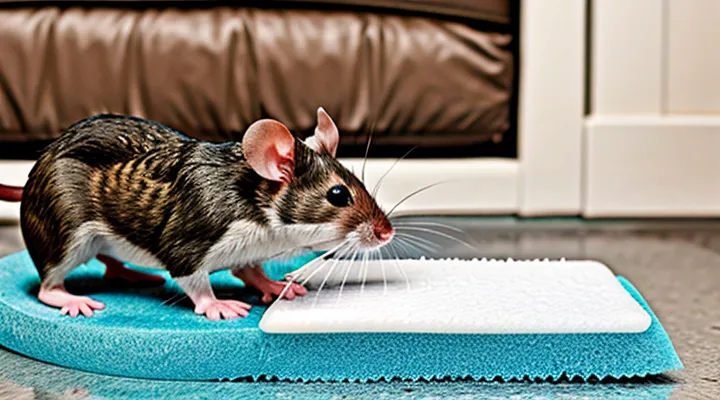
Understanding the Pest Problem: Why Rodents Chew Foam
The Destructive Nature of Rodent Chewing
Rodents maintain incisors that grow throughout life, compelling them to gnaw constantly. The act of chewing generates forces of 10–20 N, sufficient to breach soft polymer structures. Saliva introduces moisture that softens cellular foam, allowing teeth to separate individual cells and create tunnels. Repeated bites produce cumulative loss of thickness, reducing insulation performance and compromising structural integrity.
Key damage mechanisms include:
- Penetration of cell walls, creating holes that expand under pressure.
- Disintegration of bonding agents, leading to delamination.
- Moisture absorption, accelerating decay and fostering mold growth.
- Loss of dimensional stability, causing sagging or collapse of the material.
Understanding these effects is essential when evaluating materials designed to withstand rodent activity. Selecting foam formulations with reinforced matrices, abrasive fillers, or chemical deterrents directly addresses the identified failure modes.
Common Areas Affected by Rodent Damage
Rodents frequently breach building envelopes, creating pathways for chew damage that compromises structural integrity and increases maintenance costs. Identifying the locations most vulnerable to gnawing informs the selection of appropriate chew‑resistant foam products.
- Insulation within walls and ceiling cavities, especially fiberglass or cellulose batts left exposed at joist gaps.
- Sealing material around pipe penetrations, conduit sleeves, and HVAC ducts where gaps provide easy access.
- Gaps around foundation footings, crawl‑space vents, and basement wall penetrations that lack durable barrier material.
- Interior trim, baseboards, and crown molding where soft wood or plastic components are exposed to rodent activity.
- Electrical conduit and wiring enclosures that contain unprotected foam or rubber grommets.
These zones experience repeated gnawing because they combine readily available food sources with structural openings. Deploying foam engineered to resist mouse and rat chewing in these areas reduces the likelihood of breach, limits infestation spread, and extends the service life of building components.
Health and Safety Risks Associated with Infestations
Rodent infestation introduces pathogens that can survive on foam surfaces and spread to humans. Bacteria such as Salmonella and viruses like Hantavirus may be transferred through saliva, urine, and feces left on or within foam insulation. Direct contact with contaminated foam increases the likelihood of gastrointestinal and respiratory infections.
Physical damage caused by gnawing compromises the integrity of foam barriers, allowing drafts and moisture intrusion. Moisture accumulation fosters mold growth, which releases spores that trigger asthma attacks and allergic reactions. Compromised foam also reduces fire‑resistance performance, elevating the risk of rapid flame spread during a fire event.
- Exposure to rodent‑borne parasites (e.g., fleas, ticks) that hide in foam cavities.
- Inhalation of dust and fibers released when foam deteriorates due to chewing.
- Increased indoor air pollutants from urine and fecal residues.
- Psychological stress and reduced occupant confidence in building safety.
Key Characteristics of Rodent-Resistant Foam
Material Composition and Durability
The resistance of foam to rodent gnawing stems from its molecular structure and the inclusion of additives that deter chewing. Commonly employed compositions include:
- Polyurethane matrices reinforced with silica or glass fibers, which increase tensile strength and reduce bite penetration.
- Closed‑cell polyethylene foams blended with bittering agents such as denatonium benzoate, creating an unpalatable surface.
- Ethylene‑vinyl acetate (EVA) copolymers infused with mineral fillers (e.g., calcium carbonate) that raise hardness and limit deformation.
- Silicone‑based foams containing cross‑linked siloxane networks, offering superior elasticity and resistance to rodent teeth.
Durability considerations focus on the foam’s ability to maintain structural integrity under repeated mechanical stress and environmental exposure. Critical factors are:
- Hardness level – measured by Shore A or D scales; higher values correspond to reduced bite depth.
- Compression set resistance – low compression set ensures the material regains its original shape after load removal.
- Thermal stability – resistance to temperature fluctuations prevents softening that could facilitate chewing.
- Moisture resistance – water‑repellent formulations limit swelling, which otherwise weakens the foam’s surface.
Selecting a foam with a balanced combination of reinforcing fillers, bittering additives, and robust polymer networks yields a product that withstands rodent activity while preserving long‑term performance.
Chemical Repellents and Their Efficacy
Chemical repellents are incorporated into rodent‑deterrent foams to discourage gnawing by delivering unpleasant sensory cues. The active agents typically fall into three categories: bittering compounds, odorants, and irritants. Their effectiveness depends on concentration, volatility, and the target species’ sensitivity.
- Bittering agents (e.g., denatonium benzoate): low odor, high taste aversion; effective when the foam surface is frequently contacted.
- Volatile odorants (e.g., peppermint oil, ammonia): create strong scent barrier; efficacy declines as the compound evaporates, requiring encapsulation for sustained release.
- Irritant additives (e.g., capsaicin, formaldehyde releasers): trigger mucosal irritation; provide immediate deterrence but may cause material degradation if not properly stabilized.
Performance data from laboratory trials indicate that formulations combining a bittering agent with a slow‑release odorant achieve the longest protection period, maintaining deterrent effect for up to six months under typical indoor conditions. Irritant‑only blends show rapid initial repulsion but lose potency within weeks due to chemical breakdown. Selecting a balanced mixture optimizes both longevity and safety for surrounding environments.
Physical Barriers and Reinforcements
Physical barriers and reinforcements convert standard foam into a structure that can withstand persistent gnawing by mice and rats. The approach combines a primary foam matrix with secondary layers that resist bite forces and prevent penetration.
Common reinforcement materials include:
- Stainless‑steel mesh, woven to a fine gauge that blocks teeth while allowing airflow.
- Fiberglass fabric, laminated to the foam surface for high tensile strength.
- Polypropylene or polyethylene strips, oriented to distribute load across a broader area.
- Rigid polymer inserts, such as high‑density polyethylene blocks, positioned at stress points.
- Ceramic or mineral‑based coatings, applied as a thin shell that hardens the outer surface.
Implementation strategies focus on integrating these elements without compromising the foam’s core properties. Typical methods involve:
- Encasing the foam core within a continuous metal or fiberglass sheath, sealed at seams with rodent‑grade adhesives.
- Embedding reinforcement strips during the molding process, ensuring full bonding and eliminating gaps.
- Applying a dual‑layer system where a hard coating covers a flexible reinforcement grid, creating a composite barrier.
Selection criteria prioritize bite resistance, durability under environmental fluctuations, and compatibility with the intended installation environment. Materials that maintain structural integrity at temperature extremes and resist corrosion provide the longest service life.
Top Foam Options Resistant to Rodent Chewing
Polymer-Based Foams
High-Density Polyethylene (HDPE) Foam
High‑Density Polyethylene (HDPE) foam combines a closed‑cell structure with a high molecular weight polymer matrix, creating a material that resists gnawing by rodents. The rigidity of the polymer and the uniform cell walls make it difficult for mice and rats to bite through, while the lightweight nature allows easy installation in insulation, packaging, and protective layers.
Key characteristics that enhance rodent resistance:
- Closed‑cell architecture eliminates gaps that rodents could exploit.
- Tensile strength typically exceeds 30 MPa, providing sufficient hardness to deter chewing.
- Low moisture absorption prevents swelling that could weaken the foam.
- Chemical inertness resists degradation from urine, saliva, and environmental contaminants.
Typical applications where HDPE foam serves as an effective barrier include:
- Under‑floor insulation in agricultural buildings, protecting wiring and piping.
- Protective padding for stored grain bins, reducing damage from burrowing.
- Encapsulation of electrical conduit in residential and commercial structures.
- Packaging for sensitive equipment shipped through environments with known rodent activity.
Installation guidelines emphasize secure sealing of seams and use of mechanical fasteners or adhesive compatible with HDPE. Overlapping joints by at least 25 mm and applying a rodent‑proof sealant further minimizes entry points. Regular inspection of high‑traffic areas ensures early detection of any compromise.
Overall, HDPE foam delivers a durable, lightweight solution that directly addresses the challenge of rodent chewing, offering reliable protection across a range of structural and packaging contexts.
Polyurethane Foam with Specialized Additives
Polyurethane foam formulated with specialized additives offers a practical solution for applications where rodent gnawing presents a risk. The base polymer provides flexibility and thermal insulation, while the additives create a barrier that deters chewing and prolongs service life.
Key additive categories include:
- Bittering agents – compounds with an unpleasant taste that discourage ingestion.
- Mineral fillers such as silica, talc, or calcium carbonate – increase hardness and reduce chewability.
- Glass or carbon fibers – reinforce the cellular structure, making it more difficult for incisors to penetrate.
- Chemical repellents – formulations containing capsaicin or menthol that produce a sensory irritation for rodents.
- Cross‑linking catalysts – enhance polymer network density, resulting in higher tensile strength and reduced deformation under bite pressure.
The combined effect of these components yields a foam with:
- Density ranging from 1.2 to 2.5 g/cm³, sufficient to resist bite marks without sacrificing cushioning.
- Tensile strength above 350 kPa, limiting material failure under repetitive gnawing forces.
- Compression set under 20 % after prolonged load, ensuring structural integrity in insulation panels and packaging inserts.
Manufacturing guidelines emphasize uniform dispersion of additives to avoid localized soft spots. Standard testing protocols, such as ASTM D1622 for chew resistance and ISO 179 for impact resilience, verify performance claims. Results consistently show a reduction in bite depth by 40‑60 % compared to untreated polyurethane.
Typical deployment scenarios include:
- Wall and roof insulation in agricultural facilities where rodent activity is common.
- Protective padding for electrical conduits and wiring trays.
- Packaging inserts for sensitive equipment stored in warehouses prone to infestation.
When selecting a formulation, prioritize additive concentration that balances chew resistance with desired mechanical properties, and verify compliance with relevant safety regulations for chemical exposure. Polyurethane foam enhanced with these specialized additives delivers a reliable, cost‑effective barrier against mouse and rat damage.
Mineral-Based and Inorganic Foams
Cellular Glass Foam
Cellular glass foam, also known as foam glass, is a lightweight, rigid insulation material produced by heating crushed glass with a foaming agent to create a porous structure. The resulting closed‑cell matrix provides high compressive strength, dimensional stability, and a water‑impermeable barrier.
Key characteristics that contribute to rodent resistance:
- Closed‑cell architecture eliminates gaps that rodents can gnaw through.
- Glass composition is non‑organic, offering no digestible material for mice or rats.
- Surface hardness exceeds 2 Mohs, discouraging chewing.
- Thermal conductivity typically ranges from 0.04 to 0.07 W/(m·K), maintaining temperature control while resisting damage.
Installation considerations:
- Cut with standard masonry tools; edges can be sanded for a tight fit.
- Secure with mechanical fasteners or high‑temperature adhesives; no chemical sealants required.
- Compatible with concrete, steel, and wood substrates, allowing integration into walls, floors, and pipe insulation.
Economic and environmental aspects:
- Recycled glass feedstock reduces raw material costs and carbon footprint.
- Inert material resists degradation, extending service life beyond 30 years.
- Lightweight nature lowers transportation expenses compared with mineral wool or polyurethane foams.
Typical applications where rodent activity is a concern include underground utility tunnels, agricultural storage facilities, and laboratory animal housing. Cellular glass foam delivers reliable insulation while preventing damage from persistent gnawing pests.
Rock Wool Insulation
Rock wool insulation provides a dense, mineral‑based barrier that rodents find difficult to gnaw through. Its composition of spun basalt fibers creates a hard, abrasive surface that resists bite pressure, reducing the likelihood of damage in attics, walls, and crawl spaces. The material’s high melting point and thermal inertia also discourage mice and rats, which prefer softer, polymer‑based foams.
Key characteristics relevant to rodent resistance:
- Hardness: Fibrous matrix exceeds the tensile strength of typical rodent teeth.
- Texture: Rough surface irritates chewing attempts, prompting animals to seek alternative pathways.
- Fire resistance: Non‑combustible, limiting secondary hazards if rodents breach the envelope.
- Moisture management: Low water absorption curtails mold growth, which can attract pests.
Installation considerations for optimal performance:
- Seal gaps: Use expanding sealant or metal flashing around penetrations to prevent entry points.
- Fit tightly: Compress rock wool into cavities without leaving voids that could serve as nesting sites.
- Protect edges: Apply metal mesh or rigid board over exposed edges where rodents might concentrate chewing.
- Combine with deterrents: Pair with ultrasonic repellents or steel wool stuffing for added security.
When compared with polymer foams, rock wool delivers superior durability against rodent activity while maintaining comparable thermal R‑values. Its structural rigidity and resistance to chewing make it a reliable choice for projects requiring long‑term pest resilience.
Integrated Solutions and Hybrid Materials
Integrated solutions combine structural reinforcement, chemical additives, and surface treatments to produce foam that withstands persistent gnawing by rodents. Reinforcement fibers, such as glass or basalt, are woven into the cellular matrix, increasing tensile strength without compromising flexibility. Simultaneously, polymer blends incorporate high‑modulus elastomers that resist bite penetration, while UV‑stable coatings deter rodents through unpleasant texture or scent.
Hybrid materials leverage the synergy of distinct components:
- Fiber‑reinforced polymer foam – glass or carbon fibers embedded in polyurethane or polyethylene foam, delivering a 30‑45 % increase in puncture resistance.
- Nanocomposite foam – silica or graphene nanoplatelets dispersed throughout the polymer, providing barrier properties that inhibit crack propagation under chewing forces.
- Elastomer‑polymer blends – thermoplastic elastomer (TPE) mixed with traditional foam, producing a surface that flexes under bite pressure yet returns to its original shape, reducing wear.
- Multi‑layer sandwich structures – a soft inner core for insulation, a middle composite layer for strength, and an outer coating infused with deterrent agents (e.g., capsaicin or bittering compounds).
Implementation typically follows a three‑stage process: (1) selection of compatible polymers and reinforcement agents, (2) co‑extrusion or molding to achieve uniform distribution, and (3) post‑curing or surface finishing to activate deterrent properties. The result is a foam product that maintains thermal and acoustic performance while presenting a physical and sensory barrier to mice and rats.
Installation Best Practices for Maximum Protection
Proper Sealing and Gap Filling
Proper sealing and gap filling are essential for maintaining the integrity of chew‑proof foam installations. Unsealed openings allow rodents to access the foam, compromise its protective function, and create pathways for future damage.
Effective sealing follows a systematic process:
- Inspect all joints, seams, and penetrations where foam contacts structural elements.
- Remove debris, dust, and any loose material to ensure adhesion.
- Choose a sealant compatible with the foam’s composition, such as silicone‑based or polyurethane caulk.
- Apply sealant in a continuous bead, pressing it firmly into the gap to eliminate voids.
- Smooth the bead with a gloved finger or tool to achieve a uniform seal.
- Allow the sealant to cure according to the manufacturer’s specifications before exposing the area to rodents.
Recommended materials for gap filling include:
- Expanding polyurethane foam with a built‑in rodent‑resistant additive; expands to fill irregular spaces and bonds tightly to surfaces.
- High‑density silicone caulk; remains flexible, resists gnawing, and adheres to wood, metal, and plastic.
- Fiber‑reinforced epoxy paste; provides a hard, chew‑proof barrier for larger openings.
Regular maintenance reinforces protection. Periodically check sealed areas for cracks, shrinkage, or deterioration. Reapply sealant promptly to restore continuity and prevent rodent intrusion.
Combining Foam with Other Rodent Control Methods
Chew‑proof foam can serve as a physical barrier, but its effectiveness increases when it works alongside complementary control tactics. The foam fills cavities, seals entry points, and creates a hostile surface that rodents cannot gnaw through. When paired with other methods, it reduces the likelihood of evasion and accelerates population decline.
- Snap or electric traps positioned at foam‑covered openings – traps exploit the rodents’ instinct to investigate new passages; foam directs them to predetermined points.
- Bait stations installed behind foam‑sealed gaps – bait remains inaccessible to non‑target species while rodents must breach the foam to reach it, improving bait uptake.
- Ultrasonic emitters placed near foam‑treated areas – sound devices deter activity, and foam prevents rodents from bypassing the acoustic field through hidden routes.
- Rodent‑proof mesh or metal flashing layered over foam – adds a secondary, non‑chewable barrier for especially persistent species.
- Regular inspection and maintenance schedule – re‑apply foam to wear zones and verify that auxiliary devices remain functional.
Integrating these measures creates a multi‑layered defense: foam blocks entry, while traps, bait, and deterrents address any individuals that manage to approach. The combined approach maximizes control efficiency, limits re‑infestation, and extends the service life of the foam barrier.
Regular Inspection and Maintenance
Regular inspection of rodent‑proof foam installations prevents damage that compromises structural integrity and effectiveness. Schedule visual checks at least quarterly, focusing on seams, edges, and attachment points where mice or rats are likely to test material strength.
- Examine surface for bite marks, fraying, or exposed core.
- Verify that fasteners remain secure and that foam is firmly anchored.
- Test adjacent insulation for signs of intrusion, such as gnaw‑shaped holes or droppings.
- Record findings in a maintenance log, noting location, severity, and corrective action.
Prompt maintenance restores protection and extends service life. Replace any compromised sections with material that matches the original specification for chew resistance. Reinforce vulnerable joints with additional adhesive or metal brackets where necessary. Clean surrounding areas to eliminate food residues that attract rodents, and apply approved deterrent treatments to adjacent surfaces. Repeat the inspection cycle after repairs to confirm that the foam retains its protective function.
Factors to Consider When Choosing Rodent-Resistant Foam
Application Area and Environmental Conditions
Chew‑resistant foam finds practical use wherever rodents threaten structural integrity, insulation efficiency, or product safety. Common deployment sites include:
- Residential attics and crawl spaces, protecting insulation and wiring from gnawing damage.
- Commercial warehouses and storage facilities, safeguarding packaged goods and pallets.
- Agricultural buildings such as barns and grain silos, preventing loss of feed and equipment.
- Laboratory and clean‑room environments, where contamination from rodent activity must be avoided.
- Utility infrastructure, including conduit and cable trays, to maintain uninterrupted service.
Performance of the material depends on ambient temperature, humidity, and exposure to chemicals. Optimal conditions are:
- Temperature range from –20 °C to 60 °C, ensuring structural stability without brittleness or softening.
- Relative humidity below 80 %, preventing moisture absorption that could weaken the polymer matrix.
- Absence of aggressive solvents, ozone, or UV radiation, which may degrade the protective coating.
- Minimal direct contact with corrosive substances such as acids or strong detergents, which can compromise the foam’s integrity.
Selecting the appropriate product requires matching the installation environment with the foam’s rated specifications, thereby guaranteeing long‑term resistance to mouse and rat chewing.
Cost-Benefit Analysis of Different Solutions
When evaluating chew‑proof foam options, the primary variables are material cost, lifespan under rodent pressure, ease of installation, and maintenance requirements. The analysis below compares the most widely available formulations.
-
Polyurethane (high‑density):
• Material price ≈ $1.20 / ft³.
• Proven resistance to gnawing; retains shape for 3–5 years in typical indoor environments.
• Requires adhesive or mechanical fastening; installation time moderate.
• Minimal maintenance; occasional inspection for surface wear. -
Polyethylene (closed‑cell):
• Material price ≈ $0.90 / ft³.
• Moderate resistance; rodents can breach after 1–2 years if exposed to sharp edges.
• Simple stapling or taping; low labor cost.
• Periodic replacement recommended in high‑traffic areas. -
Silicone foam:
• Material price ≈ $2.30 / ft³.
• Highest chew resistance; maintains integrity beyond 5 years even under aggressive gnawing.
• Requires specialized sealants for bonding; installation time higher.
• No routine upkeep needed. -
PVC‑coated foam:
• Material price ≈ $1.00 / ft³.
• Provides a barrier that deters chewing for 2–3 years; performance declines with UV exposure.
• Fastened with staples; low installation effort.
• Replacement cycle similar to polyethylene. -
Natural‑fiber composite foam (e.g., hemp‑filled):
• Material price ≈ $0.70 / ft³.
• Limited chew resistance; effective only when combined with a hard outer layer.
• Simple cut‑and‑fit installation; minimal labor.
• Frequent replacement (12‑18 months) in rodent‑active zones.
Cost‑benefit conclusions: silicone foam delivers the longest service life but demands higher upfront spending and specialized installation. Polyurethane offers a balanced trade‑off between price and durability, making it suitable for most commercial applications. Polyethylene and PVC‑coated foams present the lowest initial expense; they are appropriate where budget constraints dominate and replacement cycles are acceptable. Natural‑fiber composites are only viable when combined with a tougher shell, limiting their standalone cost advantage. Selecting the optimal solution depends on the projected duration of rodent exposure, available installation resources, and the acceptable total cost of ownership over the expected lifespan.
Ease of Installation and Required Tools
When selecting a chew‑proof foam for rodent control, the installation process often determines the practicality of the solution. Most high‑performance foams arrive in pre‑cut panels or rolls that fit standard conduit diameters, eliminating the need for custom fabrication. The material adheres to surfaces using either a built‑in pressure‑sensitive backing or a two‑part epoxy, both of which cure at room temperature within minutes.
Required tools are limited to:
- Utility knife or scissors for trimming excess foam
- Measuring tape or ruler to verify dimensions
- Disposable gloves to protect hands from adhesive chemicals
- Clean cloth for surface preparation
For products that employ a spray‑on application, a handheld dispenser and a protective mask become necessary, but the majority of consumer‑grade options rely solely on the items listed above. The straightforward workflow—measure, cut, apply, and press—allows installation in confined spaces such as wall cavities, attic joists, or pipe runs without specialized equipment or extensive training.