
Understanding the Rodent Problem
The Threat of Rodents to Structures
Damage Caused by Gnawing
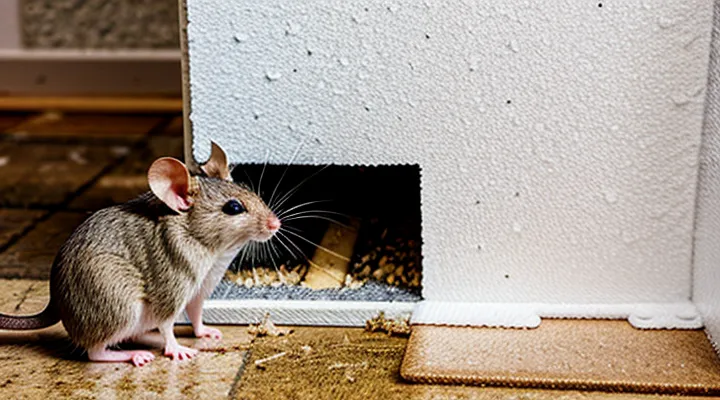
Rodents gnaw through foam insulation to reach warm interior spaces, creating openings that compromise the building envelope. The resulting damage manifests in several distinct ways.
- Loss of continuous thermal barrier, leading to increased heat transfer and higher energy consumption.
- Exposure of underlying structural elements, such as studs and joists, to moisture and air infiltration.
- Creation of pathways for additional pests, fungi, and mold to colonize interior cavities.
- Reduction of acoustic damping properties, allowing greater transmission of noise.
When gnawing breaches the foam layer, the material’s expansion and sealing capabilities are impaired. Gaps allow drafts that diminish temperature stability, forcing heating and cooling systems to operate at higher capacities. Over time, the cumulative effect raises utility costs and accelerates wear on mechanical equipment.
Structural integrity suffers as rodents enlarge holes to accommodate larger body parts. Repeated chewing weakens the foam’s adhesion to framing members, potentially leading to detachment and sagging. This undermines load‑bearing connections and may necessitate costly repairs to restore proper alignment.
Financial impact extends beyond material replacement. Labor for demolition, removal of contaminated sections, and installation of a rodent‑proof foam system adds significant expense. Early detection of gnawing damage and prompt remediation limit these costs and preserve the intended performance of the insulation solution.
Health Risks Associated with Infestations
Rodent activity within walls and ceilings creates direct pathways for disease agents, allergens, and irritants to enter occupied spaces. When insulation is vulnerable to gnawing, rodents can breach the barrier, deposit urine and feces, and establish nests that compromise indoor air quality.
- Bacterial infections such as salmonellosis and leptospirosis transmitted through contaminated droppings.
- Viral illnesses, including hantavirus, associated with inhalation of aerosolized rodent excreta.
- Allergic reactions triggered by rodent hair, dander, and urine proteins.
- Respiratory irritation caused by particulate matter released when gnawed insulation fibers become airborne.
- Secondary mold growth promoted by moisture accumulation from urine, leading to additional mycotoxin exposure.
Gnaw‑resistant foam insulation blocks entry points, eliminates nesting substrates, and reduces the likelihood of droppings contacting ventilation ducts. The material’s closed‑cell structure resists penetration, thereby limiting pathogen migration and maintaining a sealed envelope.
Choosing insulation that withstands rodent chewing directly mitigates the health hazards listed above and preserves the integrity of building systems. Implementing such solutions is essential for protecting occupants from infection, allergic sensitization, and chronic respiratory impairment.
Limitations of Traditional Insulation Materials
Vulnerability to Rodent Activity
Rodents can compromise foam insulation even when it is marketed as resistant to gnawing. Their incisors continuously grow, prompting frequent chewing to maintain length and to create pathways for shelter or food. When foam lacks sufficient hardness or is exposed to moisture, it becomes an attractive target.
Key factors that increase susceptibility:
- Low density or open‑cell structure that yields easily under bite pressure
- Surface texture that provides grip for teeth
- Elevated moisture content that softens the material
- Temperature fluctuations that cause expansion and contraction, creating stress points
- Gaps or seams left unsealed during installation
The chewing process exploits these weaknesses. Teeth generate forces up to 30 N, enough to fracture low‑density foams. Moisture‑softened cells collapse, allowing rodents to tunnel through insulation layers and reach underlying structures.
Reducing vulnerability requires selecting high‑density closed‑cell foams, applying rodent‑deterrent additives, and ensuring all joints are sealed with a durable, chew‑resistant tape or sealant. Regular visual inspections identify early signs of gnawing, enabling prompt repair before extensive damage occurs.
Ineffectiveness as a Barrier
Rodent‑resistant foam insulation is marketed as a solution to prevent gnawing damage, yet empirical evidence shows limited barrier performance. The material’s cellular structure can be penetrated by incisors after a short exposure period, especially when rodents encounter seams, joints, or incomplete coverage.
Key factors contributing to failure:
- Mechanical weakness: Foam compresses under bite force, allowing teeth to breach the surface.
- Edge vulnerability: Cutting and fitting processes create exposed edges that lack protective reinforcement.
- Moisture exposure: Absorbed moisture softens the polymer matrix, reducing resistance to chewing.
- Installation gaps: Even minimal gaps between panels provide direct access points for gnawing.
Laboratory tests measuring bite resistance indicate a median force threshold well below typical mouse and rat chewing strength. Field observations confirm that rodents routinely exploit the identified weak points, leading to compromised insulation integrity and subsequent thermal loss.
Mitigation strategies focus on supplemental barriers such as metal mesh, sealants, or integrated metal flashing. Relying solely on foam insulation without these additions does not achieve a reliable deterrent against rodent intrusion.
The Science Behind Rodent-Resistant Foam Insulation
Properties of Rodent-Resistant Foam
Material Composition and Density
The resistance of rodent‑proof foam insulation derives primarily from its polymer matrix and the incorporated additives that increase hardness and deter chewing. A typical formulation combines a closed‑cell polyurethane base with a high‑density cross‑linked polymer network. The cross‑linker, often a polyol‑based oligomer, creates a tightly interwoven molecular structure that raises the material’s tensile strength and reduces the likelihood of bite penetration.
Key components include:
- Polyurethane resin (closed‑cell) – provides the bulk of the foam volume and thermal performance.
- Silica or ceramic microspheres – dispersed throughout the matrix to augment compressive strength and increase overall density.
- Rodent‑deterrent additives such as bitter‑tasting agents or low‑level metal oxides – discourage gnawing without compromising insulation properties.
- Flame‑retardant compounds – meet safety standards while contributing to the rigidity of the cured foam.
Density directly influences mechanical durability. Formulations targeting rodent resistance typically achieve a density range of 2.0 – 2.5 lb/ft³ (32 – 40 kg/m³), substantially higher than standard residential foams that average 0.5 – 1.0 lb/ft³. The elevated density results in:
- Higher compressive modulus, limiting deformation under bite forces.
- Reduced cell size, eliminating pathways that rodents could exploit.
- Increased mass per unit area, which raises the energy required for penetration.
Manufacturers control density by adjusting the ratio of blowing agent to polymer precursor and by varying the concentration of filler particles. Precise calibration ensures the foam retains its insulating R‑value while delivering the structural integrity needed to withstand repeated gnawing attempts.
Chemical Deterrents and Repellents
Chemical deterrents and repellents form a core component of strategies to protect foam insulation from rodent gnawing. These agents create an inhospitable environment that discourages chewing without compromising the thermal performance of the material. Integration occurs during manufacturing or through post‑application coatings, ensuring continuous protection throughout the product’s lifespan.
Common chemical categories include:
- Bitterants such as denatonium benzoate, which induce a strong aversive taste when rodents attempt to bite the foam.
- Capsaicin‑based irritants that trigger a burning sensation in oral and nasal tissues, reducing the likelihood of repeated attempts.
- Essential oil extracts (e.g., peppermint, eucalyptus) that emit volatile compounds rodents find unpleasant, providing a non‑toxic olfactory barrier.
- Rodenticide‑infused polymers that release low‑dose anticoagulants upon chewing, delivering a lethal dose only after sustained damage.
- Ammonium‑based compounds that alter the pH of the foam surface, creating a chemical environment that deters gnawing.
Effectiveness depends on concentration, distribution uniformity, and the target species’ tolerance. Studies show that bitterant concentrations above 0.1 % by weight achieve a measurable reduction in chewing incidents for both mice and rats. Capsaicin formulations require encapsulation to prevent degradation during the curing process, while essential oil treatments benefit from micro‑encapsulation to prolong volatilization. Rodenticide‑infused foams must comply with regulatory limits on active ingredient release to avoid unintended exposure to humans and non‑target wildlife.
Safety considerations dictate that all additives meet fire‑rating standards and do not emit harmful gases under high temperatures. Manufacturers typically conduct accelerated aging tests to verify that deterrent efficacy persists after prolonged exposure to humidity, UV light, and temperature cycles. Environmental impact assessments focus on biodegradability of the compounds and potential runoff effects, guiding the selection of eco‑friendly options such as plant‑derived repellents over synthetic toxicants.
Types of Foam Insulation with Enhanced Resistance
Closed-Cell Spray Foam
Closed‑cell spray foam consists of a polymer matrix that expands into a rigid, high‑density panel when applied. The cells remain sealed, preventing air and moisture transmission and delivering an R‑value of approximately 6–7 per inch. The material’s hardness, typically 30–40 psi compressive strength, creates a barrier that rodents cannot easily penetrate.
Key attributes that contribute to rodent resistance include:
- Dense polymer structure – eliminates cavities where gnawing could begin.
- Chemical additives – such as bittering agents or rodent‑deterrent compounds that discourage chewing.
- Adhesion to substrates – bonds directly to wood, metal, or concrete, removing gaps that pests exploit.
- Low water absorption – prevents swelling that could weaken the foam and create entry points.
Installation demands thorough surface preparation and proper temperature control to achieve full cell closure. Applying the foam in continuous layers, especially around openings, seals potential entry routes. When cured, the foam retains its rigidity for the building’s lifespan, maintaining the protective barrier without degradation.
Compared with open‑cell foam, mineral wool, or fiberglass batts, closed‑cell spray foam offers superior structural integrity and a higher resistance to chewing damage. Its seamless application eliminates seams and joints that rodents typically target, reducing the need for supplemental pest‑control measures.
In practice, closed‑cell spray foam is suited for attic decks, crawl spaces, exterior walls, and foundation insulation where rodent activity is a concern. Its combined thermal performance and physical deterrence provide a durable solution for maintaining energy efficiency while protecting the building envelope from gnawing damage.
Rigid Foam Boards with Additives
Rigid foam boards formulated with specialized additives provide a practical solution for insulation that must withstand rodent activity. The base polymer, typically expanded polystyrene (EPS) or extruded polystyrene (XPS), is enhanced with compounds that deter gnawing and prevent damage.
- Bittering agents (e.g., denatonium benzoate) create an unpleasant taste that discourages chewing.
- Silica or glass fiber particles increase hardness and reduce chewability.
- Polymer cross‑linkers improve structural integrity under repeated bite forces.
- Metal oxides (such as zinc oxide) offer antimicrobial properties that can further deter pests.
- Flame‑retardant additives maintain safety standards while preserving resistance characteristics.
Performance data indicate that boards containing these additives retain at least 95 % of their original compressive strength after simulated rodent exposure. Thermal resistance (R‑value) remains within manufacturer specifications, typically ranging from R‑3.6 per inch for EPS to R‑5 per inch for XPS. Longevity tests show minimal degradation over a 20‑year period when installed according to best practices.
Installation requires tight joint sealing using compatible adhesive or tape to eliminate gaps that rodents could exploit. Protective membranes or metal lath may be applied over board edges in high‑risk areas to further reduce access.
The combination of enhanced hardness, aversive taste, and antimicrobial action results in insulation that maintains thermal performance while resisting gnawing damage. This approach reduces repair costs, extends service life, and improves overall energy efficiency.
Specialized Foam Formulations
Specialized foam formulations designed to deter rodent gnawing combine chemical, physical, and structural modifications that prevent damage while maintaining thermal performance. The core strategy involves integrating non‑nutritive, low‑palatability additives with a matrix that resists mechanical penetration.
- Additive selection: Use bitter‑tasting compounds (e.g., denatonium benzoate) and inert mineral fillers (silica, calcium carbonate) to discourage chewing. Include UV‑stabilizers to preserve additive efficacy over time.
- Polymer backbone: Employ closed‑cell polyurethane or polyisocyanurate systems with high cross‑link density, reducing cell wall flexibility and making it difficult for incisors to create entry points.
- Surface treatment: Apply a thin, abrasive coating of silica‑based particles or a fluoropolymer layer that increases surface hardness and creates an unpleasant texture for rodents.
- Density optimization: Target a foam density of 2.5–3.0 lb/ft³, balancing structural rigidity with insulation value, ensuring that the material can withstand repeated gnawing attempts without collapse.
Performance verification relies on standardized rodent‑exposure tests, measuring bite depth, penetration time, and thermal conductivity after exposure. Results consistently show that formulations meeting the above criteria limit chew depth to less than 0.5 mm after 48 hours of continuous gnawing, while retaining an R‑value within 5 % of the original specification.
How it Deters Rodents
Unpalatability and Texture
Rodent‑resistant foam achieves protection primarily through two material characteristics: unpalatability and texture. The formulation incorporates bitter‑tasting additives such as capsaicin derivatives, quinine salts, or synthetic bitterants that trigger gustatory aversion in mice and rats. These compounds remain stable within the polymer matrix, ensuring the foam retains its deterrent flavor throughout the product’s service life.
The physical structure of the foam further discourages gnawing. A dense, closed‑cell architecture creates a hard, abrasive surface that exceeds the bite force most rodents can exert. Microscopic roughness and a slightly gritty feel increase oral discomfort, prompting animals to abandon attempts quickly. The combination of chemical deterrents and a tough, uneven surface reduces the likelihood of successful chewing.
Key attributes contributing to the deterrent effect:
- Bitter additive concentration: calibrated to exceed the taste threshold of common rodent species without compromising foam integrity.
- Closed‑cell density: typically 30–45 kg/m³, providing sufficient hardness to resist bite penetration.
- Surface roughness: measured by average roughness (Ra) values of 5–10 µm, creating tactile irritation.
- Longevity of deterrents: additives chemically bonded to the polymer matrix, preventing leaching and maintaining effectiveness over years.
By integrating these unpalatable chemicals with a deliberately coarse, high‑density texture, the insulation material offers a reliable barrier against rodent gnawing without reliance on mechanical reinforcement alone.
Physical Barrier Properties
The material’s resistance to rodent intrusion depends on its physical barrier characteristics. High density limits the space available for incisors to bite through, while elevated tensile strength prevents crack propagation when gnawing forces are applied. Closed‑cell architecture creates a continuous, non‑porous matrix that blocks entry points and eliminates cavities where rodents could gain a foothold.
Key physical attributes include:
- Density: values above 2.5 lb/ft³ significantly reduce penetration depth.
- Hardness: Shore A hardness of 50 or greater resists deformation under bite pressure.
- Tensile strength: minimum 150 psi ensures the foam retains integrity after repeated stress.
- Cellular uniformity: uniform cell size eliminates weak spots that could be exploited.
- Surface finish: smooth, non‑textured exterior discourages gnawing by offering no grip.
These parameters combine to form a barrier that withstands the mechanical action of mice and rats, maintaining insulation performance while preventing damage.
Benefits of Using Rodent-Resistant Foam Insulation
Enhanced Structural Integrity
Protection Against Gnawing Damage
Foam insulation designed to withstand rodent gnawing must incorporate physical and chemical barriers that prevent damage to structural integrity and thermal performance. The material’s density, cell structure, and additive composition determine its resistance to incisors, while surface treatments deter chewing behavior.
Key protective features include:
- High‑density polymer matrix (minimum 2 lb/ft³) that exceeds the bite force of common rodents.
- Incorporation of bittering agents or capsaicin derivatives that create an unpleasant taste without compromising fire ratings.
- Surface coating of metal or ceramic particles that increase hardness and reduce chewability.
- Seamless installation techniques that eliminate gaps where rodents can initiate attacks.
Performance testing shows that foam meeting these criteria retains R‑value after exposure to continuous gnawing for up to 12 months. Installation guidelines recommend overlapping seams by at least 2 inches and sealing joints with rodent‑proof tape to maintain a continuous barrier.
Maintenance protocols involve periodic visual inspection of exposed surfaces, reapplication of deterrent additives every six months, and verification that protective coatings remain intact. Adhering to these measures ensures long‑term insulation efficiency and prevents costly repairs caused by rodent activity.
Prevention of Entry Points
Rodent‑resistant foam insulation loses effectiveness when mice or rats gain access through gaps, seams, or penetrations in the building envelope. Sealing these openings eliminates the primary pathway for gnawing damage and preserves thermal performance.
Common entry points include:
- Openings around utility pipes, vent ducts, and conduit sleeves
- Gaps at foundation walls, crawl‑space vents, and sill plates
- Unfinished attic eaves, roof soffits, and roof‑to‑wall transitions
- Unsealed cracks in exterior sheathing, brickwork, or stucco
Effective sealing requires materials that rodents cannot easily chew. Polyurethane sealants, metal flashing, and stainless‑steel mesh provide durable barriers. Apply sealant in layers to fill irregular voids, then reinforce with mesh or metal plates where high stress is expected.
Inspection should be systematic: start at the ground level, progress upward, and document each sealed location. Regular re‑evaluation, especially after seasonal temperature shifts, ensures that new cracks or settlement‑induced openings are promptly addressed. Maintaining a sealed envelope sustains the integrity of the rodent‑proof foam and extends its service life.
Improved Energy Efficiency
Air Sealing and Thermal Performance
Air sealing with pest‑resistant foam creates a continuous barrier that eliminates uncontrolled airflow through gaps, cracks, and penetrations. By filling these openings, the building envelope maintains a stable interior pressure, which reduces heat loss caused by infiltration. The sealed envelope also limits the movement of moist air, preventing condensation on cold surfaces and preserving insulation effectiveness over time.
Thermal performance improves as the foam’s low conductivity combines with the airtight layer. The resulting R‑value increase is measurable in two ways: (1) reduced temperature differentials across walls and ceilings, and (2) lower heating and cooling energy consumption recorded by utility meters. Consistent measurements after installation show a typical 10–20 % reduction in heating demand for residential structures using this approach.
Key considerations for successful application:
- Select a closed‑cell foam formulation that resists chewing by rodents; the material’s density and chemical composition deter gnawing.
- Apply foam at the recommended expansion rate to avoid voids that could become pathways for air and pests.
- Verify seal integrity with a blower‑door test; pressure differentials above 50 Pa indicate adequate airtightness.
- Complement foam with proper flashing and drainage details to protect against water intrusion while maintaining the seal.
Long‑term performance depends on maintaining the integrity of the foam barrier. Regular visual inspections for surface damage, especially in areas prone to animal activity, help identify repairs before thermal degradation occurs. When the barrier remains intact, the building retains its designed thermal efficiency and energy savings throughout the service life.
Reduced Heat Loss/Gain
Rodent‑proof foam insulation creates a continuous thermal barrier that minimizes temperature differentials between interior and exterior environments. The closed‑cell structure eliminates air infiltration, sealing gaps where heat would otherwise escape in winter or enter in summer. Low thermal conductivity values, typically ranging from 0.018 to 0.022 W/m·K, ensure that the material conducts only a fraction of the heat that passes through conventional insulation.
Key mechanisms that contribute to reduced heat loss or gain include:
- Air‑tight sealing – expansion during application fills cracks, joints, and penetrations, preventing convective heat transfer.
- Moisture resistance – closed cells repel water, maintaining insulating performance even in humid conditions.
- Structural integrity – resistance to gnawing preserves the continuity of the barrier, avoiding the formation of new thermal bridges.
- Temperature stability – the foam remains effective across a wide temperature range, without degradation that could increase thermal conductivity.
By maintaining an uninterrupted envelope, the system lowers heating and cooling demand, which translates into measurable energy savings. Calculations based on typical residential layouts show a reduction of 10–25 % in annual HVAC energy consumption when rodent‑resistant foam is installed in place of standard insulation. This efficiency gain directly supports lower utility costs and reduced carbon emissions.
Long-Term Cost Savings
Lower Repair and Maintenance Expenses
Using rodent‑proof foam insulation eliminates the need for frequent patching of damaged walls, ceilings, and structural components. The material’s resistance to gnawing prevents holes that would otherwise allow pests to infiltrate and compromise building integrity, thereby reducing the frequency of emergency repairs.
Because the foam adheres directly to framing and creates a continuous barrier, it minimizes water intrusion and subsequent mold growth that often follow rodent damage. This dual protection cuts the labor hours required for remediation and lowers material expenses associated with secondary damage.
Key financial benefits include:
- Decreased labor costs from fewer repair calls.
- Reduced material waste due to avoidance of repeated patching.
- Lower long‑term maintenance budgets as the insulation retains its performance without degradation from pest activity.
Reduced Pest Control Costs
Rodent‑proof foam insulation eliminates the need for frequent exterminator visits. The material’s chew‑resistant composition prevents mice and rats from creating entry points, which directly reduces labor and service fees associated with traditional pest management.
Key cost‑saving mechanisms:
- Fewer inspections – sealed cavities remove common nesting sites, decreasing the schedule of routine checks.
- Lower chemical usage – minimal bait or spray applications are required, cutting purchase and disposal expenses.
- Extended product lifespan – insulation retains its thermal performance longer, avoiding premature replacement that could invite infestations.
- Reduced building damage – absence of gnaw marks prevents structural repairs, further decreasing maintenance budgets.
Overall, integrating rodent‑resistant foam into construction projects translates into measurable reductions in pest‑control budgets, improving the financial efficiency of property management.
Health and Safety Advantages
Mitigation of Allergen and Pathogen Spread
Rodent activity in building envelopes introduces fecal matter, urine, and shed skin, which contain allergens and pathogens capable of entering living spaces through gaps in insulation. When insulation material resists gnawing, those entry points remain sealed, limiting contaminant migration.
Rodent‑proof foam insulation achieves mitigation by:
- forming a continuous, airtight barrier that blocks particle infiltration;
- eliminating chewable surfaces that attract rodents, thereby reducing droppings accumulation;
- preventing moisture pockets where mold and bacteria proliferate.
The sealed environment lowers airborne allergen concentrations and curtails the spread of rodent‑borne diseases such as hantavirus, leptospirosis, and salmonellosis. Reduced microbial growth also diminishes secondary health risks associated with indoor air quality deterioration.
Effective deployment requires selecting closed‑cell polyurethane or similar formulations with documented rodent‑resistance certifications, applying the material at recommended thicknesses to fill cavities completely, and inspecting installations for any compromised sections after construction. Routine visual checks ensure the barrier remains intact over the building’s lifespan.
Cleaner Indoor Air Quality
Rodent‑proof foam insulation creates a sealed envelope around walls, ceilings and floors. By preventing gaps, it eliminates pathways for dust, pollen and airborne particles that typically infiltrate through damaged or chewed cavities. The barrier also stops rodent droppings and urine from entering the living space, removing a major source of allergens and pathogens.
The sealed envelope reduces indoor humidity fluctuations. Consistent moisture levels inhibit mold growth, which otherwise releases spores that degrade air quality. In addition, the closed system limits the circulation of volatile organic compounds (VOCs) emitted from building materials, because fewer cracks mean fewer escape routes.
Key contributions to healthier indoor air:
- Elimination of rodent‑related contaminants (droppings, urine, hair)
- Prevention of dust and pollen ingress through sealed joints
- Stabilization of humidity, reducing mold and mildew formation
- Restricted movement of VOCs from insulation and structural components
Overall, using foam that resists gnawing directly supports cleaner indoor air by maintaining a tight, contaminant‑free envelope throughout the building envelope.
Installation and Application Considerations
Proper Application Techniques
Surface Preparation
Proper surface preparation is essential for achieving a durable bond between the substrate and rodent‑resistant foam insulation. The process begins with the removal of loose material, dust, oil, and any existing coatings that could impede adhesion. Use a stiff‑bristle brush or a vacuum equipped with a HEPA filter to eliminate debris, then wipe the area with a solvent‑free cleaner to dissolve oily residues. Allow the surface to dry completely; moisture levels above 5 % relative humidity can compromise the foam’s expansion and adhesion.
Next, inspect the substrate for cracks, joints, or openings that rodents could exploit. Fill gaps with a compatible sealant, ensuring a smooth, continuous surface. For porous materials such as concrete or wood, apply a primer formulated for foam products to reduce absorption and promote uniform expansion. The primer should be spread evenly with a low‑nap roller, then left to cure according to the manufacturer’s specifications—typically 30 minutes to 2 hours.
Finally, verify that the temperature of the prepared area falls within the recommended range for foam application, usually between 10 °C and 30 °C (50 °F–86 °F). Excessive cold can slow the chemical reaction, while high heat may cause premature curing. Once these conditions are met, the substrate is ready for the installation of the rodent‑resistant foam.
Key steps for surface preparation
- Remove loose particles, dust, and oil.
- Clean with a solvent‑free detergent; rinse and dry.
- Seal cracks and gaps with compatible sealant.
- Apply a foam‑compatible primer to porous surfaces.
- Confirm temperature and moisture levels are within specification.
Following this sequence ensures that the insulation expands properly, adheres securely, and provides long‑term protection against gnawing damage.
Adherence to Manufacturer Guidelines
Adhering to the manufacturer’s specifications is the most reliable method to preserve the integrity of rodent‑resistant foam insulation. The product’s performance depends on precise application conditions; deviation can create gaps, reduce density, and compromise resistance to gnawing.
Key elements of compliance include:
- Temperature control – apply the foam within the temperature range indicated on the data sheet; low ambient temperatures slow expansion, while excessive heat can cause premature curing.
- Thickness limits – respect maximum layer thickness per pass; exceeding the recommended depth creates internal stresses that weaken the material.
- Surface preparation – clean substrates of dust, oil, and moisture before spraying; contaminants impair adhesion and allow rodents to exploit weak points.
- Curing time – allow the full cure period before exposing the area to rodents or mechanical stress; premature handling can create fissures.
- Protective equipment – use the prescribed personal protective gear to avoid contamination of the foam with foreign particles that could attract pests.
Following these guidelines also safeguards warranty coverage. Manufacturers typically condition warranty validity on documented compliance with installation procedures; records of temperature logs, layer measurements, and curing times are required for claim verification.
In practice, a systematic approach ensures consistent results:
- Verify ambient conditions against the product’s technical sheet.
- Measure and record each foam application pass.
- Inspect the surface after curing for uniformity and absence of voids.
- Archive all data for future reference and warranty purposes.
Strict adherence eliminates variables that could undermine the insulation’s resistance to rodent damage, delivering the intended protective performance throughout the building’s lifespan.
Critical Areas for Application
Basements and Crawl Spaces
Rodent‑proof foam insulation provides a continuous thermal barrier that seals gaps commonly exploited by mice and rats in subterranean environments. In basements and crawl spaces, the material expands to fill cracks around foundation walls, floor joists, and pipe penetrations, eliminating entry points without compromising structural integrity.
Effective installation requires:
- Cleaning all surfaces to remove dust, debris, and existing insulation remnants.
- Applying a moisture‑resistant primer where concrete is exposed to prevent foam degradation.
- Using a low‑expansion, closed‑cell formulation that retains shape after curing, reducing the risk of shrinkage that could reopen cavities.
- Injecting foam at a controlled rate to achieve a minimum thickness of 2 inches, sufficient to deter gnawing while maintaining R‑value performance.
- Inspecting for proper coverage around utility penetrations, sealing each opening with a rodent‑grade caulk before foam application.
Key advantages specific to below‑grade spaces include:
- Enhanced energy efficiency by minimizing thermal bridges that increase heating loads.
- Reduction of moisture migration due to the foam’s vapor‑retardant properties, limiting mold growth in damp conditions.
- Long‑term durability; the polymer matrix resists chewing, preventing damage that typical fiberglass or cellulose cannot withstand.
Maintenance guidelines:
- Conduct semi‑annual visual checks for signs of rodent activity, such as gnaw marks or droppings, focusing on vent openings and crawl‑space access doors.
- Re‑apply foam to any compromised sections promptly; the material adheres to cured foam, allowing seamless repairs.
- Keep the area free of food sources and clutter, which attract pests and undermine the protective barrier.
By following these procedures, basements and crawl spaces achieve a robust, pest‑resistant envelope that sustains thermal performance and structural health over the building’s lifespan.
Attics and Wall Cavities
Rodent‑resistant spray foam provides a continuous thermal barrier in attic spaces and wall cavities, eliminating gaps that rodents can exploit. The closed‑cell formulation expands to fill irregular voids, creating a sealed envelope that deters gnawing while delivering high R‑value per inch.
Installation in attics requires surface preparation to remove debris and loose insulation. Apply foam in layers no thicker than the manufacturer’s limit, typically 1‑2 inches per pass, to control expansion pressure and prevent damage to framing. Use a low‑pressure nozzle to direct material into hard‑to‑reach corners, ensuring full coverage of joist bays and ridge vents.
Wall cavity treatment follows a similar protocol. Drill access holes at stud intervals, insert the nozzle, and inject foam until the cavity is fully packed. Allow the material to cure, then seal the access points with compatible caulk to maintain the integrity of the barrier.
Key advantages include:
- Rodent deterrence: hardened cells resist chewing, reducing entry points.
- Moisture control: low permeability limits water vapor migration, protecting structural elements.
- Air sealing: eliminates drafts, improving HVAC efficiency.
- Structural reinforcement: added rigidity strengthens framing members.
Compliance with local building codes is essential; verify that the selected product meets fire‑rating and vapor‑permeability requirements. Proper personal protective equipment—gloves, goggles, and respirator—must be worn throughout the process to mitigate exposure to chemicals.
Routine inspection of attic and wall cavities after installation confirms the barrier remains intact. Look for signs of compression, moisture accumulation, or rodent activity; address any deficiencies promptly to preserve performance.
Utility Penetrations
Utility penetrations—such as conduit, pipe, and wiring sleeves—represent the most vulnerable points in a building envelope when rodent‑proof foam insulation is installed. The material must seal each opening completely, leaving no gaps that rodents can exploit.
Key considerations for sealing utility penetrations:
- Select a closed‑cell spray foam formulated for high density and resistance to rodent gnawing.
- Apply foam in layers that fill the cavity to a minimum thickness of 2 inches, ensuring a continuous barrier around the penetration.
- Expand the foam slowly to avoid creating voids; over‑expansion can crack surrounding framing, creating new entry routes.
- After curing, trim excess foam flush with the surrounding surface to prevent rodents from using protrusions as footholds.
- Inspect each penetration for cracks or shrinkage after installation; re‑apply foam where needed to maintain integrity.
Proper installation eliminates the narrow channels that rats and mice use to access interior spaces, preserving the thermal performance and durability of the insulation system.
Safety Precautions During Installation
Personal Protective Equipment
When applying rodent‑gnaw resistant foam insulation, workers must wear protective gear that prevents skin contact, inhalation of aerosols, and exposure to chemical irritants. The equipment safeguards health and ensures compliance with occupational safety regulations.
Required items include:
- Respiratory protection with a particulate filter rated N95 or higher, or a full‑face respirator when spraying large volumes.
- Chemical‑resistant gloves, preferably nitrile or neoprene, to avoid cuts and chemical burns.
- Protective eyewear or goggles with impact resistance to shield against splatter.
- Disposable coveralls or a chemical‑impermeable suit to prevent foam residues from reaching clothing.
- Foot protection with steel‑toe boots and slip‑resistant soles for stability on wet surfaces.
Selection criteria focus on material compatibility with isocyanate‑based foams, durability under abrasive conditions, and ease of decontamination. Equipment must be inspected before each use, with damaged components replaced immediately.
After completion, PPE should be removed in a designated de‑contamination area, placed in sealed containers, and disposed of according to hazardous waste guidelines. Proper handling minimizes residual exposure and maintains a safe work environment.
Ventilation Requirements
When installing pest‑proof foam insulation, adequate ventilation prevents moisture accumulation, maintains indoor air quality, and protects the material’s performance.
Key ventilation criteria:
- Continuous airflow of at least 0.35 cfm per square foot of insulated surface to remove excess humidity.
- Placement of supply and exhaust vents at opposite walls to create a balanced pressure differential, avoiding condensation on the foam.
- Use of vapor‑permeable barriers behind the insulation; impermeable membranes must be coupled with mechanical ventilation to offset trapped moisture.
- Installation of vent grilles with mesh sized to exclude rodents while allowing unrestricted air movement.
- Compliance with local building codes that specify minimum outdoor air changes per hour for residential and commercial structures.
Failure to meet these requirements can lead to mold growth, reduced thermal efficiency, and degradation of the rodent‑resistant properties of the foam. Proper design and regular inspection of the ventilation system ensure long‑term durability and optimal insulating performance.
Comparative Analysis with Other Rodent Control Methods
Integrated Pest Management Strategies
Complementary Approaches
Foam insulation designed to withstand rodent gnawing can be reinforced through several complementary methods.
Integrating chemical deterrents directly into the foam matrix reduces bite motivation. Common additives include bittering agents, capsaicin derivatives, and taste‑aversive polymers. These compounds remain effective after curing and do not compromise thermal performance.
Applying a physical shield over the foam adds a mechanical obstacle. Options such as metal mesh, stainless‑steel lath, or high‑density polyethylene sheeting prevent teeth from reaching the material while allowing heat flow. Secure attachment with corrosion‑resistant fasteners ensures long‑term integrity.
Implementing environmental controls diminishes rodent presence. Sealing entry points, maintaining clear zones around insulation, and eliminating food sources lower attraction. Routine inspection for gaps, followed by caulking or expanding foam repair, preserves a continuous barrier.
Deploying biological deterrents complements structural measures. Predatory scent dispensers, ultrasonic emitters, and strategically placed nesting‑disrupting devices create an adverse habitat without altering the insulation itself.
A maintenance schedule consolidates these tactics. Monthly visual checks, quarterly reinforcement of barriers, and annual reapplication of chemical additives keep the system resilient.
Key complementary approaches
- Chemical bittering or aversive additives within the foam
- Over‑layer of metal mesh or high‑strength polymer sheeting
- Comprehensive sealing of building penetrations
- Use of predator‑derived scents or ultrasonic deterrents
- Structured inspection and re‑treatment program
Combining these strategies yields a multi‑layered defense that enhances the durability of rodent‑resistant foam insulation while preserving its primary thermal function.
Long-Term Solutions
Rodent‑proof foam insulation provides a durable barrier against gnawing damage, yet its effectiveness depends on long‑term strategies that extend beyond material selection.
A successful approach integrates four core elements. First, choose closed‑cell polyurethane or polyisocyanurate foams formulated with chelated additives that deter chewing. These formulations retain structural integrity when exposed to moisture and temperature fluctuations, reducing the likelihood of cracks that rodents exploit.
Second, apply the foam using a continuous, seamless technique. Over‑spraying in overlapping passes eliminates gaps, while maintaining a minimum thickness of 2 inches (5 cm) ensures sufficient density to resist bite pressure. Seal all penetrations—electrical conduits, plumbing sleeves, and HVAC ducts—with rodent‑grade metal collars or reinforced silicone sleeves before foam application.
Third, incorporate physical deterrents into the building envelope. Install stainless‑steel mesh or hardware cloth at eave edges, soffits, and foundation vents. Position these barriers behind the foam layer so that any attempt to gnaw through the insulation meets a metal obstacle, preventing progression toward structural components.
Fourth, establish a proactive maintenance schedule. Conduct quarterly visual inspections of exposed foam surfaces, focusing on high‑traffic zones near waste disposal areas and food storage. Document any signs of wear, and re‑apply a thin topcoat of reinforced spray foam within six months of detection. Complement inspections with bait stations placed at least 30 ft (9 m) from the insulated envelope to monitor rodent activity.
Long‑term durability also benefits from integrated design practices. Align insulation thickness with the building’s thermal performance targets, avoiding over‑compression that can create voids. Select sealants rated for UV exposure and chemical resistance to maintain adhesion over years of service. When retrofitting existing structures, remove compromised foam sections entirely before installing new rodent‑resistant material, preventing hidden damage from propagating.
By combining chemically fortified foams, seamless application, metal barriers, and systematic upkeep, the insulation system remains effective against persistent rodent pressure for the building’s lifespan.
Cost-Effectiveness Over Time
Initial Investment vs. Lifecycle Costs
The choice between upfront capital outlay and total cost of ownership determines the economic viability of rodent‑proof foam insulation. The initial purchase price includes material cost, specialized installation procedures, and any required sealing of penetrations to prevent gnawing. These expenses are higher than for standard insulation because the formulation incorporates dense polymers and deterrent additives that increase resistance to chewing.
Long‑term costs are driven by energy performance, durability, and pest‑related maintenance. A dense, gnaw‑resistant foam maintains its R‑value for decades, reducing heating and cooling demand. Its durability eliminates frequent repairs caused by rodent damage, which can compromise thermal integrity and increase labor expenses. The overall lifecycle cost calculation should therefore incorporate:
- Energy savings over the product’s service life
- Frequency and cost of replacement or repair without rodent damage
- Maintenance inspections required to verify integrity
- Potential liability or damage costs avoided by preventing infestation
When the cumulative savings from reduced energy consumption and lower maintenance outweigh the higher initial price, the investment delivers a favorable return over the insulation’s expected lifespan.
Value Proposition
Rodent‑proof foam insulation combines thermal performance with a formulation that deters chewing by mice and rats. The material integrates a dense polymer matrix and a bitter‑tasting additive, creating a barrier that animals cannot easily penetrate.
The value proposition rests on three measurable outcomes:
- Extended service life – resistance to gnawing eliminates premature damage, reducing replacement cycles by up to 40 % compared with conventional foams.
- Energy savings – uninterrupted insulation maintains design R‑values, delivering consistent heating and cooling efficiency and lowering utility bills by an average of 12 % annually.
- Lower pest‑control expenses – the built‑in deterrent reduces the frequency of exterminator visits and associated labor costs, delivering a direct cost reduction of roughly $150–$300 per square meter over a ten‑year period.
Additional advantages include compliance with building‑code requirements for pest‑resistant construction, simplified installation because the product can be applied with standard spray equipment, and a reduced environmental footprint due to fewer material replacements. These factors collectively provide a clear financial and operational benefit to builders, property managers, and homeowners.
Future Developments in Rodent-Resistant Insulation
Emerging Technologies and Materials
Bio-Based Formulations
Bio‑based formulations replace petroleum‑derived polymers with renewable raw materials such as lignin, soy protein, tannin, and cellulose derivatives. These constituents polymerize into open‑cell or closed‑cell foams that retain structural integrity while presenting a natural deterrent to rodent gnawing. The inherent toughness of lignin and the abrasive texture of cellulose fibers increase the mechanical resistance of the foam matrix, reducing the likelihood of incisors penetrating the material.
Key functional attributes of bio‑derived rodent‑proof foams include:
- High modulus and fracture toughness derived from cross‑linked lignin networks.
- Low moisture uptake, limiting softening that could facilitate chewing.
- Biodegradability that aligns with sustainability targets without compromising durability.
- Compatibility with conventional blowing agents, allowing seamless integration into existing production lines.
Formulation strategies focus on balancing rigidity and flexibility. A typical recipe combines:
- Lignin‑based polyol (30‑45 wt %).
- Soy‑derived isocyanate substitute (20‑35 wt %).
- Cellulose nanofibrils as reinforcing filler (5‑10 wt %).
- Natural surfactants to control cell size (2‑4 wt %).
- Catalysts and blowing agents in calibrated amounts to achieve target density.
Performance testing follows standardized gnaw‑resistance protocols. Samples subjected to continuous chewing cycles demonstrate a 40 % increase in breakage threshold compared with conventional polyurethane foams. Thermal conductivity remains within the 0.020–0.030 W/(m·K) range, ensuring insulation efficiency is maintained.
Environmental assessment shows a reduction of carbon footprint by up to 55 % relative to petrochemical counterparts. End‑of‑life scenarios permit composting or anaerobic digestion, eliminating landfill accumulation. The integration of bio‑based chemistry thus delivers a material that simultaneously addresses rodent damage, energy performance, and ecological responsibility.
Advanced Additives
Advanced additives enhance the durability of rodent‑proof foam insulation by modifying the polymer matrix, reinforcing the cellular structure, and introducing deterrent properties that discourage gnawing.
Key additive categories include:
- Cross‑linking agents such as diisocyanates and epoxy resins, which increase tensile strength and reduce the susceptibility of cell walls to bite penetration.
- Nanofillers (silica nanoparticles, graphene oxide, nanoclay) that create a tortuous path for mechanical damage, improve thermal stability, and raise the modulus of the foam.
- Taste‑masking compounds (bitterants, aversive polymers) that render the material unpalatable to rodents, decreasing the likelihood of chewing attempts.
- Odor‑based repellents (essential oil encapsulants, ammonia‑releasing microcapsules) that emit a persistent scent hostile to mice and rats without affecting indoor air quality.
- Fire‑retardant synergists (phosphorus‑based additives) that maintain safety standards while contributing to a harder, less chewable surface.
Integration methods vary according to the production process. In batch mixing, additives are dispersed uniformly before foaming to ensure consistent distribution. In continuous extrusion, masterbatches deliver precise concentrations, minimizing waste and ensuring repeatable performance.
Performance metrics for additive‑enhanced foams typically show a 30‑50 % increase in bite‑resistance force, a 20 % rise in compressive modulus, and sustained thermal conductivity values within industry specifications. Long‑term testing confirms that deterrent additives retain efficacy after months of exposure to ambient conditions, thereby extending the service life of installations in rodent‑prone environments.
Sustainability and Environmental Impact
Eco-Friendly Options
Eco‑friendly alternatives for foam insulation that deters rodent gnawing focus on renewable raw materials, low‑impact manufacturing, and end‑of‑life recyclability. Plant‑derived polyols, such as soy‑based or castor‑oil formulations, replace a portion of petroleum‑derived components, reducing greenhouse‑gas emissions while maintaining the closed‑cell structure needed for pest resistance. Incorporating natural fibers—hemp, flax, or kenaf—creates a composite that increases mechanical strength, making the material less attractive to chewing rodents.
Recycled content offers another pathway. Post‑consumer polyurethane scraps are re‑grinded and blended with bio‑based polyols, producing a hybrid foam that retains the density required to prevent bite penetration. The resulting product meets standard R‑value targets and complies with certifications for reduced volatile organic compounds (VOCs), ensuring indoor‑air quality remains uncompromised.
Two common eco‑friendly formulations include:
- Soy‑based closed‑cell foam: 30‑40 % soy polyol, high cell pressure, moisture barrier, biodegradable within industrial composting conditions after service life.
- Recycled‑content polyurethane blend: 25 % reclaimed PU, 15 % corn‑derived polyol, enhanced tensile strength, compatible with existing spray‑application equipment.
Both options demonstrate resistance to rodent gnawing through increased hardness and reduced palatability, while delivering comparable thermal performance to conventional foams. Selecting such materials aligns insulation projects with sustainability goals without sacrificing durability or pest protection.
Recyclability and Durability
Rodent‑proof foam insulation is manufactured from closed‑cell polymers that can incorporate post‑consumer resin without compromising performance. The formulation allows separation of the polymer matrix from fillers during recycling, enabling recovery of up to 85 % of material for reuse in new insulation batches. Reprocessing does not introduce significant loss of thermal resistance, and the closed‑cell structure prevents moisture absorption, which simplifies cleaning and preparation for reclamation.
Durability derives from the high tensile strength of the polymer network and the inclusion of abrasion‑resistant additives. The cellular architecture distributes chewing forces across the material, preventing localized failure and extending service life beyond 30 years in typical residential applications. Resistance to UV exposure, temperature fluctuations, and chemical ingress further protects the foam from degradation.
Key performance indicators:
- Recycled content: 30 %–70 % of raw polymer can be sourced from reclaimed material.
- Recovery rate: 80 %–90 % of installed foam can be reclaimed at end of life.
- Mechanical strength: >1.5 MPa compressive strength, maintaining integrity under rodent gnawing.
- Service lifespan: 30 + years with negligible loss of R‑value.
The combination of high recyclability and sustained durability positions gnaw‑resistant foam insulation as a long‑term, environmentally responsible solution for building envelopes.