
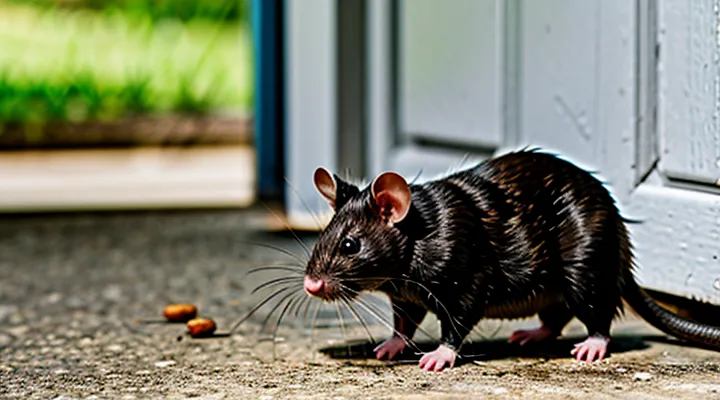
Understanding Fleas on Pet Rats
What are Fleas?
Types of Fleas Affecting Rodents
Fleas that infest pet rats belong to a limited set of species, each with distinct biological traits and control requirements. Recognizing these species enables targeted intervention and reduces the risk of secondary health problems for both rodents and their owners.
- Cat flea (Ctenocephalides felis) – most common worldwide; thrives in warm, humid environments; adult fleas measure 1–3 mm, exhibit dark brown coloration, and favor blood meals from mammals. On rats, it causes intense pruritus and can transmit Bartonella spp.
- Dog flea (Ctenocephalides canis) – similar in size to the cat flea but slightly larger; prefers canine hosts yet readily adapts to rodents. Infestation often results in dermatitis and secondary bacterial infections.
- Rat flea (Xenopsylla cheopis) – primary vector of Yersinia pestis; prefers the Oriental rat (Rattus norvegicus) but will parasitize pet rats. Adults are 2–4 mm, reddish‑brown, and lay eggs in the rodent’s nest, where larvae develop on organic debris.
- Human flea (Pulex irritans) – less common on rats; adults are 2–4 mm, light brown, and can bite humans as well as rodents. Infestations typically indicate poor sanitation and may lead to allergic reactions.
- Northern rat flea (Nosopsyllus fasciatus) – found in temperate regions; adults are 2–3 mm, dark brown, and exhibit a strong preference for wild rodents but can colonize captive rats. It transmits various rickettsial agents.
Each species follows a four‑stage life cycle: egg, larva, pupa, and adult. Eggs are deposited in the rat’s bedding, larvae consume organic matter, pupae remain dormant until environmental cues trigger emergence, and adults require a blood meal to reproduce. Effective eradication therefore combines environmental sanitation—regular cleaning of cages, removal of feces and debris—with appropriate insecticidal treatments applied to both the animal and its habitat. Selecting a product labeled for the specific flea species enhances efficacy and minimizes toxicity risks.
Flea Life Cycle
Fleas progress through four distinct stages: egg, larva, pupa, and adult. Each stage occurs under specific environmental conditions that influence infestation severity on pet rats.
- Egg – Female fleas deposit 20‑50 eggs on the host’s fur within minutes of feeding. Eggs fall off the animal, reaching the surrounding bedding or cage floor. Development time ranges from 2 to 5 days, depending on temperature and humidity.
- Larva – Emerging larvae are blind, soft‑bodied, and feed on organic debris, including adult flea feces (flea dirt). They molt twice over 5‑11 days, creating a silken cocoon as they prepare for pupation.
- Pupa – Encased in a protective cocoon, pupae remain dormant until stimulated by heat, carbon dioxide, or vibrations from a host. The pupal stage can last from a few days to several weeks, providing a reservoir that can trigger new infestations.
- Adult – Fully formed fleas emerge, seek a blood meal, and begin reproducing within 24‑48 hours. Adults live 2‑3 weeks on a host, with females capable of laying several batches of eggs during that period.
Understanding the timing and requirements of each phase enables targeted interventions, such as regular cleaning of cages to remove eggs and larvae, environmental treatments that disrupt pupal development, and timely application of approved insecticides to eliminate adult fleas on rats.
Why Pet Rats Get Fleas
Common Sources of Infestation
Veterinary specialists recognize that pinpointing where fleas originate is essential for effective control in pet rats. Eliminating the infestation requires removing the initial reservoirs before treatment can succeed.
- Contaminated bedding or nesting material that has been used by other rodents or wildlife.
- Contact with infested cage accessories such as water bottles, feeding dishes, or toys.
- Introduction of new rats or other small mammals that carry adult fleas or immature stages.
- Exposure to outdoor environments where wild rodents, birds, or stray cats frequent, leaving eggs or larvae on surfaces.
- Human clothing, shoes, or hands that have brushed against infested areas and then handled the cage.
Addressing each of these sources eliminates the continuous re‑introduction of fleas, allowing eradication protocols to work reliably.
Risk Factors for Pet Rats
Pet rats are susceptible to flea infestations when specific conditions converge. Environmental cleanliness, population density, and health status directly influence the likelihood of parasites establishing a foothold.
Key risk factors include:
- Inadequate cage cleaning: accumulated bedding, droppings, and food residue create breeding grounds for flea eggs and larvae.
- Overcrowding: limited space increases contact among rats, facilitating rapid parasite transmission.
- Poor ventilation: stagnant air and high humidity support flea development and prolong survival.
- Inconsistent grooming: rats that are not regularly brushed or inspected may retain adult fleas and immature stages unnoticed.
- Underlying health issues: immunocompromised or malnourished rats lack the physiological defenses needed to resist infestations.
- Exposure to outdoor environments: contact with infested rodents, wildlife, or contaminated materials introduces fleas to the habitat.
- Use of inappropriate bedding: porous or organic substrates that retain moisture can harbor flea eggs more effectively than silica‑based alternatives.
Mitigating these factors involves maintaining a rigorous cleaning schedule, limiting the number of occupants per enclosure, ensuring adequate airflow, performing routine health checks, and selecting bedding that discourages parasite survival. By addressing each element, owners reduce the probability of flea colonization and promote overall rat welfare.
Detecting Fleas on Your Pet Rat
Symptoms of Flea Infestation
Behavioral Changes
Flea infestations trigger noticeable alterations in a rat’s routine. Irritation from bites stimulates constant scratching, leading to reduced activity and avoidance of typical play areas. Discomfort also interrupts normal feeding patterns, causing brief periods of loss of appetite followed by erratic eating. Stress responses may manifest as heightened vigilance, reduced social interaction, and increased hiding behavior.
Common behavioral indicators include:
- Frequent grooming of the fur, especially around the tail base and hindquarters
- Reluctance to explore cages or tunnels, remaining near shelter
- Sudden changes in food intake, either refusal or rapid consumption when food is presented
- Increased aggression toward cage mates or handlers, often accompanied by bite attempts
- Restlessness at night, with rapid movements and frequent repositioning
These signs often precede visible skin lesions. Early identification allows prompt treatment, minimizing suffering and preventing the spread of parasites to other rodents.
Physical Signs on the Rat
Fleas on pet rats manifest through distinct physical indicators that allow rapid identification of an infestation. The most reliable signs appear on the animal’s coat and skin.
- Small, dark specks moving quickly across the fur, especially near the head, neck, and tail base.
- Flea feces, appearing as fine, black powder resembling pepper; often found in bedding or on the rat’s fur.
- Red or pink patches of irritated skin, commonly around the ears, chin, and abdomen.
- Hair loss or thinning patches, typically localized where fleas feed most intensively.
- Scabs, crusts, or small wounds caused by scratching or biting at the parasites.
- Excessive grooming behavior, including repetitive scratching or biting at the same area.
Additional observations include a sudden increase in the rat’s restlessness, especially during nighttime, and a noticeable odor of a sweet, musky scent emanating from the animal’s bedding. Detecting these signs promptly enables immediate intervention to eradicate the parasites and prevent secondary infections.
How to Check for Fleas
Visual Inspection Techniques
Visual inspection remains the most immediate method for identifying flea presence on pet rats. The approach relies on direct observation of the animal and its environment, allowing rapid assessment without specialized equipment.
During a hands‑on examination, hold the rat gently but securely to expose the dorsal and ventral surfaces. Focus on the following regions, where fleas commonly congregate:
- Neck and shoulder area, especially around the furline.
- Base of the tail and surrounding skin.
- Between the hind legs and the perianal region.
- Under the ears and along the jawline.
Inspect each area with a magnifying glass or a low‑magnification lens. Look for live fleas, which appear as small, dark, fast‑moving insects, or for signs such as:
- Flea dirt (black specks resembling pepper).
- Small red or yellowish bite marks.
- Excessive scratching or self‑grooming behavior.
A systematic sweep should last 30–45 seconds per rat. If any flea is detected, isolate the animal immediately to prevent spread. Record the findings, including location, number of insects observed, and any skin irritation, to guide treatment decisions and monitor progress.
Environmental inspection complements animal examination. Scan the cage bedding, hideouts, and feeding stations for:
- Flea eggs or larvae (tiny, white, oval bodies).
- Flea debris in corners or crevices.
Use a fine‑toothed comb on the bedding to dislodge hidden stages, then collect the material on a white tray for visual confirmation.
Regular visual checks, performed at least twice weekly, provide early detection and limit infestation severity. Consistent documentation of observations enables timely intervention and reduces the risk of a full‑scale outbreak.
The «Flea Dirt» Test
The flea‑dirt test provides a quick, low‑cost method for confirming the presence of flea activity on a rat. It detects the digested blood particles that fleas excrete after feeding, which appear as tiny dark specks on the animal’s fur.
To perform the test, follow these steps:
- Gently part the rat’s coat, focusing on the neck, back, and tail base where fleas commonly congregate.
- Using a fine‑toothed comb, collect any dark specks onto a white paper towel or glass slide.
- Add a few drops of distilled water to the sample; allow it to sit for 30 seconds.
- Observe the droplets under adequate lighting. If the specks turn reddish‑brown, the particles have dissolved, confirming flea feces.
Interpretation:
- Positive result: Red‑brown coloration indicates recent flea feeding and warrants immediate treatment.
- Negative result: No color change suggests either a low‑level infestation or the absence of fleas; however, repeat testing after a few days if suspicion remains high.
Advantages of the flea‑dirt test include minimal equipment, rapid results, and the ability to monitor treatment efficacy by comparing pre‑ and post‑treatment samples. Limitations involve reduced sensitivity in early infestations and the need for careful handling to avoid stressing the rat.
When a positive result is obtained, initiate an appropriate flea control protocol—such as a veterinarian‑approved topical or oral product—while maintaining strict hygiene of the cage, bedding, and surrounding environment to prevent reinfestation. Regular re‑testing every two weeks during the treatment phase helps verify that the flea population has been eliminated.
Eliminating Fleas from Your Pet Rat and Environment
Treating Your Pet Rat
Topical Treatments
Topical flea control remains the most practical approach for quickly reducing parasite load on domesticated rats. Products formulated for small mammals typically contain pyrethrins, permethrin, or fipronil, each delivering rapid knock‑down of adult fleas while minimizing systemic absorption. Apply the medication directly to the dorsal region, avoiding the face, eyes, and genital area; a thin layer covering approximately 1 cm² per 10 g of body weight provides sufficient coverage. Re‑application intervals vary: pyrethrin‑based sprays require retreatment every 5‑7 days, whereas fipronil‑containing spot‑ons maintain efficacy for up to 30 days.
Key considerations for safe use include:
- Verify product label specifies suitability for rats or similar small rodents.
- Perform a patch test on a small skin area, observing for redness or irritation within 24 hours.
- Do not combine topical flea agents with oral insecticides, as additive toxicity may arise.
- Store treatments at room temperature, away from direct sunlight, to preserve chemical stability.
Monitoring after treatment involves daily visual inspection of the coat and bedding. Persistent movement or new flea sightings after the recommended interval indicate possible resistance or insufficient dosage, prompting a switch to an alternative active ingredient. Maintaining a clean environment—regular cage cleaning, laundering bedding, and vacuuming surrounding areas—enhances the effectiveness of topical applications and prevents re‑infestation.
Oral Medications
Oral flea treatments for pet rats provide systemic control by delivering an active ingredient that circulates in the bloodstream, killing parasites that feed on the host. The medication must be specifically formulated for small rodents; products intended for cats, dogs, or humans can cause toxicity.
Effective oral options include:
- Isoxazoline class (e.g., afoxolaner, fluralaner) – single dose eliminates adult fleas within 24 hours and offers protection for up to four weeks.
- Nitenpyram – rapid‑acting, kills fleas within 30 minutes, but protection lasts only 24 hours, requiring daily administration for ongoing control.
- Spinosad – provides eight‑week coverage; dosage is weight‑based, with a safety margin for rats when prescribed by a veterinarian.
Dosage calculation relies on the rat’s body weight, typically measured in grams. Manufacturers list the required milligrams per kilogram; the exact volume is drawn with a calibrated syringe to avoid overdosing. Administer the medication directly into the mouth using a small feeding tube or a pipette, ensuring the rat swallows the full dose.
Safety considerations:
- Verify that the product is labeled for use in rats or obtain a veterinary compounding prescription.
- Monitor for adverse reactions such as lethargy, loss of appetite, or gastrointestinal upset within the first 48 hours.
- Avoid concurrent use of other ectoparasitic agents that share the same mechanism, as this may increase the risk of toxicity.
Veterinary oversight is essential. A professional will confirm the appropriate drug, adjust the dose for juvenile or pregnant rats, and schedule follow‑up examinations to assess efficacy and detect any side effects. Regular weight checks ensure accurate dosing throughout the treatment period.
Bathing Your Rat
Bathing a pet rat can interrupt the life cycle of fleas and provide a visual check for infestation. Use lukewarm water (approximately 37 °C) to prevent shock; water that is too hot or cold may cause stress. Apply a flea‑specific shampoo that is labeled safe for rodents; avoid products intended for dogs or cats, as they may contain ingredients toxic to rats.
- Fill a shallow container with enough water to submerge the rat’s body without fully immersing the head.
- Gently place the rat in the water, supporting its hindquarters.
- Lather the shampoo, focusing on the neck, back, and tail base where adult fleas commonly attach.
- Rinse thoroughly with clean lukewarm water to remove all residue.
- Pat the rat dry with a soft, absorbent towel; do not use a hair dryer, which can damage delicate skin.
- Observe the fur and skin for live fleas, flea dirt, or irritated patches; any findings warrant immediate treatment with a veterinarian‑approved flea control product.
Bathing frequency should align with the severity of the infestation: once every 3–5 days during an active outbreak, then reduce to biweekly for preventive maintenance. Always monitor the rat’s behavior after a bath; signs of lethargy, excessive grooming, or loss of appetite may indicate a reaction to the shampoo and require veterinary assessment. Proper bathing, combined with regular environmental cleaning, forms a reliable component of an overall flea‑elimination strategy for pet rats.
Treating the Environment
Cleaning and Vacuuming Strategies
Regular sanitation disrupts the flea life cycle by removing eggs, larvae, and pupae that accumulate in cages, bedding, and surrounding areas.
A daily cleaning protocol includes:
- Removing all food remnants and droppings from the cage floor.
- Discarding soiled bedding and replacing it with fresh material.
- Wiping interior surfaces with a diluted mild detergent, then rinsing with water.
Vacuuming complements manual cleaning by extracting hidden stages of the parasite. Follow these steps:
- Use a vacuum equipped with a HEPA filter to prevent re‑aerosolization of particles.
- Begin with the cage floor, moving the nozzle slowly to lift debris into the bag or canister.
- Extend the hose to the surrounding enclosure, including ventilation slots and the exterior of the cage.
- Empty the vacuum container immediately into a sealed bag and dispose of it in an outdoor trash bin.
Additional measures reinforce the primary routine:
- Wash all fabric items (bedding, hammocks, toys) in hot water (minimum 130 °F/54 °C) and tumble dry on high heat.
- Apply steam cleaning to hard surfaces for at least five minutes, ensuring temperatures exceed 200 °F (93 °C) to kill any remaining immature stages.
Consistent execution of these practices reduces flea populations and creates an environment unfavorable to re‑infestation.
Using Flea Control Products in the Home
Flea infestations on pet rats demand prompt treatment within the household environment. Effective control hinges on selecting products that target both adult insects and immature stages while safeguarding the animal’s health.
Commonly available flea control options include:
- Insecticide sprays formulated for indoor use; apply directly to cages, bedding, and surrounding surfaces.
- Foggers or aerosol bombs that disperse fine particles; reserve for empty rooms, then seal and ventilate before re‑entry.
- Powders and diatomaceous earth spread under cages and in crevices; act mechanically to desiccate insects.
- Spot‑on treatments designed for rodents; deliver a precise dose onto the rat’s back, eliminating fleas that contact the host.
- Environmental cleaners such as enzymatic detergents; remove organic residues that attract flea development.
Safety protocols protect both the rat and occupants:
- Remove all food, water bottles, and accessories before applying chemicals.
- Wash bedding in hot water; replace with untreated material after treatment.
- Use products labeled for small mammals; avoid formulations intended for dogs or cats.
- Ensure adequate ventilation for at least 30 minutes after aerosol application.
- Keep the rat isolated in a clean, untreated cage until the environment has been cleared.
Application sequence:
- Clean the cage thoroughly, discarding all soiled material.
- Apply the chosen spray or powder according to label directions, covering interior surfaces and any nearby floor space.
- Allow the treated area to dry; re‑introduce the rat only after the recommended waiting period.
- Repeat treatment after 7‑10 days to interrupt the flea life cycle, then maintain a monthly preventative regimen if infestations recur.
Consistent use of appropriate products, combined with strict hygiene, eliminates fleas from the home and prevents re‑infestation of pet rats.
Washing Bedding and Toys
Washing the bedding and toys of a pet rat is a critical step in controlling flea infestations. Regular laundering removes eggs, larvae, and adult insects that hide in fabric and soft surfaces, breaking the life cycle and reducing the chance of re‑infestation.
Use hot water (at least 60 °C / 140 °F) for all washable items. High temperature kills all stages of the parasite and denatures any residual eggs. Choose a mild, fragrance‑free detergent to avoid irritating the rat’s sensitive skin and respiratory system. Rinse thoroughly to eliminate detergent residues that could cause dermatitis.
After washing, dry items completely. A tumble dryer on a high‑heat setting or line drying in direct sunlight provides additional lethal exposure for any surviving parasites. Do not store damp bedding or toys, as moisture encourages mold growth and creates a favorable environment for fleas.
Practical routine
- Separate bedding, tunnels, and chew toys from other household laundry.
- Wash in hot water with a suitable detergent; add a cup of white vinegar for extra disinfection if desired.
- Dry on high heat for at least 30 minutes or expose to sunlight until fully dry.
- Inspect items for damage; replace any fabric that shows wear to prevent hidden refuges.
- Perform this process weekly during an active infestation; reduce to bi‑weekly once the population is under control.
Consistent execution of these steps, combined with environmental treatments such as vacuuming and topical flea products, forms an effective, evidence‑based strategy for eliminating fleas from pet rats.
Preventing Future Flea Infestations
Regular Checks and Maintenance
Routine Grooming
Routine grooming provides the most reliable early detection of flea activity on pet rats. Regular physical inspection reveals live insects, eggs, or irritated skin before infestations become severe.
Key grooming actions include:
- Visual examination of the entire body, focusing on the neck, tail base, and ventral areas.
- Use of a fine-toothed flea comb, moving from skin surface to fur root in short strokes.
- Gentle bathing with a rat‑safe flea shampoo, followed by thorough rinsing.
- Cleaning of the cage, bedding, and accessories to remove fallen eggs and larvae.
- Trimming of excessive fur around the ears and hindquarters to reduce hiding places.
Perform these steps at least twice weekly for new or high‑risk rats; mature, indoor‑only animals may be groomed weekly. Recommended tools are stainless‑steel combs, soft brushes, and a mild, veterinary‑approved shampoo. Replace combs after each use to avoid cross‑contamination.
During grooming, watch for the following indicators:
- Small, dark specks moving quickly through the fur.
- Red or inflamed patches, especially near the tail base.
- Excessive scratching or grooming behavior.
- Presence of flea dirt (dark specks that turn reddish when moistened).
Prompt removal of identified fleas, combined with environmental treatment, interrupts the life cycle and prevents population growth. Consistent grooming therefore serves as both a diagnostic and therapeutic measure in flea management for pet rats.
Monitoring for Signs
Regular observation of a rat’s condition is the first line of defense against ectoparasites. Examine the animal at least once daily, focusing on areas where fleas commonly congregate: the base of the tail, hindquarters, and the ventral surface. Look for live insects, dark specks resembling peppered dust, or small, reddish-brown droppings that turn a reddish hue when moistened.
Key indicators of infestation include:
- Excessive scratching, grooming, or frantic biting at the skin.
- Presence of tiny, mobile insects that jump when disturbed.
- Small clusters of flea feces, often found on bedding or cage corners.
- Red or inflamed patches, especially around the neck, ears, and abdomen.
- Sudden weight loss or decreased appetite, suggesting blood loss or stress.
Maintain a log of observations, noting the date, specific signs, and any changes in behavior. Correlating this data with environmental factors—such as humidity levels, cage cleaning frequency, and introduction of new animals—helps pinpoint the source and timing of the problem, enabling prompt and targeted treatment.
Environmental Control
Keeping the Cage Clean
Maintaining a spotless habitat is essential for preventing flea infestations in laboratory‑grade or domestic rats. Flea eggs and larvae thrive in organic debris; removing that substrate eliminates a primary food source and breeding ground.
- Remove all bedding, droppings, and uneaten food daily. Dispose of waste in sealed bags to prevent re‑contamination.
- Wash the cage interior with hot water (minimum 60 °C) and an enzymatic cleanser that breaks down protein residues. Rinse thoroughly to avoid chemical residues.
- Disinfect after each thorough cleaning using a diluted solution of hydrogen peroxide (3 %) or a veterinary‑approved disinfectant. Allow a contact time of at least 10 minutes before rinsing.
- Replace bedding with low‑dust, absorbent material such as paper‑based pellets. Avoid wood shavings that can harbor flea larvae.
- Inspect all accessories (tunnels, wheels, feeding dishes) for hidden debris; soak them in the same disinfectant solution and dry completely before returning to the cage.
- Implement a weekly deep‑clean cycle: dismantle the cage, scrub all components, and sterilize with a UV‑light chamber if available.
Consistent adherence to this regimen reduces the environmental load of flea stages, supports the health of the rats, and simplifies any necessary chemical treatments.
Pest Control for the Home
Fleas frequently infest the cages of pet rodents and quickly become a household problem. Their presence signals a breakdown in the home’s sanitation routine and can spread to other animals and humans.
Detection relies on visual inspection and behavioral cues. Look for tiny, dark specks moving across the fur, especially after the rat’s grooming session. Examine bedding and cage accessories for flea dirt—fine, pepper‑like particles that turn reddish when moistened. A light‑touch comb can dislodge adult insects for closer examination.
Elimination requires a coordinated approach that treats the animal, the enclosure, and the surrounding environment.
- Bathe the rat with a veterinarian‑approved flea shampoo; repeat according to product instructions.
- Apply a topical flea treatment formulated for small mammals; avoid products designed for cats or dogs.
- Remove all bedding, wash it in hot water (≥ 130 °F), and replace with fresh material.
- Vacuum the cage, surrounding floor, and any nearby upholstery; discard the vacuum bag or clean the canister immediately.
- Use an indoor flea spray or fogger that lists rodents among safe hosts; follow label dosage and ventilation guidelines.
- Seal cracks, repair screens, and limit outdoor access to reduce re‑infestation sources.
Monitor the rat and its habitat for at least two weeks after treatment. Persistent signs indicate a need for repeat application or professional pest‑control assistance. Maintaining regular cage cleaning, proper waste disposal, and routine health checks prevents future outbreaks and protects the entire household.
Safe Practices
Avoiding Exposure to Wild Rodents
Wild rodents serve as primary reservoirs for flea species that can infest domesticated rats. Direct contact with field mice, voles, or other free‑living rodents introduces flea eggs and larvae into the home environment, increasing the risk of secondary infestation on pet rats.
Preventive measures focus on eliminating opportunities for wild rodents to enter the living space. Secure all openings larger than a quarter‑inch with steel wool or metal mesh. Install door sweeps and seal gaps around utility penetrations. Keep external vegetation trimmed to reduce shelter for rodents near the building foundation.
Maintain a strict sanitation regime. Store pet food in airtight containers, remove spilled crumbs promptly, and dispose of garbage in sealed bins. Clean feeding areas daily with hot water and a mild detergent to deny fleas a breeding substrate.
Implement a controlled outdoor environment for pet rats. Use indoor cages exclusively or provide outdoor enclosures constructed of solid walls and a roof, preventing contact with wild rodent populations. If outdoor access is necessary, supervise interactions and limit exposure time.
Key actions for avoiding wild rodent exposure:
- Inspect and repair structural vulnerabilities weekly.
- Use rodent‑proof containers for all food and bedding supplies.
- Position traps or bait stations around the perimeter, following local regulations.
- Conduct regular visual inspections for signs of rodent activity, such as droppings, gnaw marks, or nesting material.
- Educate household members on the importance of not feeding wild rodents or leaving pet food outdoors.
By restricting wild rodent access and maintaining rigorous hygiene, owners reduce the probability of flea transmission to pet rats, supporting long‑term health and preventing costly infestations.
Quarantine for New Rats
Quarantine isolates newly acquired rats from the existing colony, preventing the introduction of ectoparasites that can spread rapidly. A controlled environment allows early detection of flea activity before it reaches established animals.
- Place each new rat in a separate cage equipped with a fine‑mesh lid.
- Use bedding that can be sterilized or replaced after the quarantine period.
- Provide fresh food and water daily, avoiding shared supplies.
- Maintain temperature and humidity within the species‑specific range to reduce stress and parasite development.
- Record the date of arrival and schedule health checks at 48‑hour intervals.
During the quarantine, inspect the animal and its habitat for signs of fleas: visible insects, black specks (feces), or excessive scratching. Conduct a brief flea combing session each day, focusing on the tail base, hindquarters, and underbelly. If any evidence appears, initiate treatment immediately with a veterinarian‑approved insecticide, and repeat the treatment according to the product’s protocol.
If treatment is required, isolate the affected rat in a secondary quarantine cage, replace all bedding, and clean the original cage with an insecticidal disinfectant. Continue daily inspections for at least seven days after the last visible sign. Only after the quarantine period ends without recurrence should the rat be introduced to the main colony. This disciplined approach minimizes the risk of a flea outbreak across the entire rat population.