
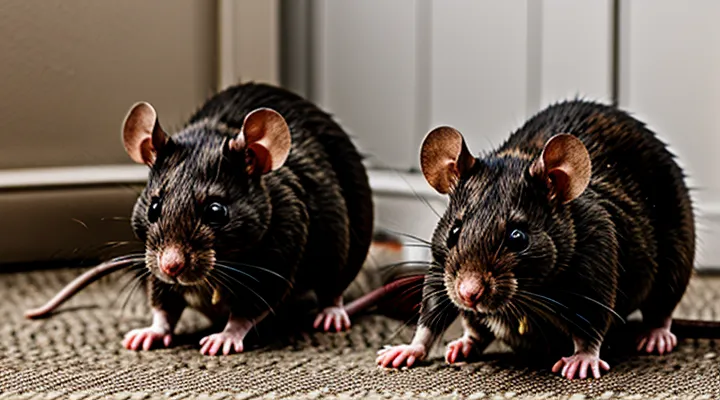
Understanding Rodent Infestations
Identifying the Presence of Rodents
Signs of Rats
Early detection of rodent activity is essential for any pest‑management program. Recognizing the presence of rats before an infestation expands allows targeted interventions, reduces property damage, and limits health risks.
Typical indicators of rat presence include:
- Fresh droppings, dark and cylindrical, ½ to ¾ inch long, often found along walls, in cabinets, or near food sources.
- Gnaw marks on wood, plastic, wiring, or insulation, characterized by clean, parallel cuts.
- Scratching or scurrying sounds, especially at night, emanating from ceilings, attics, or crawl spaces.
- Visible tracks or footprints in dust, flour, or soft soil, displaying a distinctive four‑toed pattern.
- Nests constructed from shredded paper, fabric, or insulation, commonly located in hidden corners, behind appliances, or within wall cavities.
- Strong, musky odor from urine, noticeable in confined areas such as basements or storage rooms.
- Damage to food packaging, including torn bags or chewed seals, often accompanied by contaminating droppings.
Each sign confirms active occupancy and guides the selection of control measures. Droppings indicate feeding locations; gnaw marks reveal structural vulnerabilities that may require sealing; auditory evidence points to concealed routes; tracks and nests pinpoint the exact zones for bait placement or trapping; odor and food damage highlight sanitation priorities. Prompt verification of these indicators enables swift deployment of chemical, mechanical, or environmental controls, thereby preventing population growth and associated hazards.
Signs of Mice
Mice presence becomes evident through specific indicators that signal infestation and guide appropriate control measures.
Physical evidence includes droppings, typically small, dark pellets measuring 2–5 mm, commonly found along walls, near food sources, and in concealed areas. Gnaw marks appear on structural components, wiring, and packaging, reflecting the species’ constant need to sharpen incisors. Nest material, composed of shredded paper, fabric, or insulation, accumulates in hidden cavities, attics, or beneath appliances.
Behavioral signs manifest as audible activity; scratching or scurrying sounds occur after dark when mice are most active. Unexplained food loss or contamination, accompanied by residue or urine stains, further confirms activity.
Visual confirmation may involve spotting live or dead individuals, especially in high‑traffic zones such as pantry shelves or near entry points.
Collecting and evaluating these signs enables precise identification of infestation severity and informs the selection of effective treatment strategies.
Common Hiding Spots
Rats and mice select concealed environments that provide shelter, darkness, and proximity to food sources. Recognizing these locations is essential for any pest‑control program.
• Spaces behind wall insulation
• Gaps under floorboards or in crawl spaces
• Unsealed openings around utility lines and pipes
• Cluttered storage areas, especially cardboard boxes and paper stacks
• Overgrown vegetation and garden debris near building foundations
• Roof voids and attic insulation cavities
Each of these sites offers protection from predators and exposure, allowing rodents to establish nests and reproduce. Effective treatment plans target these areas with sealing, removal of debris, and placement of bait or traps. Failure to address hidden zones reduces overall success and may lead to repeated infestations. «Rats prefer concealed areas», a principle reflected in all successful eradication strategies.
Health Risks and Damage Caused by Rodents
Disease Transmission
Rats and mice serve as reservoirs for a wide range of pathogens that can be transferred to humans, domestic animals, and stored food products. Effective control programs must address the mechanisms by which these rodents spread disease.
Principal zoonotic agents carried by commensal rodents
- Leptospira spp. – bacterial agents causing leptospirosis, transmitted through contaminated urine.
- Salmonella spp. – responsible for salmonellosis, spread via fecal contamination of food and surfaces.
- Hantavirus – causes hemorrhagic fever with renal syndrome or hantavirus pulmonary syndrome; infection occurs through inhalation of aerosolized rodent excreta.
- Yersinia pestis – the etiologic agent of plague; transmitted by flea bites after rodents harbor the bacterium.
- Rickettsia spp. – agents of murine typhus, spread by lice and fleas associated with rodent hosts.
- Streptobacillus moniliformis – causes rat‑bite fever; introduced through bites or scratches.
Transmission pathways
- Direct contact with bite wounds, scratches, or mucous membranes exposed to rodent saliva.
- Ingestion of food or water contaminated with rodent droppings, urine, or carcasses.
- Inhalation of aerosolized particles derived from dried excreta.
- Vector‑mediated transfer via fleas, ticks, or mites that feed on infected rodents and subsequently bite humans or livestock.
Consequences for public health and agriculture
- Outbreaks of leptospirosis in tropical regions correlate with increased rodent populations during rainy seasons.
- Food‑borne salmonellosis incidents rise in storage facilities where rodent intrusion is unchecked.
- Hantavirus cases cluster in rural settings lacking proper rodent exclusion measures.
- Plague re‑emergence in endemic zones follows failure to control flea‑bearing rodent hosts.
Implications for rodent management strategies
- Surveillance of rodent activity should include sampling for the listed pathogens to identify high‑risk sites.
- Integrated pest‑management plans must combine habitat modification, trapping, and targeted rodenticides to reduce population density and interrupt transmission cycles.
- Sanitation protocols that eliminate food sources and block entry points diminish opportunities for contamination.
- Vector control, such as flea‑targeted insecticides, complements direct rodent reduction by breaking the flea‑borne transmission link.
Understanding disease transmission dynamics enables the design of precise, evidence‑based interventions that protect human health, safeguard livestock, and preserve food supplies.
Structural Damage
Rodent activity generates structural damage that compromises building integrity and increases repair costs.
Common damage types include:
- gnawed wooden beams, joists and framing;
- compromised insulation caused by nesting and urine corrosion;
- punctured drywall and plaster from burrowing;
- weakened electrical wiring after chewing;
- corrosion of metal components exposed to rodent urine and feces.
Chewing behavior creates stress fractures in load‑bearing elements, while nesting materials introduce moisture and mold growth, accelerating decay. Urine and droppings contain enzymes that degrade organic substrates and promote corrosion of copper and steel.
Inspection protocols prioritize visual examination of accessible cavities, probing of suspected gnaw marks, and use of infrared scanners to locate hidden nests. Damage assessment records measurements of compromised sections, identifies affected systems, and estimates required reinforcement or replacement.
Effective rodent control eliminates the source of damage, restores safe conditions, and prevents recurrence. Integrated pest management combines baiting, trapping, and exclusion techniques with structural repairs. After eradication, sealing entry points, reinforcing vulnerable components, and installing rodent‑proof materials sustain long‑term protection.
Prompt remediation of identified damage reduces downtime, preserves structural performance, and lowers overall maintenance expenditures.
Contamination of Food and Surfaces
Rats and mice introduce pathogens, urine, and feces into food supplies and contact surfaces, creating direct health hazards and compromising product integrity.
Typical pathways of contamination include:
- Droppings deposited on raw ingredients or prepared meals.
- Urine spillage onto countertops, equipment, and storage containers.
- Gnawed packaging that exposes food to external microbes.
- Carcasses left in hidden niches, releasing toxins and bacteria.
Visible signs of infestation comprise gnaw marks, shredded materials, and the presence of droppings or urine stains. Odor of ammonia or strong musky scent often indicates active contamination.
Effective mitigation relies on integrated control measures. First, eliminate entry points by sealing cracks, gaps, and utility openings. Second, implement rigorous sanitation protocols: clean surfaces with disinfectants proven against rodent‑borne bacteria, and sanitize food‑handling areas after each use. Third, deploy bait stations and traps strategically around storage zones, ensuring placement away from food contact surfaces to prevent secondary contamination. Fourth, schedule routine inspections to verify the absence of droppings and verify the integrity of packaging.
Consistent application of these practices reduces the risk of foodborne illness, preserves product quality, and supports long‑term rodent management objectives.
Prevention Strategies
Exclusion Techniques
Sealing Entry Points
Sealing entry points prevents rodents from accessing interior spaces, reducing the likelihood of infestation and the need for chemical control. Identify all potential openings, including gaps around pipes, vents, doors, windows, and foundation cracks. Use durable materials such as steel wool, copper mesh, silicone sealant, or expanding foam to fill openings larger than a quarter‑inch. Install metal flashing around utility penetrations to create a permanent barrier. Replace damaged weatherstripping on doors and windows, and ensure that screens are intact and tightly fitted. Regularly inspect the building envelope for new gaps caused by settling, weather, or renovation work, and repair them promptly. Maintaining a sealed environment eliminates the primary route of entry for rats and mice, supporting long‑term pest‑free conditions.
Key steps for effective sealing:
- Conduct a thorough visual survey of the exterior and interior perimeters.
- Prioritize openings that align with rodent size, focusing on gaps ≥ 1 cm.
- Apply appropriate filler material: steel wool for small cracks, expanding foam for larger voids.
- Secure filler with a layer of weather‑resistant sealant.
- Verify integrity of installed barriers after weather events.
Consistent implementation of these measures creates an inhospitable environment for rodents, complementing other control strategies and minimizing the need for reactive interventions.
Repairing Damaged Structures
Rats and mice create structural damage that compromises safety and functionality. Prompt repair restores integrity and reduces the risk of reinfestation.
Typical damage includes gnawed wood, perforated insulation, corroded wiring, and compromised concrete. Each element requires specific assessment to determine the extent of deterioration.
Effective repair follows a systematic process:
- Conduct a thorough inspection to locate all compromised components.
- Remove infested material and dispose of it according to local regulations.
- Replace damaged sections with appropriate, durable substitutes.
- Apply sealants and barriers to close entry points, emphasizing gaps around pipes, vents, and foundation cracks.
Materials selected for reconstruction should resist further gnawing. Steel mesh, hardened concrete, and pressure‑treated lumber provide superior durability. Sealants formulated for pest exclusion, such as silicone‑based compounds, enhance long‑term protection.
After reconstruction, implement preventive measures: install metal flashing, maintain vegetation clearance, and schedule regular inspections. These actions sustain structural soundness and deter future rodent activity.
Installing Rodent-Proof Barriers
Installing rodent‑proof barriers is a fundamental component of integrated pest‑management programs targeting rats and mice. Effective barriers prevent entry, limit movement, and protect structures from damage and disease transmission.
Materials commonly employed include steel mesh with apertures no larger than ¼ inch, solid concrete footings, and high‑density polyurethane sealants. Steel mesh provides durability and resistance to gnawing; concrete footings create an impenetrable base; sealants fill gaps around pipes, vents, and foundation cracks. Selecting materials that withstand local environmental conditions enhances long‑term performance.
Practical steps for barrier installation:
- Conduct a thorough inspection of the building envelope to identify all potential ingress points.
- Clean surfaces of debris, dust, and loose material to ensure proper adhesion of sealants and secure attachment of mesh.
- Install steel mesh vertically and horizontally, overlapping joints by at least 2 inches and fastening with corrosion‑resistant screws.
- Apply sealant to all seams, joints, and penetrations, smoothing the surface to create a uniform barrier.
- Verify integrity by conducting a visual inspection and, if necessary, performing a low‑pressure airflow test to detect residual leaks.
Maintenance requires periodic checks for damage caused by weather, structural movement, or animal activity. Replace compromised sections promptly and re‑seal any gaps that develop over time. Consistent upkeep preserves barrier effectiveness and reduces the likelihood of infestation.
Sanitation and Hygiene
Proper Food Storage
Proper food storage is a critical component of any rodent control program. Secure containers prevent rats and mice from accessing nutritional sources, reducing population growth and infestation risk.
Key practices for effective storage:
- Use airtight, metal or heavy‑plastic containers with sealed lids for all dry goods.
- Store grains, cereals, and pet food on elevated shelves, at least 30 cm above the floor, to deter climbing.
- Keep storage areas clean; promptly remove spills and crumbs that can attract rodents.
- Rotate inventory regularly; discard expired items that may become soft or moldy, providing easier entry points.
- Install door sweeps and seal gaps around cabinets, walls, and floors to eliminate entry routes.
Maintaining a dry environment further limits rodent activity. Dehumidifiers or proper ventilation reduce moisture that attracts pests and promotes food spoilage. Regular inspections of storage facilities identify breach points before infestations develop.
«Consistent application of these measures dramatically lowers the likelihood of rodent presence», a consensus among pest‑management professionals. Integrating proper food storage with sanitation, exclusion, and monitoring creates a comprehensive approach that curtails rat and mouse populations without reliance on chemical treatments.
Waste Management
Effective rodent control relies heavily on proper waste management. Accumulated food waste creates a stable food source, encouraging infestations and sustaining population growth. Reducing waste accessibility directly limits the attractiveness of an environment to rats and mice.
Key practices include:
- Secure storage of refuse in sealed containers with tight-fitting lids.
- Regular removal of waste from indoor and outdoor areas, preferably daily in high‑traffic zones.
- Separation of organic waste from non‑organic material to prevent decomposition odors that attract rodents.
- Placement of waste receptacles away from building foundations, with a minimum distance of 3 feet to discourage burrowing.
Additional measures enhance control efficacy:
- Implement routine inspection of waste containers for damage, repairing or replacing compromised units promptly.
- Employ pest‑resistant designs, such as metal bins with smooth interiors that hinder climbing.
- Integrate waste‑reduction programs, encouraging minimal packaging and composting of biodegradable material in sealed systems.
Consistent application of these waste‑management protocols reduces food availability, disrupts breeding cycles, and supports broader rodent‑mitigation efforts.
Eliminating Water Sources
Eliminating water sources deprives rodents of a critical survival requirement, directly reducing population density. Persistent moisture in kitchens, basements, and outdoor areas creates conducive environments for breeding and activity. Immediate actions focus on detection, removal, and prevention.
- Inspect all interior and exterior locations for leaks, condensation, and standing water.
- Repair faulty plumbing, dripping faucets, and malfunctioning appliances.
- Ensure proper drainage around foundations; grade soil away from the building.
- Store pet water containers only when necessary, emptying them nightly.
- Use sealed containers for cleaning supplies to avoid accidental spillage.
After physical repairs, maintain a dry environment through regular monitoring. Install moisture sensors in high‑risk zones and schedule routine checks of irrigation systems. Promptly address any new leaks to prevent re‑establishment of water sources. Continuous dryness disrupts rodent foraging patterns, limiting access to food and shelter, and ultimately supports long‑term control efforts.
Landscape Management
Trimming Vegetation
Trimming vegetation around structures reduces shelter and food sources for rodents, directly limiting population growth. Dense shrubs, grass clippings, and overgrown vines create pathways that facilitate movement and nesting. Removing these elements forces rodents to seek less favorable habitats, increasing exposure to predators and control measures.
Key practices for vegetation management:
- Cut grass to a height of 3–4 inches; maintain regular mowing schedule.
- Prune shrubs to a minimum of 6 inches from the ground, eliminating low branches.
- Clear fallen leaves, fruit, and seed heads that attract foraging activity.
- Trim vines away from building foundations and utility lines, preventing bridge formation.
- Dispose of trimmed material in sealed containers or away from the property to avoid providing new shelter.
Implementing these steps alongside baiting and exclusion strategies creates an environment hostile to rats and mice, enhancing overall effectiveness of rodent control programs.
Removing Debris
Removing debris eliminates shelter and food sources that attract rodents. Loose insulation, cardboard boxes, and accumulated waste create nesting sites; clearing them reduces the likelihood of infestation.
Effective debris removal follows a systematic approach:
- Inspect all areas, including attics, basements, crawl spaces, and storage rooms, for accumulated materials.
- Collect and segregate items that can be discarded, recycled, or stored elsewhere.
- Dispose of waste in sealed containers to prevent rodents from accessing it during transport.
- Clean surfaces with a broom or vacuum to eliminate residual crumbs and dust.
- Seal cracks, gaps, and openings that could allow entry after cleaning.
Regular maintenance prevents re‑accumulation. Schedule inspections quarterly, and after any construction or renovation activity, repeat the removal process. Implementing these steps creates an environment hostile to rats and mice, supporting broader control measures.
Maintaining Outdoor Structures
Maintaining the integrity of exterior buildings directly reduces shelter and travel routes for rodents, thereby supporting any control program.
Key preventive actions include:
- Sealing all cracks, gaps, and openings in walls, foundations, and eaves.
- Installing metal or concrete flashing around vents, chimneys, and utility penetrations.
- Repairing damaged siding, decking, and roofing promptly.
- Trimming trees, shrubs, and vines to keep foliage at least 12 inches from structures.
- Storing firewood, compost, and feed in sealed containers away from building walls.
Regular inspections should follow a quarterly schedule, focusing on moisture intrusion, structural wear, and signs of gnawing. Use durable, rodent‑resistant materials such as steel mesh, cement‑based sealants, and pressure‑treated lumber for repairs.
By eliminating entry points and reducing harborage, outdoor maintenance enhances the efficacy of baiting, trapping, and exclusion tactics, leading to faster population decline and lower recurrence risk.
«Rodent‑proofing begins with the building envelope».
Treatment Methods
Trapping Methods
Snap Traps
Snap traps are mechanical devices that deliver a rapid, lethal force to rodents upon activation. The mechanism typically consists of a spring‑loaded bar, a trigger plate, and a bait compartment. When a rat or mouse contacts the trigger, the spring releases, driving the bar down with sufficient velocity to cause immediate fatal injury.
Design variations affect performance. Common features include:
- Heavy‑duty steel construction for durability and consistent force.
- Adjustable trigger sensitivity to accommodate different rodent sizes.
- Bait holders that accept a range of attractants, from peanut butter to commercial lures.
- Safety shields that reduce accidental discharge while allowing precise placement.
Selection criteria focus on target species and environment. Larger traps suit rats, while smaller models are optimized for mice. Models with enclosed chambers provide added protection in homes with children or pets. Traps rated for repeated use reduce long‑term cost.
Effective placement follows rodent behavior patterns. Position traps along established runways, typically within 12 inches of walls, behind appliances, or near entry points. Align the trigger plate perpendicular to the wall to ensure contact. Use multiple traps to increase capture probability, spacing them 2–3 feet apart in high‑activity zones.
After a capture, wear disposable gloves, remove the rodent, and dispose of it in a sealed container. Clean the trap with a mild disinfectant before resetting or storing. Regular inspection of bait freshness and trigger function maintains efficacy throughout the control program.
Live Traps
Live traps capture rodents without lethal force, allowing removal and relocation. They are a core component of humane rodent management programs and reduce reliance on chemical baits.
Common designs include:
- Wire‑mesh cages with a trigger plate that closes a door when the animal enters.
- Plastic boxes equipped with a spring‑loaded latch activated by a bait‑touched sensor.
- Multi‑catch models that hold several individuals before requiring emptying.
Effective deployment requires strategic placement near known activity zones, such as along walls, behind appliances, and in dark corners. Bait selection should match target species; peanut butter, dried fruit, or small pieces of meat provide strong attraction. Traps must be inspected daily; captured rodents should be released at least 100 meters from the property, preferably in a wooded area. Regular cleaning prevents odor buildup that could deter future captures. Advantages of live traps include reduced secondary poisoning risk and compliance with animal‑welfare regulations; limitations involve the need for ongoing monitoring and potential escape if doors malfunction.
Glue Traps
Glue traps constitute a non‑toxic option for reducing rat and mouse populations in indoor and limited outdoor settings. The device consists of a flat surface coated with a viscous adhesive that immobilizes rodents upon contact, preventing further movement and leading to eventual death.
The adhesive is formulated to remain tacky for several weeks under typical temperature ranges. When a rodent steps onto the surface, its paws become stuck, limiting escape. The trap does not rely on poison, thereby eliminating risks of secondary poisoning in pets or wildlife.
Advantages and drawbacks can be summarized:
- Advantages
- Immediate capture without chemical exposure.
- Simple installation and low purchase cost.
- Discreet appearance, suitable for confined spaces.
- Drawbacks
- Requires frequent inspection to remove dead rodents.
- May cause prolonged suffering if not monitored.
- Ineffective against large or aggressive individuals that can avoid the adhesive.
Effective deployment follows these guidelines:
- Position traps along established rodent pathways, such as wall edges, behind appliances, and near food sources.
- Use multiple traps spaced 1–2 feet apart to increase encounter probability.
- Secure traps to a stable surface to prevent displacement by curious animals.
- Replace traps promptly after capture to maintain adhesive effectiveness.
Safety considerations include wearing disposable gloves during handling, sealing captured rodents in a plastic bag, and disposing of them according to local regulations. Keep traps out of reach of children and non‑target species, and store unused units in a locked container to prevent accidental exposure.
Trap Placement and Baiting
Effective rodent control relies on precise trap positioning and appropriate bait selection. Proper placement maximizes capture rates while minimizing non‑target interference.
Key considerations for trap placement include:
- Locate traps along established runways; rodents prefer concealed pathways near walls, under appliances, and behind furniture.
- Position traps perpendicular to the wall, with the trigger side facing the expected travel direction.
- Space snap traps 1–2 m apart in high‑activity zones; multiple devices increase coverage without causing overcrowding.
- Avoid areas with high human traffic to reduce accidental activation and preserve trap integrity.
- Install traps at a height of 5–15 cm above the floor for rats and 2–5 cm for mice, reflecting their typical movement levels.
Bait selection directly influences trap success. Recommended practices:
- Use fresh, high‑protein foods such as peanut butter, cooked meat, or tuna; these emit strong olfactory cues that attract both species.
- Secure bait firmly to the trigger mechanism to prevent removal without activation.
- Rotate bait types weekly to counteract habituation and maintain attraction.
- Store unused bait in sealed containers to preserve potency and prevent contamination.
Integrating these placement and baiting guidelines into a systematic pest‑management program enhances capture efficiency, reduces infestation duration, and supports long‑term rodent suppression.
Rodenticides (Baits)
Types of Rodenticides
Rodenticides represent the primary chemical approach for managing rat and mouse infestations. Their effectiveness depends on the active ingredient, mode of action, and suitability for the target environment.
• Anticoagulant rodenticides
– First‑generation agents (e.g., warfarin, chlorophacinone) require multiple feedings to achieve lethal blood clotting.
– Second‑generation agents (e.g., bromadiolone, difenacoum, brodifacoum) act after a single ingestion, producing rapid internal hemorrhage.
• Non‑anticoagulant rodenticides
– Zinc phosphide releases phosphine gas upon contact with stomach acid, causing acute respiratory failure.
– Cholecalciferol (vitamin D₃) induces hypercalcemia, leading to cardiac arrest.
– Bromethalin disrupts neuronal mitochondrial function, resulting in cerebral edema.
Each class presents distinct risk profiles. Anticoagulants may cause secondary poisoning of predators and scavengers; regulatory agencies often restrict second‑generation compounds to indoor or controlled settings. Non‑anticoagulants typically exhibit lower secondary toxicity but require precise handling to avoid accidental exposure. Resistance development is documented primarily for anticoagulants, prompting rotation of active ingredients and integration with non‑chemical measures. Selection of a specific rodenticide should align with the infestation severity, target species, and compliance with local pesticide regulations.
Safe Application and Placement
Effective control of rats and mice depends on precise deployment of treatment products. Proper placement reduces non‑target exposure, limits environmental contamination, and maximizes mortality rates among target populations.
Key principles include accurate dose calculation, selection of bait stations that prevent access by children and pets, and positioning devices along established rodent pathways. Products must be stored in sealed containers, away from food preparation areas, and kept at temperatures recommended by the manufacturer.
- Verify label instructions before each application.
- Use tamper‑resistant bait stations rated for indoor or outdoor use.
- Install stations at least 30 cm from walls, beneath eaves, and near concealed entry points.
- Position devices at a height that prevents reach by non‑target species.
- Record location coordinates, product type, and concentration for future reference.
Routine inspection of stations ensures bait remains fresh and that placement has not been altered by weather or animal activity. Documentation of inspections supports compliance with local health regulations and facilitates timely adjustments to the control program.
Risks and Precautions
Effective rodent control programs present several hazards that can affect human health, property, and the environment. Awareness of these dangers enables safe implementation of eradication strategies.
• Exposure to anticoagulant baits may cause accidental poisoning of children, pets, and non‑target wildlife.
• Inhalation of aerosolized rodenticides or dusts can irritate respiratory passages and provoke allergic reactions.
• Improper handling of snap traps or electronic devices increases the risk of puncture wounds and bruising.
• Contamination of food storage areas with rodent droppings or urine elevates the likelihood of disease transmission, including leptospirosis and hantavirus infection.
• Disposal of dead rodents without protective gear may spread pathogens and attract secondary infestations.
To mitigate these risks, adopt the following precautions:
- Store all toxic baits in locked containers, away from food preparation zones and out of reach of children and pets.
- Apply baits and dusts according to label instructions, using gloves, masks, and eye protection.
- Position snap traps and electronic devices where accidental contact is unlikely; inspect and deactivate after capture.
- Seal entry points, maintain sanitation, and regularly clean contaminated surfaces with disinfectants.
- Train personnel in safe handling procedures, emergency decontamination, and proper disposal methods for carcasses and hazardous waste.
- Monitor pest activity continuously to adjust treatment intensity and prevent overuse of chemicals.
Adherence to these measures reduces the probability of accidental poisoning, injury, and disease spread, ensuring that rodent management remains both effective and safe.
Professional Pest Control Services
When to Call an Expert
When infestations exceed a few sightings, professional intervention becomes necessary. Large numbers of rodents, damage to structural components, or signs of disease transmission indicate that DIY measures are insufficient.
- Evidence of gnaw marks on wiring, insulation, or furniture
- Accumulation of droppings in living areas or food storage spaces
- Persistent odors of urine or feces despite cleaning efforts
- Observation of rodents during daylight hours
- Repeated failure of traps or bait stations over several weeks
Contacting a certified pest‑control specialist should follow these steps. Verify licensing and insurance, request a written assessment, and confirm that the provider employs integrated pest‑management techniques. Expect an inspection to identify entry points, a detailed plan outlining treatment options, and a schedule for follow‑up monitoring.
Professional services reduce the risk of property damage, health hazards, and recurrence. Prompt engagement after the listed indicators appear safeguards occupants and preserves the integrity of the building.
Integrated Pest Management (IPM) Approach
Integrated Pest Management (IPM) provides a systematic framework for controlling rat and mouse populations while minimizing environmental impact. The approach combines preventive measures, accurate monitoring, targeted interventions, and ongoing evaluation to achieve sustainable results.
Key elements of an IPM program include:
- Habitat modification: sealing entry points, removing food sources, and reducing clutter that offers shelter.
- Population monitoring: deploying tracking boards, bait stations, or motion‑activated cameras to quantify activity levels.
- Threshold determination: establishing numeric or visual criteria that trigger control actions.
- Control tactics: selecting mechanical traps, low‑toxicity baits, or biological agents based on the identified threshold and species behavior.
- Record keeping: documenting actions, outcomes, and adjustments to refine future strategies.
Implementation begins with a thorough inspection of building exteriors, utility lines, and waste handling areas. Identified vulnerabilities are addressed before any lethal measures are introduced. Monitoring data guide the selection of the most appropriate control tactic, ensuring that interventions correspond directly to observed infestation levels.
Continuous assessment compares post‑treatment data with initial thresholds. Adjustments to habitat modification, monitoring frequency, or control methods are made as necessary. This iterative process maintains low rodent activity and reduces reliance on chemical controls, aligning with public health and safety objectives.
Post-Treatment Monitoring
Effective post‑treatment monitoring confirms the success of rodent eradication efforts and identifies any resurgence before it becomes problematic. Monitoring provides objective data that guide adjustments to control measures and protect health standards.
Critical elements of a monitoring protocol include:
- Scheduled site inspections at intervals of 3, 7, and 14 days after treatment, extending to monthly checks for high‑risk areas.
- Verification of trap activity by counting captures and assessing trap integrity.
- Measurement of bait consumption, noting reductions that may signal declining rodent presence.
- Evaluation of environmental factors such as food sources, shelter availability, and structural gaps that could facilitate re‑infestation.
- Systematic documentation of findings, including date, location, observed signs, and corrective actions taken.
Data analysis should compare post‑treatment findings with baseline metrics established before intervention. Any detection of live rodents, new droppings, or gnaw marks triggers immediate remedial steps, such as targeted bait placement or additional trapping cycles. Continuous record‑keeping enables trend identification and supports compliance with regulatory requirements.