
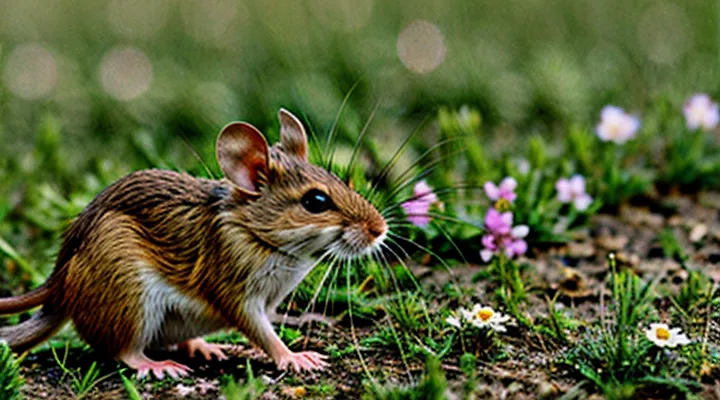
The Field Mouse: A Tiny Dweller of Open Spaces
Overview of the Field Mouse
Taxonomy and Classification
The field‑dwelling mouse, commonly identified as Apodemus agrarius, belongs to the order Rodentia and occupies a well‑defined position within mammalian taxonomy. Its classification provides a framework for ecological research, population monitoring, and conservation planning.
- Kingdom: Animalia
- Phylum: Chordata
- Class: Mammalia
- Order: Rodentia
- Family: Muridae
- Genus: Apodemus
- Species: A. agrarius
Regional populations exhibit morphological variation that has prompted the description of several subspecies, such as A. a. agrarius in central Europe and A. a. sicarius in eastern Asia. Genetic analyses reveal distinct lineages correlated with habitat type and geographic barriers, supporting the subspecific delineation.
Accurate taxonomic placement influences field studies by clarifying species boundaries, guiding sampling protocols, and informing pest‑management strategies. Consistent use of the accepted nomenclature ensures comparability of data across geographic and temporal scales.
Physical Characteristics
The field mouse exhibits a compact body measuring 7–10 cm in head‑body length, with a tail roughly equal to or slightly longer than the torso. Weight typically ranges from 12 to 25 g, reflecting a lightweight build suited to rapid movement through grasses.
Fur coloration varies from reddish‑brown on the dorsal side to a paler, almost gray ventral surface, providing camouflage against soil and vegetation. The dorsal coat is dense and water‑repellent, while the undercoat offers insulation during cooler periods.
Ears are proportionally large, measuring 1.5–2 cm, and are covered with fine hair that reduces heat loss while maintaining acute auditory perception. Eyes are relatively large, positioned laterally to afford a wide field of view essential for predator detection.
Dentition includes a set of continuously growing incisors with orange‑pigmented enamel, enabling efficient gnawing of seeds and stems. Molars are low‑crowned and suited for grinding plant material.
Limbs are slender yet muscular; forelimbs possess five digits with dexterous claws for digging, while hind limbs are elongated, facilitating powerful leaps and swift sprinting across open terrain.
Geographic Distribution
The field mouse occupies a broad Palearctic range extending from western Europe through temperate Asia to the eastern margins of the continent. In Europe, populations are established from the British Isles across the Iberian Peninsula, through central and eastern regions, and into the Baltic states. Asian distribution includes the Russian steppe, the Caucasus, Kazakhstan, and reaches as far east as Siberia and northern China. In North America, the species is present in southern Canada and the northern United States, where it inhabits agricultural fields, grasslands, and edge habitats.
Key factors shaping this distribution are climate tolerance, soil type, and availability of cover. The animal thrives in regions with moderate precipitation and temperatures that support dense herbaceous growth. Soil conditions that retain moisture without becoming waterlogged favor burrowing activity, while areas with abundant ground vegetation provide both food and protection from predators.
- Western Europe: United Kingdom, France, Germany, Benelux.
- Central and Eastern Europe: Poland, Czech Republic, Hungary, Belarus, Ukraine.
- Northern Asia: Southern Siberia, Altai, western Mongolia.
- Eastern Asia: northern China, Korean Peninsula.
- North America: southern Ontario, Quebec, New England, Great Lakes region.
Altitude limits are generally below 2,000 m, although isolated populations have been recorded at higher elevations where microclimates mimic lowland conditions. Human-altered landscapes, especially cultivated fields and pasturelands, have expanded the mouse’s range by providing continuous habitats and reducing natural barriers. Consequently, the species exhibits a continuous distribution across suitable temperate zones, with occasional fragmented pockets in isolated mountainous or desert margins.
Habitat and Lifestyle
Preferred Habitats
Fields and Farmlands
Fields and farmlands constitute open ecosystems dominated by grasses, cereals, legumes, and occasional hedgerows. Soil depth, texture, and moisture regulate plant growth, influencing the availability of seed and insect prey for small rodents.
Crop rotation creates a mosaic of vegetative stages. During sowing, seeds lie exposed on the soil surface, providing immediate nourishment. As plants mature, dense foliage offers concealment from aerial predators, while harvested stubble supplies shelter and foraging material.
Burrowing activity depends on soil composition. Sandy loam permits rapid excavation, allowing mice to construct extensive tunnel networks. Compacted or clay-rich layers restrict tunnel depth, confining burrows to surface litter and root zones.
Key resources derived from cultivated areas include:
- Seeds of wheat, barley, and oats
- Emerging shoots of legumes and brassicas
- Invertebrates attracted to crop residues
- Leaf litter and straw providing nesting material
Seasonal shifts dictate reproductive timing. Breeding peaks align with grain germination in spring, when food abundance supports litter growth. Summer harvest reduces cover, prompting temporary relocation to field margins. Autumn grain stores sustain populations through winter, while reduced temperatures limit activity.
Human interventions—plowing, pesticide application, and mechanized harvesting—alter habitat structure. Intensive tillage destroys burrows, whereas conservation tillage preserves ground cover, enhancing survival rates. Predator presence, notably owls and foxes, remains a regulating factor, with field margins and hedgerows serving as refuges for both prey and predator species.
Grasslands and Meadows
Grasslands and meadows constitute the primary environment in which the field mouse establishes its home range. Open vegetation, interspersed with low shrubs and scattered clumps of taller grasses, creates a mosaic of foraging zones and refuge areas. The spatial heterogeneity of these habitats allows individuals to exploit a variety of food sources while remaining protected from aerial and terrestrial predators.
The plant community of these ecosystems is dominated by perennial grasses such as Festuca and Poa species, complemented by annual herbs like Plantago and Taraxacum. Seasonal growth cycles produce abundant seeds, shoots, and insects that form the bulk of the mouse’s diet. After flowering, seed heads persist into late summer, extending the period of high nutritional availability.
Soil characteristics further influence suitability. Well‑drained loams retain enough moisture to support dense litter layers, which provide insulation for burrow entrances and concealment for movement. The accumulation of dead plant material creates a stable substrate for tunnel construction, while occasional damp patches supply water without increasing flood risk.
Key habitat attributes that sustain the mouse population include:
- Dense ground cover for predator avoidance
- Continuous seed production for energy intake
- Soft, friable soil for efficient burrow excavation
- Heterogeneous microtopography that creates microclimatic refuges
Collectively, these elements define grasslands and meadows as optimal settings for the species’ survival, reproduction, and territorial behavior.
Daily Activities and Behavior
Nocturnal Habits
The field mouse conducts the majority of its activities after sunset, when visual predators are less effective and ambient temperatures drop. Nighttime foraging relies on a heightened sense of smell and whisker‑mediated tactile detection, allowing the animal to locate seeds, insects, and plant material concealed beneath leaf litter. Energy expenditure is reduced in cooler air, extending the duration of feeding bouts before the need for daytime shelter.
Key nocturnal behaviors include:
- Foraging excursions that begin shortly after dusk and continue until the pre‑dawn light increase.
- Territory patrols along established runways, during which scent marking reinforces spatial boundaries.
- Social interactions, such as brief vocalizations and tail‑flicks, which coordinate mating and alarm responses.
- Predator avoidance, achieved by staying close to ground cover and employing rapid, erratic sprinting when threats are detected.
Resting sites are selected in the early morning hours, often within deep burrows or dense vegetation, where the mouse remains motionless until daylight makes hunting unsafe. This cyclical pattern of nocturnal activity maximizes resource acquisition while minimizing exposure to diurnal predators.
Burrowing and Nesting
Field mice inhabiting open grasslands construct underground burrows that serve as shelter, food storage, and refuge from predators. Burrows are typically 30–80 cm deep, with a main tunnel leading to a nesting chamber and side tunnels for foraging caches. Soil composition influences excavation; loose, well‑drained loam permits rapid digging, while compacted clay slows progress and limits tunnel length. Seasonal variation affects depth: in winter, mice deepen chambers to maintain temperatures above freezing, whereas summer burrows remain shallower to facilitate ventilation.
Nesting behavior centers on a compacted nest built within the terminal chamber. Mice gather dry grasses, leaves, and fine root fibers, layering material to create a dry, insulated core. The nest architecture includes:
- A central depression for the litter, lined with soft plant matter.
- Peripheral layers of coarser stems for structural support.
- A modest entrance tunnel positioned low to the ground, reducing exposure to aerial predators.
Both burrowing and nesting are integral to survival, providing thermal regulation, protection, and a secure environment for rearing offspring. Reproductive cycles align with nest readiness; females populate the nest with a litter of 4–7 pups, each supported by the mother’s constant attendance until weaning.
Social Structure
The field mouse (Apodemus sylvaticus) occupies open habitats such as grasslands, cultivated fields, and meadow edges, where its social organization is shaped by resource distribution and predation pressure.
Individuals maintain exclusive home ranges that overlap minimally with neighbors. Home‑range size varies seasonally; during breeding months it contracts to concentrate food and nesting sites, while in winter it expands to include foraging corridors. Overlap is limited to brief encounters at range boundaries, reducing direct competition.
Mating system is polygynous. Males establish temporary dominance hierarchies based on scent marking and brief physical contests. Dominant males gain preferential access to receptive females within overlapping peripheral zones, while subordinate males remain peripheral and opportunistically mate when dominant individuals are absent.
Females construct burrow complexes consisting of a nest chamber, food storage cells, and escape tunnels. Litters, typically 4–6 young, are reared exclusively by the mother. Post‑weaning, juveniles disperse to establish independent ranges, often traveling several meters from the natal burrow before settling.
Communication relies on ultrasonic vocalizations, pheromonal cues, and tail‑slapping signals. Ultrasonic calls convey alarm and territorial boundaries; pheromones deposited on scent marks encode individual identity and reproductive status. Tail‑slapping produces substrate vibrations that alert conspecifics to predator presence.
Seasonal shifts alter social dynamics. In autumn, individuals increase cache building and may share burrow entrances with kin to enhance thermoregulation. Winter aggregations are short‑lived, driven solely by shelter availability rather than cooperative behavior.
Key characteristics of the social structure include:
- Strictly defined home ranges with limited overlap
- Polygynous mating system with male dominance hierarchies
- Female‑centric parental care and solitary juvenile dispersal
- Multimodal communication for territorial and predator alerts
- Seasonal adjustments in resource storage and temporary shelter sharing
These patterns reflect adaptation to the fluctuating resources and predation risks inherent to open-field environments.
Diet and Foraging
Food Sources
Seeds and Grains
Field mice inhabiting open grasslands rely heavily on seeds and grains for sustenance. These small mammals locate food primarily through tactile and olfactory cues, allowing rapid assessment of seed abundance across varied terrain.
Nutritional value drives selection. Seeds offer high lipid content, while grains provide carbohydrates and protein. This combination supports rapid growth, reproductive cycles, and thermoregulation during cooler periods.
Seasonal patterns shape foraging behavior. In spring, newly dispersed seed heads become accessible; summer sees a shift toward mature grains; autumn brings a surge of fallen kernels, prompting intensified caching activity. Caches are buried shallowly to reduce exposure to predators and to maintain moisture levels that prevent desiccation.
Key seed and grain types consumed include:
- Small wild grasses (e.g., rye, wheatgrass)
- Annual herbs (e.g., chickweed, shepherd’s purse)
- cultivated cereals (e.g., barley, oats)
- leguminous pods (e.g., vetch, clover)
Foraging efficiency is enhanced by selective harvesting. Mice preferentially extract kernels with lower husk thickness, reducing handling time. This preference influences seed dispersal, as untouched portions are left to germinate, indirectly shaping plant community composition.
Population density correlates with seed availability. High seed production years trigger increased breeding, resulting in larger mouse cohorts. Conversely, poor seed yields limit reproductive output and elevate mortality rates due to starvation and heightened predation risk.
Agricultural implications are notable. Field mice can cause measurable loss in stored grain, yet their seed‑predation also reduces weed seed banks, offering a modest ecological service. Effective management balances pest control with the recognition of their role in natural seed turnover.
Insects and Invertebrates
The field mouse inhabits open grasslands where insects and other invertebrates dominate the food web. Its foraging behavior relies on the seasonal abundance of arthropods, which provide protein and essential nutrients not found in seeds alone.
During spring, the mouse exploits emerging beetle larvae, grasshopper nymphs, and aphids. These prey are abundant on young vegetation and are easily captured while the mouse searches for seed caches. Summer brings a shift toward larger insects such as flying beetles and adult moths, which the mouse catches during nocturnal activity. Autumn sees an increase in earthworms and detritivorous insects that appear as leaf litter decomposes, offering a reliable protein source before winter scarcity.
Predation pressure also involves invertebrates. Spiders construct webs in the mouse’s burrow entrances, trapping insects that might otherwise attract larger predators. Ant colonies can invade mouse nests, competing for food stores and occasionally preying on mouse pups.
Key invertebrate groups affecting mouse life include:
- Coleoptera (beetles, larvae)
- Orthoptera (grasshoppers, crickets)
- Lepidoptera (moths, caterpillars)
- Diptera (flies, larvae)
- Annelida (earthworms)
- Arachnida (spiders, mites)
The mouse’s reproductive cycle aligns with peak invertebrate availability. Litters are typically born in late spring, when protein-rich prey support rapid growth. By late summer, increased insect activity provides the energy needed for weaning and fat accumulation before winter dormancy.
Overall, the dynamic interaction between the field mouse and the surrounding invertebrate community shapes foraging strategies, reproductive timing, and survival in the grassland ecosystem.
Roots and Tubers
Field mice inhabiting open grasslands rely heavily on underground plant structures for sustenance. Roots and tubers provide carbohydrates, moisture, and essential minerals that support growth, reproduction, and survival during periods when above‑ground seeds are scarce.
During early spring, mice excavate shallow-rooted species such as dandelion taproots and chickweed rhizomes. Mid‑summer foraging shifts toward deeper tubers like wild carrot and meadow sorrel, which retain water and energy reserves. Autumn introduces larger storage organs such as wild potatoes (Solanum spp.) and burdock tubers, offering high starch content before winter dormancy.
Key characteristics of these food sources include:
- High soluble sugar concentration, facilitating rapid energy intake.
- Moisture retention, reducing the need for additional water consumption.
- Mineral content (potassium, phosphorus) that supplements dietary requirements.
- Seasonal availability patterns that align with the mouse’s reproductive cycle.
Foraging behavior adapts to the physical properties of roots and tubers. Mice employ strong forelimb muscles and incisors to loosen soil and sever fibrous tissues. Burrowing activity creates aerated soil channels, enhancing nutrient cycling and promoting plant regeneration, thereby maintaining the productivity of the grassland ecosystem.
Foraging Strategies
Field mice employ a suite of foraging tactics that maximize energy intake while minimizing exposure to predators in open habitats. Their small size and rapid movements allow swift exploitation of scattered food resources such as seeds, insects, and green vegetation.
Key components of their foraging behavior include:
- Opportunistic seed selection – individuals assess seed size, lipid content, and handling time, preferring high‑energy items that can be cached for later use.
- Temporal partitioning – activity peaks during twilight and nighttime hours, reducing overlap with diurnal predators and exploiting cooler temperatures that slow seed desiccation.
- Spatial memory – mice remember locations of abundant foraging patches and previously stored caches, revisiting sites based on recent success rates.
- Risk assessment – tactile and olfactory cues trigger immediate retreat when predator scent or sudden vibrations are detected, allowing quick escape to cover.
- Dietary flexibility – when seed availability declines, rodents shift toward insects, fungi, and fresh plant shoots, adjusting digestive enzyme expression to process new macronutrients efficiently.
These strategies collectively enhance survival odds in the variable conditions of grassland ecosystems, ensuring that field mice maintain steady population levels despite fluctuating resource distributions and predator pressures.
Reproduction and Life Cycle
Breeding Season
Field mice inhabiting open grasslands experience a distinct breeding period that aligns with seasonal resource availability. Reproductive activity begins in early spring when temperatures rise above 10 °C and daylight extends beyond twelve hours. Males increase territorial patrols, marking boundaries with scent glands and vocalizations to attract females.
Females enter estrus shortly after emergence from winter torpor, typically within two weeks of the first warm days. Ovulation is induced by copulation, allowing rapid conception. Gestation lasts approximately 19–21 days, after which litters of three to eight pups are born. Neonates are altricial, developing fur and opening eyes by day ten, and achieving independence by three weeks.
Key characteristics of the breeding season:
- Timing: Early spring to early autumn; peak activity in May–July.
- Frequency: Multiple litters per year; up to five cycles in favorable conditions.
- Nutrition: Increased foraging on seeds, insects, and green vegetation supplies the protein needed for lactation.
- Survival strategies: Females construct concealed nests in dense vegetation or burrows to protect offspring from predators and weather extremes.
By the end of summer, declining daylight and lower temperatures trigger a gradual reduction in reproductive effort. Males reduce territorial aggression, and females cease breeding, conserving energy for the upcoming winter. This cyclical pattern ensures population stability within the fluctuating meadow ecosystem.
Gestation and Litter Size
The gestation period of the common field mouse typically lasts between 19 and 22 days, with slight variation depending on temperature and food availability. Warmer conditions accelerate embryonic development, while cooler climates may extend the interval by a few days. Females reach sexual maturity after approximately six weeks, allowing multiple breeding cycles within a single season.
Litter size reflects the species’ reproductive strategy, balancing offspring quantity with parental investment. Average litters contain 5–7 young, although extremes range from 3 to 12 individuals. Factors influencing litter size include:
- Nutrient-rich environments: larger litters
- High predation pressure: tendency toward smaller litters
- Seasonal timing: early-season breeding yields larger broods
Reproductive output peaks during the late spring and early summer months, when resource abundance supports rapid growth of the newborns. Subsequent litters may follow at intervals of 3–4 weeks if conditions remain favorable, enabling a single female to produce up to five litters per year.
Development of Young
Field mice inhabiting open grasslands undergo rapid physiological and behavioral changes from birth to independence. Neonates emerge hairless, blind, and dependent on maternal milk for nutrition. Within the first week, whisker growth and ear opening signal sensory maturation, enabling limited environmental awareness.
By the second week, the young acquire the ability to thermoregulate and begin consuming solid food. Their digestive enzymes adapt to a diet of seeds, insects, and plant material, allowing gradual weaning. Muscular development supports short bursts of locomotion, essential for escaping predators and exploring the burrow system.
The third week marks the onset of social learning. Juveniles observe adult foraging routes, predator avoidance tactics, and nest‑maintenance behaviors. This observational period reduces mortality risk when individuals disperse from the natal burrow.
Key developmental milestones include:
- Sensory activation – eye opening, whisker elongation (days 5‑7).
- Diet transition – introduction of solid food, enzymatic shift (days 10‑14).
- Motor proficiency – coordinated sprinting and climbing (days 12‑18).
- Social integration – mimicry of adult foraging and nesting practices (days 14‑21).
Successful completion of these stages results in sexually mature adults capable of reproducing within the same season, sustaining the population in cultivated and wild field environments.
Lifespan and Mortality
Field mice that inhabit open agricultural habitats typically live less than one year in the wild. In temperate zones, most individuals die before the first breeding season ends; a minority survive to a second year, and only exceptional cases reach three years under favorable conditions. Captive specimens may exceed two years, confirming that environmental stressors, rather than intrinsic aging limits, dominate lifespan.
Mortality sources cluster around predation, disease, climate exposure, and anthropogenic factors. The most common causes are:
- Raptors, snakes, and small carnivores that capture mice during foraging.
- Parasitic infestations (e.g., fleas, mites) and viral infections that reduce vigor.
- Extreme temperatures and drought, which impair thermoregulation and food availability.
- Agricultural practices such as pesticide application, mechanical harvesting, and habitat fragmentation.
Reproductive output compensates for high turnover; females produce multiple litters per season, each containing three to eight offspring. Rapid population growth offsets the brief individual lifespan, maintaining stable numbers despite continual losses.
Ecological Role and Interactions
Prey for Predators
Birds of Prey
Raptors dominate the aerial predation landscape over open fields, shaping the survival strategies of grassland rodents. Their keen eyesight, rapid flight, and powerful talons make them the primary threat to field‑dwelling mice, forcing these mammals to develop heightened vigilance and swift escape responses.
Key raptor species encountered in cultivated and natural grasslands include:
- Common kestrel (Falco tinnunculus) – hunts from low perches, spotting movement on the ground.
- Eurasian buzzard (Buteo buteo) – soars high, diving onto unsuspecting prey.
- Northern harrier (Circus hudsonius) – glides low over reedbeds, using sound to locate hidden rodents.
- Peregrine falcon (Falco peregrinus) – occasionally pursues ground prey during high‑speed stoops.
Predation pressure influences mouse population dynamics by regulating density, affecting reproductive output, and driving habitat selection. Mice tend to favor dense cover, such as tall grasses or hedgerows, where visual detection by raptors is reduced. Seasonal fluctuations in raptor abundance correspond to changes in mouse activity patterns, with rodents exhibiting increased nocturnal foraging when diurnal hunters are most active.
Adaptations that mitigate raptor threats encompass cryptic pelage matching the substrate, rapid sprint bursts reaching 13 km h⁻¹, and heightened auditory awareness. These traits, refined through evolutionary pressure, enable field mice to persist despite the persistent presence of birds of prey across agricultural and wild landscapes.
Mammalian Predators
Field mice inhabiting open grasslands encounter a diverse assemblage of mammalian predators that shape their survival strategies. Predation pressure originates from both nocturnal and diurnal hunters, each exploiting specific ecological niches.
- Red fox (Vulpes vul
Impact on Ecosystems
Seed Dispersal
The meadow-dwelling mouse transports seeds across agricultural and natural grasslands, influencing plant distribution and community composition. Individuals collect seeds incidentally while foraging, carry them in fur or in cheek pouches, and later cache them in underground burrows or shallow surface depressions. Unrecovered caches germinate, establishing new seedlings away from the parent plant.
Key mechanisms of seed movement include:
- External attachment: Seeds with barbed awns or sticky coatings adhere to the mouse’s fur, remaining attached during locomotion.
- Oral transport: Cheek pouches hold seeds temporarily; subsequent relocation occurs when the mouse relocates its cache site.
- Cache abandonment: Incomplete retrieval leaves viable seeds in diverse microhabitats, often with reduced competition and altered soil conditions.
The spatial pattern of dispersal reflects the mouse’s home‑range size, typically 0.5–2 ha, and its daily activity range of 30–80 m from the nest. Seasonal variations affect dispersal intensity; autumnal foraging peaks coincide with seed availability, resulting in higher seed movement rates before winter.
Consequences for vegetation include:
- Enhanced colonization of disturbed patches.
- Increased genetic mixing among plant populations.
- Modification of successional trajectories in post‑agricultural fields.
Overall, the mouse’s seed‑dispersal behavior integrates foraging ecology with landscape‑scale plant dynamics, contributing to the resilience and productivity of field ecosystems.
Pest Status
Field mice frequently appear in cultivated and uncultivated terrains, where their feeding and nesting habits generate measurable agricultural losses. Their gnawing activity damages seedling stems, grain heads, and stored produce, directly reducing yields and increasing post‑harvest spoilage. In addition, burrowing disrupts soil structure, creating uneven surfaces that hinder mechanized planting and harvesting operations.
Key aspects of their pest status include:
- Consumption of seedlings and mature crops, leading to yield reductions of up to 30 % in heavily infested fields.
- Contamination of stored grains with urine, feces, and hair, which lowers market quality and raises cleaning costs.
- Transmission of zoonotic pathogens such as hantavirus, leptospirosis, and salmonellosis, posing health risks to farm workers and livestock.
- Attraction of secondary pests, including insects that exploit mouse nests for shelter and food sources.
Effective management combines monitoring, habitat modification, and targeted control. Regular field inspections identify population hotspots; removing excess vegetation and managing field margins reduce shelter availability. Chemical rodenticides, applied according to integrated pest‑management guidelines, provide rapid population suppression while minimizing non‑target impacts. Biological agents, such as predatory birds and authorized rodent‑specific viruses, offer supplementary pressure in long‑term programs.
Economic assessments consistently rank field mice among the most costly rodent pests in temperate agricultural regions, justifying sustained investment in comprehensive control strategies.
Threats and Conservation Status
Natural Threats
Field mice inhabiting open agricultural and meadow ecosystems confront a range of natural hazards that shape survival and reproductive success.
Predation constitutes the most immediate danger. Common predators include:
- Raptors such as kestrels and hawks that capture mice during daylight flights.
- Mammalian hunters like foxes, weasels, and domestic cats that stalk ground burrows.
- Snakes that enter rodent tunnels to seize prey.
Environmental stressors further challenge populations. Extreme temperatures can cause heat‑induced dehydration or frostbite during sudden cold snaps. Heavy rainfall may flood burrow systems, forcing mice to relocate and increasing exposure to predators. Drought reduces seed and insect availability, leading to nutritional deficits.
Parasitic organisms exert additional pressure. Ectoparasites (mites, fleas) diminish blood loss and transmit pathogens, while endoparasites (nematodes, cestodes) impair digestion and weaken immune defenses.
Inter‑specific competition for limited resources intensifies during lean periods. Larger rodent species, such as voles, may outcompete field mice for seeds and cover, reducing reproductive output.
Collectively, these natural threats regulate population density, drive behavioral adaptations, and influence the ecological role of field mice within grassland communities.
Human Impact
Agricultural Practices
The field mouse depends on cultivated landscapes for shelter, food, and breeding sites. Agricultural operations shape the availability of cover and the composition of seed banks that sustain mouse populations.
- Crop rotation introduces alternating plant species, altering seed diversity and influencing foraging opportunities.
- No‑till farming preserves surface litter, providing burrowing material and reducing exposure to predators.
- Pesticide application reduces insect prey, while also causing direct mortality among rodents.
- Irrigation creates moist microhabitats favorable for nesting and increases the growth of herbaceous weeds that serve as supplemental food.
- Harvest timing determines the period during which mature grain remains accessible on the ground, extending the feeding window.
Mechanized planting and harvesting compress the seasonal rhythm of habitat disturbance, leading to shorter periods of intense soil disruption. Conversely, the retention of field margins and hedgerows offers continuous refuge and corridors for movement between fields.
Overall, the selection and implementation of farming techniques directly modify the ecological niche occupied by the field mouse, affecting its population density, reproductive success, and spatial distribution across agricultural terrain.
Habitat Loss
Field mice depend on open agricultural landscapes, grasslands, and marginal habitats for foraging, nesting, and shelter. The reduction of these environments directly limits the resources essential for survival and reproduction.
Key factors driving habitat loss include:
- Expansion of intensive cropping that removes field margins and uncultivated patches.
- Application of broad‑spectrum herbicides and pesticides that degrade vegetation structure and prey availability.
- Urban and suburban development that converts farmland into built environments.
- Climate‑induced shifts in vegetation composition, leading to the disappearance of suitable cover.
Consequences of shrinking habitats are evident in population surveys: numbers decline, local extinctions increase, and genetic variability diminishes, compromising resilience to disease and environmental change. Altered landscape composition also disrupts predator‑prey interactions, affecting both mouse populations and their ecological partners.
Mitigation strategies focus on maintaining and restoring field‑level heterogeneity. Effective actions comprise:
- Establishing permanent field strips, hedgerows, and buffer zones within agricultural matrices.
- Implementing agri‑environment schemes that incentivize low‑input farming and reduced chemical use.
- Conducting regular monitoring to track population trends and adapt management practices.
- Promoting land‑use planning that balances development pressures with the preservation of open habitats.
These measures collectively address the primary threat of habitat loss, supporting the long‑term viability of field mouse populations across cultivated landscapes.
Conservation Efforts
Conservation programs targeting field‑dwelling mice focus on preserving the ecosystems they inhabit and mitigating threats that reduce their populations. Primary actions include protecting native grasslands, restoring degraded habitats, and managing agricultural practices to reduce pesticide exposure.
Key measures implemented by wildlife agencies and NGOs:
- Establishment of buffer zones around fields where chemical use is limited.
- Installation of predator‑exclusion fencing in critical breeding areas.
- Promotion of crop rotation and reduced tillage to maintain soil structure and cover.
- Monitoring of population trends through standardized trapping and genetic sampling.
Research collaborations assess the effectiveness of these interventions by comparing survival rates, reproductive success, and genetic diversity before and after implementation. Findings guide policy adjustments, such as revising pesticide regulations and incentivizing farmers to adopt wildlife‑friendly practices.
Long‑term success depends on integrating conservation objectives into regional land‑use planning, securing funding for habitat restoration, and fostering community awareness of the ecological role of small mammals in agricultural landscapes.