
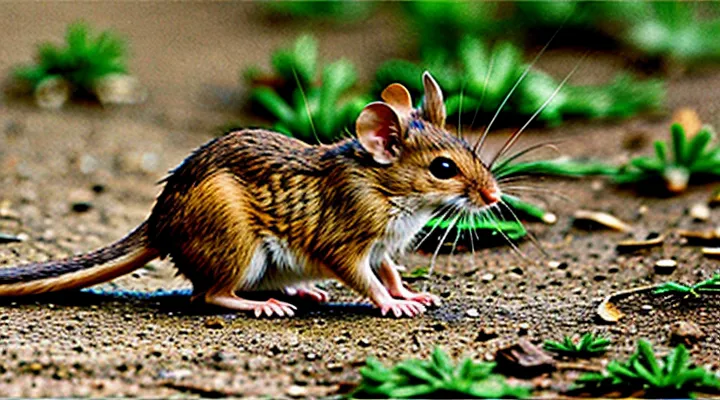
What is a Field Mouse?
General Characteristics
The field mouse, a small rodent inhabiting open and cultivated lands, displays a set of distinctive biological traits.
Taxonomically it belongs to the genus Apodemus within the family Muridae. Adult individuals typically measure 7–10 cm in body length, with a tail of comparable length, and weigh between 15 and 30 g. Fur coloration ranges from gray‑brown to reddish‑brown, providing camouflage against ground cover.
Habitat preferences include grasslands, field margins, and agricultural fields where dense vegetation offers shelter. The species thrives in temperate climates and tolerates a broad range of altitudes.
Diet consists primarily of seeds, grains, insects, and occasional plant material. Seasonal variations shift the emphasis toward higher protein sources during spring and early summer.
Reproductive patterns feature multiple litters per year, each comprising 4–7 offspring after a gestation period of approximately 21 days. Sexual maturity is reached at 6–8 weeks, enabling rapid population growth under favorable conditions.
Behavioral observations note nocturnal activity, strong burrowing ability, and a propensity for swift escape when threatened. Aggressive encounters with humans are rare; bites occur only when the animal is cornered or handled improperly.
Habitat and Distribution
The field mouse inhabits open environments where vegetation provides cover and foraging opportunities. Typical settings include cultivated fields, grasslands, hedgerows, garden borders, and the peripheral zones of woodlands. The species tolerates a range of soil types but prefers moist, well‑drained ground that supports seed and insect populations.
Geographically, the mouse occupies a broad Eurasian range and has established populations in several introduced regions. Its distribution can be summarized as follows:
- Western and Central Europe: United Kingdom, France, Germany, Spain, Italy, Poland.
- Eastern Europe and the Balkans: Russia, Ukraine, Romania, Greece.
- Northern and Central Asia: Siberia, Kazakhstan, Turkey.
- North America: Introduced populations in the northeastern United States and parts of Canada.
- Adjacent islands: The British Isles, the Mediterranean islands of Corsica and Sardinia.
Presence correlates with temperate climates, moderate precipitation, and habitats that combine open ground with structural complexity for shelter. The species’ adaptability to agricultural landscapes facilitates its persistence across the listed regions.
Direct Dangers to Humans
Bites and Scratches
Field mice may bite or scratch when they feel threatened, handling small rodents with gloved hands reduces the chance of direct contact. Bites are typically shallow punctures caused by the animal’s incisors; scratches result from defensive use of forelimbs equipped with sharp claws. Both injuries are usually minor but can introduce pathogens.
Potential health consequences include:
- Bacterial infection such as Staphylococcus aureus or Streptococcus species, leading to localized redness, swelling, and possible abscess formation.
- Zoonotic diseases, for example hantavirus or leptospirosis, transmitted through saliva or contaminated wounds.
- Allergic reactions ranging from mild skin irritation to more severe dermatitis.
- Secondary infection from opportunistic organisms if wounds are not promptly cleaned.
Immediate care consists of thorough irrigation with antiseptic solution, followed by application of a sterile dressing. Medical evaluation is advisable when signs of infection appear, when the bite originates from a wild mouse, or when the individual has compromised immunity. Prophylactic antibiotics may be prescribed for high‑risk exposures, while tetanus vaccination status should be verified.
Preventive measures focus on limiting rodent entry into living spaces, sealing gaps, and maintaining cleanliness to deter infestations. When handling captured mice, use thick gloves and avoid direct skin contact. Regular pest‑control monitoring reduces the likelihood of bite or scratch incidents altogether.
Allergic Reactions
Field mice can trigger allergic reactions when their dander, urine, feces, or saliva become airborne and contact human mucous membranes. Proteins in these secretions act as allergens, capable of sensitizing individuals after repeated exposure.
Common manifestations include:
- Sneezing, nasal congestion, and itchy eyes
- Cough, wheezing, or shortness of breath
- Skin rashes or hives upon direct contact
- Asthmatic exacerbations in predisposed persons
Children, people with existing asthma, and individuals with weakened immune systems exhibit heightened susceptibility. Occupational groups such as farm workers or pest‑control staff also face increased risk due to prolonged contact.
Preventive actions:
- Seal entry points to eliminate indoor infestations
- Employ HEPA filtration and regular vacuuming with sealed bags to reduce airborne particles
- Use gloves and masks when handling trapped rodents or cleaning contaminated areas
- Store food in airtight containers to deter attraction
When symptoms appear, antihistamines, nasal corticosteroids, or bronchodilators may alleviate discomfort. In severe cases, allergen‑specific immunotherapy can provide long‑term desensitization. Early identification of rodent‑related allergens and implementation of control measures reduce the likelihood of allergic complications associated with field mice.
«Allergic sensitization to rodent proteins is documented in occupational settings».
Indirect Dangers: Disease Transmission
Hantavirus
Hantavirus is a zoonotic pathogen carried primarily by wild rodents, including the common field mouse. Human infection occurs through inhalation of aerosolized virus particles shed in urine, feces, or saliva. The virus can survive in dried rodent excreta for weeks, creating a persistent environmental source of exposure.
Typical clinical manifestations include:
- Fever and chills
- Muscle aches, especially in the back and limbs
- Headache and dizziness
- Nausea, vomiting, and abdominal pain
- Rapid progression to respiratory distress or renal failure in severe cases
Mortality rates vary by viral strain, with some forms reaching up to 40 %. Early diagnosis relies on clinical suspicion and laboratory confirmation through serological testing or polymerase chain reaction (PCR) assays.
Prevention strategies focus on minimizing contact with rodent habitats:
- Seal entry points to homes and storage facilities
- Store food in rodent‑proof containers
- Clean contaminated areas with disinfectants that inactivate the virus, such as bleach solutions
- Use protective equipment (gloves, masks) when handling rodent droppings or cleaning infested spaces
Public health agencies recommend surveillance of rodent populations and public education to reduce the incidence of hantavirus disease among individuals who encounter field mice in rural or suburban environments.
Lyme Disease
Field mice serve as natural reservoirs for the bacterium «Borrelia burgdorferi», the etiological agent of Lyme disease. When larval or nymphal ticks feed on infected mice, they acquire the pathogen and later may transmit it to humans during subsequent blood meals.
Transmission dynamics involve three stages: (1) infection of mice by tick bites, (2) development of spirochetes within the tick’s midgut, and (3) delivery of spirochetes to a new host, including people, when the tick attaches to the skin. The presence of field mice in peri‑urban and rural environments therefore increases the risk of human exposure to infected ticks.
Key aspects of Lyme disease relevant to human health:
- Early symptoms: erythema migrans rash, fever, headache, fatigue, muscle aches.
- Disseminated manifestations: arthritis, neurological deficits, cardiac involvement.
- Diagnosis: serological testing for specific antibodies, supported by clinical presentation.
- Prevention: use of tick‑repellent clothing, regular body checks after outdoor activity, prompt removal of attached ticks, landscape management to reduce rodent habitats.
Understanding the ecological link between field mice and tick vectors clarifies why these rodents contribute to the epidemiology of Lyme disease and highlights the necessity of integrated pest‑control and public‑health measures.
Leptospirosis
Leptospirosis is a bacterial infection caused by pathogenic spirochetes of the genus Leptospira. Rodents, including field mice, serve as primary reservoirs, shedding the organisms in urine that contaminates soil and water. Human exposure occurs through direct contact with contaminated material or through skin abrasions and mucous membranes.
Key aspects of the disease:
- Incubation period ranges from 2 to 30 days; symptoms may appear abruptly.
- Clinical presentation varies from mild flu‑like illness to severe forms with jaundice, renal failure, hemorrhage, and meningitis.
- Laboratory diagnosis relies on serological tests (microscopic agglutination test) and polymerase chain reaction detection of bacterial DNA.
- Antibiotic therapy, typically doxycycline or penicillin, reduces severity and duration when administered early.
- Preventive measures include avoiding contact with potentially contaminated water, wearing protective gloves during handling of rodents, and controlling rodent populations in agricultural and residential areas.
Awareness of leptospirosis risk associated with field mice is essential for public health surveillance, especially in regions where these animals frequent human habitats and water sources. Effective rodent control and hygiene practices mitigate the transmission potential to humans.
Other Potential Pathogens
Field mice harbor a range of microorganisms that can cause illness in humans. The most frequently reported agents include:
- Salmonella spp., responsible for gastro‑enteritis after ingestion of contaminated food or water.
- Leptospira interrogans, a spirochete transmitted through contact with urine‑laden soil or water, leading to leptospirosis.
- Hantavirus species, notably Puumala virus, which may cause hemorrhagic fever with renal syndrome after inhalation of aerosolised rodent excreta.
- Bartonella spp., associated with cat‑scratch disease‑like symptoms following bites or scratches.
- Yersinia enterocolitica, causing enterocolitis after consumption of contaminated meat or dairy products.
In addition to bacteria and viruses, field mice serve as intermediate hosts for several parasites:
- Toxoplasma gondii cysts, which may be transmitted through ingestion of infected tissue.
- Trichinella spp. larvae, potentially entering the human body via undercooked rodent meat.
- Echinococcus multilocularis eggs, leading to alveolar echinococcosis after accidental ingestion of contaminated material.
These pathogens underscore the need for rigorous hygiene practices when handling field mice or their environments. Proper protective equipment, thorough hand washing, and avoidance of direct contact with rodent droppings reduce the risk of transmission.
Prevention and Mitigation
Rodent Control in Homes and Gardens
Field mice pose a limited health risk; they can contaminate food, damage structures, and occasionally transmit parasites. Effective management in residential and garden settings reduces these hazards and protects property integrity.
Control strategies combine prevention, exclusion, and population reduction.
- Seal foundation cracks, gaps around doors, and utility penetrations with durable material.
- Install tight-fitting screens on vents, chimneys, and crawl‑space openings.
- Remove sources of attraction by storing feed in sealed containers, cleaning up fallen fruit, and maintaining grass at a low height.
- Deploy snap traps or electronic devices in high‑activity zones, positioning them perpendicular to walls for optimal capture.
- Apply professional bait stations where extensive infestations occur, following label instructions to avoid non‑target exposure.
Monitoring after implementation confirms efficacy; persistent activity warrants reassessment of barriers and trap placement. Continuous sanitation and habitat modification sustain long‑term exclusion of field mice from homes and gardens.
Personal Protective Measures
The field mouse, a common rodent inhabiting agricultural and suburban areas, can transmit pathogens and cause structural damage. Direct contact, inhalation of contaminated dust, or ingestion of droppings present the primary health risks.
Effective personal protective measures include:
- Wearing disposable gloves when handling traps, nests, or contaminated materials.
- Using a fitted respirator or dust mask to prevent inhalation of airborne particles.
- Donning long‑sleeved clothing and closed shoes to reduce skin exposure.
- Washing hands thoroughly with soap and water after any interaction with the rodent or its environment.
- Applying an approved disinfectant to surfaces where droppings or urine have been found.
Additional precautions:
- Isolating infested zones and restricting access until thorough cleaning is completed.
- Scheduling regular inspections to detect early signs of infestation.
- Coordinating with licensed pest‑control professionals for safe removal and decontamination.
Adherence to these protocols minimizes the likelihood of disease transmission and limits property damage caused by the animal.
Public Health Initiatives
Field mice can harbor viruses, bacteria, and parasites that pose a measurable risk to human health. Surveillance programs track rodent population density, pathogen prevalence, and geographic spread to inform risk assessments.
Key public‑health actions include:
- Systematic trapping and testing of rodents in urban, agricultural, and natural settings.
- Environmental monitoring of water and food sources for contamination linked to rodent activity.
- Data integration into regional health information systems for rapid alert generation.
Control strategies focus on habitat modification, sanitation improvement, and targeted rodent control. Municipal authorities implement waste‑management protocols that reduce food availability, while agricultural agencies promote storage practices that limit rodent ingress.
Community outreach delivers guidance on personal protection, safe food handling, and reporting of rodent sightings. Educational campaigns employ multilingual materials and local media to reinforce preventive behaviors. Collaboration among health departments, wildlife agencies, and research institutions ensures coordinated response to emerging threats.
Field Mouse in the Ecosystem
Role in the Food Chain
Field mice occupy a central position in many terrestrial ecosystems. They convert plant material into animal biomass, providing a reliable food source for a diverse group of predators.
Predators that regularly consume field mice include:
- Raptors such as hawks and owls
- Carnivorous mammals like foxes, weasels, and feral cats
- Reptiles, notably snakes and certain lizards
- Larger rodents, for example, rats, which may practice opportunistic predation
By supporting these predator populations, field mice help regulate insect numbers and maintain balance among competing species. Their presence can indirectly affect human health: reduced pest insects lower the risk of disease transmission, while predator populations that include species capable of entering human dwellings may increase occasional encounters. Nonetheless, field mice themselves are not a direct threat to people.
Impact on Agriculture
Field mice, commonly represented by species such as the wood mouse (Apodemus sylvaticus), frequently inhabit cultivated lands and pasture margins. Their high reproductive rate and adaptability enable rapid population increases that intersect directly with agricultural cycles.
The presence of these rodents produces measurable losses:
- Consumption of seedlings and standing crops, reducing yields of cereals, legumes and oilseeds by up to 30 % in heavily infested fields.
- Burrowing activity that undermines soil structure, leading to uneven germination and increased erosion.
- Contamination of harvested produce with droppings, urine and hair, lowering market grade and prompting additional cleaning costs.
Beyond physical damage, field mice act as vectors for pathogens that affect livestock and stored products. Their carriage of agents such as Salmonella spp. and Leptospira spp. introduces disease risk to farm animals and workers, while their intrusion into granaries accelerates spoilage through mold growth facilitated by moisture from excreta.
Effective mitigation relies on integrated pest management. Strategies include:
- Habitat modification—removing field margins and unmanaged vegetation that provide shelter.
- Mechanical barriers—installing rodent‑proof fencing and sealed storage facilities.
- Population control—targeted baiting and trapping coordinated with seasonal population peaks.
Quantitative monitoring of trap captures and damage assessments informs timely interventions, limiting economic impact and preserving crop integrity.