
General Characteristics
Physical Appearance
Size and Weight
The field mouse exhibits a compact body plan suited to its ground‑dwelling lifestyle. Adult individuals typically measure between 6 and 10 cm in head‑body length, with the tail adding an additional 5 to 7 cm. Body mass ranges from 10 to 25 g, reflecting variations among subspecies and seasonal food availability.
- Head‑body length: 6–10 cm (2.4–3.9 in)
- Tail length: 5–7 cm (2.0–2.8 in)
- Weight: 10–25 g (0.35–0.88 oz)
These dimensions place the field mouse among the smaller rodent species, enabling efficient navigation through dense vegetation and narrow burrow systems.
Fur Coloration
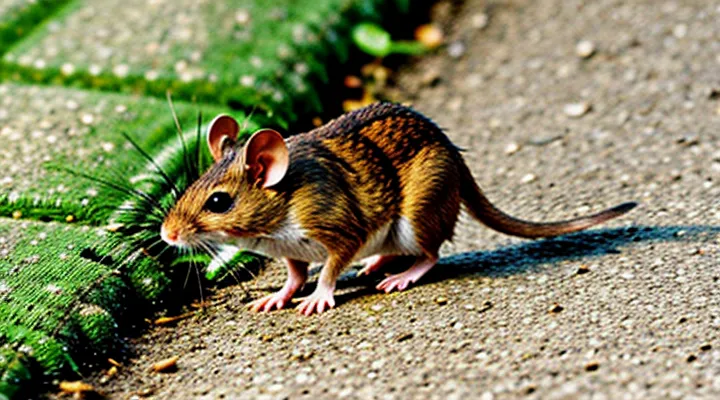
Field mice exhibit a range of fur coloration that reflects genetic variation, environmental conditions, and seasonal cycles. The dorsal pelage typically ranges from reddish‑brown to gray‑brown, providing camouflage against leaf litter and soil. Ventral fur is lighter, often creamy or white, which reduces contrast when the animal is viewed from below.
Key characteristics of fur coloration include:
- Hue variation: Individuals in arid regions display paler, almost tan coats, while those in forested areas possess richer brown tones.
- Seasonal molt: In late autumn, many field mice develop a denser, darker winter coat that improves insulation; a lighter summer coat replaces it in spring.
- Age‑related changes: Juveniles are born with a soft, grayish coat that darkens as they mature.
- Sexual dimorphism: Color differences between males and females are minimal; both sexes share the same palette.
Pigmentation is primarily determined by melanin types—eumelanin producing dark browns and pheomelanin yielding reddish hues. Environmental factors such as substrate color, vegetation density, and predator pressure influence selective pressures on these pigments, leading to locally adapted coat patterns.
Distinctive Features
The field mouse exhibits a compact body measuring 6–10 cm in head‑body length, with a tail roughly half the length of the torso. Fur coloration ranges from sandy brown on the dorsal surface to lighter, grayish tones ventrally, providing camouflage among grasses and leaf litter. Ears are proportionally large, rounded, and covered with fine hair, enhancing auditory detection of predators. Whiskers extend well beyond the snout, supplying tactile feedback essential for navigation in dense undergrowth.
Key morphological traits include:
- Robust hind limbs: adapted for rapid, short bursts of movement across uneven terrain.
- Sharp incisors: continuously growing, enabling efficient gnawing of seeds and plant material.
- Dense, soft pelage: offers insulation against temperature fluctuations typical of open fields and meadow environments.
- Distinctive scent glands: located near the abdomen, used for territorial marking and communication.
These characteristics collectively distinguish the species from cohabiting rodents and support its survival in grassland, agricultural, and edge‑forest habitats.
Taxonomy and Classification
The field mouse belongs to the order Rodentia, a diverse group distinguished by continuously growing incisors. Its taxonomic placement follows a hierarchical structure that reflects evolutionary relationships and morphological characteristics.
- Kingdom: Animalia – multicellular eukaryotes with heterotrophic nutrition.
- Phylum: Chordata – organisms possessing a dorsal nerve cord and notochord.
- Class: Mammalia – endothermic vertebrates with hair and mammary glands.
- Order: Rodentia – mammals with a single pair of continuously growing incisors in each jaw.
- Family: Muridae – the largest rodent family, characterized by a robust skull and a broad diet.
- Genus: Apodemus (European field mouse) or Peromyscus (North American field mouse), depending on geographic distribution.
- Species: Apodemus sylvaticus (European wood mouse) and Peromyscus maniculatus (deer mouse) are the most frequently referenced species within the field‑mouse complex.
Classification relies on dental formulae, cranial measurements, and molecular markers such as mitochondrial DNA sequences. Genetic analyses have clarified the divergence between Apodemus and Peromyscus, confirming that convergent ecological adaptations do not imply close phylogenetic ties. Subspecies designations reflect regional variations in coat coloration, body size, and habitat preference, supporting finer-scale ecological studies.
Taxonomic revisions continue as new genomic data emerge, prompting re‑evaluation of species boundaries and synonymies within the group. Accurate classification underpins ecological research, conservation assessments, and comparative studies across rodent taxa.
Habitat and Distribution
Geographic Range
Preferred Climates
Field mice thrive in climates that provide moderate temperatures and consistent moisture. Their distribution aligns with regions where seasonal fluctuations remain within a tolerable range for small mammals, avoiding extremes of heat or cold.
- Temperate zones with warm summers and cool winters; average annual temperatures between 5 °C and 20 °C.
- Mediterranean areas characterized by mild, wet winters and dry, warm summers; precipitation exceeding 400 mm annually.
- Sub‑arctic margins where brief, cool summers supply sufficient foraging time, while snow cover offers winter insulation.
These environments support dense ground vegetation and abundant seed production, essential for the mouse’s diet and shelter construction. Excessively arid or polar climates limit food availability and increase exposure risk, thereby reducing population viability.
Global Distribution
The common field mouse (Apodemus sylvaticus) occupies a trans‑continental range that extends from temperate Europe to parts of western Asia and northern Africa. Populations thrive in diverse environments, from lowland meadows to mountainous scrublands, demonstrating adaptability to a wide spectrum of climatic conditions.
- Europe: Present throughout the British Isles, Scandinavia, the Baltic states, Central Europe, the Balkans, and the Iberian Peninsula.
- Western Asia: Established in Turkey, the Caucasus region, and parts of the Levant.
- Northern Africa: Recorded in coastal Morocco, Algeria, and Tunisia.
- Introduced ranges: Small, self‑sustaining colonies exist in eastern North America, New Zealand, and southeastern Australia, resulting from accidental human transport.
The species’ capacity to exploit cultivated fields, forest edges, and urban green spaces underlies its extensive distribution. Altitudinal limits reach approximately 2,500 m in the Alps, while temperature tolerance spans from sub‑arctic winters to Mediterranean summers, enabling persistence across varied biogeographic zones.
Typical Environments
Natural Habitats
The field mouse occupies a range of natural environments that provide shelter, food, and nesting sites. Open grasslands and meadows supply abundant seeds and insects, while the dense ground cover protects against predators. Agricultural fields, especially those with low pesticide use, function as seasonal foraging grounds, offering grain residues after harvest.
- Hedgerows and shrub thickets: supply structural complexity and access to fallen fruit and arthropods.
- Forest edges: combine canopy shade with herbaceous understory, supporting year‑round activity.
- Riverine floodplains: present moist soils and diverse plant communities, facilitating burrow construction.
Soil composition influences burrow stability; loamy or sandy substrates allow easy excavation, whereas compacted clay hampers tunnel development. Moisture levels affect vegetation growth, which in turn determines seed availability. Seasonal shifts drive habitat use: during summer, mice concentrate in cooler, shaded microhabitats, while autumn sees increased movement into stored‑grain areas.
Geographically, the species thrives across temperate zones of Europe and western Asia, adapting to local variations in vegetation type and climate. Its presence in these habitats reflects a capacity to exploit both natural and semi‑anthropogenic landscapes, provided that cover and food resources remain sufficient.
Anthropogenic Habitats
Field mice frequently occupy environments altered by human activity. These habitats provide shelter, food, and breeding sites that differ from natural grasslands and forests.
Common anthropogenic settings include:
- Agricultural fields with wheat, barley, or corn, where residual seed heads and weeds supply forage.
- Hedgerows and field margins that retain dense vegetation, offering protection from predators.
- Garden plots and ornamental flower beds, where regular watering and fertilization increase insect prey density.
- Urban parks and green spaces, featuring lawns, shrubbery, and litter that create micro‑habitats for nesting.
- Abandoned structures such as sheds, barns, and storage areas, which furnish dry nesting cavities and insulation.
Adaptations observed in these environments involve flexible diet selection, tolerance of higher human disturbance, and altered activity patterns to avoid periods of intense human presence. Reproductive rates often increase in resource‑rich settings, leading to higher local population densities.
Potential challenges include exposure to pesticides, predation by domestic cats, and habitat fragmentation caused by development. Effective management—maintaining vegetative cover, reducing chemical use, and preserving connectivity between green patches—supports sustainable field‑mouse populations within human‑dominated landscapes.
Nesting and Burrows
Construction
The field mouse builds its living space using locally available materials, shaping structures that protect against predators and weather extremes. Primary components include dry grasses, shredded leaves, and fine twigs, arranged to form a compact nest within shallow burrows or under dense vegetation. The animal selects sites with soft soil for easy excavation and proximity to seed sources, ensuring efficient foraging routes.
Construction techniques exhibit species‑specific patterns:
- Burrow architecture – a main tunnel leading to a nesting chamber, often reinforced with packed earth to prevent collapse.
- Nest composition – layered bedding of insulating fibers, topped with a denser outer shell for structural stability.
- Entrance camouflage – a low‑profile opening concealed by surrounding debris, reducing detection by predators.
These building behaviors reflect adaptive responses to habitat conditions, optimizing thermal regulation and minimizing exposure to threats.
Materials Used
The study of the meadow-dwelling mouse requires specific substances and items that support observation, capture, and analysis. Researchers employ live‑trap cages constructed from stainless‑steel frames and nylon mesh to prevent escape while minimizing stress. Bait mixtures typically consist of a 1:1 ratio of rolled oats and peanut butter, providing a palatable attractant without altering the animal’s natural diet.
In the wild, the species builds nests from readily available resources. Common components include:
- Dried grasses and sedge leaves
- Fine twigs and bark fragments
- Soft moss or shredded plant material
- Occasionally, downy feathers collected from ground nests
These materials furnish insulation, structural stability, and camouflage within the field environment. Laboratory examinations of nest composition rely on microscopic analysis of fiber types, moisture content measurement, and DNA barcoding of plant species to verify habitat preferences.
Field surveys utilize portable GPS units, digital cameras with macro lenses, and insulated collection bags made of polyethylene to preserve specimens during transport. All equipment is selected for durability, low weight, and resistance to moisture, ensuring reliable data collection across diverse terrain.
Behavior and Ecology
Diet and Feeding Habits
Food Sources
The field mouse obtains nutrition from a diverse set of resources that reflect its opportunistic foraging strategy. Primary components of the diet include:
- Seeds of grasses and wildflowers
- Harvested grains such as wheat, barley, and oats
- Fresh green vegetation, including young shoots and leaves
- Invertebrates like beetles, larvae, and earthworms
- Fungi, particularly mushroom caps and mycelial threads
Seasonal fluctuations dictate the relative importance of each category. During spring and early summer, abundant seedlings and insects provide protein and moisture. Mid‑summer sees increased consumption of mature seeds and grains, while autumnal mast supplies a surplus of nuts and acorns. In winter, the mouse relies on stored seeds, bark fragments, and occasional frozen invertebrates to sustain metabolic needs.
Foraging occurs primarily at night, with individuals navigating low vegetation and litter layers using tactile whiskers. Food items are often cached in shallow burrows or concealed under debris, creating a reserve that buffers against periods of scarcity.
The species influences plant community dynamics by dispersing viable seeds during transport and consumption. Predation on insects contributes to the regulation of arthropod populations, thereby affecting soil health and decomposition rates.
Foraging Strategies
The common field mouse exploits a variety of food sources across its range, adapting its foraging behavior to the availability of seeds, insects, and plant material. Energetic demands, predation risk, and seasonal changes shape the tactics it employs while searching for nourishment.
Key foraging strategies include:
- Opportunistic grazing: Consumption of readily available vegetation and fallen seeds during daylight hours when cover is sufficient.
- Nocturnal foraging: Activity peaks after dusk, reducing exposure to visual predators and allowing exploitation of nocturnal insects.
- Seed caching: Temporary storage of high‑energy seeds in shallow burrows or leaf litter, retrieved during periods of scarcity.
- Microhabitat selection: Preference for dense ground cover, such as grass tussocks or leaf litter, to conceal movement and increase foraging efficiency.
- Seasonal diet shift: Transition from insect‑rich diets in spring to predominantly seed and grain consumption in autumn, reflecting changes in resource abundance.
These tactics enable the field mouse to maintain body condition, support reproductive cycles, and persist in habitats ranging from open fields to forest edges.
Social Structure
Solitary or Colonial
Field mice exhibit flexible social organization that depends on environmental conditions and resource distribution. In habitats with abundant food and dense cover, individuals often form small colonies, sharing burrows and foraging areas. Colonial groups typically consist of a dominant breeding pair and subordinate offspring, which may remain in the natal burrow until dispersal. Cooperative behaviors such as shared vigilance and nest maintenance enhance survival rates in these aggregations.
Conversely, in open fields or regions where food is scarce, field mice adopt a solitary lifestyle. Each adult maintains an exclusive burrow system, defines a personal foraging range, and actively defends territory against conspecifics. Solitary individuals display heightened aggression during the breeding season, establishing clear boundaries to reduce competition.
Key factors influencing the solitary‑colonial shift:
- Resource density: High seed or insect abundance encourages communal nesting.
- Predation pressure: Dense cover reduces predator encounters, supporting group living.
- Seasonal changes: Summer months often see increased colonial activity; winter prompts isolation.
- Population density: Overcrowding forces individuals to seek separate territories.
Understanding the dual social strategy clarifies how field mice adapt to varied ecosystems, balancing cooperation and competition to optimize reproductive success and survival.
Breeding Season
The field mouse initiates reproduction in early spring, typically when temperatures rise above 5 °C and daylight extends beyond ten hours. Females become sexually receptive shortly after emergence from winter burrows, entering estrus cycles that last 4–5 days. Mating occurs promptly, often within the first week of activity.
Gestation for the species averages 19–22 days, after which litters of 4–7 pups are born. Neonates are altricial, relying on maternal care for thermoregulation and nourishment. The mother nurses the litter for approximately three weeks, during which rapid growth is supported by a high-protein diet of seeds, insects, and newly sprouted vegetation.
Key aspects of the breeding season include:
- Peak reproductive period: May to July, aligning with maximal food availability.
- Multiple litters: Up to three successive broods may be produced within a single season, contingent on resource abundance.
- Habitat influence: Dense ground cover and proximity to water sources enhance nest site selection, reducing predation risk and improving offspring survival.
By late summer, reproductive activity declines as day length shortens and temperatures fall, prompting females to enter a state of reproductive quiescence that persists through winter. This seasonal pattern ensures that offspring are weaned before the onset of harsher conditions, optimizing population stability.
Predators and Threats
Natural Predators
The field mouse, a small rodent inhabiting grasslands, hedgerows, and cultivated fields, faces constant pressure from a range of carnivorous species that regulate its populations.
Primary natural predators include:
- Red foxes, which hunt at night and exploit the mouse’s activity patterns.
- Barn owls, whose silent flight and acute hearing allow efficient detection of mouse movements.
- Common kestrels, employing visual hunting during daylight over open terrain.
- European badgers, foraging in soil and leaf litter where mice burrow.
- Snakes such as the grass snake, using ambush tactics near mouse pathways.
Secondary predation pressure arises from larger mammals like domestic cats and feral dogs, as well as invertebrate hunters such as praying mantises and large beetles that capture juvenile mice. These predators collectively shape the distribution and behavior of field mice across their habitats.
Human Impact
Human activities exert measurable pressure on the population dynamics and distribution of the field mouse, a small rodent commonly found in grasslands and cultivated fields.
Agricultural intensification reduces suitable cover through frequent tillage, eliminates seed banks, and introduces chemical agents that increase mortality rates. Pesticide applications directly affect individuals and indirectly diminish prey availability for insectivorous predators, altering the food web.
Habitat fragmentation caused by road construction and urban expansion isolates subpopulations, limits gene flow, and raises the risk of local extinctions. Edge effects increase exposure to predators and temperature fluctuations, further stressing individuals.
Climate change modifies seasonal patterns, shifting vegetation phenology and affecting the timing of breeding cycles. Warmer temperatures expand the species’ northern range but also heighten exposure to novel pathogens.
Key human‑driven factors include:
- Land‑use conversion (agriculture, development)
- Chemical exposure (pesticides, herbicides)
- Physical disturbance (tillage, mowing)
- Landscape fragmentation (roads, urban sprawl)
- Climate variability (temperature, precipitation shifts)
Mitigation measures such as reduced pesticide usage, conservation of field margins, and maintenance of habitat corridors can alleviate pressure and support sustainable populations.
Life Cycle and Reproduction
Mating and Gestation
The European field mouse (Apodemus sylvaticus) reproduces primarily during the warm months when food resources peak. Breeding activity intensifies from April through September, with a secondary peak in autumn in milder climates.
- Males establish territories and emit ultrasonic vocalizations to attract females.
- Courtship involves a series of brief chases ending in a copulatory tie lasting 15–30 seconds.
- Females become receptive shortly after entering estrus, typically within 24 hours of male contact.
- Multiple matings may occur with different partners, increasing genetic diversity within litters.
Gestation lasts 19–23 days, after which females give birth to 3–7 altricial young. Neonates are blind, hairless, and dependent on maternal care for the first two weeks. Weaning begins at day 14, and juveniles achieve independence by week 4. Females can produce up to three litters per breeding season, resulting in rapid population growth under favorable conditions.
Reproductive timing aligns with habitat dynamics: abundant seed fall and insect activity provide the energy required for lactation, while dense vegetation offers protection for nests. Seasonal variation in temperature and humidity influences both mating frequency and litter survival rates.
Litter Size and Development
The field mouse reproduces prolifically, producing multiple litters each breeding season. Females reach sexual maturity at approximately six weeks and can breed throughout the warm months.
Typical litter size ranges from three to eight pups. Variation depends on:
- Maternal age and condition
- Availability of food resources
- Seasonal temperature fluctuations
Gestation lasts about 19‑21 days. Newborns are altricial: hairless, eyes closed, and weighing 1‑2 g. Within the first week, pups develop fur and begin to open their eyes. By the third week, they exhibit coordinated locomotion and start ingesting solid food. Weaning occurs around day 21, after which juveniles attain independence.
Survival rates improve in habitats offering dense ground cover and abundant seed caches. Predation pressure and harsh weather reduce juvenile mortality, while optimal nesting sites and plentiful foraging opportunities support rapid growth and higher reproductive output.
Lifespan
The common field mouse typically lives 12 to 18 months in natural environments. Survival is limited by predation, disease, and seasonal scarcity of food. In temperate regions, most individuals die before reaching a second breeding season.
Key factors influencing lifespan:
- Predation pressure: Birds of prey, snakes, and small carnivores account for the majority of mortality.
- Food availability: Winter shortages reduce body condition, accelerating death.
- Disease exposure: Parasites and viral infections can shorten life expectancy sharply.
- Habitat quality: Dense ground cover and abundant burrow sites improve shelter and reduce predation risk, modestly extending longevity.
Captive specimens, provided with constant nutrition and protection from predators, may survive up to three years. However, stress from confinement and limited space can still curtail lifespan relative to optimal wild conditions.
Reproductive cycles intersect with longevity; females typically produce several litters before senescence, while males often experience a rapid decline in condition after the breeding season, reducing their overall lifespan.