
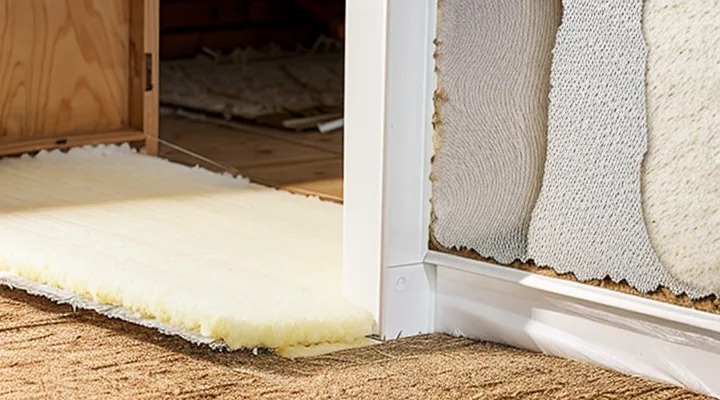
Understanding the Problem: Why Mice are Attracted to Fiberglass Insulation
The Appeal of Fiberglass for Rodents
Nesting Material and Shelter
Mice select nesting material that provides warmth, softness, and protection from predators. Fiberglass batts offer thermal insulation but lack the pliability and organic texture that rodents prefer for building nests. Consequently, fiberglass alone is a poor substitute for natural fibers such as shredded paper, cotton, or dried vegetation.
To reduce the likelihood of mice establishing shelter within insulation, implement the following actions:
- Seal all entry points larger than ¼ inch with steel wool, caulk, or expanding foam.
- Install metal flashing around utility penetrations to prevent rodents from chewing through.
- Remove accessible sources of soft material, including stored fabrics, cardboard boxes, and accumulated debris.
- Place traps or electronic deterrents in concealed areas where mice are known to travel.
- Maintain a dry environment; moisture attracts insects that can serve as secondary food for rodents, indirectly encouraging nesting.
Regular inspection of insulation surfaces for compression, tears, or rodent droppings enables early detection of intrusion. Prompt repair of damaged sections restores the barrier’s effectiveness and discourages further habitation.
Temperature Regulation
Fiberglass insulation provides consistent thermal resistance, maintaining interior temperatures within narrow limits despite external fluctuations. The material’s low thermal conductivity slows heat transfer, reducing the need for frequent heating or cooling cycles. This stability lowers energy consumption and prevents surface condensation that could create damp conditions attractive to pests.
Stable indoor temperatures discourage rodent nesting because mice seek environments that offer warmth during cold periods and coolness during heat. When insulation maintains a constant climate, the temperature gradient that usually drives mice to seek shelter within wall cavities diminishes. Consequently, the likelihood of an infestation declines without reliance on chemical deterrents.
Key temperature‑related benefits of fiberglass insulation include:
- Reduced heat loss in winter, limiting warm pockets in structural voids.
- Decreased heat gain in summer, preventing overheating of concealed spaces.
- Minimized surface temperature differentials, eliminating condensation points that attract rodents.
- Enhanced overall building envelope performance, supporting long‑term pest‑resistant conditions.
«Thermal stability reduces rodent activity» encapsulates the relationship between temperature control and infestation prevention. Proper installation and sealing of fiberglass batts ensure the material functions as an effective barrier, preserving both energy efficiency and structural integrity while mitigating mouse intrusion.
Health and Structural Risks of Mice Infestations
Disease Transmission
Mice nesting in fiberglass insulation create pathways for pathogens that can reach occupants through contaminated dust, droppings, and urine. Direct contact with these materials introduces bacteria, viruses, and parasites into the indoor environment, increasing the risk of respiratory and gastrointestinal infections.
Key disease vectors associated with rodent activity include:
- Salmonella spp., transmitted via fecal contamination of insulation fibers.
- Hantavirus, spread through aerosolized particles from dried urine and droppings.
- Leptospira interrogans, entering the body through skin abrasions or mucous membranes when exposed to moist rodent waste.
- Bartonella spp., carried by fleas that infest mouse nests within the insulation.
Preventive measures focus on eliminating access points and reducing attractants:
- Seal gaps around utility penetrations, vents, and foundation cracks with steel wool and caulk.
- Maintain low indoor humidity to deter mouse habitation in insulation cavities.
- Install metal mesh barriers over insulation openings to block entry while preserving thermal performance.
- Conduct regular inspections for signs of nesting, such as shredded insulation, gnaw marks, and droppings.
When infestation is detected, safe removal protocols are essential. Use personal protective equipment, including N‑95 respirators and disposable gloves, to limit exposure to airborne contaminants. Dispose of contaminated insulation in sealed bags and replace it with fresh material after thorough cleaning of the affected area.
By restricting rodent ingress and promptly addressing contamination, the likelihood of «Disease Transmission» from mice residing in fiberglass insulation can be substantially reduced.
Damage to Insulation and Wiring
Rodents readily chew fiberglass batts, creating holes that compromise thermal performance. Once the material is breached, fibers become exposed to air, moisture, and dust, which accelerates degradation and reduces the insulation’s R‑value.
Chewing also targets electrical conduits embedded in or adjacent to the insulation. Damaged sheathing and stripped conductors increase the risk of short circuits, arcing, and, ultimately, fire. Moisture from urine and droppings further corrodes copper wiring, creating additional points of failure.
Key impacts include:
- Loss of thermal efficiency, leading to higher heating and cooling costs.
- Exposure of live wires, raising the probability of electrical faults.
- Accumulation of debris that attracts pests, perpetuating the damage cycle.
- Heightened fire hazard due to compromised insulation and overheated conductors.
Mitigation requires sealing entry points, installing rodent‑proof barriers such as metal mesh or hardboard, and conducting periodic visual inspections of both insulation layers and wiring pathways. Prompt repair of any identified breaches restores thermal integrity and safeguards the electrical system.
Unpleasant Odors
Unpleasant odors frequently signal a breach in thermal barrier systems when rodents infiltrate fiberglass cavities. Urine and feces release ammonia and sulfur compounds that permeate insulation, producing a sharp, sour scent. Moisture accumulation, often caused by leaks or condensation, encourages mold growth on the glass fibers, adding a stale, earthy note to the overall aroma.
The presence of these smells indicates health risks, including respiratory irritation and potential allergic reactions. Early detection prevents odor migration into living spaces, where it can affect indoor air quality and diminish occupant comfort.
Effective mitigation relies on a systematic approach:
- Seal all exterior and interior openings larger than a quarter‑inch, using steel wool, caulk, or hardware cloth.
- Install insulation with a continuous vapor barrier to limit moisture intrusion.
- Maintain roof and wall drainage to prevent water pooling near the envelope.
- Conduct quarterly visual inspections of attics, crawl spaces, and wall cavities for signs of gnaw marks, droppings, or damp insulation.
- Replace contaminated insulation promptly, disposing of material in sealed containers to contain odor.
Eliminating the source of foul smells restores the intended thermal performance of the building envelope and safeguards occupant health.
Comprehensive Prevention Strategies
Sealing Entry Points
Identifying Common Entry Points
Mice gain access to structures through gaps that intersect insulation layers, allowing them to bypass thermal barriers and seek shelter. Recognizing these openings enables targeted sealing, reducing the likelihood of rodent colonization in areas protected by fiberglass material.
- Openings around utility penetrations (electrical wiring, plumbing, HVAC ducts)
- Gaps beneath foundation walls and crawl‑space vents
- Cracks in exterior sheathing and siding
- Unsealed openings around door frames and window casings
- Holes around attic access hatches and roof vents
- Unfinished openings around chimney flues and fireplace dampers
- Small spaces around cable and pipe sleeves where insulation meets the framing
Each identified aperture should be sealed with rodent‑resistant material before installing or repairing fiberglass insulation, ensuring a continuous barrier against intrusion.
Cracks and Gaps in Foundations
Cracks and gaps in building foundations create direct pathways for rodents to enter insulated spaces. Even minute openings, less than one‑quarter inch, allow mice to exploit structural weaknesses and breach insulation barriers.
Identifying and sealing these openings reduces the likelihood of infestation. Effective measures include:
- Conducting a thorough visual inspection of the exterior slab, crawl spaces, and basement walls.
- Using a high‑quality, flexible sealant compatible with concrete to fill hairline fissures.
- Installing steel‑wool or copper mesh behind sealant in larger voids to prevent chewing.
- Applying expanding foam insulation designed for pest resistance in irregular gaps.
- Installing a continuous perimeter drainage system to divert moisture that can exacerbate foundation movement.
Regular maintenance of the foundation prevents new cracks from forming. Monitoring for settlement, water intrusion, and soil erosion supports long‑term integrity of the building envelope. Prompt repair of identified deficiencies eliminates the primary access points that compromise the effectiveness of fiberglass insulation against rodent intrusion.
Gaps Around Pipes and Wires
Gaps surrounding plumbing, electrical conduits, and HVAC ducts provide direct routes for rodents to bypass fiberglass barriers. Even small openings, often unnoticed during installation, enable mice to enter concealed wall cavities and create pathways toward insulation material.
Common locations where gaps appear include:
- Openings around pipe penetrations through studs and joists.
- Spaces left around cable bundles that pass through fire‑stop plates.
- Clearance around vent ducts and exhaust fans where sleeves are not tightly fitted.
- Gaps at the junction of basement walls and foundation footings where utilities emerge.
Effective sealing strategies consist of:
- Applying expanding polyurethane foam to irregular voids, ensuring the product is rated for use near insulation.
- Installing metal or copper mesh collars around pipe penetrations, then caulking with silicone or acrylic sealant.
- Using steel wool or copper inserts in narrow cracks, followed by a layer of high‑temperature silicone to prevent rodent chewing.
- Fitting compression‑fit rubber gaskets around conduit entries, secured with stainless‑steel screws to resist corrosion.
Inspection should occur after insulation placement and before finishing work. Visual checks, coupled with a tactile probe along seams, reveal hidden openings. Periodic re‑evaluation, especially after seasonal temperature shifts, maintains the integrity of the seal and discourages re‑infestation.
Unsealed Vents and Chimneys
Unsealed vents and chimneys create direct pathways for rodents to infiltrate building envelopes where fiberglass insulation is installed. Gaps around vent louvers, roof penetrations, and chimney flues allow mice to bypass exterior barriers, reaching the insulation cavity and compromising thermal performance.
Entry points typically arise from:
- Missing or deteriorated vent covers
- Cracked or absent chimney flashing
- Unsealed gaps around ductwork and vent sleeves
- Improperly installed vent hoods
Once inside, mice gnaw insulation batts, creating holes that reduce R‑value and increase heating or cooling loads. Their nesting activity also introduces moisture and droppings, fostering mold growth and health hazards.
Preventive measures include:
- Inspect all roof and wall penetrations quarterly, focusing on vent and chimney assemblies.
- Install metal vent caps with tight‑fitting screens, ensuring no gaps remain.
- Apply high‑temperature silicone or expanding foam sealant around chimney flashing and vent sleeves.
- Replace cracked vent louvers with corrosion‑resistant models that feature integrated mesh.
- Maintain a continuous barrier of rigid foam or metal flashing at the interface between vent structures and the surrounding sheathing.
Regular maintenance of these openings sustains the integrity of fiberglass insulation, limits rodent intrusion, and preserves energy efficiency. «Sealing all openings» eliminates the primary route mice exploit, protecting both insulation performance and indoor air quality.
Effective Sealing Materials
Effective sealing of gaps and penetrations is essential for protecting fiberglass insulation from rodent intrusion. Materials must combine durability, pest resistance, and compatibility with insulation properties.
Common sealing options include:
- Polyurethane caulk: adheres to wood, drywall, and metal; remains flexible after curing; resists chewing.
- Expanding spray foam: fills irregular cavities; expands to seal cracks up to several centimeters; provides thermal barrier.
- Self‑adhesive weatherstripping: suitable for door and window frames; prevents entry points along moving components.
- Silicone sealant: maintains elasticity in extreme temperature ranges; does not degrade fiberglass fibers.
- Metal flashing tape: reinforces high‑traffic areas around vents and utility openings; resists gnawing.
Selection criteria focus on fire rating, moisture resistance, and long‑term integrity. Products rated Class A fire resistance align with building codes for insulation applications. Low‑VOC formulations reduce indoor air quality concerns. Compatibility with existing insulation ensures no compression or loss of R‑value.
Application procedure:
- Identify all openings larger than a quarter inch, including gaps around pipes, wiring, and structural joints.
- Clean surfaces to remove dust, debris, and loose material.
- Apply chosen sealant according to manufacturer specifications, ensuring complete coverage of the perimeter.
- Allow curing time before re‑installing insulation or finishing materials.
- Inspect sealed areas periodically for signs of deterioration or new entry points.
Proper sealing eliminates pathways that rodents exploit, preserving the thermal performance and structural integrity of fiberglass insulation.
Steel Wool and Caulk
Steel wool serves as a mechanical barrier that mice cannot easily gnaw through. When placed in gaps around ductwork, vent openings, and any perforations in the insulation, the tangled fibers create resistance that deters chewing. For optimal effectiveness, the wool should be tightly packed and secured with a thin layer of caulk to prevent displacement.
Caulk provides a sealant that fills cracks and joints where insulation meets structural elements. By applying a continuous bead of silicone‑based or acrylic caulk around the perimeter of steel‑wool bundles, the combined barrier becomes airtight and resistant to rodent intrusion. Regular inspection of sealed areas ensures that cracks do not reappear as the building settles.
Key steps for implementation:
- Identify all entry points: gaps around pipes, electrical conduits, and attic vents.
- Insert steel wool into each opening, compressing it to eliminate voids.
- Apply caulk over the steel wool, smoothing the surface to create a seamless seal.
- Allow the caulk to cure fully before covering with insulation or finishing material.
Maintenance involves checking the integrity of the caulk line annually and replenishing steel wool in any compromised sections. This dual‑layer approach reduces the likelihood of mice accessing fiberglass insulation, thereby preserving thermal performance and preventing contamination.
Expanding Foam Sealant
Expanding foam sealant provides a durable, airtight barrier that complements fiberglass insulation in deterring rodent entry. When applied to gaps around pipes, vents, and structural seams, the foam expands to fill irregular spaces, eliminating the concealed pathways mice exploit for nesting and travel. The resulting seal resists chewing, as the hardened material presents a physical obstacle that rodents cannot easily gnaw through.
Key advantages of using expanding foam sealant in conjunction with fiberglass insulation include:
- Rapid expansion fills cracks up to several centimeters wide, reducing the time required for comprehensive sealing.
- Closed‑cell formulations create a moisture‑resistant layer, preventing water accumulation that could attract pests.
- Adhesion to wood, metal, and drywall ensures long‑term stability, maintaining the integrity of the insulation envelope.
- Once cured, the foam acts as a thermal barrier, supporting the overall energy‑efficiency goals of the insulation system.
To achieve optimal results, follow these guidelines:
- Identify all potential entry points, focusing on foundation gaps, utility penetrations, and attic eaves.
- Clean surfaces of dust and debris to promote adhesion.
- Apply foam in short bursts, allowing each section to expand before moving to the next area; over‑application can lead to excessive pressure on surrounding materials.
- Trim excess foam after curing to maintain a flush surface with the surrounding walls or insulation.
- Verify that the selected product is labeled “low‑expansion” for use near electrical wiring and HVAC components, preventing damage to sensitive equipment.
By integrating expanding foam sealant with fiberglass insulation, the building envelope becomes a continuous, rodent‑proof barrier. The combined approach minimizes the likelihood of infestations while preserving thermal performance and structural durability. «Expanding foam sealant» thus serves as a critical component in comprehensive pest‑prevention strategies.
Hardware Cloth
Hardware cloth offers a durable, metal mesh barrier that seals openings around fiberglass insulation, preventing rodents from gaining access. Its galvanized or stainless‑steel construction resists corrosion, ensuring long‑term performance in attics, walls, and crawl spaces.
Key characteristics for effective pest exclusion:
- Mesh size ¼‑inch (6 mm) or smaller blocks entry by mice while allowing airflow.
- Tensile strength supports installation over studs, joists, and insulation batts without sagging.
- Easy to cut with tin snips, facilitating precise fitting around pipes, vents, and electrical conduits.
- Compatibility with sealants and expanding foam creates airtight seams, enhancing thermal efficiency.
Installation guidelines:
- Measure all gaps surrounding insulation, including gaps around wiring, ductwork, and structural members.
- Cut hardware cloth to size, leaving a 1‑inch overlap on each side of the opening.
- Secure the mesh with corrosion‑resistant screws or staples, spacing fasteners no more than 6 inches apart.
- Apply a bead of silicone or polyurethane caulk along the edges, then press a strip of expanding foam over the joint for additional sealing.
When combined with proper insulation placement, hardware cloth eliminates pathways that mice exploit, reducing the risk of gnawing damage to fiberglass and associated wiring. The material’s rigidity also protects insulation from compression, preserving its R‑value. Regular inspection of mesh integrity and resealing any compromised sections maintains the barrier’s effectiveness over the lifespan of the building envelope.
Maintaining a Hostile Environment
Eliminating Food and Water Sources
Eliminating food and water sources is a primary measure for preventing rodent activity in structures insulated with fiberglass. Food residues attract mice, while accessible water encourages nesting and breeding.
- Store dry goods in airtight containers made of metal or thick plastic; seal all openings.
- Clean kitchen surfaces after each meal; sweep crumbs and wipe spills promptly.
- Dispose of waste in bins with tight‑fitting lids; empty them regularly to avoid overflow.
- Repair leaky pipes, faucets, and roof penetrations; dry any standing water in basements, crawl spaces, or attics.
- Keep pet food in sealed containers; remove uneaten portions after feeding.
Removing these attractants reduces the likelihood that mice will explore insulated cavities, thereby supporting the overall goal of pest‑free insulation.
Proper Food Storage
Proper food storage directly influences rodent activity in homes where fiberglass insulation is installed. Food that is left exposed creates a reliable attractant, encouraging mice to explore gaps in the building envelope and compromise insulation performance.
Effective storage practices include:
- Seal all dry goods in airtight, rigid containers made of metal or heavy‑wall plastic.
- Transfer perishable items to refrigeration units promptly; discard spoiled food before it becomes a scent source.
- Keep pantry shelves clear of crumbs; clean surfaces after each use with a damp cloth.
- Position food storage areas away from exterior walls, especially where insulation meets the interior finish.
- Inspect containers weekly for damage; replace any compromised seals immediately.
When food is securely contained, mouse traffic decreases, reducing the likelihood of gnawing on insulation or creating entry points. Maintaining a clean, sealed food environment preserves the thermal efficiency of fiberglass insulation and extends its service life.
Addressing Leaks and Standing Water
Leaks within walls or ceilings compromise the performance of fiberglass insulation. Moisture saturates the fibers, reducing thermal resistance and creating an environment that attracts rodents seeking shelter and water sources. Standing water near the foundation or in crawl spaces raises humidity levels, encouraging mice to explore interior spaces.
Detecting moisture problems requires systematic observation. Visual signs include discoloration, mold growth, or warped surfaces. Portable moisture meters confirm elevated readings, while infrared imaging reveals hidden damp zones. Regular inspection of roof penetrations, plumbing joints, and exterior drainage prevents unnoticed accumulation.
Repair and remediation actions
- Identify the source of intrusion, whether roof runoff, pipe failure, or foundation seepage.
- Seal cracked roofing materials, replace damaged flashing, and tighten pipe fittings.
- Regrade surrounding soil to direct water away from the building envelope.
- Install or repair gutter systems, ensuring downspouts terminate at least three feet from the foundation.
After repairs, eliminate residual moisture. Deploy dehumidifiers to lower indoor humidity below 50 %. Increase ventilation in affected areas using exhaust fans or passive vents. Apply waterproof membranes to basement walls and crawl‑space floors before reinstalling insulation.
Finally, fortify the envelope against rodent entry. Install metal mesh or steel wool in gaps around utility penetrations. Use rodent‑proof sealants on joints and seams. Ensure that all openings are no larger than a quarter‑inch to deny access. Consistent maintenance of these measures sustains insulation effectiveness and deters mouse infestations.
Regular Cleaning and Decluttering
Regular cleaning removes food residues and nesting materials that attract rodents, especially in spaces insulated with fiberglass. Dust, crumbs, and spilled liquids create scent trails; eliminating them reduces the likelihood that mice will explore and establish colonies.
Effective decluttering targets areas where insulation is exposed or concealed:
- Store items in sealed containers rather than open boxes or piles.
- Keep storage rooms, attics, and basements free of unnecessary debris.
- Remove cardboard, paper, and fabric scraps that provide shelter.
- Organise utility closets to maintain clear pathways for inspection and maintenance.
Routine inspection complements cleaning efforts. Inspect insulation for gaps or compression that could serve as entry points, and seal openings with steel mesh or caulk. Consistent housekeeping limits food sources and hiding places, directly decreasing the risk of rodent intrusion in homes that rely on fiberglass insulation.
Attic and Basement Maintenance
Attic and basement upkeep directly influences the integrity of fiberglass insulation and reduces the likelihood of rodent intrusion. Regular visual examinations identify compromised areas before they become pathways for mice.
- Inspect joists, rafters, and floor joists for cracks, holes, or loose sheathing.
- Verify that insulation remains dry and intact; moisture encourages rodents and degrades fiberglass performance.
- Seal openings larger than ¼ inch with steel‑wool inserts, followed by high‑quality caulk or metal mesh.
- Install weather‑stripping on doors and windows that lead to the attic or basement.
- Trim tree limbs, shrubs, and vines that touch the building envelope, eliminating bridge routes for pests.
- Store firewood, debris, and recyclables away from the foundation; keep these materials at least 18 inches from the structure.
- Place snap traps or live‑catch devices along identified travel corridors, checking them weekly and disposing of captures promptly.
Additional measures include maintaining proper ventilation to prevent condensation, using vapor barriers where moisture is a concern, and scheduling professional pest‑inspection services annually. Consistent application of these practices preserves insulation efficiency and safeguards the home from mouse infestations.
Exterior Yard Upkeep
Exterior yard maintenance directly influences the likelihood of rodents entering homes insulated with fiberglass. Overgrown vegetation, accumulated debris, and unmanaged compost piles create shelter and food sources that attract mice, increasing pressure on building envelopes.
Key practices reduce habitat suitability:
- Trim grass and shrubs to a height of 4–6 inches, eliminating dense cover.
- Remove leaf litter, fallen branches, and mulch piles that exceed 2 inches in depth.
- Store firewood off the ground, at least 18 inches above soil, and keep it at a distance of 10 feet from the house.
- Secure compost containers with tight-fitting lids; avoid exposing organic waste.
- Inspect and seal gaps around exterior utilities, vents, and foundation cracks to deny entry points.
Regular inspection schedules reinforce prevention. Conduct a visual sweep of the perimeter each month, noting signs of gnawing, droppings, or nesting material. Promptly address identified deficiencies before they become chronic.
A professional observation underscores the principle: «Rodents seek shelter in yard debris, and elimination of that refuge diminishes indoor intrusion». Maintaining a tidy exterior therefore complements interior insulation strategies, creating a comprehensive barrier against mouse infestations.
Deterrents and Exclusion Techniques
Natural Repellents
Natural repellents complement physical barriers when protecting fiberglass insulation from rodent intrusion. Their efficacy relies on odors or tastes that deter mice without compromising insulation performance.
- Peppermint oil: volatile compounds create an environment mice avoid; apply a few drops to cotton balls placed near entry points.
- Cedar shavings: aromatic oils release continuously; line cavity edges with a thin layer, replace annually to maintain potency.
- Clove oil: strong scent interferes with rodent olfactory cues; dilute with water and spray on exterior surfaces surrounding insulation.
- Garlic powder: pungent odor repels; sprinkle lightly in gaps, reapply after cleaning.
- Neem oil: bitter taste discourages chewing; mix with a carrier and brush onto exposed insulation edges.
Installation guidelines require sealing all gaps before applying repellents. Apply liquids to non‑absorbent carriers to prevent moisture migration into insulation. Monitor effectiveness monthly; reapply natural agents after cleaning or seasonal changes. Combining airtight sealing with these botanical deterrents reduces the likelihood of mice compromising thermal barriers.
Peppermint Oil and Other Scents
Peppermint oil exhibits strong repellent properties against rodents. The volatile compounds in the oil, primarily menthol and menthone, irritate mice’ sensory receptors, prompting avoidance of treated areas. Application to the exterior of fiberglass insulation cavities creates a barrier that discourages entry without compromising the material’s thermal performance.
Effective deployment involves soaking cotton balls or cloth pads in undiluted peppermint oil and positioning them at potential access points, such as gaps around vents, utility openings, and seams in insulation panels. Replace pads every two weeks to maintain potency, as volatile oils dissipate over time.
Additional aromatic deterrents complement peppermint oil:
- Eucalyptus oil – high cineole concentration, disrupts rodent olfactory cues.
- Citronella oil – strong citrus scent, deters nocturnal activity.
- Clove oil – eugenol component, acts as a natural irritant.
- Lavender oil – strong floral aroma, reduces mouse curiosity.
When integrating scents with fiberglass insulation, ensure that oil‑saturated materials do not contact the insulation directly, preventing any potential degradation of the resin binder. Use breathable carriers (cotton, felt) placed in perforated containers to allow vapor diffusion while protecting the insulation surface.
Combining peppermint oil with other proven scents forms a multi‑layered olfactory defense, reducing the likelihood of mouse intrusion in insulated structures. Regular monitoring and replenishment of scent sources sustain an environment unfavorable to rodents.
Ultrasonic Devices
Ultrasonic emitters generate high‑frequency sound waves that rodents cannot hear, creating an environment perceived as hostile. When installed near fiberglass barrier systems, the devices add a non‑chemical deterrent that complements the physical blockage offered by the insulation material.
Key operational aspects include:
- Frequency range typically between 20 kHz and 65 kHz, beyond human auditory perception.
- Continuous emission or timed cycles, adjustable via built‑in timers.
- Power sources ranging from mains electricity to battery packs for hard‑to‑reach locations.
Integration with fiberglass insulation requires attention to placement. Emitters should be mounted on interior surfaces adjacent to the insulation layer, avoiding direct contact with the batts to prevent moisture accumulation. Positioning near entry points—such as gaps around pipes or vent openings—maximizes the deterrent field where mice are most likely to attempt intrusion.
Effectiveness studies indicate that ultrasonic devices reduce rodent activity by up to 70 % in controlled environments, but results vary with species tolerance and ambient noise levels. Dense insulation can attenuate sound propagation; therefore, multiple units spaced evenly across the insulated envelope improve coverage.
Limitations include diminished efficacy over time as rodents habituate to the sound pattern, and reduced performance in high‑humidity conditions that affect transducer output. Regular maintenance, such as cleaning speaker grills and verifying battery charge, sustains optimal operation.
For comprehensive pest management, combine ultrasonic emitters with sealed entry points, proper installation of fiberglass insulation, and routine inspections. This layered approach addresses both the structural pathway and the behavioral stimulus that attract rodents.
Physical Barriers and Traps
Physical barriers create a continuous obstacle that denies mice access to fiberglass insulation. Effective measures include sealing all penetrations in walls, floors, and ceilings with steel wool, expanding foam, or caulk. Installing hardware cloth or galvanized metal mesh with openings no larger than ¼ inch over vent openings, crawl spaces, and attic hatches prevents rodents from entering. When retrofitting existing insulation, wrap batts in a thin vapor barrier and secure the barrier with staples, ensuring no gaps remain at seams or corners.
Traps complement barriers by reducing populations that have breached the primary defenses. Snap traps positioned along walls, behind insulation batts, and near known rodent pathways provide rapid mortality. Live‑catch traps placed in concealed locations allow for humane removal and relocation, provided release occurs far from the property. Bait selection should favor high‑protein options such as peanut butter or dried fish, applied in minimal quantities to avoid attracting non‑target species.
Maintenance practices sustain the effectiveness of both barriers and traps. Regular inspections of sealant integrity, mesh condition, and trap placement detect wear or displacement before infestations develop. Replacing damaged sections of hardware cloth and resetting traps after each capture maintain a consistent deterrent posture.
Key actions for implementing physical deterrence and trapping:
- Seal all structural gaps with steel wool, foam, or caulk.
- Cover vents and openings with ¼‑inch mesh or hardware cloth.
- Install snap or live‑catch traps along established rodent routes.
- Use protein‑rich bait in small amounts.
- Conduct monthly inspections of seals, mesh, and traps.
- Replace compromised barriers and reset traps promptly.
Snap Traps and Live Traps
Effective rodent control is essential for preserving the integrity of fiberglass insulation. Snap traps and live traps represent the two primary mechanical options for reducing mouse activity near insulated cavities.
Snap traps provide immediate lethal action, eliminating the need for ongoing monitoring. Their compact design allows placement directly adjacent to insulation seams, behind baseboards, or within wall voids. Proper bait selection—such as peanut butter or dried fruit—enhances capture rates. To prevent accidental injury, traps should be mounted on stable surfaces and secured with a protective cover when not in use. Disposal of captured rodents must follow local health regulations.
Live traps capture mice without killing them, supporting humane management strategies. These devices feature a spring‑loaded door that closes once an animal enters. Placement mirrors that of snap traps, focusing on known travel routes and entry points. Regular inspection—at least once daily—ensures trapped mice do not experience prolonged stress. After capture, relocation should occur at a minimum distance of two miles from the original site, adhering to regional wildlife guidelines.
Best practices for integrating mechanical traps with insulation protection:
- Position traps within 12 inches of any exposed insulation surface.
- Use multiple traps along each wall line to create a barrier effect.
- Rotate bait types weekly to maintain attraction.
- Combine traps with sealing measures, such as caulking gaps around pipes and vents.
- Document trap locations and capture data to identify persistent activity zones.
By employing both lethal and humane trapping methods, property owners can significantly reduce mouse intrusion, thereby extending the lifespan and performance of fiberglass insulation.
Professional Pest Control Consultation
Professional pest‑control consultation addresses mouse intrusion risks associated with fiberglass insulation installations. The specialist evaluates structural gaps, insulation placement, and potential entry points to devise a targeted mitigation plan.
The assessment includes:
- Visual inspection of attic and wall cavities for compromised insulation seams.
- Measurement of ventilation gaps and identification of utility penetrations.
- Documentation of signs of rodent activity, such as droppings or gnaw marks.
- Recommendations for sealing techniques compatible with fiberglass materials.
Subsequent recommendations focus on:
- Application of rodent‑resistant sealants to identified openings.
- Installation of metal flashing or mesh barriers around insulation edges.
- Integration of monitoring stations to detect early signs of infestation.
- Scheduling of periodic follow‑up visits to verify the effectiveness of preventive measures.
The consultant provides a detailed report outlining corrective actions, material specifications, and a timeline for implementation. Compliance with local building codes and adherence to safety standards for handling fiberglass are emphasized throughout the process.
Repairing and Cleaning After an Infestation
Assessing the Damage
Visual Inspection of Insulation
Visual inspection of insulation provides the earliest reliable indication of rodent activity, allowing timely remediation before damage spreads. Inspectors focus on exposed surfaces, attic corners, and any openings where insulation contacts structural elements.
Typical indicators include:
- «chewed fibers» or fragmented batts
- «nest material» such as shredded paper, fabric, or insulation debris
- «droppings» measuring 3‑5 mm, dark and pellet‑shaped
- Gnaw marks on joists, pipes, or wiring
- Unusual odors, often described as musky or urine‑like
Effective inspection requires adequate lighting, a flashlight with a wide beam, and a mirror on an extendable pole to view concealed areas. Conduct examinations during low‑traffic seasons, preferably in late autumn when rodents seek shelter, and repeat annually to verify integrity.
When signs are confirmed, seal entry points with steel wool, caulk, or metal flashing; replace compromised insulation sections; and engage professional pest control for trapping and exclusion. Documentation of findings supports future maintenance schedules and ensures compliance with building standards.
Identifying Contaminated Areas
Identifying areas where fiberglass insulation has been compromised by rodent activity is essential for effective pest control and material preservation.
Visible indicators include droppings, gnawed fibers, nesting material, and a distinct musky odor. These signs often cluster near entry points, utility penetrations, and ceiling joists.
Inspection techniques should combine visual assessment with specialized tools. Recommended methods are:
- Infrared imaging to reveal temperature anomalies caused by disturbed insulation.
- Moisture detection devices to locate damp spots where urine or excrement has saturated the material.
- Tactile probing with a gloved hand to feel for shredded or displaced fibers.
Document each finding with location coordinates, severity rating, and photographic evidence. Immediate sealing of entry routes, removal of contaminated insulation, and replacement with intact material complete the remediation cycle.
Safe Removal and Disposal of Contaminated Insulation
Personal Protective Equipment
Personal protective equipment (PPE) is essential when installing fiberglass insulation in environments where rodent activity is present. Fiberglass particles irritate skin, eyes, and respiratory passages; rodent droppings and urine may contain pathogens such as hantavirus and leptospirosis. Proper PPE creates a barrier between these hazards and the worker, reducing exposure risk and maintaining compliance with occupational safety regulations.
The following items constitute a comprehensive PPE ensemble for this task:
- Disposable nitrile gloves – prevent skin contact with fiberglass fibers and contaminated surfaces.
- N95 or higher‑efficiency respirator – filter airborne particles, including fine glass fibers and aerosolized rodent waste.
- Safety goggles or full‑face shield – protect ocular tissues from fiber splinters and dust.
- Long‑sleeved, low‑lint coveralls – provide full‑body coverage, minimize fiber adherence, and facilitate decontamination after work.
- Protective footwear with sealed toe caps – guard feet against sharp debris and potential rodent bites.
Selection of PPE must align with the specific hazards identified in the work area. For high‑dust conditions, a powered air‑purifying respirator (PAPR) may replace a disposable mask. When dealing with known rodent infestations, gloves and coveralls should be disposable or laundered at temperatures exceeding 60 °C to eradicate microbial contaminants. PPE integrity checks before each use, including seal tests for respirators and visual inspections for tears, ensure continued effectiveness.
Training programs should emphasize correct donning, doffing, and disposal procedures. Improper removal can transfer fibers or pathogens to the skin or clothing. Documentation of PPE usage, inspection records, and incident reports supports regulatory compliance and provides data for continuous improvement in safety practices.
Proper Bagging and Disposal Procedures
Proper handling of used fiberglass insulation reduces the risk of attracting rodents. Secure containment prevents fibers from escaping and eliminates potential nesting material for mice.
- Place each batch of removed insulation into a heavy‑duty polyethylene bag.
- Seal the bag with a strong, heat‑resistant tape to avoid tears.
- Label the bag with the removal date and the location of the original installation.
After sealing, store bags in a locked, dry area away from building openings. This deters rodents from accessing the material and eliminates moisture that could invite pests.
When disposal is scheduled, follow local hazardous‑waste regulations. Transport sealed bags in a covered vehicle, keeping them separate from regular trash. Deliver the material to an authorized recycling or landfill facility that accepts insulation waste. Documentation of the transfer, such as a receipt or waste‑tracking form, should be retained for compliance verification.
Personal protective equipment—gloves, goggles, and a respirator—must be worn during bagging and transport. This protects workers from airborne fibers and prevents contamination of surrounding surfaces, which could otherwise serve as food sources for rodents.
Implementing these procedures consistently ensures that removed insulation does not become a food or shelter source for mice, supporting long‑term pest‑prevention strategies.
Cleaning and Sanitizing Affected Areas
Disinfectants and Deodorizers
Disinfectants and deodorizers serve two critical functions when addressing rodent activity in fiberglass insulation: eliminating microbial hazards left by droppings and neutralizing odors that attract further infestation.
Effective disinfectants contain broad‑spectrum agents such as quaternary ammonium compounds, hydrogen peroxide, or chlorine dioxide. These chemicals inactivate bacteria, viruses, and fungi commonly found in mouse excreta. Application guidelines include thorough saturation of contaminated fibers, a minimum contact time of five minutes, and subsequent ventilation to reduce residual moisture.
Deodorizers based on activated carbon, enzymatic formulations, or odor‑neutralizing sprays bind volatile compounds responsible for the characteristic musky scent. Regular treatment after cleaning prevents odor buildup, discouraging mice from re‑entering treated zones.
Key practices for integrating disinfectants and deodorizers with insulation maintenance:
- Identify all compromised sections before removal of insulation material.
- Wear protective equipment; gloves, respirators, and eye protection are mandatory.
- Apply disinfectant uniformly, ensuring penetration into the dense fiber matrix.
- Allow complete drying; moisture retention can promote mold growth.
- Follow with a deodorizer spray or placement of activated‑carbon pads to absorb lingering smells.
- Document treatment dates and chemicals used for future reference and compliance with safety regulations.
Selection of products must consider compatibility with fiberglass, toxicity levels, and local environmental guidelines. Non‑corrosive, low‑odor formulations reduce risk of damage to structural components and improve occupant comfort.
Routine inspection, combined with proper disinfectant and deodorizer protocols, creates an inhospitable environment for rodents, thereby extending the functional lifespan of insulation and preserving indoor air quality.
Preventing Future Infestations During Repair
During repair work, the primary objective is to eliminate conditions that attract rodents to fiberglass insulation. All gaps around ducts, electrical boxes, and pipe penetrations must be sealed with steel wool, copper mesh, or expanding foam rated for pest resistance. Replace damaged insulation with new batts that fit tightly against framing members, avoiding compression that creates voids.
Inspect the work area before, during, and after installation. Conduct a visual sweep for gnaw marks, droppings, or nesting material. If evidence of activity appears, remove contaminated insulation, clean the surface with a disinfectant, and reinstall fresh material.
Implement a preventive maintenance schedule that includes:
- Quarterly exterior inspection of foundation cracks and siding gaps.
- Annual verification of interior seal integrity after major renovations.
- Prompt repair of any water intrusion that can soften insulation and draw pests.
Select contractors who follow industry guidelines for rodent‑proof installation. Documentation of compliance should reference standards such as «National Insulation Association Installation Manual», ensuring that all seams are taped and edge barriers are installed.
By integrating thorough sealing, regular inspection, and adherence to recognized standards, future infestations can be effectively prevented while maintaining the thermal performance of the insulation system.