
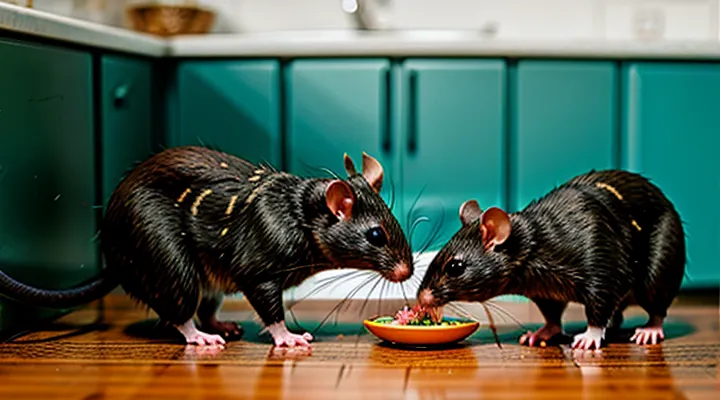
Understanding Rat Nutritional Needs
Essential Nutrients for Rats
Proteins and Amino Acids
Proteins supply the building blocks required for tissue maintenance, growth, and fur quality in ornamental rats. A diet containing 15–20 % high‑quality protein meets the metabolic demands of adult specimens, while juveniles benefit from 20–25 % to support rapid development.
Essential amino acids must be present in sufficient quantities. Lysine, methionine, threonine, tryptophan, and valine are particularly important for collagen synthesis, keratin formation, and immune function. Deficiencies manifest as dull coat, slowed growth, and increased susceptibility to disease.
Recommended protein sources include:
- Cooked lean poultry (chicken breast, turkey) – high in lysine and methionine.
- Soft‑boiled eggs – provide complete amino acid profile, especially tryptophan.
- Low‑fat cottage cheese – rich in casein, delivering balanced essential amino acids.
- Commercial rodent pellets formulated with soy or fish meal – ensure consistent amino acid ratios.
Supplementary amino acid additives are unnecessary when the primary protein sources are varied and meet the outlined percentages. Over‑supplementation of individual amino acids can disrupt nitrogen balance and lead to renal stress.
Water intake should accompany protein‑rich meals to facilitate digestion and renal clearance of nitrogenous waste. Monitor body condition regularly; excess protein may result in obesity, while insufficient intake leads to muscle wasting.
In summary, a balanced protein level of 15–25 % combined with diverse, high‑quality sources provides the complete amino acid spectrum required for optimal health, coat condition, and reproductive performance in decorative rats.
Carbohydrates and Fiber
Carbohydrates supply the primary energy needed for the high activity levels of ornamental rats. Include easily digestible sources such as cooked oatmeal, whole‑grain rice, and small portions of sweet potato. Limit simple sugars; excessive intake can lead to obesity and dental problems.
Fiber maintains gastrointestinal motility and supports a healthy gut microbiome. Provide a balance of soluble and insoluble fiber through:
- Commercial rodent pellets that list fiber content (minimum 5 % crude fiber).
- Fresh vegetables like broccoli, carrots, and leafy greens, offered in limited quantities to avoid excess water intake.
- Small amounts of dried herbs or psyllium husk to boost bulk without adding calories.
Recommended daily intake for an adult decorative rat (≈150 g body weight) is 2–3 g of carbohydrate and 1–1.5 g of fiber, divided into two feedings. Adjust portions based on body condition and activity level, monitoring stool consistency and weight. Regularly rotate carbohydrate sources to prevent nutritional monotony and reduce the risk of nutrient deficiencies.
Fats and Fatty Acids
When formulating a diet for ornamental rats, fats supply the majority of their caloric intake and support cell membrane integrity, hormone synthesis, and thermoregulation. Energy‑dense lipids should represent 8–12 % of the total diet on a dry‑matter basis; exceeding this range increases the risk of obesity and hepatic lipidosis.
Essential fatty acids cannot be synthesized by rats and must be provided through the diet. Linoleic acid (omega‑6) and alpha‑linolenic acid (omega‑3) are required for skin health, coat condition, and immune competence. A minimum of 0.5 % linoleic acid and 0.1 % alpha‑linolenic acid of the total diet is recommended. Balance between omega‑6 and omega‑3 sources should approximate a 4:1 ratio to avoid inflammatory imbalances.
Common feed ingredients that meet these requirements include:
- Vegetable oils (sunflower, safflower, canola): high in linoleic acid; use sparingly to prevent excess calories.
- Flaxseed oil: rich in alpha‑linolenic acid; incorporate at 0.2 % of the diet.
- Fish oil: provides EPA and DHA; limit to 0.1 % to avoid oxidative damage.
- Nuts and seeds (pumpkin seeds, walnuts): supply both essential fatty acids and trace nutrients; offer in small, measured portions.
- Egg yolk: source of phospholipids and cholesterol; include no more than 1 % of the diet.
Fat quality deteriorates with exposure to heat, light, and oxygen. Store oils in amber containers, refrigerate after opening, and replace supplies every three months. Incorporate antioxidants such as vitamin E (0.02 % of the diet) to protect polyunsaturated fats from oxidation.
Monitoring body condition scores and coat appearance provides practical feedback on fat adequacy. Adjust inclusion levels promptly if rats display excessive weight gain, greasy fur, or signs of dermatitis.
Vitamins and Minerals
Rats kept as ornamental pets require a precise balance of micronutrients to maintain health, reproduction, and coat quality. Vitamin and mineral provision should be based on established laboratory‑rodent guidelines, adjusted for the typical 150‑200 g adult decorative rat.
-
Vitamins
- Vitamin A (retinol): 3 – 5 IU per gram of diet; sources include liver, carrots, and fortified pellets.
- Vitamin D3 (cholecalciferol): 300 IU per kilogram of feed; obtainable from exposure‑controlled lighting, fish oil, and fortified mash.
- Vitamin E (α‑tocopherol): 30 mg per kilogram; supplied by sunflower seeds, wheat germ, and commercial supplements.
- Vitamin K: 1 mg per kilogram; present in leafy greens and fortified diets.
- B‑complex (B1, B2, B3, B5, B6, B7, B9, B12): total 10 mg per kilogram; derived from whole‑grain cereals, meat, eggs, and yeast extracts.
- Vitamin C: not required endogenously, but supplemental 30 mg per kilogram can reduce stress‑related oxidation; offered via citrus or fortified water.
-
Minerals
- Calcium: 0.5 % of diet weight; sources include dairy, bone meal, and calcium carbonate supplements.
- Phosphorus: 0.4 % of diet weight; provided by meat, fish, and bone meal.
- Magnesium: 0.05 % of diet weight; found in nuts, seeds, and whole grains.
- Potassium: 0.3 % of diet weight; supplied by bananas, potatoes, and leafy vegetables.
- Sodium: 0.1 % of diet weight; limited to prevent hypertension, sourced from small amounts of salt or meat.
- Iron: 50 mg per kilogram; delivered by red meat, liver, and iron‑fortified pellets.
- Zinc: 30 mg per kilogram; present in meat, shellfish, and zinc‑enriched feed.
- Copper: 5 mg per kilogram; obtained from organ meats and copper‑fortified mixes.
- Selenium: 0.3 mg per kilogram; supplied by fish, eggs, and selenium‑enriched grains.
Deficiencies manifest as poor fur condition, growth retardation, reproductive failure, or skeletal abnormalities. Excesses, particularly of calcium, phosphorus, or fat‑soluble vitamins, can cause organ toxicity. Routine analysis of feed composition, combined with periodic blood panels, ensures that dietary formulations remain within safe and effective ranges for decorative rats.
Common Nutritional Deficiencies
Decorative rats often develop deficiencies when their diet lacks variety or essential nutrients. Recognizing the most frequent shortfalls enables targeted supplementation and healthier coat, behavior, and longevity.
- Calcium – insufficient intake leads to weak bones, dental wear, and tremors. Include fortified rodent blocks, powdered calcium supplements, or occasional low‑fat dairy (e.g., plain yogurt) in small quantities.
- Vitamin D – required for calcium absorption; indoor‑kept rats receive little natural sunlight. Provide vitamin‑D‑enriched feed or a few minutes of safe UV‑B exposure each day.
- Vitamin E – deficiency manifests as muscle weakness and poor immune response. Add a few drops of vitamin‑E oil to fresh vegetables or offer nuts such as almonds in moderation.
- B‑complex vitamins – especially B1 (thiamine) and B12, support nervous system function. Whole‑grain cereals, lean protein sources, and fortified mixes prevent neurological signs.
- Omega‑3 fatty acids – low levels cause dull fur and skin inflammation. Incorporate a small amount of fish oil or flaxseed oil into the diet a few times weekly.
- Iron – excess is common, yet iron‑deficiency anemia can appear in rats fed primarily plant‑based diets. Balance iron by mixing lean meat or liver treats with vegetable portions.
Monitoring body condition, coat quality, and activity levels helps identify emerging deficiencies early. When a shortfall is suspected, adjust the diet gradually and consult a veterinarian familiar with small‑animal nutrition. Regular blood tests provide objective confirmation and guide precise supplementation.
Recommended Dietary Components
Commercial Rat Pellets
Choosing High-Quality Pellets
High‑quality pellets form the foundation of a balanced diet for ornamental rats. Veterinary nutritionists recommend products that meet established rodent standards and provide complete nutrition without unnecessary additives.
Key criteria for selecting premium pellets:
- Complete nutrient profile: Includes appropriate ratios of protein (15‑20 %), fat (4‑6 %), fiber (5‑7 %), and essential vitamins and minerals.
- Ingredient transparency: Lists all components in descending order, avoids generic terms such as “meat meal” or “animal by‑products.”
- Absence of fillers and artificial additives: No corn starch, soy oil, artificial colors, or preservatives that could cause digestive upset.
- Certified quality control: Manufactured under GMP (Good Manufacturing Practice) guidelines and tested for contaminants like aflatoxins and heavy metals.
- Palatability: Small, uniform granules that rats readily accept, encouraging consistent intake.
Store pellets in airtight containers at room temperature, away from direct sunlight. Replace the supply within the manufacturer’s recommended shelf life to preserve nutrient integrity. Regularly observe consumption patterns; a sudden decline may indicate an issue with the product’s freshness or suitability for the individual animal.
Benefits of Pelleted Diets
Pelleted diets provide a complete nutritional profile for ornamental rats, eliminating the need for multiple separate supplements. Each pellet contains precisely measured ratios of protein, fat, fiber, vitamins, and minerals, ensuring consistent intake of essential nutrients.
- Balanced protein levels support muscle development and immune function.
- Controlled fat content prevents excessive weight gain while supplying necessary energy.
- Adequate fiber promotes gastrointestinal motility and reduces the risk of impaction.
- Integrated vitamins and minerals maintain bone health, vision, and metabolic processes.
The uniform shape and size of pellets encourage regular chewing, which wears down continuously growing incisors and reduces the likelihood of dental malocclusion. Because the diet is pre‑formulated, owners can avoid the errors associated with mixing homemade recipes, such as nutrient deficiencies or toxic ingredient inclusion.
Pelleted feed also simplifies husbandry. A single daily portion can be measured accurately, minimizing waste and limiting exposure to contaminated food. The dry, compact nature of pellets resists spoilage, extending shelf life and reducing the frequency of replenishment.
Overall, pelleted nutrition delivers consistent, balanced nourishment, supports dental health, and streamlines feeding management for decorative rats.
Fresh Fruits and Vegetables
Safe Produce for Rats
Rats thrive on a varied diet that includes fresh fruits and vegetables, provided the items are safe and free of toxins. Incorporate the following produce regularly to support dental health, hydration, and nutrient balance.
- Apples (core removed, seedless)
- Blueberries
- Strawberries (hull removed)
- Carrots (peeled, cut into bite‑size pieces)
- Bell peppers (any color, seeded)
- Cucumbers (skin removed if waxed)
- Zucchini
- Leafy greens such as romaine lettuce, kale, and spinach (washed thoroughly)
- Broccoli florets
- Sweet potatoes (cooked, unseasoned, cooled)
Avoid produce that contains harmful compounds or poses choking hazards. Exclude citrus fruits, onions, garlic, avocado, and raw beans. Remove all seeds, pits, and stems that could cause intestinal blockage.
Introduce new vegetables gradually, monitoring for digestive upset. Offer each item in small portions, rotating selections to maintain interest and prevent overconsumption of any single nutrient. Provide fresh water alongside the produce to ensure adequate hydration.
Foods to Avoid
When providing nutrition for ornamental rats, certain foods present clear health risks and should be excluded from their diet.
- Processed meats (e.g., ham, bacon, hot dogs) – high sodium and preservatives can cause kidney strain and digestive upset.
- Sugary treats (candy, chocolate, flavored yogurts) – rapid blood‑sugar spikes lead to obesity and dental decay; chocolate also contains theobromine, toxic to rodents.
- Citrus fruits and juices – excessive acidity may irritate the gastrointestinal lining and cause mouth sores.
- Raw beans and legumes (especially kidney, lima, and soy beans) – contain lectins and other antinutrients that interfere with protein absorption and can be lethal if uncooked.
- High‑fat foods (fried items, fatty cuts of meat, cheese in large quantities) – promote fatty liver disease and increase the risk of pancreatitis.
- Salty snacks (chips, pretzels, seasoned nuts) – contribute to electrolyte imbalance and hypertension.
- Artificial sweeteners, particularly xylitol – metabolized differently in rodents, leading to rapid hypoglycemia and possible liver failure.
- Moldy or spoiled foods – toxins from mold can cause severe organ damage.
Eliminating these items supports optimal growth, maintains a stable digestive system, and reduces the likelihood of chronic conditions in decorative rats.
Occasional Treats and Supplements
Healthy Treat Options
When selecting treats for ornamental rats, prioritize foods that contribute essential nutrients without excess calories. Fresh vegetables such as carrot slices, broccoli florets, and bell‑pepper strips supply vitamins A, C, and K, as well as dietary fiber. Small portions of fruit—apple wedges (seedless), blueberries, or kiwi—offer natural sugars and antioxidants, but should be limited to two or three bites per day to prevent weight gain.
Protein‑rich options include boiled egg whites, low‑fat cottage cheese, and cooked chicken breast, each providing amino acids crucial for muscle maintenance. Offer no more than a teaspoon of these items per feeding. For enrichment, consider offering unsalted, unflavored nuts (e.g., almonds or walnuts) in quantities no larger than a single half‑nut, ensuring they are finely chopped to prevent choking.
A balanced treat regimen incorporates the following guidelines:
- Portion control – limit treats to 5‑10 % of the rat’s total daily caloric intake.
- Nutrient diversity – rotate vegetables, fruits, and protein sources to cover a broad spectrum of vitamins and minerals.
- Safety checks – remove seeds, pits, and any toxic plant parts; wash all produce thoroughly to eliminate pesticide residues.
- Storage – keep perishable treats refrigerated and discard any that become soft or moldy.
By adhering to these principles, caretakers can provide enjoyable, health‑supporting snacks that complement a nutritionally complete base diet.
When to Use Supplements
Supplement use should follow clear nutritional gaps or specific health needs. Evaluate each rat individually; do not add supplements preemptively.
Indicators that justify supplementation include:
- Observable signs of deficiency such as dull coat, hair loss, lethargy, or abnormal growth.
- Diagnosed medical conditions (e.g., renal disease, dental malocclusion) that impair nutrient absorption.
- Life‑stage requirements: juveniles undergoing rapid growth, pregnant or lactating females, and senior rats with reduced appetite.
- Restricted diets that exclude essential food groups, such as exclusive seed mixes lacking calcium or vitamin C.
When a deficiency is confirmed through clinical assessment or laboratory testing, select a supplement formulated for rodents, ensuring appropriate dosage based on body weight. Administer supplements according to manufacturer instructions, preferably mixed with regular feed to encourage consumption.
Avoid routine supplementation in healthy rats receiving a balanced, varied diet comprising commercial pellets, fresh vegetables, and occasional protein sources. Over‑supplementation can lead to toxicity, especially with fat‑soluble vitamins and minerals. Regular health checks enable timely adjustments without unnecessary additive use.
Feeding Practices and Considerations
Feeding Frequency and Portion Sizes
Feeding ornamental rats requires a consistent schedule to support metabolic stability and prevent obesity. Offer fresh food twice daily, ideally in the morning and early evening, aligning with their natural crepuscular activity. Maintain the same times each day to reinforce routine and reduce stress.
Portion sizes must match the animal’s weight, activity level, and life stage. Typical guidelines are:
- Adult rats (150‑250 g): 10‑15 g of high‑quality pellet or seed mix per feeding.
- Juvenile rats (under 150 g): 8‑12 g per feeding, with occasional enrichment treats.
- Senior rats (over 250 g): 12‑18 g per feeding, adjusted for reduced activity.
Supplement fresh vegetables (1‑2 g per 100 g body weight) and a limited amount of fruit (no more than 5 % of total daily calories). Water should be available at all times, refreshed daily.
Water: The Essential Nutrient
Water constitutes the primary nutrient for ornamental rats, supporting physiological processes such as temperature regulation, waste elimination, and cellular function. Adequate hydration prevents renal stress, urinary tract issues, and dehydration‑induced lethargy.
Fresh, clean water should be available at all times. Use stainless‑steel or ceramic dispensers to avoid bacterial growth; plastic containers may leach chemicals and develop biofilm. Replace water daily, and clean the dispenser with mild detergent followed by thorough rinsing.
Recommended daily intake varies with age, activity level, and ambient temperature. Approximate consumption rates are:
- Juvenile rats (under 8 weeks): 15–20 ml per 100 g body weight.
- Adult rats (8 weeks to 1 year): 10–15 ml per 100 g body weight.
- Senior rats (over 1 year): 8–12 ml per 100 g body weight.
Adjust volumes upward in warm environments or during heightened activity. Monitor consumption by measuring water removed from the dispenser each day; a sudden decline signals potential health concerns.
Water quality influences health outcomes. Filtered tap water or bottled spring water with neutral pH (6.5–7.5) is suitable. Avoid chlorinated water unless dechlorinated, and exclude flavored or sugary additives, which can disrupt gut flora and encourage dental disease.
Regular observation of drinking behavior, combined with consistent provision of uncontaminated water, ensures optimal hydration and supports the overall well‑being of decorative rats.
Special Dietary Needs
Young and Growing Rats
Young decorative rats in the growth phase require a diet that supports rapid tissue development and skeletal maturation. Formulas designed for laboratory or pet rodents provide the baseline, but adjustments are necessary to meet the higher metabolic demand of juveniles.
- Protein: 18‑22 % of total calories, sourced from high‑quality animal or soy protein.
- Fat: 5‑8 % of calories, primarily from vegetable oils rich in linoleic acid.
- Calcium‑phosphorus ratio: 1.2‑1.5 : 1, achieved with mineral‑enhanced pellets or fortified mixes.
- Vitamins A, D3, E, and B‑complex: supplied at levels exceeding adult requirements by 25‑30 % to prevent deficiencies during bone growth.
Carbohydrate content should remain moderate, around 45‑55 % of calories, to avoid excess weight gain while providing sufficient energy for activity. Fiber at 3‑5 % promotes gastrointestinal health and prevents impaction.
Weaning begins at 21 days, transitioning from milk replacer to solid pellets over a 7‑day period. Provide fresh pellets three times daily; each feeding should consist of 2‑3 g per 100 g body weight. Monitor body condition and adjust portions accordingly.
Water must be available at all times, filtered and changed daily. Limit sugary or high‑fat treats to less than 5 % of total caloric intake; suitable options include small pieces of fresh vegetables (e.g., carrot, broccoli) and occasional dried insects.
Supplemental calcium blocks may be offered for up to 10 minutes per day, ensuring no excess intake that could disrupt the calcium‑phosphorus balance. Regular health checks confirm that growth rates align with breed standards and that dietary adjustments are effective.
Pregnant and Lactating Rats
Pregnant and lactating decorative rats require a diet that exceeds the nutritional density of standard maintenance feeds. Energy intake should be raised by 20‑30 % compared to non‑reproductive individuals, achieved through higher‑calorie pellets or the addition of healthy fats such as sunflower oil (0.5 ml per 100 g feed). Protein content must reach at least 20 % of the diet; casein or soy‑based supplements can close the gap when commercial pellets fall short.
Key micronutrients support fetal development and milk production:
- Calcium: 0.8 % of the diet, supplied by finely ground limestone or calcium carbonate tablets (1 tablet per 200 g feed).
- Phosphorus: 0.6 % of the diet, balanced with calcium to maintain a 1.2:1 ratio.
- Vitamin A: 5 000 IU per kilogram of feed, provided by fortified pellets or a small amount of carrot puree (5 g per kilogram of feed).
- Vitamin D3: 1 000 IU per kilogram, essential for calcium absorption; a weekly supplement of 0.2 ml liquid D3 is sufficient.
- B‑complex vitamins: inclusion of a multivitamin premix (0.5 g per kilogram) supports metabolic demands.
Fresh water must be available at all times; lactating females increase fluid loss by up to 30 % and require a minimum of 30 ml per day per individual. Monitor water consumption; a sudden decline may indicate health issues.
Weight gain should be tracked weekly. Pregnant rats typically add 5‑7 g during gestation; lactating females may gain an additional 2‑3 g in the first week of nursing, then stabilize. Sudden weight loss or failure to gain expected mass warrants a dietary review and possible veterinary assessment.
Avoid feeding high‑sugar treats, raw beans, or excessive citrus, which can disrupt gut flora and interfere with mineral absorption. Limit seed mixes to 5 % of total intake to prevent nutrient imbalances.
Implement a feeding schedule that provides three measured meals per day, ensuring consistent nutrient delivery. Adjust portions upward by 10 % during the third trimester and the first two weeks of lactation, then reduce to maintenance levels once weaning is complete.
Senior Rats
Senior decorative rats experience reduced metabolic rate and dental wear, requiring a diet that supports muscle maintenance, digestive health, and bone strength.
Protein should constitute 18–22 % of total calories, sourced from high‑quality animal or plant proteins such as cooked chicken, boiled eggs, tempeh, or soy isolate. Fiber must reach 5–7 % of the diet to promote intestinal motility; suitable fibers include finely shredded carrots, beet pulp, and oat bran. Healthy fats, providing 5–8 % of calories, should come from omega‑3‑rich oils like flaxseed or fish oil, limiting saturated animal fats.
- Cooked lean meats (chicken breast, turkey) – 1–2 g per 100 g body weight daily
- Hard‑boiled eggs, mashed – 0.5 g per 100 g body weight daily
- Fresh vegetables (carrot, broccoli, kale) – 10–15 g per day
- Oat bran or beet pulp – 5 g per day
- Flaxseed oil – 0.2 ml per day
Calcium and phosphorus must remain in a 1.2:1 ratio to prevent skeletal loss; fortified rodent pellets or calcium‑rich greens such as collard leaves satisfy this requirement. Vitamin C is essential because rats cannot synthesize it; a small portion of bell pepper or a calibrated supplement provides adequate intake. B‑vitamin complex supports energy metabolism; a balanced commercial supplement can fill gaps.
- Calcium carbonate supplement – 100 mg per kg body weight weekly
- Vitamin C powder – 10 mg per kg body weight weekly
- B‑vitamin complex – as per manufacturer dosage for senior rodents
Feeding frequency should shift to two smaller meals per day, preventing overconsumption and reducing digestive strain. Portion sizes must be adjusted to maintain a stable body condition score; weigh food before each serving. Fresh water must be available at all times, with a temperature‑controlled bottle to encourage regular intake.
Monitor weight, coat quality, and activity level weekly. Any decline in these parameters warrants immediate diet modification and veterinary consultation.
Rats with Health Issues
When a decorative rat presents health concerns, diet must address both symptom management and long‑term wellness. Protein quality should remain high; lean meat, cooked eggs, or commercially formulated rat chow with at least 18 % protein supports tissue repair. Fat intake must be moderate; incorporate omega‑3‑rich sources such as flaxseed oil or small amounts of cooked fish to reduce inflammation without encouraging obesity.
Fiber is essential for gastrointestinal health. Offer fresh vegetables—broccoli, kale, carrots—plus a measured quantity of high‑fiber pellets. Avoid raw beans and cruciferous greens in excess, as they can cause gas and exacerbate digestive upset. Hydration requires constant access to clean water; consider a bottle with a drip‑proof tip to prevent contamination.
Micronutrient supplementation should be tailored to the specific condition:
- Respiratory infections: Vitamin C (100 mg/kg body weight) and a brief course of probiotic yogurt can enhance immune response.
- Dental wear: Provide chewable calcium blocks and occasional raw almond slivers to promote enamel maintenance.
- Renal impairment: Limit phosphorus by substituting leafy greens for high‑phosphorus treats; use low‑protein, kidney‑support formulas when prescribed.
- Obesity: Reduce overall caloric density by replacing sugary treats with sliced apple or cucumber; schedule meals at 8‑hour intervals to regulate intake.
Monitor weight weekly, record any changes in coat condition, activity level, and stool consistency. Adjust portions promptly if weight deviates more than 5 % from the target range. Consult a veterinarian before introducing new supplements, especially for rats with chronic illnesses, to ensure compatibility with existing medications.
Environmental Enrichment Through Food
Providing rats with varied, manipulable foods creates a dynamic environment that stimulates natural foraging and problem‑solving behaviors. The sensory cues, texture differences, and effort required to access nutrients mimic conditions found in the wild, reducing boredom and supporting mental health.
Strategic use of food as enrichment involves three core principles: diversity, challenge, and safety. Diversity introduces novel flavors and textures; challenge encourages exploration and skill development; safety ensures that all items are nutritionally appropriate and free of hazards.
- Rotate fresh vegetables (e.g., carrot sticks, broccoli florets) every two days to maintain novelty.
- Incorporate low‑fat protein sources such as boiled egg white or cooked chicken, presented in small, hidden portions within chewable tunnels.
- Use whole‑grain cereal or unsalted nuts as puzzle items, placed inside PVC tubes or stacked paper rolls that require the rat to manipulate the container to retrieve the treat.
- Offer herbaceous herbs (e.g., mint, parsley) on a small dish to promote scent exploration while providing vitamins.
- Limit sugary or high‑fat treats to no more than 5 % of total caloric intake to prevent obesity and dental issues.
Implementation requires monitoring and adjustment. Record each rat’s interaction time and preference to identify effective items. Replace worn or soiled enrichment objects promptly. Maintain a clean feeding area to prevent contamination. By integrating these practices, caretakers transform routine meals into active enrichment sessions that promote physiological well‑being and behavioral vitality.
Potential Dietary Problems
Obesity and Weight Management
Obesity in ornamental rats arises from excess caloric intake, low activity levels, and inappropriate diet composition. Persistent weight gain reduces lifespan, impairs mobility, and predisposes to metabolic disorders. Effective weight management requires precise monitoring, balanced nutrition, and regular exercise.
- Determine ideal body weight based on strain, age, and sex; record weekly measurements to detect trends.
- Calculate daily energy requirements using established metabolic equations; adjust portions to stay within 90‑95 % of calculated needs.
- Provide a base diet of high‑fiber, low‑fat pellets; limit high‑calorie treats to no more than 5 % of total intake.
- Include protein sources with digestibility above 80 %; avoid excessive animal fats.
- Offer fresh vegetables rich in water content and micronutrients; rotate varieties to prevent nutrient deficiencies.
- Implement scheduled enrichment activities such as climbing structures, tunnels, and foraging puzzles; aim for at least 30 minutes of active play per day.
- Reduce feeding frequency to two controlled meals; avoid ad libitum access to food.
- Monitor body condition score weekly; adjust diet and activity plan promptly when score exceeds optimal range.
Consistent application of these measures maintains healthy weight, supports musculoskeletal health, and promotes longevity in decorative rats.
Dental Health and Diet
Dental health in ornamental rats depends on a balanced diet that supplies adequate calcium, phosphorus, and vitamin D while limiting substances that promote plaque formation. Enamel integrity requires a calcium‑to‑phosphorus ratio close to 1.2:1; commercial rodent pellets formulated for breeding or show animals typically meet this requirement. Fresh vegetables such as kale, broccoli, and carrot tops contribute additional calcium and antioxidants that support gum tissue resilience.
Fiber-rich components encourage natural chewing behavior, which mechanically cleans teeth and prevents overgrowth. Include untreated wood blocks, mineral chews, and occasional raw sweet potato slices to provide abrasive surfaces. Limit sugary treats, dried fruit, and high‑fat snacks, as they accelerate bacterial proliferation and increase the risk of dental caries.
- Offer a daily portion of high‑quality pellet (approximately 15 g per 100 g body weight).
- Supplement with 1–2 tbsp of fresh leafy greens, ensuring they are washed and pesticide‑free.
- Provide at least one chewable item with a hardness rating of 2–3 on the rodent chew scale.
- Replace water bottles weekly and keep water clean to reduce oral bacterial load.
- Schedule a veterinary oral examination every six months, with professional polishing if tooth length exceeds normal limits.
Food Allergies and Sensitivities
Allergic reactions in ornamental rats manifest as skin irritation, respiratory distress, gastrointestinal upset, or behavioral changes. Recognizing these signs promptly prevents chronic discomfort and supports overall health.
Common allergens include:
- Commercial seed mixes containing millet, sunflower, or sorghum
- Fresh fruits with high acidity, such as citrus or berries
- Protein sources with added preservatives, for example, processed chicken jerky
- Household dust or mold spores that settle on food containers
When an allergy is suspected, eliminate the suspected item for at least two weeks while monitoring the animal. Reintroduce foods individually, spaced by several days, to identify the trigger. If symptoms persist despite dietary adjustments, consult a veterinarian for possible immunologic testing or antihistamine therapy.
Balanced nutrition remains essential; replace eliminated foods with hypoallergenic alternatives such as plain rolled oats, cooked lean turkey, or peeled apple slices. Ensure fresh water is always available, and keep feeding equipment clean to avoid secondary irritants.
Document each dietary change, observed reactions, and veterinary recommendations. Maintaining detailed records simplifies future adjustments and contributes to consistent care for decorative rats.
Toxins and Harmful Foods
Rats used for decorative purposes require a diet free of substances that can cause acute or chronic health problems. Toxic compounds affect the nervous, cardiovascular, and digestive systems, often leading to rapid deterioration or long‑term organ damage.
Common foods and ingredients that must be excluded:
- Chocolate, cocoa products, and any items containing theobromine or caffeine.
- Allium family members such as onions, garlic, leeks, and chives.
- Avocado flesh and pits, which contain persin.
- Citrus peels and excessive citrus juice, which can irritate the gastrointestinal tract.
- Raw or green potatoes and tomatoes, rich in solanine.
- Moldy or spoiled food, especially grains and nuts, due to mycotoxins.
- High‑fat, high‑sugar, and high‑salt processed snacks, which promote obesity and metabolic disorders.
- Artificial sweeteners, especially xylitol, which can cause hypoglycemia.
- Products with added preservatives, dyes, or flavor enhancers not specifically formulated for rodents.
Additional hazards include heavy metals (lead, cadmium) that may leach from cookware or contaminated water, and pesticide residues on fresh produce. Even small amounts can accumulate in the liver and kidneys, impairing detoxification pathways.
To maintain a safe diet, provide fresh vegetables, fruits, and whole grains that have been thoroughly washed, store all food in airtight containers, and discard any item showing signs of spoilage. Regularly review ingredient lists for hidden toxins and replace compromised items promptly.